


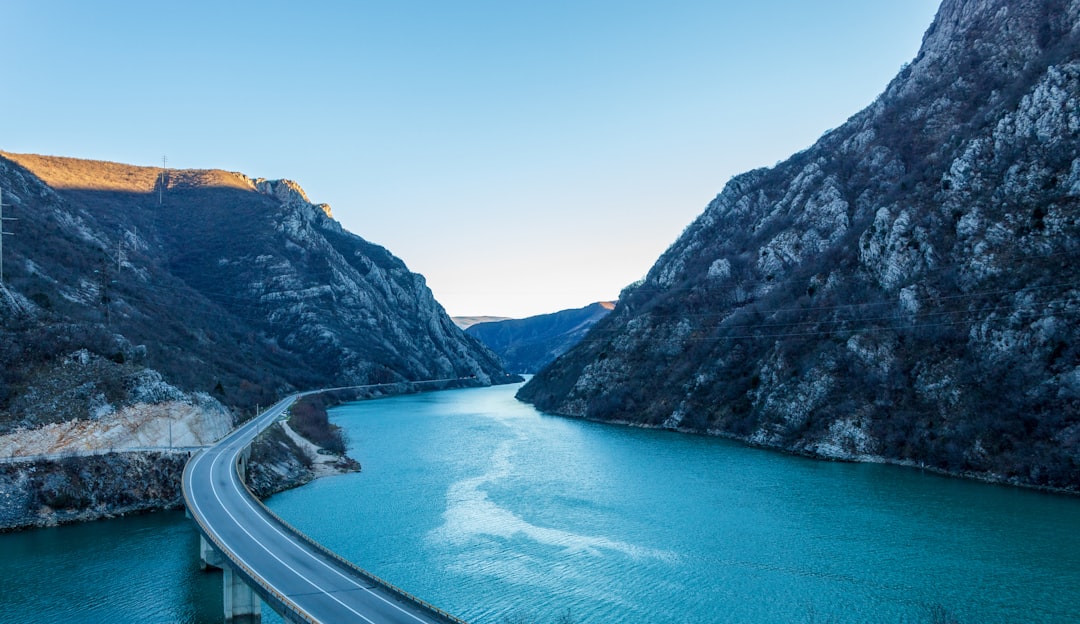
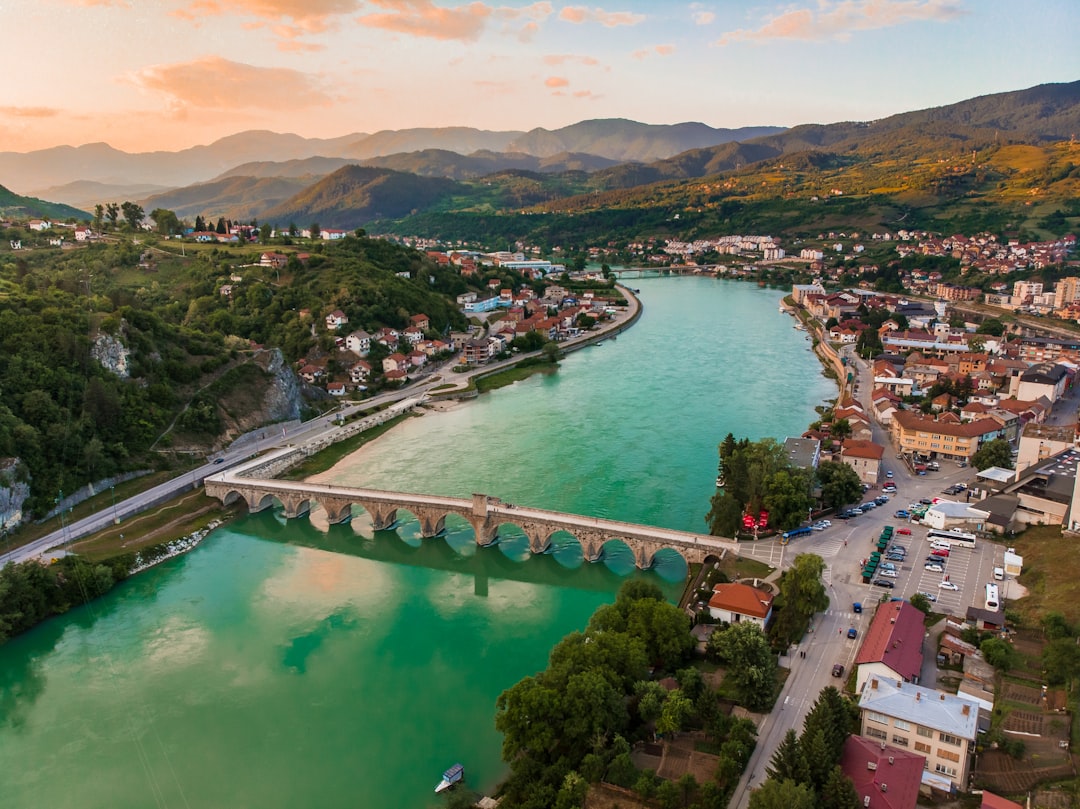
The water hits my chest like a wet concrete wall. One second I am paddling through a narrow slit of limestone, the next I am spinning in a torrent that smells of wet rock and ancient history. I am upside down, my helmet scraping against the canyon wall, trying to remember which way is up. Below me, the Neretva River Neretva River churns, a milky-green serpent that has carved its way through the heart of Herzegovina Herzegovina over millions of years. Above me, the canyon walls rise three hundred meters, sheer cliffs of pale stone that swallow the sky. This is not a gentle float. This is the Blagaj Blagaj stretch, where the river turns wild, and the landscape feels less like a vacation spot and more like a battlefield of geology. I flip back upright, gasping, my lungs burning. A local guide yells something in Bosnian from the next kayak, laughing. I laugh too, because what else do you do when the mountain tries to drown you?
Most tourists in this part of the Balkans stick to the coast. They sunbathe on the pebble beaches of Metković Metković or sip coffee in the shaded squares of Mostar Mostar. They see the postcard version of Bosnia and Herzegovina: the Old Bridge, the Ottoman architecture, the relaxed Mediterranean vibe. But they miss the pulse. The pulse is here, in the gorge, where the water is cold enough to shock your teeth and the silence between rapids is heavy with the weight of centuries. I came here to paddle, but I stayed for the ghosts. The Neretva gorge is a place where nature and human history collide violently, leaving scars that are beautiful in their own brutal way.
The Geology of Violence
To understand the Neretva, you have to understand the stone. This river does not flow gently; it fights its way through the Dinaric Alps, a mountain range that seems determined to keep you out. The gorge near Blagaj is a textbook example of karst topography, where water dissolves limestone over eons, creating caves, sinkholes, and sudden drops. As I paddle downstream, the river changes character every few hundred meters. One minute it is a calm, mirror-like stretch reflecting the jagged peaks. The next, it funnels into a narrow canyon where the current accelerates, pulling me toward whitewater sections that demand every ounce of my paddling skill.
The cliffs are not just rock; they are a geological record. Layers of sedimentary stone twist and fold, evidence of the tectonic forces that pushed the Adriatic plate into the Eurasian plate. In some places, the rock is honeycombed with small caves, home to bats and birds that screech overhead. The water itself is startlingly clear, a pale turquoise that gives it the nickname "the green river." But do not let the color fool you. This is fast-moving water, fed by glacial melt and mountain springs, and it carries a coldness that seeps into your bones. I have paddled rivers across the Balkans, from the Drina to the Danube, but the Neretva has a unique energy. It feels alive, almost aggressive, as if it resents being confined by the canyon walls.
As the sun climbs higher, the heat builds. The canyon acts like a funnel, trapping the warmth and creating a microclimate that feels tropical despite the crisp air at the top of the cliffs. I take a break on a small gravel bar, my muscles aching, and look up. The walls are sheer, unclimbable in most places, and covered in patches of green moss and wild vines. It is a reminder of how small we are in this landscape. The river does not care about our schedules or our comfort. It follows its own path, indifferent and powerful.
Shadows of War and Peace
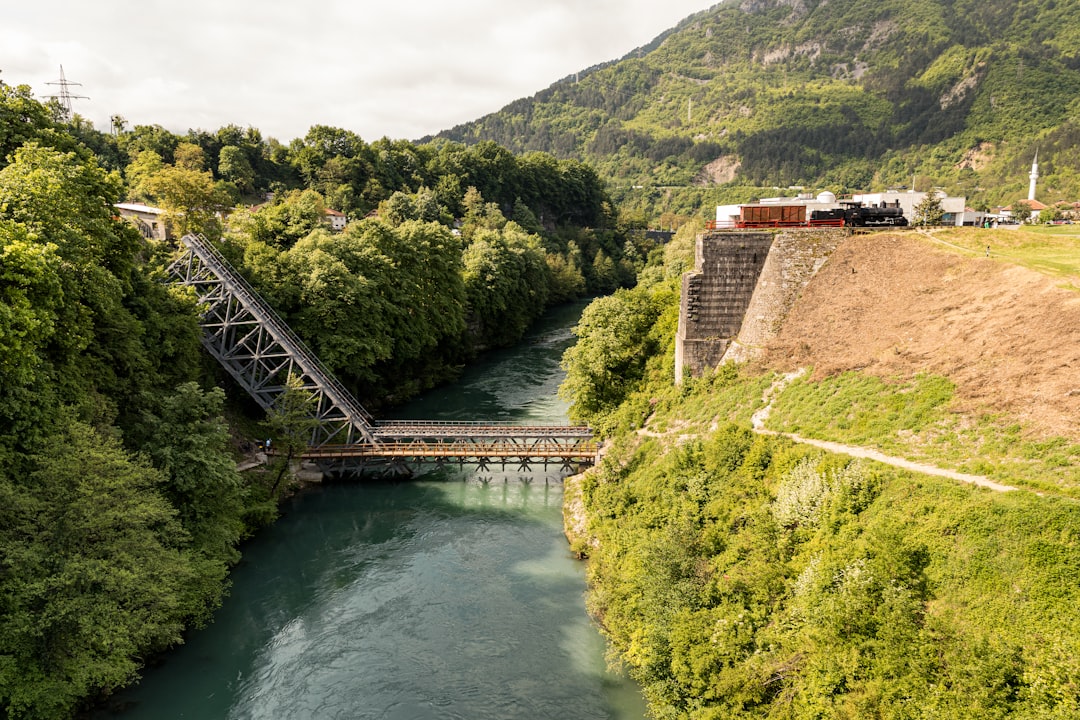
You cannot talk about the Neretva without talking about the war. The 1990s conflict in Bosnia and Herzegovina left deep scars on this region, and the gorge is no exception. As I paddle further downstream, past the initial whitewater section, the landscape opens up slightly, revealing signs of the past. Abandoned concrete bunkers cling to the cliff sides, their gun ports staring out over the water like hollow eyes. These are remnants of the fighting between Croatian and Bosnian forces, a brutal chapter in the region's history that turned this beautiful valley into a kill zone. It is jarring to see these military structures in such a pristine natural setting. They are a stark reminder that peace is fragile, and that nature eventually reclaims everything.
Yet, life persists. On the banks, I see fishermen casting lines into the current, their boats weathered but sturdy. In the distance, a small village clings to the hillside, its houses painted in bright colors that contrast with the gray stone. The people here have rebuilt their lives, finding ways to coexist with the river and the memory of the war. They are resilient, pragmatic, and proud of their home. I stop for lunch at a small riverside taverna, where the owner serves me a plate of grilled fish caught earlier that morning. He tells me stories of his youth, of fishing in these same waters when they were safe, and of the years when he had to hide in caves to survive. His voice is calm, but there is a sadness in his eyes that speaks volumes.
The Neretva gorge is a place of contrasts. It is beautiful and brutal, peaceful and violent, ancient and modern. It is a landscape that refuses to be simplified, demanding that you engage with it on its own terms. As I continue paddling, the sun begins to set, casting long shadows across the water. The cliffs glow in the golden light, and the river turns a deep, rich green. It is a moment of pure tranquility, but it is fleeting. Tomorrow, I will be back on the river, facing new rapids and new challenges. But for now, I am content to sit still, listening to the sound of the water and the silence of the stones.
On the Water: The Paddle Experience
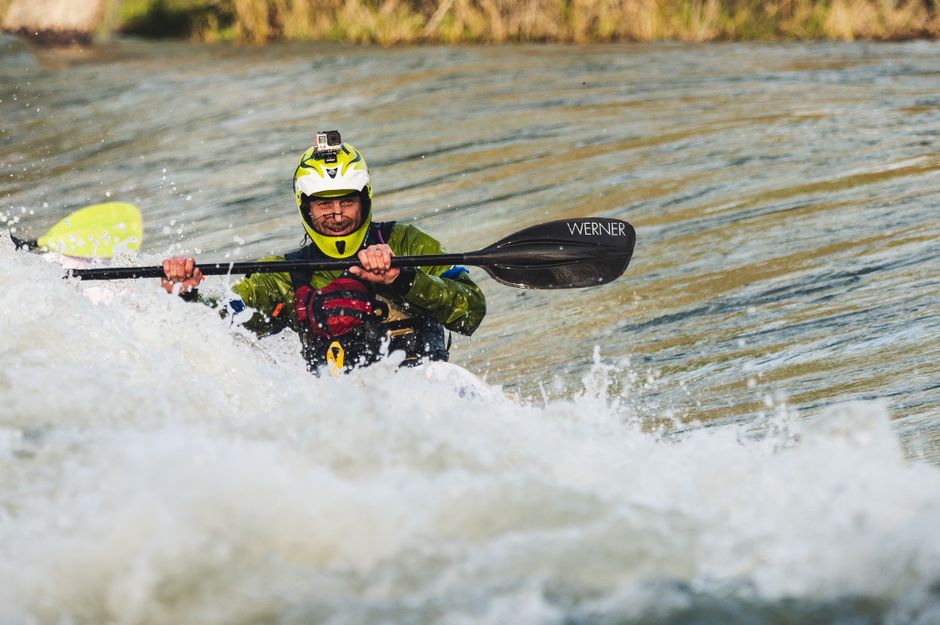
The actual kayaking experience is a mix of technical skill and raw endurance. The section from Blagaj down to the town of Brod Brod, Bosnia and Herzegovina is roughly twelve kilometers long and takes about four to five hours to complete, depending on your skill level and the water flow. The river is classified as Class III to IV in difficulty, meaning it has moderate to steep drops, powerful currents, and complex maneuvers. It is not a trip for beginners, but for experienced paddlers, it is a thrill. The water is cold, even in summer, so drysuits or wetsuits are essential. Hypothermia is a real risk, and the current can sweep you under if you are not careful.
One of the most challenging parts of the run is the "Blagaj Rapids," a series of steep drops and whirlpools that require precise paddling to navigate. I spend most of my energy here, bracing against the current and trying to keep my kayak upright. The water is chaotic, churning and splashing, and it is easy to lose your balance. But when you get it right, when you carve through the whitewater and emerge on the other side, the sense of accomplishment is immense. It is a feeling of pure adrenaline, of being in control of something that wants to destroy you.
Between the rapids, there are calm stretches where you can relax and take in the scenery. These are the moments when you really appreciate the beauty of the gorge. The water is still, reflecting the cliffs and the sky, and the only sound is the gentle lapping of waves against your kayak. It is a chance to catch your breath and prepare for the next challenge. I often use these moments to check my gear, make sure my drysuit is sealed, and drink some water. Hydration is key, especially in the heat of the canyon. I also take time to photograph the landscape, capturing the stark beauty of the cliffs and the vibrant color of the water. These images are a reminder of why I do this, of why I put myself in harm's way for a few hours of paddling.
Getting There & What to Expect
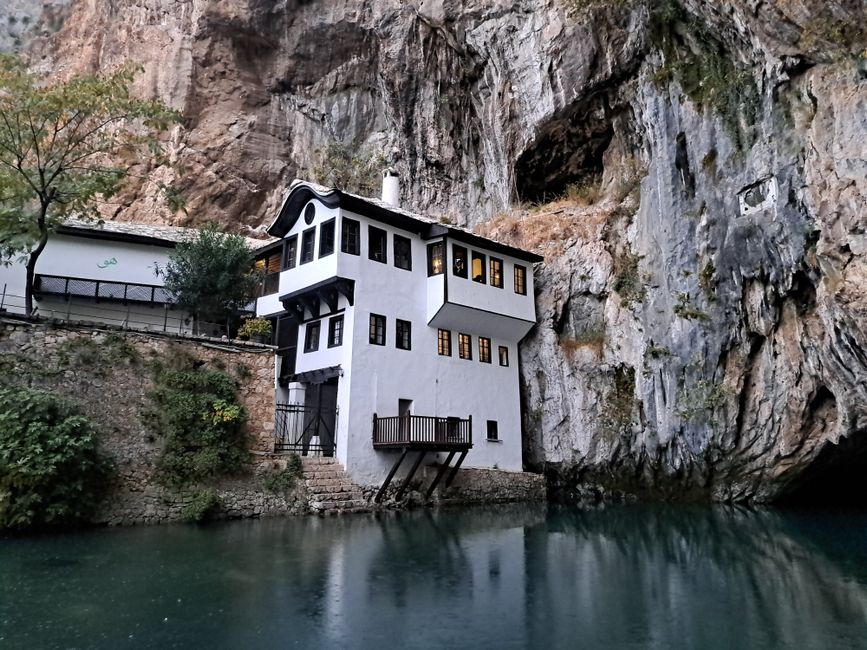
Accessing the Neretva gorge requires some planning. The nearest major town is Mostar, which is about thirty kilometers upstream. You can reach Mostar by bus from Sarajevo, which takes roughly two hours and costs around 5-8 EUR. From Mostar, you can rent a car or take a taxi to Blagaj, which is another thirty minutes drive. The road from Mostar to Blagaj is scenic, winding along the river and offering glimpses of the gorge. The trailhead for the kayak trip is located in Blagaj, near the famous Tekke, a Sufi dervish monastery built right at the source of the river. Parking is available here, and there are several outfitters that offer kayak rentals and guided trips.
For accommodation, Mostar offers a wide range of options. Budget hostels start at 15-25 EUR per night, while mid-range hotels range from 40-70 EUR. There are also several guesthouses and apartments available for longer stays. If you prefer to stay closer to the river, there are a few small campsites near Blagaj and Brod, where you can pitch a tent for 5-10 EUR per person. Food is generally inexpensive, with local restaurants serving hearty meals for 8-15 EUR. The best time to visit is from May to September, when the water is warmest and the weather is most stable. However, be prepared for crowds during the peak summer months, as the Neretva gorge is becoming increasingly popular with adventure tourists.
Before setting out, make sure you have the right gear. A drysuit or wetsuit, helmet, and life jacket are essential. Most outfitters provide these items, but it is worth checking their quality before you go. You will also need a sturdy kayak, preferably a whitewater model, and a paddle. If you are not an experienced paddler, consider hiring a guide. They can help you navigate the rapids and ensure your safety. Finally, respect the environment. Do not litter, and stay on designated trails. The Neretva gorge is a fragile ecosystem, and it is our responsibility to protect it for future generations.
The Final Current
I emerge from the gorge at Brod, my muscles screaming, my skin pale from hours under the cliffs. The sun is setting, painting the sky in shades of orange and purple. I feel exhausted, but alive in a way I rarely do in the city. The Neretva has taken everything from me—my energy, my breath, my sense of control—and given me something in return: a deeper connection to this land, to its history, and to myself. As I walk back to the car, I look back at the river, now calm and dark in the twilight. It seems to be watching me, waiting for the next challenge, the next adventurer who dares to test its waters. I know I will be back. The river calls, and I cannot resist.

Comments