


The Stone That Bites Back
I am standing on a balcony in the old town of Gjirokastër, sweating through my shirt despite the mountain air. The sun here doesn't just shine; it assaults you, bouncing off the slate roofs like a ricocheting bullet. I ordered a raki from a woman who looked at me with the suspicion of someone guarding a vault, and she poured it into a glass so thick it could stop a knife. The drink burned going down, a necessary counterpoint to the chill radiating from the walls around me. This isn't a museum. It's a living, breathing fortress of stone where the architecture doesn't welcome you—it endures you.
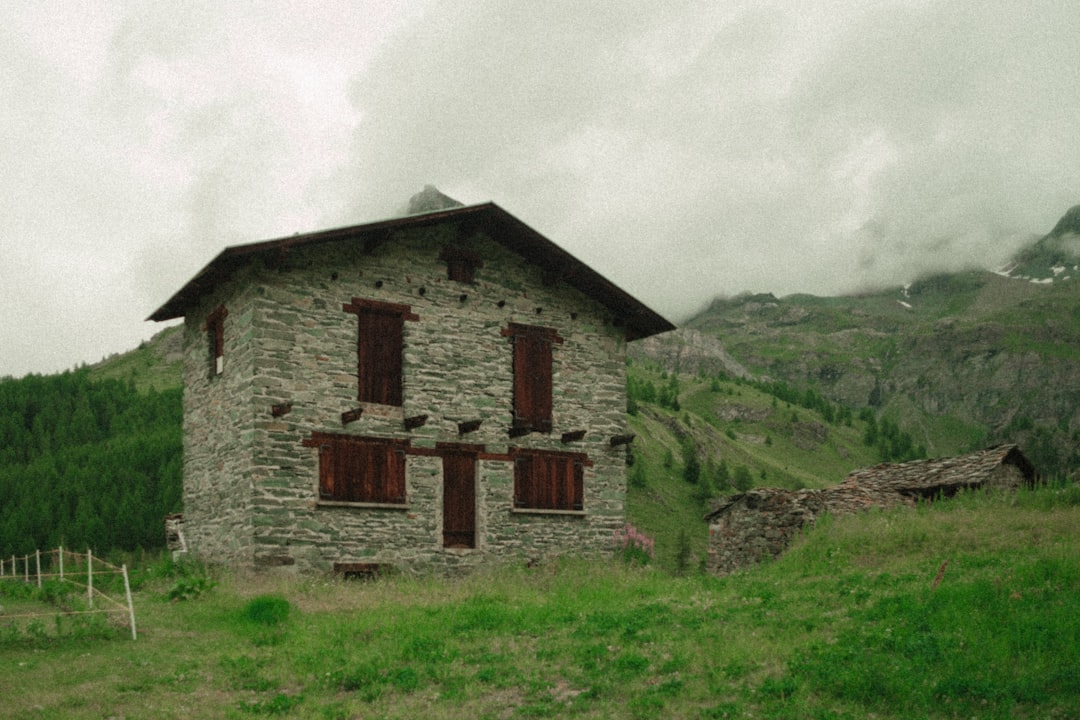
The city feels less like a settlement and more like a geological accident frozen in time. Every surface is gray, jagged, and stubborn. The Ottoman Empire left many marks on the Balkans, from minarets to mosques, but here, the legacy is structural, brutal, and deeply human. These aren't pretty cottages. They are defensive strongholds disguised as homes, built by a society that never trusted the ground beneath its feet. I came to understand the stone, but I left realizing the stone understands you first.
History & Identity
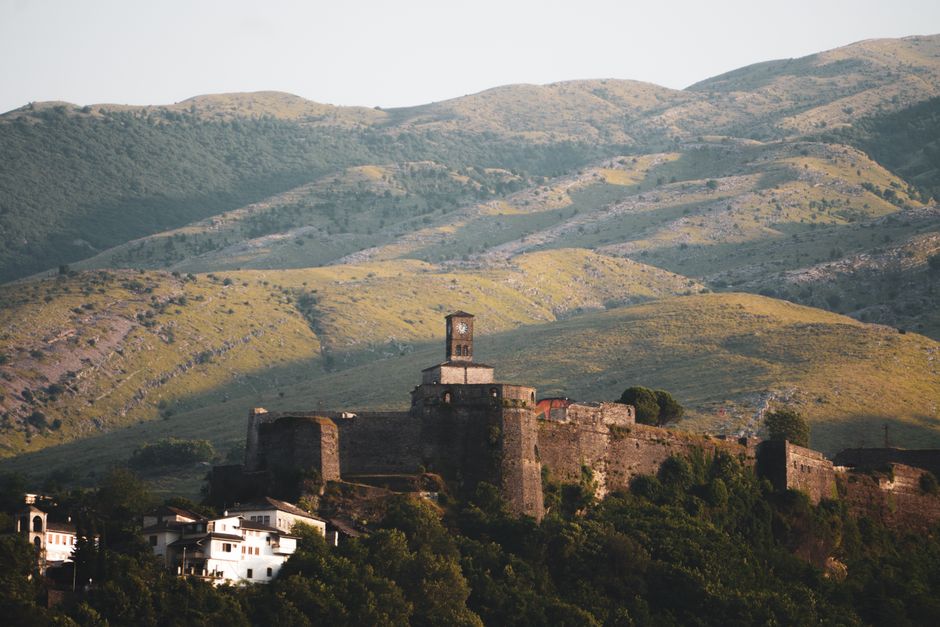
Gjirokastër rises from the shadow of Gjirokastër Castle, a massive limestone structure that has watched empires rise, fall, and rot away. The city's identity is inextricably linked to the Ottoman period, specifically the 17th and 18th centuries, when the region was part of the Sanjak of Delvina. The stone houses that define the skyline today were built during this era, constructed by local masons using techniques passed down through generations. They were designed for defense, privacy, and status, reflecting a society that was both deeply traditional and fiercely independent.
The architecture is a direct response to the geography and the politics. The steep slopes of the city required multi-story buildings that could cling to the hillside, while the frequent tribal conflicts and Ottoman taxation meant that homes needed to be secure. The ground floor was always for livestock and storage, thick-walled and windowless, while the upper floors housed the family. This vertical separation created a unique social hierarchy within each home, with the most prestigious rooms located at the top, far from the mud and the noise of the street.
What makes Gjirokastër distinct is the preservation of this entire urban fabric. Unlike other Balkan cities where modern construction has swallowed the old quarters, here the stone houses remain the dominant feature. The city was declared a UNESCO World Heritage site in 2005, not just for the castle, but for this "unique living ensemble" of stone houses. It is a testament to a way of life that has resisted erasure, where the past is not a memory but a daily reality.
Where to Go
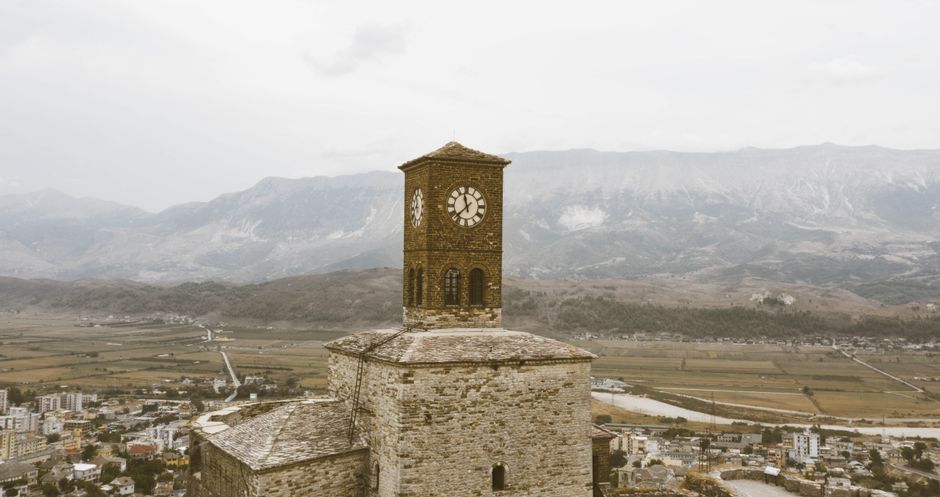
Gjirokastër Castle — The crown jewel of the city, this fortress dominates the skyline and offers the best vantage point for understanding the layout of the stone houses below. Inside, you'll find the Ethnographic Museum, which displays artifacts from the Ottoman period, including traditional costumes, weapons, and household items. The climb up is steep, but the view of the slate roofs stretching out like a sea of gray waves is worth the effort. Entry is 5 EUR for adults. Visit early in the morning to avoid the heat and the crowds.
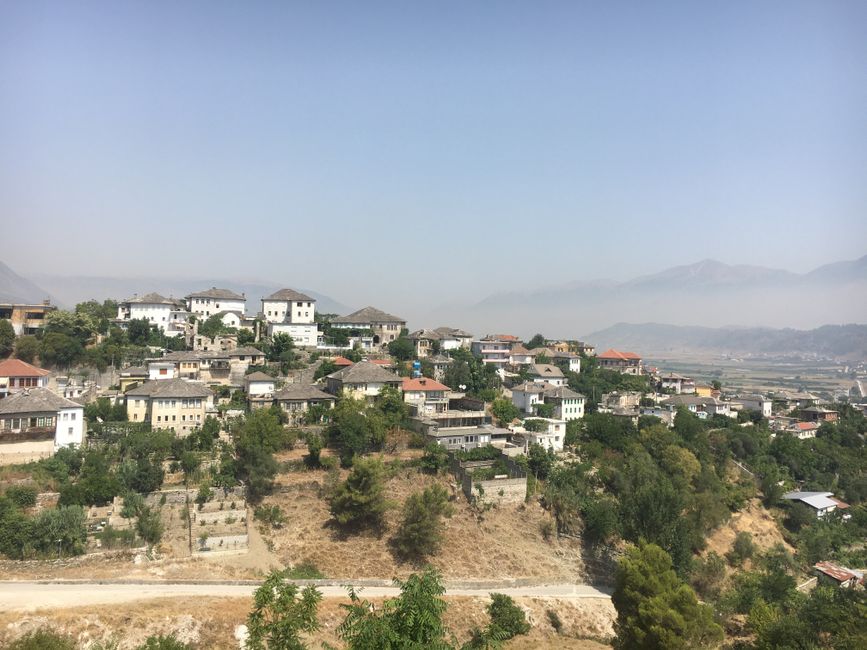
Skenduli House — One of the most well-preserved examples of Ottoman-era architecture in the city, this house dates back to the 18th century. It is now a museum, showcasing the interior layout of a wealthy merchant's home. The rooms are arranged around a central courtyard, with intricate woodwork and traditional textiles. The guide explains how the family lived, worked, and defended themselves within these walls. It is a fascinating glimpse into the daily life of the past. Entry is 3 EUR.
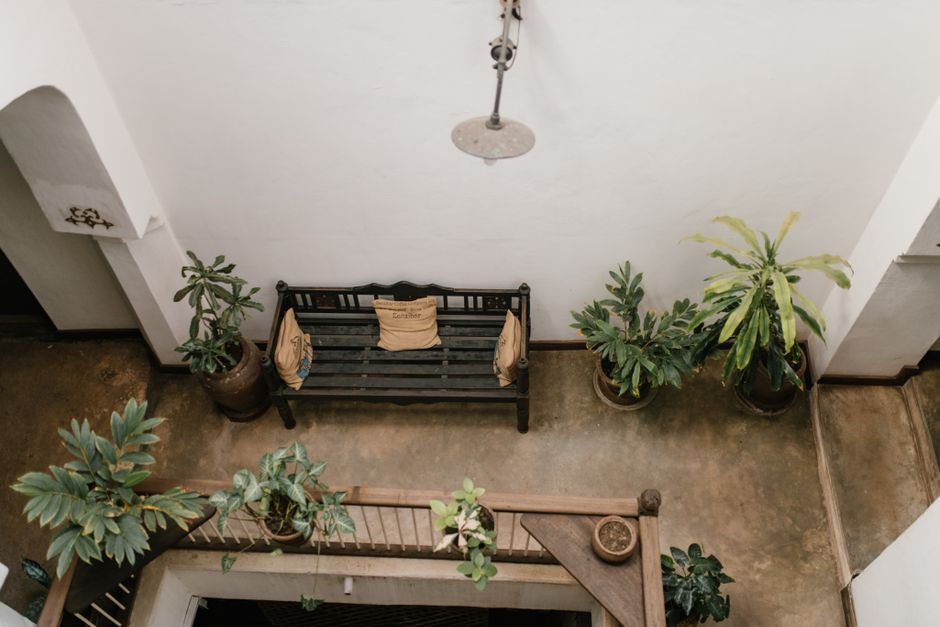
Marubi National Museum of Photography — Located in a converted stone house, this museum is a treasure trove of historical photographs taken by the Marubi family, who were the leading photographers in Albania during the 19th and 20th centuries. The images document the city's transformation, from the Ottoman period to the Communist era. The photos are stunningly detailed, capturing the faces, clothes, and streets of Gjirokastër in black and white. It is a must-visit for anyone interested in the city's history. Entry is 2 EUR.
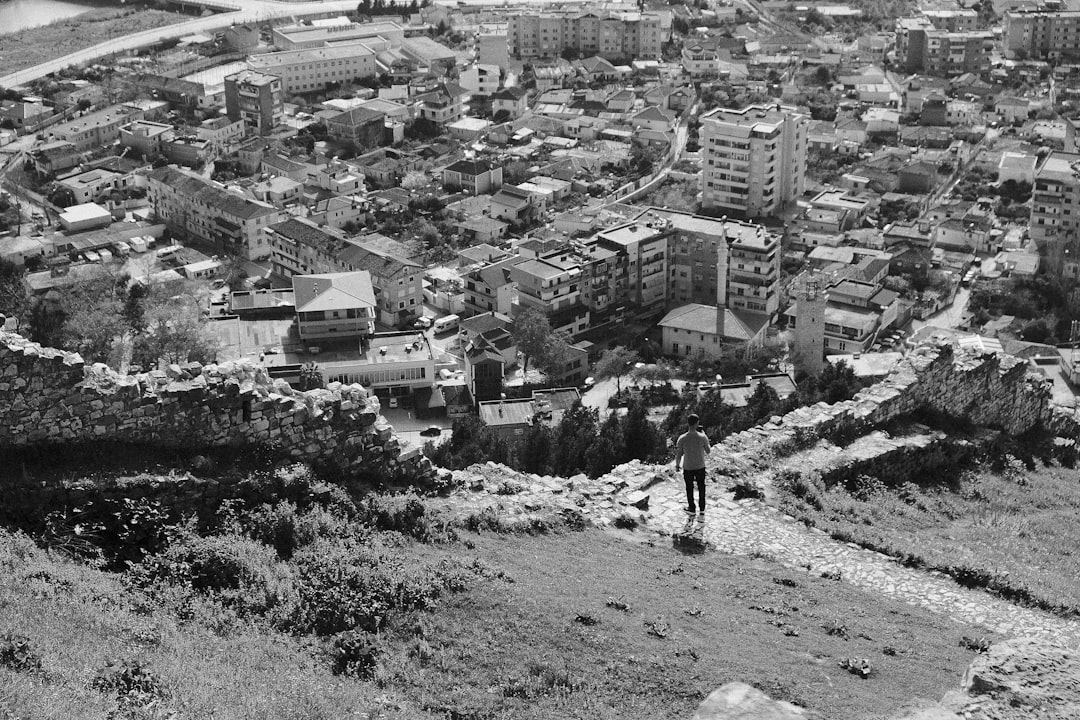
The Bazaar Street — This is the main commercial artery of the old town, lined with stone houses that have been converted into shops, cafes, and restaurants. It is a vibrant place, with locals and tourists mingling, and the smell of fresh bread and coffee in the air. You'll find everything from traditional crafts to modern souvenirs. It's a great place to people-watch and get a feel for the city's current rhythm. There is no entry fee, of course.
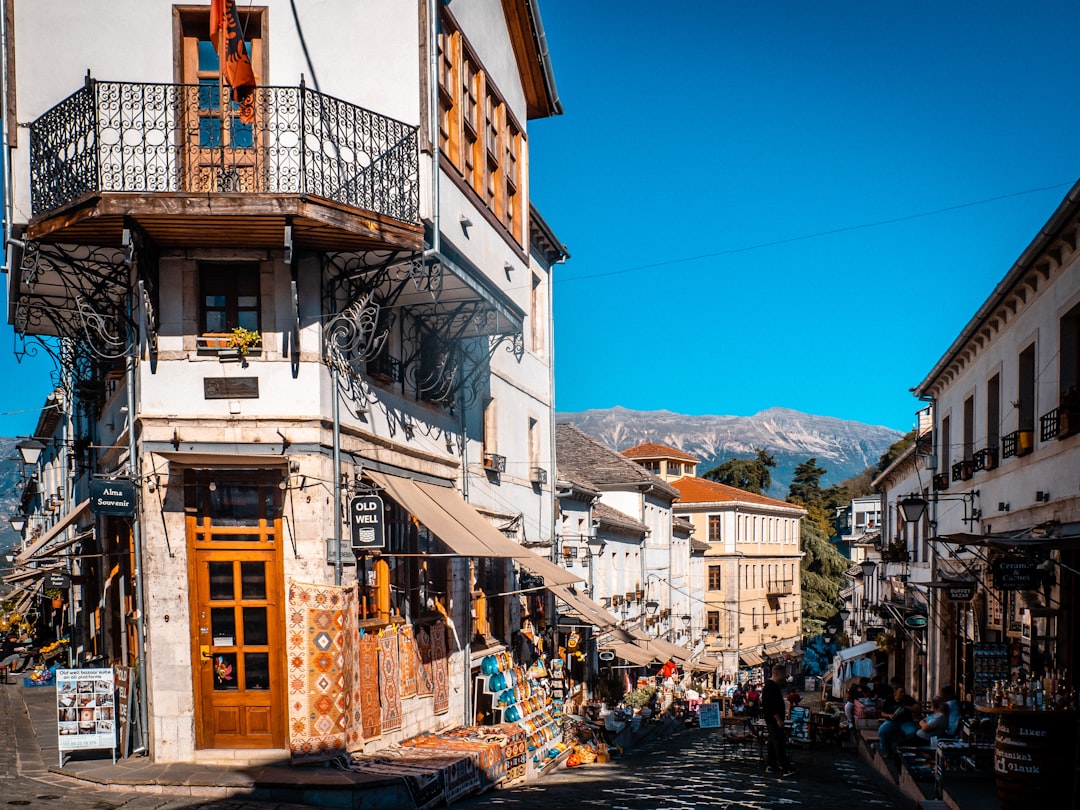
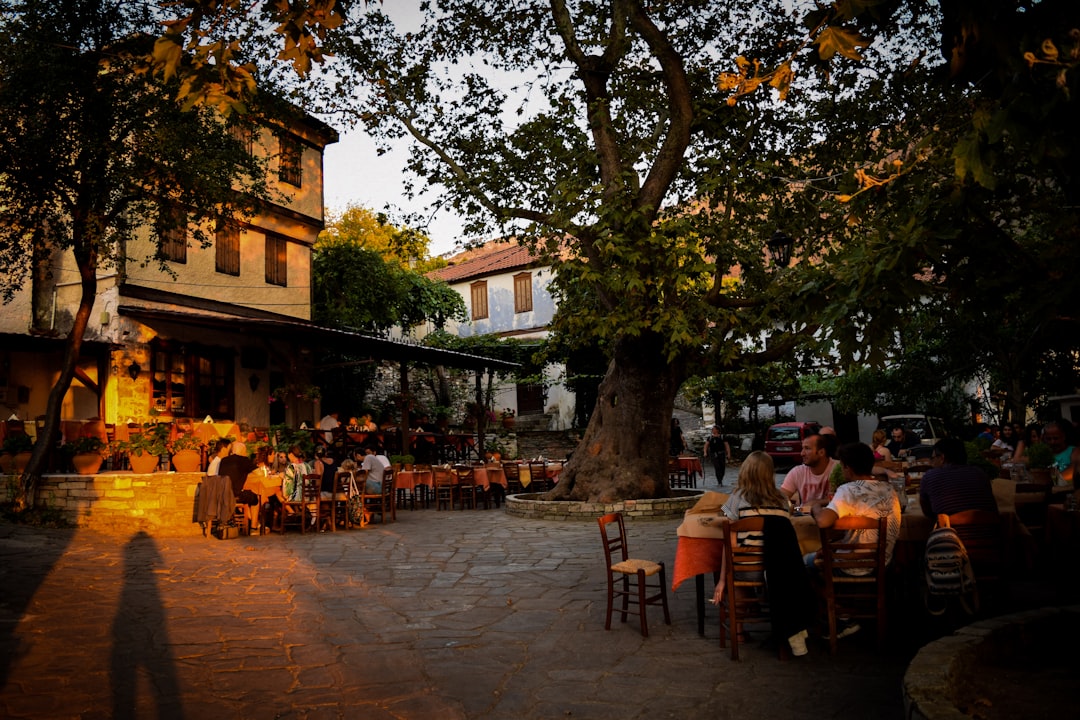
Kalaja Square — Located at the foot of the castle, this square is a popular gathering spot for locals. There are several cafes with outdoor seating, where you can relax and enjoy the view of the castle. It's a good place to start or end your day, especially in the evening when the city lights up. The atmosphere is relaxed and friendly, with live music often playing in the summer months.
What to Eat & Drink
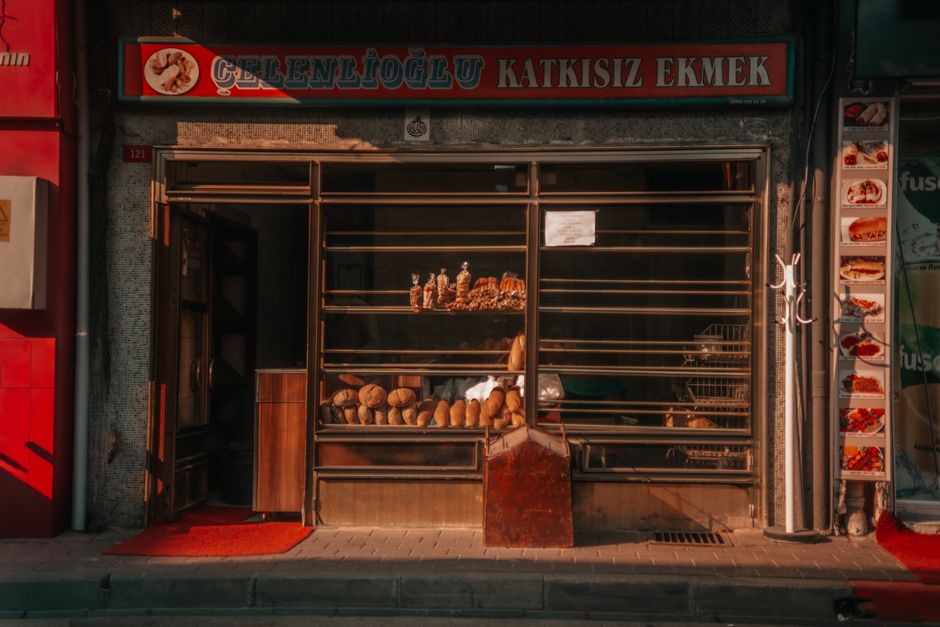
Byrek — A flaky pastry filled with cheese, spinach, or meat, this is a staple of Albanian cuisine. You'll find it in almost every bakery and cafe in the city. It's cheap, filling, and delicious. Price: 1-2 EUR per slice.
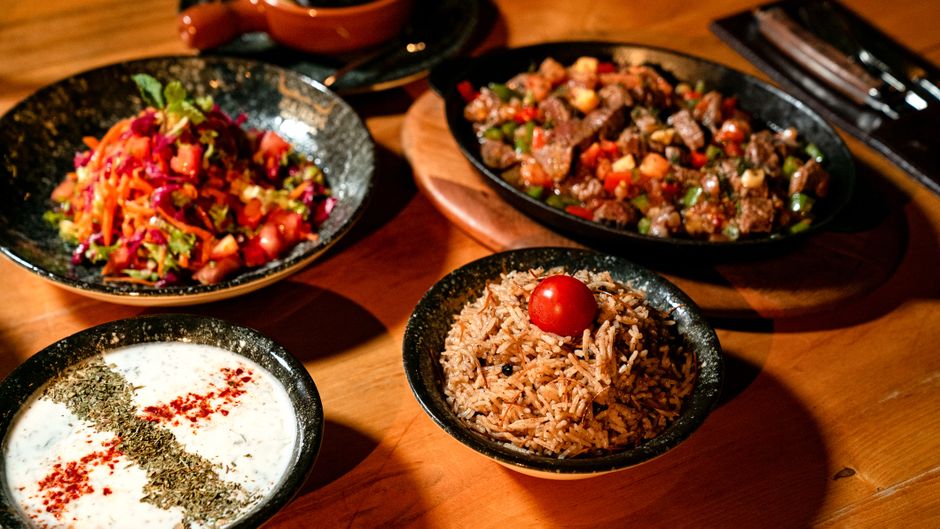
Tavë Kosi — Lamb baked with yogurt and rice, this is a classic Albanian dish that is hearty and flavorful. It's often served at family gatherings and special occasions. You can find it in most sit-down restaurants. Price: 8-12 EUR per serving.
Byreku i Fjaleve — A local specialty, this is a type of byrek made with wild herbs and greens from the surrounding mountains. It's a lighter, more delicate version of the classic byrek. Price: 2-3 EUR per slice.
Raki — A strong fruit brandy, usually made from grapes or plums, this is the drink of choice in Gjirokastër. It's often served as an aperitif or with meals. It burns going down, but it's a taste you won't forget. Price: 2-4 EUR per glass.
Budget travelers can survive on street food and take-away options for under 5 EUR per meal. Sit-down local restaurants typically cost 8-15 EUR per person, while mid-range places run 15-25 EUR. The main food district is along Bazaar Street and the surrounding lanes, where you'll find a mix of traditional and modern eateries. For budget options, look for small bakeries and take-away spots selling byrek and other pastries.
Nightlife
Nightlife in Gjirokastër is low-key and intimate, centered around the few bars and cafes that stay open late. The main area is around Bazaar Street and Kalaja Square, where you'll find places like Kafe Xhumaja, a popular spot for locals and tourists alike. The atmosphere is relaxed, with live music often playing on weekends. Cover charges are minimal or non-existent, usually just the cost of a drink.
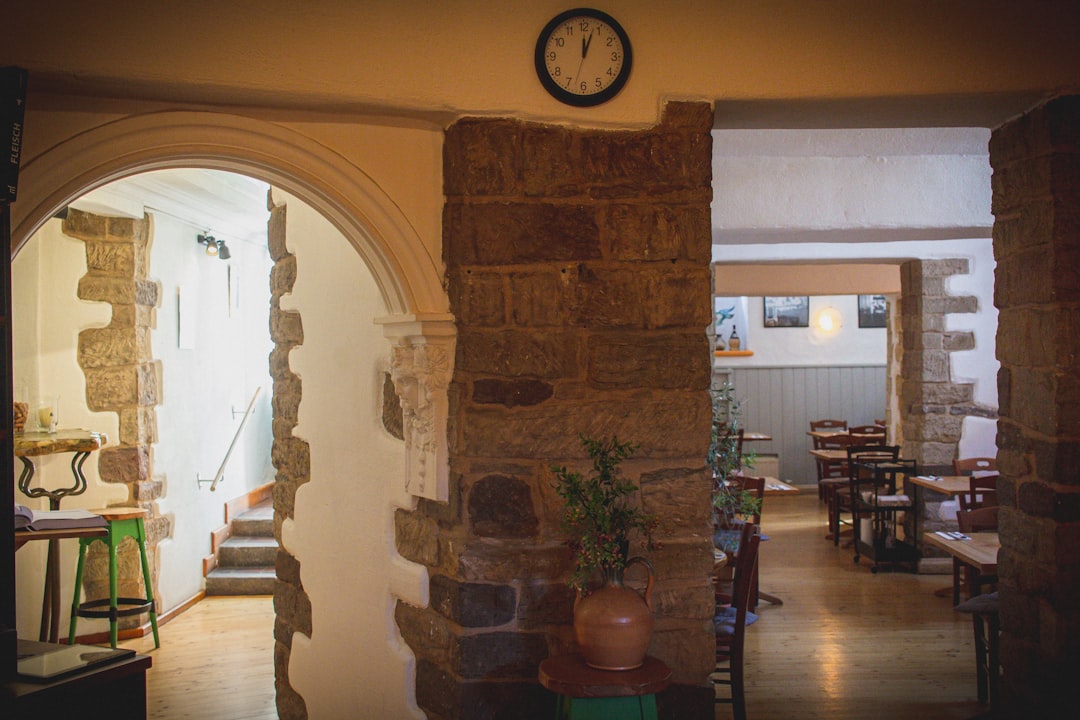
Bar Rruga e Gurit is another option, located in a converted stone house with a cozy interior. It's a good place to meet people and enjoy a quiet drink. The music is usually soft rock or traditional Albanian folk. Hotel Kala also has a bar with a terrace overlooking the castle, perfect for sunset drinks.
Getting There & What to Expect
The nearest airport is Tivat Airport, in Montenegro, or Korçë Airport in Albania, but the most common route is via bus from Tirana. The bus ride takes about 3-4 hours and costs around 5-7 EUR. From Tirana, you can also rent a car and drive, which takes about 2.5 hours. The road is scenic but winding, so drive carefully.
Accommodation in Gjirokastër ranges from budget hostels at 15-25 EUR per night to mid-range hotels at 40-60 EUR per night. There are also several guesthouses in converted stone houses, which offer a more authentic experience. The best months to visit are May, June, September, and October, when the weather is mild and the crowds are smaller. Summer can be very hot, and winter can be cold and snowy.
Search accommodation in Gjirokastër on Booking.com →
The Weight of the Slate
Leaving Gjirokastër, I felt a strange sense of loss, not for the city itself, but for the clarity it provided. In a world of glass and steel, of digital noise and endless motion, Gjirokastër is a place of silence and weight. The stone houses don't shout; they whisper. They tell you that survival is an art form, and that beauty is often born from hardship. I drank the last of my raki, burned my throat again, and smiled. The stone had won. It always does.
Comments