


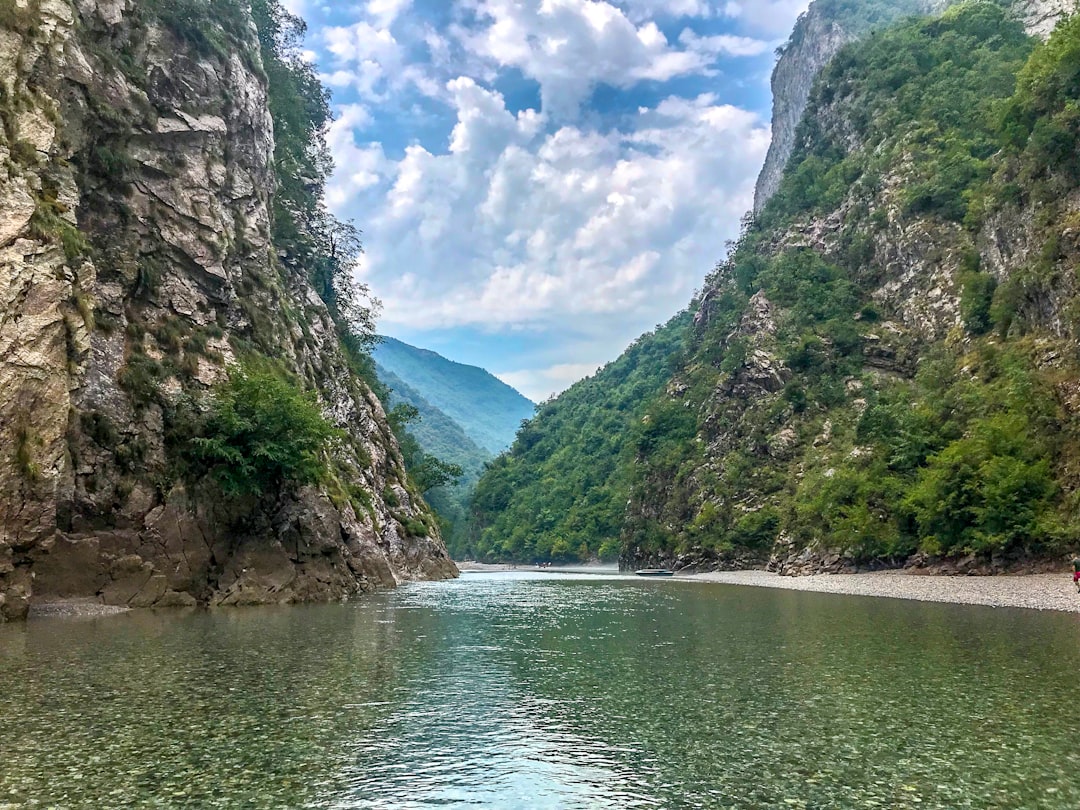
The water isn't blue. That's the first thing you realize when you stand on the jagged rocks of Syri i Kaltër and stare into the abyss. It's a violent, electric turquoise that looks like liquid neon poured into a concrete mixer. I'm sitting on a mossy stone, my boots caked in the red dust of the Albanian Riviera, watching a local fisherman cast a line into the current with the casual indifference of a man who knows the water doesn't care if he lives or dies. The air smells of pine resin and wet limestone. There are no tour buses here, just the roar of the spring and the distant chatter of hikers who have trekked down from the mountains to see if the legend holds up. It does. And then some. This isn't a postcard; it's a geological punch in the face.
I came to Sarandë expecting the usual Mediterranean fare: beaches, ouzo, and sunburn. Instead, I found myself obsessed with this singular, impossible hole in the earth. The Blue Eye isn't just a swimming spot; it's the source of the Drino River, a massive subterranean explosion of water that has been carving through the Albanian limestone for millennia. To understand it, you can't just dip your toes in. You have to hike the trails that surround it, sweat through the dense forests, and confront the sheer scale of the karst landscape that makes this place so weirdly beautiful. This is the real Albania, raw and unpolished, where the land fights back and the rewards are hidden behind steep climbs and rocky paths.
Geology of a Subterranean Explosion
The Blue Eye is a karst spring, a phenomenon that occurs when water dissolves soluble rock like limestone, creating underground cavities and channels. In this case, the water emerges from a deep cave system beneath the mountains of southern Albania. The source of the water is debated, but hydrologists believe it connects to the extensive cave networks in the nearby Llogara National Park area. The water temperature is a constant, chilling 10 degrees Celsius year-round, regardless of the sweltering heat above. This thermal stability is what allows the spring to maintain its intense flow, discharging up to 300 liters per second into the Drino River.
The color is the real mystery. It's not algae, and it's not magic. The intense turquoise hue comes from the mineral content of the water, specifically calcium carbonate, which scatters light in a way that emphasizes the blue and green spectrum. The deeper the water, the more intense the color. At the center of the spring, the water is a deep, almost black blue, fading to a bright turquoise at the edges. This gradient creates a hypnotic effect, drawing you in like a siren's song. The geological forces that created this spring are still active, with the water continuously dissolving the rock and expanding the underground chambers. It's a living, breathing system that defies the static nature of most tourist attractions.
Hiking the Karst: Trails Around the Eye
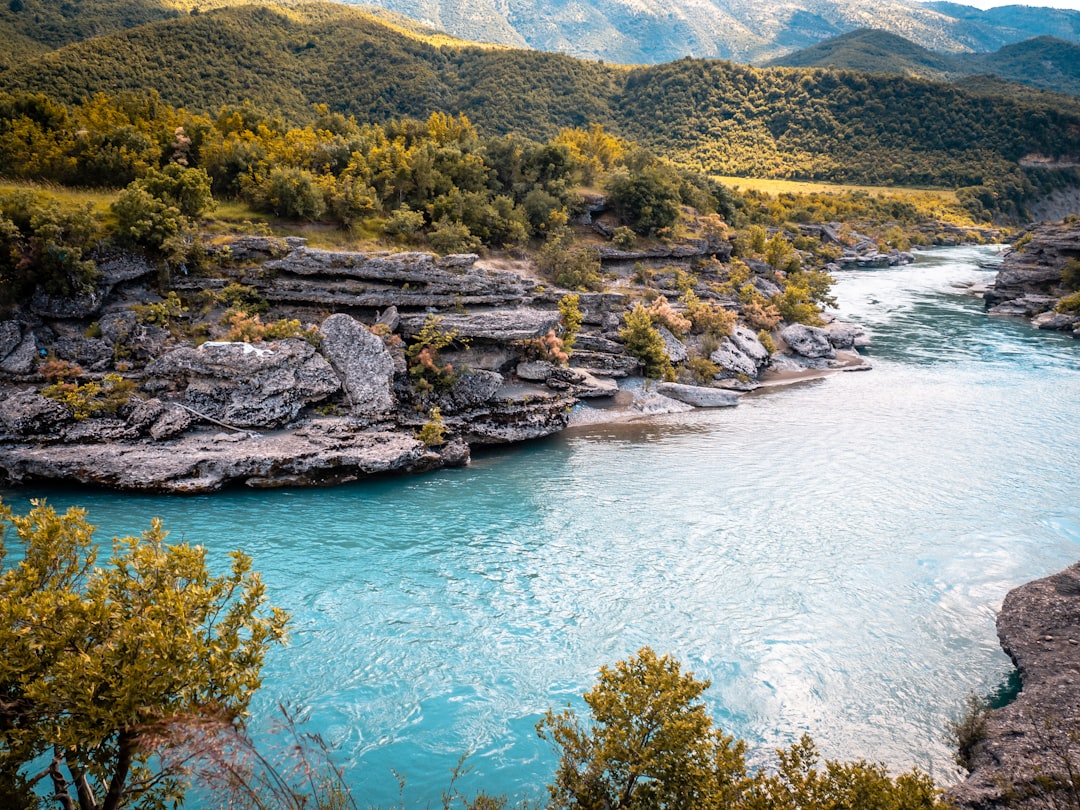
The main road to the Blue Eye ends at a small parking area, but the real experience begins when you leave the pavement. There are several hiking trails that radiate from the spring, offering different perspectives on the landscape. The most popular route is a short, steep climb up the ridge to the north, which provides a panoramic view of the spring and the surrounding forest. This trail is well-marked and suitable for most fitness levels, but the rocks are slippery, so sturdy footwear is essential. The view from the top is worth the effort, offering a bird's-eye view of the blue vortex and the lush greenery that surrounds it.
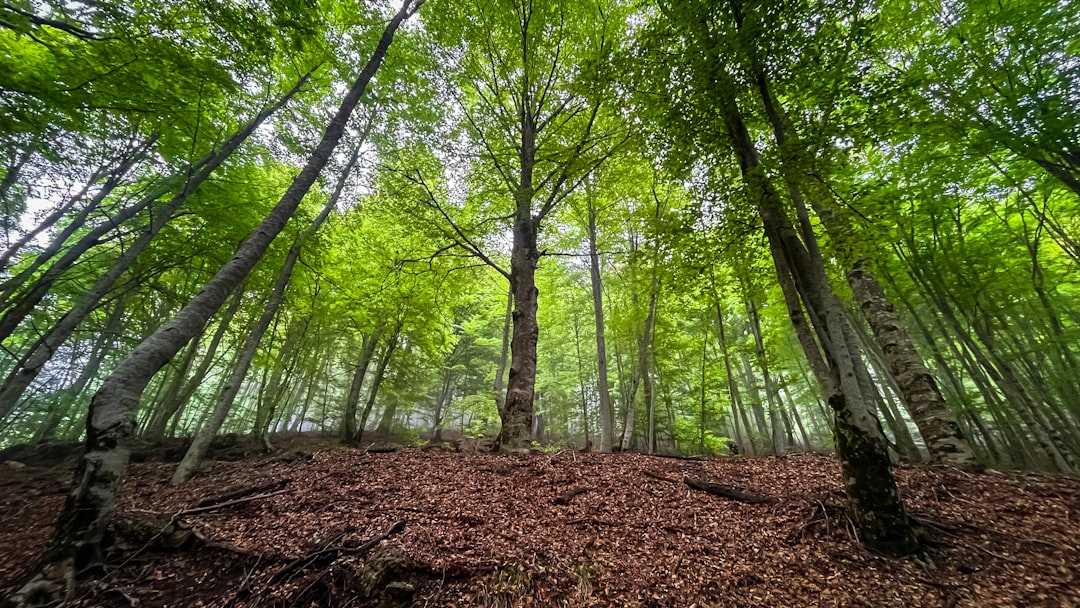
For those seeking a more challenging adventure, there's a longer trail that follows the Drino River upstream. This path winds through dense forests of pine and oak, with occasional glimpses of the river below. The trail is rough and uneven, with rocky sections and stream crossings, but it rewards hikers with a sense of isolation and immersion in the natural world. Along the way, you'll encounter small waterfalls and hidden pools, perfect for a refreshing dip. The trail eventually leads to a small village, where you can rest and enjoy a local meal before heading back.
On the Ground: Access and Logistics
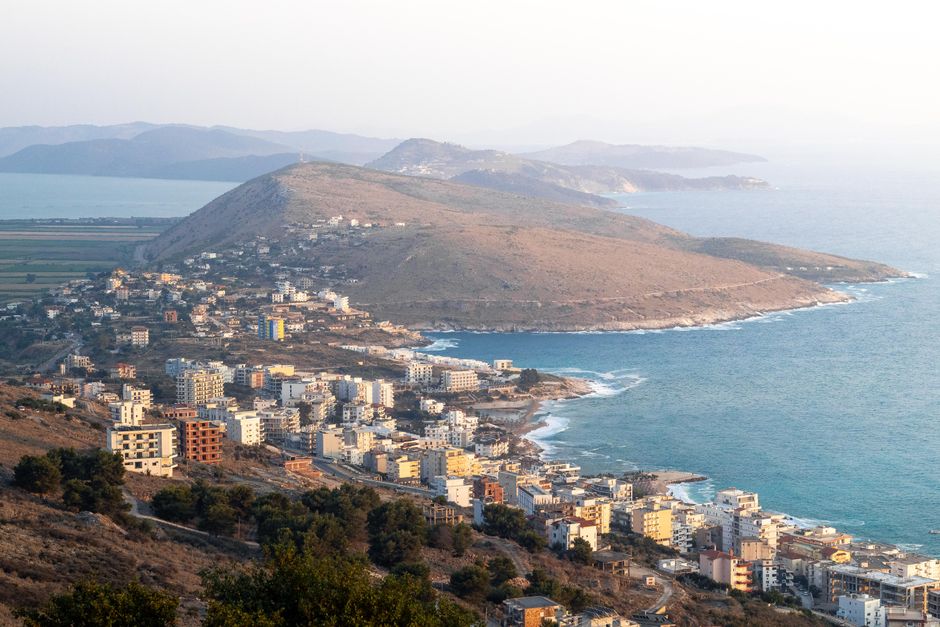
Getting to the Blue Eye from Sarandë is straightforward, but it requires planning. The spring is located about 15 kilometers north of Sarandë, on the main road to Himara. You can take a bus or a taxi from Sarandë, but the most flexible option is to rent a car. The drive takes about 30 minutes, and the road is in good condition, with stunning views of the coastline and mountains. There's a small parking area near the spring, with limited space, so arriving early is recommended, especially during peak season.
Accommodation options in the area range from budget hostels in Sarandë to luxury hotels along the coast. For hikers, staying in a guesthouse in one of the nearby villages is a great way to experience local hospitality. Meals are affordable, with typical prices for a traditional dish ranging from 5-10 EUR. The local cuisine is rich and flavorful, featuring fresh seafood, grilled meats, and homemade bread. Don't miss the opportunity to try the local wine, produced in the nearby mountains.
The Aftertaste of Limestone
Leaving the Blue Eye feels like waking up from a dream. The water is still spinning in my mind, that impossible blue defying logic and physics. I walk back to my rental car, the red dust of the trail still on my shoes, and I realize that this place doesn't want to be understood. It wants to be felt. The geology, the hikes, the cold water — it's all part of a larger puzzle that Albania is still piecing together. As I drive back toward Sarandë, the sun dipping below the horizon, I know I'll be back. Not for the beaches, not for the parties, but for that one, impossible eye staring back at me from the heart of the mountains.
Comments