


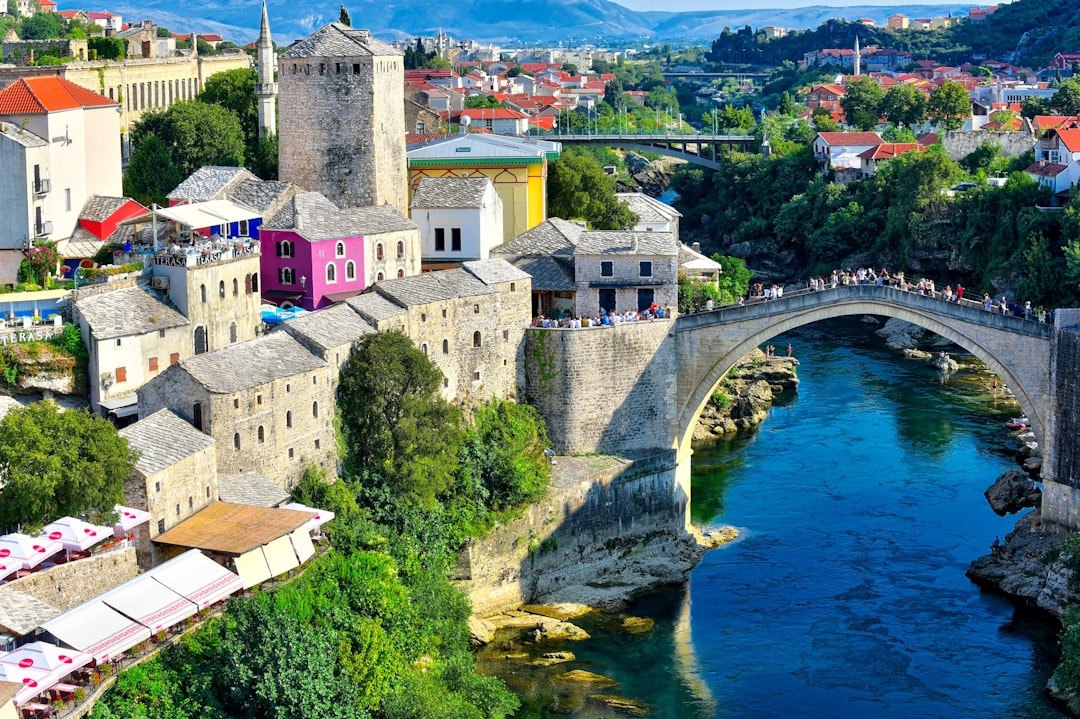
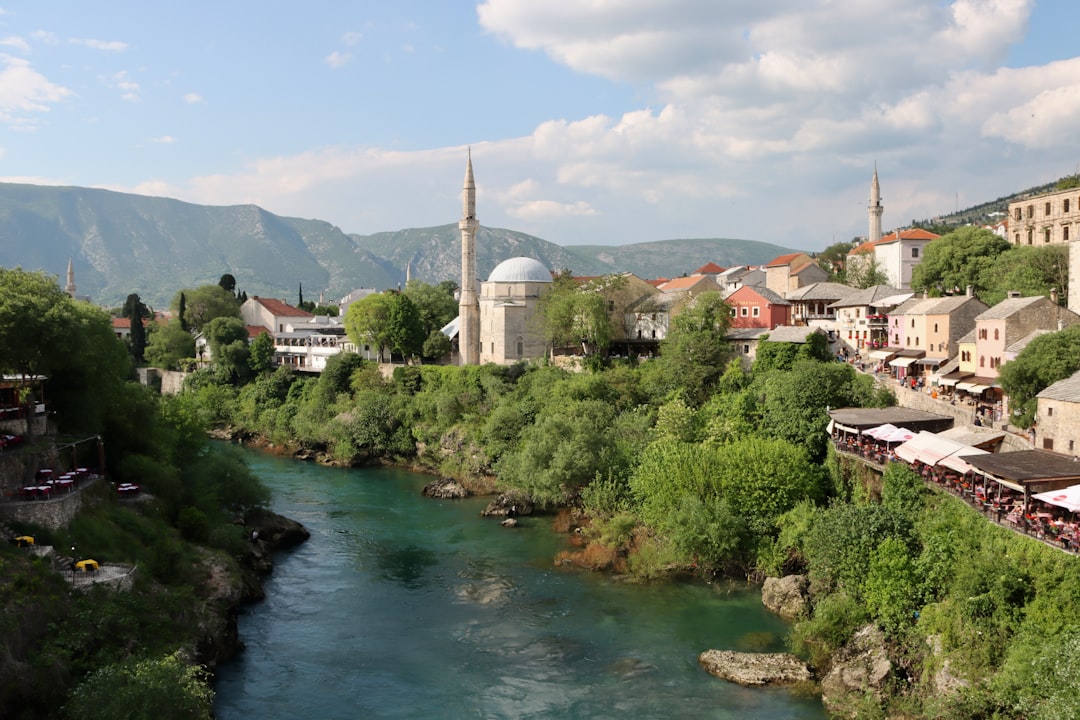
The coffee tastes like burnt rubber and expensive dreams. I am sitting on a stone bench that has been worn smooth by five hundred years of Ottoman butts, staring at the Neretva River as it churns green and violent beneath the Old Bridge. A young man in a tracksuit stands on the parapet, wind whipping his jacket. He jumps. The crowd gasps, phones rise like a forest of glass, and for a second, time stops. Then he hits the water, and the moment shatters into a thousand Instagram stories. This is Mostar, a city that wears its trauma like a cheap suit, trying to look sharp while the seams are bursting. The air smells of grilled meat, river mud, and old stone. It is a place where history isn't taught; it is breathed in, inhaled with every puff of cigarette smoke from the cafes that line the Stari Most district.
I am here to figure out what is real and what is a reconstruction. The bridge is new, technically. It was rebuilt in 2004 after being blown to hell in 1993. But the stones feel heavy with ghosts. The city is a palimpsest, a manuscript scraped clean and written over again. Ottoman foundations, Austro-Hungarian facades, Yugoslav concrete, and post-war tourism all stack up here. It is messy, contradictory, and utterly compelling. You can't walk a block without stepping on a layer of history that wants to tell you its story, usually in a language you don't speak.
History & Identity
Mostar was founded in the 15th century by the Ottomans, who saw the strategic value of the Neretva River crossing. The name itself means "Bridge Keeper." For centuries, this was a jewel of the Ottoman Empire in the Balkans, a place of trade, culture, and religious tolerance that was as mythical as it was real. The Old Bridge was the heart of this world, a symbol of unity between the Muslim and Christian communities who lived on opposite banks. But unity is a fragile thing. The 1990s war shattered it, literally. The bridge was destroyed, and the city was divided. The reconstruction was an act of faith, a desperate attempt to stitch the city back together with mortar and memory.
But the Ottoman layer is not the only one. In the late 19th century, the Austro-Hungarians took over, bringing with them a different kind of order. They built the railway station, the post office, and the hotels, imposing a Central European aesthetic on a Mediterranean city. This clash of empires is visible in the architecture. Walk from the bridge to the city center, and the style shifts. The ornate, wooden houses of the Ottoman era give way to the starker, more imposing stone buildings of the Austro-Hungarian period. It is a visual argument about who owns the past.
Today, Mostar is a city of contradictions. It is a UNESCO World Heritage site, a symbol of reconciliation, and a bustling tourist trap. The identity of the city is still being negotiated, street by street, stone by stone. The layers of history are not neatly separated; they bleed into each other, creating a complex, sometimes uncomfortable, but always fascinating tapestry. To understand Mostar, you have to accept that it is not just one thing. It is many things, all at once.
Where to Go
Stari Most (Old Bridge) — The icon. Rebuilt in 2004 with stones from the original quarry, it spans the Neretva River with a graceful arch that seems to defy gravity. The best time to visit is early morning or late evening when the crowds thin out and the light is soft. The divers jump daily at 10 am and 4 pm. Entry is free, but your sanity might cost you something.
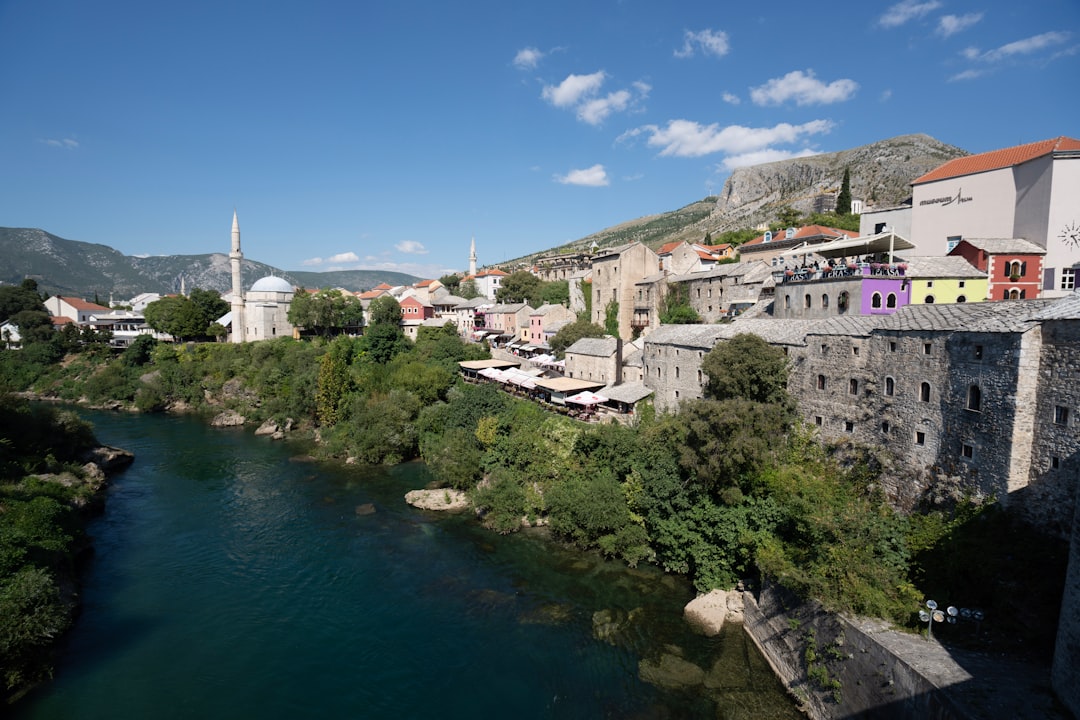
Kujundžiluk Street — A cobblestone street lined with souvenir shops, cafes, and artisan workshops. It's touristy, yes, but the crafts are genuine. Silver smiths, leather workers, and carpet weavers still practice their trades here. It's easy to overspend, so keep your wallet tight. The atmosphere is lively, with the sound of haggling and the smell of coffee in the air.
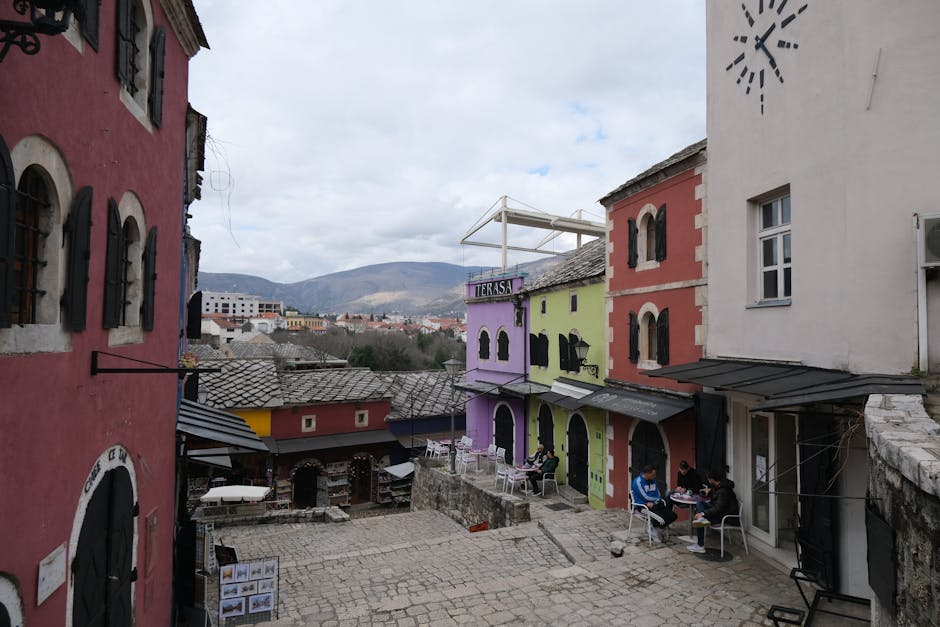
Koski Mehmed Pasha's Mosque — The largest mosque in Mostar, built in 1591. The architecture is classic Ottoman, with a tall minaret and a central dome. The interior is simple but elegant, with calligraphy and geometric patterns. It's a place of quiet reflection in a city that is often loud. Visitors are welcome if they dress modestly and remove their shoes.
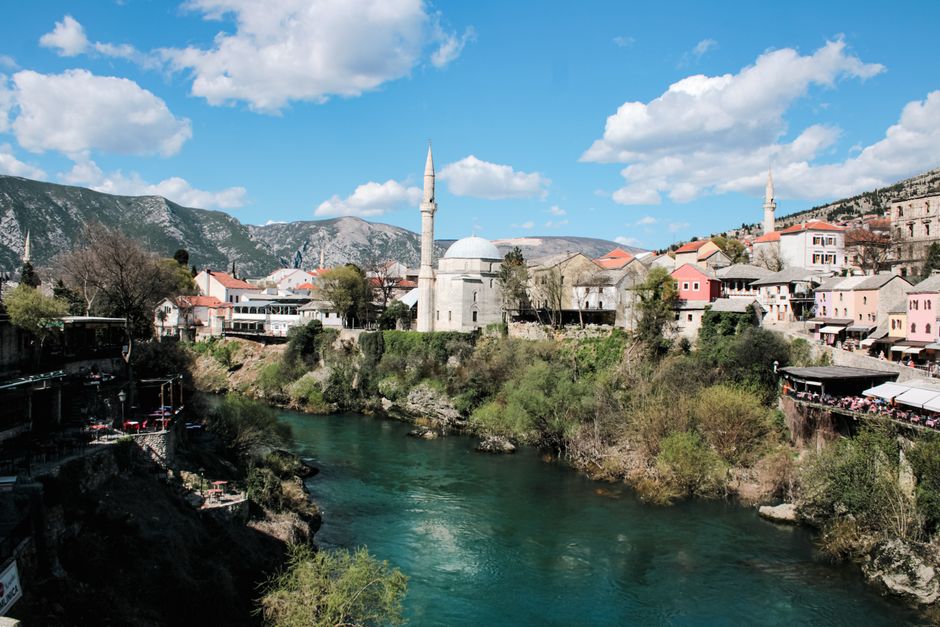
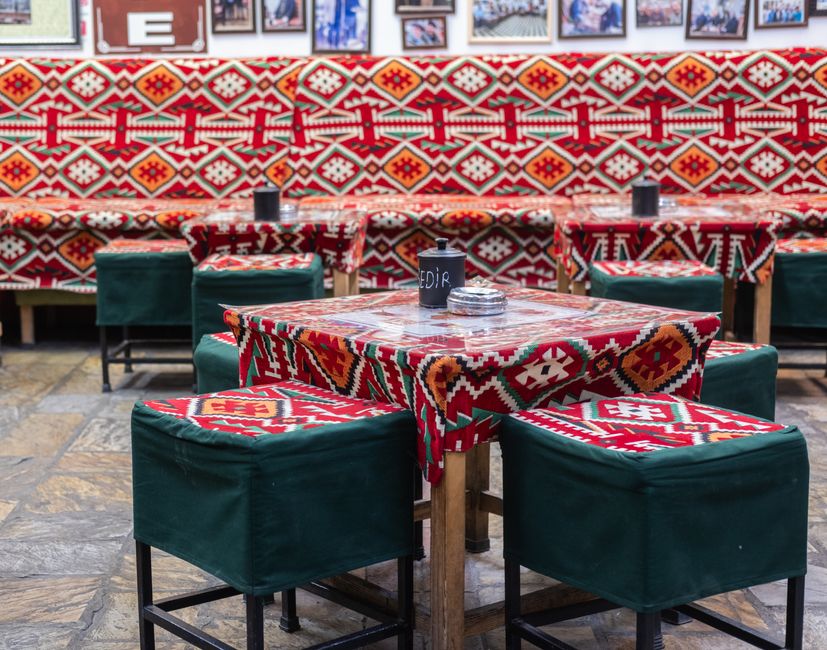
Old Bazaar (Čaršija) — The commercial heart of the Ottoman city. Here you can find everything from copper pots to handmade rugs. The prices are negotiable, and the experience is part of the fun. It's a sensory overload of sights, sounds, and smells. Don't miss the coffee houses, where you can sit and watch the world go by for hours.
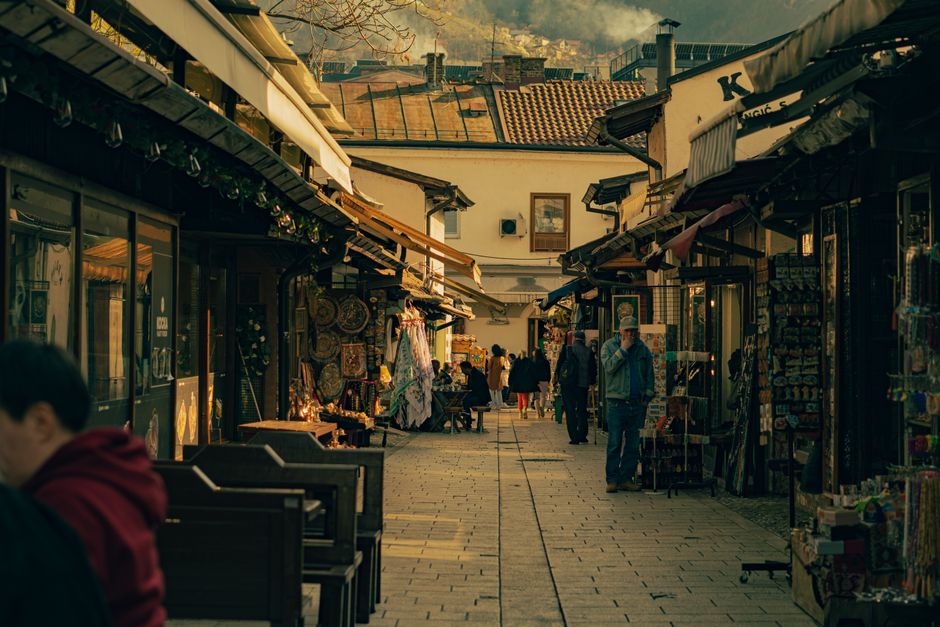
Hum House — One of the oldest houses in Mostar, dating back to the 15th century. It's a museum now, showcasing the traditional way of life in the Ottoman era. The interior is filled with period furniture, tools, and artifacts. It's a small place, but it offers a glimpse into a past that is often romanticized. Entry is around 2-3 EUR.
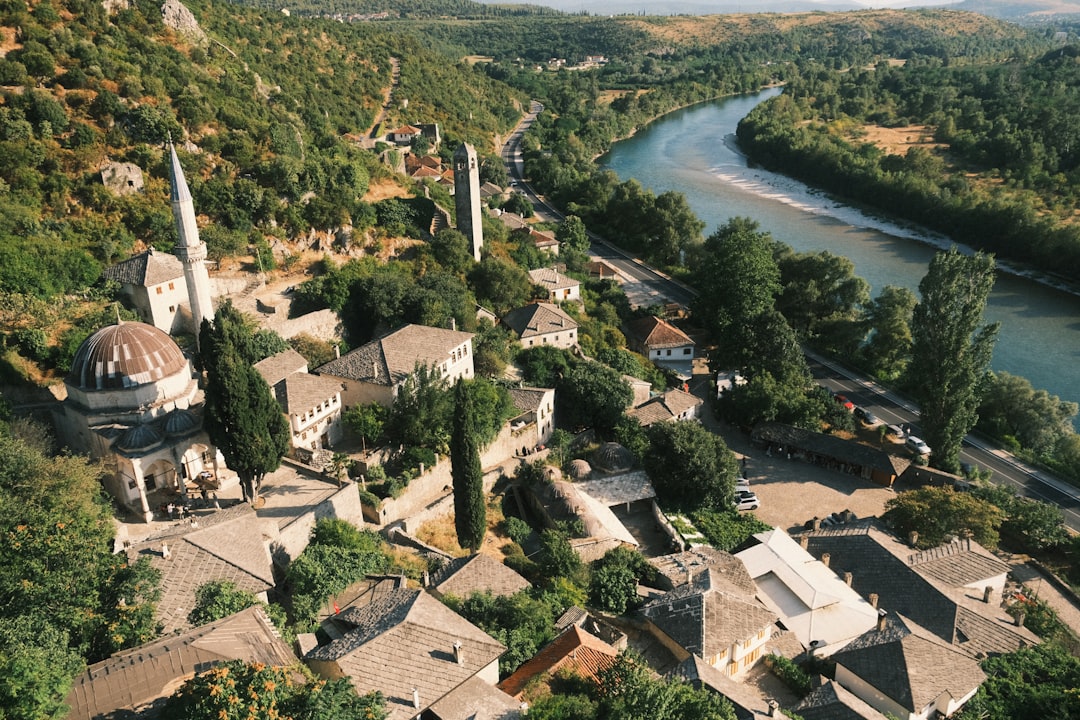
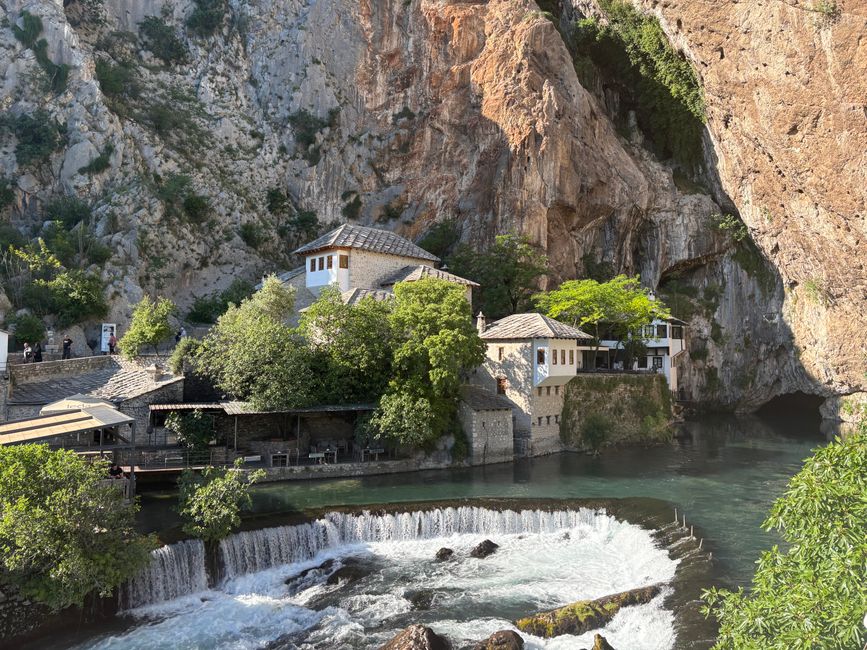
Blagaj Tekke — A Dervish monastery located at the mouth of the Buna River, just outside Mostar. It's a stunning site, with the mosque built right over the spring that feeds the river. The architecture is Ottoman, and the atmosphere is mystical. It's a short drive from Mostar, and worth the trip. Entry is around 2 EUR.
What to Eat & Drink
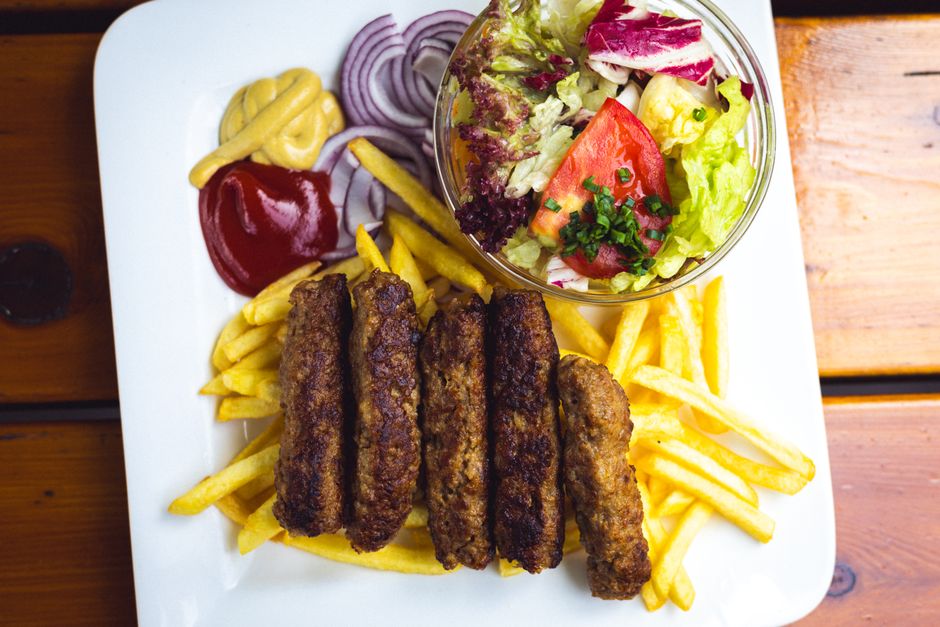
The food in Mostar is a reflection of its history. Ottoman influences are strong, with dishes like ćevapi — small grilled meat sausages served with bread and onions — and burek — flaky pastry filled with meat, cheese, or spinach. Prices are reasonable, with a meal costing around 5-8 EUR. For a more elaborate experience, try ćevapi with sumbola, a local drink made from sour cherry pits. It's an acquired taste, but it's worth a try.
Sarma — Cabbage rolls stuffed with meat and rice, slow-cooked in a rich sauce. It's a comfort food staple, perfect for a cold day. Šopska salata — a fresh salad of tomatoes, cucumbers, onions, and peppers, topped with feta cheese. It's a refreshing counterpoint to the heavier dishes. Pilav — a rice dish cooked with meat, vegetables, and spices. It's a versatile side dish that goes well with almost anything. Boškarina — slow-cooked beef from the endangered Bosnian grey cattle. It's a delicacy, expensive but worth it for a special occasion.
For budget travelers, the street food scene is excellent. Pogaca — a flatbread filled with cheese or meat — costs around 1-2 EUR and is perfect for a quick snack. The Old Bazaar is the best place to find these treats, with numerous stalls and cafes offering a variety of options. For a sit-down meal, head to one of the restaurants in the Kujundžiluk area, where you can find a range of local dishes at reasonable prices. Mid-range restaurants charge around 10-15 EUR per person.
Nightlife
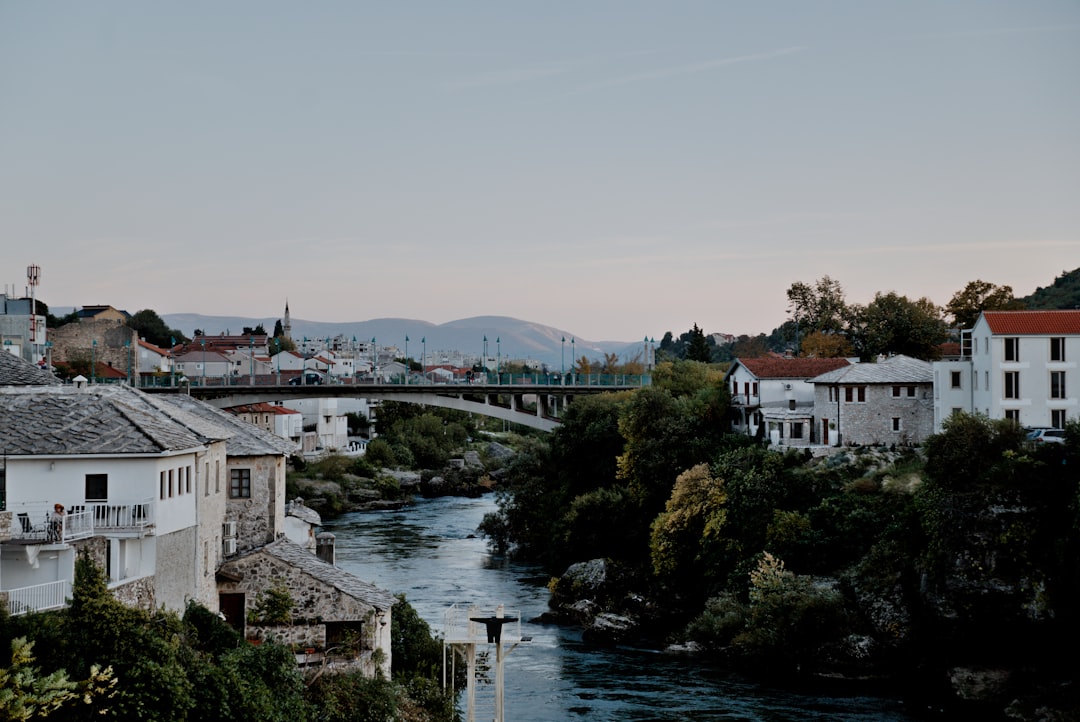
Mostar's nightlife is centered around the Old Bridge area, with numerous bars and clubs lining the riverbank. The atmosphere is lively, with music spilling out into the streets. The Stari Most district is the main hub, with a mix of traditional cafes and modern bars. The Kujundžiluk street also has a good selection of venues, with a more relaxed vibe.
Bar Most — A popular spot with a great view of the bridge. The music is a mix of local and international, and the drinks are reasonably priced. It's a good place to start the night, with a relaxed atmosphere and friendly staff. Club Stari Grad — A larger venue with a more energetic vibe. The music is louder, and the crowd is younger. It's a good place to go if you want to dance the night away. Cafe Ferhadija — A more traditional cafe, with a focus on local culture. The music is softer, and the atmosphere is more intimate. It's a good place to go if you want to have a quiet drink and a conversation.

Getting There & What to Expect
The nearest airport is in Mostar, which has limited international connections. Most travelers fly into Sarajevo or Zagreb and take a bus or train to Mostar. The bus from Sarajevo takes around 2 hours and costs around 10 EUR. The train is cheaper but slower, taking around 4 hours. From Zagreb, the bus takes around 5 hours and costs around 20 EUR.
Accommodation in Mostar ranges from budget hostels to luxury hotels. Budget hostels charge around 10-15 EUR per night, while mid-range hotels charge around 30-50 EUR per night. Luxury hotels can cost upwards of 100 EUR per night. The best time to visit is during the spring or autumn, when the weather is mild and the crowds are smaller. Summer can be hot and crowded, while winter can be cold and wet.
Search accommodation in Mostar on Booking.com →
The Stone Doesn't Lie
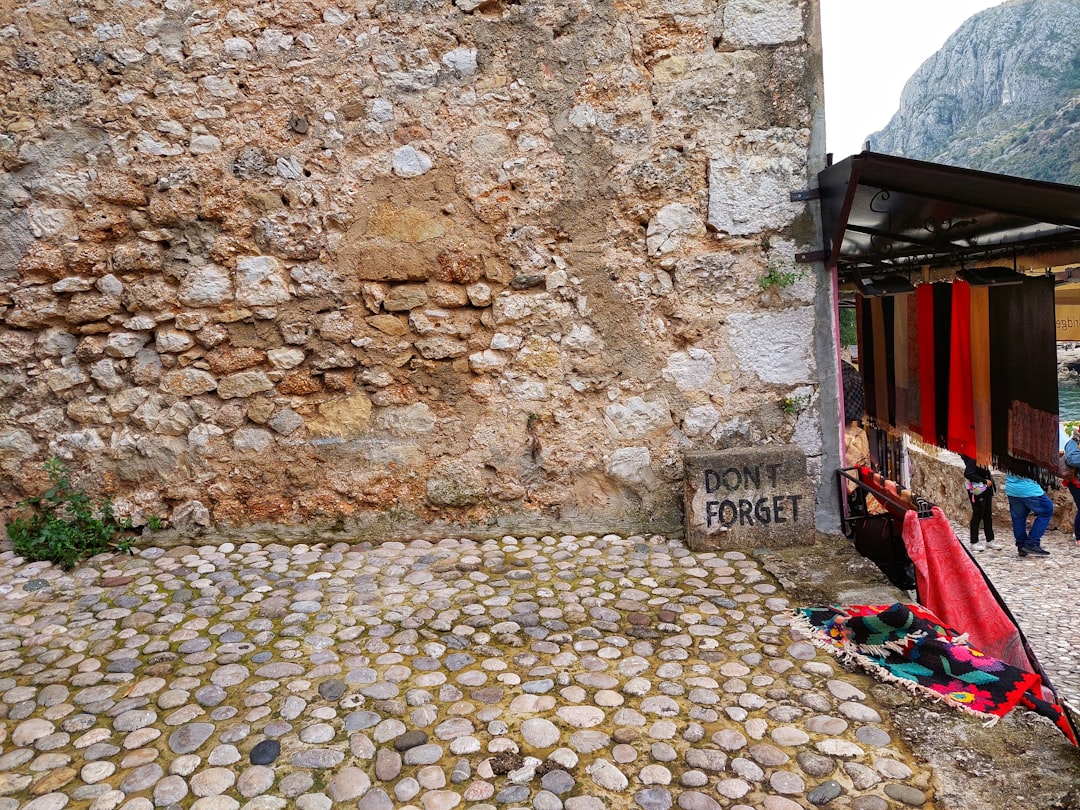
I leave Mostar as the sun sets, casting long shadows across the Old Bridge. The divers have stopped jumping, and the crowd has thinned. The city is quiet, but not silent. The river still churns, the wind still blows, and the stones still hold their secrets. Mostar is not a place that gives up its secrets easily. It demands your attention, your curiosity, and your respect. It is a city of layers, of contradictions, of beauty and pain. And that is exactly why it is worth visiting. You come for the bridge, but you stay for the complexity. You come for the jump, but you leave with the history. And that is the most valuable souvenir of all.
Comments