


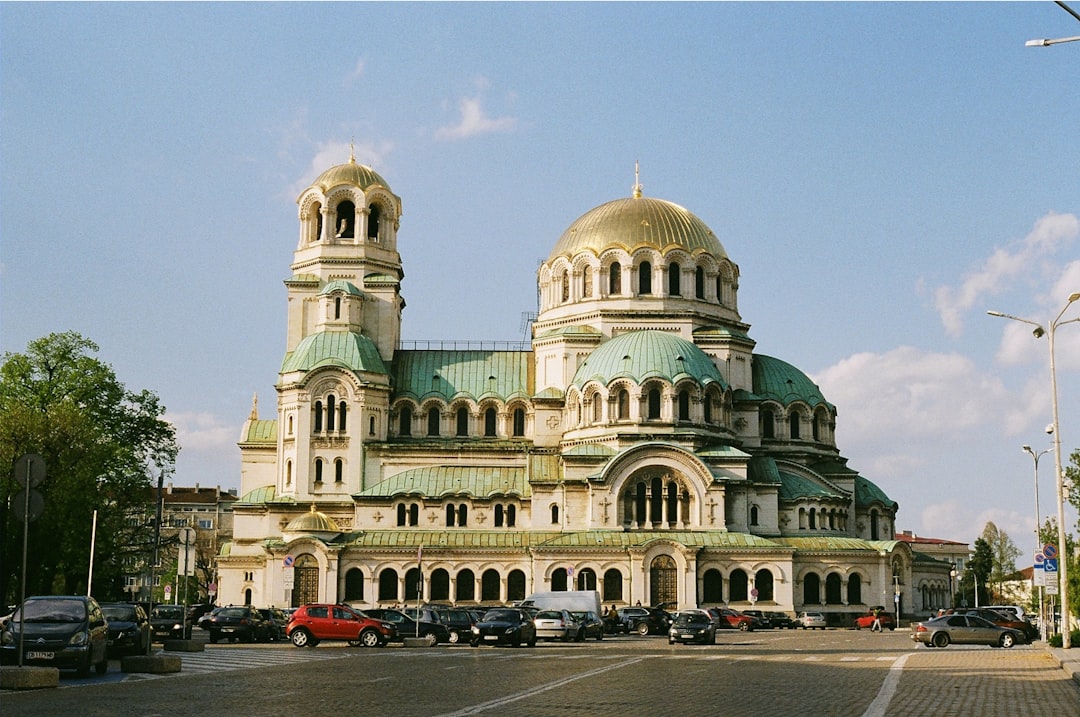
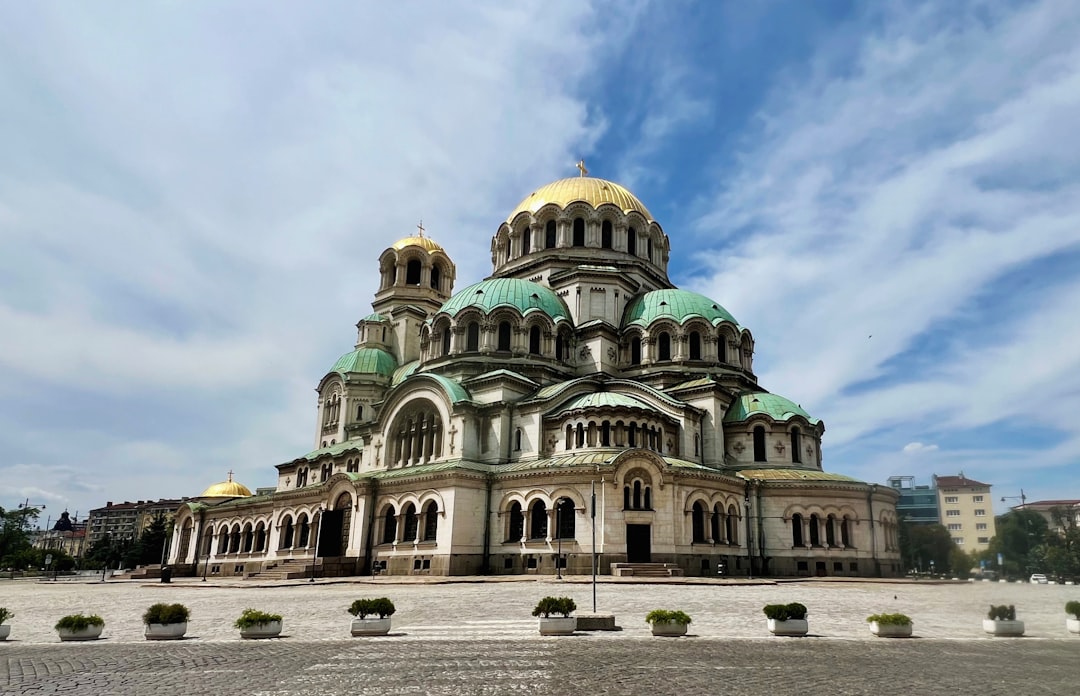
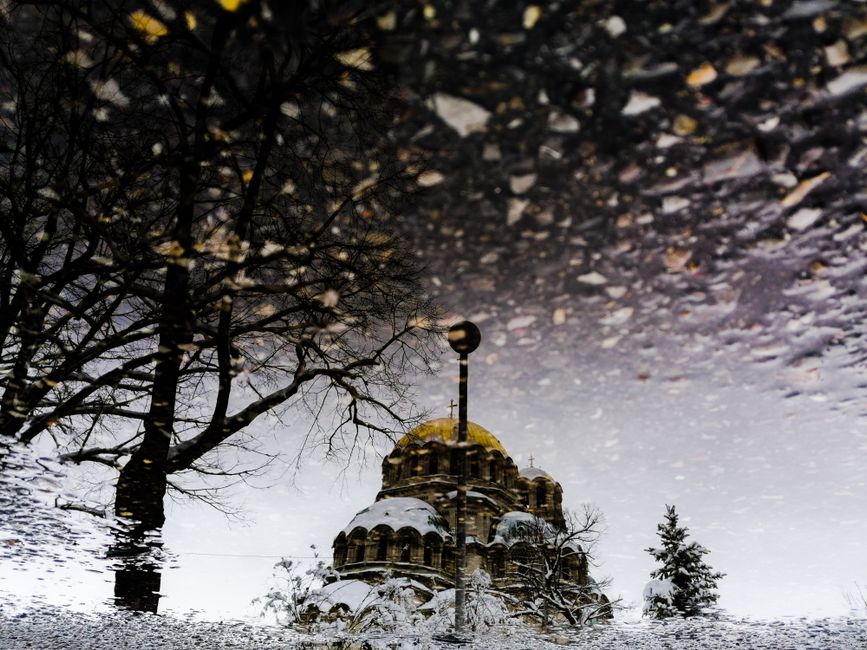
I arrived in Sofia with the kind of bone-deep chill that only a Balkan winter can deliver, the air sharp enough to cut glass. I was wandering past the central square, trying to shake off the jet lag from a long flight, when I looked up and nearly dropped my coffee. There it was, looming over the city like a gilded titan: Alexander Nevsky Cathedral. It doesn't just sit in the city; it dominates it. The onion domes, covered in gold leaf that catches the weak winter sun, look like they were plucked straight from a fairy tale and dropped onto a modern European street. It's a place that demands you stop, stare, and feel a little small. I've seen grand churches in Rome and Istanbul, but this one feels different. It's got a weight to it, a sense of history and resilience that you can feel in the stones.
I pushed through the heavy oak doors, leaving the cold behind. Inside, the air is warm, thick with the scent of beeswax candles and old incense. The light filters through stained glass, painting the marble floors in hues of red and gold. It's quiet, save for the soft murmur of prayers and the occasional chime of a bell. This isn't just a building; it's a statement. It's a fusion of Byzantine grandeur and Bulgarian national pride, built in the late 19th and early 20th centuries as a thank you from Russia for its role in liberating Bulgaria from Ottoman rule. Walking through its halls, you can feel the layers of history, the struggles, and the triumphs of a nation finding its identity.
History & Identity
The story of Alexander Nevsky Cathedral is inextricably linked to the Liberation of Bulgaria in 1878. After centuries of Ottoman rule, the Bulgarians fought for their freedom, and Russia played a pivotal role in their liberation. The cathedral was built as a symbol of gratitude and a testament to the shared Orthodox faith. It was named after Alexander Nevsky, a Russian prince and saint, reflecting the close ties between the two nations. Construction began in 1882 and was completed in 1912, but it wasn't consecrated until 1980, a full century later, due to political changes and funding issues.
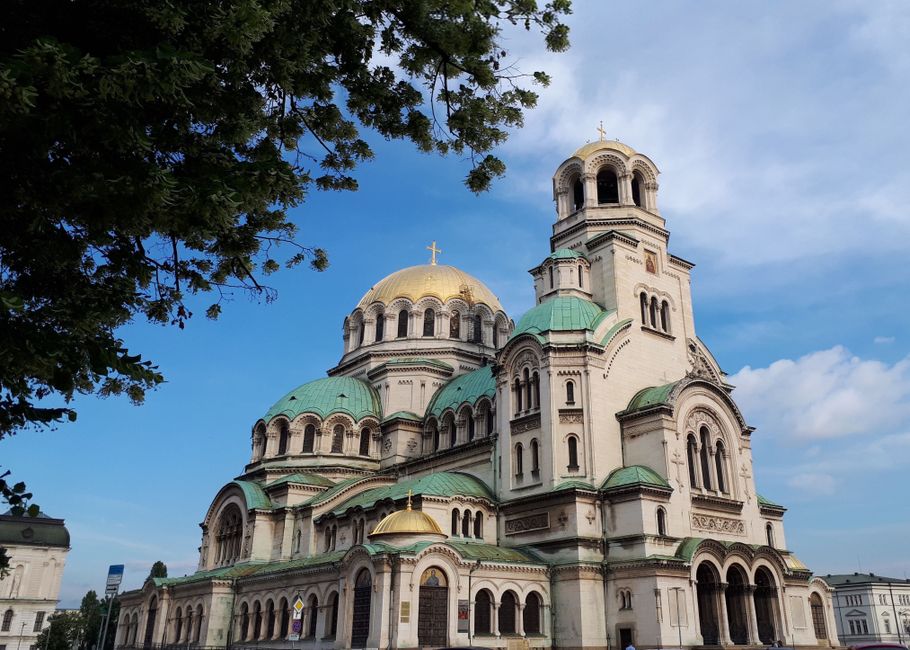
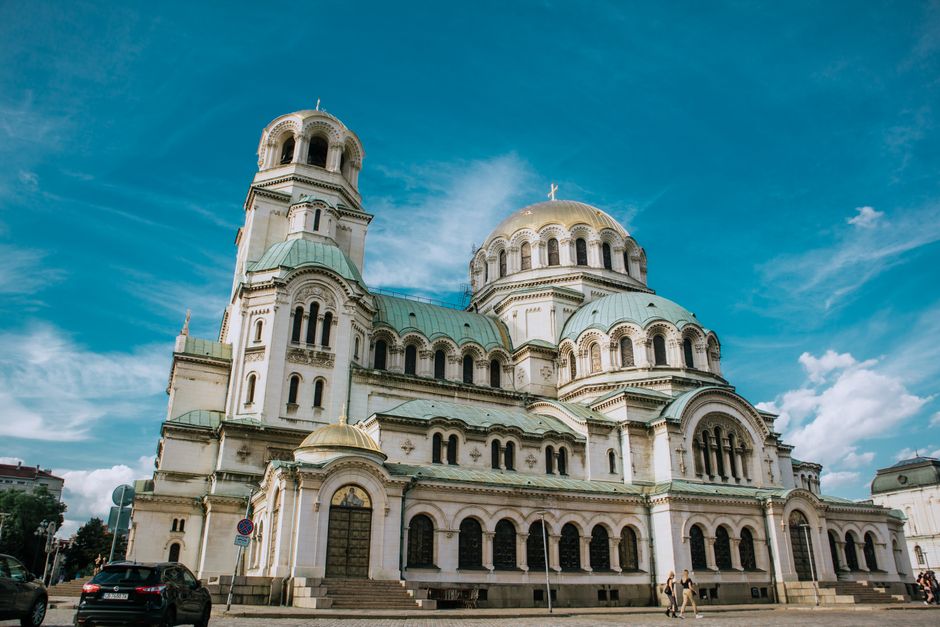
Architecturally, the cathedral is a masterpiece of Byzantine Revival style, with influences from Russian Orthodox architecture. The design was a collaboration between Bulgarian and Russian architects, including Alexander Pomerantsev and Ivan Danchov. The result is a structure that is both grand and intricate, with five domes, each symbolizing different aspects of the faith. The main dome, rising 45 meters above the ground, is one of the largest in the world. The exterior is clad in white marble, giving it a luminous quality, while the interior is adorned with mosaics, frescoes, and icons, many created by renowned Bulgarian artists.
The cathedral has witnessed much of Bulgaria's turbulent history. It stood as a beacon of faith during the communist era, when religion was suppressed, and it has been a site of national celebrations and memorials. Today, it remains a central part of Sofia's identity, a place where history, art, and spirituality converge. It's not just a church; it's a monument to resilience, a symbol of a nation's struggle for freedom, and a testament to the enduring power of faith.
Where to Go
Alexander Nevsky Cathedral — This is the heart of the experience. The cathedral is open to visitors daily, and entry is free, though donations are appreciated. The best time to visit is early morning or late afternoon, when the light is soft and the crowds are smaller. Inside, take time to admire the frescoes, the mosaics, and the iconostasis, a massive wall of icons that separates the nave from the sanctuary. The main dome can be climbed for a panoramic view of Sofia, but be prepared for a steep climb. 0 EUR (donations welcome)
Serpentine Fountain — Located just steps from the cathedral, this ornate fountain is a popular spot for locals and tourists alike. It's a great place to pause and take in the surroundings, or to grab a quick drink from the nearby cafes. The fountain itself is a piece of art, with intricate carvings and a gentle flow of water. 0 EUR
National Gallery of Bulgaria — A short walk from the cathedral, the National Gallery is housed in a former palace and features a collection of Bulgarian art from the Middle Ages to the present. It's a great complement to the cathedral, offering a deeper dive into the country's artistic heritage. Entry is affordable, and the collection is extensive. 5 EUR
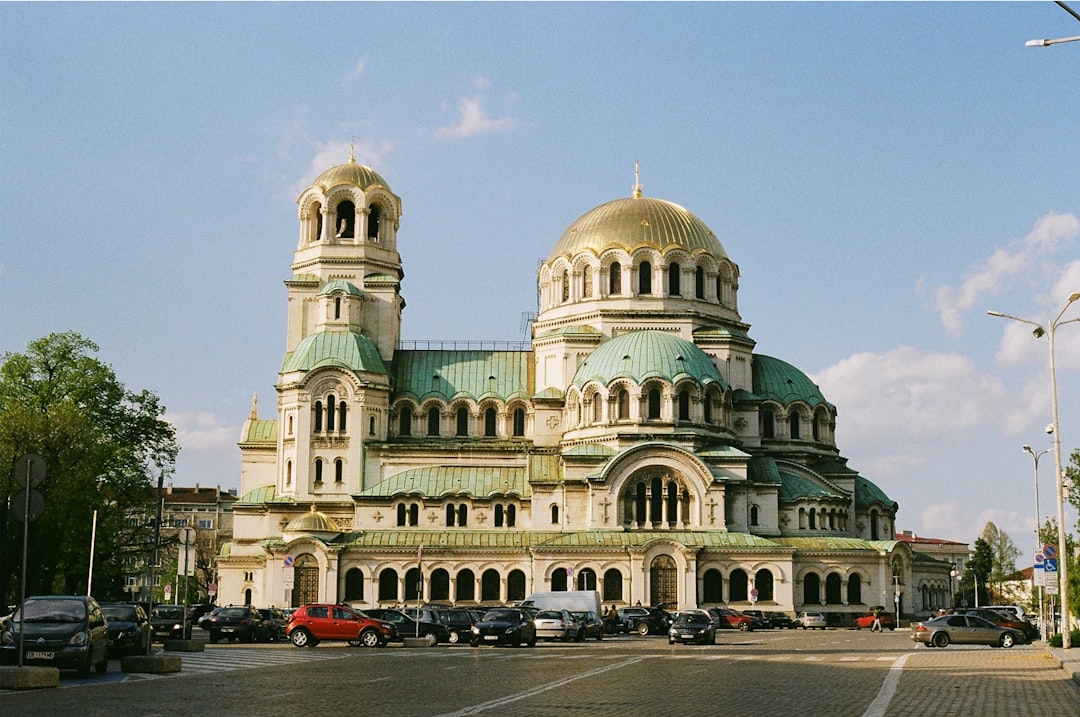
Saint Alexander Nevsky Square — The square surrounding the cathedral is a hub of activity, with cafes, shops, and street performers. It's a great place to people-watch and soak in the atmosphere. The square is also home to several monuments, including a statue of Emperor Ivan Alexander, a medieval Bulgarian ruler. 0 EUR
What to Eat & Drink
Sofia is a city of food, and the area around the cathedral is no exception. You'll find a mix of traditional Bulgarian eateries and modern cafes, offering everything from hearty stews to delicate pastries. Here are a few must-try dishes:
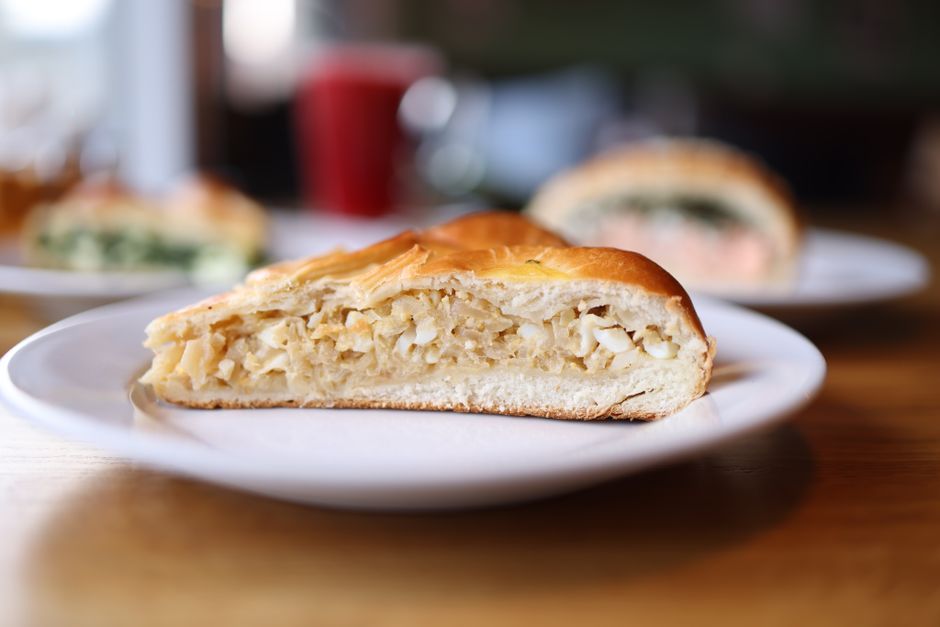
banitsa — A flaky pastry filled with cheese, spinach, or meat, banitsa is a staple of Bulgarian cuisine. It's often served for breakfast, but you can find it throughout the day. 2-4 EUR
shopska salata — A fresh salad made with tomatoes, cucumbers, peppers, onions, and sirene cheese, shopska salata is a refreshing accompaniment to any meal. 3-5 EUR
kebabche — A grilled meat sausage, kebabche is a popular street food, often served with bread and a side of salad. 3-5 EUR
lyutenitsa — A spicy red pepper spread, lyutenitsa is a condiment that adds a kick to any dish. 2-3 EUR
For a sit-down meal, you can expect to pay around 10-20 EUR per person at a local restaurant, while a quick bite at a cafe or street vendor will cost around 3-6 EUR. The area around the cathedral has several good options, including Cafe Mamma and Restaurant 1882, which offer traditional Bulgarian cuisine in a modern setting. There are also several food courts and take-away options for budget travelers.

Nightlife
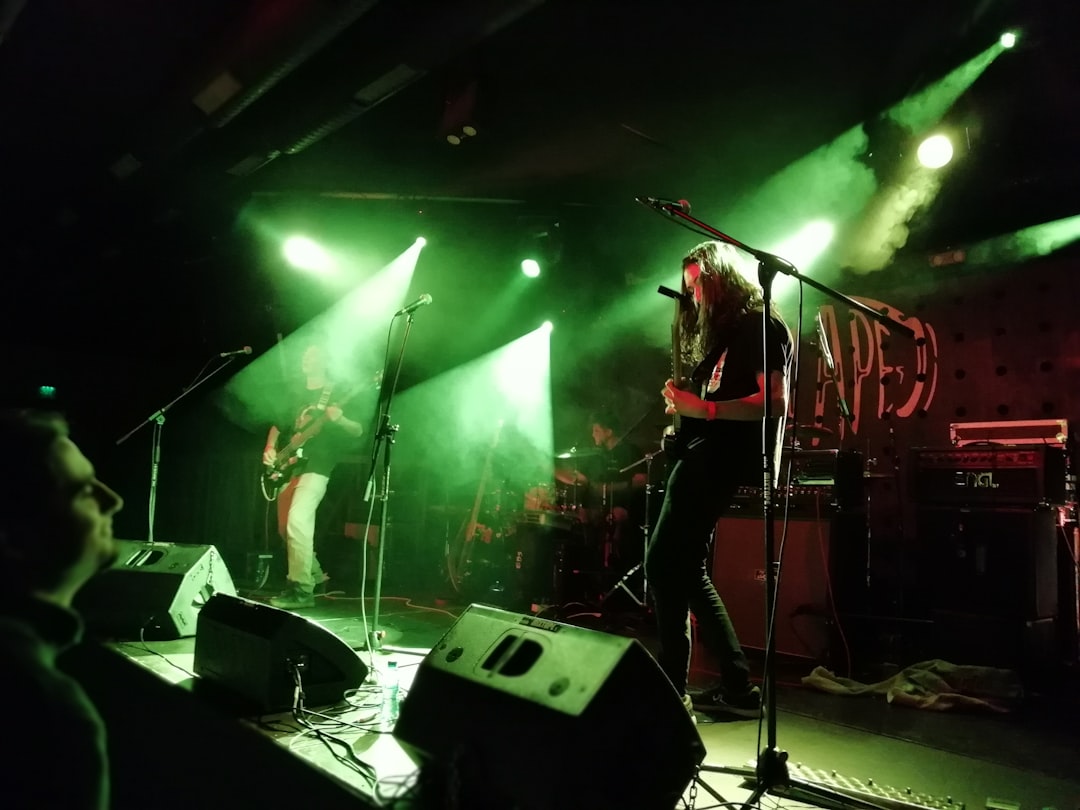
Sofia's nightlife is vibrant and diverse, with something for everyone. The area around the cathedral is quieter in the evening, but there are several bars and cafes nearby that offer a more relaxed atmosphere. For a livelier scene, head to the Vitosha Boulevard area, which is home to a mix of bars, clubs, and live music venues. Some popular spots include Barbary Coast, a themed bar with multiple levels and live music, and Club Exit, a popular nightclub with international DJs. Cover charges vary, but you can expect to pay around 5-10 EUR for entry, plus drinks.
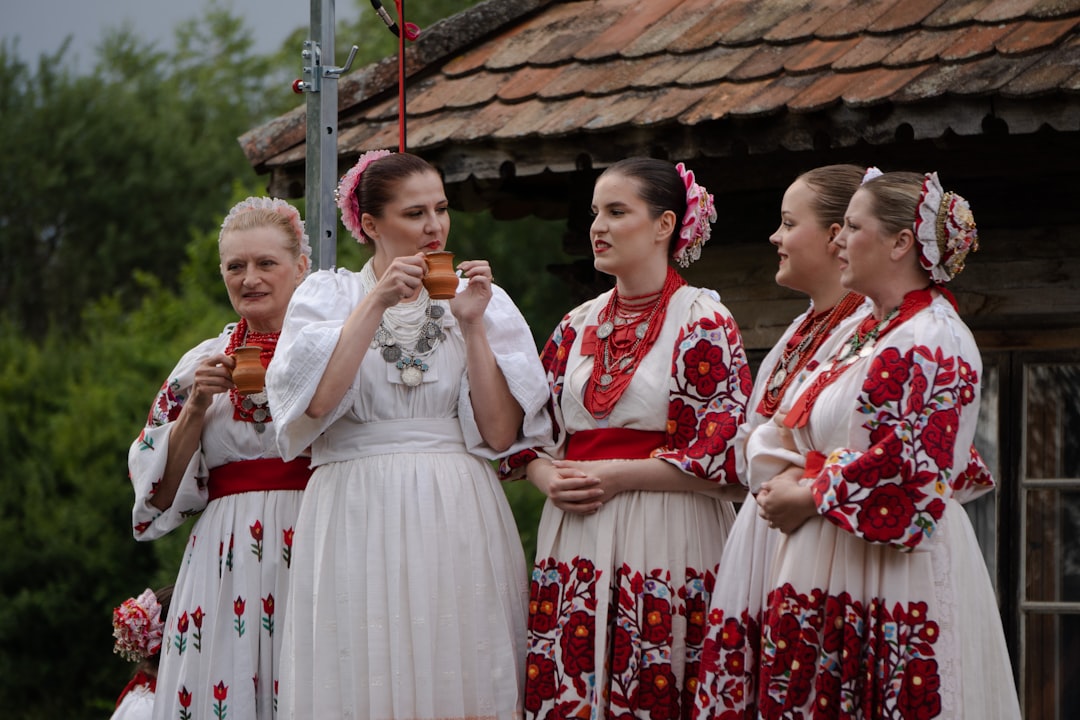
For a more local experience, try one of the chitalishte (community centers) that often host live folk music and dancing. These are a great way to experience Bulgarian culture and meet locals. Some popular chitalishte include Chitalishte Hristo Botev and Chitalishte Banya Bashi. Entry is usually free or a small donation, and drinks are affordable.
Getting There & What to Expect
The nearest airport is Sofia Airport, located about 10 km from the city center. From the airport, you can take a bus or taxi to the cathedral. Buses run frequently and cost around 1.50 EUR, while taxis cost around 10-15 EUR. The cathedral is easily accessible by public transport, with several bus and tram lines stopping nearby. If you're driving, there are several parking garages in the area, but expect to pay around 2-3 EUR per hour.
Accommodation in Sofia ranges from budget hostels to luxury hotels. A night in a hostel will cost around 10-20 EUR, while a mid-range hotel will cost around 40-80 EUR. There are several good options near the cathedral, including Hotel Alexander Nevsky and Hotel Bristol. The best time to visit Sofia is in the spring or fall, when the weather is mild and the crowds are smaller. Winter can be cold, but it's a great time to see the city decorated for the holidays. Summer can be hot, but there are plenty of outdoor cafes and parks to enjoy.
Search accommodation in Sofia on Booking.com →
Final Thoughts: A Cathedral That Speaks
As I stepped back out into the cold Sofia air, the cathedral looming behind me, I felt a sense of awe. This isn't just a building; it's a story. It's a story of struggle, of faith, of a nation finding its voice. It's a place that speaks to you, that demands you listen. And in a world that often feels loud and chaotic, that's a rare and precious thing. If you're ever in Sofia, make time to visit Alexander Nevsky Cathedral. It's not just a tourist attraction; it's a piece of history, a work of art, and a testament to the enduring power of the human spirit.
Comments