


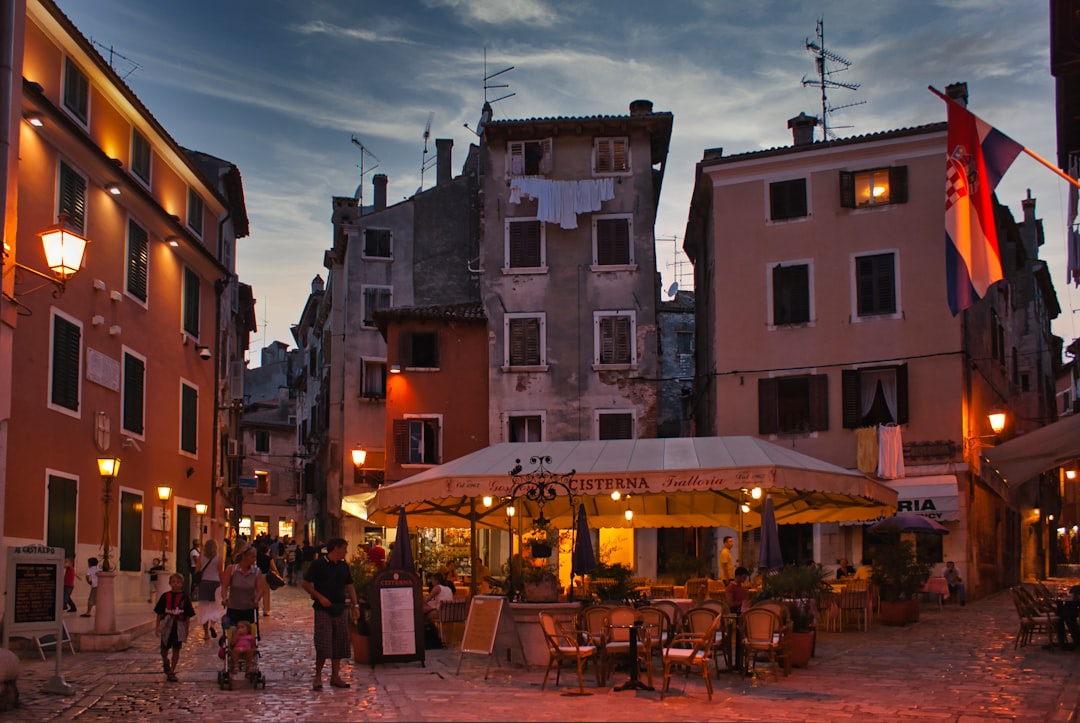
I wake up in Rovinj to the sound of gulls screaming over the rooftops, a sound so loud it feels like the birds are arguing about property lines. The air smells of salt, old stone, and the faint, sweet rot of anchovies drying on nets. I step onto the balcony, my coffee steaming in the cool morning air, and look out at the Adriatic Sea. It is a deep, aggressive blue, not the polite turquoise of the postcards. Below me, the Old Town is a labyrinth of terracotta roofs that seem to cascade down a hill like a spilled box of crayons. This is not a place for casual strolling; it is a place that demands you navigate its tight, winding streets with purpose. I pull my jacket tighter. The wind here has teeth.
I walk down toward the St. Euphemia's Cathedral, the baroque dome dominating the skyline. The cobblestones are uneven, slick with morning dew. A local man in a white shirt and dark trousers nods at me, his face a map of wrinkles earned from decades of sun and sea. He doesn't smile, but he doesn't frown either. It's a look of recognition. We are both here, in this suspended moment, before the tour buses arrive with their air-conditioned armies. I need to move fast. The Venetian ghosts are still awake, and they don't like to be rushed.
History & Identity
Rovinj Rovinj is a city that has been conquered, rebuilt, and sold more times than a used car in a Balkan flea market. Its history is a palimpsest of empires. The Illyrians were here first, followed by the Romans, who turned it into a fishing outpost called Rupinium. But the city's soul is Venetian. For centuries, the Republic of Venice ruled these waters, turning Rovinj into a strategic stronghold and a hub for sardine fishing. The Venetian influence is not just historical trivia; it is the very fabric of the town. The architecture, the layout of the streets, the way the buildings cluster around the cathedral — it all screams Venice, but smaller, tighter, and more intense.
The Venetians fortified the town, building walls and towers to protect against Ottoman raids and pirate attacks. These walls are gone now, mostly, but the sense of enclosure remains. The Old Town is a peninsula, jutting out into the sea, a natural fortress. The St. Euphemia's Cathedral St. Euphemia's Cathedral stands at the highest point, a baroque beacon that has watched over the town since the 18th century. Its dome is covered in tiles, a mosaic of blue and gold that catches the light in a way that makes you squint. The cathedral is not just a religious site; it is a statement of power, a reminder that Rovinj was once a player on the Mediterranean stage.
After the fall of Venice, Rovinj passed through the hands of the Habsburgs, then the Italians, and finally became part of Croatia in the 1990s. Each regime left its mark, but the Venetian core remains. The town has a certain melancholy beauty, a sense of things past that lingers in the air. It is not a place that tries too hard to be modern. It prefers to let the old stones speak for themselves. This is not a place for neon lights and loud music. It is a place for quiet contemplation, for walking slowly and looking up at the frescoes on the facades of the old houses.
Where to Go
St. Euphemia's Cathedral — The heart of Rovinj. The baroque dome is iconic, but the interior is where the real magic lies. The frescoes and sculptures are a feast for the eyes, depicting scenes from the life of Saint Euphemia. The view from the bell tower is worth the climb, offering a panoramic sweep of the Old Town and the Adriatic Sea. Entry is 5 EUR, and the climb takes about 15 minutes. Best visited early morning or late afternoon to avoid the crowds.
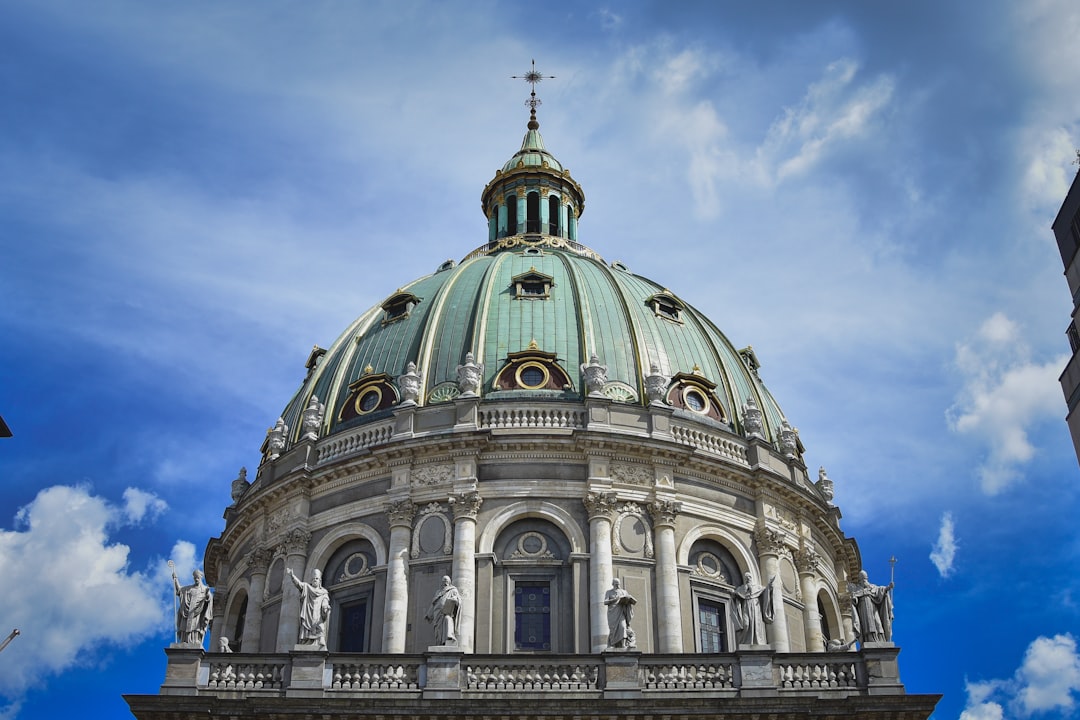
Campanile — The bell tower of the cathedral, but it stands alone in the imagination as a symbol of the town. The climb is steep, but the view is unparalleled. You can see the entire Old Town, the Marina, and the islands in the distance. It is a place to stand and think, to let the wind blow through your hair and feel the pulse of the sea. Entry is included with the cathedral ticket.
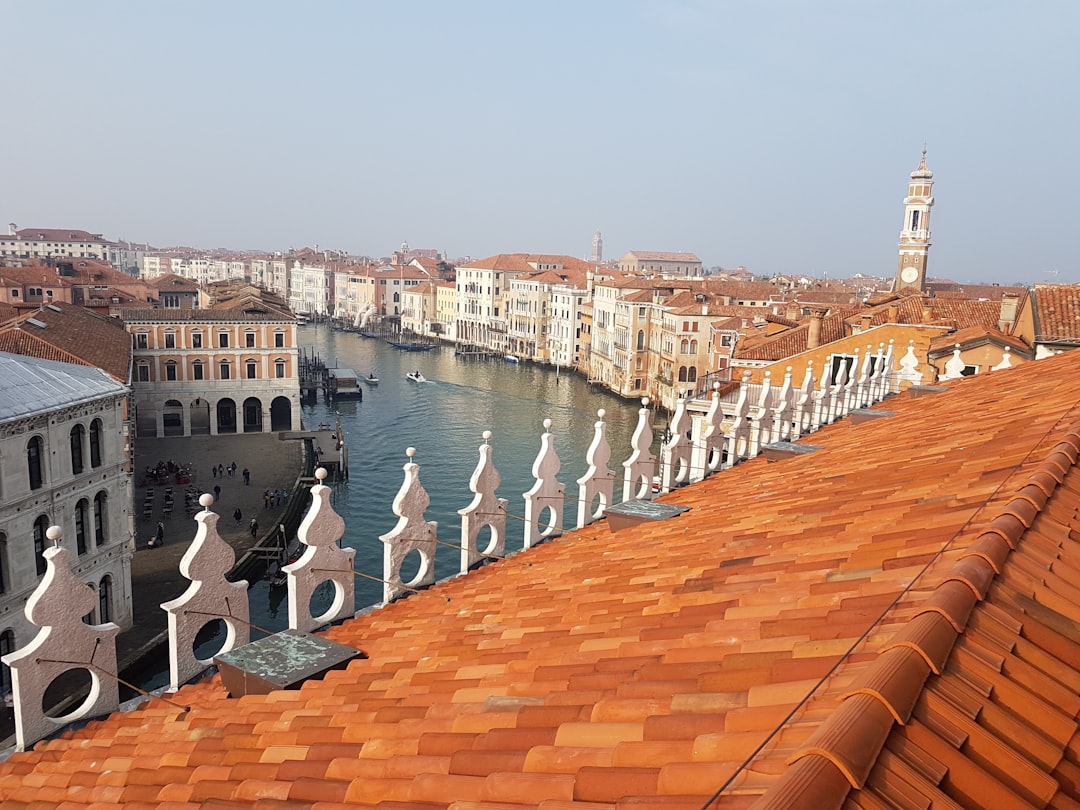
Trsat Fortress — A short bus ride from the center, this fortress sits atop a hill overlooking the town and the Adriatic Sea. It is a place of history and legend, associated with the Habsburg archduke Maximilian I. The views are spectacular, and the fortress itself is worth exploring. Entry is 4 EUR. Bring water and wear good shoes.
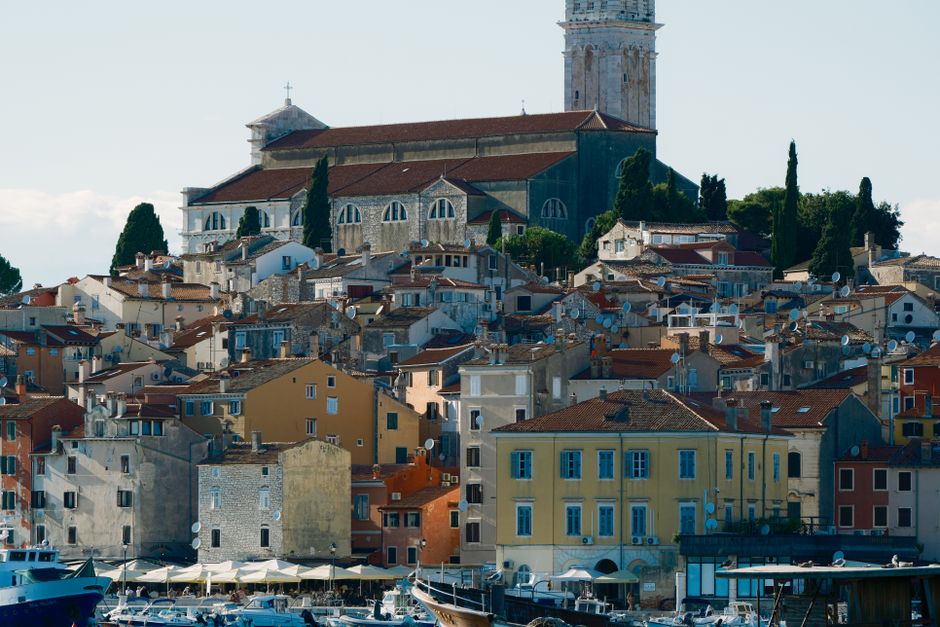
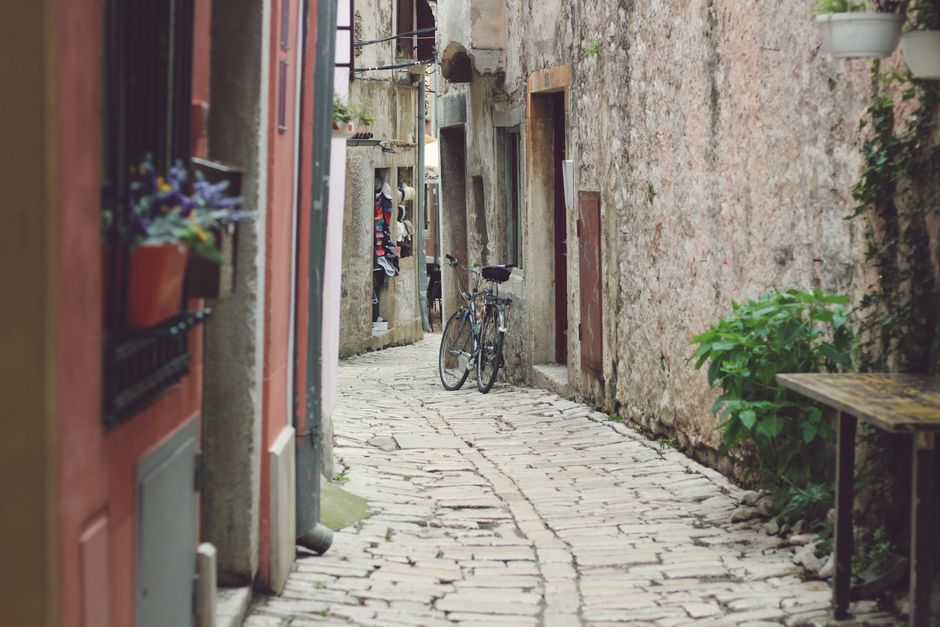
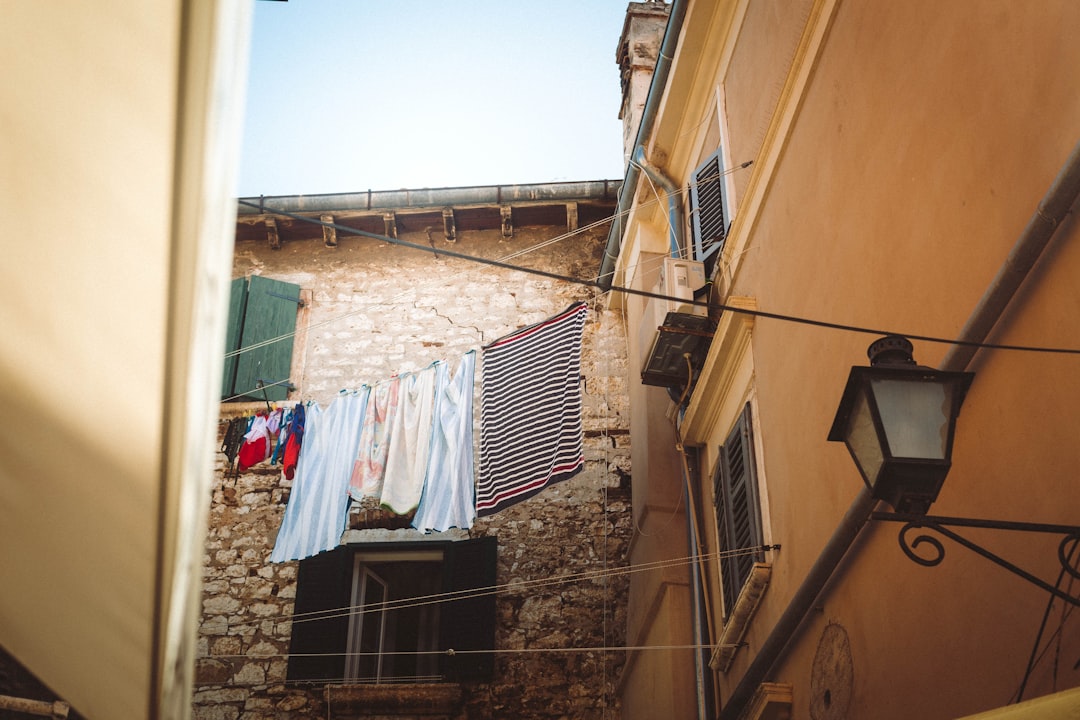
Old Town Streets — The real joy of Rovinj is getting lost in its streets. The Old Town is a maze of narrow alleyways, each one leading to a new discovery. There are small squares, hidden gardens, and ancient churches. The St. George's Church St. George's Church is a small, quiet chapel that is easy to miss. The St. Mary's Church is another gem, with a beautiful baroque interior. Take your time. There is no rush here.
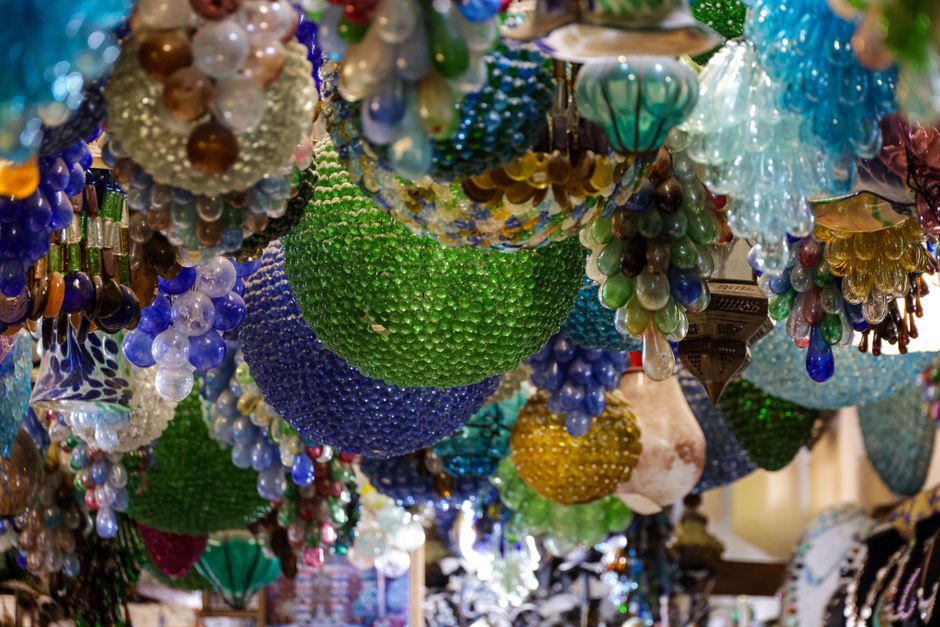
Murano Glass Museum — A testament to the town's Venetian past, this museum showcases the art of Murano glass. The collection is impressive, with pieces dating back centuries. It is a small museum, but the quality of the work is high. Entry is 3 EUR. It is a good place to escape the midday heat.
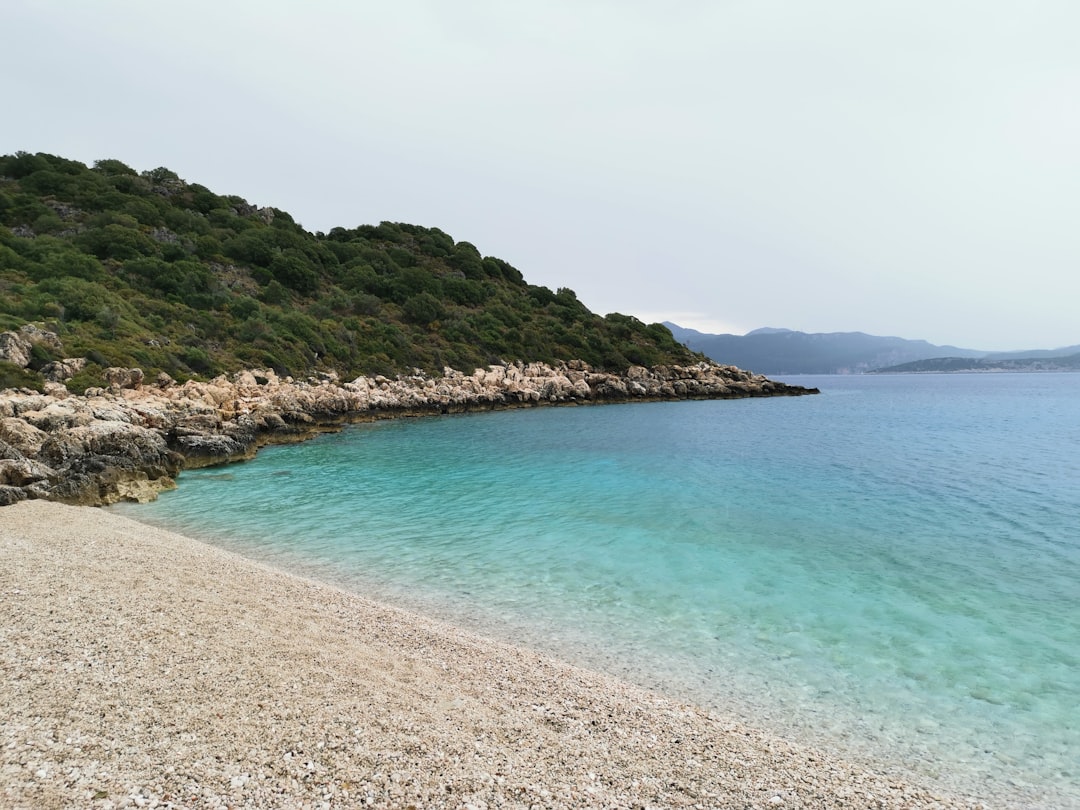
Kršan Beach — A pebble beach on the edge of the Old Town, this is a good place to swim and sunbathe. The water is clear and cool. There are sunbeds and umbrellas for rent, but it is also possible to find a spot on the rocks for free. It is a lively beach, with a bar and a restaurant on site.
What to Eat & Drink
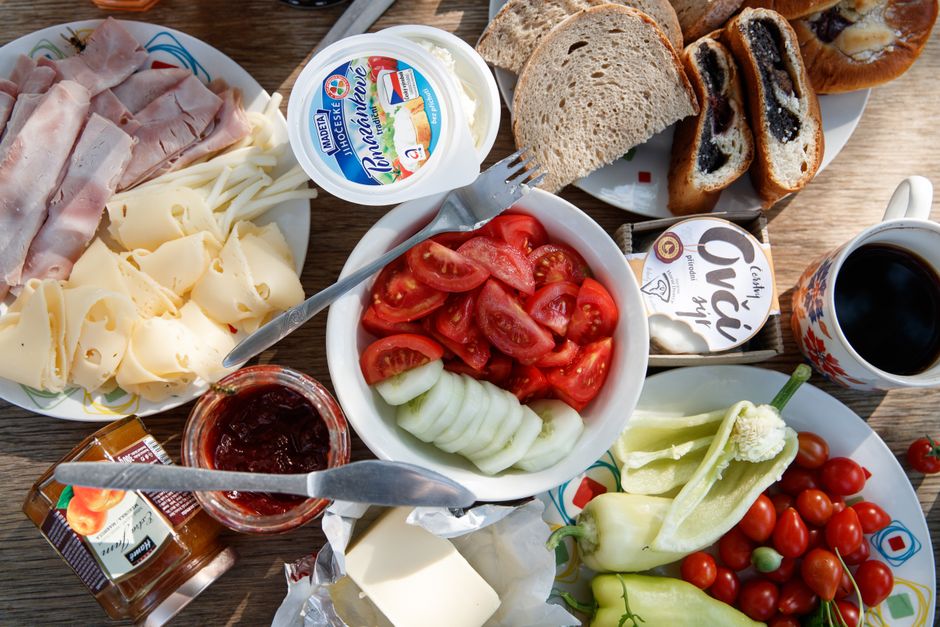
Eating in Rovinj is an experience in itself. The town is famous for its seafood, particularly sardines and anchovies. The Old Town is filled with restaurants serving traditional Istrian cuisine. Here are some must-try dishes:
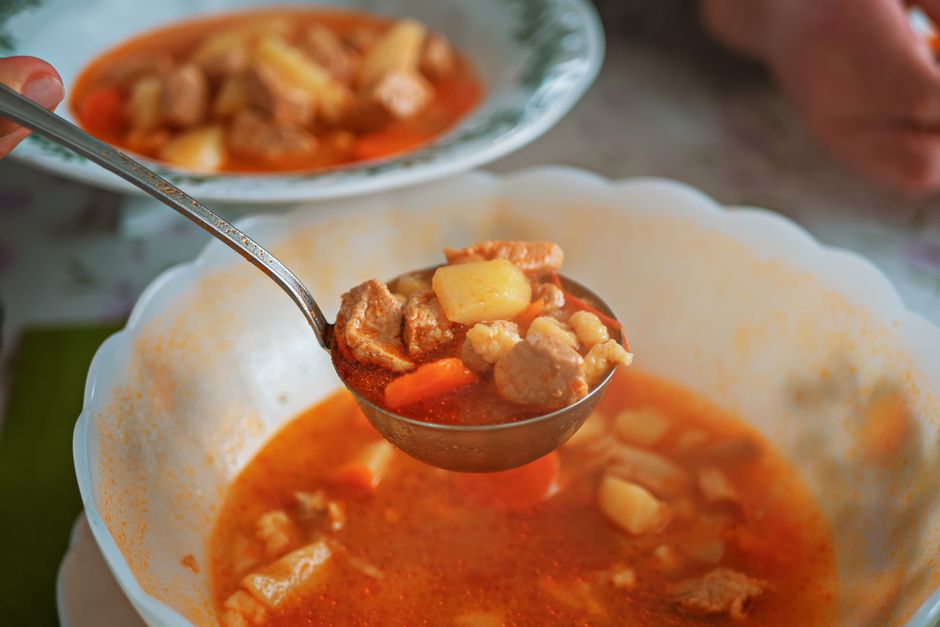
Brudet — A fish stew made with local seafood, tomatoes, and white wine. It is rich and flavorful, best served with fuži, a local pasta. 12-15 EUR per serving.
Pršut — A dry-cured ham that is a staple of Istrian cuisine. It is served thinly sliced, often with prosciutto and cheese. 8-10 EUR for a plate.
Fuži — A local pasta made with hand-rolled noodles. It is often served with a meat or vegetable ragù. 10-12 EUR per serving.
Istrian Truffle — The region is famous for its truffles, which are used to flavor many dishes. Try truffle risotto or truffle pasta. 15-20 EUR per serving.
Malvazija — A local white wine that is crisp and refreshing. It pairs well with seafood. 4-6 EUR per glass.
For budget travelers, there are several street food options. Pizza is cheap and plentiful, with slices costing 2-4 EUR. Sandwiches and pastries are also available at local bakeries. For a sit-down meal, expect to pay 8-15 EUR per person at a local restaurant. Mid-range restaurants will cost 15-25 EUR per person. The Old Town has many take-away options, including pizza and seafood sandwiches.
Nightlife
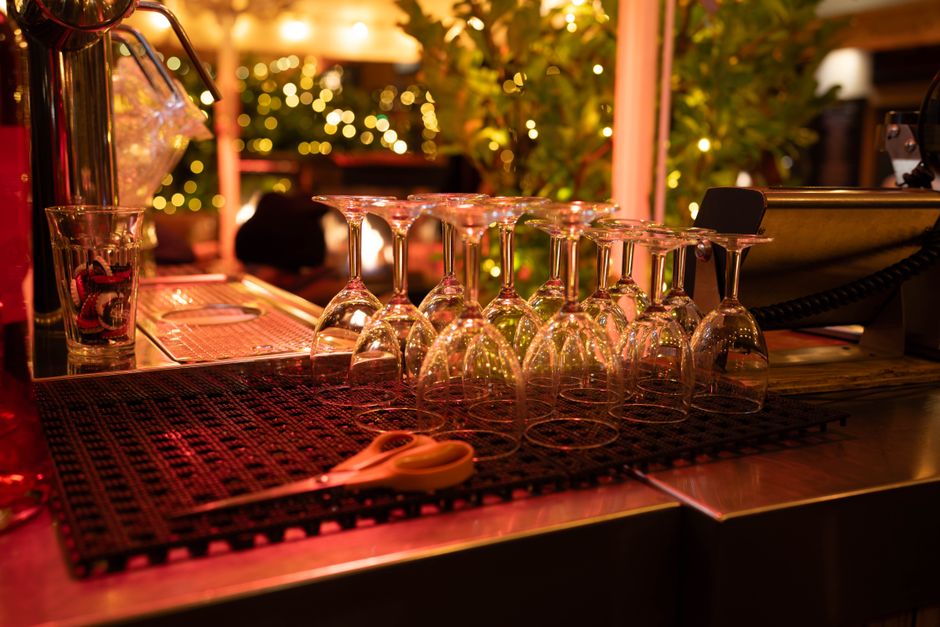
Nightlife in Rovinj is not about loud clubs and dancing until dawn. It is about sitting in a small bar, drinking a glass of Malvazija, and watching the world go by. The Old Town has several wine bars and cafes that stay open late. The atmosphere is relaxed and intimate. Here are a few places to check out:
Bar Galeb — A small bar on the waterfront with a great view of the Marina. It serves wine and cocktails, and has a small menu of appetizers. The atmosphere is casual and friendly. Cover charge: None.
Cafe Dalmatino — A historic cafe in the Old Town. It is a good place to sit and people-watch. The coffee is excellent, and the pastries are fresh. It is a place to start the evening, not end it.
Club Nautika — A nightclub on the waterfront. It plays electronic and dance music. It is a good place to go if you want to dance, but it can get crowded. Cover charge: 5-10 EUR.

Getting There & What to Expect
The nearest airport is Pula Airport Pula Airport, which is about 40 km from Rovinj. There are direct flights from major European cities. From Pula, you can take a bus to Rovinj, which takes about 45 minutes. The bus costs 5-8 EUR. You can also rent a car, which gives you more flexibility. The drive from Pula to Rovinj is scenic, with views of the Adriatic Sea and the Istrian countryside.
From Zagreb, the drive to Rovinj takes about 3 hours. The road is well-maintained, but it can be busy in the summer. There are also buses from Zagreb to Rovinj, which take about 4 hours. The bus costs 20-30 EUR. From Ljubljana, the drive takes about 2.5 hours. The road is scenic, with views of the Alps and the Adriatic Sea.
Accommodation in Rovinj can be expensive, especially in the summer. Budget hostels cost 20-40 EUR per night. Mid-range hotels cost 50-100 EUR per night. Luxury hotels cost 100-200 EUR or more per night. It is best to book in advance, especially if you are visiting in the summer. The best months to visit are May and September, when the weather is pleasant and the crowds are smaller.
Search accommodation in Rovinj on Booking.com →
The Salt and the Stone
I leave Rovinj as the sun sets, casting long shadows over the Old Town. The air is still warm, but the wind has picked up. I walk back to my hotel, my feet aching from the day's exploration. The streets are empty now, the tourists gone. The only sound is the lapping of the waves against the harbor. I feel a sense of peace, a rare thing in this noisy world. Rovinj is not a place that tries to impress you. It is a place that simply is. It is a place of salt and stone, of history and memory. It is a place that stays with you, long after you have left.
I think about the Venetians, the Romans, the Illyrians. They are all gone now, but their legacy remains. It is in the stones of the cathedral, in the streets of the Old Town, in the taste of the Malvazija. It is a legacy of beauty and resilience, of a people who have endured and survived. Rovinj is a testament to that survival. It is a place that has stood the test of time, and it will continue to do so, long after we are all gone.
Comments