


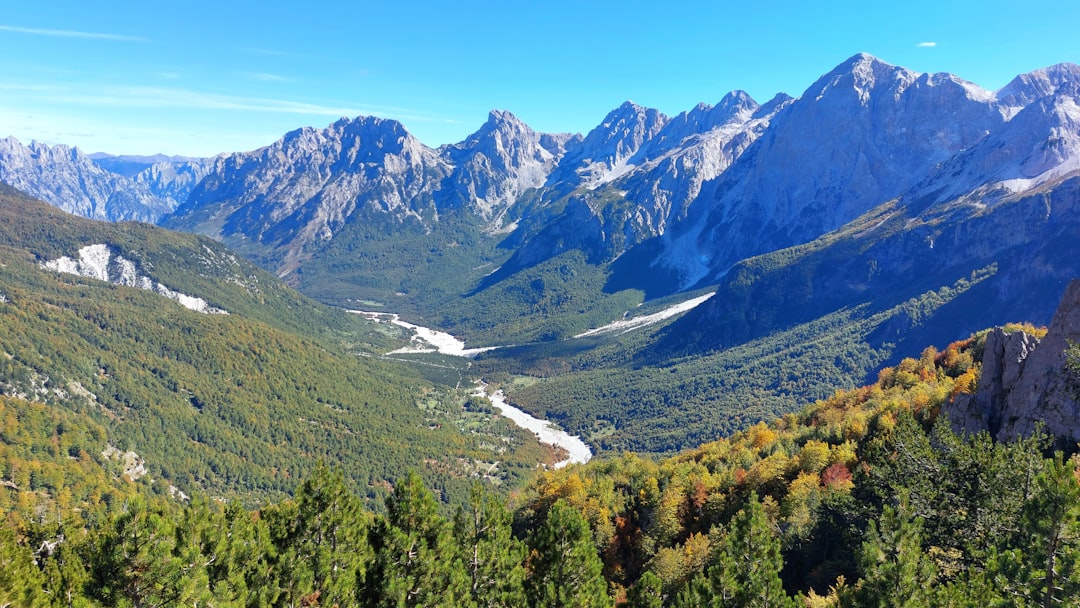
I woke up with a split lip, a nose full of pine resin, and a pair of boots caked in mud that had been drying since the Ottoman Empire. The goat I was chasing had not only stolen my last piece of dry bread but also my dignity, leaving me standing in the mist-shrouded valley of Theth National Park wondering if I had signed up for a culinary retreat or a survival reality show. The air here doesn't just smell like woodsmoke and wood shavings; it tastes like iron and ancient, unbroken silence. I came to the Albanian Alps looking for food. Not the kind you buy in a sterile supermarket, but the kind that fights back. I wanted to find the wild garlic that locals say cures everything from heartbreak to high altitude sickness, and the wild thyme that makes their bread taste like the earth itself. Instead, I got a lesson in humility, a bruised ego, and a basket that weighed more than my soul.
The Albanian Alps, or the Accursed Mountains as they are locally known, do not care about your Instagram feed. They are jagged, unforgiving, and brutally beautiful. The trails are not "maintained"; they are merely "trodden." Every step is a negotiation with gravity. But the people here, the shepherds and the grandmothers with skin like leather and eyes like flint, they know the secrets. They know which leaf will heal a cut and which root will send you to the afterlife. I was there to learn from them. I was there to eat what the mountain gives. And let me tell you, the mountain gives a lot, if you know how to ask.
The Rules of the Wild
Foraging in the Balkans is not a hobby; it is a heritage. In the villages of Valbona Valley National Park, the older generation can identify hundreds of plants by touch, smell, and taste. They don't need apps. They need intuition. The first rule is simple: if you don't know it, don't eat it. The second rule is: never take more than you need. The third rule, which I learned the hard way, is: always ask the locals. They might not speak English, but they speak plant. And they will laugh at you if you pick the wrong thing. Trust me, you don't want to be the guy who mistakes a poisonous hemlock for wild carrot. I saw a tourist do that in Theth National Park once. He didn't laugh. He vomited. A lot.
The best time to forage is early morning, when the dew is still on the leaves and the air is crisp. The herbs are more potent, more aromatic. The wild garlic, or lëngë, is best in the spring, when the shoots are tender and the bulbs are plump. The wild thyme, or thymus, is best in the summer, when the flowers are in bloom and the scent is overwhelming. The wild mint, or melisa, is best in the autumn, when the leaves are dark and the flavor is intense. Each season has its own rhythm, its own bounty. You have to listen to it. You have to respect it.
I met a shepherd named Dritan near the Valbona Pass. He was milking his goats, his hands moving with a speed and precision that made me feel like a clumsy child. He handed me a sprig of wild thyme. "Smell it," he said. I did. It smelled like heaven. "Now taste it," he said. I did. It tasted like fire. "This is the soul of the mountain," he said. I nodded. I didn't fully understand what he meant, but I knew I wanted to learn. I knew that the secret to the food was not just in the ingredients, but in the land, the people, and the history that shaped them.
The Basket of Life
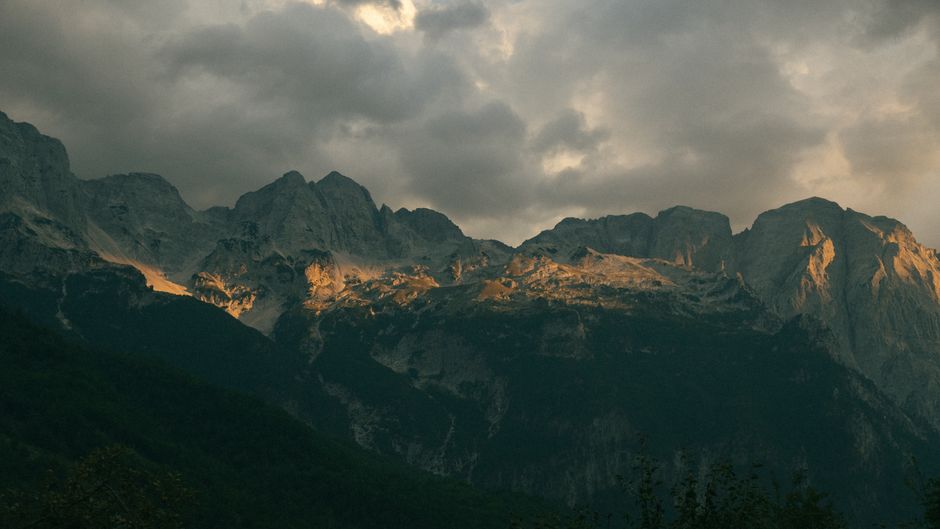
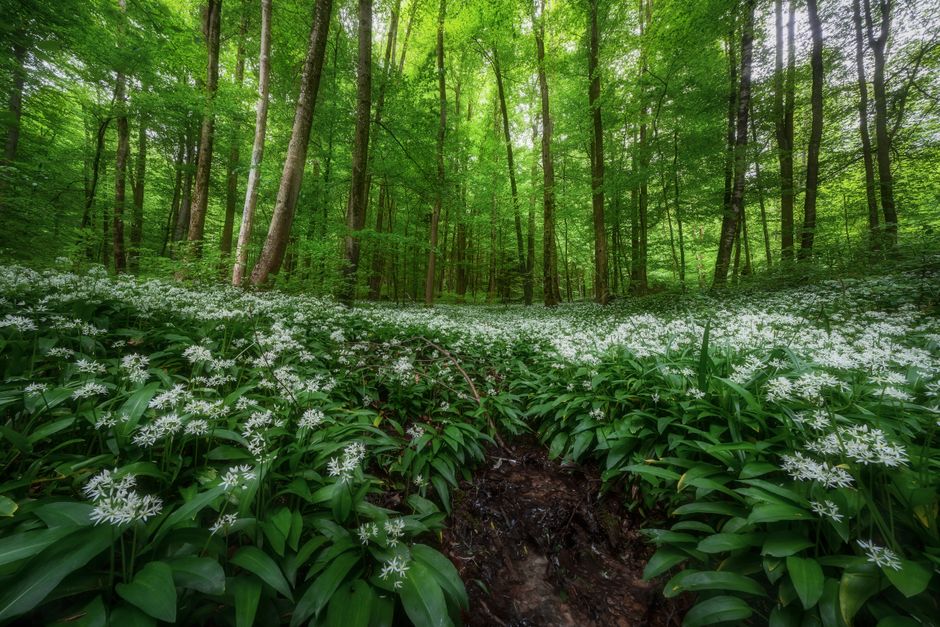
What do you find in the wilds of the Albanian Alps? A lot. Wild garlic, wild thyme, wild mint, wild oregano, wild sorrel, wild chicory, wild strawberries, wild raspberries, wild blackberries, wild hazelnuts, wild chestnuts, wild mushrooms, wild truffles. The list is endless. The mountain is a pantry. But it is a pantry that requires work. You have to climb. You have to search. You have to know what you are looking for. And you have to be lucky. Luck is a big part of foraging. You can search for hours and find nothing. Or you can stumble upon a patch of wild garlic so dense it looks like a green carpet. It's a gamble. But it's a gamble that pays off. When you finally sit down to a meal that you gathered yourself, with your own hands, from the wild earth, it tastes like nothing else. It tastes like freedom.
One of my favorite finds was the wild sorrel. The leaves are tart, refreshing, and perfect for salads. I found a huge patch near a stream in Valbona Valley National Park. The water was clear, the air was cool, and the sun was warm. I sat on a rock, ate a handful of sorrel, and watched the clouds drift by. It was a moment of pure bliss. Another favorite was the wild mint. The leaves are small, but the flavor is huge. I used it to make tea, and it tasted like summer in a cup. The wild thyme was also incredible. I used it to flavor my bread, and it tasted like heaven. The wild garlic was the best of all. I used it to make a pesto, and it tasted like life. These are not just ingredients. They are memories. They are stories. They are the essence of the place.
But foraging is not just about food. It is about connection. Connection to the land, to the people, to the past. When you walk the trails, you walk in the footsteps of shepherds, monks, and warriors. You feel their presence. You feel their struggle. You feel their joy. You become part of their story. And that is a gift that no supermarket can give you. It is a gift that only the wild can give. And it is a gift that I will never forget.
Routes & Trail Info
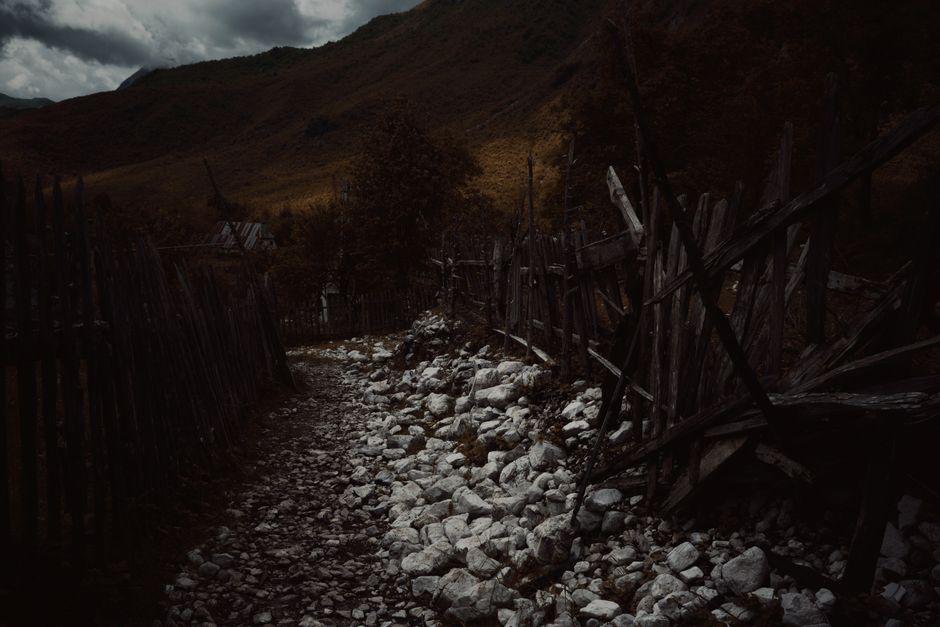
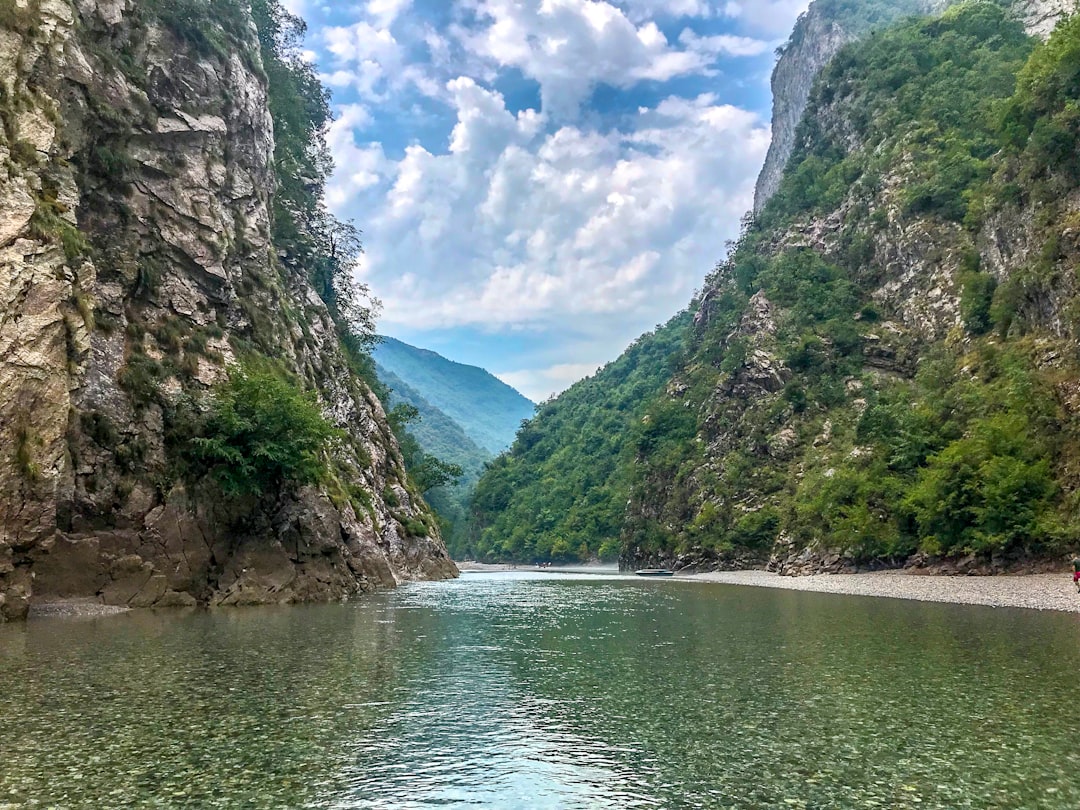
The classic route for foragers is the trail from Theth National Park to Valbona Valley National Park. It is a tough hike, but it is worth it. The trail passes through dense forests, alpine meadows, and rocky passes. It is a landscape of extremes. You will see everything from lush green valleys to barren rock faces. And you will find everything from wild garlic to wild truffles. The trail is about 18 km long, with an elevation gain of about 1000 meters. It takes about 6-8 hours to complete. It is not for the faint of heart. But it is for the hungry. The trailhead is in the village of Theth. You can park your car there, or take a bus from Shkodra. The bus costs about 5-10 EUR and takes about 2 hours. The trail is well-marked, but it is not easy. You need good boots, plenty of water, and a good map. And you need a good guide. A local guide will show you where to find the best herbs, the best mushrooms, the best views. They will also keep you safe. The mountain is beautiful, but it is dangerous. Do not underestimate it.
Another good route is the loop around Valbona Village. It is shorter, easier, and more relaxed. You can do it in a day. You will see waterfalls, caves, and forests. You will find wild mint, wild thyme, and wild berries. It is a great route for families, for beginners, for anyone who wants to experience the magic of the Albanian Alps without the pain. The trailhead is in Valbona Village. You can park your car there, or take a bus from Shkodra. The bus costs about 5-10 EUR and takes about 3 hours. The trail is well-marked, and it is easy. You just need good shoes, a snack, and a smile. It is a perfect day trip. And it is a perfect introduction to the world of foraging.
Getting There & What to Expect
Getting to the Albanian Alps is an adventure in itself. The roads are narrow, winding, and often unpaved. The buses are old, slow, and crowded. But the views are incredible. The mountains are majestic. The valleys are lush. The villages are charming. It is a journey that will change you. You will arrive tired, dirty, and hungry. But you will also arrive excited, inspired, and alive. The nearest major city is Shkodër. From there, you can take a bus or a private car to Theth or Valbona. The bus costs about 5-10 EUR and takes about 2-3 hours. The private car costs about 50-100 EUR and takes about 1.5-2 hours. Accommodation is basic but clean. Guesthouses are the norm. They cost about 20-50 EUR per night. Meals are cheap and delicious. A typical meal costs about 5-10 EUR. You will eat beans, bread, cheese, meat, and vegetables. You will eat what the mountain gives. And you will love it.
The best time to visit is from May to October. The weather is warm, the trails are open, and the herbs are growing. But be prepared for rain, wind, and cold. The mountain weather is unpredictable. Always bring layers. Always bring a rain jacket. Always bring a good pair of boots. And always bring a sense of adventure. The Albanian Alps are not a tourist destination. They are a way of life. And if you are lucky, you will live it, if only for a few days. You will forage. You will hike. You will eat. You will sleep. You will dream. And you will never forget.
Search accommodation in Theth on Booking.com →
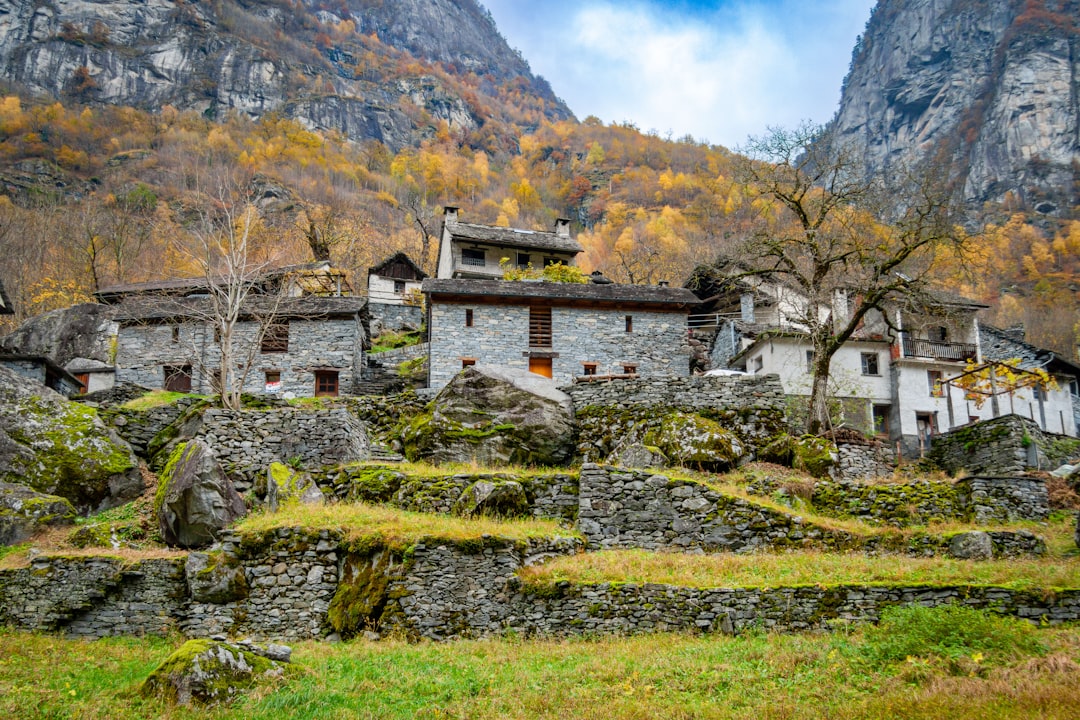
The Last Bite
I left the Albanian Alps with a basket full of herbs, a heart full of memories, and a soul full of peace. I left with a new understanding of food, of land, of life. I left with a new respect for the people who live there, who work there, who love there. I left with a new appreciation for the simple things, the wild things, the real things. I left with a taste of heaven. And I will never forget it. The mountain gave me a lot. And I gave it a little. I gave it my sweat, my blood, my time. And it gave me back my life. It's a fair trade. It's the only trade that matters. So if you are looking for a vacation, look elsewhere. But if you are looking for an experience, for a transformation, for a connection, come to the Albanian Alps. Come forage. Come eat. Come live. The mountain is waiting. And it is hungry.
Comments