


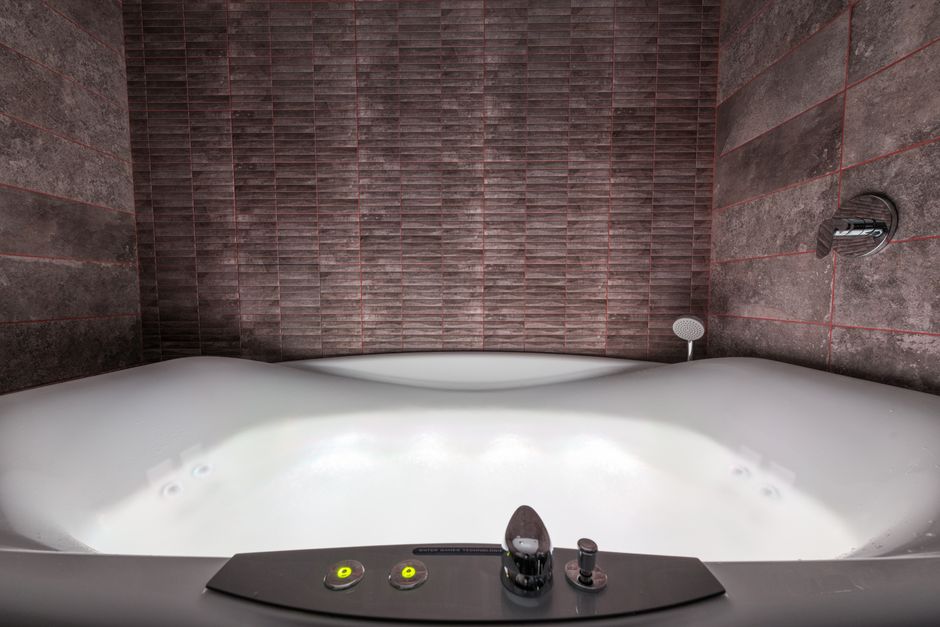
I sat on a plastic chair in a concrete hall that smelled faintly of sulfur and old money, watching a man in a tracksuit balance a newspaper on his knee while his feet steamed in a tub. It was 10 a.m. on a Tuesday in Vrnjacka Banja, the heart of Serbia's spa culture, and the air was thick with a peculiar kind of lethargy. This isn't a wellness retreat for Instagram influencers in linen dresses; it is a gritty, communal ritual where pensioners and politicians alike come to sweat out their ailments. The water here doesn't just warm you; it claims you. I arrived with a stiff neck and a skeptical mind, ready to dismiss this as a relic of the past, but after three hours submerged in the mineral-rich baths, my cynicism dissolved along with the calcium carbonate scaling the edges of the pool. The heat was oppressive, almost aggressive, but undeniably effective.
There is no spa tradition in the Balkans quite like this. In the West, wellness is often private, expensive, and silent. Here, it is loud, affordable, and deeply social. The City Spa complex is a labyrinth of tiled corridors and echoing pools, a place where time seems to stall. I watched a group of women in their seventies play cards while their legs dangled in the hot water, arguing good-naturedly over a hand of Skat. It was raw, unpolished, and utterly captivating. This is the real Serbia, stripped of tourist facades, where healing is a public affair and the thermal springs are the town's beating heart.
History & Identity
The thermal springs of Vrnjacka Banja have been known for their healing properties since the Roman era, but the town's modern identity was forged in the 19th century. It became a favorite retreat for the Serbian royal family and European aristocracy, who were drawn to the unique composition of the water. The Miljacka River, which flows through the town, is fed by these springs, and its banks have long been lined with willow trees and promenade paths where locals stroll for hours. The town was designed around the concept of kur, a structured spa treatment period that combines medical therapy with leisure.
During the Ottoman period, the region was known for its thermal waters, but it was the construction of the railway in the late 1800s that truly opened the town to the world. The Vrnjacka Banja Railway Station became a hub of activity, bringing in visitors from Belgrade, Budapest, and Vienna. The architecture of the town reflects this era, with neoclassical and secessionist buildings housing grand hotels and sanatoriums. Today, while the grandeur of the past has faded, the tradition remains strong. The town is still a place of rest and recovery, but it has also become a center for political gatherings and cultural events, maintaining its status as a significant destination in Serbia.
The identity of Vrnjacka Banja is inextricably linked to its water. The springs emerge at temperatures ranging from 14 to 50 degrees Celsius, rich in bicarbonates and calcium. This specific mineral profile is believed to be beneficial for digestive, metabolic, and musculoskeletal disorders. The town's layout, with its central park and promenade, encourages walking and relaxation, reinforcing the idea that health is achieved through a combination of natural elements and lifestyle changes. It is a place where the pace of life slows down, and the focus shifts to the body and its needs.
Where to Go
City Spa (Gradski Spa) — This is the main complex and the heart of the spa experience. It features a variety of pools, including thermal pools, mineral pools, and pools with different temperatures. The architecture is a mix of old and new, with some sections dating back to the early 20th century. Entry is affordable, and you can spend the entire day here. It is best to go in the morning to avoid the crowds of local pensioners, though the atmosphere is part of the charm. Entry fee is approximately 5-10 EUR for a day pass.
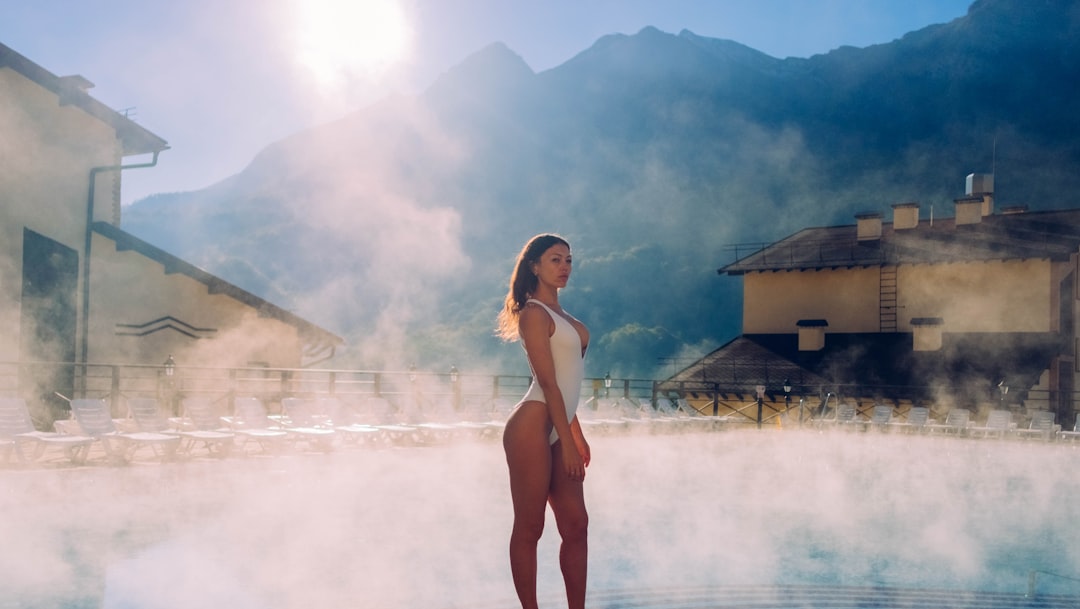
Central Park (Centralni Park) — A vast, green oasis in the center of town, perfect for long walks. The park features walking paths, benches, and small ponds. It is a favorite spot for locals to exercise and socialize. The air is clean and fresh, and the park is well-maintained. There are also several small museums and exhibition spaces within the park. It is free to enter and open to the public at all times.
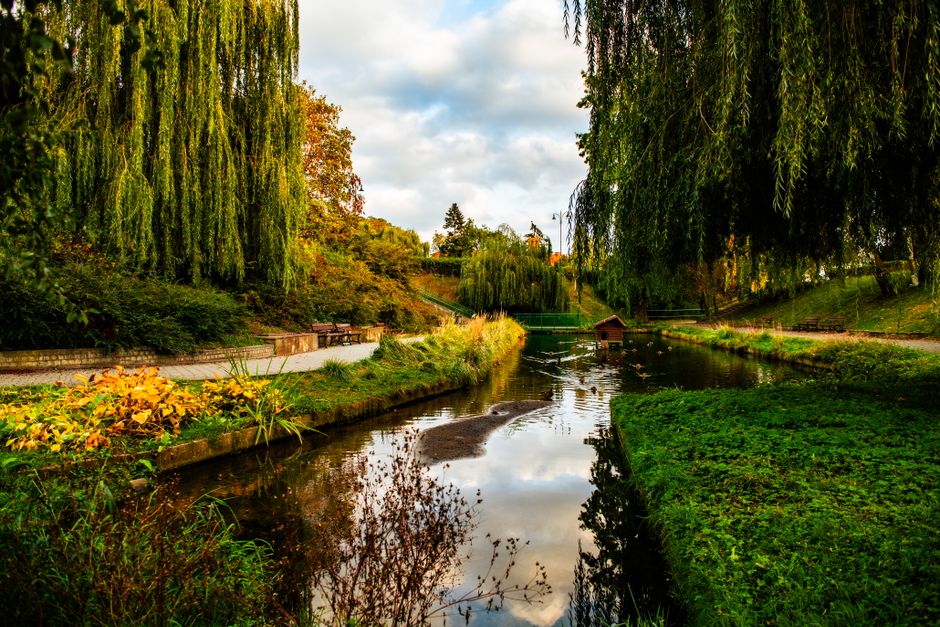
Vrnjci Peak — For those who want to combine spa relaxation with outdoor activity, the nearby Vrnjci mountain offers hiking trails and panoramic views of the town and the surrounding countryside. The climb is moderate, and the reward is a stunning vista. There is a small monastery on the peak, which adds to the spiritual atmosphere. It is a short drive from the town center, and there are parking areas at the base of the trails.
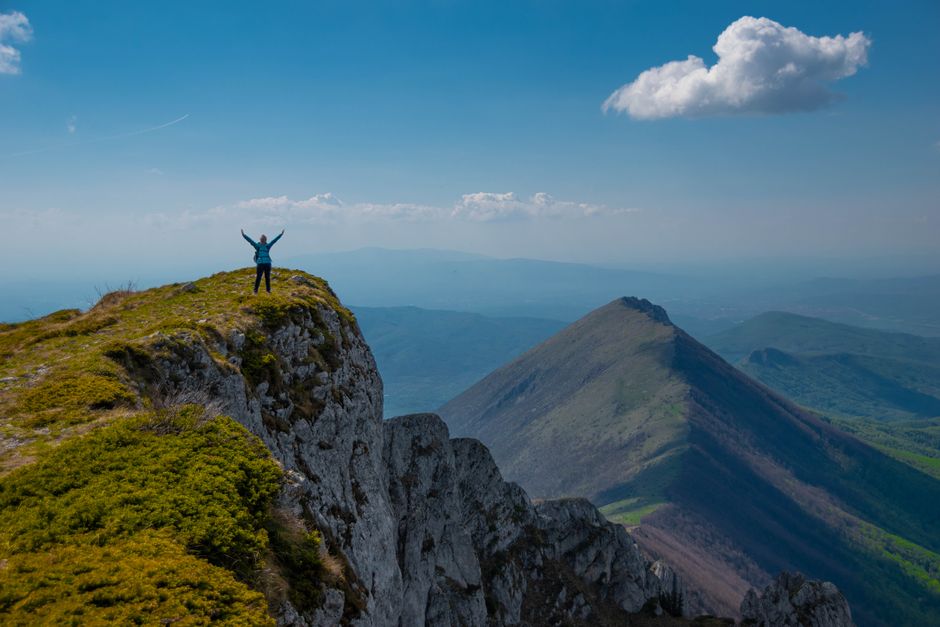
St. George's Church — A beautiful Orthodox church located in the center of town, known for its frescoes and architectural details. It is a place of worship and a cultural landmark. The church dates back to the 19th century and has been renovated several times. It is a quiet place to reflect and appreciate the religious heritage of the region. Entry is free, but visitors are expected to dress modestly.
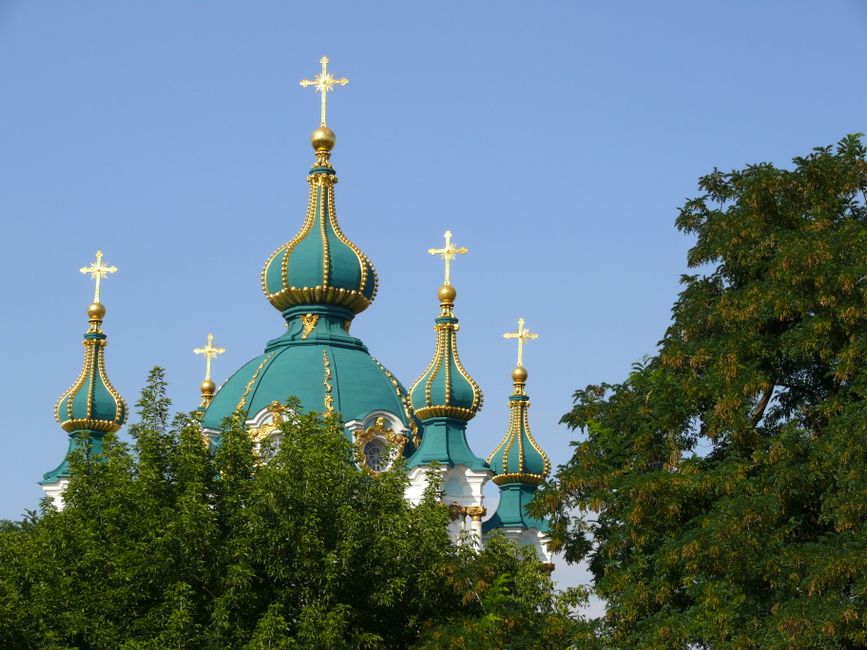
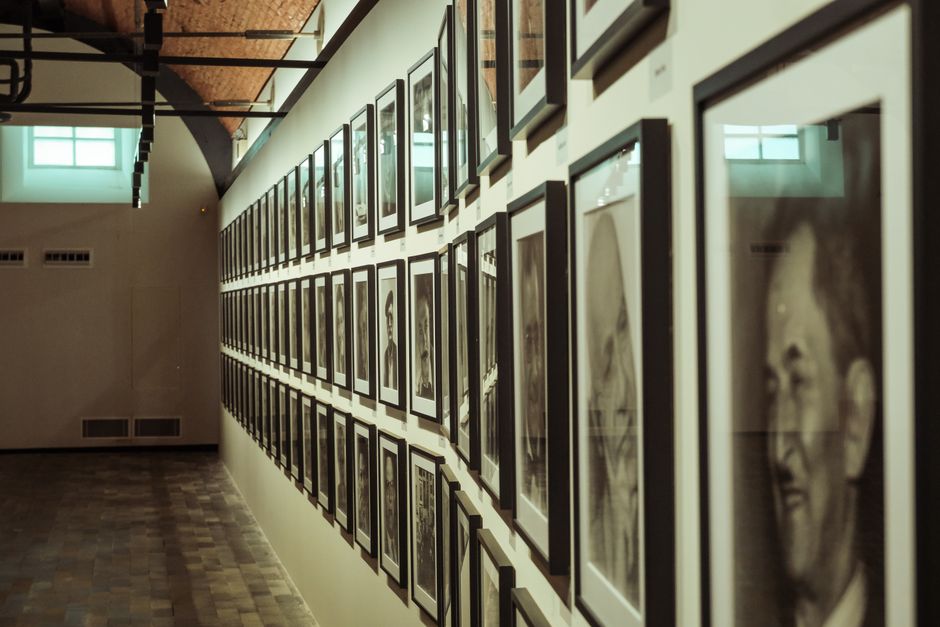
Museum of Vrnjacka Banja — This museum provides insight into the history of the spa town and its development over the centuries. It features exhibits on the medicinal properties of the thermal waters, the history of the spa industry, and the cultural life of the town. It is a small but informative museum, perfect for those interested in the local heritage. Entry fee is approximately 2-3 EUR.
What to Eat & Drink
The culinary scene in Vrnjacka Banja is a mix of traditional Serbian cuisine and spa-friendly options. The town is famous for its banjski sir, a local cheese made from the milk of cows that graze on the mineral-rich pastures of the region. It is a firm, white cheese with a distinctive flavor, often served with bread and honey. You can find it in local markets and shops. A portion of banjski sir costs around 3-5 EUR.
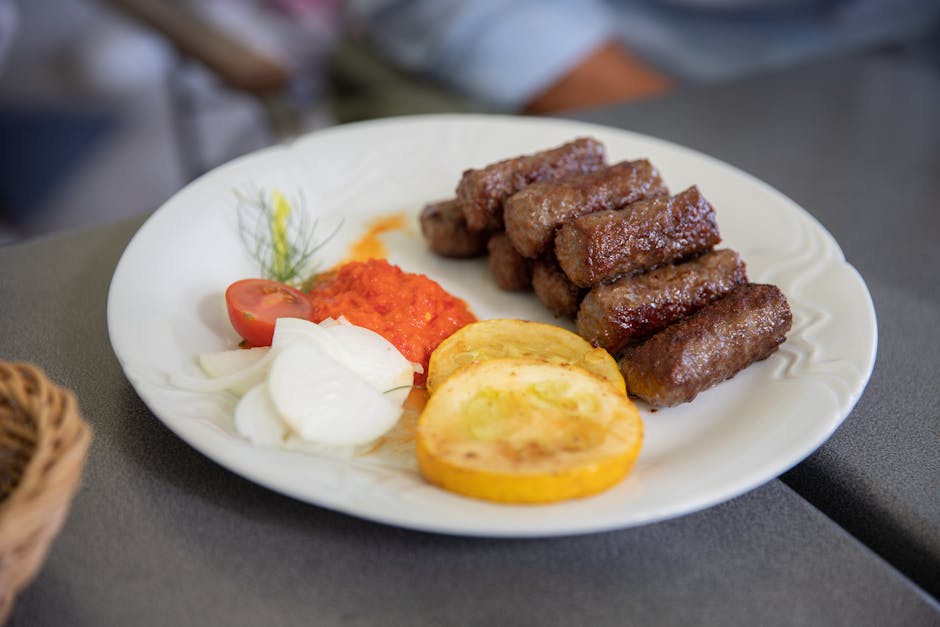
Another local specialty is proja, a type of cornbread that is soft and fluffy. It is often served with ajvar, a roasted red pepper relish, and slanina, cured bacon. This is a hearty and satisfying meal, perfect for a breakfast or lunch. A slice of proja with toppings costs around 2-4 EUR. For a full meal, you might try ćevapi, small grilled meat sausages served with lepinja (flatbread) and onions. A plate of 10 ćevapi costs around 4-6 EUR.
For drinks, the town has several cafes and restaurants that serve local beer and rakija, a traditional fruit brandy. Šljivovica, or plum rakija, is particularly popular. A glass of rakija costs around 2-3 EUR, and a bottle of local beer costs around 1.5-2.5 EUR. There are also several places that serve traditional Serbian coffee, which is strong and aromatic. A cup of coffee costs around 1-2 EUR.
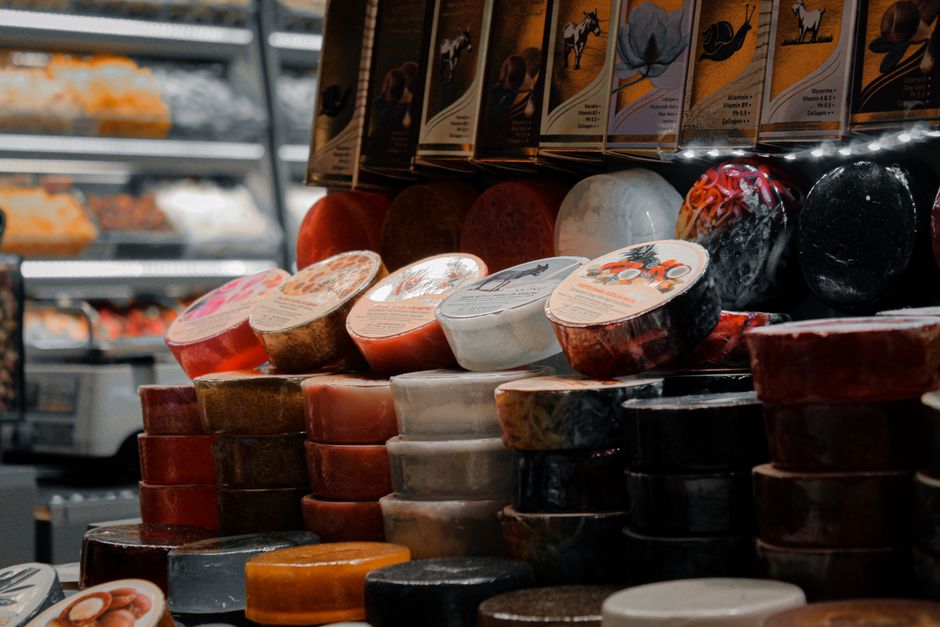
Budget travelers can find cheap eats at local bakeries and small restaurants. A simple meal of soup and salad can cost around 3-5 EUR. For a sit-down meal at a mid-range restaurant, expect to pay around 8-15 EUR per person. The town has a few food streets and markets where you can sample local delicacies. The City Market is a good place to find fresh produce, cheese, and other local products.
Nightlife
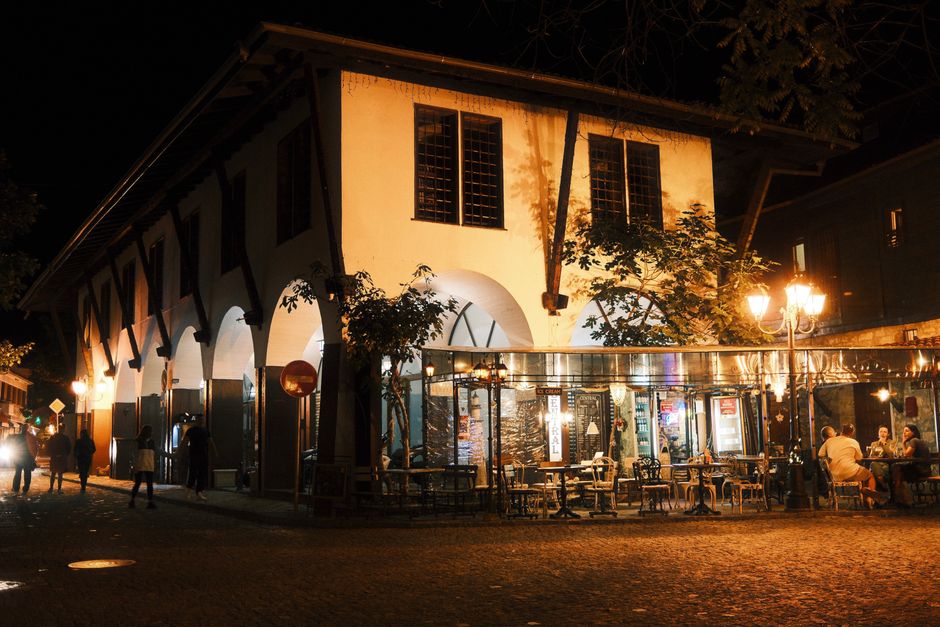
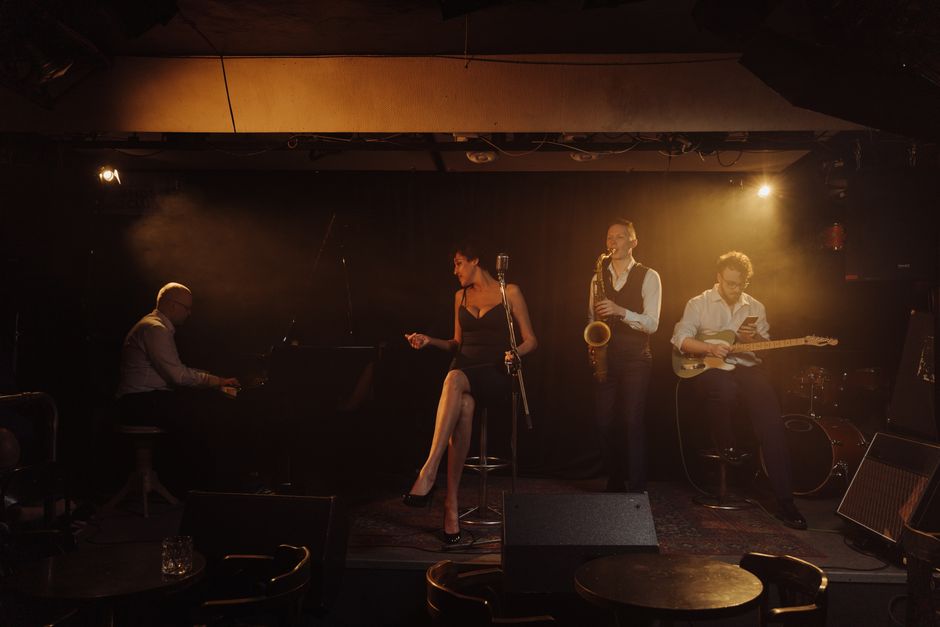
Nightlife in Vrnjacka Banja is not as vibrant as in Belgrade or Novi Sad, but there are still several places to enjoy an evening out. The main area for nightlife is around the Central Park and the main street, Kralja Petra. There are several cafes and bars that stay open late, offering live music and a relaxed atmosphere. One popular spot is Kafa Bar 18, which is known for its good coffee and live jazz music. It is a cozy place to sit and enjoy a drink with friends. Cover charge is usually free, but you need to buy a drink.
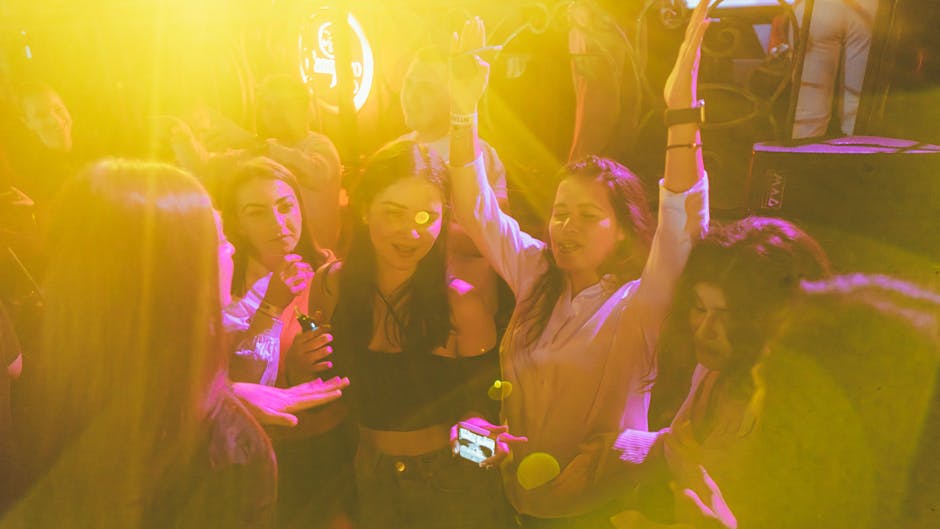
For those who prefer a more lively atmosphere, there are several clubs and discos in the town. Club Arena is one of the larger venues, offering electronic music and dance floors. It is popular with younger crowds and often hosts parties on weekends. Cover charge is around 2-5 EUR. Another option is Bar Park, which is located near the Central Park and offers a more casual vibe. It is a good place to meet locals and enjoy a drink in the fresh air.
The nightlife scene is generally affordable, with drinks and entry fees being lower than in larger cities. It is a place where you can relax and enjoy the evening without breaking the bank. The atmosphere is friendly and welcoming, and you will likely find people from all walks of life enjoying the night. It is not a place for wild partying, but rather for socializing and unwinding.
Getting There & What to Expect
The nearest major airport is Nikola Tesla Airport in Belgrade, which is about 140 kilometers away. From the airport, you can take a bus or a taxi to Belgrade, and then catch a bus or a train to Vrnjacka Banja. The bus journey from Belgrade takes about 2-3 hours and costs around 5-10 EUR. There are also direct buses from other major cities in Serbia, such as Novi Sad and Niš. The journey from Novi Sad takes about 3-4 hours, and from Niš about 4-5 hours. Car rental is also an option, and the roads are in good condition. The drive from Belgrade takes about 1.5-2 hours.
Accommodation in Vrnjacka Banja ranges from budget hostels to luxury hotels. A bed in a hostel costs around 10-20 EUR per night, while a room in a mid-range hotel costs around 30-60 EUR per night. There are also several apartments and private rooms available for rent, which can be a good option for longer stays. The town has a wide range of accommodation options to suit different budgets and preferences.
The best time to visit Vrnjacka Banja is during the spring and autumn months, when the weather is mild and pleasant. The summer months can be hot and crowded, while the winter months can be cold and less lively. However, the spa treatments are available year-round, so you can visit at any time of year. The town is also a popular destination for winter sports, with several ski slopes nearby.
Search accommodation in Vrnjacka Banja on Booking.com →
The Steam Lingers
Leaving Vrnjacka Banja, I felt a strange sense of loss, as if I were leaving behind a part of myself that had been softened by the heat. The town is not beautiful in the traditional sense, and it does not offer the excitement of a capital city. But it has a soul, a quiet resilience that is rooted in its history and its thermal waters. It is a place where people come to heal, to rest, and to reconnect with themselves and others. In a world that is constantly rushing, Vrnjacka Banja offers a pause, a moment of stillness where the only thing that matters is the warmth of the water and the company of those around you. It is a reminder that sometimes, the simplest things are the most profound.
Comments