


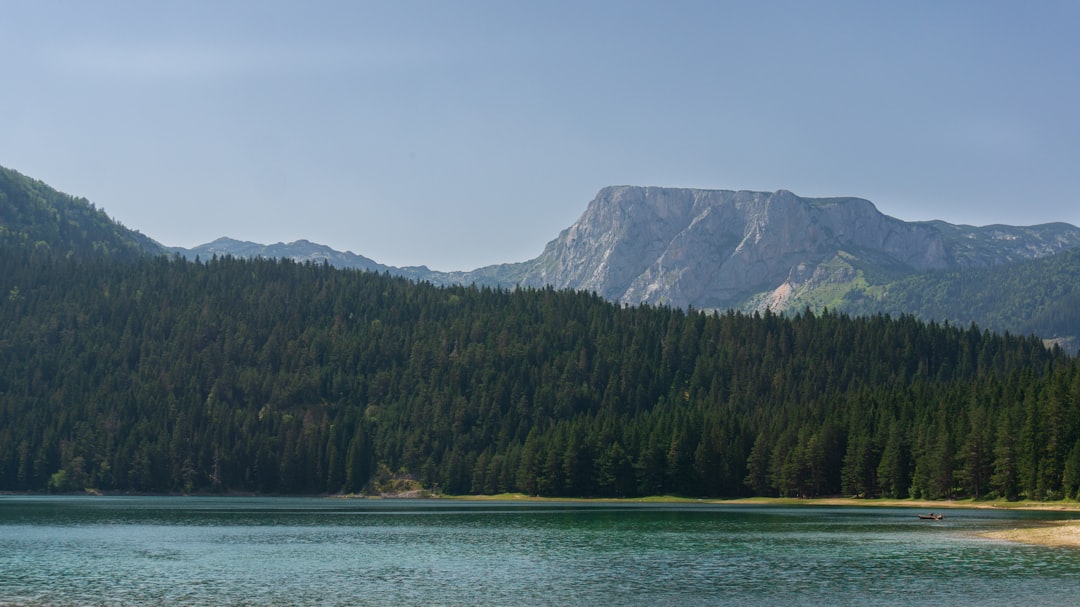
I stood on the edge of a limestone slab that felt less like a trail and more like a suggestion, looking down into the throat of the Tara River Canyon. The air here tastes like wet stone and pine resin. Below me, the Tara River is not a stream; it is a muscular, turquoise serpent smashing through a gorge so deep it makes the Grand Canyon look like a garden ditch. I was there to hike the trails above it, but the first thing that hits you isn't the scenery—it's the silence. It is a heavy, geological silence, broken only by the distant roar of the water and the crunch of my own boots on gravel. A local shepherd, leaning on a stick that looked older than the European Union, watched me with the detached amusement of someone who knows the mountain better than any GPS. He didn't offer advice. He just pointed upstream. "Go," he said. "But don't fall."
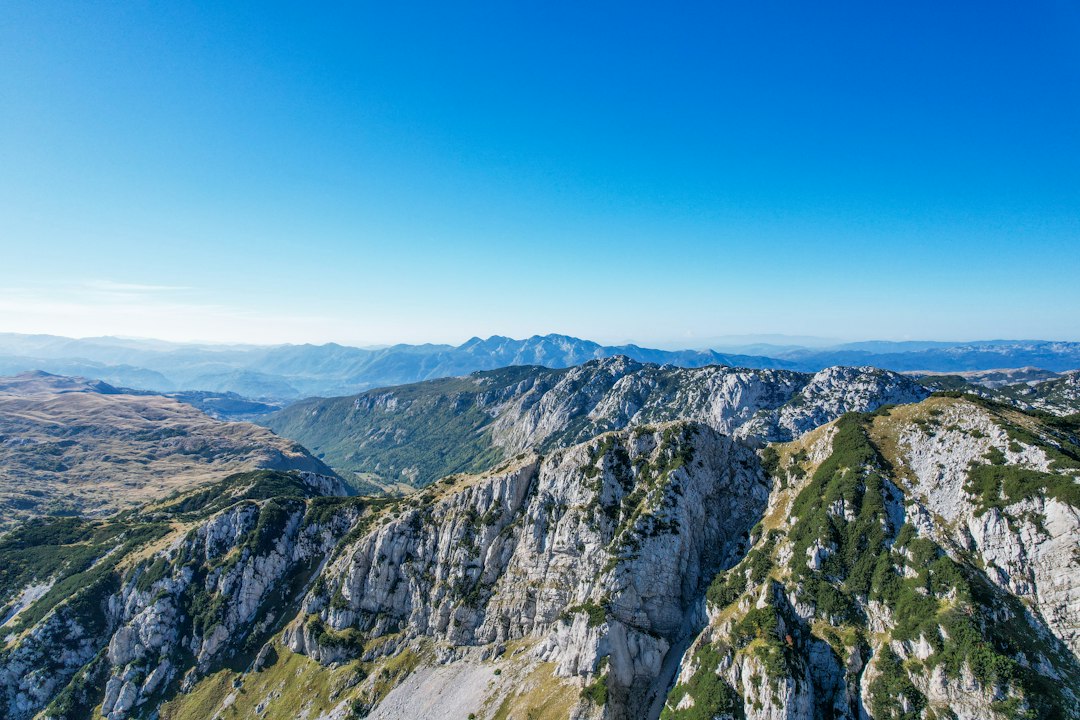
This is Durmitor National Park. It is not a place for casual strolls. It is a jagged, brutalist masterpiece of glacial valleys, medieval monasteries, and some of the deepest canyons on Earth. The trails here are not manicured paths with gift shops at the end. They are ancient mule tracks, rocky scrambles, and exposed ridges that demand respect. If you come here expecting a gentle nature walk, you are in the wrong country. If you come here to feel small, to be humbled by rock and water, you are exactly where you need to be.
The Geology of Fear
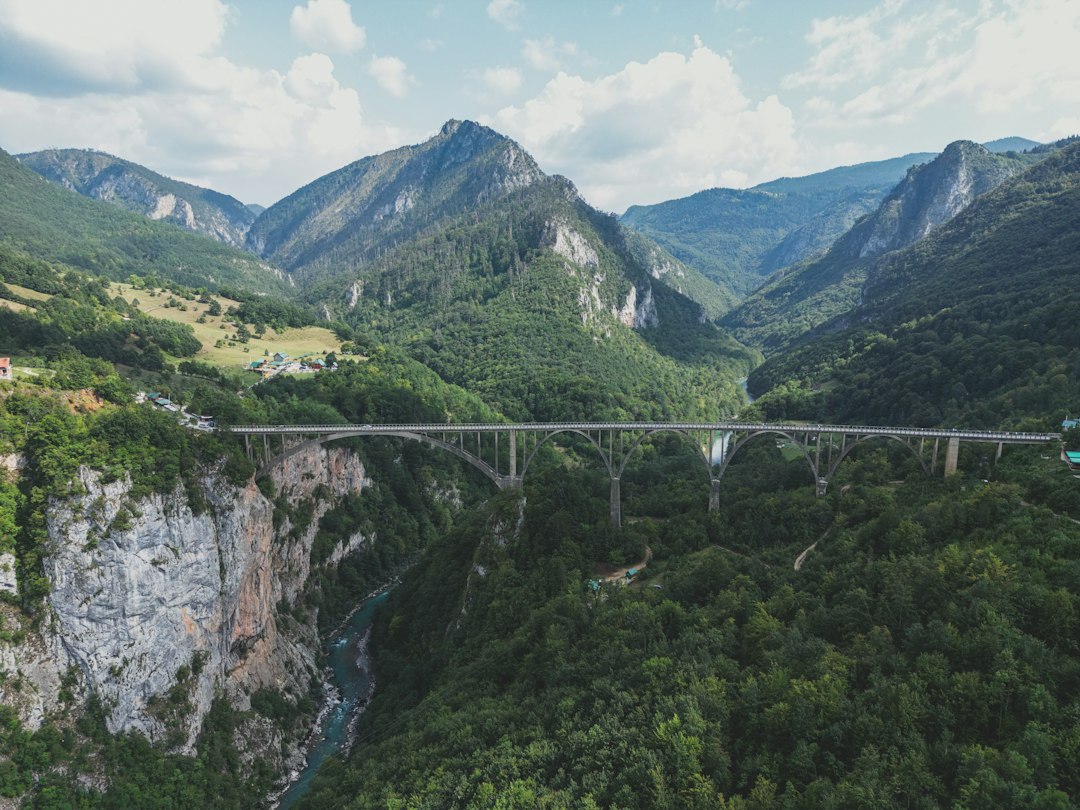
The Tara River Canyon is the deepest canyon in Europe and the seventh-deepest in the world. With a depth of 1,300 meters, it dwarfs most other gorges. The river itself is born from the melting snows of the Durmitor massif, cutting through the limestone bedrock for over 80 kilometers. The walls are vertical, sheer, and often stained black by centuries of mineral runoff. The water is so clear that you can see fish swimming hundreds of meters down, suspended in liquid glass.
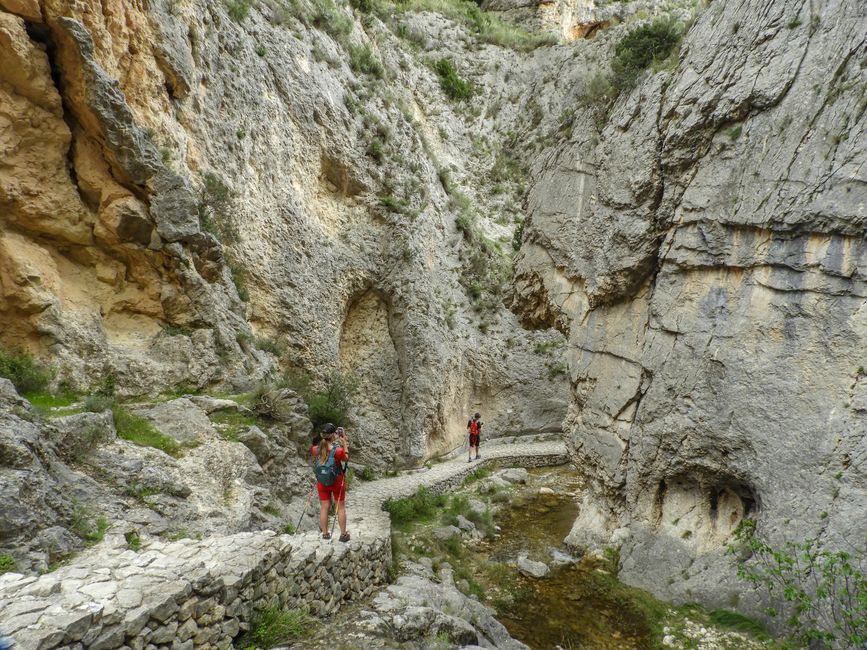
The trails that follow the canyon are not always easy. Some sections are well-marked, following old military roads or mule paths. Others are faint traces through dense forest, requiring a good map and a head for heights. The light changes dramatically as you move along the canyon. In the morning, the sun hits the eastern face, turning the rock to gold. By afternoon, the canyon floor is in shadow, and the air grows cold. This is a place where the weather shifts fast, and the mountain does not care about your schedule.
The Trails: From Black Lake to the Gorge
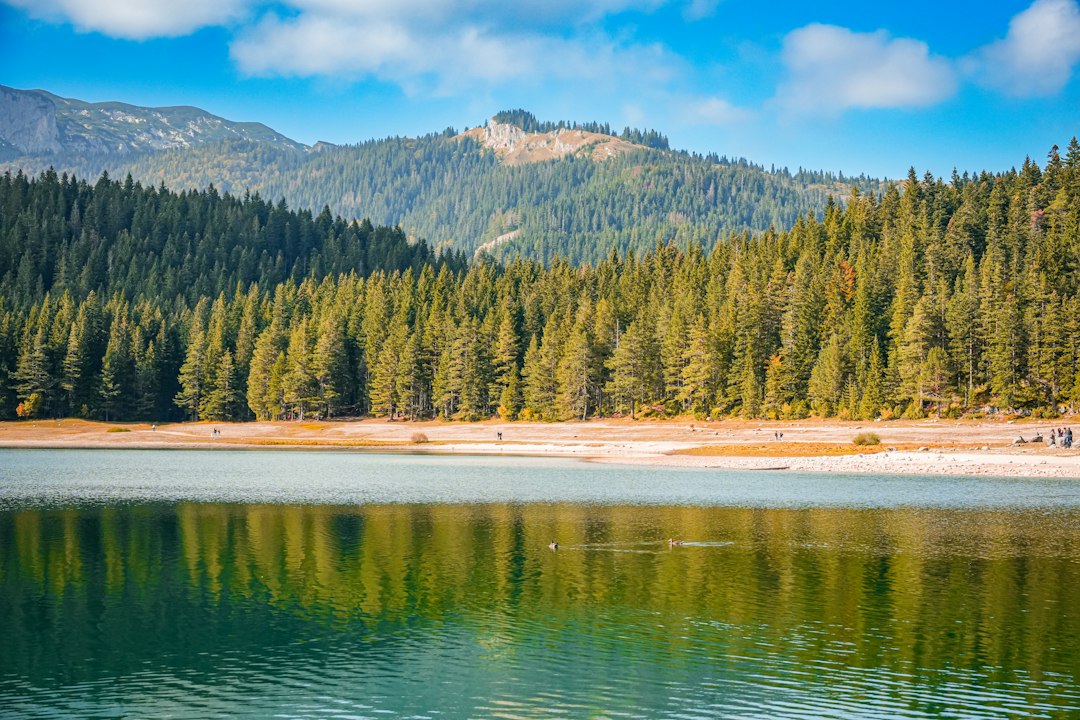
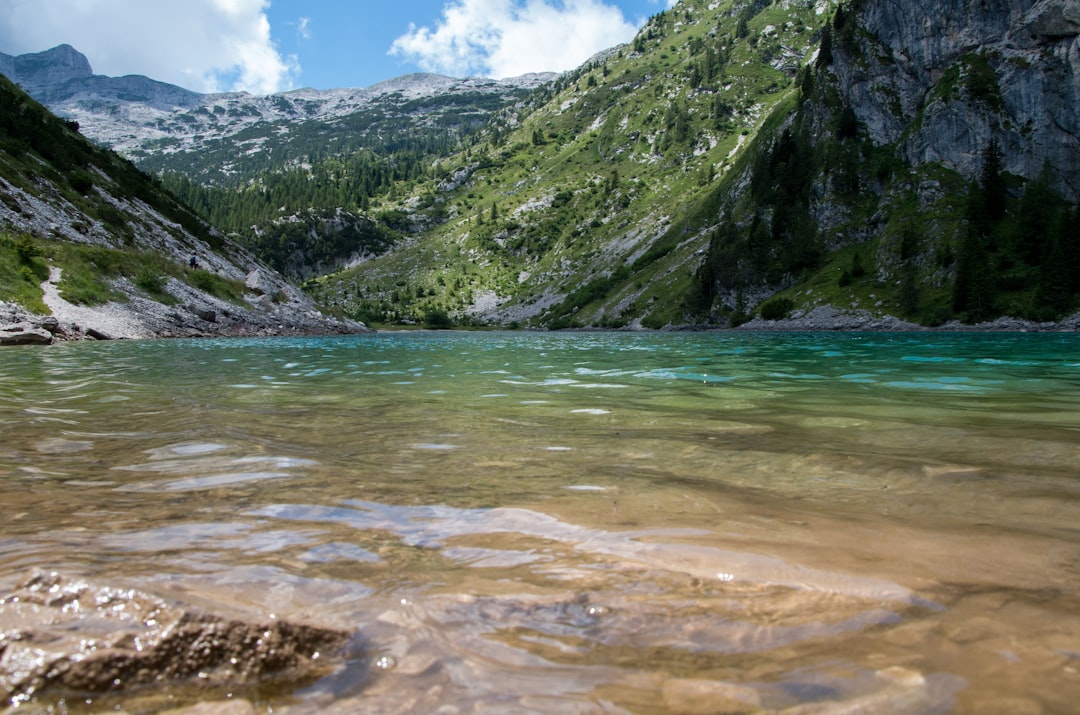
Most visitors to the canyon start at Crno Jezero (Black Lake), a glacial lake high in the mountains. From there, you can take the trail down to the Tara River Canyon. The descent is steep, but the views are worth every step. The trail follows the river for several kilometers, passing waterfalls, ancient bridges, and hidden caves. One of the most famous stops is the Žabljak area, where the village sits like a jewel in the mountains. From here, you can take a boat ride down the canyon, or continue on foot.
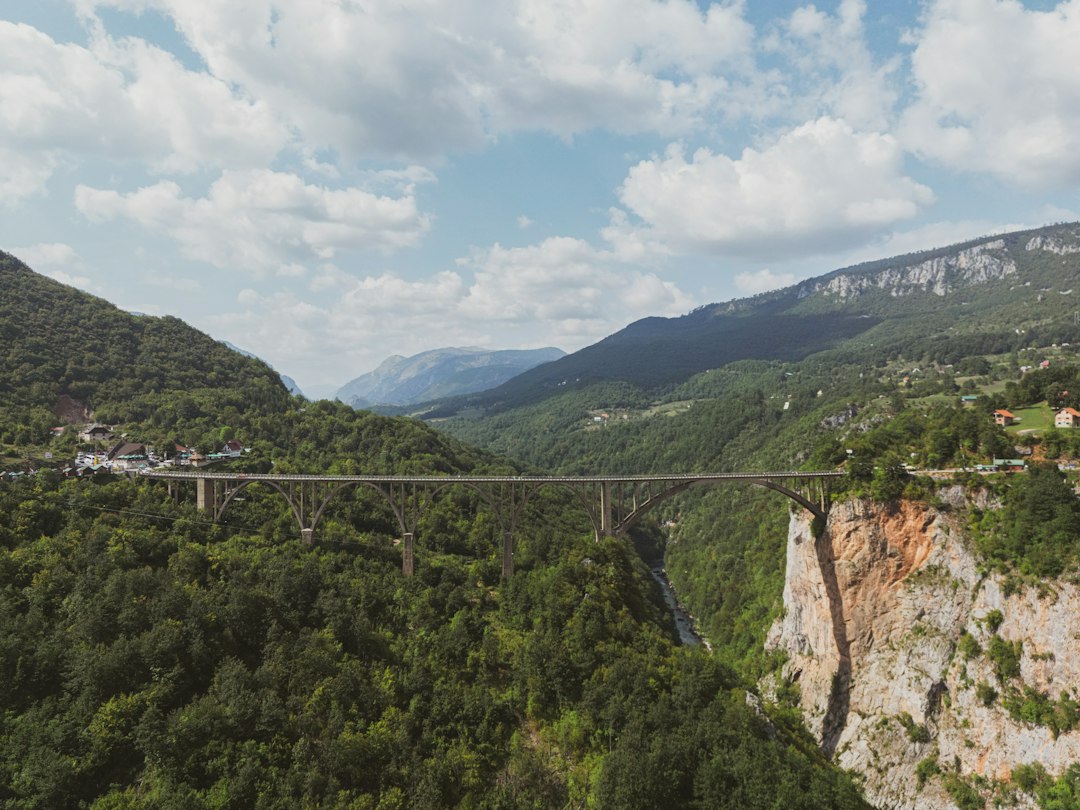
Another key route is the trail from Susanj to Perućica. This is a longer hike, covering about 15 kilometers. The terrain is rugged, with lots of rocks and roots. The trail passes through dense forests of beech and spruce, and offers stunning views of the canyon walls. At Perućica, you can see the famous suspension bridge, a relic of the past that now stands as a monument to human ingenuity. The bridge is no longer used for traffic, but it remains a popular spot for photos and contemplation.
Monasteries and Medieval Stones
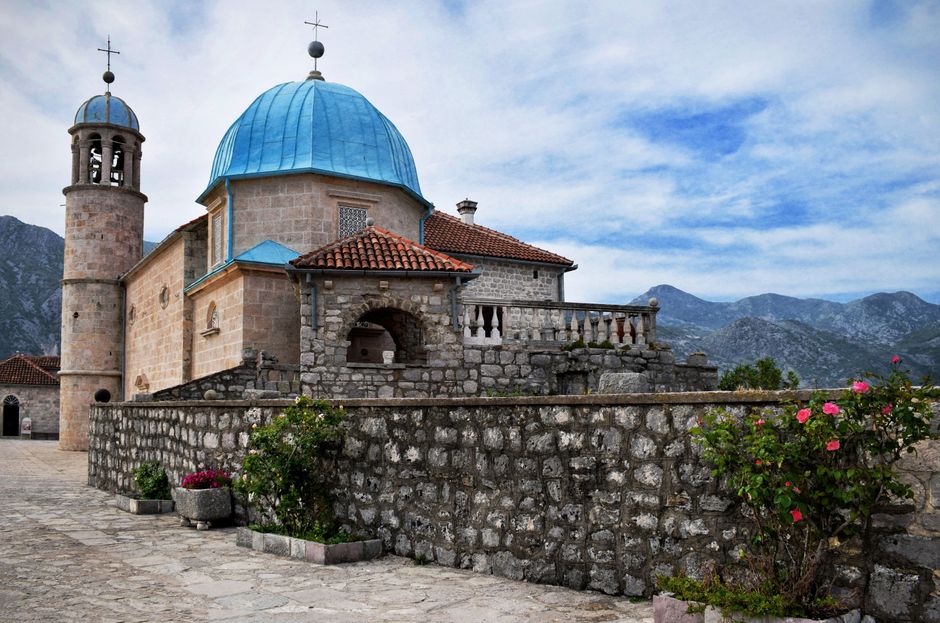
Durmitor is not just about nature. It is also a place of deep spiritual history. The Morača Monastery, located on the banks of the Morača River, is one of the most important medieval monasteries in Montenegro. Founded in the 13th century, it survived wars, earthquakes, and fires. The architecture is simple but powerful, with thick stone walls and a bell tower that rises above the trees. Inside, the frescoes are faded but still beautiful, telling stories of saints and sinners.
Another key site is the Piva Monastery, located further north. This monastery is even more remote, and the journey there is part of the experience. The road is winding and narrow, and the landscape becomes increasingly wild. When you arrive, the sense of isolation is profound. The monastery sits in a valley surrounded by high mountains, and the only sound is the wind in the trees. It is a place of peace and reflection, far from the noise of the modern world.
Routes & Trail Info
The main route to experience the canyon is the Tara River Canyon Trail. This is not a single path, but a network of trails that follow the river. The most popular section is from Susanj to Perućica. This route is about 15 kilometers long, with an elevation gain of 500 meters. It takes about 5-6 hours to complete, depending on your fitness level. The difficulty is Intermediate, as there are some steep sections and rocky terrain. You need good hiking boots and a sense of direction.
Another option is the Crno Jezero to Tarabarat trail. This is a longer hike, covering about 20 kilometers. The elevation gain is 800 meters, and it takes about 7-8 hours to complete. This route is more challenging, with some exposed sections and steep descents. It is best suited for experienced hikers who are comfortable with heights. The views, however, are spectacular, and the sense of achievement is huge.
Getting There & What to Expect
The nearest town to the canyon is Žabljak. It is located about 100 kilometers from Podgorica, the capital of Montenegro. The drive takes about 2 hours by car. There are also buses from Podgorica to Žabljak, which take about 2.5 hours and cost around 10-15 EUR. From Žabljak, you can take a taxi or a local bus to the trailheads. Taxis cost about 20-30 EUR for a one-way trip.
Accommodation in Žabljak ranges from budget hostels to mid-range hotels. A night in a hostel costs about 15-25 EUR, while a mid-range hotel costs about 50-80 EUR. There are also camping options, with pitches costing about 5-10 EUR per night. The best time to visit is from May to October, when the weather is mild and the trails are clear. In winter, the mountains are snow-covered, and the trails are often closed.
Food in the region is hearty and traditional. You can find ćevapi (grilled minced meat) for about 3-5 EUR, and njeguška pršuta (cured ham) for about 8-12 EUR per portion. There are also several restaurants in Žabljak that serve local dishes, with meals costing about 10-15 EUR per person. For budget travelers, there are food courts and take-away options, with meals costing under 5 EUR.
Search accommodation in Žabljak on Booking.com →
The Mountain Does Not Care
I sat on a rock near the Tara River Canyon, eating a sandwich that had gone soggy in the damp air. The shepherd was gone. The silence had returned. I looked at my map, then at the trail ahead. It was steep, rocky, and uncertain. But that was the point. This is not a place for comfort. It is a place for challenge. The mountain does not care if you are tired, or afraid, or lost. It just is. And in that indifference, there is a strange kind of peace. I packed up my things, adjusted my backpack, and started walking. The canyon was waiting, and I was finally ready to listen.
Comments