


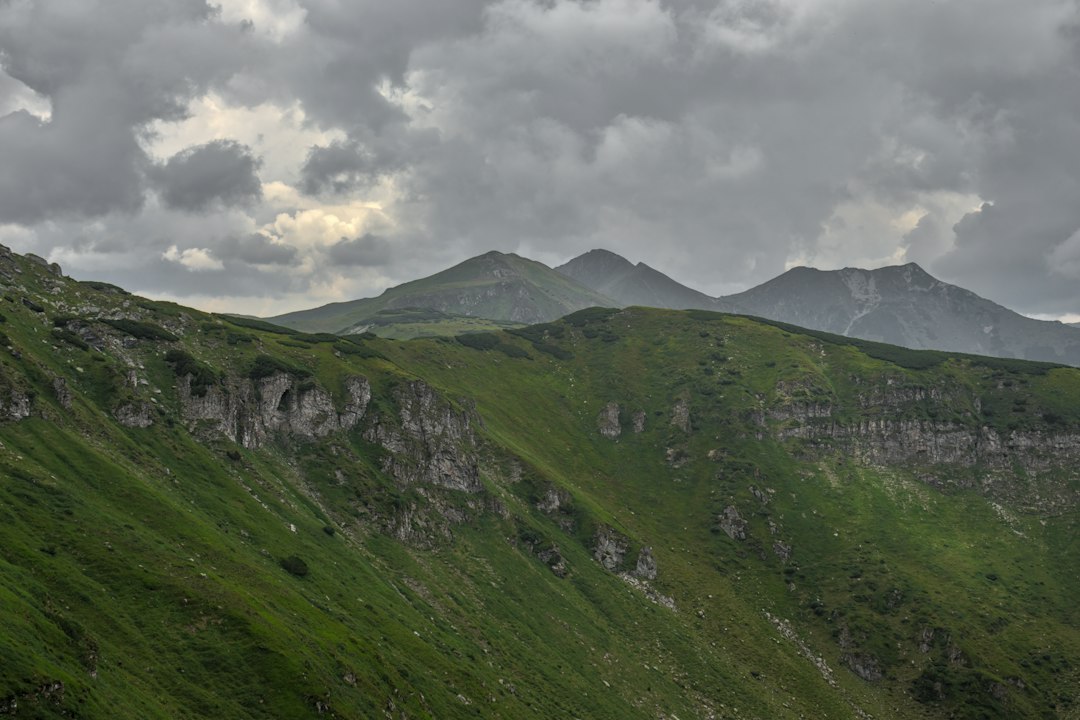
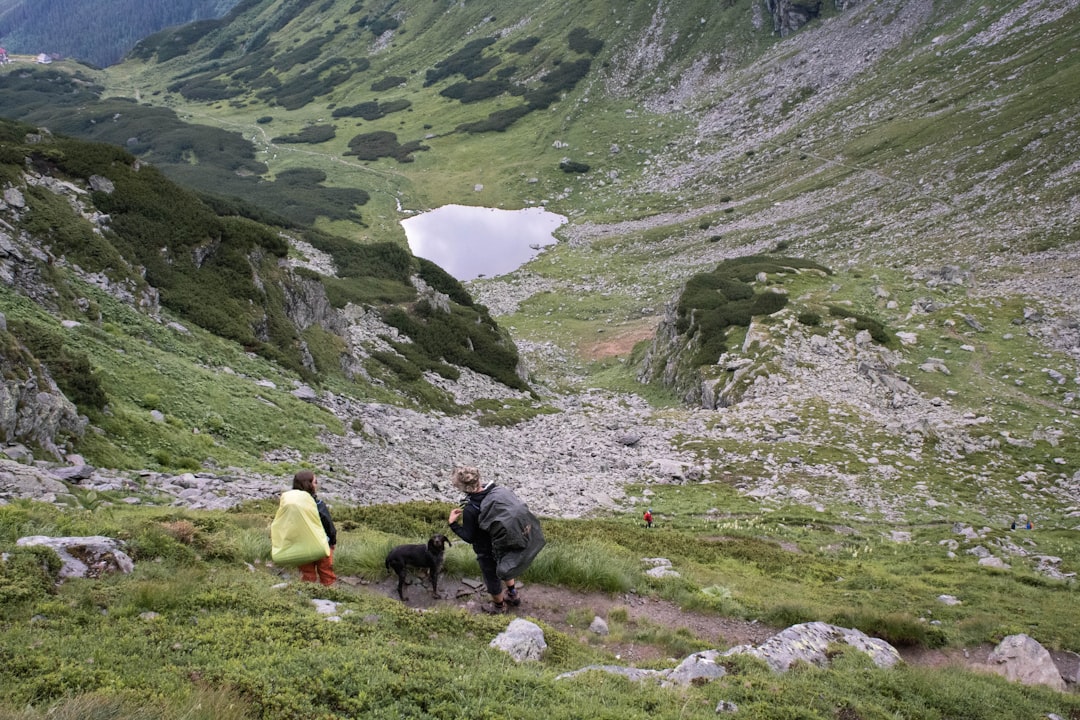
My boots were caked in a layer of mud so thick it had its own gravitational pull, dragging at my ankles with every step up the switchbacks. The air here, somewhere in the high, mist-choked valleys of the Carpathian Mountains, tasted like pine resin and wet wool. I wasn't alone. About fifty meters ahead, a man in a heavy leather coat and a fur-lined hat was leading a flock of sheep that moved like a single, bleating organism. He didn't look back. He didn't wave. He just kept walking, his staff tapping a rhythm against the stones that had been worn smooth by centuries of similar footsteps. This wasn't a hiking trail marked by bright ribbons or wayfinding signs. This was a drum—a traditional Romanian shepherd's track—where the only map was the memory of the land and the only schedule was dictated by the seasons.
I had come to Romania chasing the ghost of the pastoral life, the ancient rhythms that once dictated the heartbeat of Transylvania. The modern world, with its asphalt and Wi-Fi, has largely forgotten these routes, but they are still there, carved into the granite and limestone, connecting isolated villages to high-altitude pastures. Walking them is less about tourism and more about time travel, a raw, unpolished immersion into a world where survival depended on knowing which valley held water in July and which pass was safe before the first snow of October.
The Geography of Silence
The Carpathian Mountains Carpathian Mountains are not just a geological formation; they are a living archive of human endurance. For thousands of years, these peaks served as a natural fortress and a breadbasket. The Făgăraș Mountains Făgăraș Mountains rise like jagged teeth to the south, while the Bucegi Mountains Bucegi Mountains loom to the east. Between these giants lie the high plateaus and deep valleys where the Transhumance Transhumance took place. This seasonal migration of livestock from lowland winter pastures to highland summer meadows created a network of paths that crisscrossed the entire region. These were not roads for merchants or armies, but intimate, narrow trails for shepherds and their flocks.
Walking these paths today, you feel the weight of that history. The silence is profound, broken only by the wind whistling through the corn (mountain pastures) and the distant bleat of a stray sheep. The landscape is rugged and unforgiving. There are no cafes on the ridge lines. There are no vending machines. Just the stark beauty of the alpine terrain, dotted with wooden stână (shepherd huts) that look like they've grown out of the earth itself. It's a place that demands respect and strips away the pretenses of modern life.
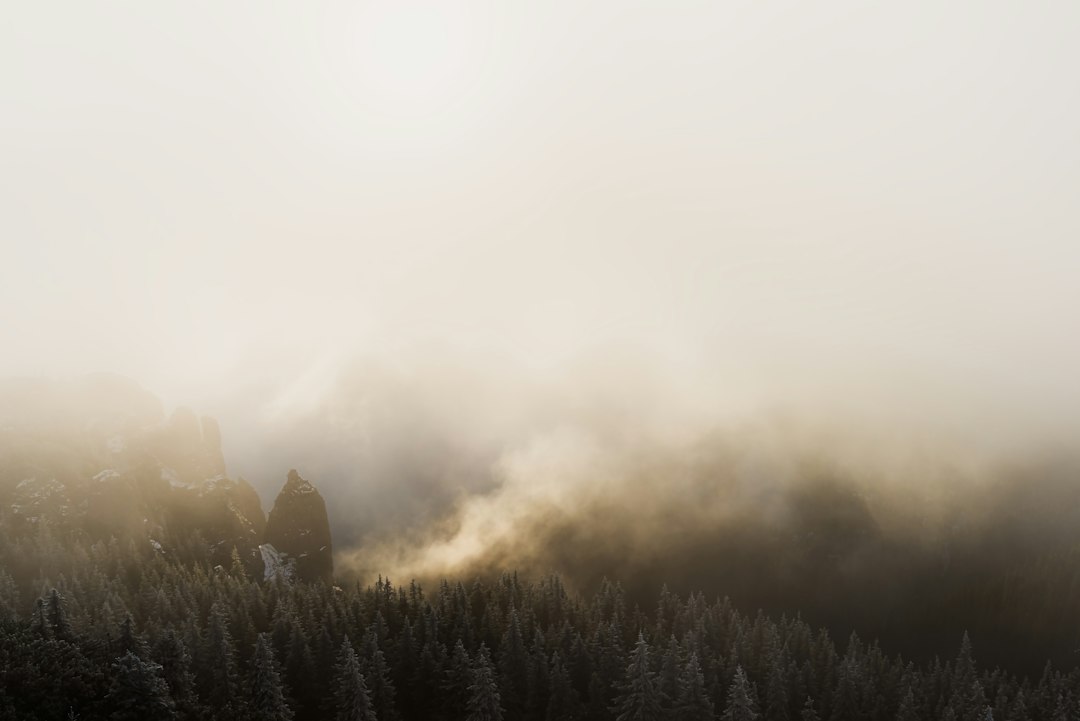
The Stână: Stone and Wood Sanctuaries
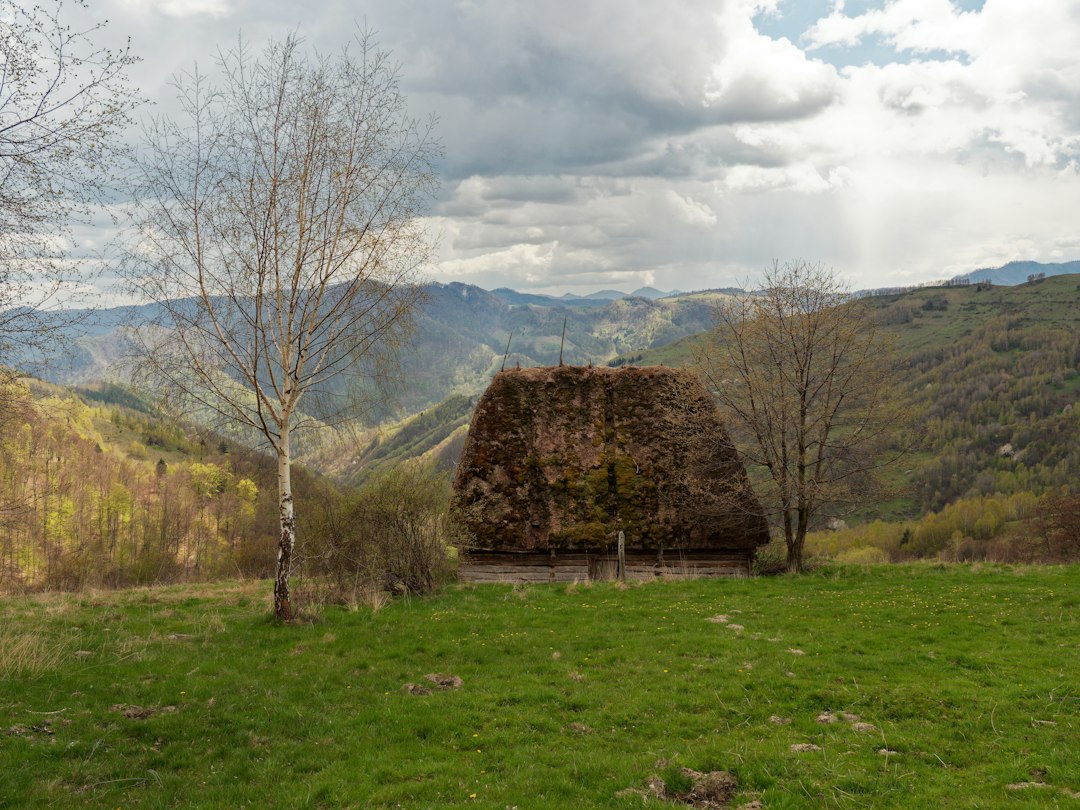
At the heart of the shepherd's route is the stână. These are not tourist cabins with Wi-Fi and hot showers. They are functional, ancient structures built from stone and timber, often centuries old. Some are still in use, serving as temporary shelters for shepherds during the summer months. Others are crumbling ruins, slowly being reclaimed by the moss and the lichen. Entering a stână is like stepping into a museum of rural life, where every object has a purpose and every tool tells a story.
Inside, you'll find the pruj, a massive stone millstone used to grind grain, and the culcu, the low wooden bed where the shepherd slept. The walls are often covered in soot from the open fireplace, which provided heat and light during the long, dark nights of the high mountains. The smell is distinctive—a mix of dried herbs, woodsmoke, and the faint, earthy scent of animal wool. These structures are a testament to the ingenuity of the people who lived here, building homes that could withstand the harshest winters and the fiercest storms.
The Rhythm of the Flock
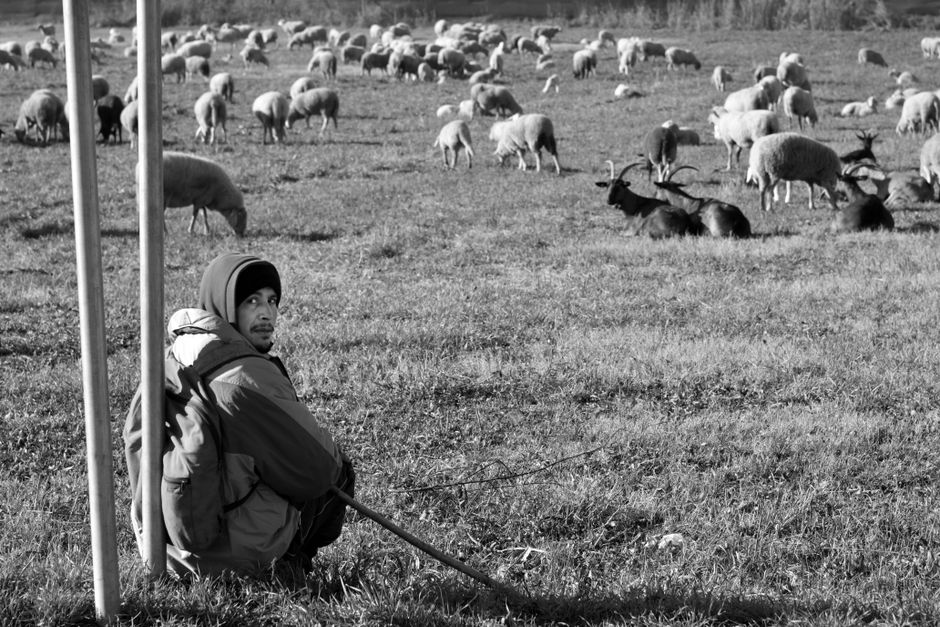
The life of a cioban (shepherd) is dictated by the needs of the flock. They wake before dawn, checking the animals, repairing fences, and preparing for the day's migration. The movement of the flock is a slow, steady procession, guided by the shepherd's calls and the barking of the Căluț Alb (White Shepherd) dogs, a breed known for its intelligence and loyalty. The dogs work tirelessly, keeping the sheep together and protecting them from predators like wolves and bears, which are still present in the Carpathians.
Listening to the shepherd's flute, or fluier, is a haunting experience. The music is simple, repetitive, and deeply melancholic, echoing off the mountainsides and filling the air with a sense of longing. It's a music that speaks to the soul, capturing the essence of the landscape and the life lived within it. The shepherds sing traditional songs, doina, which are often improvised and reflect their emotions, their surroundings, and their connection to the land. It's a living tradition that has been passed down through generations, a vital part of Romania's cultural heritage.
Routes & Trail Info
For the intrepid traveler, walking these ancient paths is an unforgettable experience. Here are three recommended routes that follow the traditional shepherd's tracks:
Route 1: The Bucegi High Path
Starting Point: Băicoi Village
Total Distance: 24 km (round-trip)
Elevation Gain: 1,200 m
Estimated Duration: 8-10 hours
Difficulty: Intermediate to Experienced
This route takes you through the heart of the Bucegi Mountains, passing by ancient stână ruins and offering breathtaking views of the Prahova Valley. The trail is steep and rocky in places, but the reward is the sense of solitude and the connection to the past.
Route 2: The Făgăraș Shepherd's Track
Starting Point: Viscri Village
Total Distance: 30 km (round-trip)
Elevation Gain: 1,500 m
Estimated Duration: 10-12 hours
Difficulty: Experienced
This route follows the traditional migration path used by shepherds from the Viscri area to the high pastures of the Făgăraș Mountains. You'll pass through remote forests, cross rushing streams, and sleep in a rustic stână (if arranged in advance). The landscape is wild and untamed, and the sense of adventure is palpable.
Route 3: The Rodna Mountains Loop
Starting Point: Vișeu de Sus Town
Total Distance: 35 km (loop)
Elevation Gain: 1,800 m
Estimated Duration: 2 days
Difficulty: Experienced
This multi-day loop takes you through the Rodna Mountains, a UNESCO Biosphere Reserve. You'll hike through pristine forests, cross glacial lakes, and visit remote shepherd huts. The trail is well-marked but requires good physical fitness and navigation skills. The reward is the chance to experience the raw beauty of the Eastern Carpathians and the chance to meet local shepherds who still live a traditional lifestyle.
Getting There & What to Expect
The nearest major city to most of these routes is Bucharest Bucharest, the capital of Romania. From Bucharest, you can take a bus or a train to Brașov (for the Bucegi and Făgăraș routes) or Suceava (for the Rodna route). The journey from Bucharest to Brașov takes about 3-4 hours by bus or car, and from Bucharest to Suceava takes about 5-6 hours. From there, you'll need to take a local bus or a taxi to the starting point of the trail.
Accommodation in the villages near the trailheads is basic but authentic. You can stay in a pension (guesthouse) for 15-25 EUR per night, or in a stână (if available) for 10-15 EUR per night. Meals are simple and hearty, featuring local specialties like mămăligă (polenta), sarmale (cabbage rolls), and țuică (plum brandy). A typical meal at a local restaurant will cost 8-12 EUR.
The best time to visit is between June and September, when the weather is warm and the pastures are green. However, be prepared for sudden changes in weather, including rain, wind, and even snow. Bring sturdy hiking boots, warm clothing, and a good rain jacket. It's also a good idea to bring some cash, as credit cards are not widely accepted in remote areas.

Search accommodation in Bucharest on Booking.com →
The Last Shepherd
As the sun began to dip below the ridge, casting long, golden shadows across the valley, the shepherd finally stopped. He looked up at me, his eyes crinkling at the corners, and offered a nod. It wasn't a smile, exactly, but it was an acknowledgment—a recognition of shared space, if not shared purpose. I sat on a rock, pulling a piece of cheese from my pack, and watched the flock settle in for the night. The stars began to appear, one by one, piercing the deepening blue of the sky. In that moment, surrounded by the ancient stones and the silent mountains, I felt a profound sense of peace. The modern world, with its noise and its hurry, felt a million miles away. Here, on these forgotten paths, time moved differently. It moved at the speed of a sheep's hoof, the beat of a flute, the turning of the seasons. And for a brief, fleeting moment, I was part of it.

Comments