


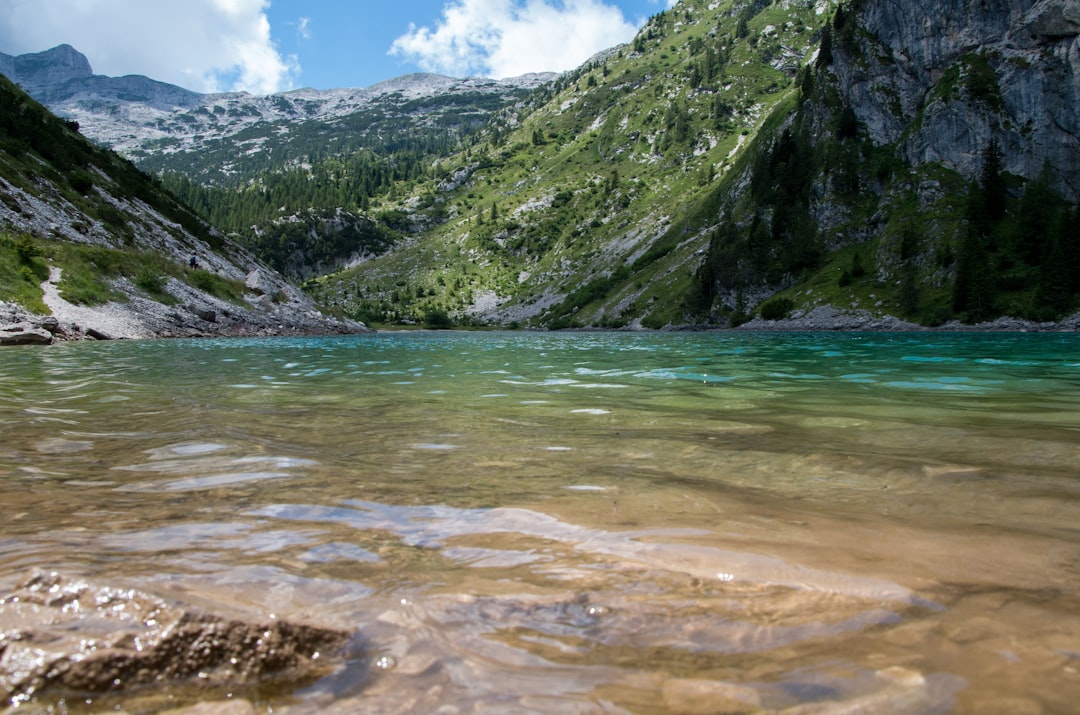
I woke up with the taste of pine resin and damp earth in my mouth, which is either a sign of excellent hygiene or a complete lack thereof. In Triglav National Park, the line between the two blurs. I had spent the previous evening in a wooden cabin near Bled, arguing with a local mycologist named Luka about the ethics of picking chanterelles before they’ve fully opened. He told me, with the deadpan seriousness of a man who has stared into the void of a rotting log for thirty years, that a mushroom that hasn’t released its spores is "just a promise, not a meal." I took that to heart. Or at least, I tried to. Now, standing knee-deep in ferns at 1,400 meters elevation, my boots are soaked, my jacket smells like wet dog, and I have found exactly one suspicious-looking fungus that I’m 60% sure is edible and 40% sure will turn my skin blue. This is forest bathing in the Balkans: less zen meditation, more sweaty, muddy, sensory overload.
Slovenia doesn’t do "relaxation" the way the Maldives does. There is no white sand here, no gentle breeze, no infinity pool. There is only the Julian Alps, a wall of limestone and spruce that drops straight into the Adriatic. When you come here for shinrin-yoku, the Japanese practice of immersing yourself in forest atmosphere, you aren’t coming to lie on a mat. You are coming to get lost, to breathe air so clean it burns your lungs, and to hunt for the underground network of fungi that feeds the entire ecosystem. It is primal, it is exhausting, and it is the most alive I have felt in a decade.
The Green Cathedral
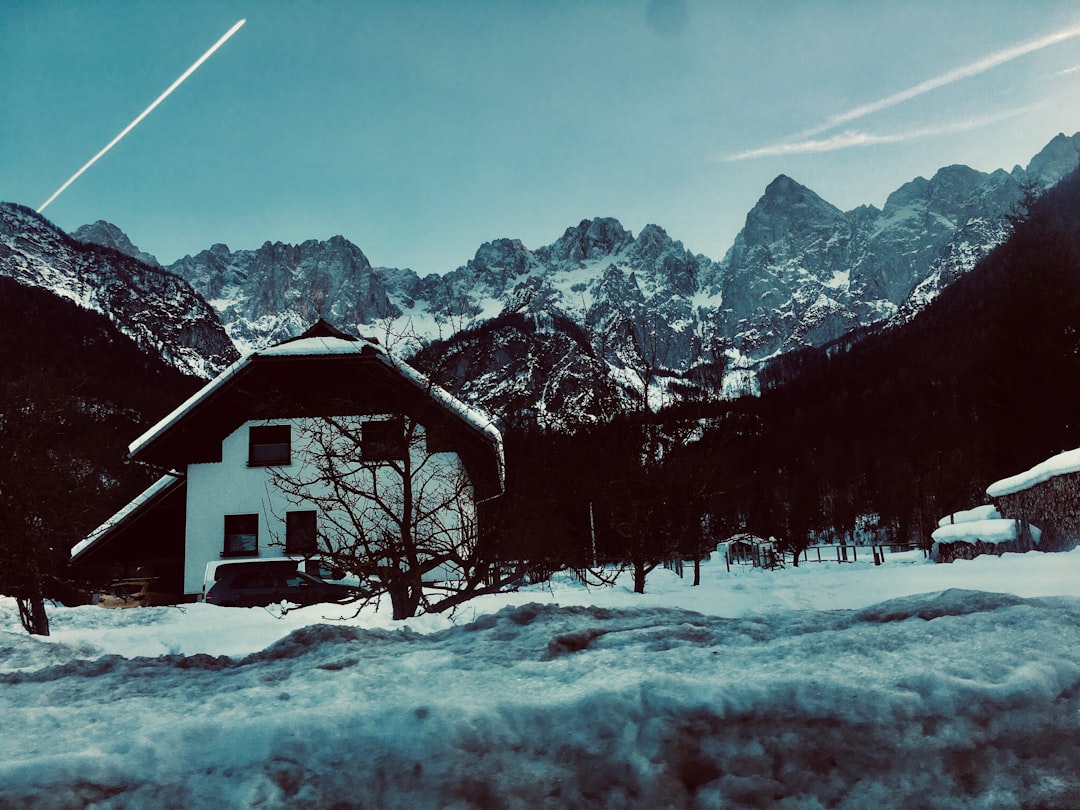
Triglav National Park is the only national park in Slovenia, and it dominates the northwest corner of the country like a brooding giant. It covers 83,761 hectares of alpine terrain, deep valleys, and glacial lakes. The name comes from Triglav Peak, the highest mountain in the country at 2,864 meters, which features three distinct summits that give it its name (tri = three, glav = head). But the mountain is just the crown. The real story is the forest.
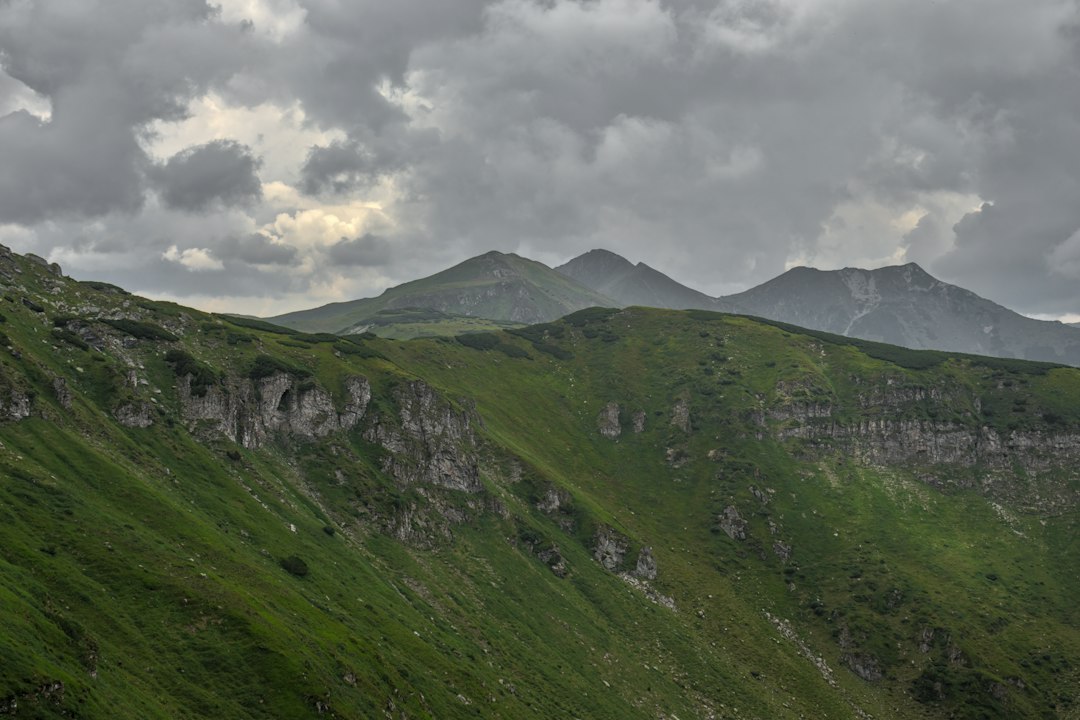
The park is a vertical tapestry of vegetation. At the bottom, you have mixed forests of beech, oak, and hornbeam, where the light filters through in dappled, golden shafts. As you climb, the trees switch to silver fir, spruce, and larch, growing tighter and darker. Above the treeline, it’s just rock, scree, and the occasional hardy marmot. For forest bathing, the transition zone between the mixed forest and the coniferous belt is the sweet spot. The air is cooler, the humidity is higher, and the floor is carpeted in moss, ferns, and fallen needles. It is quiet here. Not the quiet of a library, but the quiet of a place that has forgotten what a car engine sounds like.
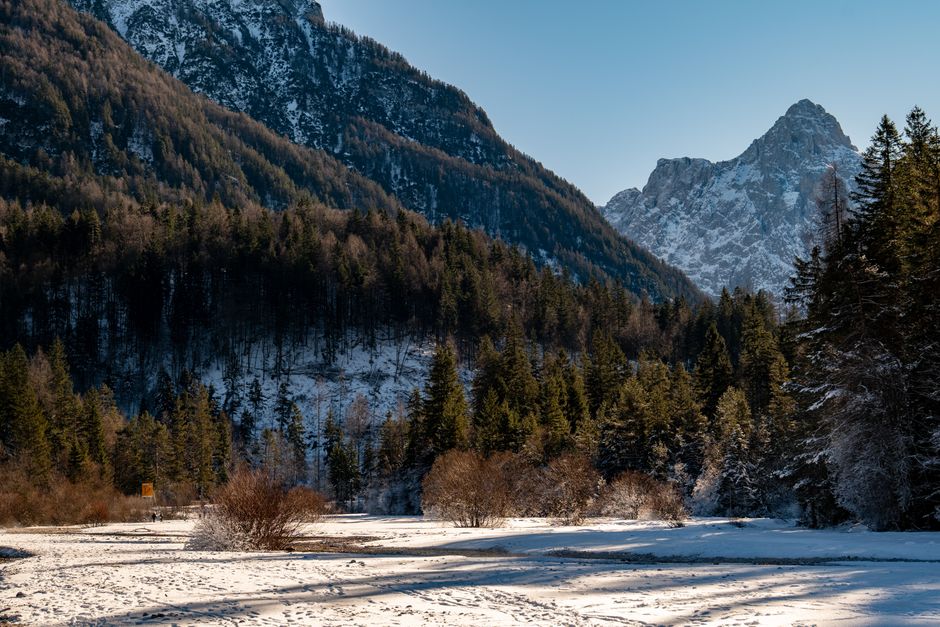
The concept of forest bathing is often marketed as a luxury wellness trend, complete with expensive retreats and guided meditation sessions. Here, it’s just Tuesday. The locals don’t call it shinrin-yoku; they call it "going into the forest." They do it to pick berries, to hunt for mushrooms, to walk their dogs, or to escape the noise of the city. The therapeutic effect is a byproduct, not the goal. And that, I think, is why it works. You aren’t trying to relax. You are trying to survive the terrain, to navigate the roots, to read the signs of wildlife. Your brain doesn’t have the bandwidth to worry about your email inbox when you’re worried about slipping on a patch of wet moss.
The Fungal Hunt
Let’s talk about the mushrooms. If you come to Triglav National Park in September or October, you are not here for the views. You are here for the porcini, the chanterelles, and the lobster mushrooms. The Slovenian word for mushroom is "goba," and the word for hunting mushrooms is "gobanje." It is a national pastime, treated with the seriousness of a military operation. Families pack into the forest at dawn, armed with wicker baskets, sharp knives, and an encyclopedic knowledge of mycology passed down through generations.
Finding a porcini is like finding a gold nugget. They hide under the pine needles, their creamy caps swelling out of the earth like little umbrellas. You have to spot the depression in the ground, the slight bulge, before you see the mushroom itself. Luka taught me to look for the pine trees, because porcini have a symbiotic relationship with the roots of conifers. You don’t dig for them; you gently twist them at the base, trying to keep the stem intact. The stem is the best part, he says. It’s firm, meaty, and full of flavor.
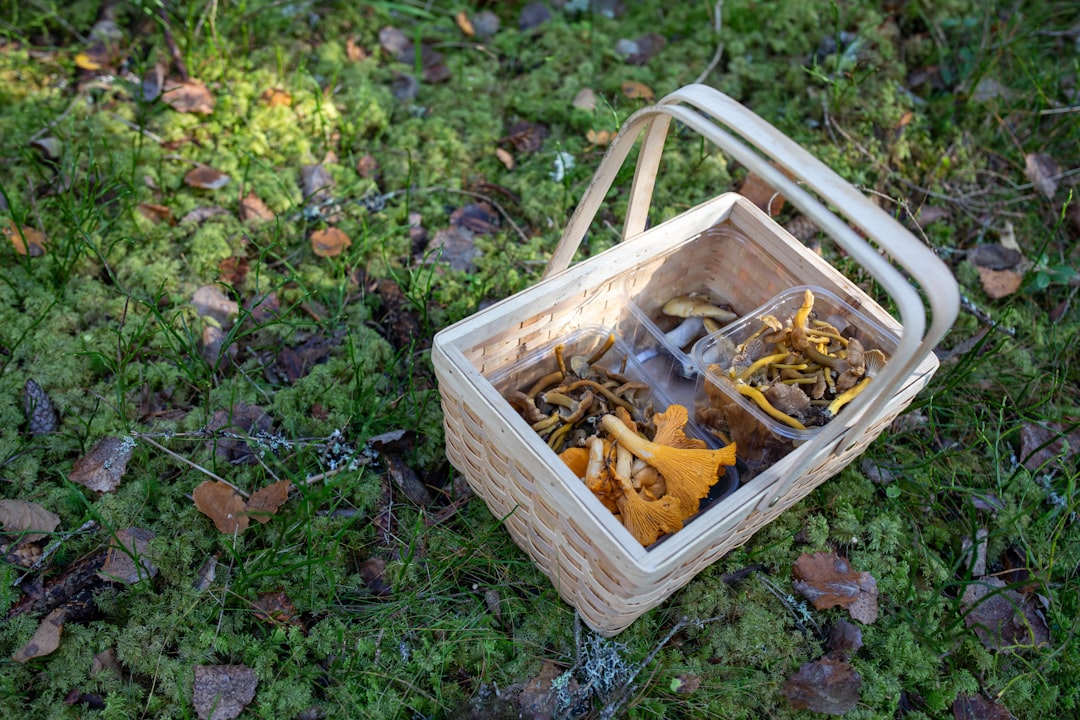
Chanterelles are trickier. They are bright orange, trumpet-shaped, and grow in clusters near beech trees. They are harder to spot because they blend in with the fallen leaves, but their scent is unmistakable — a faint, fruity aroma that cuts through the damp earth smell. Luka warned me about the false chanterelles, which look similar but have a different cap shape and no scent. "If it doesn’t smell like apricots, leave it," he said. "Your liver will thank you."
The rules for foraging in Triglav National Park are strict. You are allowed to pick wild mushrooms, but only for personal use, not for sale. You must use a knife, not pull them out by hand, to avoid damaging the mycelium network underground. You are not allowed to pick rare or protected species, and you must leave some mushrooms behind for the wildlife and for spore dispersal. It’s a code of honor, enforced by the park rangers and by the collective conscience of the foraging community. Break the rules, and you’ll be shunned faster than you can say "amanita."
Breathing the Alpine Air
Forest bathing isn’t just about the mushrooms. It’s about the air. The air in Triglav National Park is different. It’s colder, cleaner, and somehow heavier. Scientists have studied the effects of phytoncides, the antimicrobial compounds released by trees, on human health. They lower blood pressure, reduce stress hormones, and boost the immune system. But you don’t need a lab report to feel it. You feel it in your chest, in your shoulders, in the spaces between your thoughts.
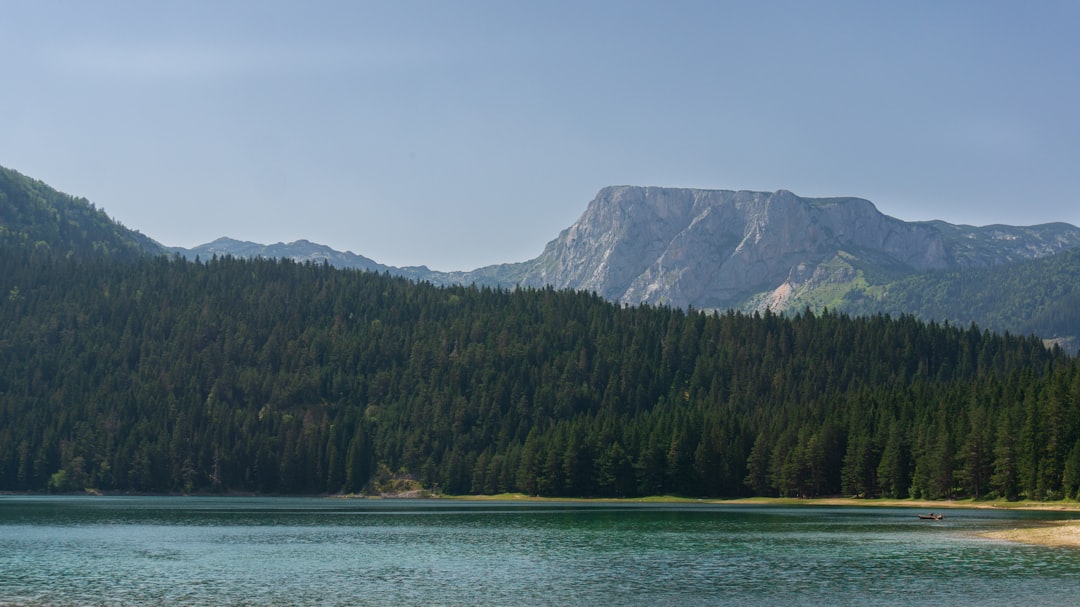
The best place to do this is near Bohinj Lake, the largest glacial lake in Slovenia. It sits in a valley surrounded by high peaks, including Jalovec, the second-highest mountain in the country. The forest around the lake is a mix of spruce and beech, and the air is thick with the scent of pine and damp earth. There are marked trails that lead into the woods, away from the tourist crowds. Find a spot under a large tree, sit down, and close your eyes. Listen to the wind in the branches, the rustle of leaves, the distant call of a bird. Breathe in. Breathe out. Let the forest do its work.
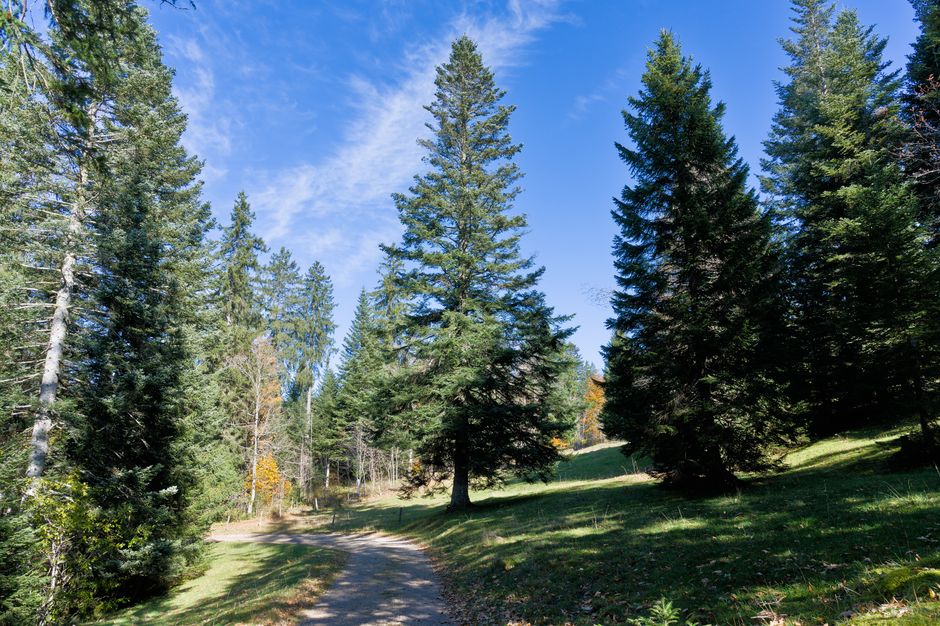
You don’t have to meditate. You can just sit there, staring at the bark of a tree, watching the light change. You can touch the moss, smell the ferns, listen to the water dripping from a rock. The goal is to engage all your senses, to be fully present in the moment. In a world that is constantly demanding your attention, this is a radical act. It’s a rebellion against the noise, the speed, the endless scroll. It’s a return to the basics, to the rhythms of nature that have governed life for millions of years.
Getting There & What to Expect
Getting to Triglav National Park is relatively easy from the major Balkan hubs. The nearest major city is Ljubljana, the capital of Slovenia, which is about 50 kilometers from the park’s southern entrance. From Ljubljana, you can take a bus to Bled or Kranjska Gora, the two main gateway towns. The bus takes about 1-1.5 hours and costs around 10-15 EUR. From Belgrade, Zagreb, or Sarajevo, you can drive to Ljubljana and then head north into the park. The roads are well-maintained, but the mountain passes can be tricky in winter.
For forest bathing and mushroom foraging, the best time to visit is late summer to early autumn, specifically August to October. The weather is cool, the forests are lush, and the mushrooms are in season. Winter is for skiing, and spring is for wildflowers, but autumn is for fungi and fog.
Accmodation options range from budget hostels in Ljubljana to luxury hotels in Bled. For a more authentic experience, look for guesthouses or mountain huts within the park. A night in a basic mountain hut costs around 25-40 EUR, while a private room in a guesthouse in Kranjska Gora can set you back 60-100 EUR. Meals in the park are simple but hearty: potica (a rolled cake with walnut or chestnut filling), štruklji (dumplings), and, of course, mushroom soup. A typical meal in a mountain hut costs 10-15 EUR.
Search accommodation in Kranjska Gora on Booking.com →
Remember to bring sturdy boots, waterproof clothing, and a good guidebook on Slovenian mushrooms. Luka recommended "Mushrooms of Slovenia" by Janez Šumberč, but he also said, "If you’re not sure, don’t eat it. Your life is worth more than a mushroom." He’s probably right.
The Silence After the Storm
I left the forest with a basket full of chanterelles and a mind full of nothing. The mushrooms were small, misshapen, and covered in dirt, but they were mine. I had found them. I had smelled them, touched them, and twisted them from the earth. It was a small victory, insignificant in the grand scheme of things, but it felt real.
Back in the cabin, I cooked them in butter and garlic, simple and fast. They tasted like the forest, like the rain, like the silence. It was the best meal I have had in years. Not because of the flavor, but because of the effort. Because of the walk, the sweat, the search. Because I had earned it.
Triglav National Park doesn’t give you anything for free. It demands your attention, your effort, your respect. But if you give it those things, it gives you back something rare: a sense of connection, to the earth, to the trees, to the fungi, to yourself. It’s not a spa treatment. It’s a baptism. And it’s messy, and muddy, and absolutely essential.
Comments