


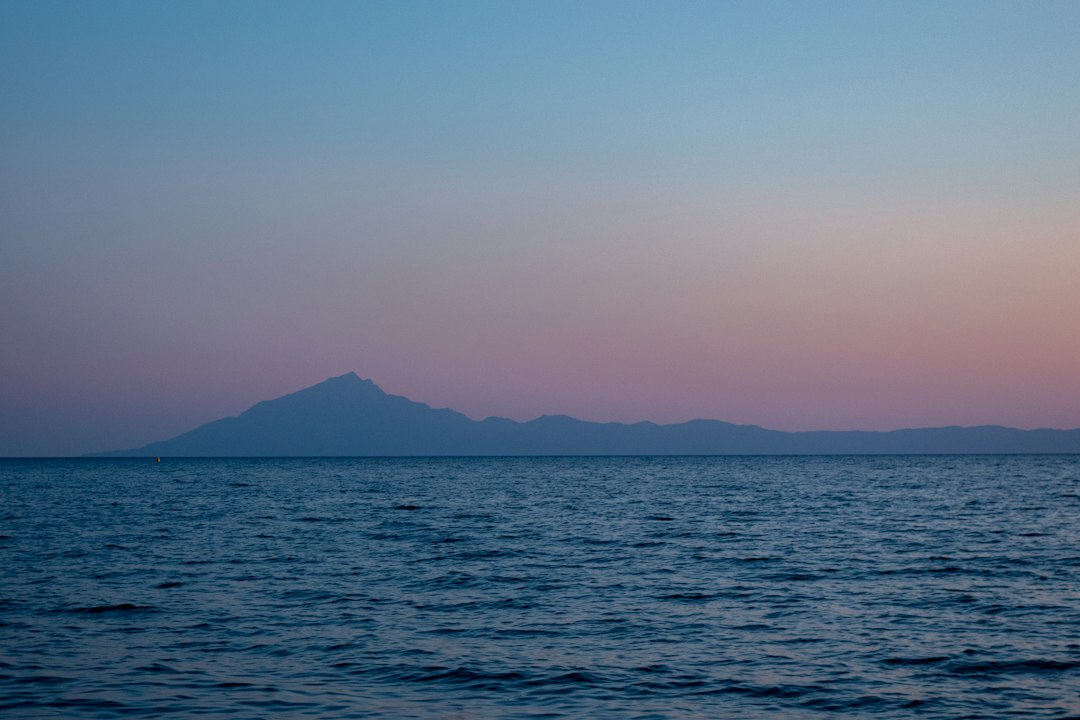
There is a specific smell to the air in Ouranoupoli that you cannot get anywhere else in the Balkans. It is a mix of diesel fumes from the ferry ferries, rotting pine needles, and the heavy, incense-thick silence that radiates across the water from Mount Athos. I sat on the stone quay, nursing a lukewarm coffee, watching a line of Russian pilgrims and backpackers in bright Salomon boots shuffle toward the ticket office. They all wanted the same thing: a glimpse of the world's largest active monastic community. But you cannot just walk there. You cannot just hike there. You have to beg for permission, fill out a diamonitirion, and accept that you will never see the inner sanctums of the twenty monasteries that cling to this jagged spine of rock. I didn't have the permit. I had three days, a pair of worn-out trail shoes, and a map of the Chalkidiki peninsula that promised spiritual crumbs on the mainland side. This is not a pilgrimage. This is a survival run through the shadow of the holy mountain.
The monks of Athos have guarded their isolation for a thousand years, and they are good at it. The peninsula is a no-go zone for women, for the uninvited, and for the casual tourist with a selfie stick. But the mainland coast of Chalkidiki, specifically the Kassandra and Sithonia peninsulas, offers a different kind of heritage. Here, the Byzantine past bleeds into the modern present without the iron curtain of monastic law. You can hike to ruined monasteries, eat with fishermen who haven't changed their ways since the Ottoman era, and breathe the same pine-scented air that fuels the prayers across the bay. It is a raw, rugged alternative to the polished resort towns that line the beaches. This is the wild edge of Greece, where the history is written in stone and the silence is loud enough to drown out the traffic.
History & Identity
The history of this region is not a linear progression but a series of violent interruptions. Mount Athos Mount Athos was declared an autonomous monastic state in the 10th century, a decision that carved a spiritual fortress out of the Hellenistic landscape. Before that, the area was a strategic military zone for Byzantine emperors who needed to control the approaches to Constantinople. The mainland of Chalkidiki Chalkidiki was no less contested. It was a hub for ancient Greek trade, a battleground for Roman legions, and later, a refuge for Orthodox Christians fleeing persecution in the Ottoman Empire. The identity of the people here is defined by this tension between isolation and connection. They are open to the world but deeply rooted in a tradition that values silence, labor, and faith.
This heritage is visible in the architecture. Unlike the whitewashed cubes of the Cyclades, the buildings here are built from local stone, dark and imposing, designed to withstand both the elements and the passage of time. The monasteries on the mainland are often smaller and less fortified than those on the peninsula, but they tell the same story of resilience. They were places of learning, art, and community during centuries of foreign rule. Today, many are restored and active, while others stand as ruins, slowly being reclaimed by the pines. Hiking these trails is not just a physical exercise; it is a walk through layers of history, where every stone wall and every icon corner holds a memory of survival. The people you meet here are not performers of tradition; they are its custodians, living a life that is both ancient and urgently modern.
Where to Go
Monastery of Vatopedi — This is the largest and most powerful monastery on Mount Athos, but you do not need to enter to feel its presence. From the mainland side, you can hike the coastal path that offers distant views of its towering walls and domes. The hike is moderate, following a ridge line that drops down to the sea. It is a stark reminder of the scale of the monastic enterprise. The view is best in the late afternoon when the light hits the stone, turning it gold. Entry to the monastery itself requires a permit, but the exterior view is free and powerful.
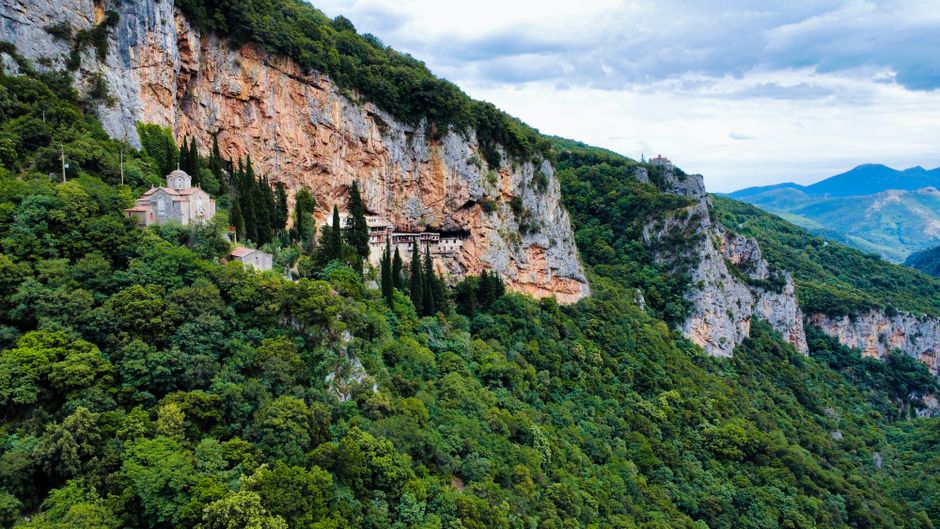
Castle of Ierissos — Located on the Sithonia peninsula, this 14th-century fortress sits on a cliff overlooking the Aegean. It is a ruin now, but the walls are substantial, and the view is commanding. The hike up is short but steep, starting from the town of Ierissos. The castle was built by the Byzantines to protect the coast from pirates and later occupied by the Ottomans. Today, it is a place of quiet reflection, with wildflowers growing through the cracks in the stone. It is less crowded than the monasteries and offers a more accessible taste of the region's military history.
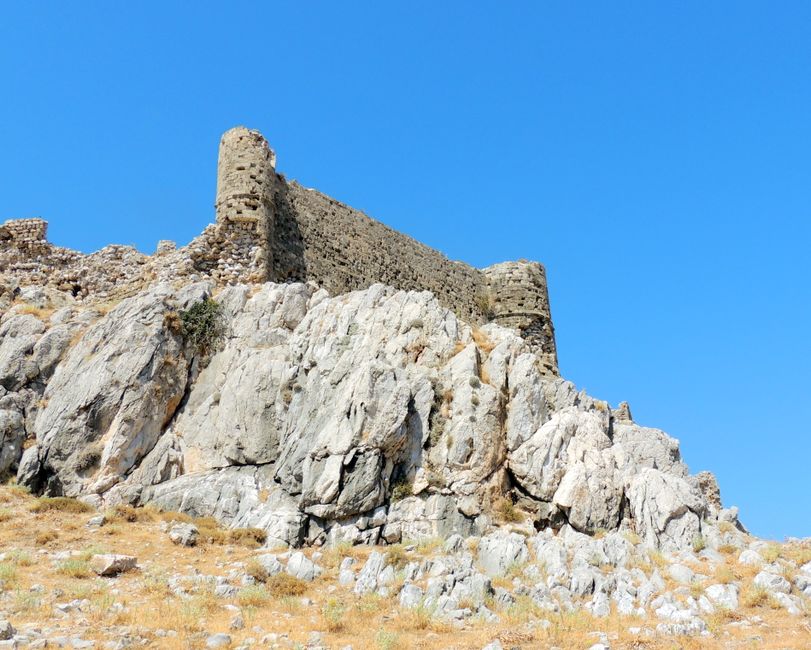
Monastery of Simonopetra — While you cannot enter without a permit, the hike to the viewpoint near Agios Georgios on the Kassandra peninsula offers a dramatic perspective of Simonopetra perched on its rock. The trail is well-marked and follows an old mule path. The monastery is one of the most visually striking on Athos, seemingly defying gravity. The hike is about five kilometers round trip and takes roughly two hours. It is a demanding but rewarding walk that connects the mainland landscape with the spiritual intensity of the peninsula. The air here is thin and clean, and the silence is profound.
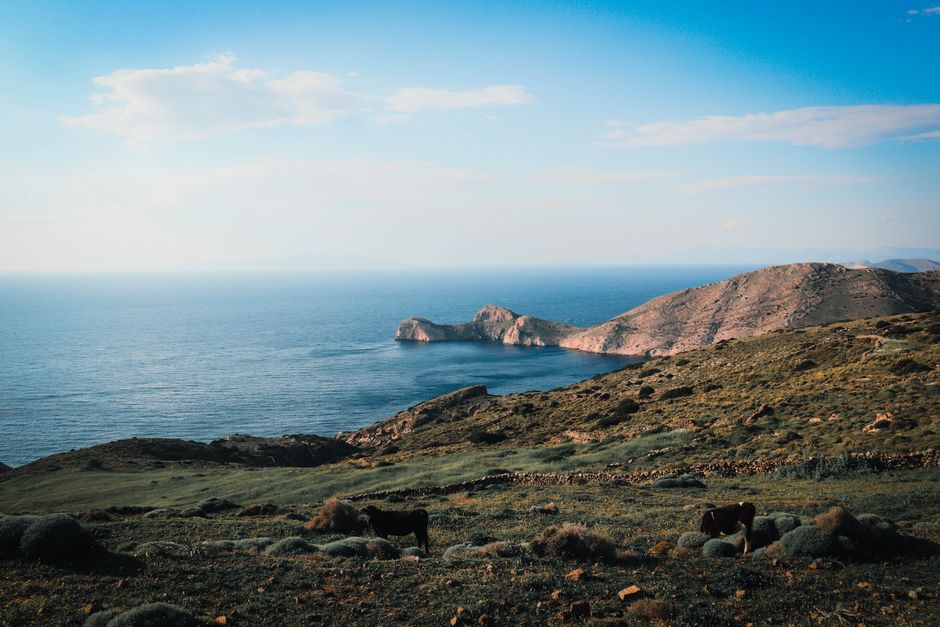
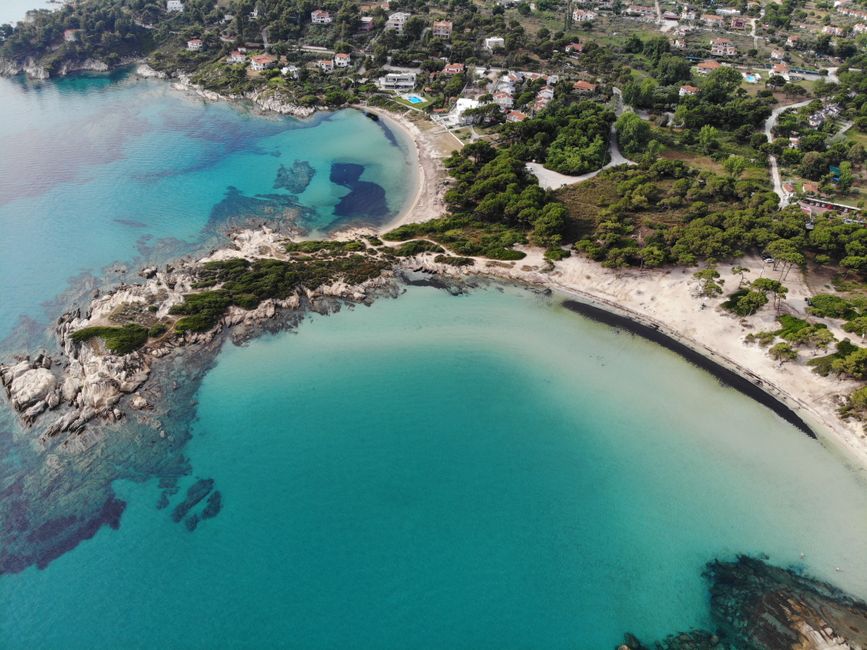
Bay of Kallithea — This is not a monument but a landscape. The bay is a long, curved stretch of sand and pine forest on the Kassandra peninsula, known for its rugged beauty and lack of high-rise hotels. The hiking trails here are informal, cutting through the forest to small, hidden beaches. It is a place for solitude, where you can hear the waves crashing against the rocks and the wind in the pines. The history here is prehistoric, with caves that were inhabited in the Neolithic period. It is a reminder that this land was sacred long before the monks arrived.
What to Eat & Drink
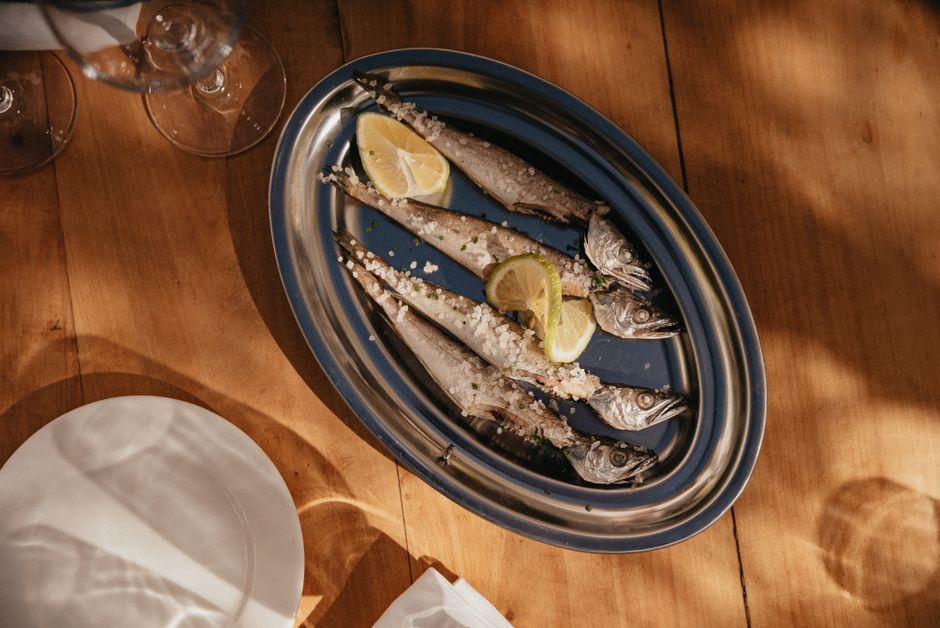
The food in Chalkidiki is not about fusion or trends. It is about what the land and the sea provide. You will eat kalitsounia — small pastries filled with cheese or honey — for 1-2 EUR as a snack. For a main meal, bourdeto, a spicy fish stew, is the local specialty, typically costing 10-15 EUR in a seaside taverna. Grilled sardines are cheap, fresh, and ubiquitous, often served with lemon and bread for 5-8 EUR. The olive oil here is exceptional, drizzled over every dish, and the wine is local, often from small family vineyards. Rapsani wine is a red blend that pairs well with the heavy meat dishes like stifado 12-15 EUR.
Budget travelers can survive on street food and market finds. Giros or Souvlaki wraps cost 3-5 EUR and are available everywhere. A sit-down meal at a local taverna, away from the main tourist strips, will run you 15-25 EUR per person for a meal with wine. The best food scenes are in Ierissos and Ouranoupoli, where the restaurants are family-run and the ingredients are local. Avoid the beach clubs unless you want to pay double. The markets in Kassandreia are also a good place to pick up local products like mountain honey 8-12 EUR and thyme 2-3 EUR.
Nightlife
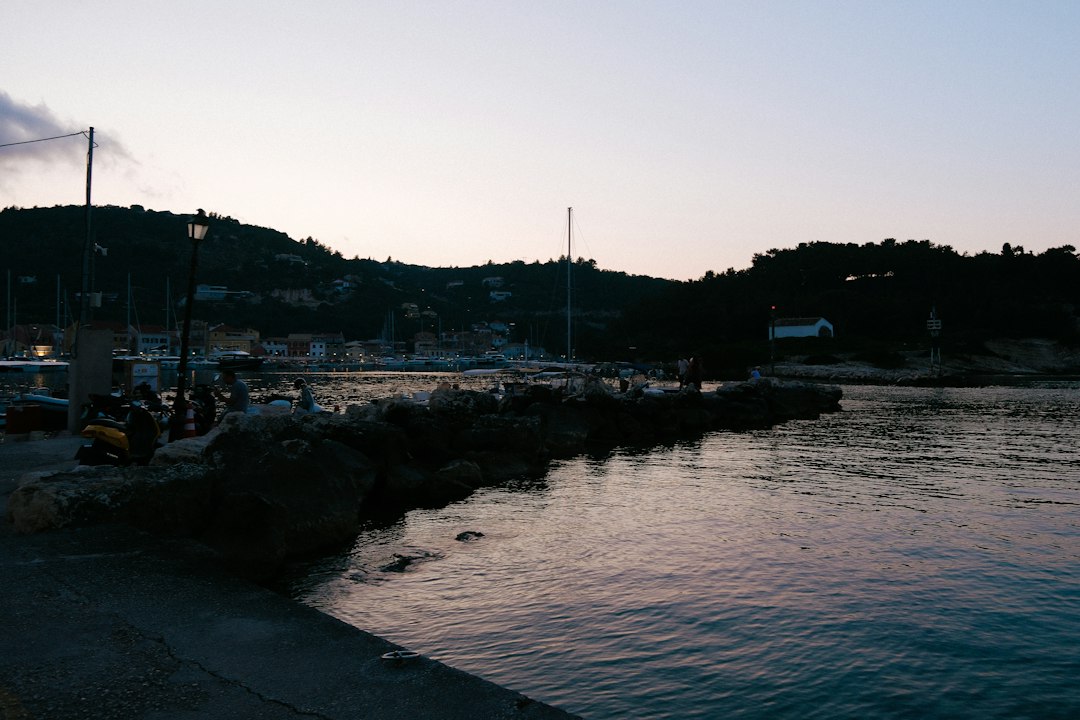
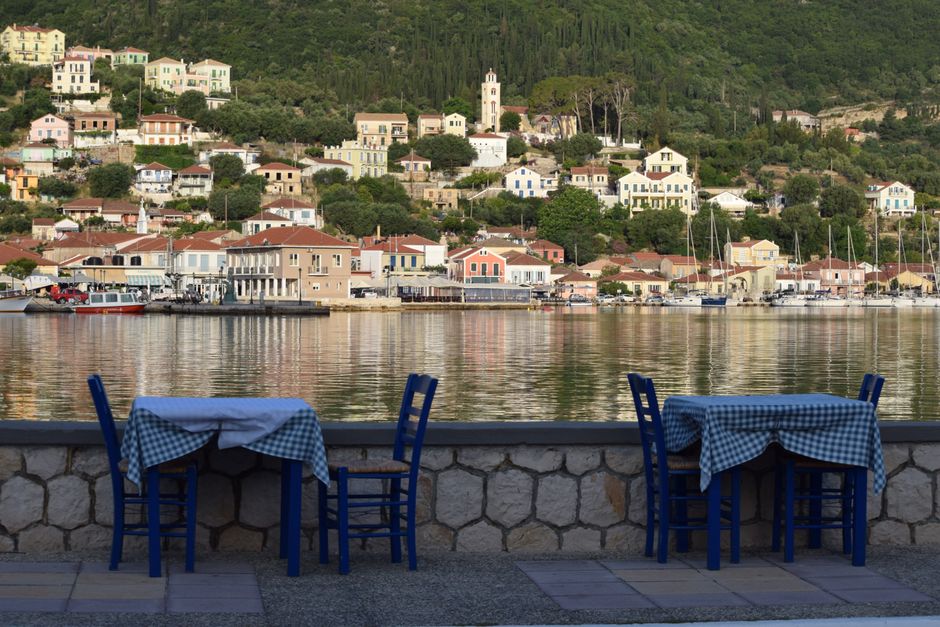
Nightlife in Chalkidiki is not about clubs. It is about rebetiko music, live bands, and late-night conversations in tavernas. The main nightlife district is in Ierissos, along the waterfront. Venues like Marina Bar offer live music and a relaxed atmosphere, with no cover charge. The music is traditional, featuring bouzouki and guitar, and the crowds are a mix of locals and tourists who appreciate the authenticity. In Ouranoupoli, the nightlife is even quieter, with a few small bars where you can drink ouzo 2-4 EUR and listen to the waves. There are no big clubs, no DJs, and no flashing lights. This is a place to unwind, not to party. If you want loud music, you need to go to Nea Moudania, but even there, the vibe is more chill than chaotic.
Getting There & What to Expect
The nearest major airport is Thessaloniki Airport Thessaloniki Airport, which is about two hours' drive from Ierissos and one hour from Ouranoupoli. You can take a bus from Thessaloniki to Kassandreia 5-7 EUR and then a local bus or taxi to your destination. Taxis from Thessaloniki to Ierissos cost around 50-60 EUR. Renting a car is the best option, as public transport is limited outside the main towns. Car rentals start at 20-30 EUR per day. Buses run regularly between Thessaloniki and the main towns of Chalkidiki, but schedules can be infrequent in the off-season.
Accommodation ranges from budget hostels in Kassandreia 15-25 EUR per night to mid-range hotels in Ierissos 40-60 EUR per night. Luxury villas and resorts are also available but are significantly more expensive. The best months to visit are May, June, September, and October, when the weather is warm but not scorching, and the crowds are thinner. July and August are hot and crowded, with prices peaking. Children can handle the hikes, but the trails can be rocky and uneven, so proper footwear is essential. Meals at mountain refuges or local tavernas cost 10-15 EUR per person.
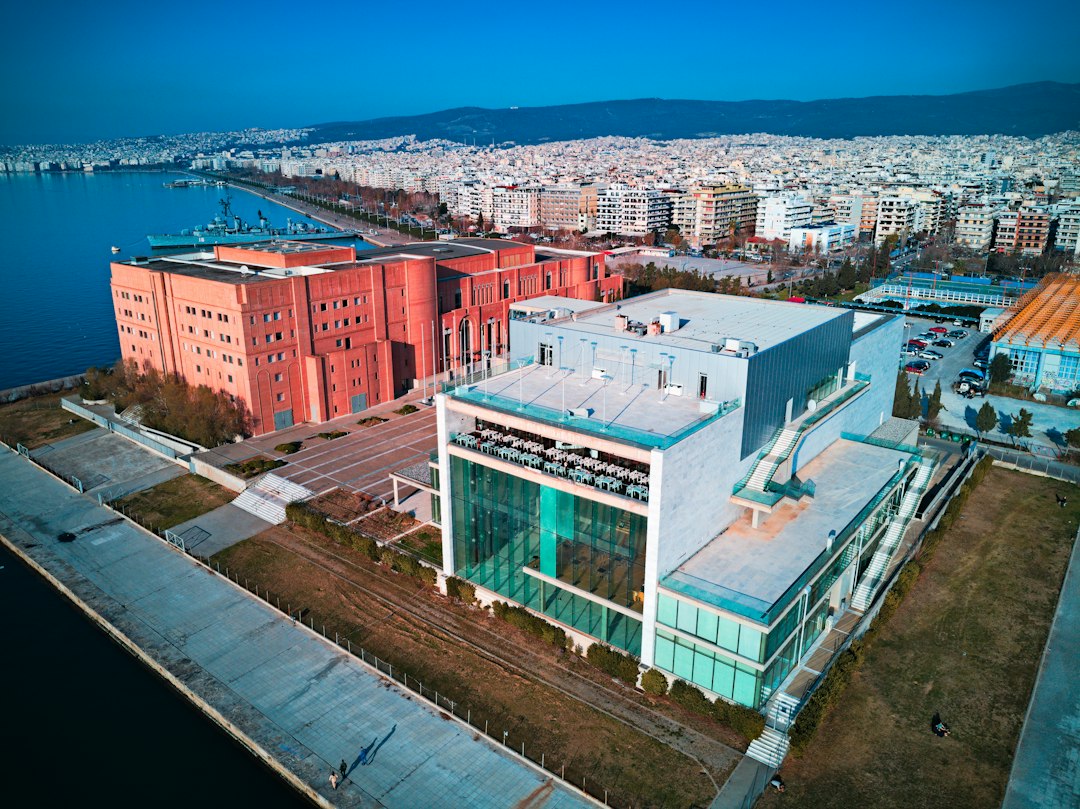
Search accommodation in Thessaloniki on Booking.com →
Hellenic Ministry of CultureThe Weight of the Mountain
Standing on the ridge near Agios Georgios, looking across the water at the silent walls of the monasteries, I felt a strange disconnect. The monks in there are living a life of extreme discipline, a life that is completely alien to the modern world. They wake up at midnight for prayers, eat once a day, and work for hours in the fields and workshops. They are not interested in tourism, in selfies, or in the validation of the outside world. They are interested in God, and in the preservation of a tradition that is thousands of years old. And yet, their presence defines the landscape, the culture, and the identity of this entire region. You cannot separate Chalkidiki from Mount Athos. They are two sides of the same coin, the secular and the sacred, the loud and the silent. Walking these trails, eating this food, breathing this air, you feel the weight of that history. It is not a light thing. It is heavy, ancient, and real. And for a few days, it is enough.
Comments