


I am shivering so hard my teeth are trying to file their own taxes. It is minus fifteen degrees Celsius in the car, the heater is wheezing like a dying asthmatic, and the wipers are fighting a losing battle against a snow squall that seems determined to erase me from existence. I am parked on the shoulder of the Transfăgărășan, the legendary highway that cuts through the spine of Romania, and I am questioning every life choice that led me to this frozen purgatory. A local driver in a battered Dacia, tires bald as a monk's head, just zoomed past me without a scratch, laughing at my frozen misery. This is not a vacation. This is a negotiation with gravity and hypothermia.
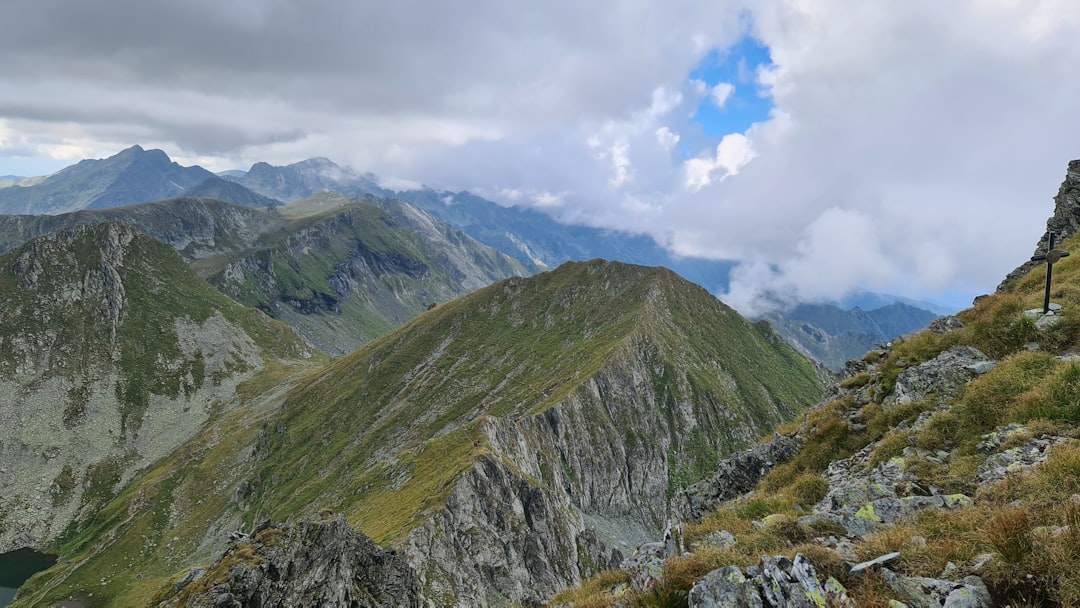
But then the clouds break. Just for a second. And there it is: the Făgăraș Mountains, rising like jagged teeth from the white blanket, stark and brutal and undeniably beautiful. You come here not for comfort. You come here because the rest of the Balkans feels too tame, too civilized. You come here to see if you are still alive. The air is thin, sharp, and tastes of pine needles and diesel fumes. I check my map. I am halfway to the sky, and halfway to a breakdown. Let's drive.
The Road That Eats Cars
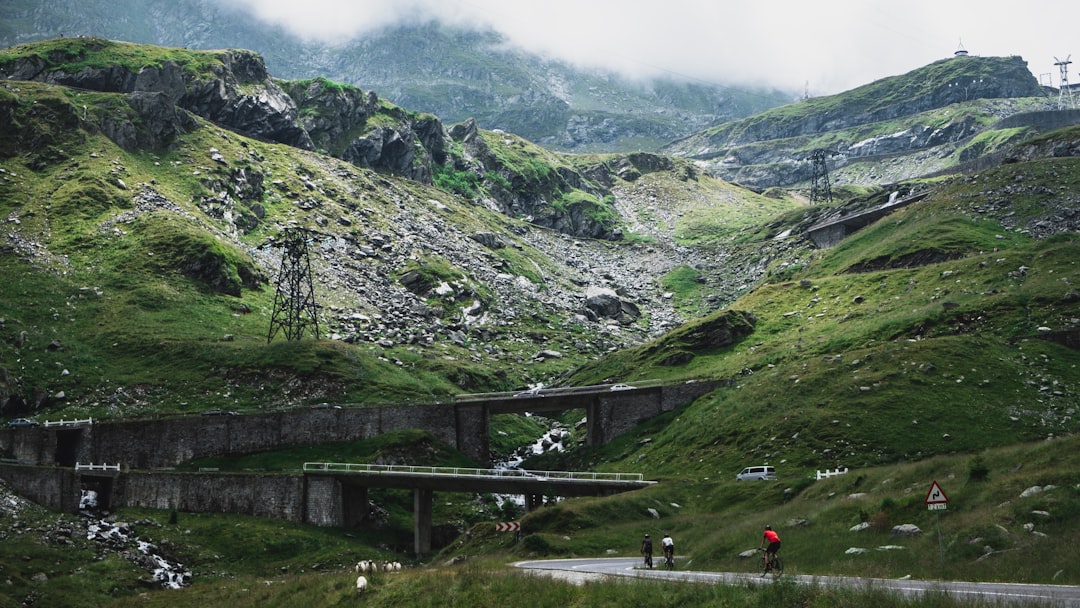
The Transfăgărășan is not just a road; it is a monument to ego and engineering. Built between 1970 and 1974 under the orders of Nicolae Ceaușescu, it was designed to connect Bucharest with Sibiu, but mostly it was built to prove that a dictator could move mountains. The road climbs to Passul Oașul at over 2,000 meters, winding through tunnels carved directly into granite. In summer, it is a playground for supercars. In winter, it is a gauntlet.
Driving this road in January requires a vehicle with four-wheel drive, chains in the trunk, and a driver who does not panic when the car starts to slide. The Romanian National Administration of Mountains and Tunnels (ANMT) manages the road, and they are strict. If the weather turns, they close it. No arguments. I watched a tourist in a rental Fiat 500 try to argue with a guard at the checkpoint. He failed. The guard pointed south. The tourist went south. The rule is simple: if the ANMT says no, you do not go. It is the only thing keeping this highway from becoming a graveyard of wrecks.
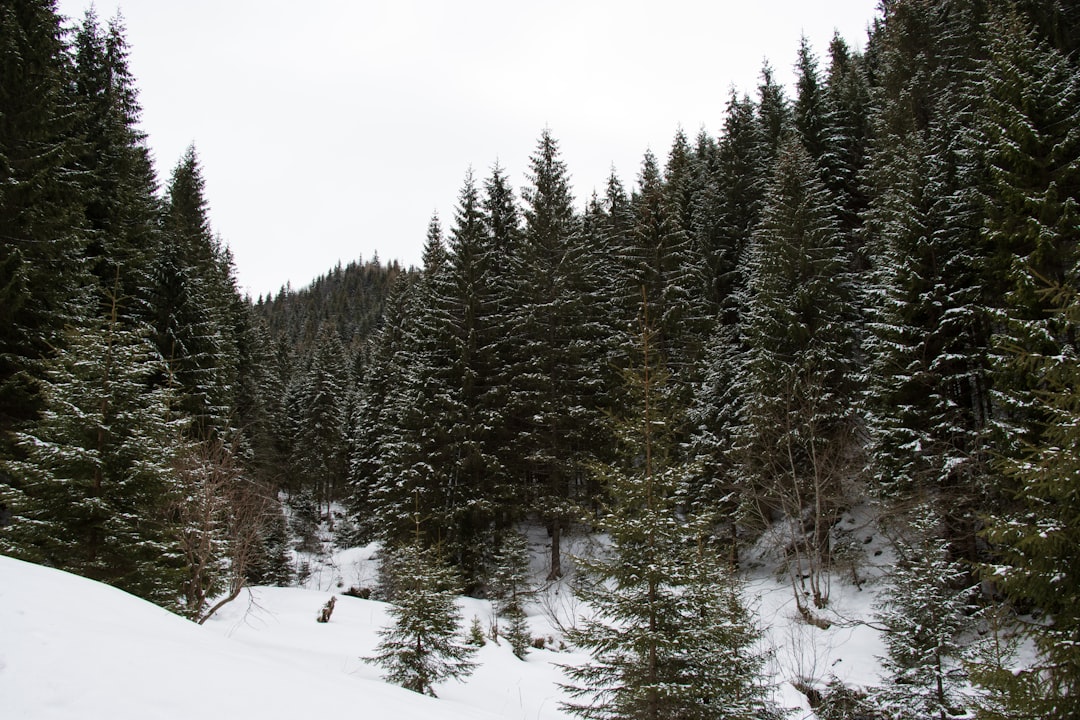
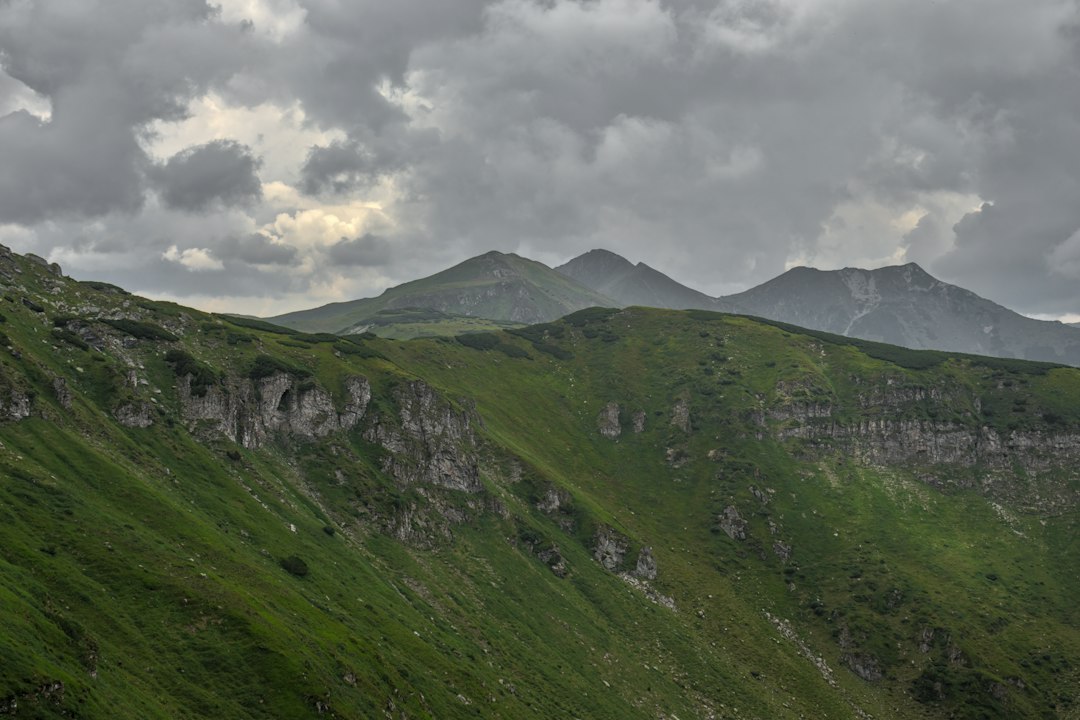
The views, however, justify the terror. As you climb, the forests of spruce and fir give way to alpine meadows, frozen solid. The road twists around cliffs that drop into valleys filled with mist. It feels like driving on the edge of the world. And it is. The Făgăraș Mountains are the highest range in the Carpathians, and they do not care about your comfort. They care about your respect.
Skiing at the Roof of Romania
At the southern end of the highway lies Predeál, the gateway to the Piatra Craiului National Park. This is not a resort in the Swiss sense. There are no luxury chalets, no heated pools, no champagne bars. There is snow, there are slopes, and there is a hostel that feels like it was built in 1975 and never updated. Predeál is a working ski village, popular with Romanians who want to escape the city without spending a fortune. The lifts are old, the runs are short, but the snow is reliable, and the prices are laughably low.
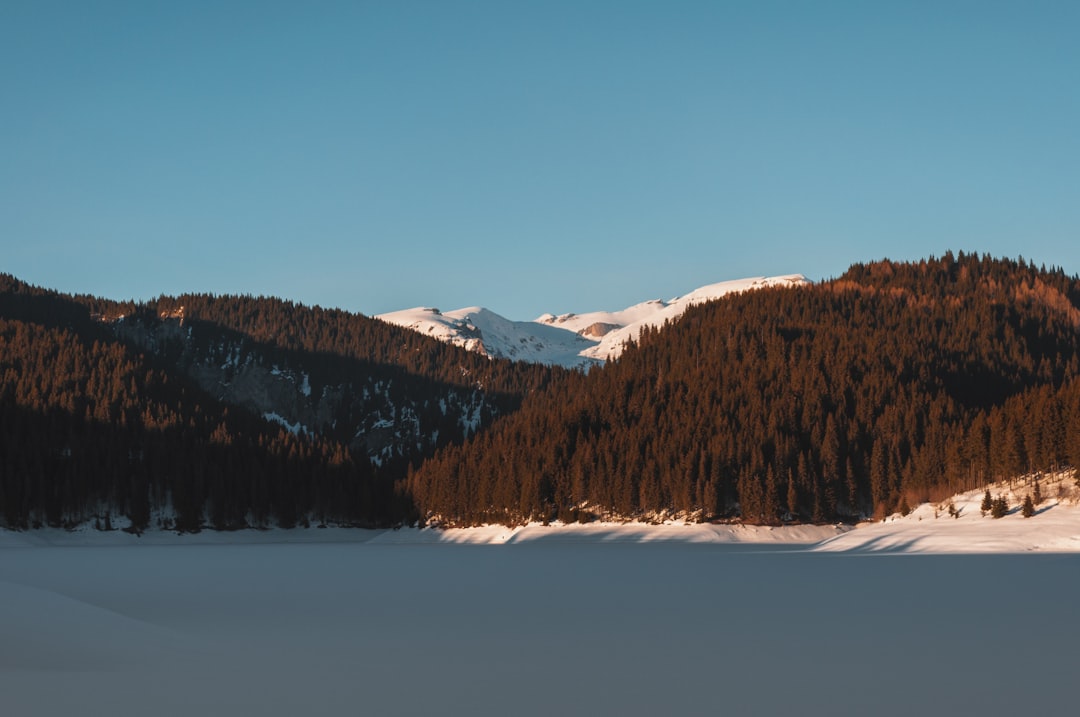
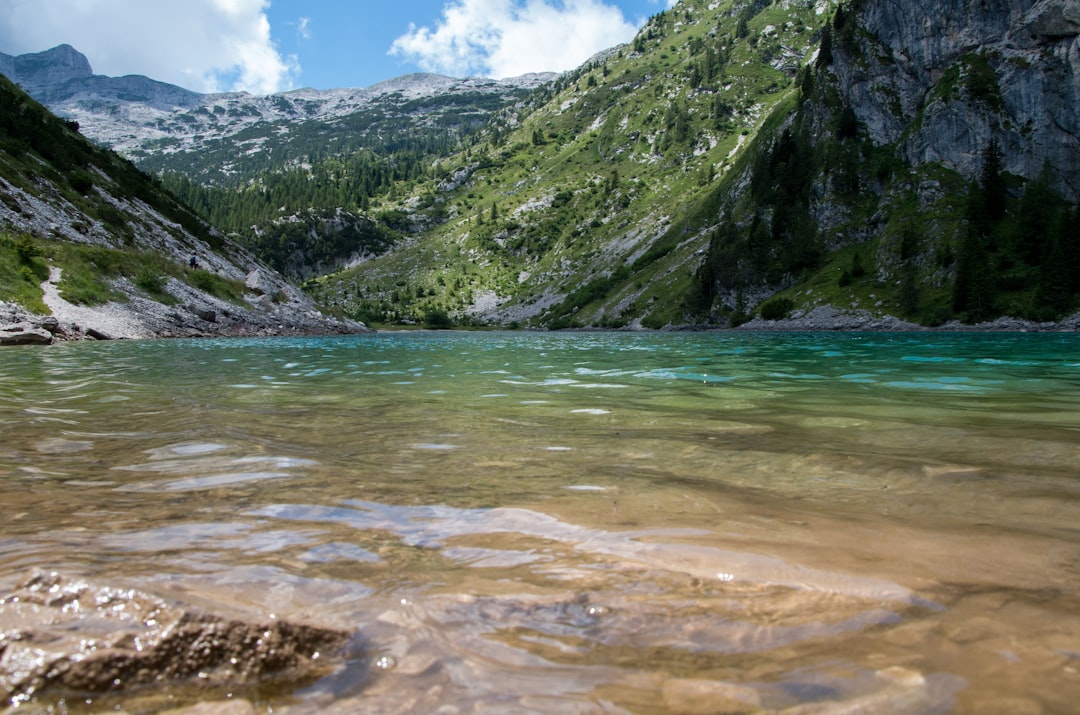
For the serious skiers, the real prize is further north, near the Bâlea Lake. This alpine lake sits at 2,034 meters, right next to the Bâlea Lake Dam, a massive concrete structure that holds back a reservoir of ice-cold water. In winter, the lake freezes over, creating a natural ice rink. Skiers can drop in on slopes that lead straight to the lake, surrounded by peaks that rise straight up from the water. The Viscoi Peak looms over the area, the highest point in the Făgăraș range at 2,527 meters. You cannot ski to the summit, but you can feel its presence pressing down on you.
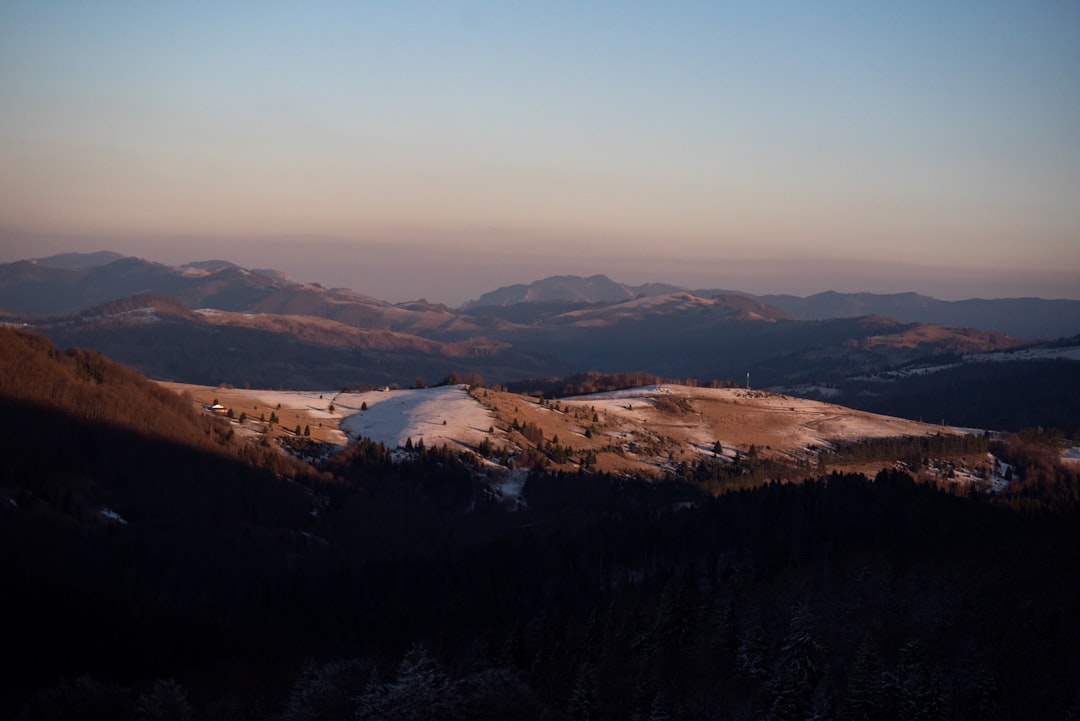
The skiing here is raw. The snow can be icy, the winds fierce. But if you are good, and if you are brave, you will find stretches of untouched powder that would make a Californian weep with envy. The crowds are thin, mostly locals and a few hardy foreigners who know how to handle a cold front. You ski until your fingers go numb, then you run back to the lodge for a hot coffee and a slice of savarin, a chocolate cake that is the unofficial national fuel of Romania.
The Ghost of the Mountains
Beyond the ski slopes, the Făgăraș Mountains hold secrets. The Piatra Craiului National Park is famous for its "Crest of the King," a narrow limestone ridge that juts out like a knife blade over the valley below. In winter, the ridge is a deadly challenge, but it is also a place of profound silence. The Drăgoi Peak, the highest point in the park, stands at 2,351 meters, a jagged tooth that pierces the sky. Climbers come here in winter to test their skills, but they need crampons, ice axes, and a guide who knows the mountain's moods.
The region is also steeped in folklore. The Făgăraș Mountains are said to be the home of Strigoi, vampires or evil spirits that roam the forests. Locals still tell stories of travelers who got lost in the snow and never came back. It is superstition, of course, but it adds a layer of unease to the landscape. When the fog rolls in, and the trees become skeletal shapes against the white, you can understand why people believe in ghosts. The mountain is alive, and it is watching.
I spent a night in a cabana, a mountain hut, near Valea lui Mihai. The hut was dark, heated by a wood stove that barely kept the cold at bay. The other guests were a group of hikers from Bucharest, wrapped in wool blankets, drinking pălincă, a fruit brandy that burns going down. They told me stories of avalanches, of bears, of nights when the wind howled like a wolf. I drank the pălincă, and I listened. I did not sleep well. The mountain was too close, too loud, too real.
Getting There & What to Expect
Getting to the Transfăgărășan requires planning. The nearest major city is Sibiu, a charming medieval town in the Transylvania region. From Sibiu, you can take a bus or a car to Râmnicu Vâlcea, the southern starting point of the highway. The drive from Sibiu to Râmnicu Vâlcea takes about two hours, covering roughly 100 kilometers. From there, you can drive north on the Transfăgărășan, but only if the road is open. Check the ANMT website before you go. If the road is closed, you can still reach Predeál via a different route from Brezoi, but the experience is different.
Accommodation in Predeál is basic but affordable. A room in a pension or a hostel costs around 20-40 EUR per night. Meals are cheap, with a hearty stew or a plate of mămăligă (polenta) with cheese costing 5-10 EUR. If you want luxury, you will have to drive down to Bucharest, but that defeats the purpose. The Transfăgărășan is not for luxury seekers. It is for survivors.
The best time to ski is from December to March, but the Transfăgărășan is usually closed in winter, except for the southern section to Predeál. If you want to drive the whole road, you have to wait until June to October. But if you are willing to deal with the cold, the winter silence is worth it. Just bring warm clothes, chains for your car, and a sense of humor. The mountain will test you. Make sure you pass.
Search accommodation in Predeal on Booking.com →
The Cold Does Not Lie
I drove back down the mountain with snow in my hair and ice in my boots. My hands were still numb, and my face felt tight from the wind. But I was smiling. Not because it was easy. It was the opposite. It was because I had survived. The Transfăgărășan does not care about you. It does not care if you are cold, if you are tired, if you are afraid. It just is. And that is what makes it beautiful. In a world that is increasingly soft, increasingly safe, increasingly fake, the Făgăraș Mountains are real. They are hard, they are cold, and they are alive. And if you listen closely, you can hear them breathing.
Comments