


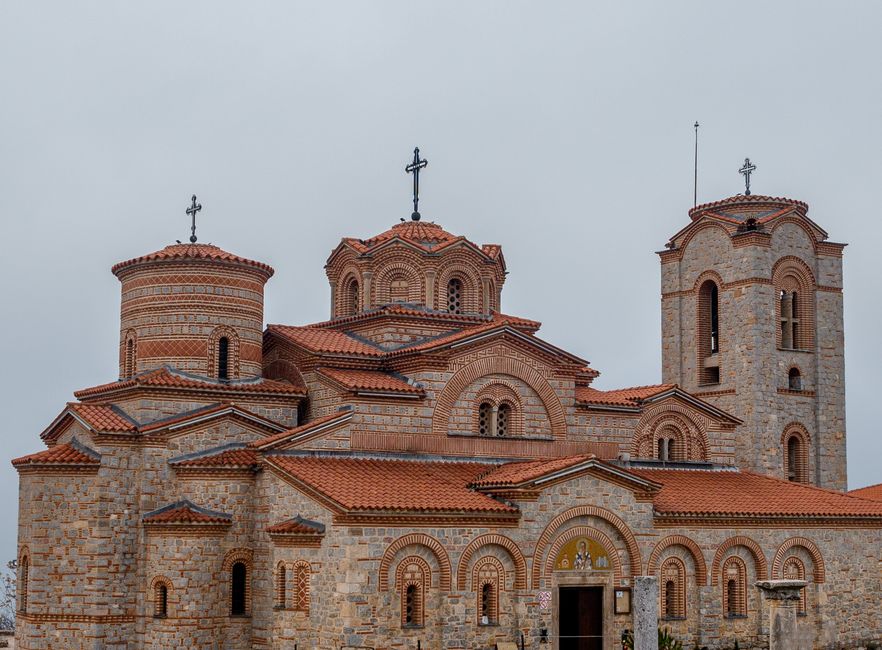
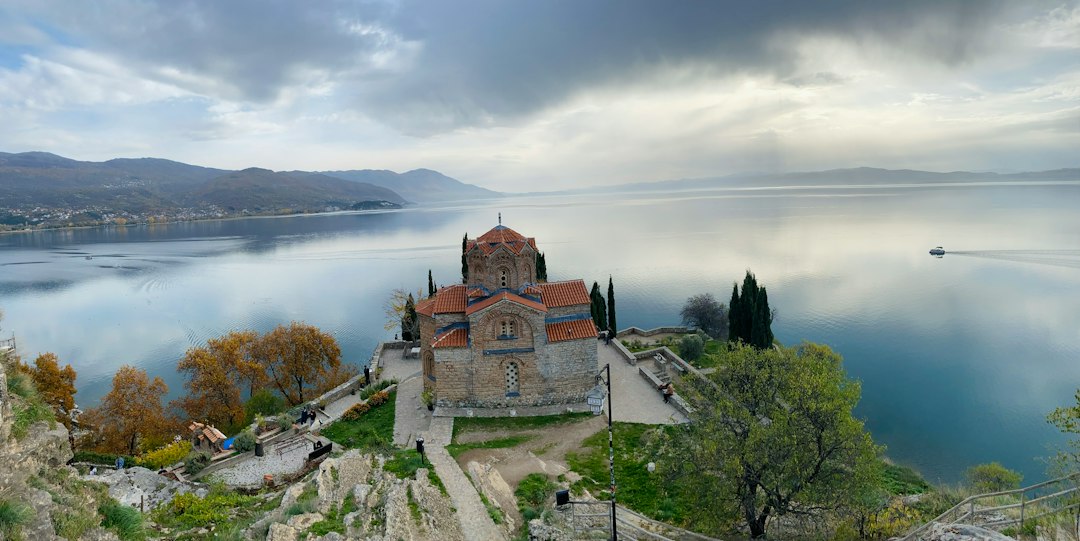
I stood on the banks of the Vardar River in the dead of night, the air thick with the smell of wet concrete and cheap tobacco. The city of Skopje hummed with a low, electric frequency, a mix of post-earthquake reconstruction anxiety and the heavy, velvet silence of Orthodox tradition. I wasn't here for the tourist traps or the marble-clad statues that dominate the new city center. I was here for the stones. Specifically, the limestone and brick path leading up to the Holy Trinity Monastery, a fortress of faith perched on the edge of the city, watching over the chaos below like a stern grandmother. The hike wasn't long, but the weight of the place was immense. I met a local man, Petar, sitting on a low wall near the entrance, sharing a small bottle of rakija with a stray dog. He didn't speak English, I didn't speak Macedonian, but we both understood the ritual. This wasn't a vacation; it was a pilgrimage, a walk through layers of history where empires crumbled but the church remained, stubborn and beautiful.
The journey to the Holy Trinity Monastery is not just a physical trek; it is a descent into the soul of the Balkans. The monastery, known locally as Sveti Trojka, is one of the most significant religious sites in the country. Its walls have absorbed centuries of Ottoman rule, Yugoslav communism, and modern independence. To walk here is to walk through time, past the scars of the 1963 earthquake and the political tensions of the 1990s, arriving at a place where incense burns thick enough to taste. The route is steep, lined with cypress trees that seem to lean in to whisper secrets, and offers views of the city that shift from golden hour warmth to the cold, blue hues of dawn. It is a place of raw emotion, where prayer meets the pavement.
History & Identity
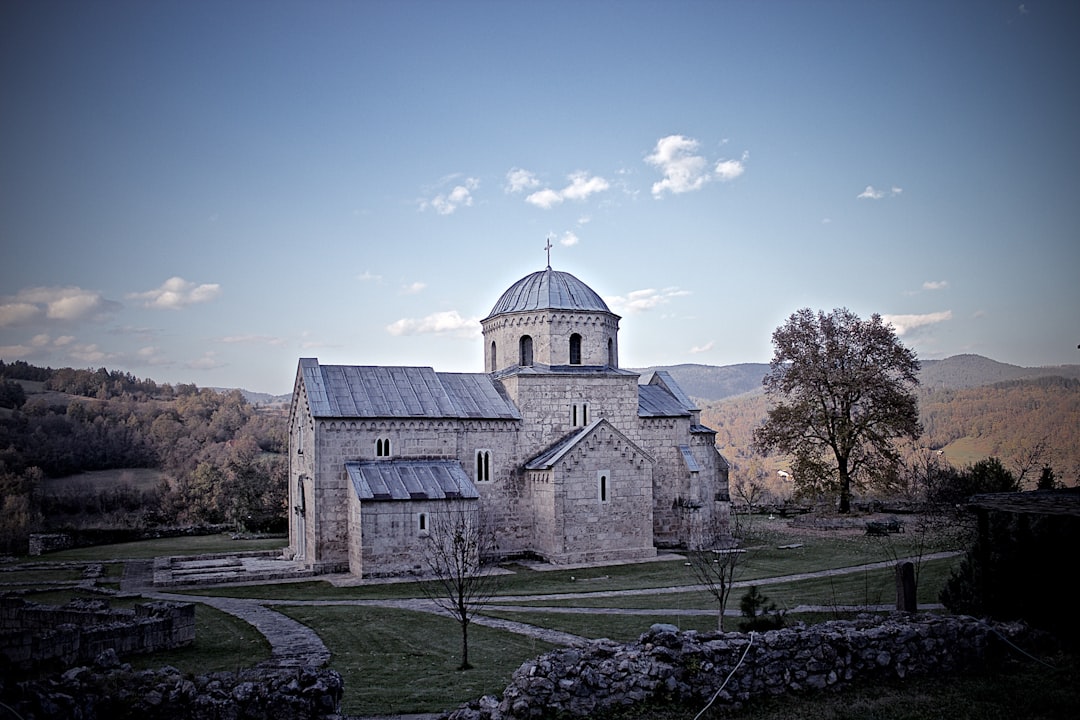
The Holy Trinity Monastery is not merely a building; it is a living archive. Founded in the 14th century, it has been destroyed and rebuilt multiple times, each iteration reflecting the political and religious climate of the era. The current structure dates back to the 19th century, but its roots go much deeper. The monastery played a crucial role in the preservation of Macedonian Orthodox identity during the Ottoman period, serving as a center for education and resistance. It was a sanctuary for those fleeing persecution, a place where the liturgy was sung in the vernacular, keeping the language and culture alive.
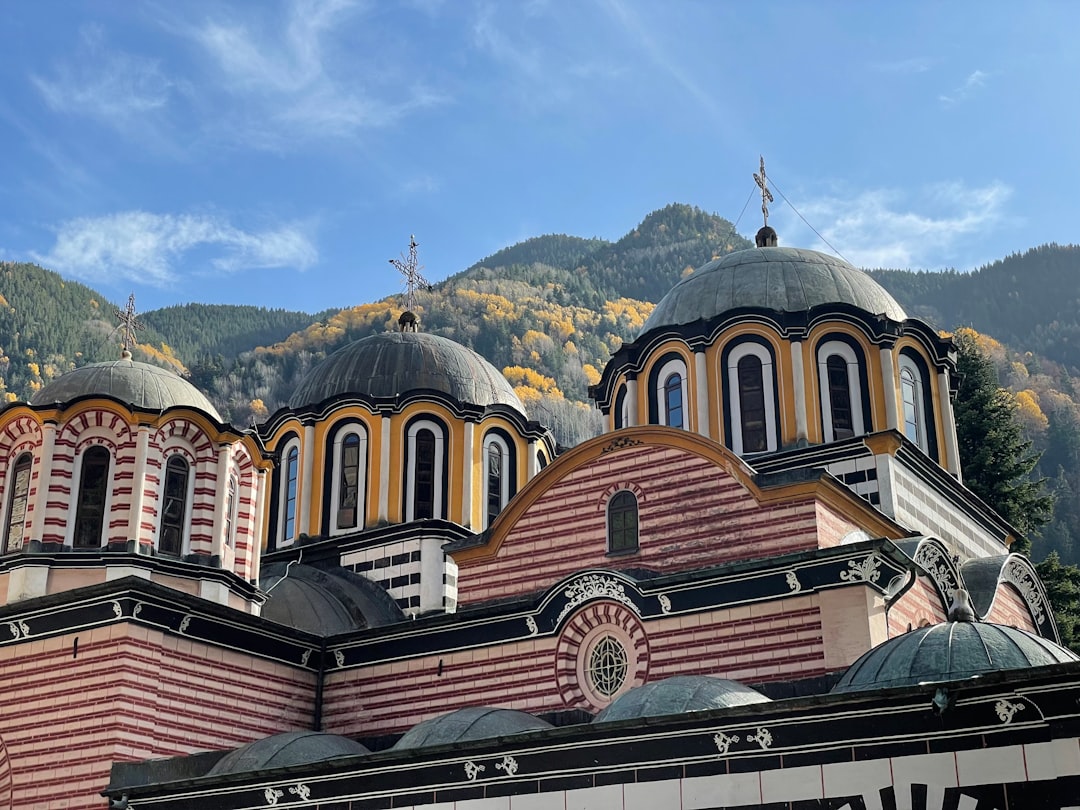
The 1963 earthquake, which leveled much of Skopje, also damaged the monastery, but it was rebuilt with a sense of urgency and reverence. The reconstruction effort was a symbol of resilience, a testament to the community's determination to preserve its heritage. Today, the monastery stands as a beacon of continuity, a reminder of the past in a city that is constantly reinventing itself. The frescoes inside, painted by renowned artists, depict scenes from the Bible and the lives of saints, but they also tell a story of local devotion. The icons are not just religious artifacts; they are expressions of a people's hope and faith.
The identity of the Holy Trinity Monastery is deeply intertwined with the identity of Skopje and Macedonia. It is a place where the old and the new coexist, where the chants of the monks blend with the sounds of the city below. It is a place of pilgrimage not just for the religious, but for anyone seeking a connection to the deeper currents of history. The monastery's location, overlooking the Vardar River, gives it a commanding presence, a visual anchor in a city that can feel chaotic and fragmented. To visit is to engage with a narrative that is both personal and universal.
Where to Go
The Monastery Church — The heart of the complex, this small but powerful church is adorned with intricate frescoes and icons. The interior is dimly lit, creating an atmosphere of intimacy and reverence. Visitors are expected to dress modestly, covering shoulders and knees. The service times vary, but the daily liturgy is a profound experience, with the chanting echoing off the stone walls. Entry is free, but donations are appreciated.
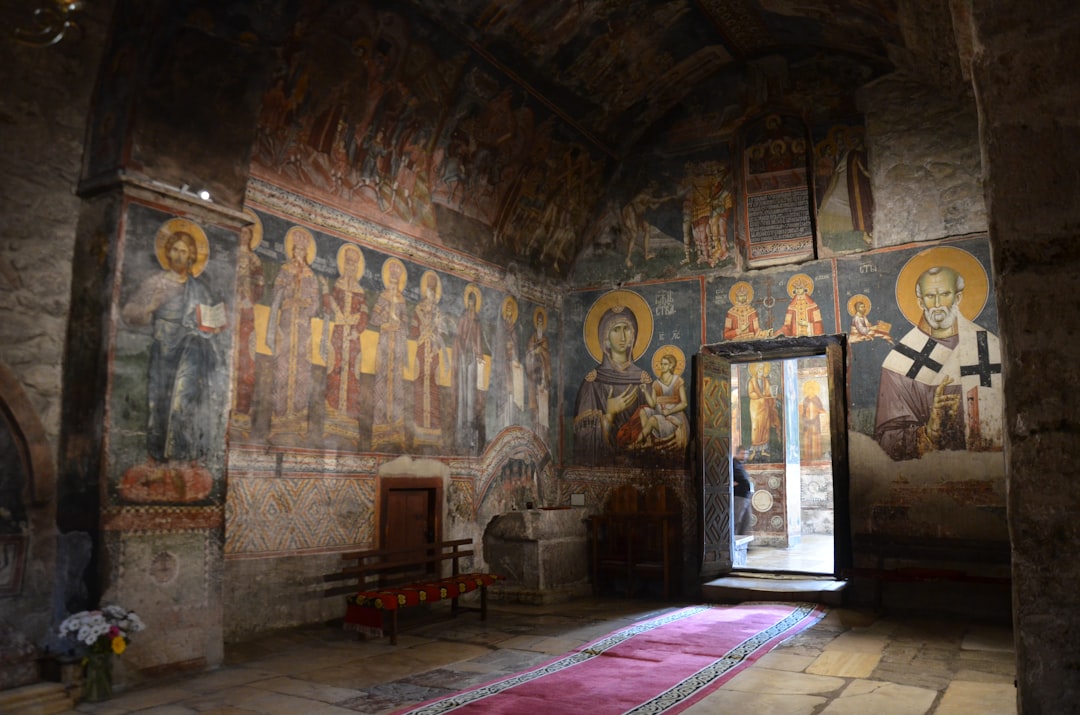
The Monastery Museum — Located within the complex, this small museum houses a collection of religious artifacts, manuscripts, and icons. The collection includes items dating back to the 14th century, offering a glimpse into the monastery's rich history. The guides are knowledgeable and passionate, providing context for the artifacts. Entry is approximately 2-5 EUR.
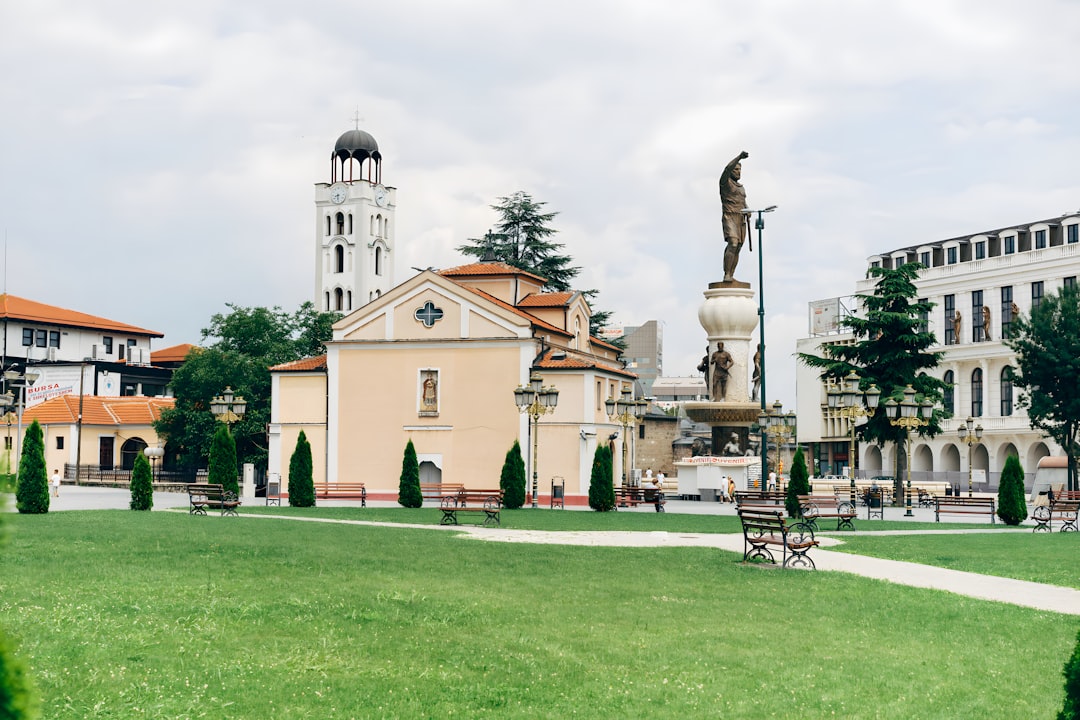
The Viewpoint Terrace — A stone terrace overlooking the city offers panoramic views of Skopje. It is a popular spot for locals and tourists alike, especially at sunset. The view includes the Stone Bridge, the Old Bazaar, and the modern cityscape. It is a place for reflection, a moment to step back and take in the vastness of the city. There is no entry fee.
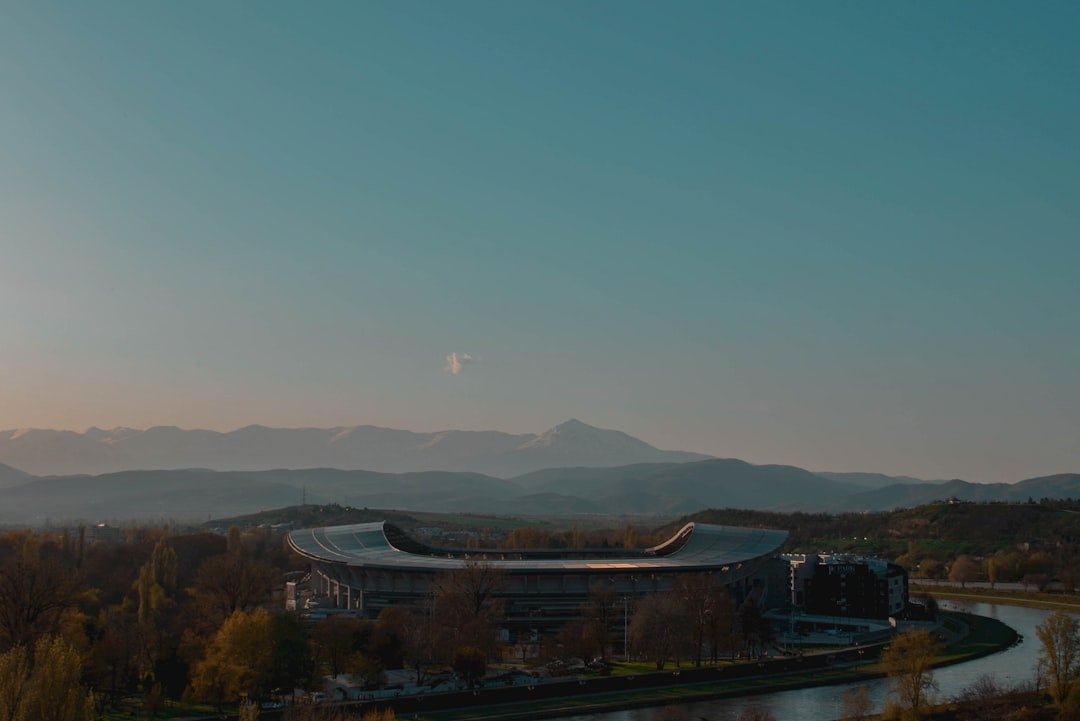
The Garden of Remembrance — A small, serene garden within the monastery grounds, dedicated to those who lost their lives in conflicts. It is a place of quiet contemplation, with stone benches and flowering plants. The garden is maintained by the monks and is open to visitors at all times. It is a poignant reminder of the cost of war and the importance of peace.
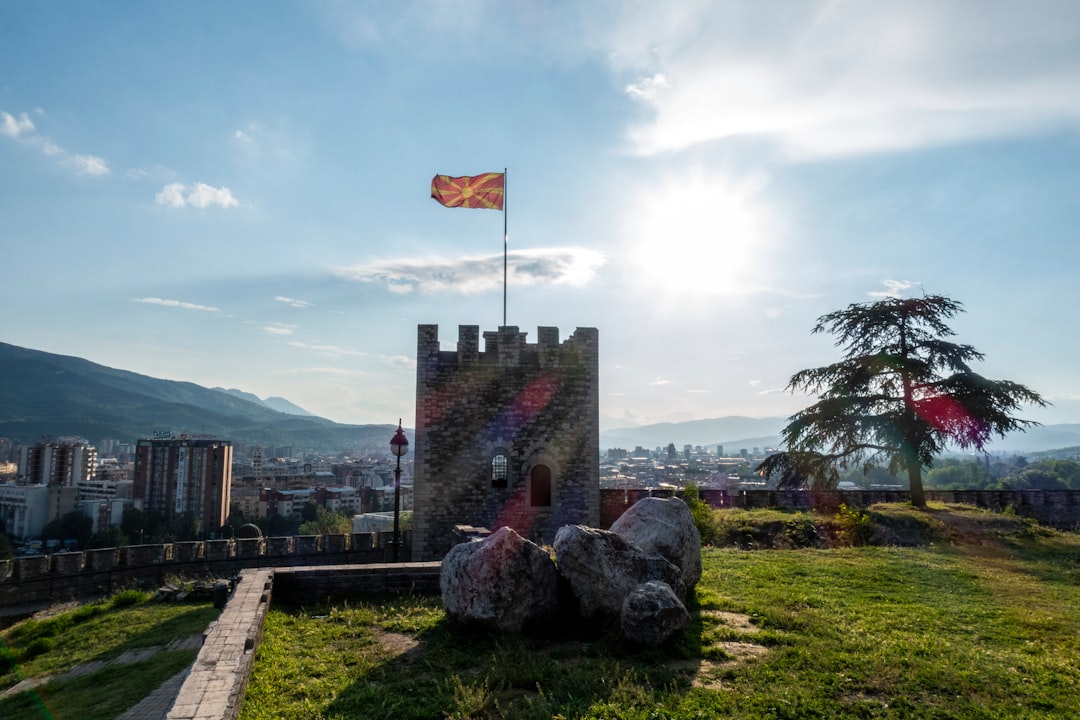
The Bell Tower — The towering bell tower is a landmark of the monastery, visible from many parts of the city. The bells ring at regular intervals, marking the hours and calling the faithful to prayer. The sound is deep and resonant, echoing across the Vardar River. Climbing the tower is not allowed, but viewing it from the terrace is a striking experience.
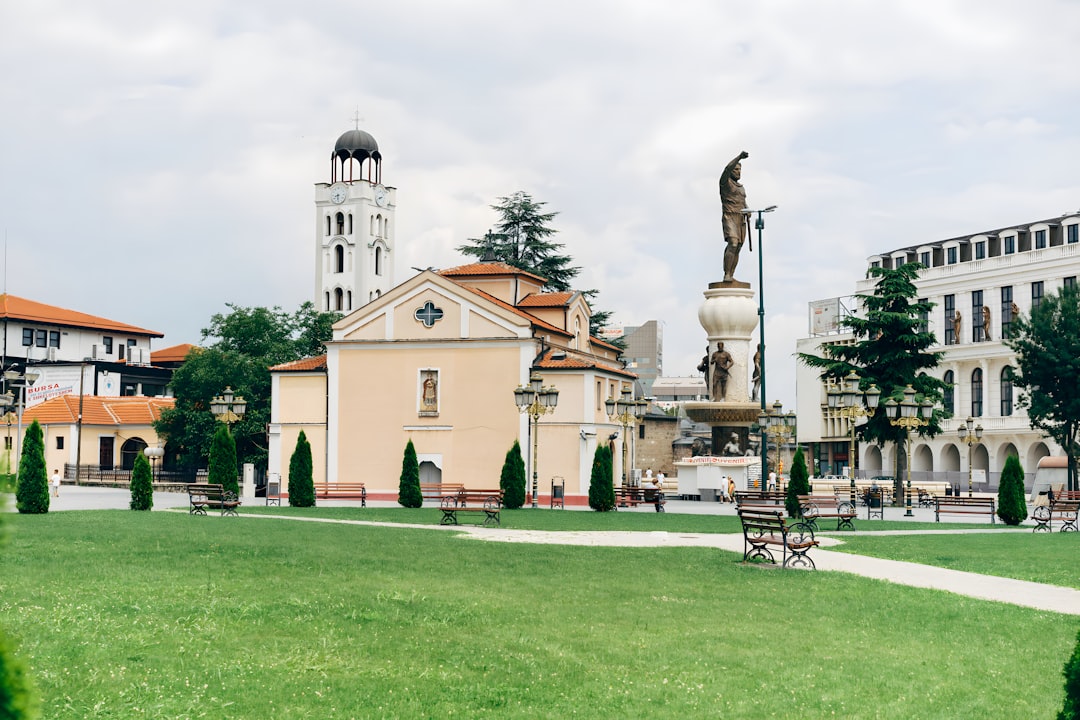
What to Eat & Drink
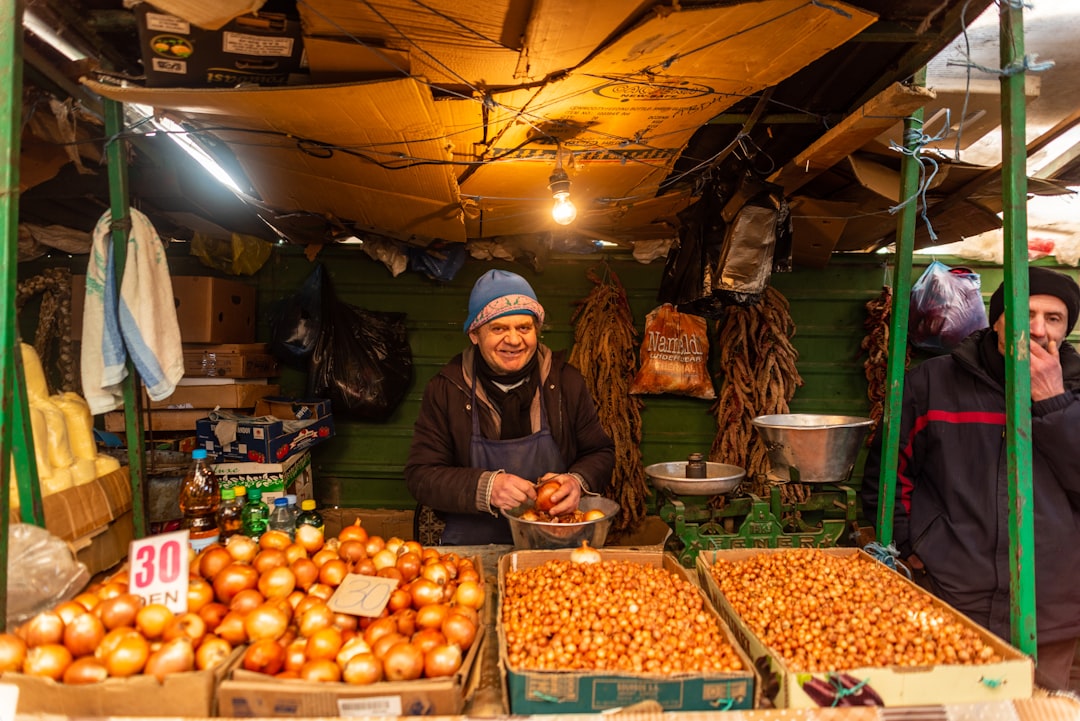
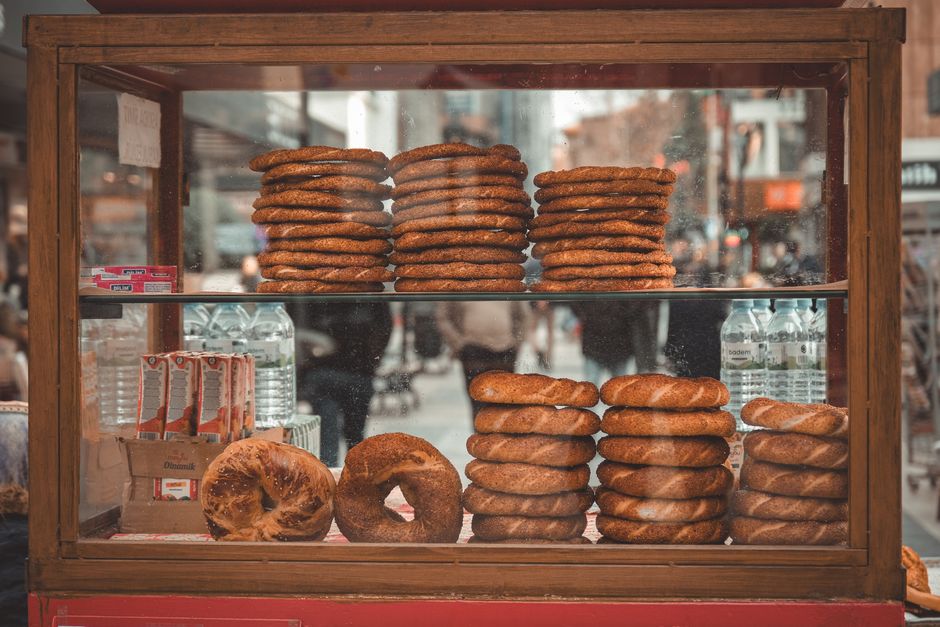
The area around the Holy Trinity Monastery is not a major tourist hub, but it is close enough to the city center to offer a range of dining options. For a quick bite, head to the nearby cafes that serve traditional Macedonian coffee and pastries. A cup of Turkish-style coffee costs about 1-2 EUR, while a plate of burek (meat or cheese pastry) is around 2-3 EUR. These are perfect for a light snack before or after your visit.
For a more substantial meal, venture into the Old Bazaar, a short walk away. Here, you can find taverns serving hearty Macedonian dishes. Try the tavče gravče (baked beans with meat), a national dish that costs around 5-8 EUR. Another must-try is the ajvar (roasted pepper relish), often served as a side or spread on bread, costing about 2-4 EUR. For a sit-down meal at a local restaurant, expect to pay between 10-15 EUR per person for a main course and drink.
If you are on a budget, there are several food courts and take-away spots in the city center that offer meals for under 5 EUR. These are convenient for travelers looking to save money without sacrificing flavor. The food scene in Skopje is diverse, with influences from Turkish, Greek, and Balkan cuisines, making it a delicious destination for food lovers.
Nightlife
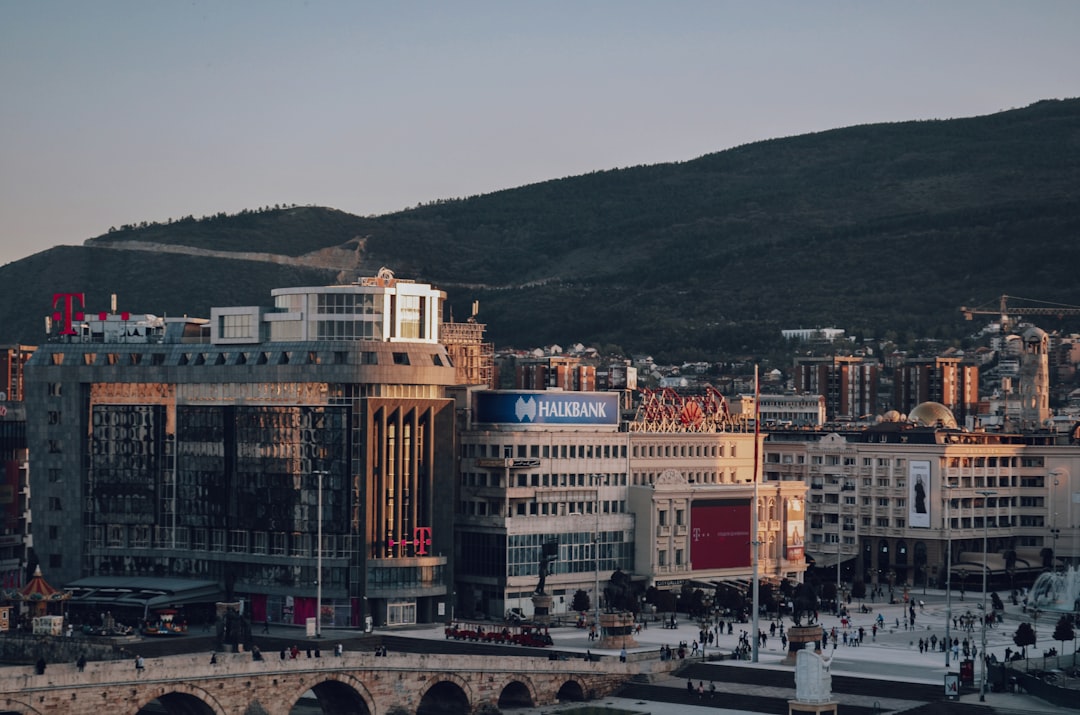
While the Holy Trinity Monastery is a place of quiet reflection, Skopje's nightlife is vibrant and varied. The main bar district is located along the Vardar River, near the Stone Bridge. Here, you will find a mix of cocktail bars, live music venues, and clubs. The atmosphere is lively, with locals and tourists mingling under the stars. Cover charges at clubs range from 5-10 EUR, depending on the venue and the event.
For a more traditional experience, head to the Old Bazaar, where small bars and cafes serve rakija and beer. The ambiance is cozy and intimate, with live folk music often playing in the background. This is a great place to unwind after a day of sightseeing. The bars in this area are more affordable, with drinks costing between 2-4 EUR.
For those who prefer a more upscale nightlife, the city center has several rooftop bars with stunning views of the city. These venues are more expensive, with cocktails costing around 8-12 EUR, but the ambiance and views are worth it. Nightlife in Skopje is diverse, catering to different tastes and budgets, ensuring that there is something for everyone.
Getting There & What to Expect
The nearest major airport is Skopje International Airport, located about 17 km from the city center. From the airport, you can take a taxi to the city center for approximately 10-15 EUR, or a bus for around 1-2 EUR. Buses run regularly and take about 30-45 minutes. Once in the city, the Holy Trinity Monastery is accessible by public transport or on foot from the city center. The walk takes about 20-30 minutes, depending on your pace.
Accommodation in Skopje ranges from budget hostels to mid-range hotels. A bed in a hostel costs around 10-20 EUR per night, while a room in a mid-range hotel is approximately 40-70 EUR per night. There are also several boutique hotels and guesthouses that offer a more personalized experience. The best time to visit is during the spring (April to June) or autumn (September to October), when the weather is mild and the crowds are smaller.
What to expect: The Holy Trinity Monastery is a place of deep spiritual significance, so visitors are expected to behave respectfully. Dress modestly, speak quietly, and follow the guidelines provided by the monks. The monastery is open daily, but service times may vary. It is a place of peace and reflection, a sanctuary in the midst of the city's hustle and bustle.
Search accommodation in Skopje on Booking.com →
The Weight of the Stone
As I left the Holy Trinity Monastery, the sun was setting, casting long shadows across the Vardar River. The city below was alive, pulsing with energy, but up here, on the hill, there was a sense of timelessness. The stones of the monastery had witnessed centuries of change, yet they remained, steadfast and unyielding. I thought about Petar and his rakija, the stray dog, the silence of the church. This was not just a visit; it was a conversation with history, a dialogue with the past. The pilgrimage was over, but the memory remained, etched in stone.
Comments