


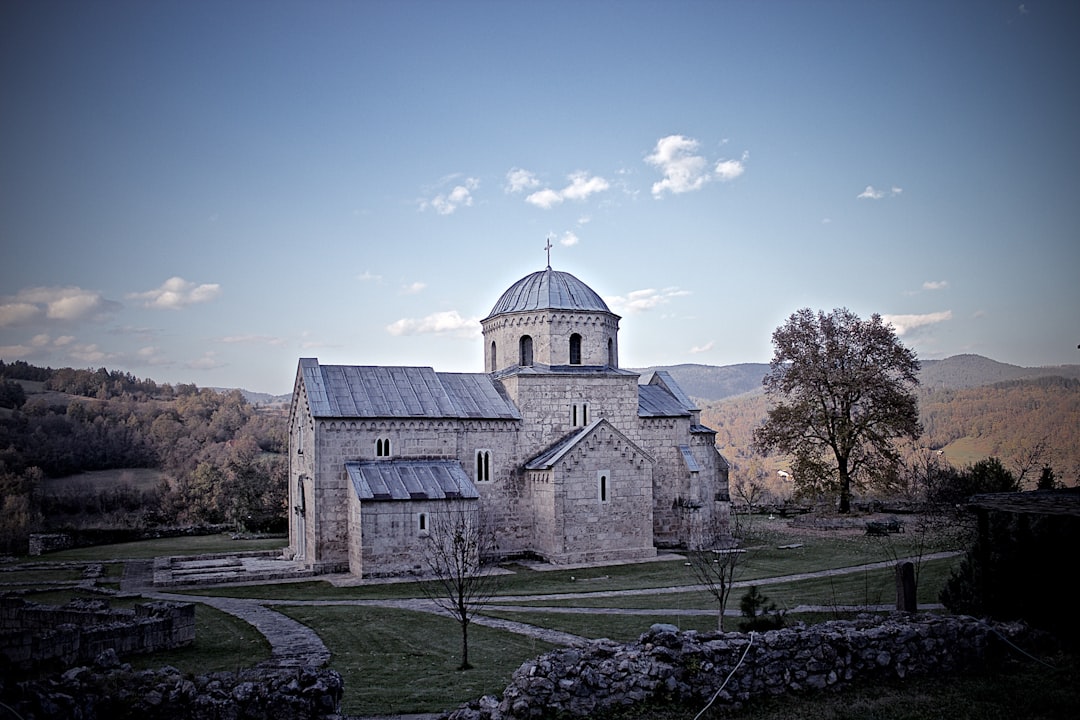
The stone floor of the Studenica Monastery is cold enough to seep through the soles of your hiking boots and settle in your marrow. It's late afternoon, and the light hitting the nave of the Church of the Virgin is doing something impossible—making the plaster walls glow from the inside out. I'm standing three meters from a fresco of a saint whose eyes seem to track my movement, a trick of perspective perfected eight hundred years ago. The air smells of beeswax, damp limestone, and the faint, metallic tang of old incense. There are no ticket scanners here, no velvet ropes, just a heavy silence broken by the distant clatter of a tractor on the road outside the monastery walls. This isn't a museum. It's a time capsule that forgot to lock its door, and the ghosts inside are still breathing.
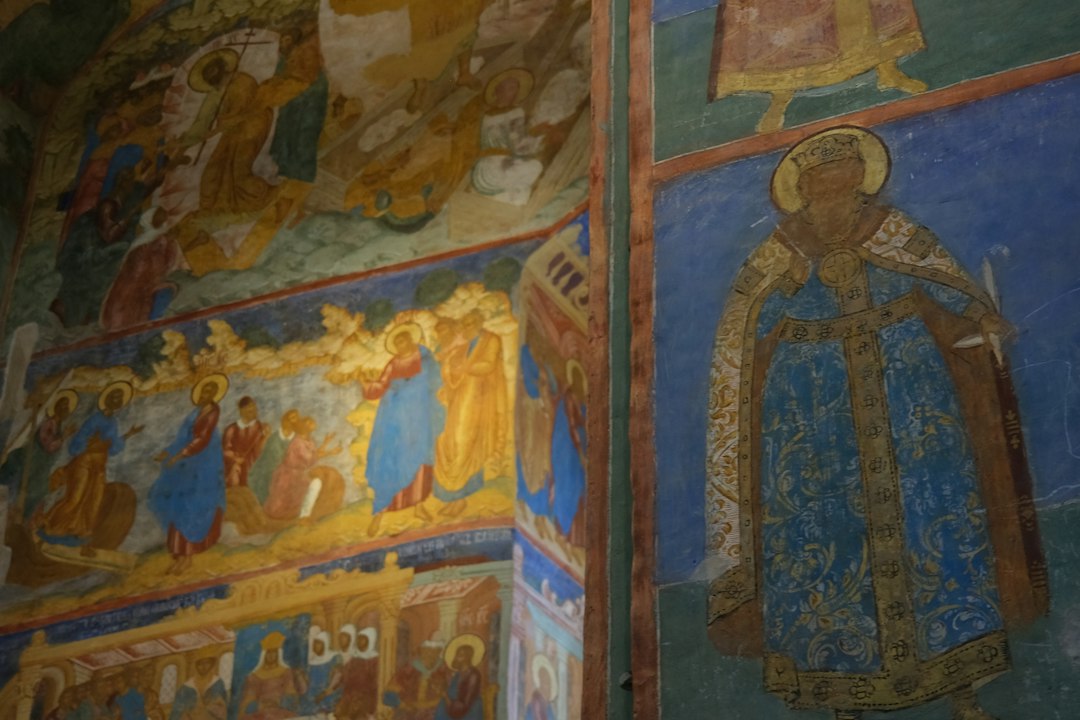
I came to this valley in Western Serbia chasing the legend of Stefan Nemanja, the medieval ruler who founded this place, but I stayed for the paint. The frescoes here aren't just religious art; they are a chaotic, vibrant, and deeply human record of the 12th and 13th centuries. They crackle with a raw energy that feels more modern than the polished icons in Belgrade's museums. The colors—lapis lazuli blue, ochre, and a red that looks suspiciously like dried blood—have survived wars, fires, and the slow erosion of time. Standing here, you don't feel like a tourist. You feel like an intruder in a sacred, frozen moment.
History & Identity
The story of Studenica begins with Stefan Nemanja, the Grand Prince of Serbia, who abdicated his throne in 1190 to become a monk. He didn't just build a monastery; he built a spiritual fortress. The complex, nestled in the Studenica River canyon, was the first major construction of the Nemanjić dynasty, the royal family that would dominate the Balkans for centuries. The name "Studenica" literally means "the cold one," a reference to the icy waters of the river that cuts through the valley. For Nemanja, this isolation was the point. He wanted a place where the mind could strip away the noise of court politics and stare directly at the divine.
The Church of the Virgin, the main cathedral here, is a masterpiece of early Raška architectural style, a blend of Byzantine and Romanesque influences. But it's the interior that holds the real power. The frescoes were painted in two distinct waves. The first, from the late 12th century, is attributed to the master painter known as the "Studenica Master." These works are bold, monumental, and fiercely expressive. The second wave, from the early 13th century, adds a layer of narrative complexity, filling the vaults and arches with scenes from the life of Christ and the saints. Together, they create a visual theology that is both intimidating and deeply accessible.
What makes Studenica unique in the Balkan context is its survival. Many monasteries in the region were looted, burned, or whitewashed during the Ottoman centuries. Studenica, protected by its remote location and the loyalty of local monastic communities, kept its core intact. The frescoes here are not the sanitized versions you see in later periods; they are raw, emotional, and occasionally violent. They show the pain of the Crucifixion, the ecstasy of the Ascension, and the grim reality of Hell. This is not art for art's sake. It is art as a weapon against despair.
Where to Go
Church of the Virgin — The heart of the complex and one of the most important cultural monuments in Serbia. The nave is dominated by the 12th-century frescoes, including the famous "Descent into Limbo" and the "Hesychast Christ." The lighting changes dramatically throughout the day, so visit in the late afternoon when the sun hits the eastern apse. Entry is free, but donations are expected. Respect the silence; photography is generally allowed without flash.
Church of the Apostles Peter and Paul — A smaller, earlier church built by Nemanja's wife, Anna, in 1170. It was destroyed and rebuilt, but it retains a unique, intimate atmosphere. The frescoes here are less monumental than those in the main church but equally significant for their historical context. It's a quiet spot to escape the larger crowds in the main nave.
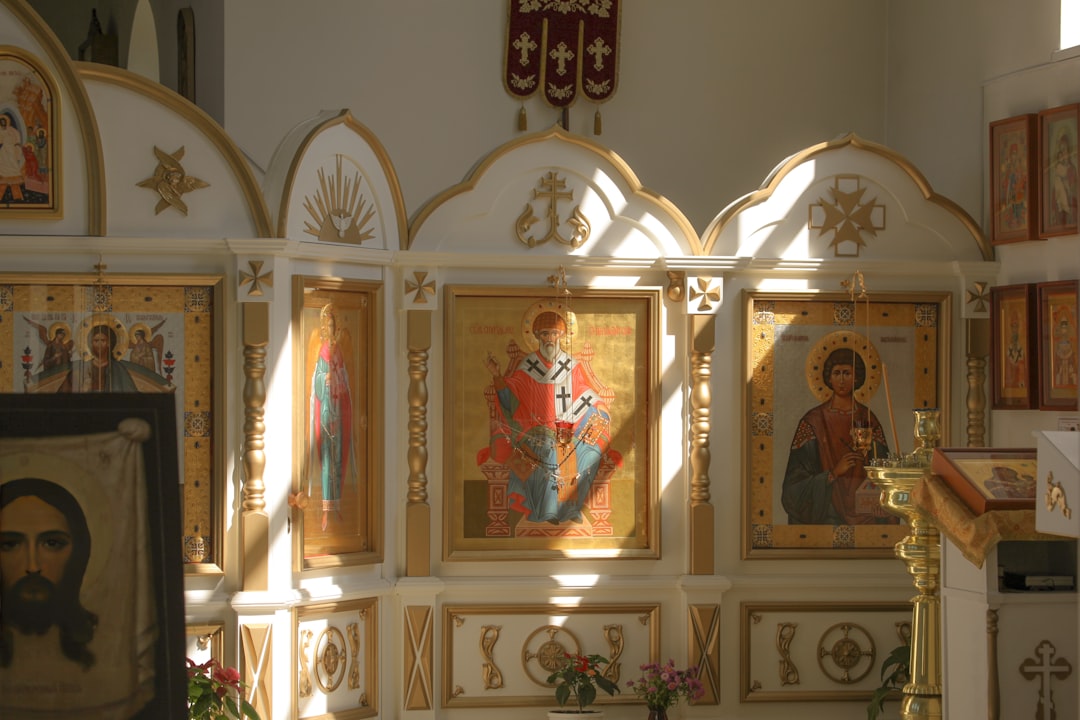
The Monastery Museum — Located in a side building, this small museum holds icons, manuscripts, and liturgical objects from the Nemanjić period. It provides crucial context for the frescoes, showing the tools and techniques used by medieval painters. The collection includes rare silver relics and embroidered vestments. It's easy to miss, but worth the detour for anyone serious about understanding the art.
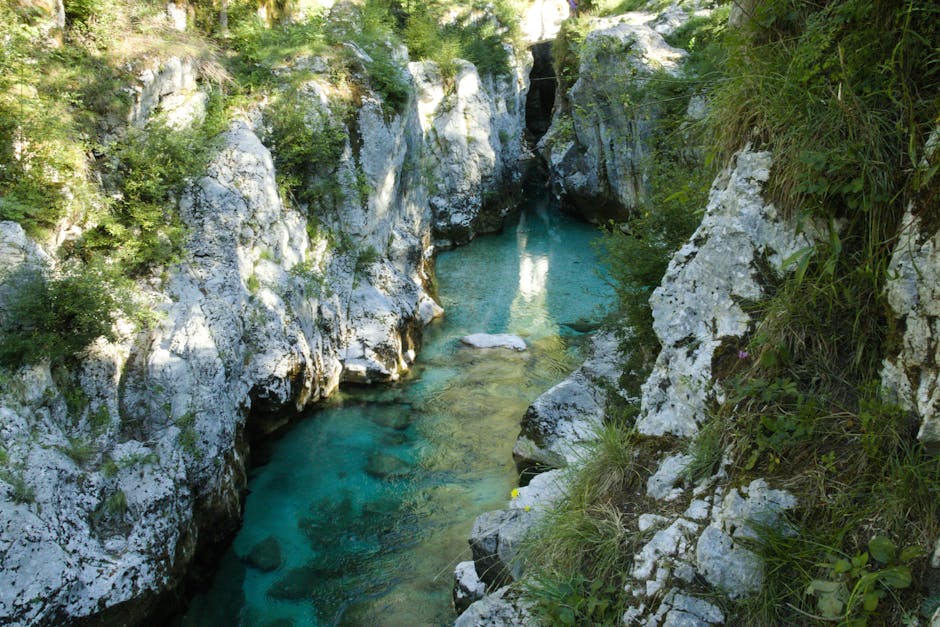
Studenica River Canyon — The monastery sits on a terrace above the Studenica River, which carves a deep, green canyon through the limestone. A short walk downstream leads to a small waterfall and a natural pool. It's a stark contrast to the stone silence of the monastery, offering a moment of wild, natural beauty. The water is freezing, but the view is worth the chill.
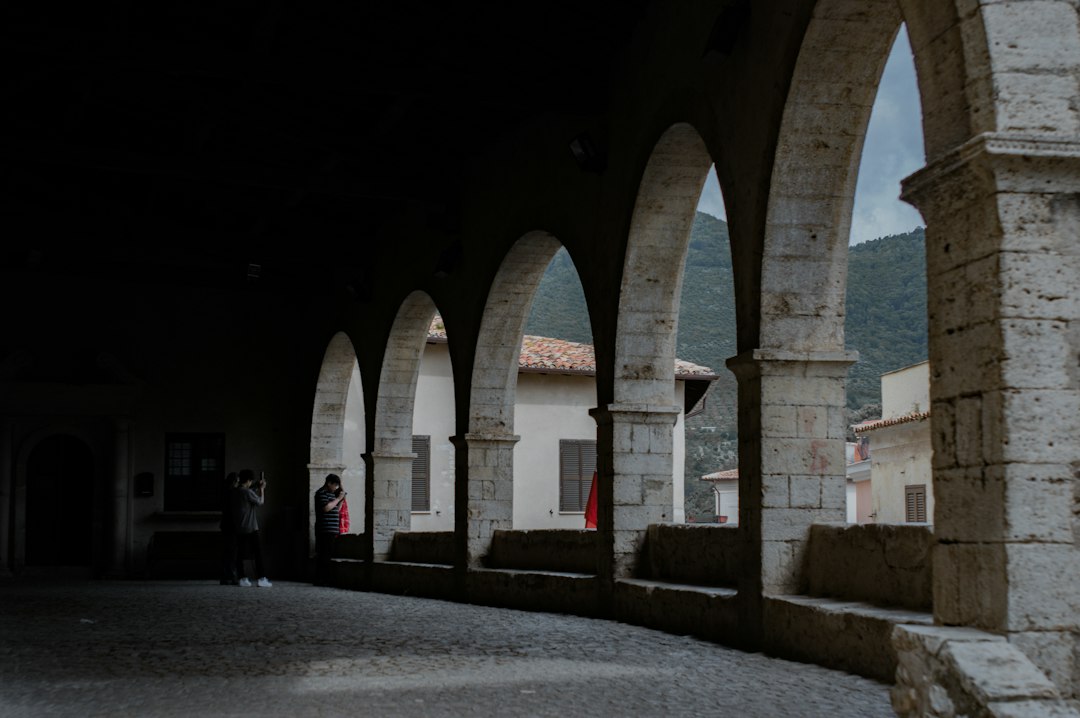
The Refectory and Cloister — The monastic life continues here, with monks and nuns living in the complex. The refectory, where meals are taken in silence, is open to visitors at certain times. The cloister offers a shaded walkway with views of the surrounding mountains. It's a place to sit, drink coffee, and watch the light fade over the valley.
What to Eat & Drink
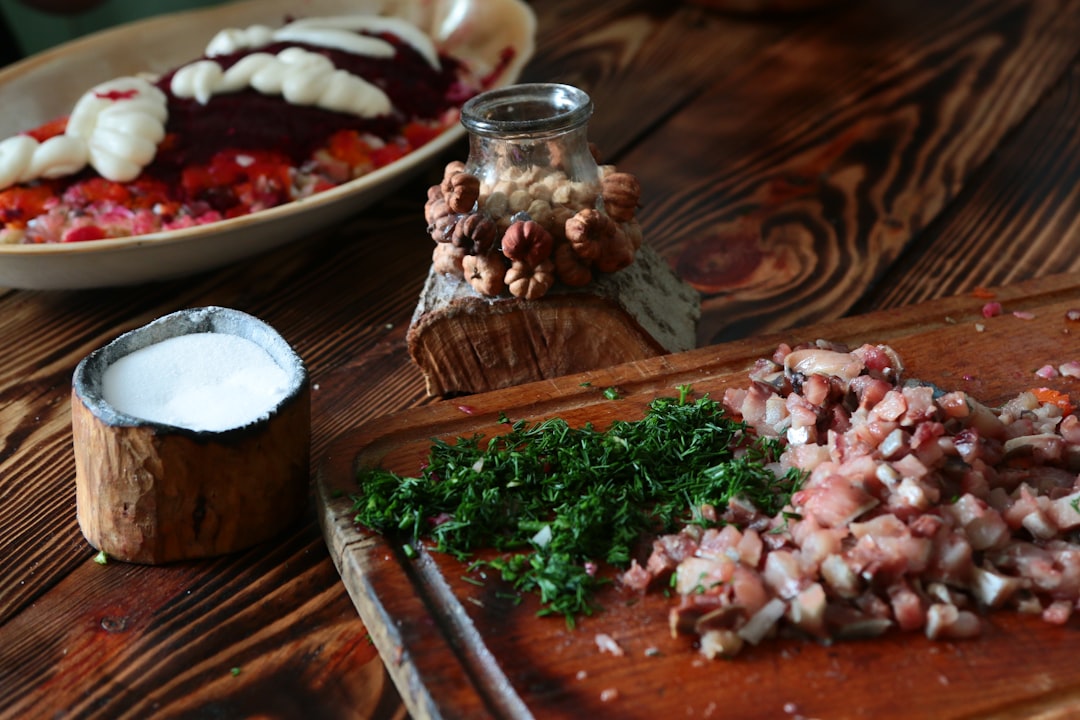
Food in Studenica is simple, monastic, and deeply satisfying. The monastery shop sells local products, including honey, rakija (fruit brandy), and homemade cheese. The flavors are rustic, unpretentious, and tied directly to the land. For a proper meal, head to one of the small taverns in the nearby village of Raška, just a few kilometers away.
- Ćevapi — Grilled minced meat sausages, served with flatbread and onions. A Balkan staple, but here they taste wood-fired and honest. 3-5 EUR
- Šopska Salata — A cold salad of grated cucumber, tomato, and bell pepper, topped with sirene cheese. Crisp and refreshing. 2-4 EUR
- Homemade Rakija — Fruit brandy, often plum or grape. Strong, clear, and served in small glasses. A must-try with any meal.
- Monastery Honey — Thick, dark, and floral. Sold in jars at the monastery shop.
Budget travelers can grab a meal for 5-8 EUR at a local kafana. Mid-range restaurants in Raška charge 10-15 EUR per person for a main course. There are no high-end dining options here, and that's part of the charm. The food is fuel, not spectacle.
Nightlife
There is no nightlife in Studenica. The monastery closes at dusk, and the village goes quiet. The "party" here is the silence. If you're looking for bars and clubs, head to Novi Pazar or Čačak, both within an hour's drive. But in Studenica, the night is for walking the walls, listening to the river, and staring at the stars. It's a different kind of high.
Getting There & What to Expect
The nearest major city is Novi Pazar, about 30 kilometers away. You can reach Studenica by bus from Novi Pazar, Čačak, or Kraljevo. Buses run several times a day and take about 45 minutes. The fare is around 2-3 EUR. If you're driving, the road from Novi Pazar is well-paved but winding. Allow an extra 30 minutes for the drive.
From Belgrade, the drive is about 200 kilometers and takes roughly 2.5 to 3 hours via the E763 highway. It's a scenic route through the mountains of Western Serbia. Renting a car is the best option if you want to explore the surrounding monasteries, like Đurđevi Stupovi or Gradac.
Accommodation options are limited. There are a few guesthouses in the village and nearby Raška. Budget rooms cost 20-30 EUR per night, while mid-range hotels in Raška charge 40-60 EUR. The monastery itself does not offer lodging for tourists, but you can stay in the nearby monastic guesthouse if you arrange it in advance and respect the monastic rules.
The best time to visit is spring (May-June) or autumn (September-October), when the weather is mild and the crowds are thinner. Summer can be hot and crowded, while winter brings snow and cold, making the "cold one" name literal.
Search accommodation in Raška on Booking.com →
The Weight of Stone
Leaving Studenica as the sun dips below the horizon, I feel a strange heaviness in my chest. It's not sadness, exactly. It's the weight of time. These frescoes have watched empires rise and fall, languages change, and borders shift. They have seen monks pray, soldiers fight, and peasants work. And yet, they remain. The blue of the sky on the wall is the same blue as the sky outside. The red of the blood is the same red as the blood in your veins. It's a reminder that some things endure, even when everything else is transient.
I walk back to my car, the stone walls fading into the dark. The river sounds louder now, a constant, rushing whisper. I turn on the engine, but I leave the windows down for a moment, just to let the cold air hit my face. It's the same cold that Stefan Nemanja felt eight hundred years ago. It's the same cold that will greet the next traveler, and the next, and the next. And the frescoes will be there, watching, waiting, breathing.
Comments