


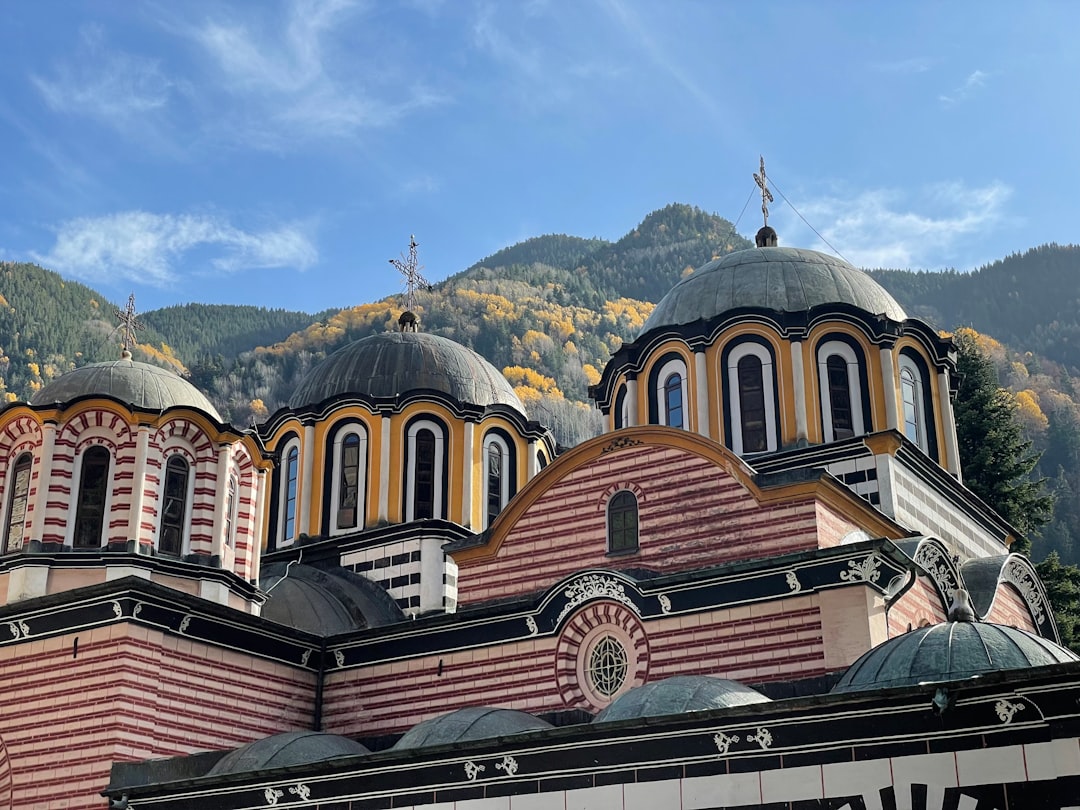
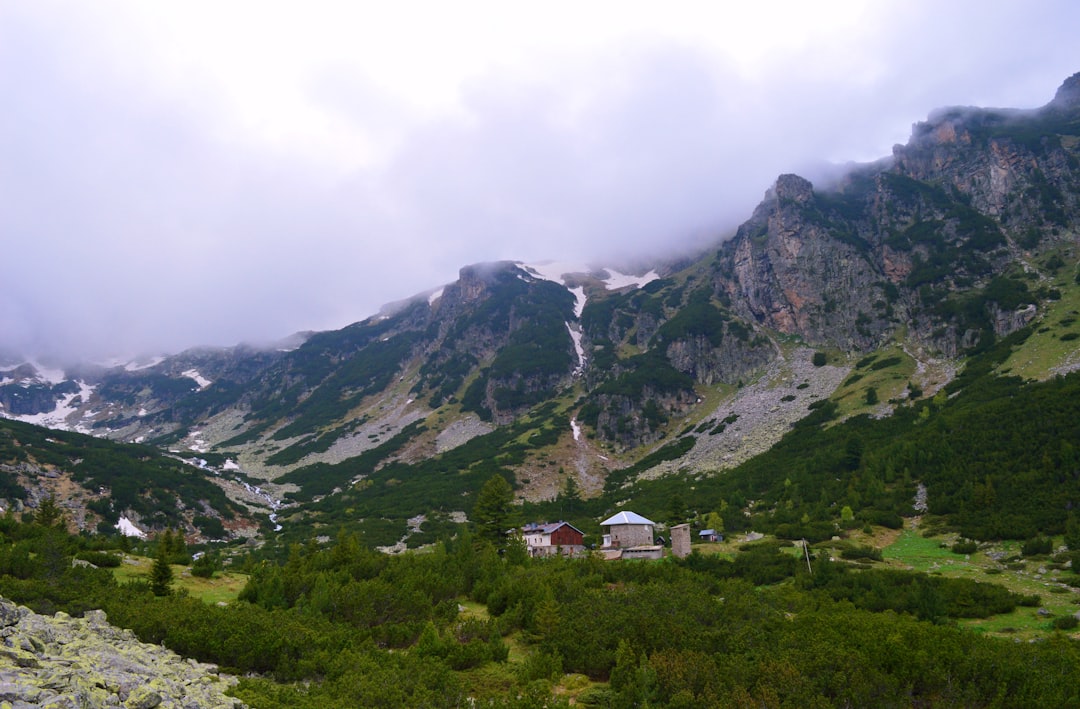
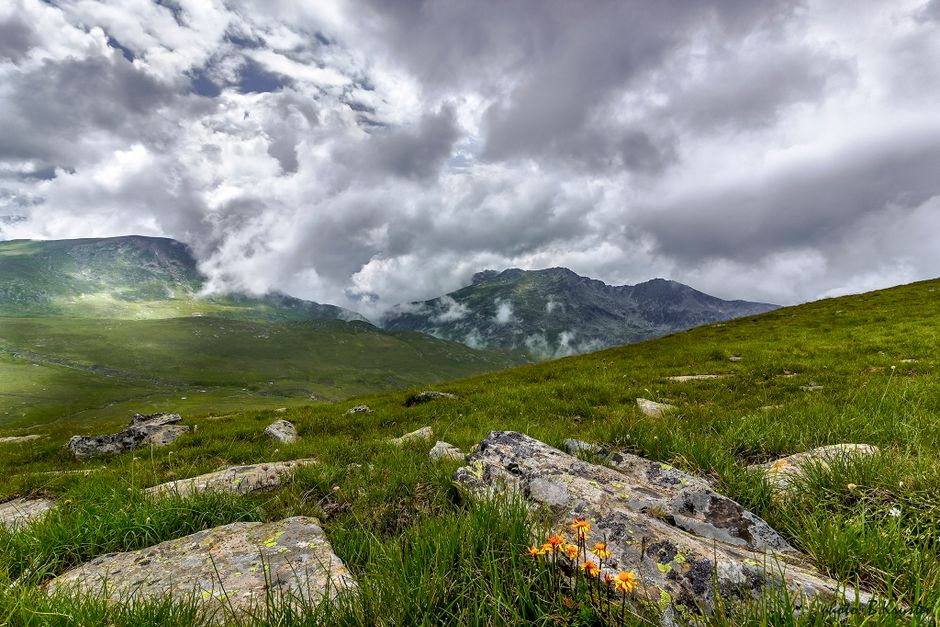
The air in the Rila Mountains doesn't just feel thin; it feels charged, like the static before a summer storm. I arrived at Rila Monastery not as a tourist, but as a man chasing a ghost. The ghost was the idea that a place could hold the soul of a nation in stone and fresco, that a single complex could be the anchor for a country's identity for over seven centuries. The reality was louder, brighter, and far more chaotic than my romanticized notion. I stepped off the bus from Sofia, lungs full of pine and diesel, and was immediately swallowed by a sea of visitors. It's not a quiet retreat. It's a pilgrimage site, a museum, a fortress, and a spectacle, all wrapped in the stark, imposing beauty of the Balkans' highest mountain range. The monks move with a quiet dignity that contrasts sharply with the selfie-stick army surrounding them. I watched a young monk, his face lined with the same weather that sculpts the peaks, light a candle and bow. He didn't look at the cameras. He looked at the stone. That's the disconnect. You come for the postcard, but you stay for the weight of history pressing down on your shoulders.
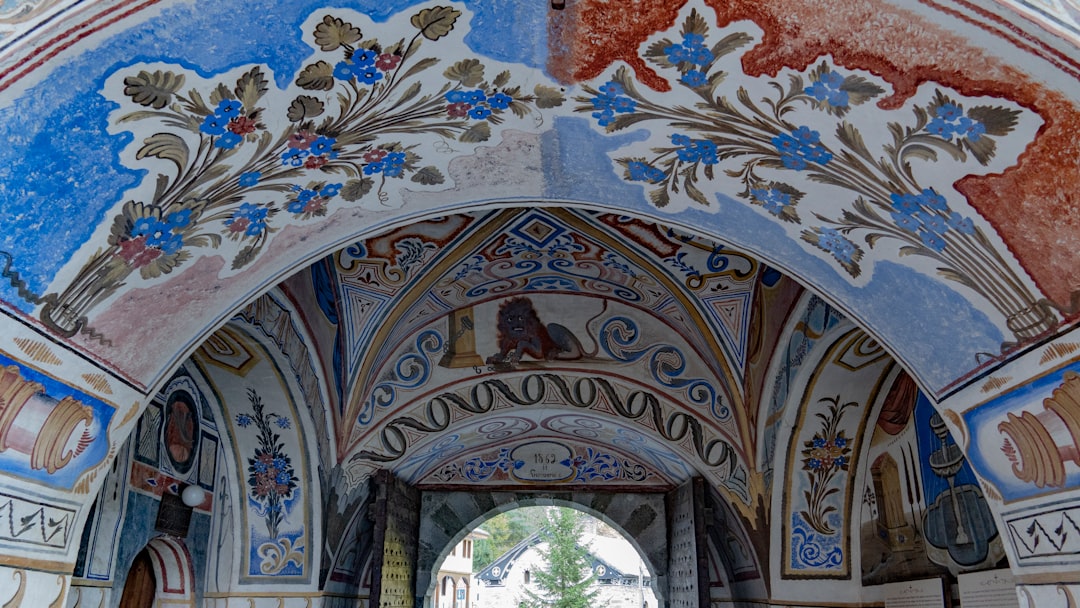
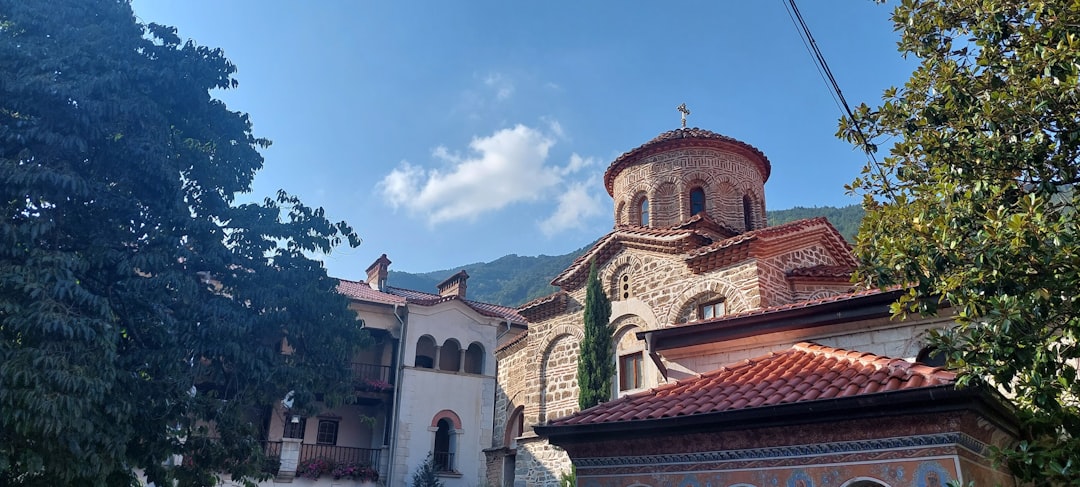
Standing in the central courtyard, looking up at the Basilica of the Dormition, I realized this isn't just a monastery. It's a statement. It's Bulgaria saying, "We are still here." After centuries of Ottoman rule, foreign domination, and political upheaval, this place remains. The architecture is a defiant mix of styles, a visual history of survival. The Baroque facades, the intricate frescoes, the fortified walls — each layer tells a story of resilience. I spent an hour just tracing the lines of the frescoes with my eyes, trying to understand the theology painted in such vivid, sometimes jarring, colors. It's not subtle art. It's meant to be seen, to be felt, to be understood by people who might not have been able to read. It's a visual language of faith and endurance. And it works. Even now, with the crowds and the commercial stalls selling souvenirs, the spiritual core of Rila Monastery pulses underneath the noise. You can feel it in the silence of the chapels, in the chant of the monks, in the way the light hits the stone at dusk. It's not a perfect place. It's a real place. And that's what makes it powerful.
History & Identity
The story of Rila Monastery begins in the 10th century, founded by St. John of Rila, the patron saint of Bulgaria. St. John of Rila was a hermit who sought solitude in the mountains, but his reputation for holiness drew followers, and a community grew around him. The original wooden structures were replaced with stone, but the monastery was destroyed and rebuilt multiple times over the centuries. The current complex, largely built in the 19th century, is the result of a national revival. During the Ottoman period, monasteries like Rila Monastery became centers of Bulgarian culture and education, preserving the language and identity of the people. It was a place where the flame of Bulgarian nationalism was kept alive, often at great risk. The monks were not just religious figures; they were teachers, writers, and resistance leaders. This history is embedded in the walls of the monastery. When you walk through the gates, you're walking through a timeline of survival.
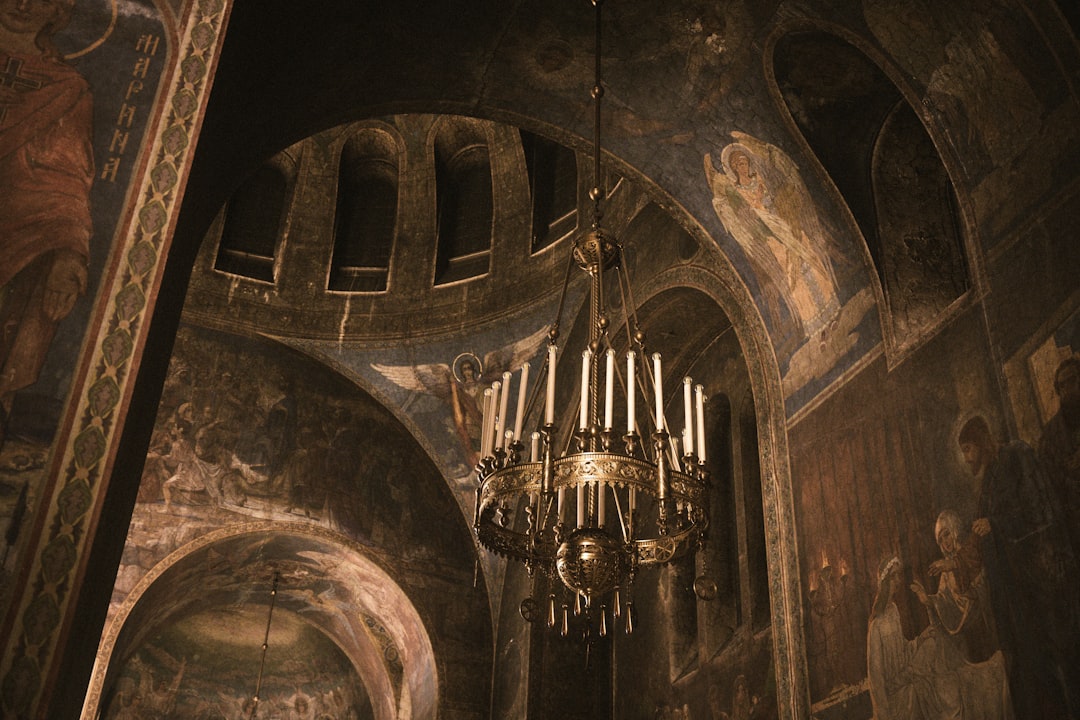
The 19th-century reconstruction was a bold architectural statement. The monastery was designed to be a fortress, a symbol of Bulgarian strength and faith. The high walls, the fortified towers, the imposing facade — all of it was meant to project power and permanence. The Baroque style, with its ornate details and dramatic lines, was a deliberate choice, reflecting the influence of Western Europe and the desire to modernize while maintaining tradition. The frescoes inside the Basilica of the Dormition are a masterpiece of Bulgarian folk art, painted by the famous artist Zahari Zograf. His work is vibrant, dynamic, and full of symbolic meaning. It's a visual representation of the Bulgarian Orthodox faith, but also a reflection of the national spirit. The monastery became a symbol of the Bulgarian National Revival, a movement that sought to restore Bulgarian culture and independence. It's a place where history and spirituality are inextricably linked.
Today, Rila Monastery is a UNESCO World Heritage site, a testament to its cultural and historical significance. But it's more than a museum piece. It's a living monastery, a place of worship and community. The monks continue their daily routines, praying, working, and welcoming visitors. The monastery is also a major tourist attraction, drawing hundreds of thousands of visitors each year. This influx of tourists has brought challenges, including the need to balance preservation with accessibility. But it has also helped to keep the monastery alive, both financially and culturally. It's a place where the past and present collide, where history is not just remembered, but experienced. For many Bulgarians, a visit to Rila Monastery is a pilgrimage, a chance to connect with their roots and reaffirm their identity. It's a place that holds the heart of the nation, beating strong after centuries of struggle.
Where to Go
Basilica of the Dormition — The heart of the complex, this massive church is a masterpiece of Bulgarian architecture. The interior is covered in stunning frescoes by Zahari Zograf, depicting biblical scenes and saints. The iconostasis is a work of art in itself, intricate and gilded. Entry is free, but donations are appreciated. Visit early in the morning or late in the afternoon to avoid the largest crowds. The silence inside, even with other visitors, is palpable. Rila Monastery
The Bell Tower — Standing at 54 meters, this is the highest point in the complex. You can climb the stairs to the top for a panoramic view of the monastery and the surrounding Rila Mountains. The view is spectacular, especially on a clear day. The climb is steep, but the reward is worth it. It's a great spot for photos, but also for a moment of reflection. The height gives you a sense of the monastery's isolation and strength. Entry fee is a small donation.
The Refectory — This is where the monks eat, and it's open to visitors. The room is decorated with beautiful murals and is a great example of the monastery's interior design. You can see the monks at meal times, which is a unique experience. The food is simple but wholesome. It's a chance to see a part of the monks' daily life that is often hidden from view. Respectful silence is expected. Entry is free.
The Museum — Located in one of the wings of the monastery, the museum houses a collection of icons, manuscripts, and other religious artifacts. It's a great place to learn more about the history of the monastery and the role it played in Bulgarian history. The collection is extensive and well-curated. Entry fee is 3-5 EUR. Allow at least an hour to explore the exhibits. It provides crucial context for understanding the significance of the frescoes and architecture you see elsewhere.
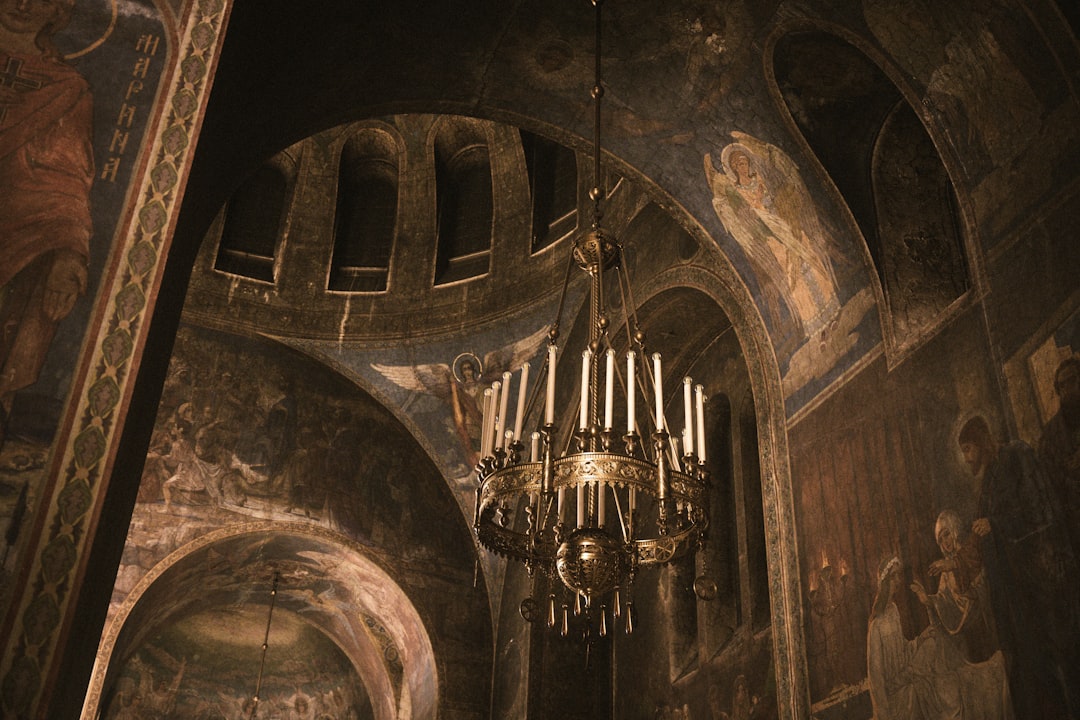
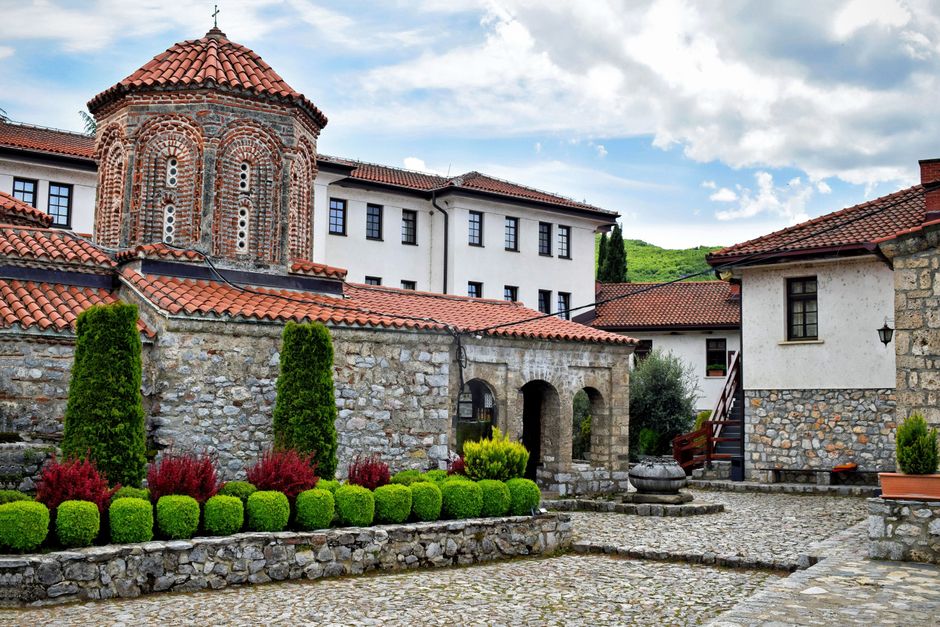
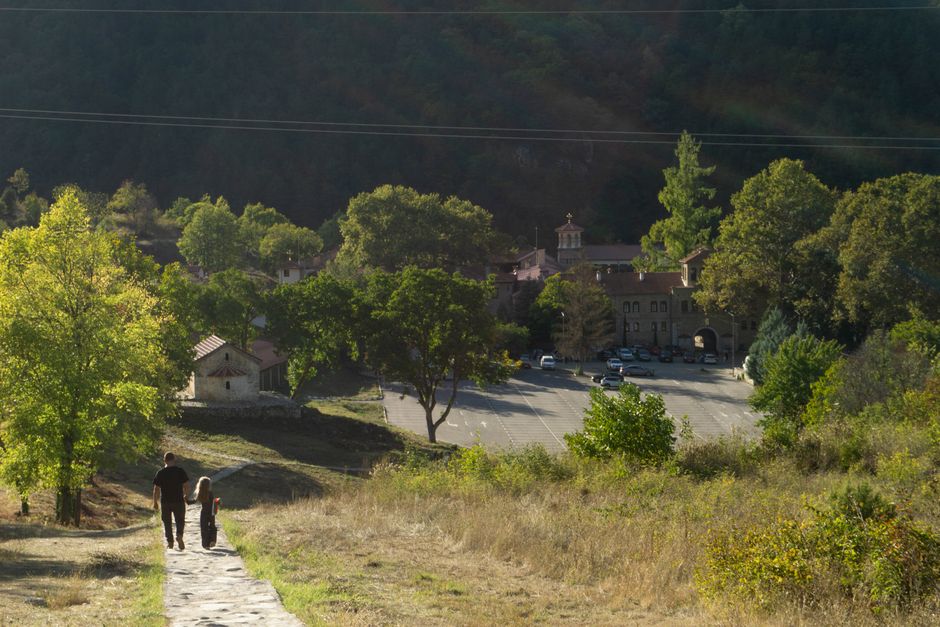
The Central Courtyard — This is the main gathering space, surrounded by the church, the bell tower, and the living quarters. It's a beautiful space, with stone paving and simple benches. It's a good place to sit and soak in the atmosphere. You'll see monks walking by, visitors taking photos, and the occasional group of pilgrims praying. It's the heart of the monastery's daily life. Entry is free.
What to Eat & Drink
The food scene around Rila Monastery is simple but satisfying. You won't find high-end restaurants, but you'll find good, hearty Bulgarian food. Try the banitsa — a flaky pastry filled with cheese, eggs, and sometimes spinach. It's a classic Bulgarian breakfast item, perfect for fueling up before a day of exploring. A piece of banitsa will cost you around 2-4 EUR. You can also find gibanica, a sweet version of banitsa with nuts and cheese, which is a delicious treat. A slice of gibanica is about 3-5 EUR.
For a main meal, look for shopska salata — a fresh salad of tomatoes, cucumbers, onions, and peppers, topped with crumbled sirene cheese. It's a staple of Bulgarian cuisine and a refreshing accompaniment to any meal. A serving of shopska salata will cost you around 4-6 EUR. You can also find kyufte — grilled meatballs — which are a popular and affordable option. A plate of kyufte with bread and salad is about 8-12 EUR.
Budget travelers can eat well for under 10 EUR per meal by sticking to simple dishes and eating at the smaller eateries around the monastery. Mid-range restaurants in the nearby village of Rila will cost you around 15-25 EUR per person for a meal with drinks. For drinks, try rakia — a strong fruit brandy that is a staple of Bulgarian hospitality. A small glass of rakia will cost you around 2-4 EUR. It's potent, so sip it slowly.
The area around the monastery has several small cafes and restaurants, as well as food stalls selling souvenirs and snacks. The village of Rila has more options, including traditional Bulgarian restaurants and cafes. It's a good place to sit down for a proper meal after visiting the monastery. Don't miss the local honey and jams, which make great souvenirs.
Nightlife
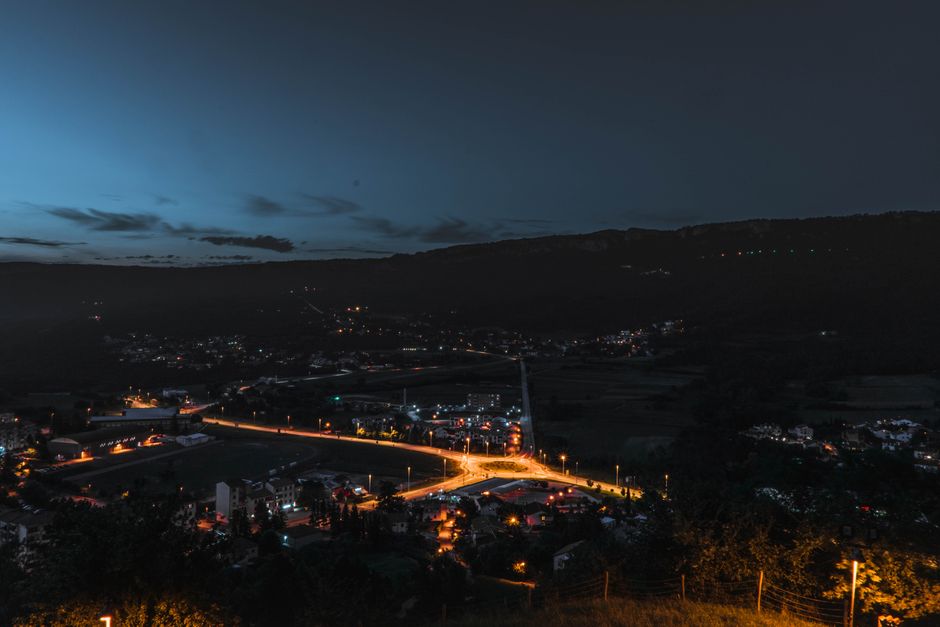
Let's be clear: Rila Monastery is not a nightlife destination. It's a place of quiet reflection, not partying. The nearby village of Rila has a few bars and cafes, but they are low-key and close early. The focus here is on the day, not the night. That said, there are a few spots where you can enjoy a drink and a quiet evening.
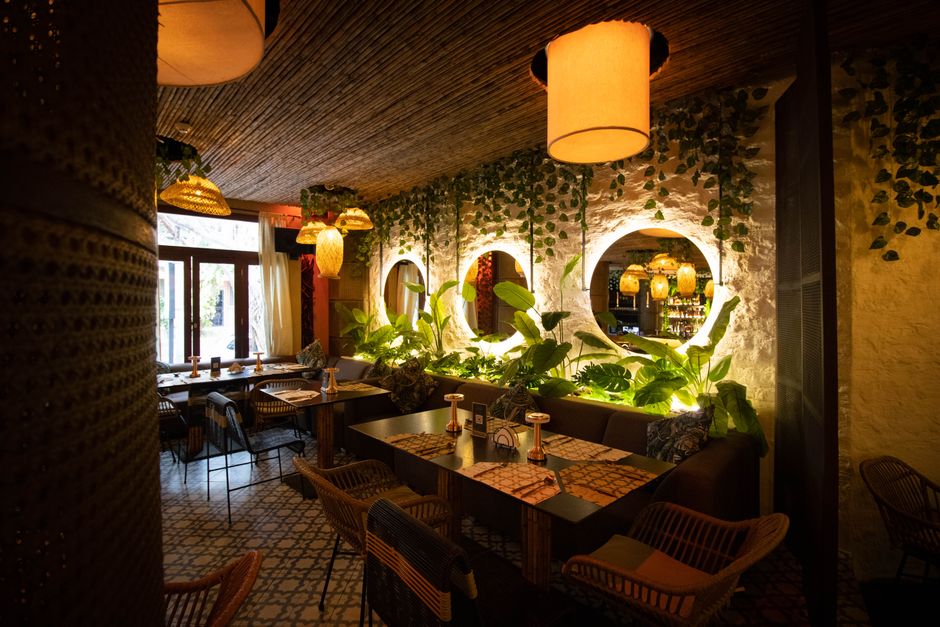
Hotel Rila has a small bar where you can have a drink and enjoy the view of the mountains. It's a peaceful spot, perfect for unwinding after a day of exploring. The drinks are reasonably priced, and the atmosphere is relaxed. You can also find a few small pubs in Rila, but they are not clubs or dance venues. They are places to have a beer and a chat with locals or other travelers.
If you're looking for nightlife, you'll need to head back to Sofia, which is about two hours away. Sofia has a vibrant nightlife scene, with bars, clubs, and live music venues. But in Rila, the night is for rest, not revelry. The silence of the mountains is a powerful thing, and it's best experienced in the dark, with the stars overhead.
Getting There & What to Expect
The nearest major city is Sofia, the capital of Bulgaria. Sofia is well-connected by air, with flights from major European cities. From Sofia, you can take a bus or a train to Rila. The bus journey takes about two hours, and the train journey takes about two and a half hours. Bus tickets cost around 5-10 EUR one way, and train tickets are similar. There are also organized tours from Sofia that include transportation and a guided tour of the monastery. These tours cost around 30-50 EUR per person.
If you're driving, the road from Sofia to Rila is well-maintained, but it can be winding and steep in places. Drive carefully, especially in winter. The monastery is located in the village of Rila, which is about 10 kilometers from the end of the main road. There is parking available near the monastery.
Accommodation options in Rila range from budget hostels to mid-range hotels. A budget hostel bed will cost you around 15-25 EUR per night, and a mid-range hotel room will cost around 40-60 EUR per night. There are also guesthouses and pensions available, which are often a good value. Book in advance, especially during peak season (June to September).
The best time to visit Rila Monastery is from May to October, when the weather is mild and the mountains are green. Winter can be beautiful, but the roads can be icy and the monastery may have reduced hours. Spring and autumn are also good times to visit, with fewer crowds and pleasant weather.
Expect crowds, especially on weekends and holidays. The monastery is a popular destination, so it's best to visit early in the morning or late in the afternoon. Dress respectfully, as it's a religious site. Shoulders and knees should be covered. Photography is allowed, but be respectful of the monks and other visitors.
Search accommodation in Rila on Booking.com →
The Weight of Stone
As I left Rila Monastery, the sun was setting behind the peaks, casting long shadows across the courtyard. The crowds had thinned, and the silence was returning. I walked back to the bus stop, my legs aching from the climb, my head full of images and impressions. It's not a perfect place. It's too commercialized, too crowded, too noisy. But it's also something more. It's a place that has survived, that has endured, that has held onto its soul through centuries of change. The stone walls, the frescoes, the chants of the monks — they are all testaments to that survival. It's a place that demands to be seen, to be felt, to be understood. And if you take the time to look past the postcard, you'll find something real. You'll find the heart of Bulgaria, beating strong, hidden in the mountains, waiting for you to discover it.
I sat on the bus ride back to Sofia, watching the mountains fade into the dusk. I thought about the monks, about their quiet lives, about the history that surrounds them. I thought about the crowds, about the selfies, about the noise. And I realized that it's all part of the same story. The past and the present, the sacred and the profane, all mixed together in a complex, messy, beautiful way. That's what makes Rila Monastery so powerful. It's not a museum. It's a living, breathing place, full of contradictions and surprises. And that's what makes it worth seeing. Not just for the architecture, not just for the history, but for the feeling. The feeling of being in a place that has meaning, that has weight, that has soul. That's the gift of Rila Monastery. It's a gift that keeps on giving, long after you've left.
Comments