


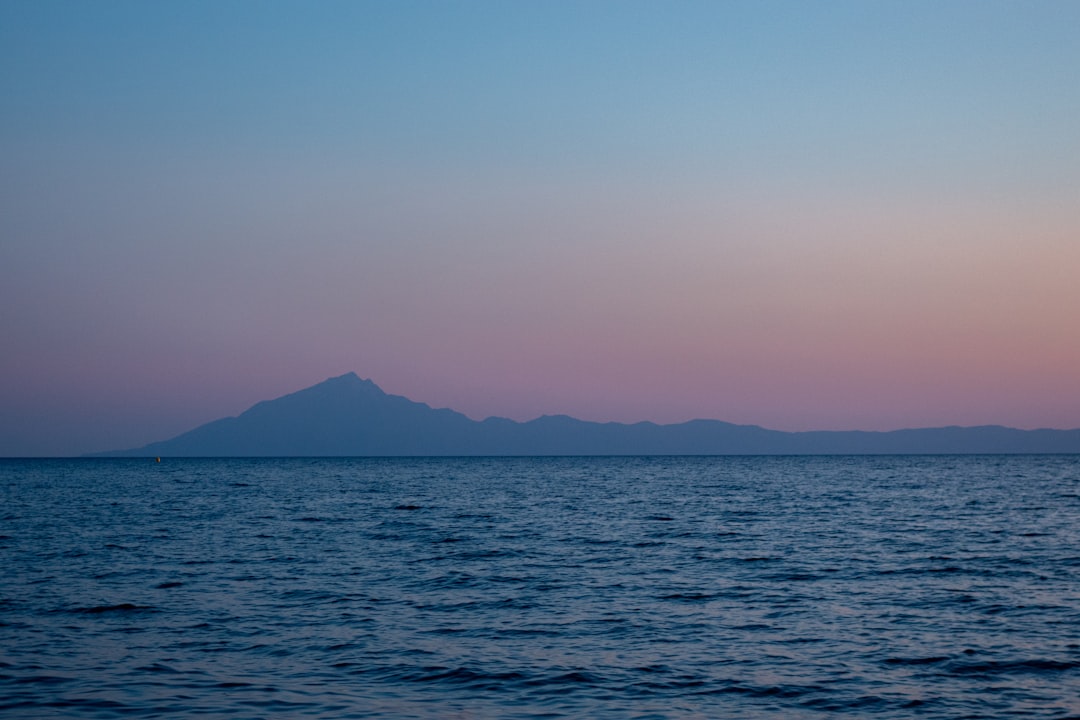
The salt air in Thessaloniki tastes like anticipation. I'm standing on the deck of a ferry, the Aegean Sea churning a violent, iron-grey beneath the hull. Around me, a strange mix of backpackers with dusty sneakers and elderly men in black cassocks clutch wooden crosses. We are heading for the Forbidden Zone. This isn't just a trip; it's an intrusion. Mount Athos is the only place on Earth where women are banned by law, and the air feels thick with the weight of that exclusion. The wind slaps your face, cold and indifferent. You realize quickly that this peninsula doesn't care about your Instagram feed. It demands silence. It demands surrender. I've spent three days here, and the silence is louder than the waves crashing against the cliffs.
Getting here is the first test. You need a diamonitirion, a special visa that takes months to get. You need to arrive at the port of Ouranoupoli or Dafni with no expectations. The moment the ferry docks at Karoules, the modern world dissolves. There are no cars, no phones, no noise. Just the crunch of gravel under your boots and the smell of incense and old stone. I walked into the first monastery, Vatopedi, and felt the weight of a thousand years pressing down on me. This is not a tourist destination. It is a living museum, a theocracy, and a spiritual fortress all at once. And it is brutally beautiful.
History & Identity
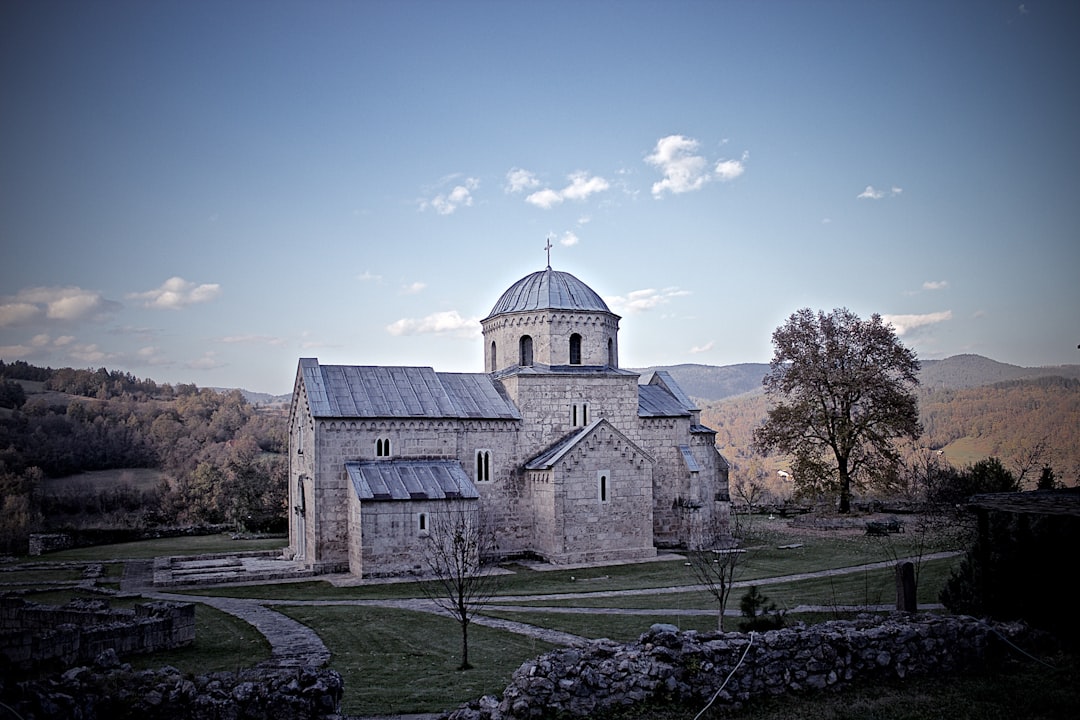
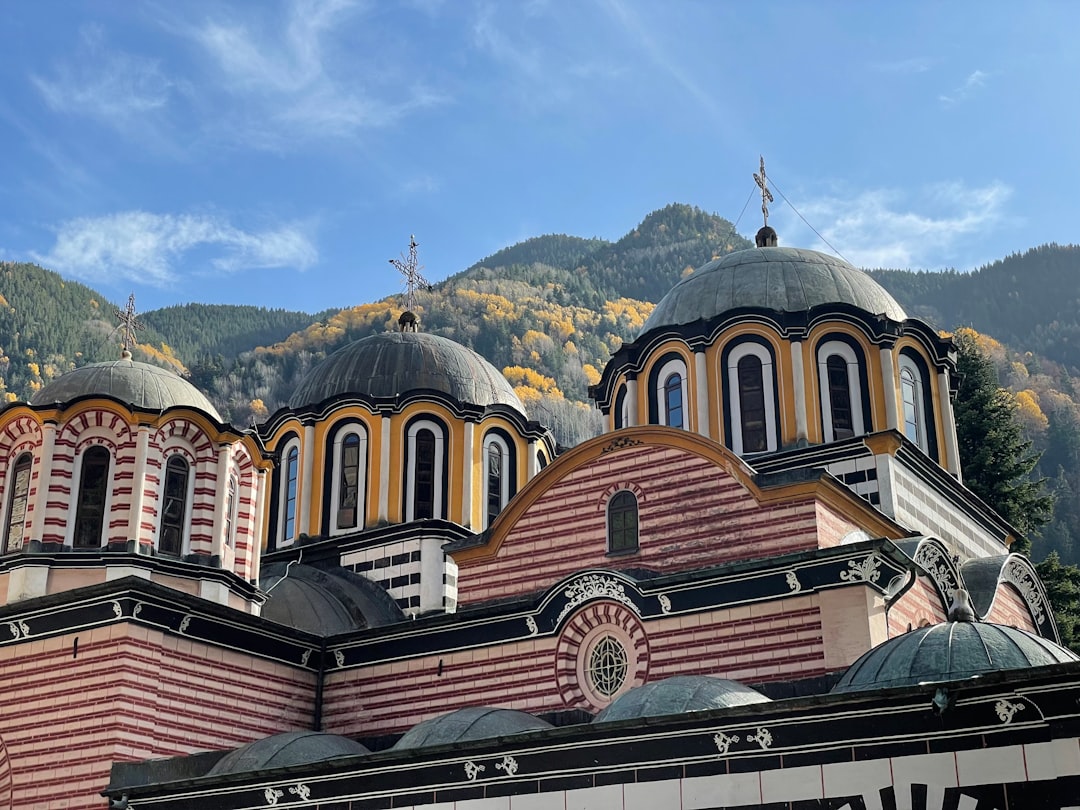
Mount Athos is a mountain, but it is also a country. Since the 10th century, this triangular peninsula has been an autonomous monastic state under Greek sovereignty. The Byzantine Emperors granted it independence to protect the monks from political turmoil, and that independence has lasted for over a millennium. The monasteries here are not just religious centers; they are architectural marvels, libraries, and fortresses. Each of the 20 monasteries has its own history, its own rules, and its own personality. They are governed by a Holy Community, and the only law that matters is the Orthodox Christian faith.
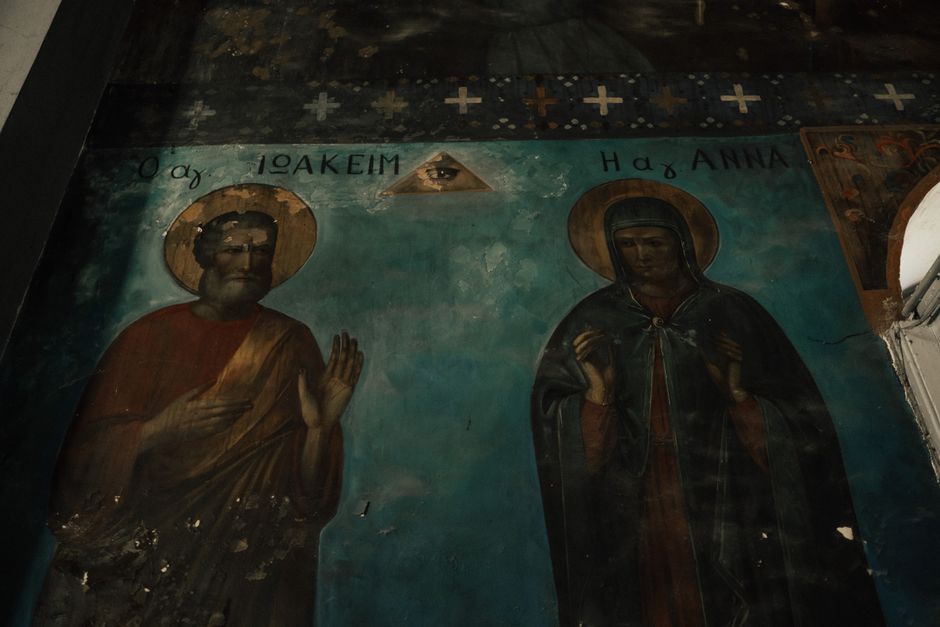
The identity of Athos is shaped by isolation. Cut off from the world by sea and by strict entry rules, the monks have preserved traditions that have vanished elsewhere. The frescoes in the churches are untouched by time. The manuscripts in the libraries are older than most nations. The daily rhythm of life is dictated by the liturgical calendar, not the clock. Walking through the streets of Karyes, the administrative capital, you see monks in black robes moving with a slow, deliberate pace. They are not rushing. They have eternity. The sense of history here is palpable. Every stone tells a story of faith, struggle, and survival.
Where to Go
Monastery of Vatopedi — The largest and most powerful monastery on Athos, located right at the entrance of the peninsula. It houses a miraculous icon of the Virgin Mary and a library with thousands of manuscripts. The architecture is imposing, with high walls and a massive courtyard. Entry is free for pilgrims, but donations are expected. Best visited early in the morning to avoid crowds.
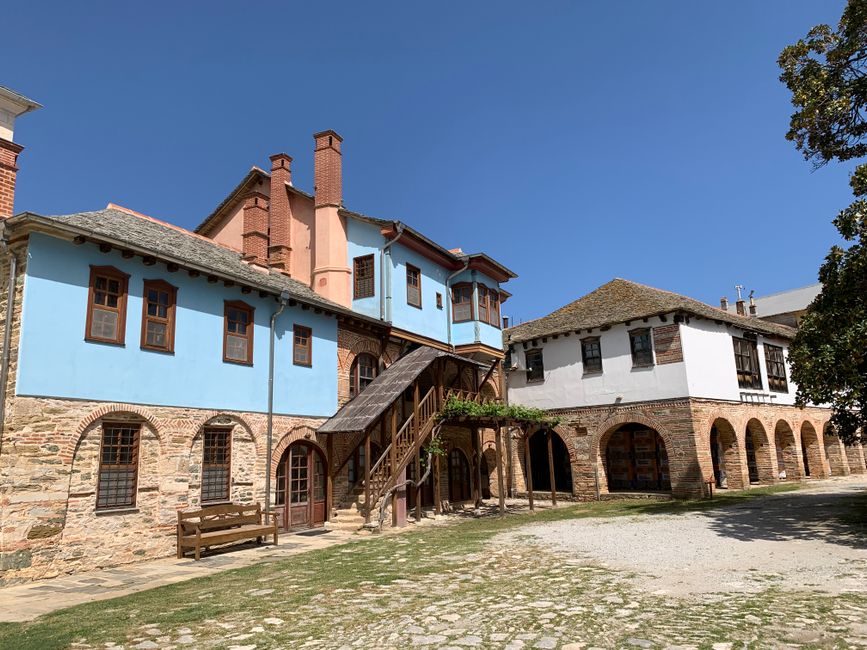
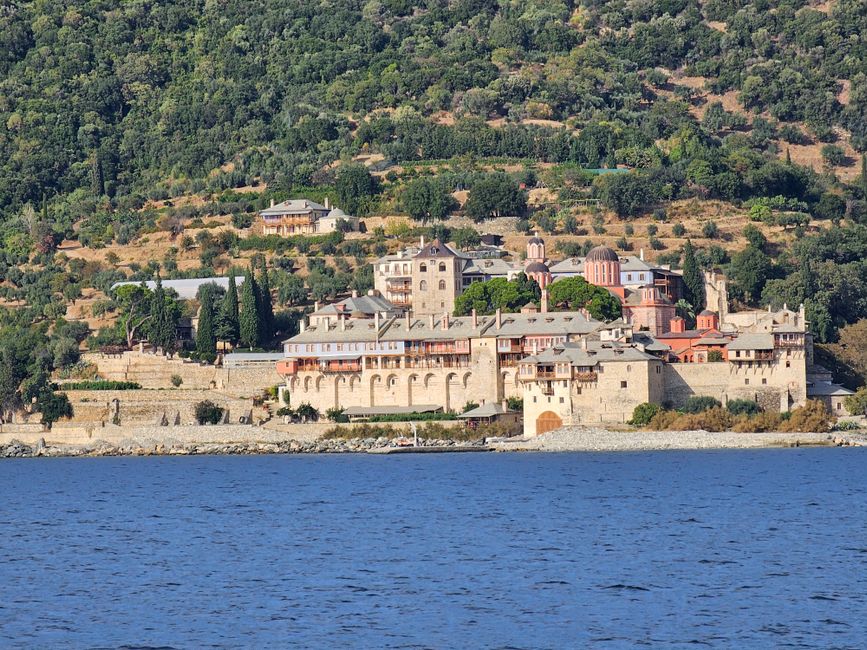
Monastery of Xeropotamou — Known as the "Dry River" monastery, it is famous for its hospitality and its library. The monks here are particularly welcoming to visitors, and the monastery is known for its beautiful frescoes and its collection of icons. The location is serene, overlooking the sea. Entry is free, but donations are encouraged. Best visited in the afternoon when the light is soft.
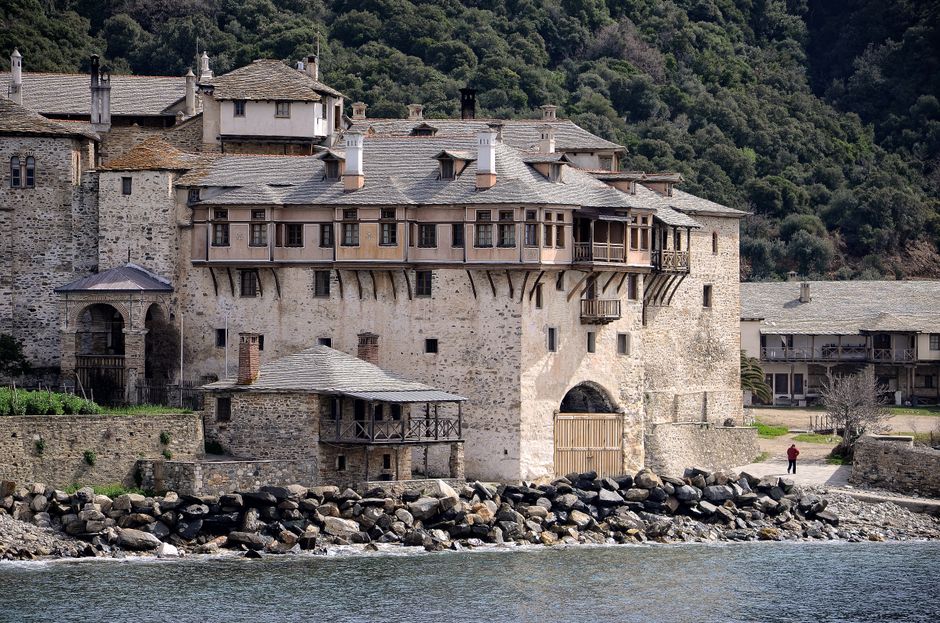
Monastery of Iviron — The only monastery on Athos that is not under Greek jurisdiction but is run by Georgian monks. It has a unique atmosphere, with a blend of Greek and Georgian traditions. The monastery is known for its beautiful garden and its collection of icons. Entry is free, but donations are expected. Best visited in the morning to see the garden in full bloom.
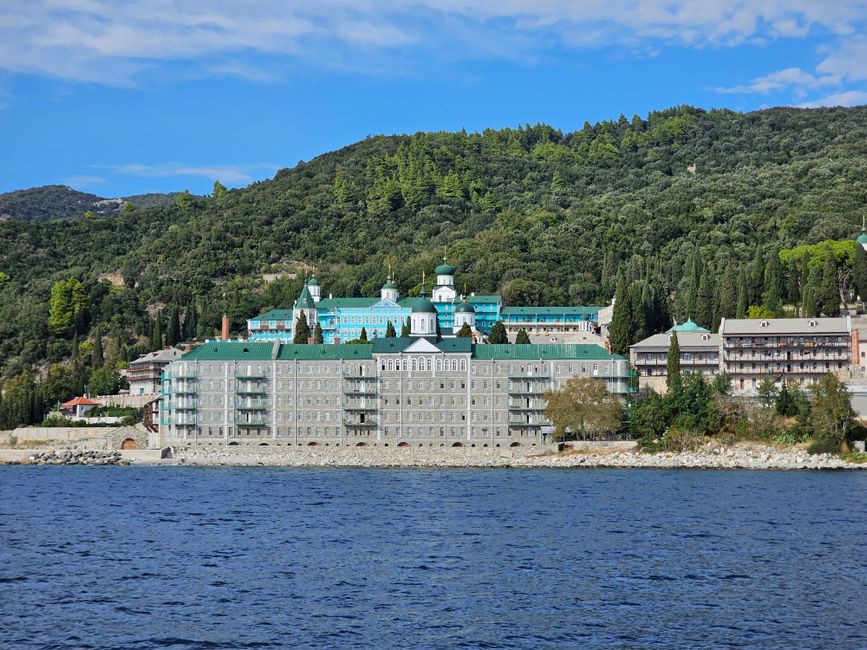
Skete of Zographou — A smaller monastic community, the skete is a quiet place for contemplation. It is known for its beautiful church and its collection of icons. The monks here are particularly hospitable, and the skete is a great place to experience the daily life of a monk. Entry is free, but donations are encouraged. Best visited in the afternoon when the light is soft.
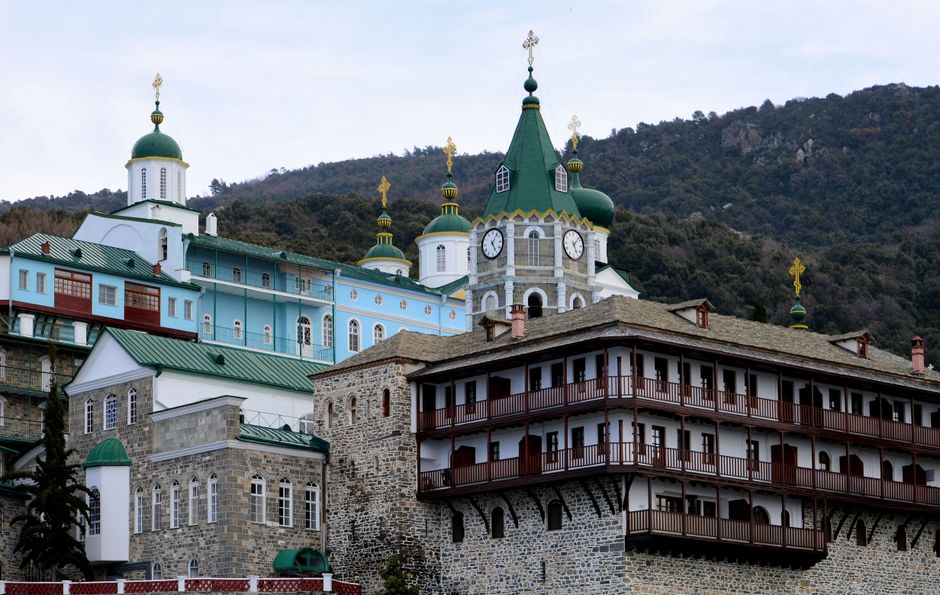
Agia Anna Skete — The only skete on Athos that allows women to visit. It is a unique place, offering a glimpse into the monastic life without the restrictions of the other monasteries. The skete is known for its beautiful chapel and its collection of icons. Entry is free, but donations are expected. Best visited in the morning to avoid crowds.
What to Eat & Drink
Food on Athos is simple, hearty, and deeply rooted in tradition. The monks follow a strict diet, with meat forbidden and fish allowed only on certain days. The meals are served in silence, with prayers before and after. The food is not gourmet, but it is satisfying. Typical dishes include lentil soup 2-3 EUR, stew with vegetables 3-5 EUR, and bread 1-2 EUR. The wine is local, and the coffee is strong. There are no restaurants, only monastic refectories. Budget travelers can expect to spend 5-10 EUR per day on food if they eat at the monasteries. Mid-range travelers can expect to spend 15-25 EUR per day if they eat at the few private taverns in Ouranoupoli.
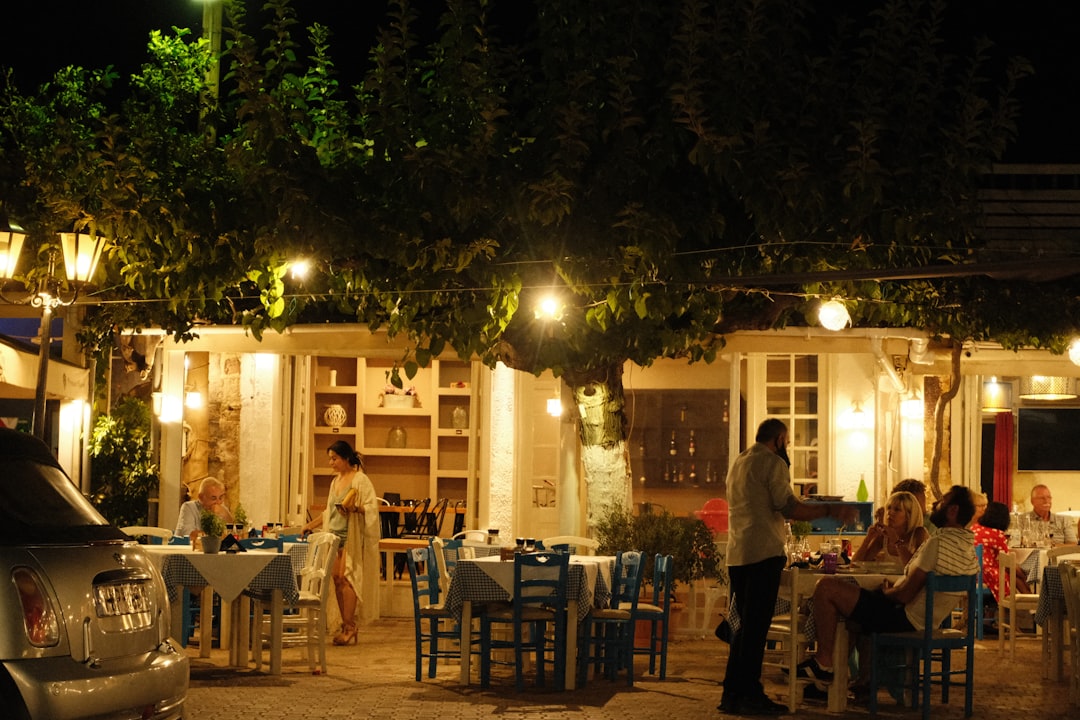
The best place to eat is at the monasteries themselves. The food is simple, but the atmosphere is unique. You sit with monks, eating in silence, listening to the chants of the liturgy. It is a spiritual experience as much as a culinary one. For a taste of local cuisine, head to the taverns in Ouranoupoli. Here, you can find grilled fish 10-15 EUR, moussaka 8-12 EUR, and salad 5-8 EUR. The taverns are simple, but the food is fresh and delicious. For a budget meal, try the pita 2-3 EUR sold by street vendors in Ouranoupoli.
Nightlife
Nightlife on Athos is non-existent. The monasteries close at night, and the streets are silent. There are no bars, no clubs, no music. The only sound is the wind and the waves. This is not a place for partying. It is a place for reflection. If you want nightlife, head to Thessaloniki. There, you can find bars and clubs on Tsimiski Street and Aristotelous Square. But on Athos, the night is for prayer and contemplation. The silence is profound, and it is a gift.
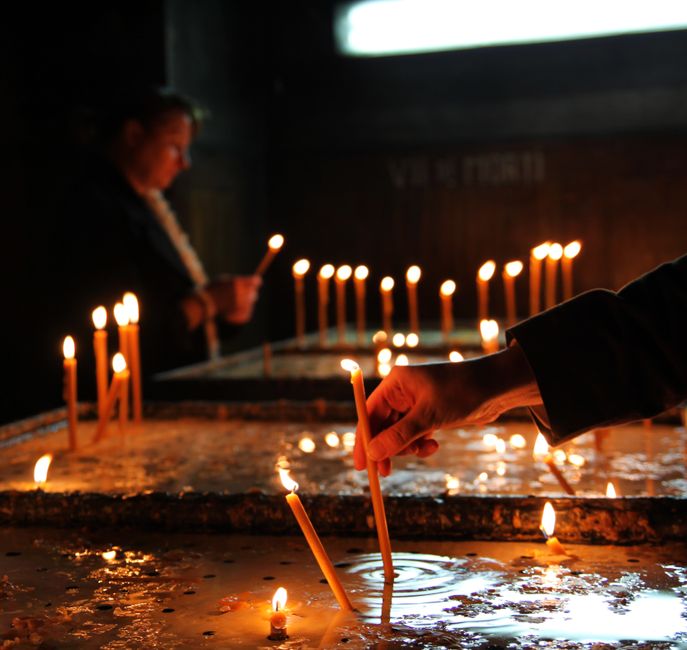
The only "nightlife" on Athos is the midnight liturgy. The monks gather in the church, singing chants in the darkness. The candles flicker, and the incense fills the air. It is a powerful experience, and it is something you will never forget. If you want to experience it, ask the monks for permission. They may allow you to stay for the service. It is a rare privilege, and it is one you should not take lightly.
Getting There & What to Expect
To reach Mount Athos, you must first fly to Thessaloniki. From there, take a bus to Ouranoupoli or Dafni. The bus takes about 1.5 hours and costs 5-10 EUR. From Ouranoupoli or Dafni, take a ferry to Karoules. The ferry takes about 1 hour and costs 10-15 EUR. You must have a diamonitirion to board the ferry. Without it, you will be turned away. Accommodation on Athos is limited. Most visitors stay in the monasteries, which offer free lodging in exchange for donations. Budget hostels in Ouranoupoli cost 20-40 EUR per night. Mid-range hotels cost 50-100 EUR per night. The best time to visit is from April to October, when the weather is mild and the ferries run regularly.
Expect to walk a lot. The terrain is rugged, and the paths are steep. Wear comfortable shoes and bring plenty of water. The monasteries are spread out, and you will need to hike between them. The air is clean, and the scenery is breathtaking. But the silence is the most striking feature. It is a silence that penetrates your soul. You will leave Athos changed. You will leave with a sense of peace that you have never felt before. And you will leave with a story that you will tell for the rest of your life.
Search accommodation in Ouranoupoli on Booking.com →
The Silence Remains
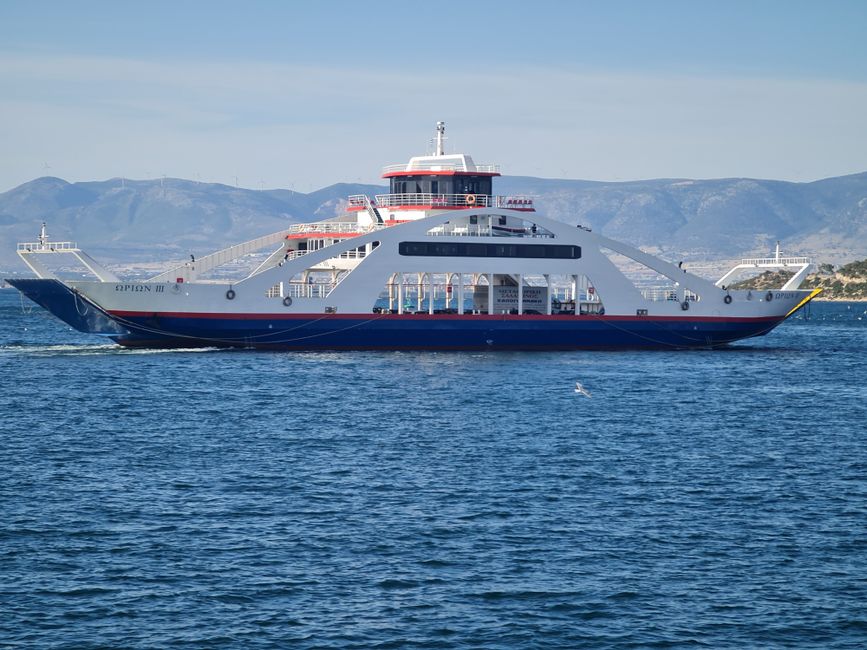
Stepping back onto the ferry at Karoules, the noise of the engine feels like an assault. The world rushes back in — the chatter of other passengers, the clatter of luggage, the hum of the diesel engine. I look back at the peninsula, shrouded in mist, and feel a pang of loss. The silence of Athos is not just an absence of sound; it is a presence. It is a weight that settles on your shoulders and stays with you long after you leave. I walked through the monasteries, saw the frescoes, tasted the simple food, and sat in the silence. And in that silence, I heard something I had been missing for years. Not a voice, not a message, but a stillness. A stillness that the modern world has forgotten. Mount Athos does not care about your plans, your deadlines, or your desires. It only asks for your presence. And in that presence, you might just find what you are looking for. Or you might just find the silence. Either way, it is worth the journey.
Comments