


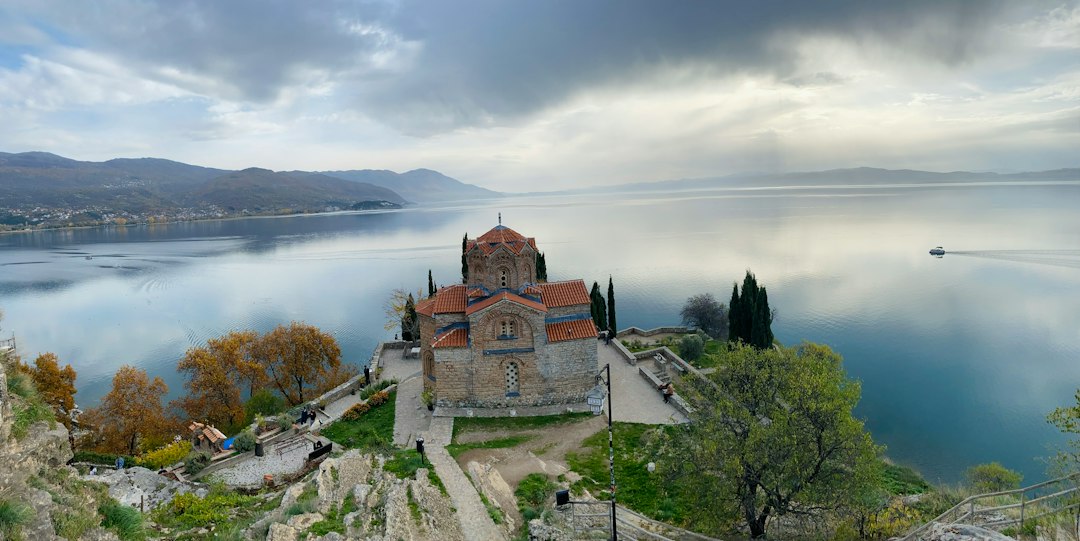
The Weight of the Mountain
The wind on Samuil’s Fortress Samuil's Fortress doesn't just blow; it interrogates. I’m standing on the crumbling battlements, my coat flapping like a broken wing, trying to ignore the fact that my hands are numb and the view of Lake Ohrid is so sharp it feels like it could cut glass. This isn’t a vacation. It’s a pilgrimage to the bones of the Balkans. Below me, the old town of Ohrid Ohrid sprawls like a mosaic of red tiles and white walls, clinging to the water’s edge with desperate grace. I’m here for the Mother of God Church, but honestly, I’m here because the silence in this city has a texture you can feel in your teeth. It’s heavy, ancient, and smells faintly of incense and cold stone.
They tell you Ohrid is a "jewel." It’s not. It’s a scar that healed into something beautiful. Every church, every monastery, every flickering candle in a dimly lit nave is a testament to people who refused to let their history be erased. I walked up here not to find peace, but to find the weight of what it means to carry a thousand years of prayer on your shoulders. And as I look down at the lake, which is older than the Alps and twice as deep, I realize that the real pilgrimage isn’t to a specific altar. It’s to the realization that you are tiny, and the stone is eternal.
History & Identity
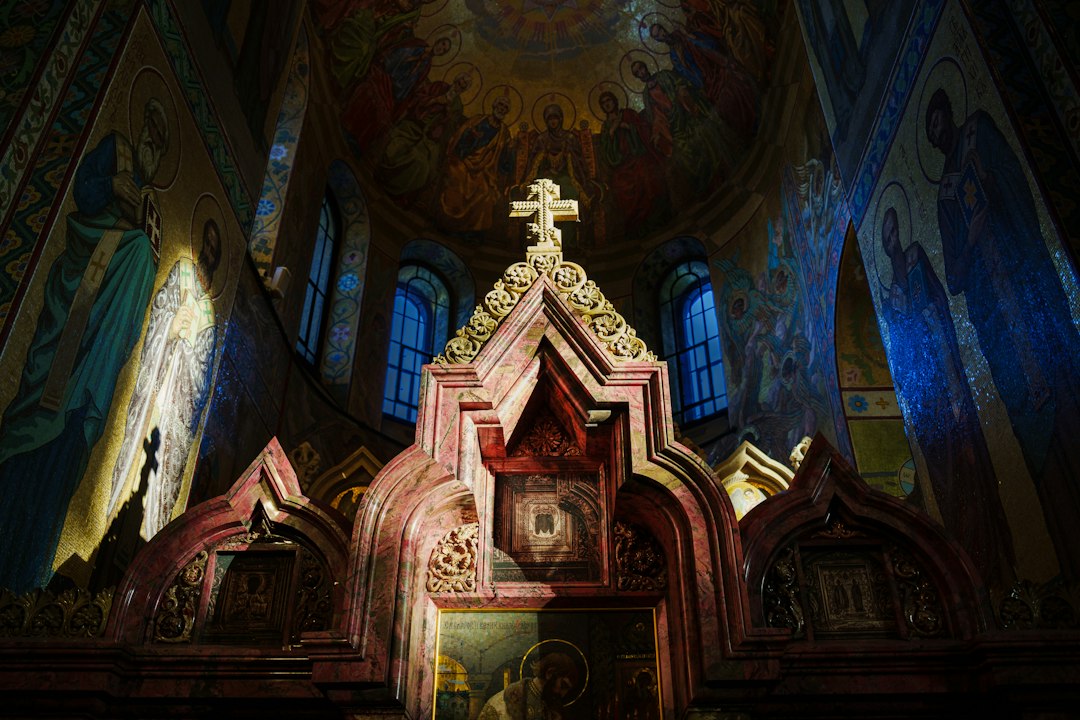
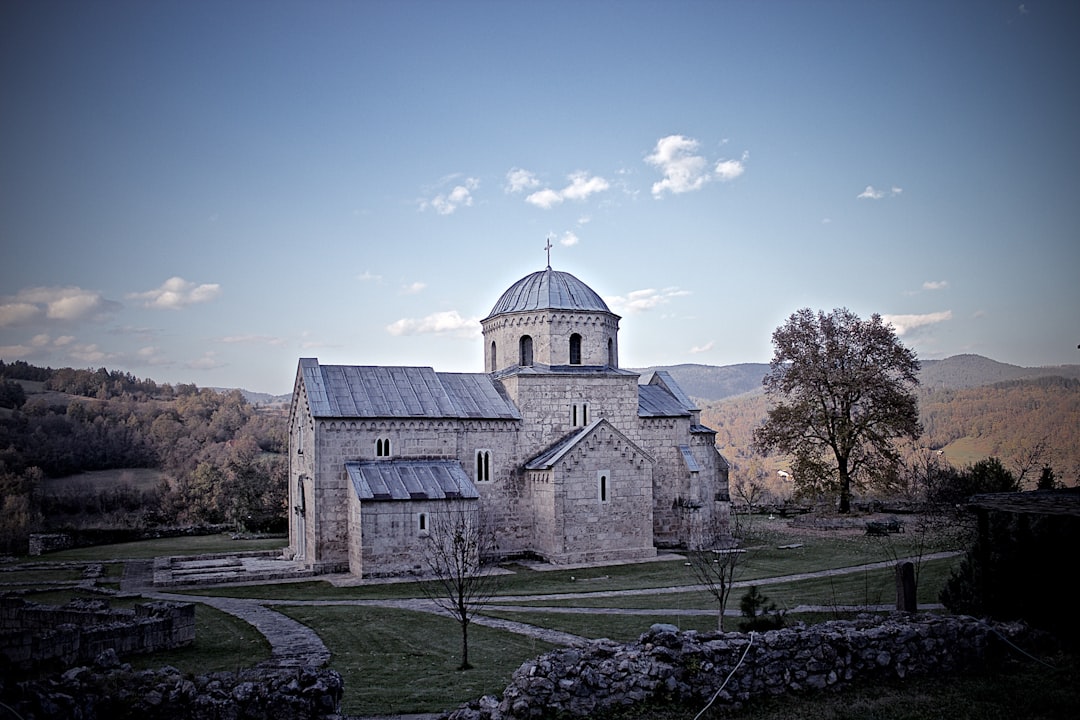
Ohrid is not just a city; it’s a living archive. For centuries, this was the cultural capital of the First Bulgarian Empire, the place where the Glagolitic alphabet was developed and the Slavic liturgy was born. The Church of St. Sophia Church of St. Sophia, Ohrid, often referred to by locals and visitors as the Mother of God Church due to its dedication to the Theotokos, stands as the cathedral of this intellectual and spiritual explosion. Built in the early 11th century, it wasn’t just a place of worship; it was a fortress of faith, a library, and a school. The walls themselves are thick with secrets, layered with frescoes that have survived wars, fires, and the slow erosion of time.
The identity of Ohrid is inextricably linked to the lake that cradles it. Lake Ohrid Lake Ohrid is a UNESCO World Heritage site in its own right, a biological wonder that holds species found nowhere else on Earth. The city’s history is a story of adaptation — of Byzantines, Ottomans, and Bulgarians all leaving their mark on the stone. The Church of St. Sophia was converted into a mosque during Ottoman rule, then back into a church, then a museum, and finally back to its spiritual role. This chameleon-like survival is the essence of Ohrid. It’s a place where layers of history are not buried but displayed, like the strata of the cliffs that rise behind the old town.
Where to Go
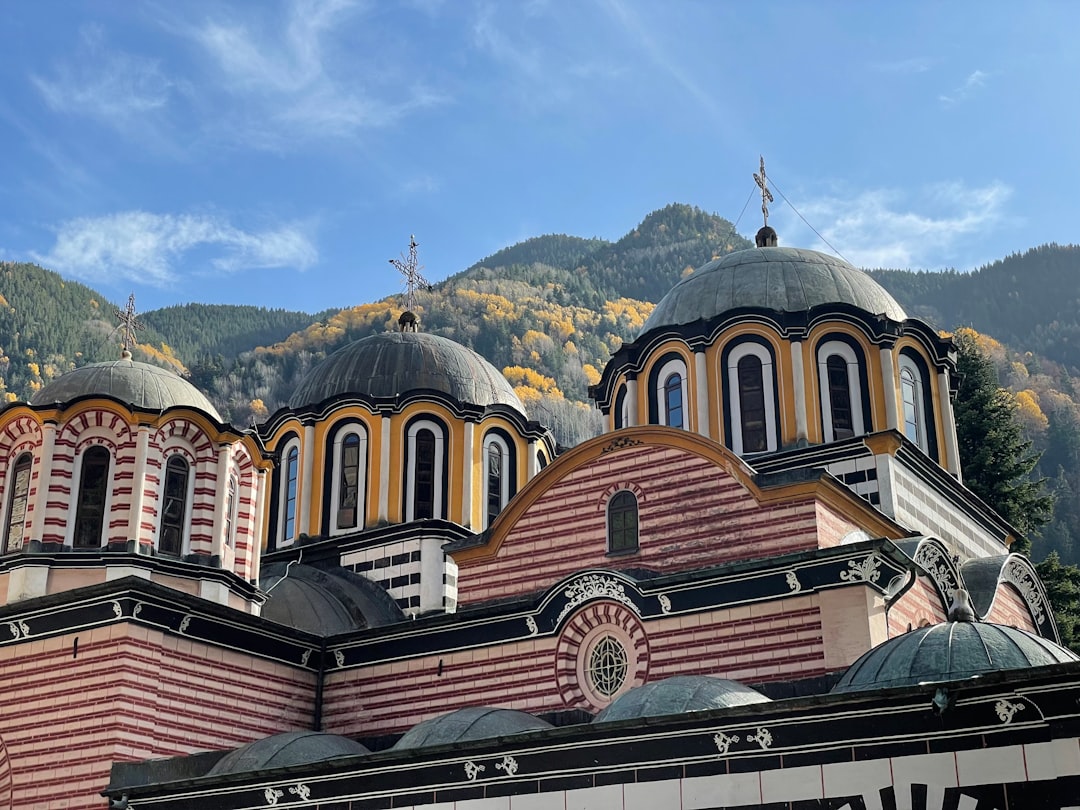
Church of St. Sophia — The heart of Ohrid’s spiritual life. This massive church, with its two towers and intricate frescoes, is the main attraction. The interior is a labyrinth of icons and paintings, dating back to the 11th century. The atmosphere is hushed, almost reverent, as you walk among the pillars. Entry is required, and the light filtering through the high windows creates a divine glow on the ancient walls. It’s not just a building; it’s a time machine.
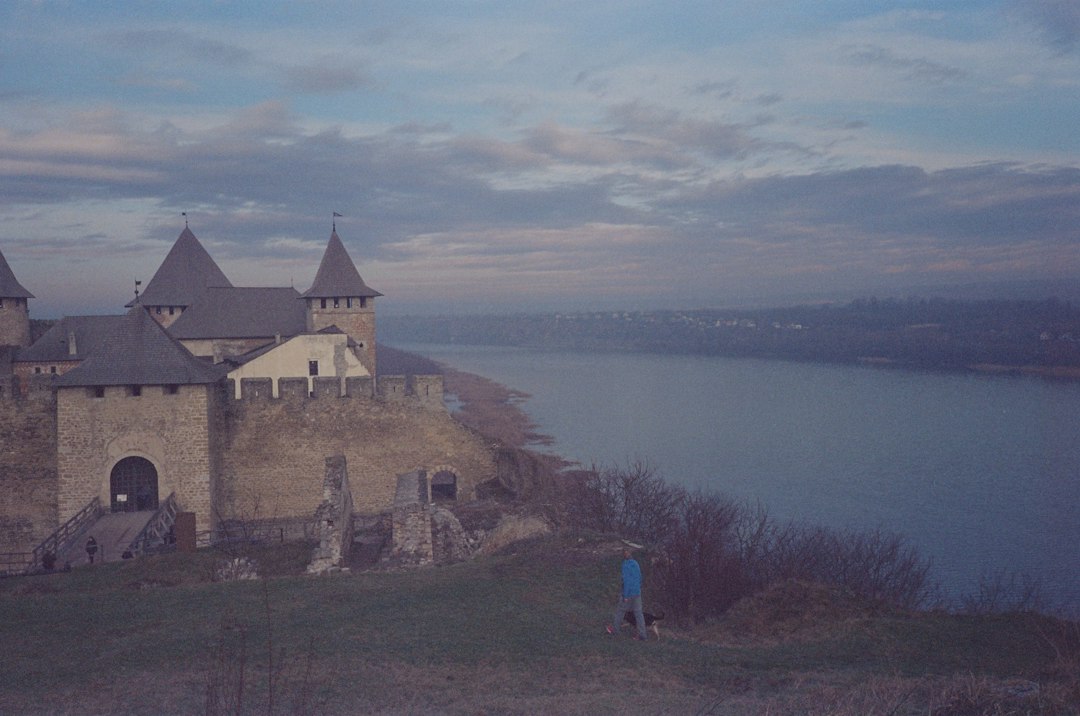
Samuil’s Fortress — Perched on the hill above the city, this fortress offers the best panoramic view of Ohrid and the lake. The walk up is steep, but the stone stairs and the ruins of the walls tell the story of medieval defense. From the top, you can see the entire old town spread out below, a mosaic of red roofs and narrow streets. It’s a perfect spot for sunset, when the light turns the lake into a sheet of gold.
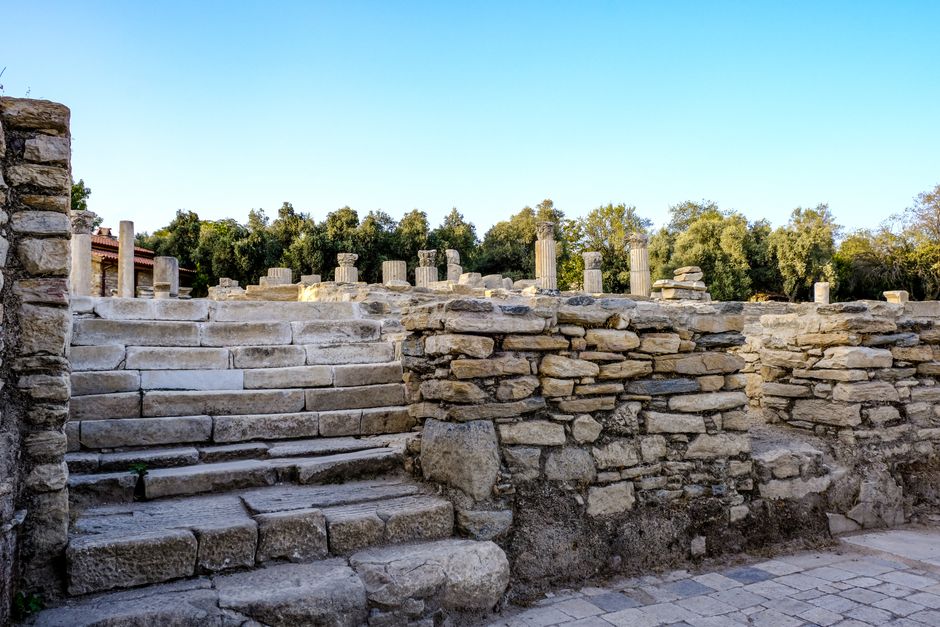
Plaošnik Archaeological Site — Located just next to St. Sophia, this is where the original cathedral of Ohrid stood. The ruins here are fascinating, with the foundations of the early medieval church still visible. It’s a quieter, more contemplative spot, where you can imagine the city as it was centuries ago. The site is well-preserved and offers a glimpse into the architectural history of the region.
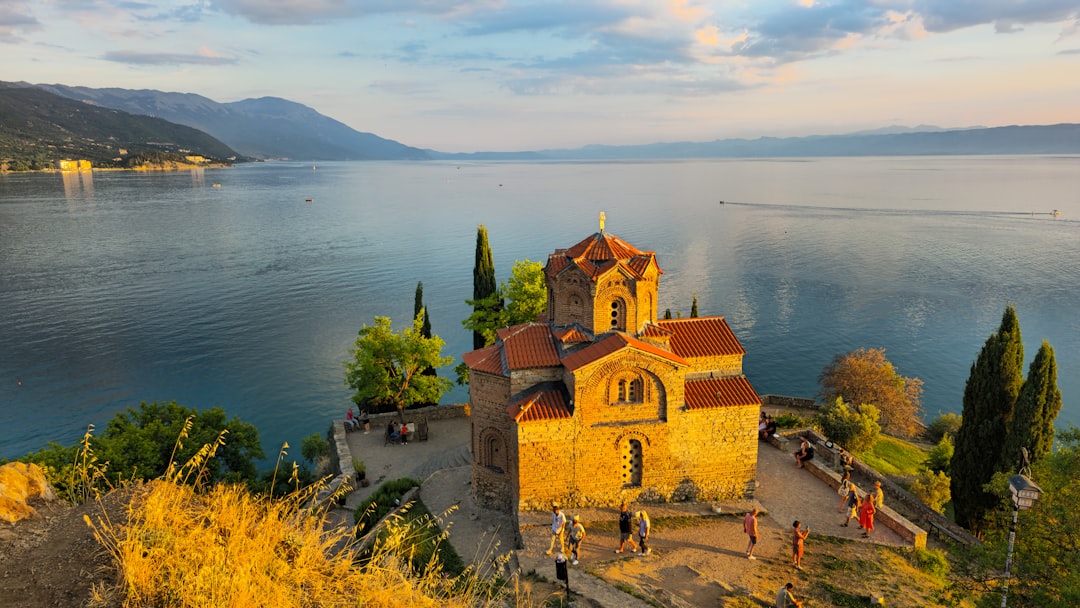
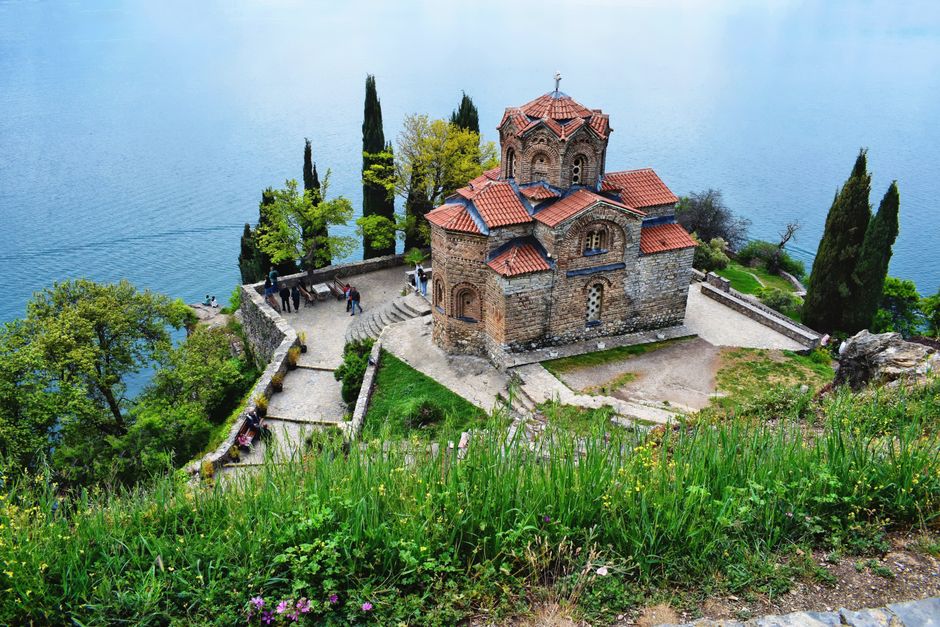
St. John at Kaneo — This small, picturesque church stands on a tiny island in the middle of Lake Ohrid. You can reach it by boat, and the view of the church against the backdrop of the lake is iconic. It’s a popular spot for photos, but it’s also a place of quiet beauty, away from the crowds of the old town. The church itself is small, but its location makes it unforgettable.
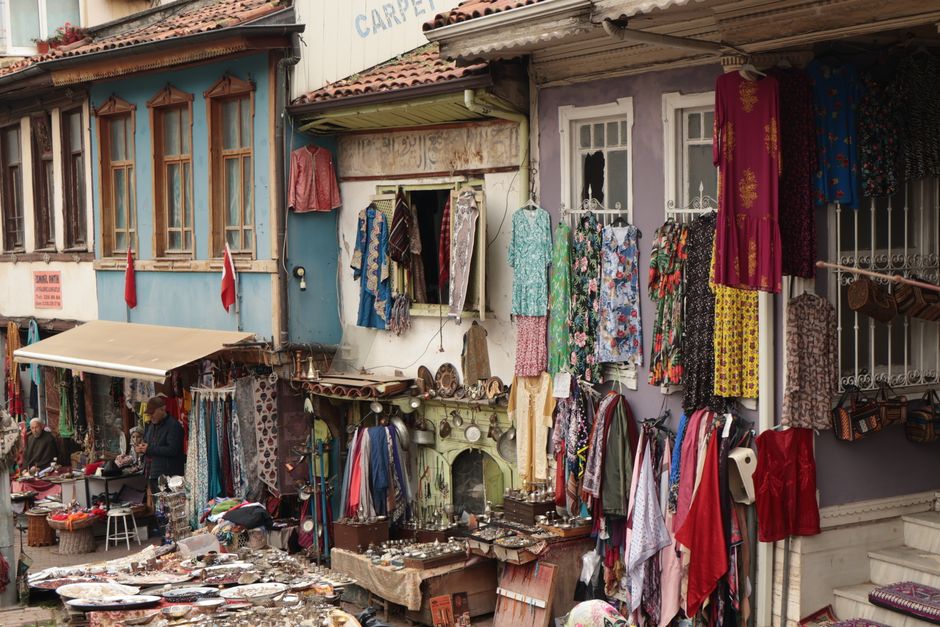
The Old Bazaar — A maze of narrow streets and colorful shops, the Old Bazaar is the commercial heart of Ohrid. Here, you can find handmade crafts, traditional clothing, and local delicacies. The atmosphere is lively, with the sound of haggling and the smell of spices filling the air. It’s a great place to lose yourself and discover hidden gems, from silver jewelry to intricate wooden carvings.
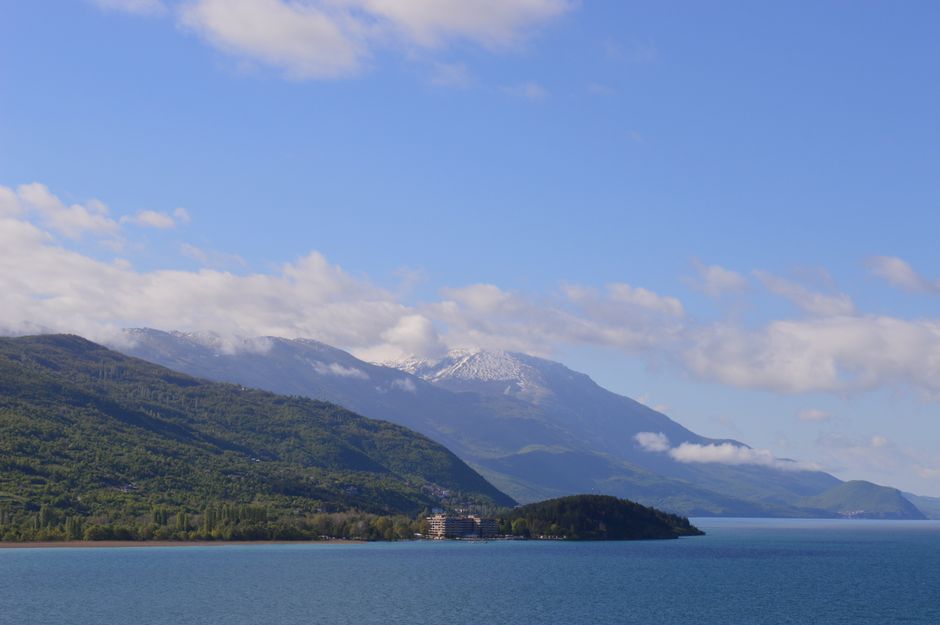
Galichica National Park — Just outside Ohrid, this national park offers hiking trails with stunning views of the lake and the surrounding mountains. The Galichica Galichica National Park range is known for its rich flora and fauna, and the trails are well-marked and suitable for all levels. It’s a perfect escape from the city, where you can breathe fresh air and enjoy the natural beauty of the region.
St. Panteleimon Monastery — Located on a hill overlooking the city, this monastery is one of the most important religious sites in Ohrid. The frescoes inside are exceptional, and the view from the monastery grounds is breathtaking. It’s a place of spiritual significance, but also a testament to the artistic heritage of the region. The monastery is open to visitors, and the peaceful atmosphere is a welcome respite from the hustle and bustle of the old town.
What to Eat & Drink
Ohrid’s cuisine is a reflection of its history, with influences from Ottoman, Greek, and Slavic traditions. The food is hearty, flavorful, and often served in generous portions. Here are some must-try dishes:
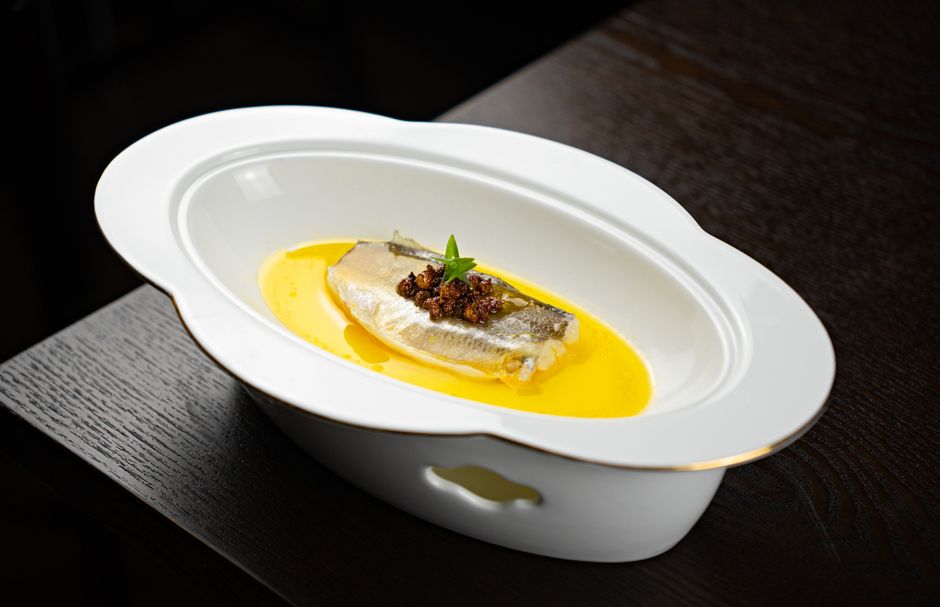
Fiš i Paprikash — A traditional fish dish made with carp from Lake Ohrid, served in a creamy paprika sauce. It’s a local specialty, and the fish is incredibly fresh. 8-12 EUR
Ohrid Trout — Another local favorite, this trout is grilled or fried and served with potatoes and greens. It’s a simple dish, but the quality of the fish makes it exceptional. 7-10 EUR
Moussaka — A layered dish of eggplant, potato, minced meat, and béchamel sauce. It’s a comfort food staple in the region, and Ohrid’s version is particularly rich and flavorful. 6-9 EUR
Šopska Salata — A fresh salad of tomatoes, cucumbers, onions, and peppers, topped with grated sirene cheese. It’s a perfect accompaniment to any meal. 3-5 EUR
Rakia — A strong fruit brandy, often made from plums or grapes. It’s a traditional drink in the region, and a small glass is the perfect way to end a meal. 2-4 EUR
For budget travelers, the Old Bazaar offers plenty of street food options, including roasted chestnuts, simit (sesame bread), and fresh fruit. 1-3 EUR Sit-down meals at local restaurants range from 8-15 EUR per person, while mid-range restaurants cost 15-25 EUR. The best place to eat is along the lakefront, where you can enjoy your meal with a view of the water.
Nightlife
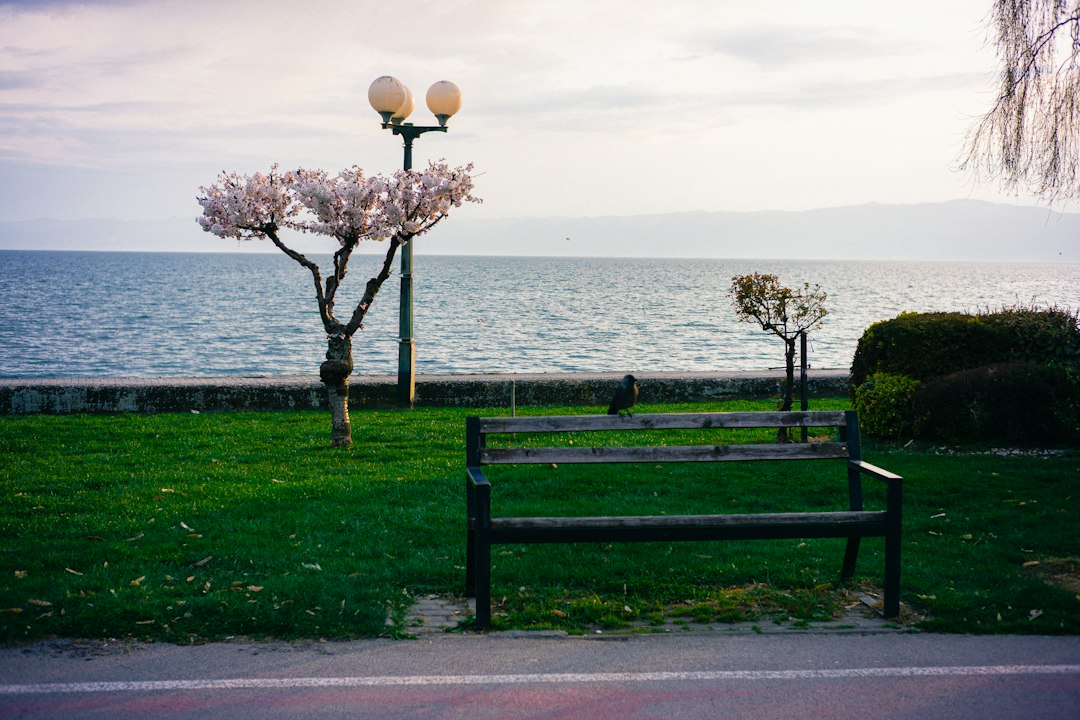
Ohrid’s nightlife is lively but not overwhelming. The main bar and club district is along the lakefront, where you’ll find a mix of cafes, bars, and clubs. The atmosphere is relaxed, and the music ranges from traditional folk to modern pop. Here are a few specific venues to check out:
Bar 1961 — A popular spot for locals and tourists alike, this bar has a relaxed atmosphere and a great selection of drinks. The music is usually live, featuring local bands. 5-10 EUR for drinks.
Club Luna — If you’re looking for a more energetic vibe, Club Luna is the place to go. It’s a popular club with a dance floor and a DJ playing a mix of electronic and pop music. 5-10 EUR for drinks.

Cafe 1900 — A cozy cafe with a historic ambiance, this is a great spot for a quiet drink and a conversation. The interior is decorated with vintage photos and artifacts, giving it a nostalgic feel. 3-6 EUR for drinks.

Getting There & What to Expect
The nearest airport is Ohrid St. Paul the Apostle Airport Ohrid Airport, which has limited connections. Most travelers fly into Skopje Alexander the Great Airport Skopje Alexander the Great Airport and then take a bus or taxi to Ohrid. The bus ride takes about 2 hours and costs around 10-15 EUR. Taxis are more expensive, costing around 50-70 EUR.
Once in Ohrid, the old town is best explored on foot. The streets are narrow and cobblestoned, and it’s easy to get lost in the maze of alleys. For accommodation, budget hostels cost around 20-40 EUR per night, while mid-range hotels range from 50-100 EUR per night. The best months to visit are May to October, when the weather is warm and the lake is at its most beautiful.
Search accommodation in Ohrid on Booking.com →
The Stone Remembers
As I leave the Church of St. Sophia, the sun is setting, casting long shadows across the old town. The candles inside the church are still flickering, tiny flames against the darkness. I feel a strange sense of peace, not because I’ve found answers, but because I’ve stopped asking questions. Ohrid doesn’t offer solutions; it offers presence. It’s a place where you can feel the weight of history, the depth of faith, and the beauty of survival. And as I walk back down to the lake, the wind still cold on my face, I know I’ll be back. Not for the view, but for the silence. The stone remembers, and so do I.

Comments