


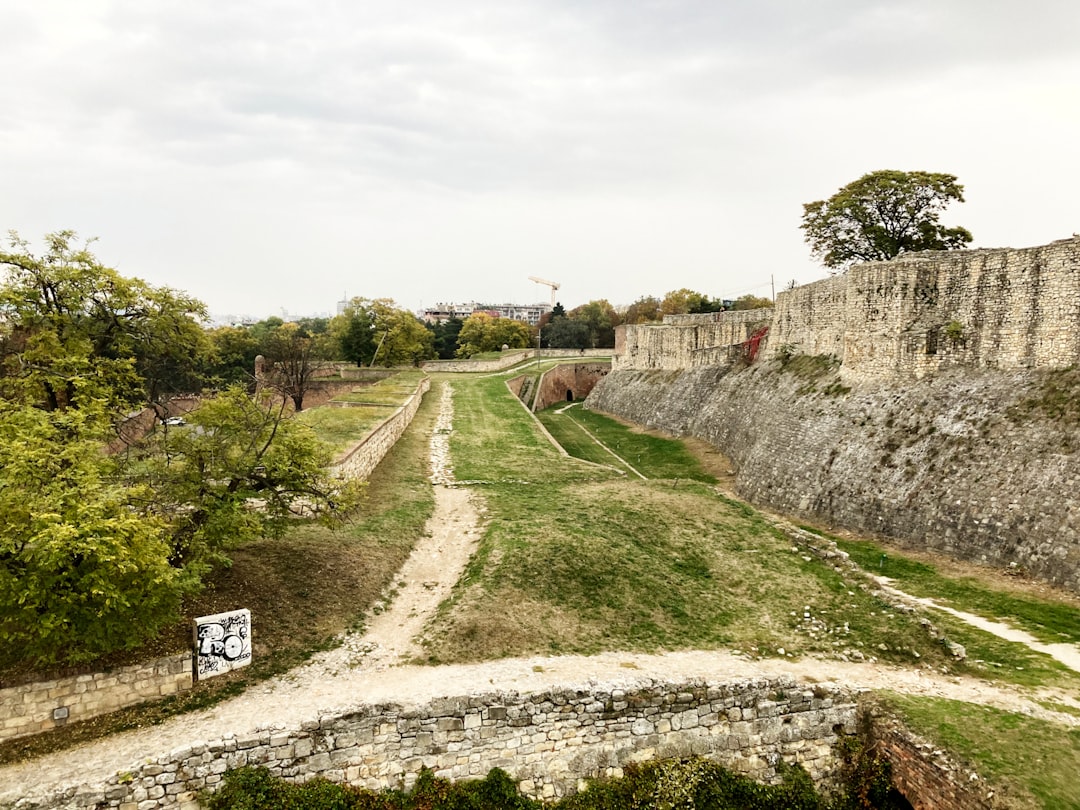
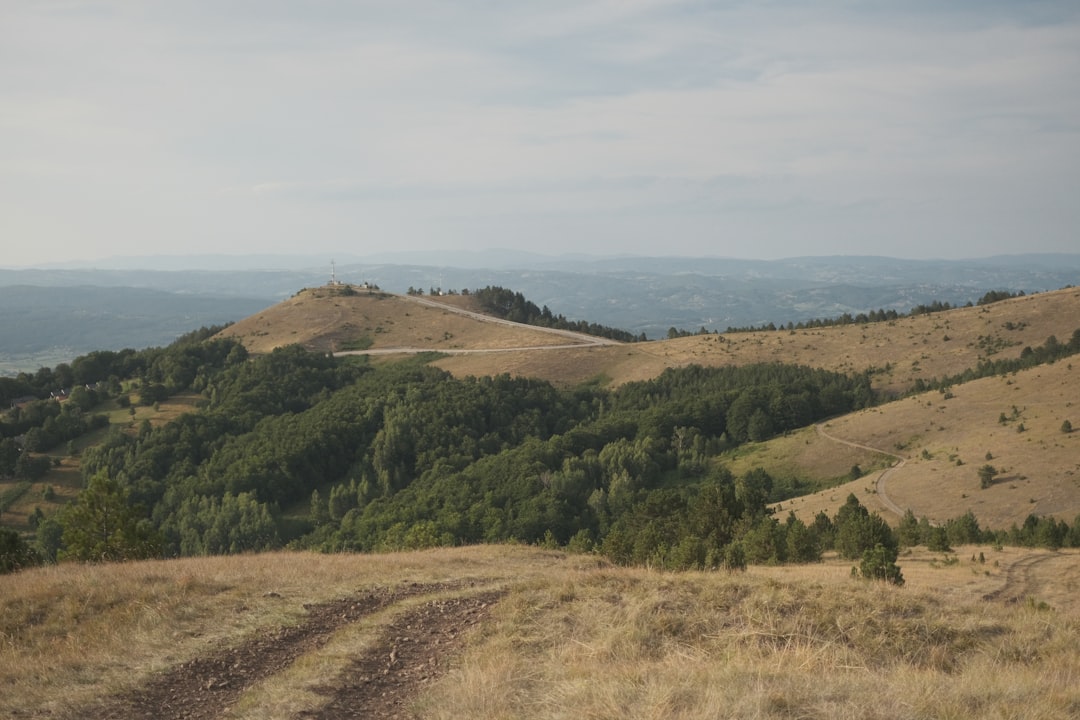
I am standing in the middle of a muddy field near Despotovac, chewing on a cigarette that tastes like wet ash, watching a tractor plow through what was once the spine of the Roman Empire. The rain in this part of Serbia doesn't fall; it attacks. It hammers down from a sky the color of bruised iron, turning the dirt into a slurry that sucks at my boots like a hungry mouth. I'm not here for the sun. I'm here because the ghosts of the Via Militaris are louder than the thunder, and I need to see if the empire really is dead or just sleeping under the wheat.
A local farmer in a rusted Yugoslav-era truck slows down, rolls down the window, and asks if I'm looking for trouble. I tell him I'm looking for Rome. He laughs, a dry, barking sound, and points a calloused finger toward the horizon where the old highway cuts a straight, unyielding line through the green chaos of the valley. "Rome is everywhere," he says. "But you won't find it in the museums. You find it in the dirt." He speeds off, leaving me with the mud, the rain, and the weight of two thousand years of history pressing down on my shoulders.
The Artery of the Empire
The Via Militaris wasn't just a road; it was the nervous system of the Roman world's eastern flank. Stretching from Sirmium (modern-day Sremska Mitrovica) to Constantinople, this military highway cut through the heart of the Balkans, connecting the Danube to the Aegean. In central Serbia, it passed through the fertile plains of Podunavlje and the rolling hills of the Šumadija region, linking major legionary camps and civilian settlements that thrived on the trade and movement of troops. It was built for speed, for the rapid deployment of legions, and for the projection of imperial power, and its legacy is still etched into the landscape of modern Serbia.
Unlike the glamorous ruins of Italy or Greece, the remains of the Via Militaris in Serbia are subtle, often hidden beneath modern asphalt, farmland, and centuries of sediment. You don't see grand arches or pristine marble columns here. Instead, you see the ghostly straight lines of old roads, the occasional fragment of a milestone, and the foundations of villas and baths that hint at a sophisticated urban life that existed long before the arrival of Slavic tribes. It is a history that requires a detective's eye and a willingness to get your hands dirty, but for those who look, the rewards are profound.
The road was paved with large, flat stones, laid in a way that allowed for efficient drainage and durability. In some sections, you can still feel the remnants of this ancient paving underfoot, a subtle bump in the earth that speaks of Roman engineering prowess. The road was flanked by mutae, or milestones, which marked distances and celebrated the achievements of emperors. While most of these markers have been lost to time or repurposed as building materials, a few survive, offering tangible links to the past.
Where to Go: Tracing the Stones
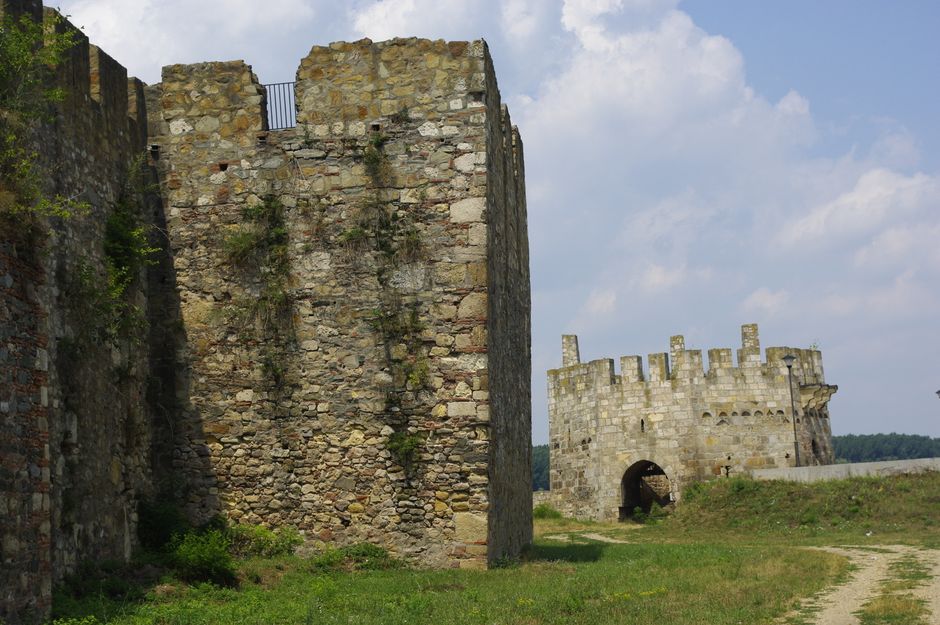
Ulpiana — One of the most significant sites along the route, Ulpiana was a major Roman city and administrative center in the region of Naissus (Niš). The archaeological park reveals the remains of a large basilica, public baths, and a forum, offering a glimpse into the urban life of the Roman province. The site is well-preserved and provides a clear sense of the scale and sophistication of Roman settlement in Serbia. Entry is typically around 3-5 EUR, and it is best visited in the morning to avoid the heat.
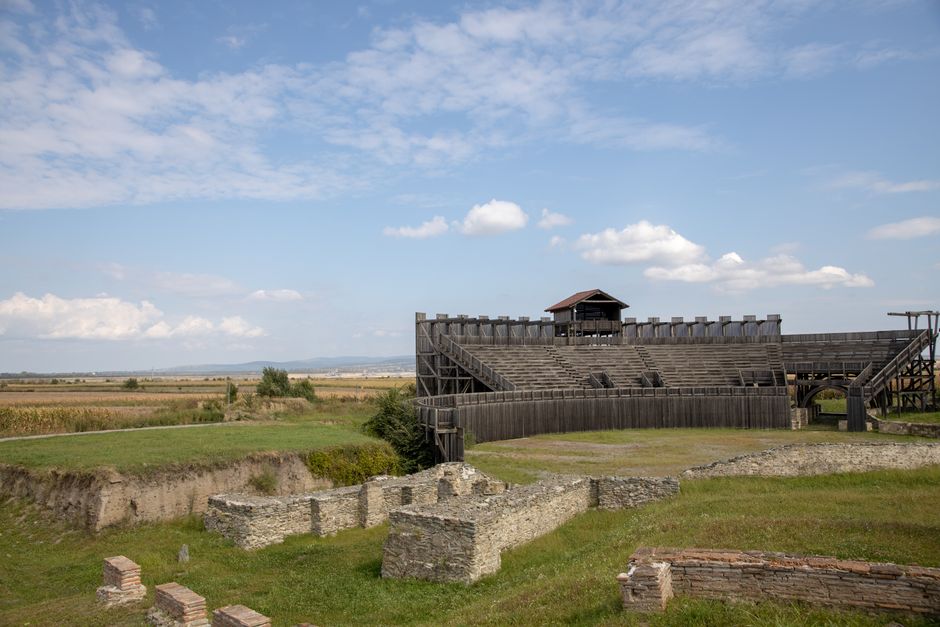
Felix Romuliana — Also known as Gamzigrad, this imperial palace complex was built by Emperor Galerius in the 4th century. It is a UNESCO World Heritage Site and one of the most impressive Roman monuments in the Balkans. The complex includes a temple, a palace, and a necropolis, all surrounded by fortified walls. The ruins are set in a stunning landscape, and the site is a testament to the power and wealth of the Roman Empire in its later years. Entry is around 5-8 EUR, and a guide is recommended to fully appreciate the history.
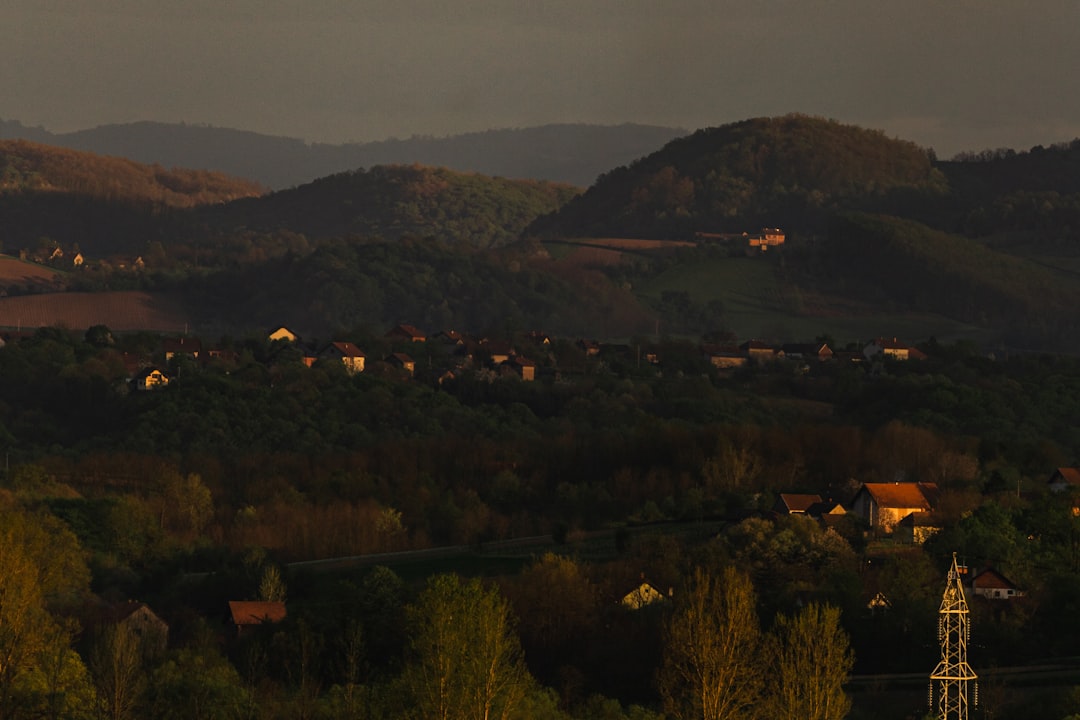
Sremska Mitrovica — The starting point of the Via Militaris, Sremska Mitrovica was the site of Sirmium, one of the largest cities in the Roman Empire. Today, it is a modern town with a rich archaeological heritage. The Archaeological Museum houses an impressive collection of Roman artifacts, including mosaics, sculptures, and inscriptions. The town also has several well-preserved Roman ruins, including the remains of a basilica and a necropolis. It is a great place to start your journey, with plenty of accommodation and dining options.
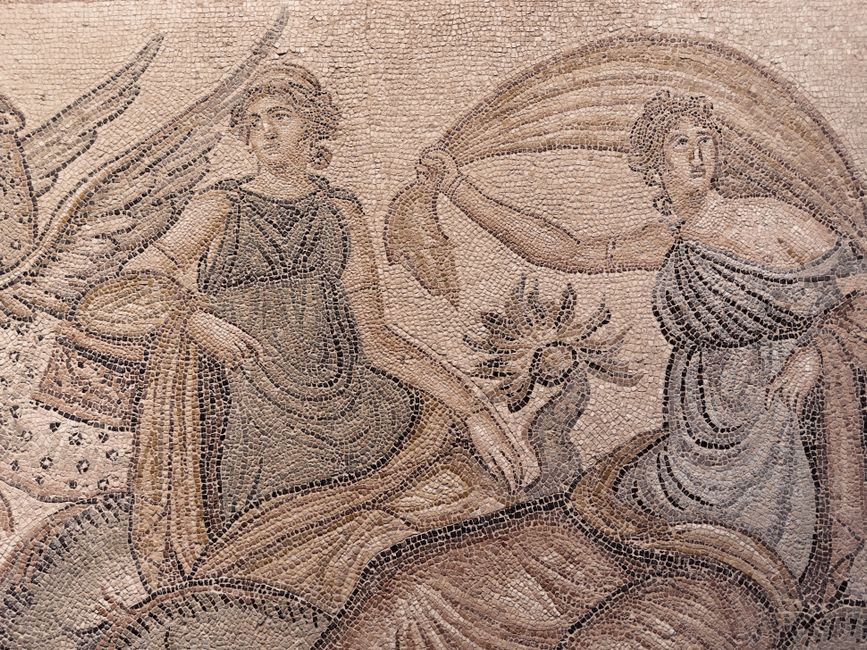
Viminacium — Located near Kragujevac, Viminacium was a major Roman military camp and city. The archaeological site includes the remains of a fortress, a civilian town, and a necropolis. The site is particularly notable for its large number of well-preserved tombs, which provide insight into the daily lives of the people who lived and died here. The Viminacium Museum displays finds from the site, including weapons, pottery, and jewelry. Entry is around 2-4 EUR.
Naissus (Niš) — Niš is the birthplace of Emperor Constantine the Great and one of the oldest cities in Europe. The city has a rich Roman heritage, with several well-preserved ruins, including the Mediana archaeological site, which was a large Roman villa and residential area. The City Museum in Niš houses a collection of Roman artifacts, and the city's Freedom Monument stands as a modern tribute to the region's turbulent history. It is a vibrant city with a lively food and cultural scene.
What to Eat & Drink
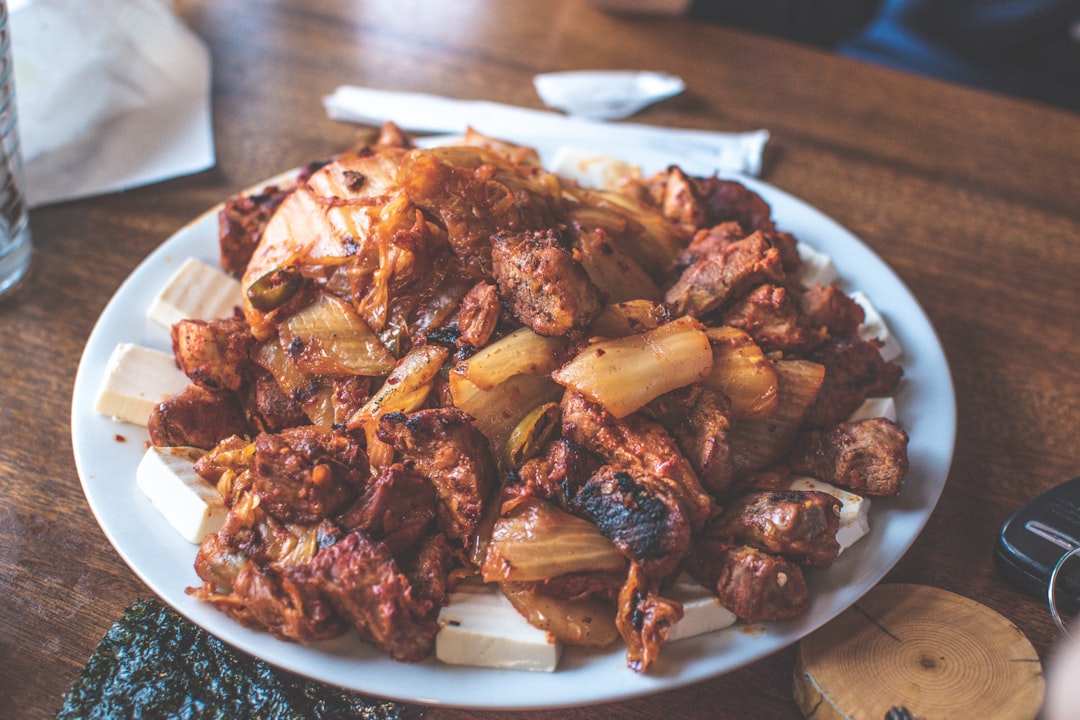
The culinary landscape of central Serbia is a hearty reflection of its agricultural roots and historical crossroads. You won't find delicate, fussy cuisine here; instead, you'll find food that is meant to fuel the body and warm the soul. Ćevapi — grilled minced meat sausages served with flatbread and onions — are a staple, costing around 3-5 EUR for a portion. Pljeskavica — a large, juicy burger-style patty — is another favorite, often served with a variety of toppings and costing 5-8 EUR. Šopska salata — a refreshing mix of tomatoes, cucumbers, onions, and bell peppers topped with sirene cheese — is a common side dish, priced at 2-4 EUR.
For a more substantial meal, try Arnaut čorba — a rich, spicy meat soup — or Karađorđeva šnicla — a breaded and fried pork cutlet stuffed with cheese and ham. These dishes are typically found in local konobas (taverns) and can cost 8-15 EUR per person. For a sweet finish, Pita — a flaky pastry filled with cheese, meat, or spinach — is a must-try, with slices costing 1-2 EUR.
In Belgrade and Niš, the Skadarlija and Stara Varoš districts respectively are known for their traditional restaurants and lively atmosphere. Here, you can find a wide range of Serbian cuisine, from classic dishes to modern interpretations. For budget travelers, street food and take-away options are plentiful, with meals costing under 5 EUR. Mid-range restaurants typically charge 15-25 EUR per person, while high-end dining can cost 30-50 EUR or more.
Nightlife
The nightlife in central Serbia is vibrant and diverse, ranging from traditional konobas to modern clubs and bars. In Belgrade, the Skadarlija district is a bohemian quarter filled with traditional restaurants and live music venues, where you can enjoy folk music and local wines. The Dorćol and Vračar neighborhoods are known for their trendy bars and clubs, with a mix of electronic, rock, and pop music. Cover charges at clubs typically range from 5-15 EUR, and drinks cost 3-8 EUR.
In Niš, the Stara Varoš district is the heart of the city's nightlife, with a concentration of bars and clubs along the Nišava River. The City Center also has several popular venues, including the Nišville Jazz Festival venue, which hosts events year-round. In Kragujevac, the City Park area is a popular spot for young people, with several bars and cafes offering live music and a relaxed atmosphere.
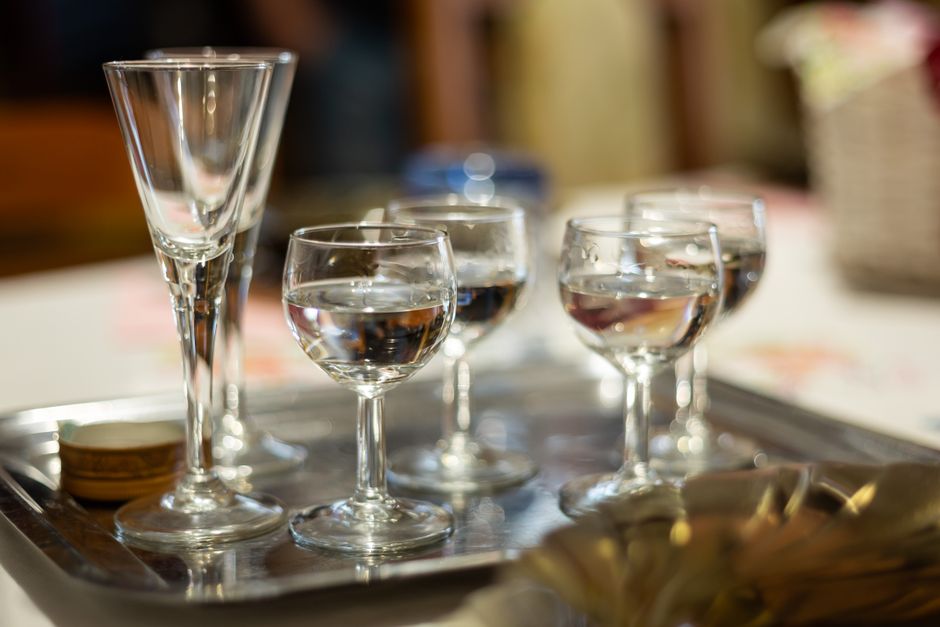
The drinking culture in Serbia is strong, with Rakija (fruit brandy) being a national favorite. Lozovača (grape rakija) and Dunja (quince rakija) are particularly popular, and shots cost around 2-4 EUR. Beer is also widely consumed, with local brands like Jelen and King being staples. Nightlife in Serbia tends to start late, with clubs not getting busy until after midnight, and the party going on until the early hours of the morning.
Getting There & What to Expect
The nearest major international airport is Nikola Tesla Airport in Belgrade, with direct flights from many European cities. From Belgrade, you can reach the main sites along the Via Militaris by bus, train, or car. The journey to Niš takes about 4-5 hours by car or bus, costing around 10-15 EUR for a one-way bus ticket. Trains are also available, with journey times of 6-7 hours and tickets costing 15-25 EUR. Car rentals are available at the airport for around 30-50 EUR per day, and this is the most convenient option for exploring the region at your own pace.
Accommodation options range from budget hostels to mid-range hotels and luxury resorts. In Belgrade, budget hostels cost around 20-40 EUR per night, while mid-range hotels charge 50-100 EUR per night. In Niš, prices are slightly lower, with hostels costing 15-30 EUR and mid-range hotels 40-80 EUR per night. Camping is also an option in some areas, with sites costing 5-10 EUR per night. The best time to visit is from April to October, when the weather is mild and the archaeological sites are fully accessible. Winter can be cold and snowy, but it offers a different, quieter perspective on the ruins.
Search accommodation in Belgrade on Booking.com →
The Weight of the Road
As I pack up my gear in the fading light, the rain has stopped, leaving the air crisp and clean. The field I was standing in earlier now glistens under the moonlight, the mud solidifying into a hard, dark crust. I look down at my boots, caked in the earth of the Via Militaris, and I feel a strange sense of connection to the soldiers, merchants, and emperors who walked this path before me. They are gone, their empires turned to dust, but the road remains, a silent witness to the passage of time.
I light another cigarette, the flame flickering in the breeze, and I think about the farmer's words. "Rome is everywhere," he said. And he was right. It's in the stones, in the soil, in the stories of the people who live here. It's in the straight lines of the roads, the ruins of the cities, and the quiet dignity of the landscape. The Via Militaris is not just a road; it's a thread that weaves through the fabric of Serbian history, connecting the past to the present, and reminding us that even the mightiest empires are fleeting, but the land endures.
I turn back toward the road, the gravel crunching under my feet, and I start walking. The ghosts of the Via Militaris are still with me, whispering in the wind, telling their stories of glory and decay, of power and loss. And I am listening, my heart beating in time with the rhythm of the road, a traveler in a land where history is not just written in books, but etched into the very earth.
Comments