


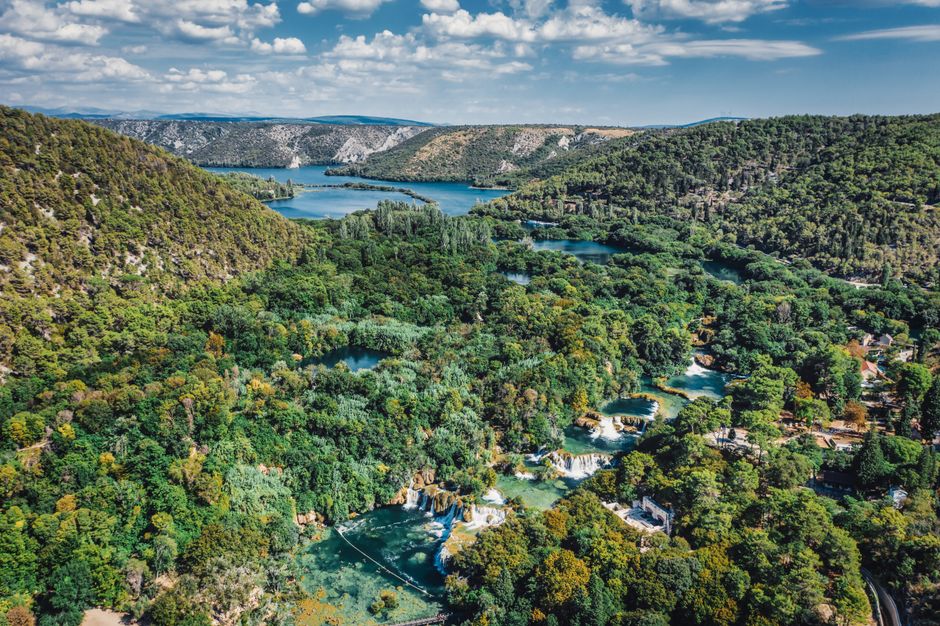
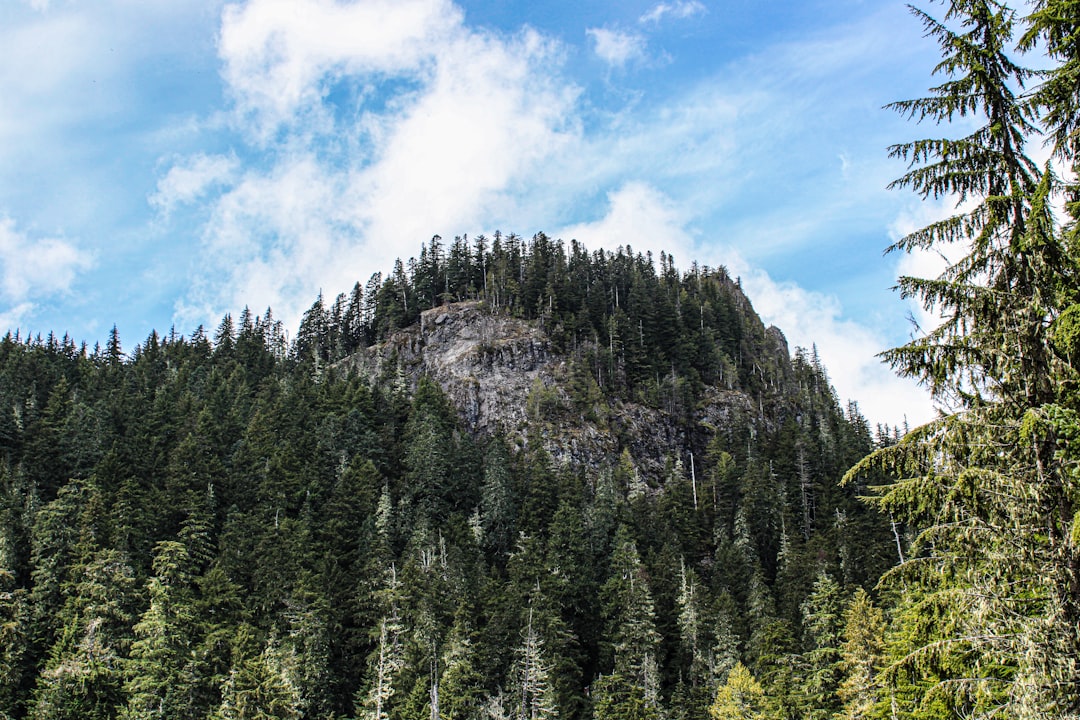
The air up here doesn't just smell like pine; it smells like wet slate and old sweat. I am sitting on a jagged rock face at 2,000 meters, my legs trembling not from exertion, but from the sheer, unadulterated dampness of the Velebit mountain range. Below me, the clouds are not a weather phenomenon; they are a physical barrier, a churning white ocean that erases the world I came from. I had promised myself I would stick to the tourist trail, that I would play it safe. That was three hours ago, before I met a local shepherd who laughed at my map and pointed me toward a goat path that barely qualifies as a trail. Now, the rain is coming down in sheets, cold enough to seep through my jacket, and I am questioning every life choice that led me to this specific, miserable, magnificent spot in Croatia.
This is the Lika region. It is not the sun-drenched Adriatic coast with its polished marinas and expensive cocktails. This is the spine of the country. It is rugged, indifferent to human comfort, and utterly raw. To understand Plitvice Lakes National Park, you have to leave the boardwalks behind and climb into the teeth of the mountains that feed those lakes. I am here to trace the water from its source in the high peaks down to the famous terraces, and the journey is a brutal, beautiful education in humility.
The Roof of Croatia
The drive from the coast to the interior feels like crossing a border. The turquoise water vanishes, replaced by dense forests of beech and spruce that cling to steep slopes. The road winds upward, twisting around the Velebit range like a ribbon thrown by a careless giant. This mountain range is the geological backbone of the Kvarner and Lika regions, a formidable wall that separates the Mediterranean climate from the continental chill. It is here, in the higher elevations, that the weather turns moody and unpredictable. One moment the sun is beating down, the next, a fog rolls in so thick you can taste the moisture on your lips.
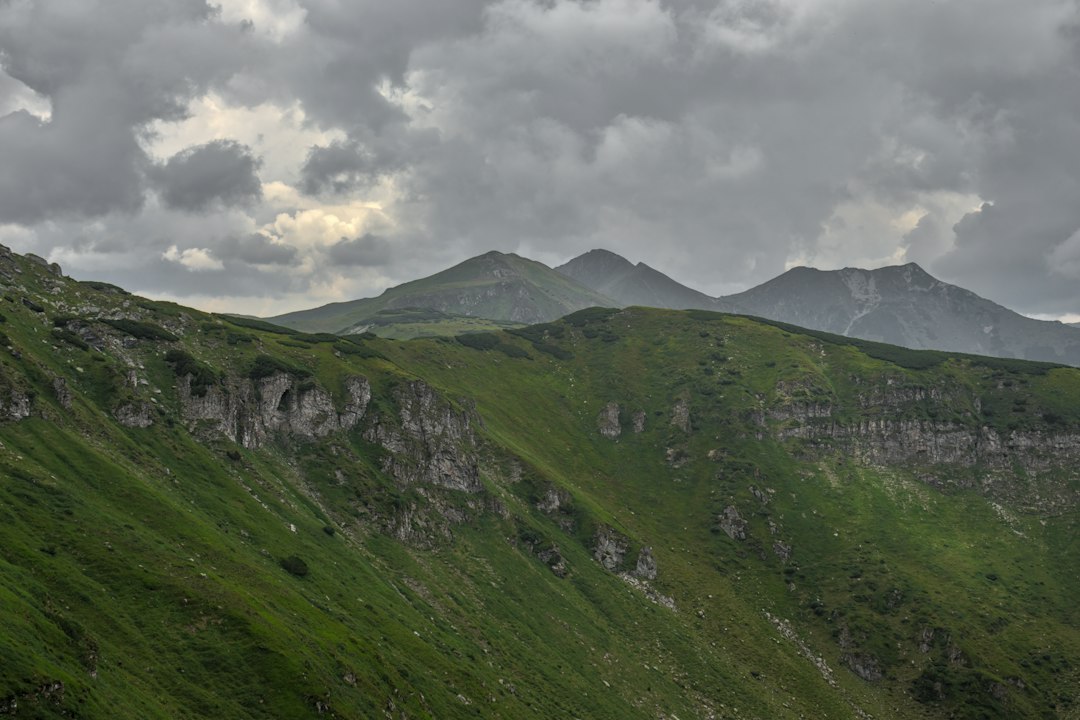
At the summit of Treskavica, the highest point in Croatia, the landscape opens up into a stark alpine plateau. There are no trees here, only hardy grasses and rocky outcrops that have withstood centuries of wind and ice. The view, when the clouds part, is staggering. To the west, the Adriatic Sea glimmers like a shard of blue glass, distant and almost unreal. To the east, the land rolls away into the Pannonian Basin, a vast expanse of flat farmland that feels like another continent. Standing here, you feel the weight of the geography, the way the land dictates life, travel, and history.
The hike to the summit is not for the faint of heart. It demands a good level of fitness and a head for heights. The trail is well-marked, but the terrain is uneven, with loose scree and steep sections that require careful footing. The air is thin, and the exertion is real. But the reward is a sense of isolation that is rare in modern Europe. There are no hotels, no restaurants, no WiFi. Just the wind, the rock, and the sky. It is a place to strip away the noise and listen to your own thoughts, even if they are screaming.
Water Carved by Time
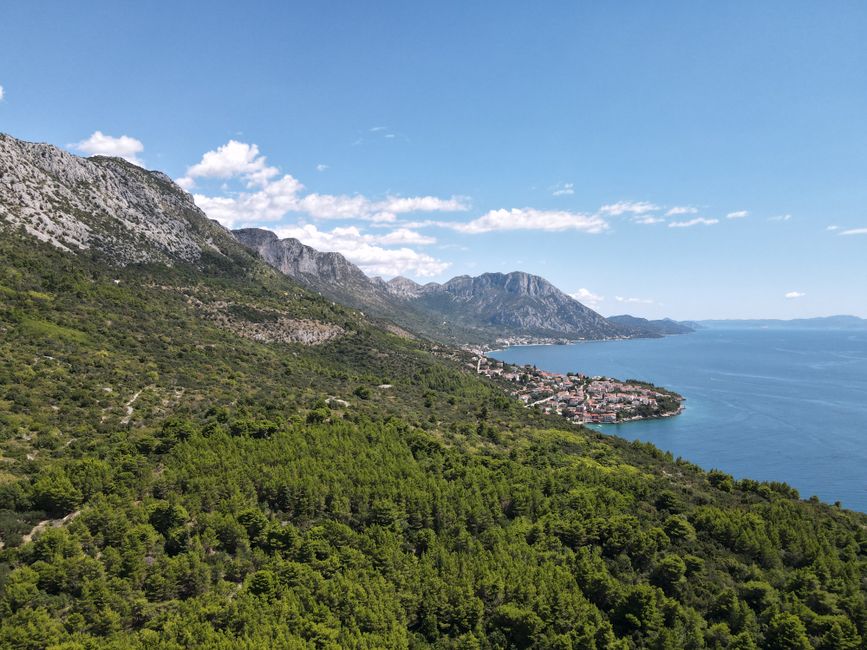
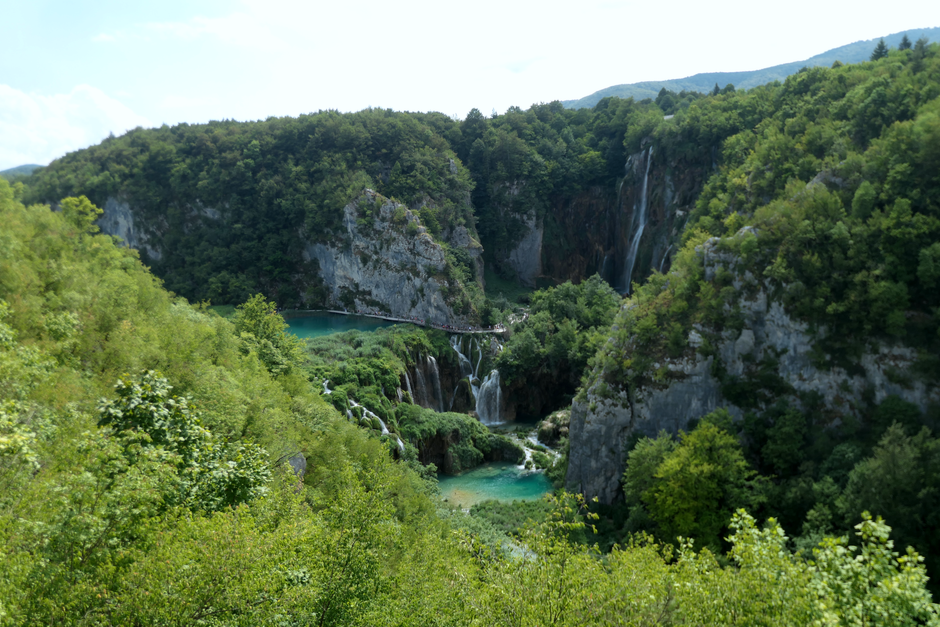
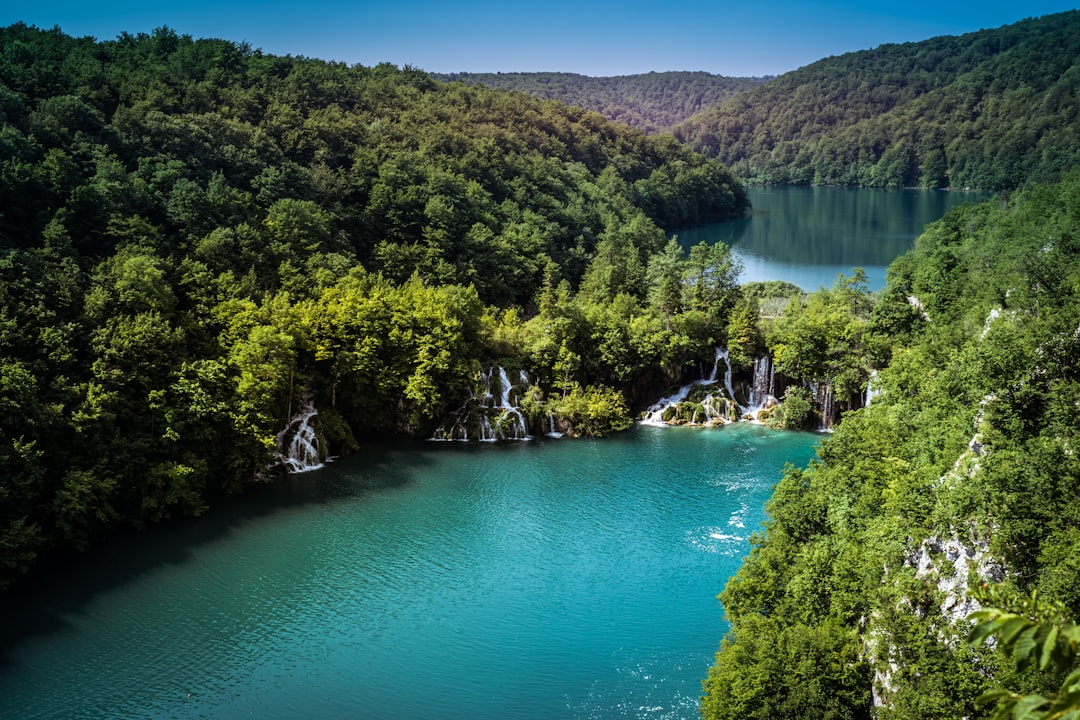
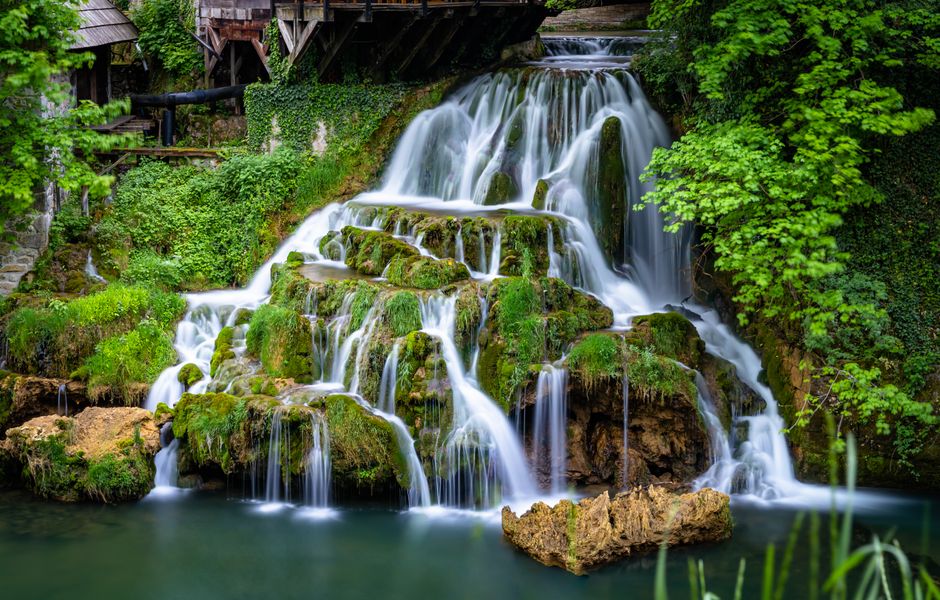
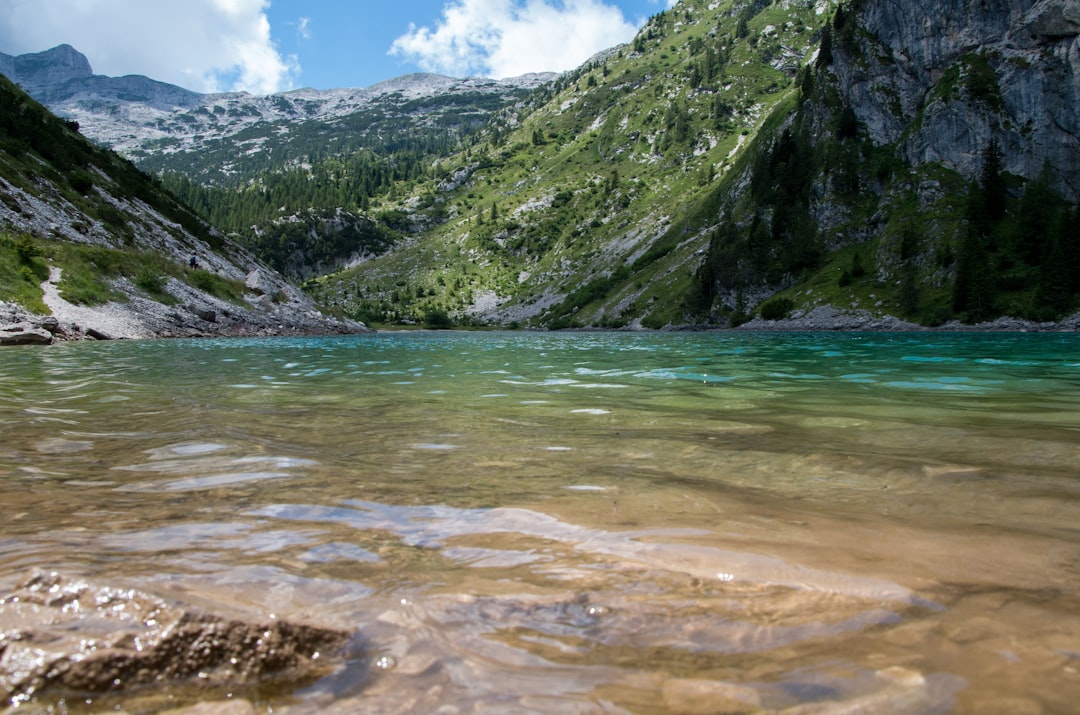
Descend from the peaks, and the landscape changes again. The harsh rock gives way to lush greenery, and the sound of water becomes a constant companion. The streams that originate on Treskavica and the surrounding peaks feed into a network of rivers that eventually carve out the Plitvice Lakes. This is not just a national park; it is a geological masterpiece, a series of sixteen terraced lakes linked by waterfalls, created by the accumulation of travertine barriers over millennia. The water is a vivid, electric blue, so clear you can see the submerged logs and rocks on the bottom. It is a color that seems almost artificial, a visual shock that draws you in.
The park is a UNESCO World Heritage site for good reason. The ecosystem is unique, with species of flora and fauna found nowhere else in the world. The European brown bear, wolf, and lynx roam the forests, though sightings are rare. The lakes themselves are teeming with life, from tiny fish to large trout that leap from the surface. The waterfalls, some towering over 70 meters, thunder with a power that vibrates in your chest. It is a place of intense beauty, but also of danger. The wet rocks are slippery, and the drop-offs are severe. Respect the barriers, and respect the power of the water.
Walking the boardwalks that wind through the park feels like moving through a painting. The light filters through the trees, creating dappled patterns on the water. The air is cool and fresh, scented with damp earth and pine. It is a sensory overload in the best possible way. But to truly appreciate the park, you need to go beyond the main trails. The lesser-visited loops offer a quieter, more intimate experience, where you can hear the water without the crowd. It is a place to slow down, to breathe, and to let the landscape work its magic.
The Wild Heart of Lika
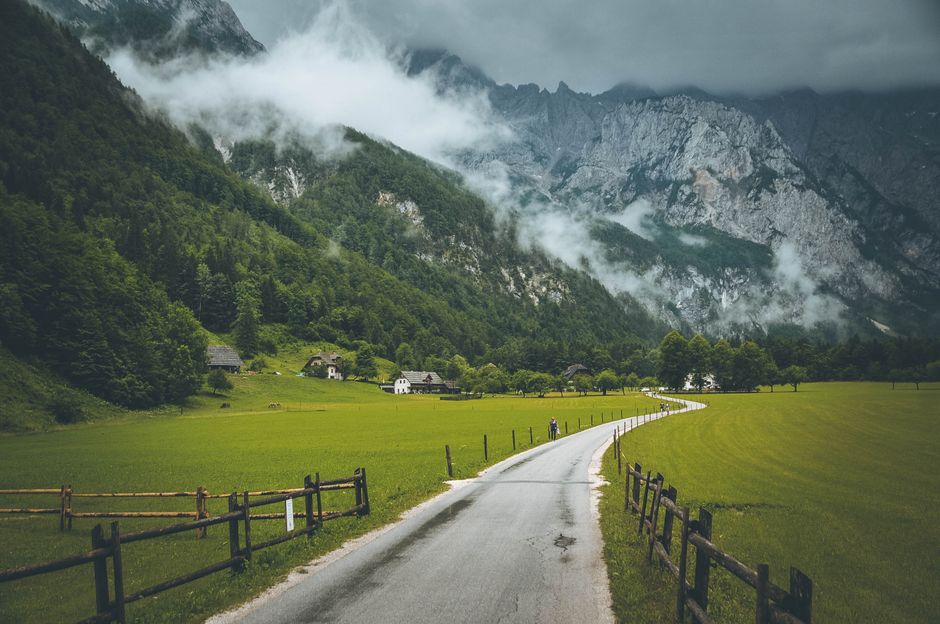
Beyond the park boundaries lies the Lika region, a place that has retained its wild character despite the pressures of modernity. The towns here are small, scattered, and often isolated. Plitvice village is the gateway to the park, a modest settlement with basic amenities and a few guesthouses. It is functional, not charming, but it serves its purpose. For those seeking a more authentic experience, the surrounding villages offer a glimpse into traditional Croatian rural life. The people are hardy, direct, and proud of their heritage. They speak a dialect that is thick and musical, a reminder of the region's complex history.
The history of Lika is marked by conflict and displacement. The region was a battleground during the Yugoslav Wars, and the scars are still visible in the abandoned houses and the stories told by the older generation. But there is also a sense of resilience, a determination to rebuild and move forward. The tourism boom has brought new opportunities, but it has also raised concerns about the impact on the environment and the local community. It is a delicate balance, one that requires careful management and a commitment to sustainability.
For the backpacker, Lika offers a chance to connect with the land and its people in a way that is increasingly rare. The campsites are basic, the food is simple, and the accommodations are spartan. But the hospitality is genuine, and the landscapes are unforgettable. It is a place to challenge yourself, to step outside your comfort zone, and to discover a side of Croatia that is rarely seen. It is not for everyone, but for those who seek the raw and the real, it is a destination that will stay with you long after you have left.
Routes & Trail Info
The primary route to Treskavica starts from the St. Anthony Refuge (Sveti Antun), a mountain hut located at 1,550 meters. The trail from here is steep and direct, gaining over 500 meters in elevation over a distance of 3.5 kilometers. It takes approximately 2-3 hours to reach the summit, depending on your fitness level and weather conditions. The trail is marked with red and white blazes, but in poor visibility, navigation can be difficult. A good map, a compass, and a GPS device are essential.
An alternative approach is from the Plitvice Lakes area, specifically from the Korana River valley. This route is longer and less steep, offering a more gradual ascent with stunning views of the lakes and waterfalls. It is suitable for those who prefer a more leisurely hike, but it requires a full day to complete. The trail passes through dense forests and open meadows, providing a diverse range of scenery. It is a beautiful way to experience the connection between the high peaks and the lowland lakes.
For those looking for a more challenging adventure, the Velebit range offers a network of trails that connect various peaks and refuges. The Great Velebit Trail is a long-distance route that spans over 100 kilometers, crossing the entire range from north to south. It is a demanding hike, requiring multiple days and careful planning, but it rewards with some of the most spectacular views in the Balkans. It is for experienced hikers only, but for those who undertake it, it is a journey of a lifetime.
Getting There & What to Expect
The nearest major city to Treskavica and Plitvice is Zagreb, the capital of Croatia. From Zagreb, it is a 2-hour drive to Plitvice Lakes National Park, and another 1.5 hours to the St. Anthony Refuge. Buses run regularly from Zagreb to Plitvice, with tickets costing around 10-15 EUR one way. From Plitvice, you can take a taxi or a local bus to the refuge, but options are limited, so planning ahead is crucial. If you have a car, it is the most flexible option, allowing you to explore the surrounding region at your own pace.
Accommodation options range from basic campsites to comfortable guesthouses. A tent site at the Plitvice campsite costs around 5-10 EUR per person per night, while a room in a local guesthouse can range from 40-80 EUR per night. Meals at local restaurants are affordable, with a main course costing 8-15 EUR. For those staying at the St. Anthony Refuge, overnight stays are available for 15-25 EUR, including a simple meal. It is essential to book in advance, especially during the peak season from June to September.
The best time to visit is May to October, when the weather is mild and the trails are accessible. July and August are the busiest months, with crowds at Plitvice and limited accommodation. September offers a good balance, with fewer tourists and pleasant temperatures. Winter visits are possible for experienced hikers, but the trails can be icy and dangerous, and the refuge may be closed. Always check conditions before you go, and be prepared for sudden changes in weather.
Search accommodation in Zagreb on Booking.com →
The Unfiltered Truth
I stood on the edge of the Korana River as the sun set, the water rushing past with a force that seemed to echo the turmoil of the region's history. My boots were caked in mud, my clothes smelled of damp wool, and my muscles ached with a deep, satisfying burn. I had no cell signal, no coffee, and no comfort. And I had never felt more alive. This is not a place for the faint of heart or the easily offended. It demands effort, resilience, and a willingness to embrace the unknown. But in return, it offers something that money cannot buy: a connection to the land, to the elements, and to the raw, unvarnished truth of existence. I left Lika with muddy boots and a clearer head, knowing that some of the best journeys are the ones that break you down to build you back up.
Comments