


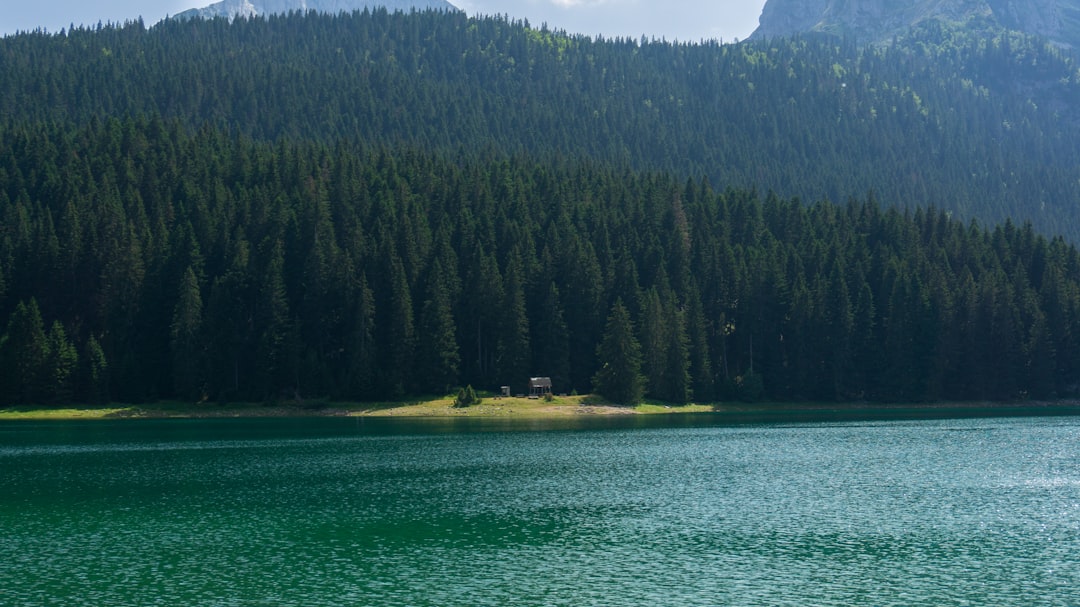
The coffee in Žabljak tastes like burnt rubber and pine needles, and honestly, it's exactly what I needed. I sat on a plastic chair outside a café, watching a group of trekkers argue over a map that looked more like abstract art than a trail guide. The air was thin, sharp enough to cut glass, and the silence of the Black Mountain was so heavy it felt like a physical weight on my shoulders. This isn't a place for casual strolls. This is the Via Dinarica, the long-distance trail that stitches together the Balkans, and its section through Montenegro is a brutal, beautiful test of will. I'm here to tell you it's worth every blister, every wrong turn, and every moment of doubt.
They call it the "Black Mountain" because the peaks are often shrouded in dark clouds, but the rock itself is ancient limestone, white and stark against the deep green of the coniferous forests. I've walked dozens of trails across the Balkans, from the rolling hills of Bulgaria to the rugged coasts of Croatia, but nothing prepares you for the raw, untamed energy of this region. The Via Dinarica isn't just a path; it's a challenge. It demands respect, preparation, and a willingness to embrace the discomfort that comes with being truly wild. If you're looking for a paved path with gift shops every ten minutes, go elsewhere. If you want to feel the pulse of the earth under your boots, read on.
The Landscape: A World of Stone and Sky
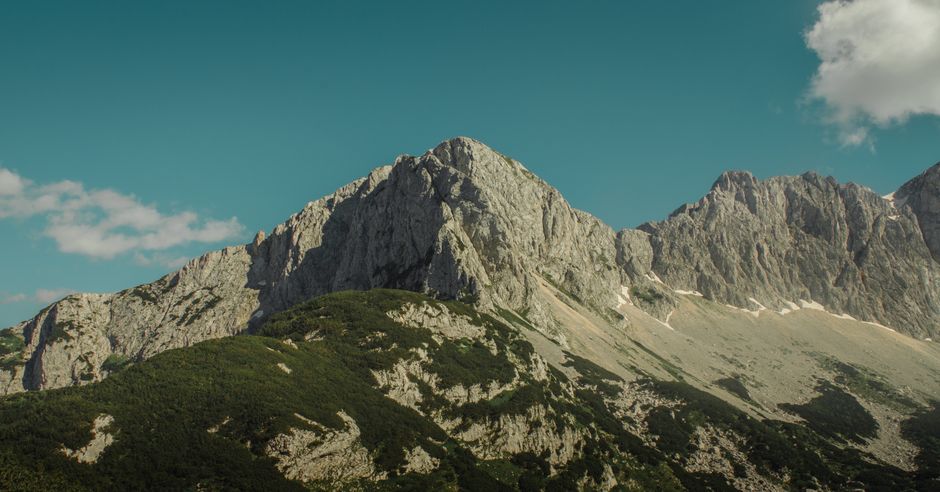
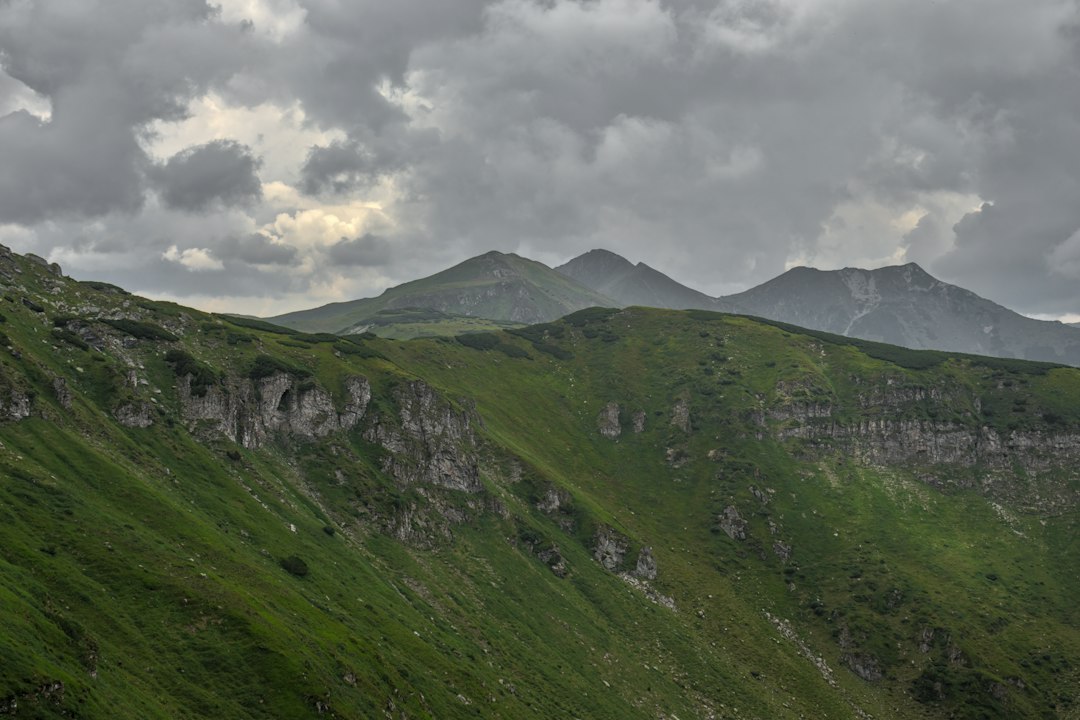
The Via Dinarica Black Mountain section cuts through some of the most dramatic terrain in Europe. You're walking along the spine of the Dinaric Alps, a mountain range that stretches from Slovenia to Albania. The landscape here is karstic, meaning the ground is full of sinkholes, caves, and underground rivers. The surface is rugged, jagged, and often unforgiving. You'll find yourself scrambling over loose scree, balancing on narrow ridges, and descending into valleys that feel like they belong to another era.
The vegetation changes with the altitude. At lower elevations, you'll see dense forests of spruce, fir, and beech. As you climb higher, the trees thin out, giving way to alpine meadows and then bare rock. The views are immense. On a clear day, you can see peaks from neighboring countries, a reminder of the vastness of this region. The silence is profound, broken only by the wind, the occasional eagle, and the crunch of your own boots. It's a place where you can truly disconnect from the noise of modern life and reconnect with something primal.
History & Identity: A Trail of Resilience
The Via Dinarica wasn't built by a single entity or for a single purpose. It's a trail of many histories, many stories. The Dinaric Alps have been a barrier and a bridge for centuries. Tribes, empires, and armies have all crossed these mountains, leaving their mark on the landscape. The trail itself is a relatively recent creation, a project to connect existing paths and create a continuous route for hikers. But the paths themselves are old, some dating back to shepherds who moved their flocks between valleys.
In Montenegro, the mountains are part of the national identity. The concept of gorani, or mountain people, is deeply rooted in the culture. These are people who have lived in harsh conditions, relying on the land for survival. The trail passes through villages that have maintained this heritage, where you can still see traditional stone houses and hear stories of the old ways. Walking the Via Dinarica is like walking through a living museum, a place where history isn't just in books but in the stones and the soil.
Where to Go: Key Stops on the Trail
Žabljak is the gateway to the Via Dinarica Black Mountain section. It's a small town at the foot of Mount Bobotov Kuk, the highest peak in Durmitor National Park. It's a place where you can get supplies, find accommodation, and start your trek. The town itself is charming, with traditional architecture and a lively atmosphere. But it's the starting point for something much bigger.
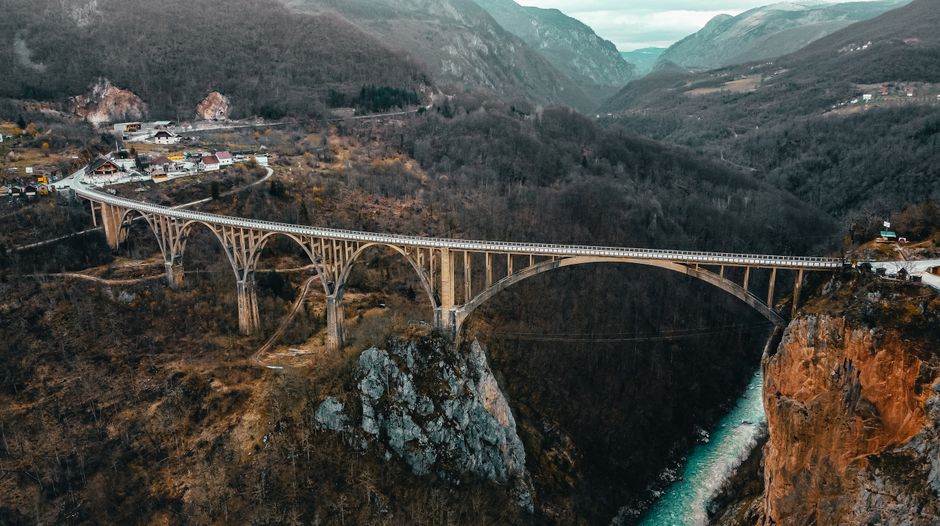
Durmitor National Park is a UNESCO World Heritage site, and for good reason. It's a place of stunning beauty, with deep canyons, glacial lakes, and towering peaks. The Tara River Canyon is one of the deepest in Europe, and the view from the top is breathtaking. The park is home to a variety of wildlife, including bears, wolves, and eagles. It's a place where you can feel the raw power of nature.
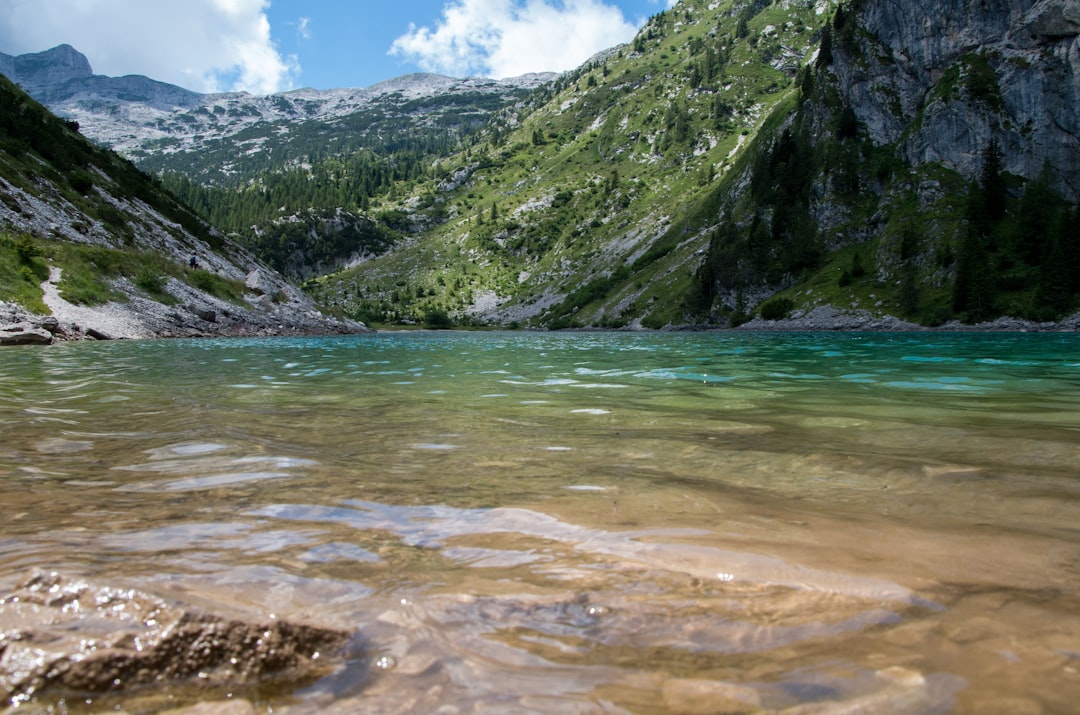
Black Lake (Crno Jezero) is a glacial lake in the heart of Durmitor National Park. It's a serene place, surrounded by forests and peaks. You can rent a rowboat and paddle across the calm waters, or simply sit on the shore and enjoy the view. It's a perfect place to take a break from the trail and recharge.
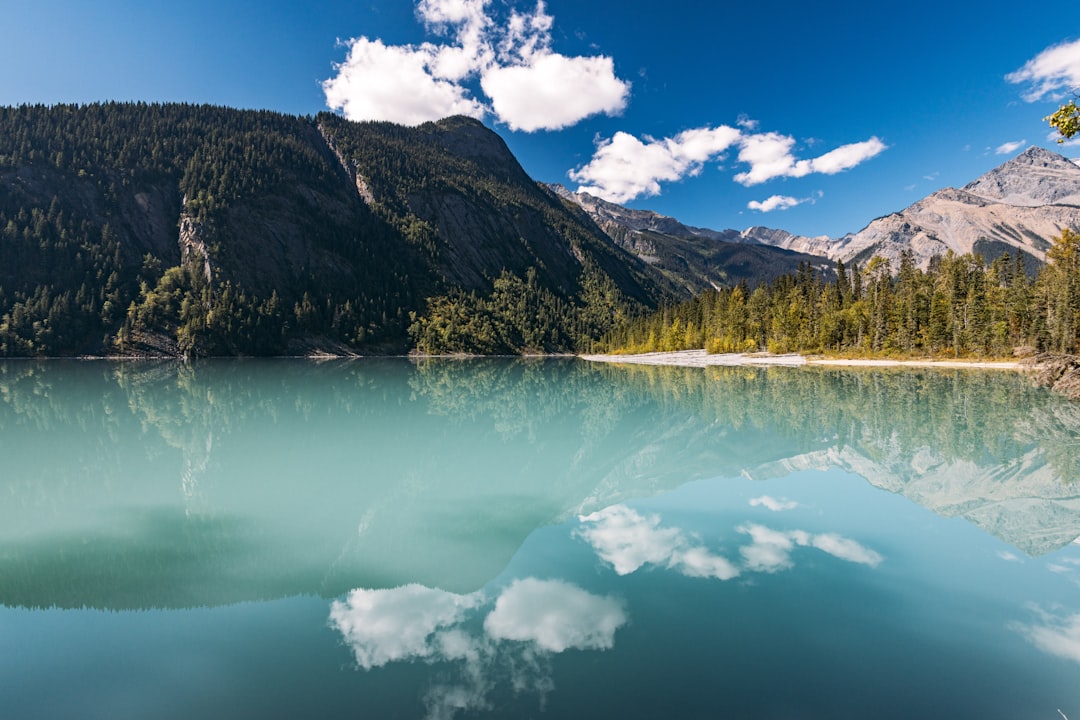
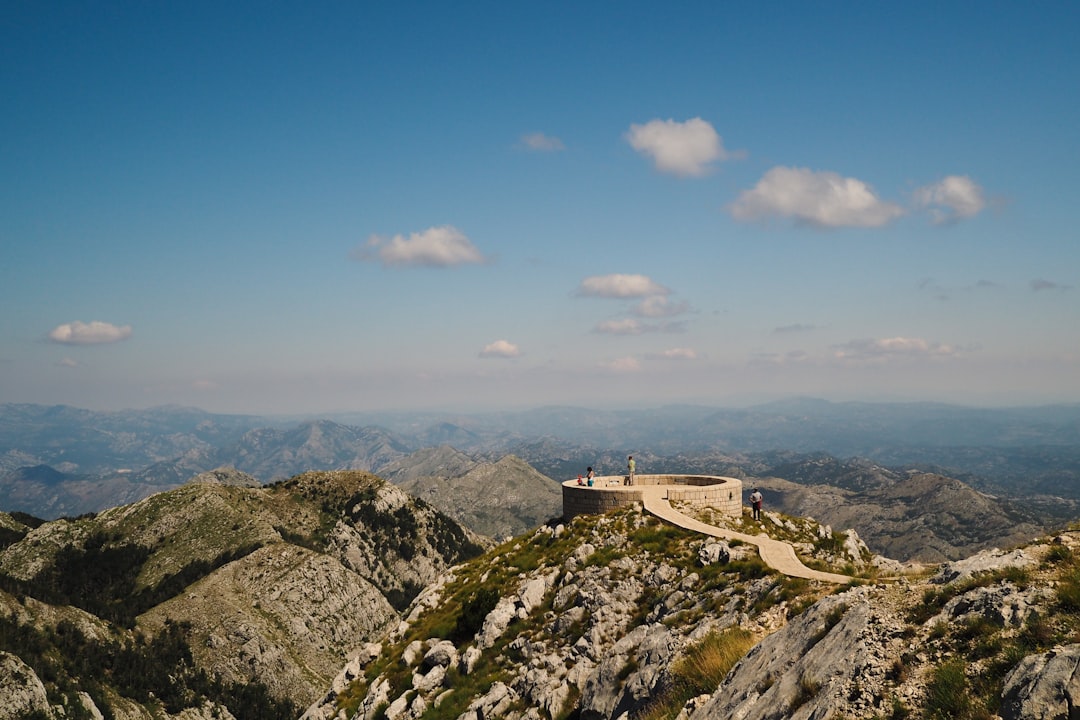
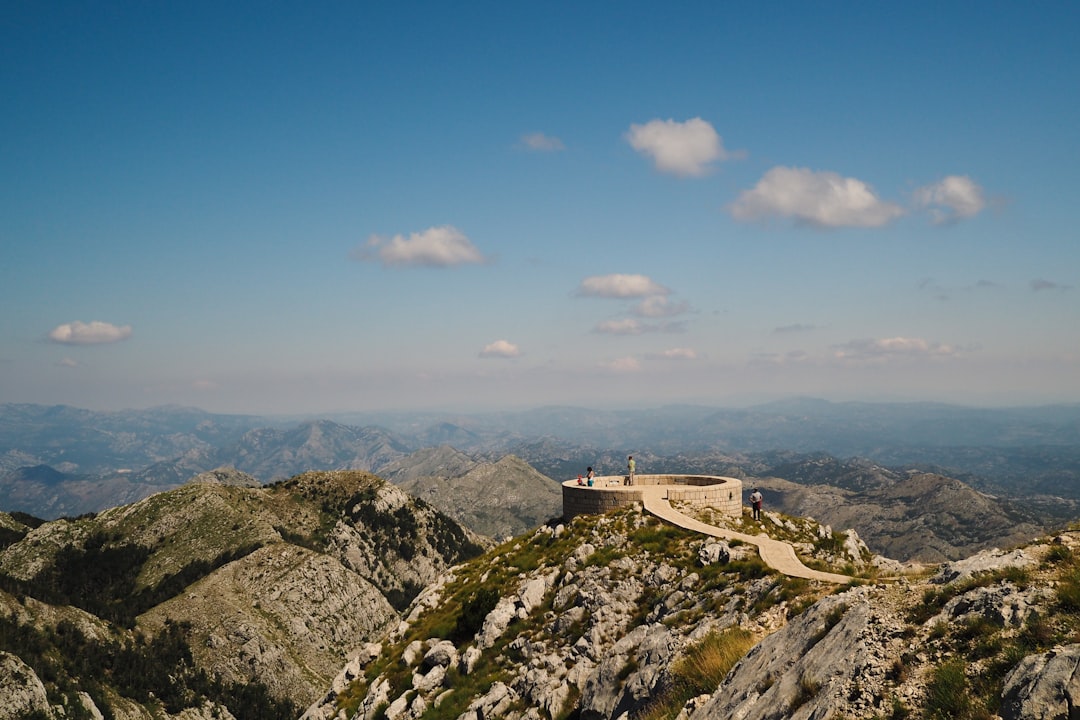
Mount Bobotov Kuk is the highest peak in Durmitor National Park, and climbing it is a challenge. The trail is steep and rocky, but the view from the top is worth it. You can see the entire park, and on a clear day, the peaks of neighboring countries. It's a place where you can feel on top of the world.
What to Eat & Drink: Fuel for the Journey
Eating on the trail is part of the experience. You'll find small restaurants in the villages, serving traditional Montenegrin food. Njeguški pršut is a local cured ham, salty and flavorful. Kajmak is a creamy dairy product, often served with bread. Pašticada is a slow-cooked beef dish, rich and hearty. Prices are reasonable, with a meal costing around 8-15 EUR. Street food is limited, but you can find roštilj (grilled meat) and pita (baked pastry) in most towns.
Drink local wine, Vranac, a red wine that pairs well with the hearty food. Beer is also popular, with local brands like Ušće and Crna Gora. Water is essential, and you'll need to carry plenty. There are water sources along the trail, but it's best to filter or purify them. Don't rely on finding water every day; some sections are dry.

Nightlife: Rest and Reflection
Nightlife on the Via Dinarica is quiet. You'll spend your evenings in small villages or mountain refuges, enjoying the silence and the stars. There are no clubs or bars, just the sound of the wind and the crackle of a fire. It's a chance to reflect on the day's journey, to share stories with other trekkers, and to simply be. If you're looking for partying, this isn't the place. But if you're looking for peace, you'll find it in abundance.
Getting There & What to Expect
Getting to Žabljak is easy. You can fly into Podgorica Airport and take a bus or taxi to the town. The bus takes about 3 hours and costs around 10-15 EUR. A taxi is more expensive, around 50-70 EUR. You can also drive, with a well-maintained road leading to Žabljak. The trailhead is in the town center, and you can start walking immediately.
Accommodation in Žabljak is plentiful, with options for every budget. Hostels cost around 15-25 EUR per night, mid-range hotels 30-50 EUR, and luxury hotels 60-100 EUR. Mountain refuges along the trail are cheaper, around 10-20 EUR per night, but you need to book in advance. Meals in the refuges are included, but they're simple and functional.
The best time to trek the Via Dinarica Black Mountain section is from June to September. The weather is warm, and the trails are dry. In spring and autumn, the weather can be unpredictable, with rain and snow possible. In winter, the trails are closed due to snow and ice. Always check the weather before you go, and be prepared for any conditions.
Search accommodation in Zabljak on Booking.com →
The Final Ascent: A Personal Note
I remember the moment I reached the summit of Mount Bobotov Kuk. The wind was howling, the air was thin, and my legs were shaking. But I stood there, looking out at the vast landscape, and I felt a sense of accomplishment that I can't describe. It wasn't just about the view; it was about the journey, the struggle, the beauty, and the wildness. The Via Dinarica Black Mountain section is a place where you can find yourself, if you're willing to walk the path. It's not for everyone, but for those who do, it's a life-changing experience. So lace up your boots, pack your bag, and come to the Black Mountain. You won't regret it.
Comments