


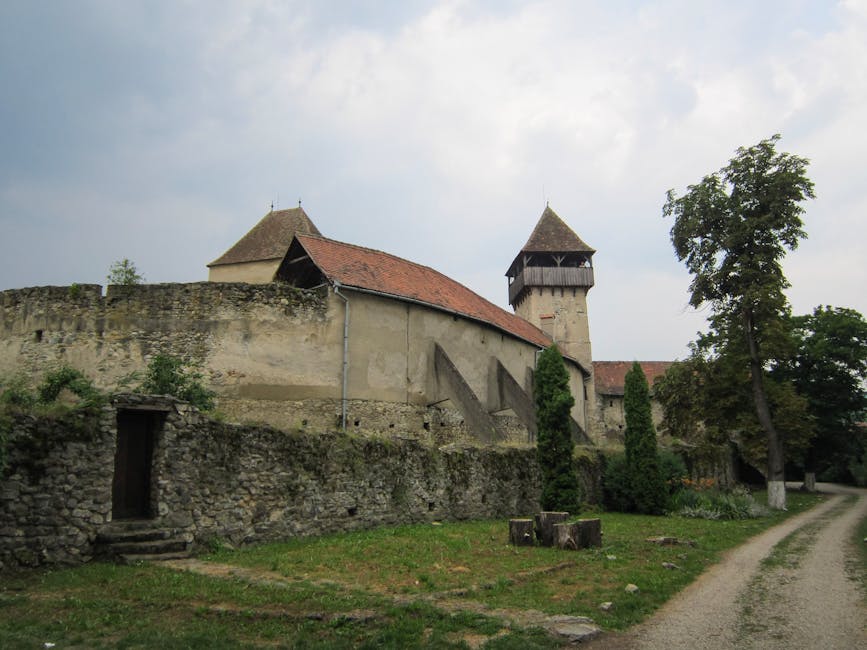
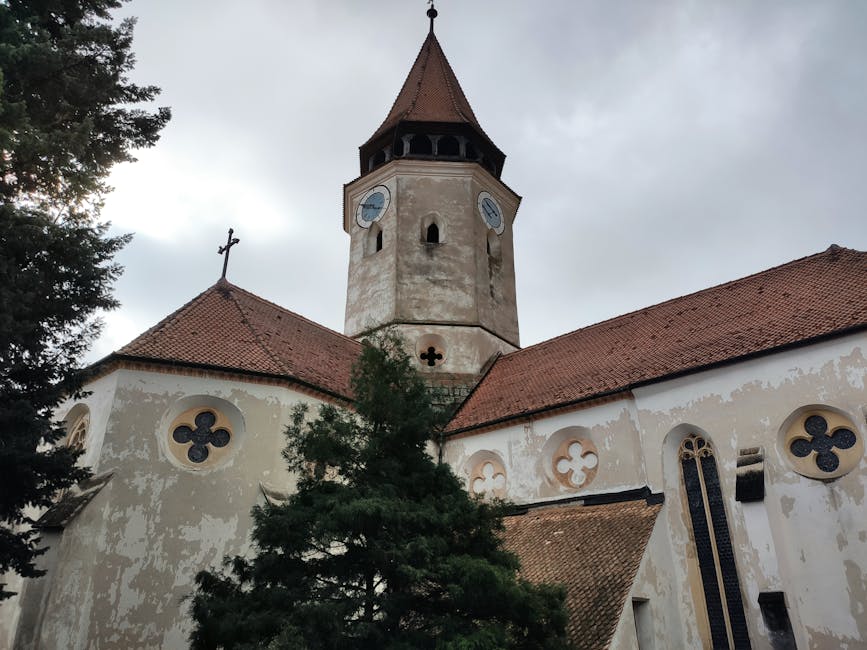
I am standing in the mud outside a sixteenth-century defensive wall, shaking the rain from a jacket that has seen better decades, trying to understand why anyone would build a church that looks like a medieval bunker. The air in Transylvania tastes like wet wool and woodsmoke, a scent that has clung to these hills since the Teutonic Knights and later the Saxon settlers first arrived here to mine gold and till the rocky earth. I am not here for the fairy tales of vampires or the sanitized postcard views of Dracula's castle. I am here because the Saxon fortified churches of this region are the most honest pieces of architecture in Europe. They are not designed to inspire awe through height, but to survive through sheer, stubborn thickness. They are the physical manifestation of a people who knew they were surrounded by enemies, so they built their sanctuary as a fortress first and a place of worship second.
The irony is palpable. These churches, built by German-speaking Saxons who settled in the Kingdom of Hungary starting in the twelfth century, are now the crown jewels of modern Romania. The Saxons are largely gone now, expelled or emigrated after the fall of communism in 1989, leaving behind empty villages and these towering stone sentinels. Walking through the gates of these complexes feels less like entering a religious site and more like trespassing on a military installation that forgot to decommission. The silence is heavy, broken only by the wind whistling through arrow slits that once protected villagers from Ottoman and Tatar raids. This is a tour of ghosts, stone, and the stubborn refusal of history to stay buried.
History & Identity
The story of these churches is a story of survival. In the 12th century, King Geza II of Hungary invited German settlers to the region to bolster its economy and defend its eastern borders. These Transylvanian Saxons established a unique culture, blending Germanic traditions with the local environment. For centuries, they were a privileged minority, granted rights and autonomy. But that privilege came with a price: constant warfare. The region was a battleground between the Ottoman Empire, the Principality of Wallachia, and the Habsburg Monarchy.
As raids intensified in the 14th and 15th centuries, the Saxons began to fortify their parish churches. What started as simple walls evolved into complex defensive systems with multiple layers of walls, watchtowers, and battlements. The church became the center of the village, both spiritually and militarily. In times of attack, the entire village population would retreat inside the fortified complex, finding safety behind walls up to two meters thick. These structures are not just places of worship; they are monuments to a community's will to survive. Today, they stand as UNESCO World Heritage sites, a testament to a culture that has largely vanished, leaving behind a hauntingly beautiful architectural legacy.
The identity of Transylvania is inextricably linked to these structures. They define the landscape, rising above the rooftops of villages that are often half-empty. The Saxon heritage is not just in the stones but in the cobblestone streets, the half-timbered houses, and the lingering ghost of a language that once echoed through these valleys. For the modern Romanian state, these churches are a source of pride and a puzzle of preservation. They are symbols of a multicultural past that is increasingly difficult to maintain in a homogenizing modern world.
Where to Go
Biertan Fortified Church — This is the undisputed heavyweight champion of the genre. Located in the village of Biertan, this complex is the largest fortified church in Transylvania. It features a double defensive wall, a massive watchtower, and a stunning interior with a painted ceiling that is among the finest in the region. The sheer scale of the place is overwhelming. It feels less like a church and more like a small city within a city. Entry is 5 EUR. Best visited in the morning to avoid the small crowds of tour buses. The surrounding village is well-preserved, with traditional Saxon houses adding to the atmosphere.
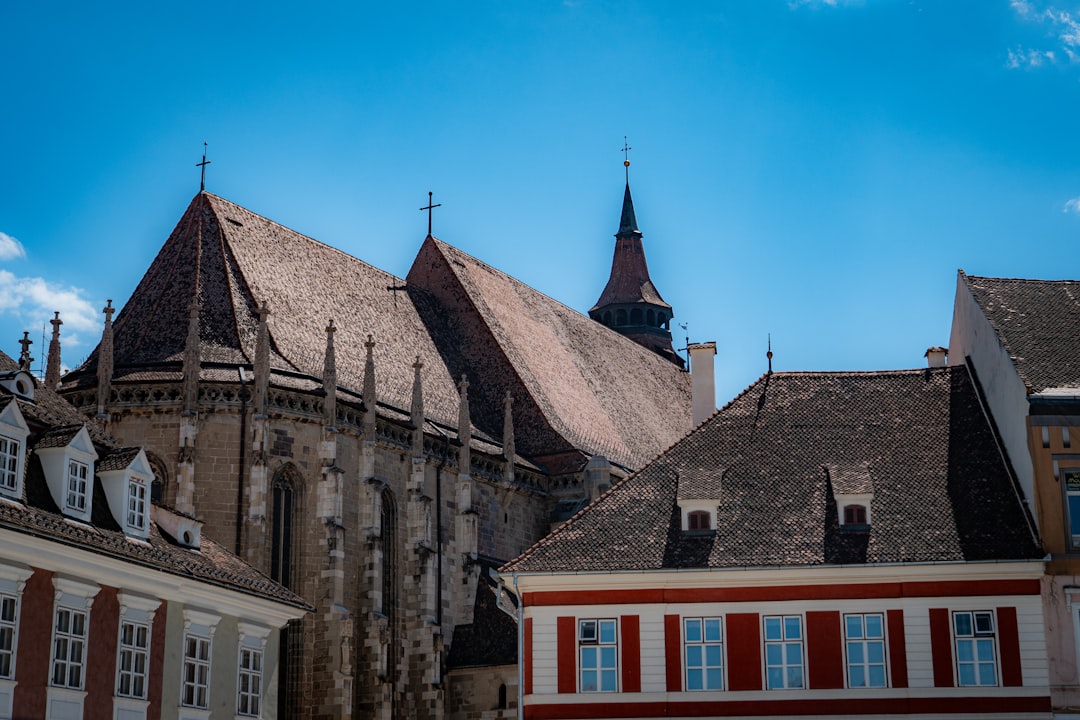
Cinque Fortified Church — Located in the village of Cinque, this church is a masterpiece of Gothic architecture. It is famous for its intricate stone carvings and the beautiful wooden pulpit. The defensive walls are impressive, but the interior is what truly takes your breath away. The light filtering through the stained glass windows creates a mystical atmosphere. It is a quieter, more intimate experience compared to Biertan. Entry is 4 EUR. The surrounding landscape is rolling hills and vineyards, perfect for a slow afternoon walk.
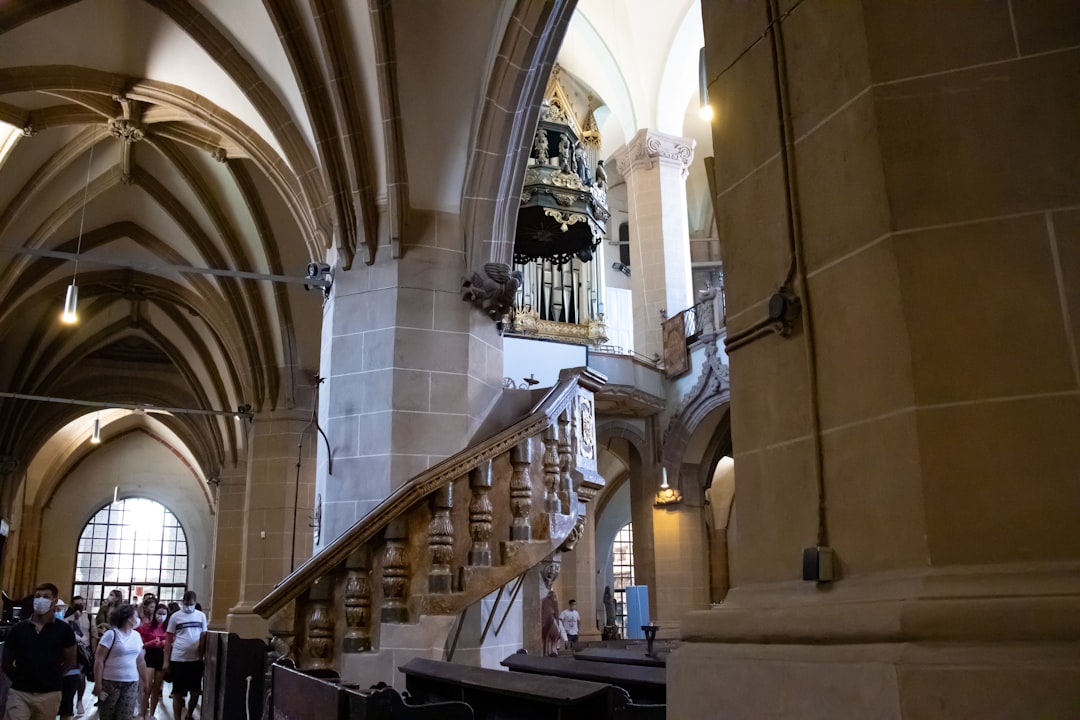
Valea Viilor Fortified Church — This is the most eccentric of the lot. Located in Valea Viilor, the church is surrounded by a massive defensive wall with a unique layout. The village itself is charming, with colorful houses and a strong sense of community. The church is known for its well-preserved frescoes and the interesting history of its construction. It is a great example of how each village adapted the fortification concept to its own needs. Entry is 3 EUR. Best visited in the spring when the surrounding hills are green and vibrant.
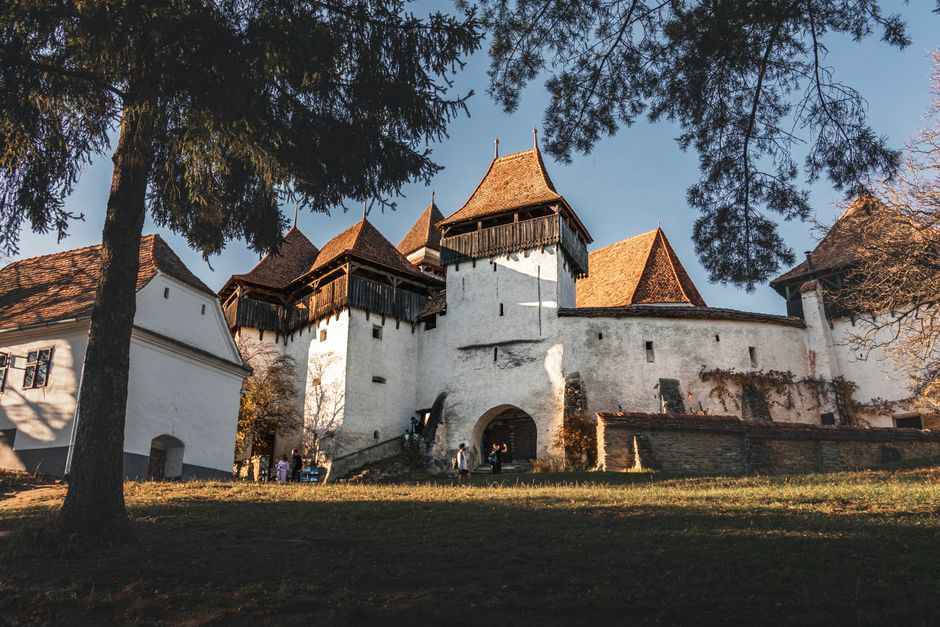
Darjiu Fortified Church — A hidden gem in the Mureș Valley. This church is smaller than Biertan but no less impressive. The defensive walls are well-preserved, and the interior features a beautiful wooden ceiling. The village of Darjiu is quiet and peaceful, offering a chance to experience rural Transylvania away from the tourist trails. Entry is 3 EUR. A perfect stop for those looking for a more authentic, less crowded experience.
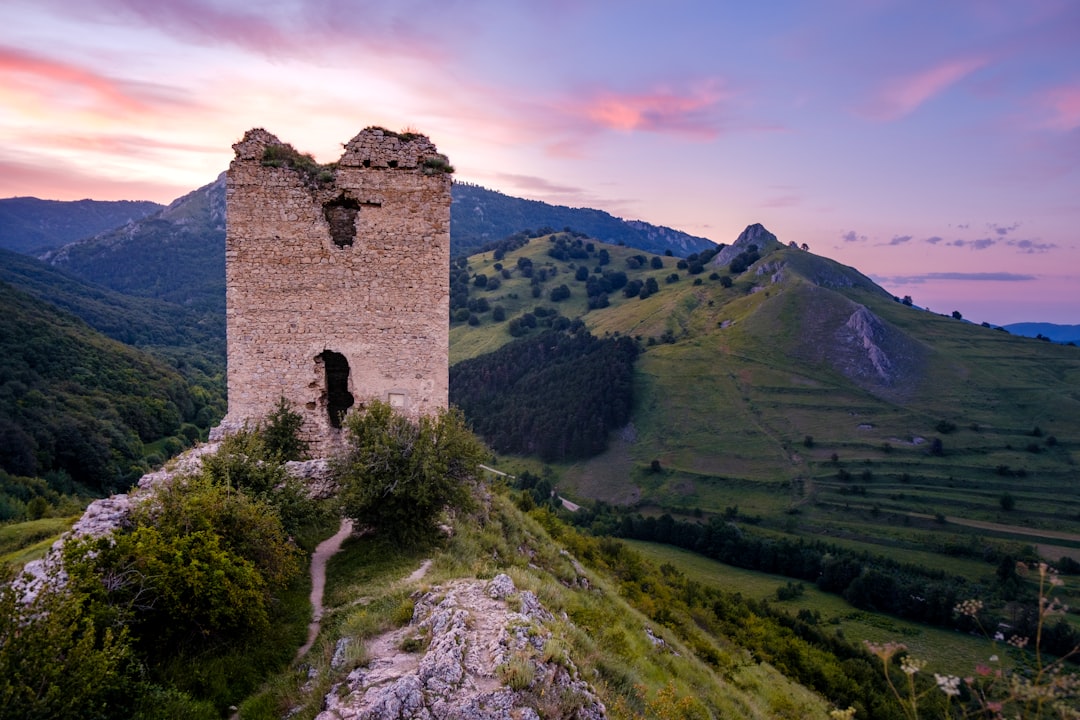
Rășnov Fortress — While not a church, this fortress is essential to understanding the defensive landscape of the region. Located just outside Sibiu, it is a massive stone fortress that once protected the Saxon settlements from Ottoman attacks. The views from the top are spectacular, overlooking the Făgăraș Mountains. It is a great place to start or end your tour, providing context for the fortified churches. Entry is 5 EUR. Best visited at sunset for the best light and atmosphere.
What to Eat & Drink
The food in Transylvania is hearty, designed to sustain people through long winters and hard labor. You will find a mix of Romanian and Saxon influences, with dishes that are rich in meat, dairy, and potatoes. The local cuisine is not for the faint of heart, but it is deeply satisfying. Here is what you need to eat to fuel your exploration of the fortified churches.
Sarmale — Cabbage rolls stuffed with meat and rice, served with sour cream and polenta. This is the national dish of Romania and a must-try in Transylvania. It is heavy, delicious, and perfect for a cold day. Price: 8-12 EUR per serving in a local restaurant.
Mămăligă cu Brânză și Smântână — Polenta served with fresh cheese and sour cream. A simple, comforting dish that is a staple of the region. It is often served as a side dish but can be a meal on its own. Price: 5-8 EUR per serving.
Plăcinte — Fried or baked pies filled with cheese, potatoes, or cabbage. These are the perfect street food, available from local bakeries and markets. They are cheap, filling, and delicious. Price: 1-3 EUR per piece.
Țuică — A strong plum brandy that is the national drink of Romania. It is often served as a digestif after meals. Be careful, it is strong and can catch you off guard. Price: 2-5 EUR per shot in a local tavern.
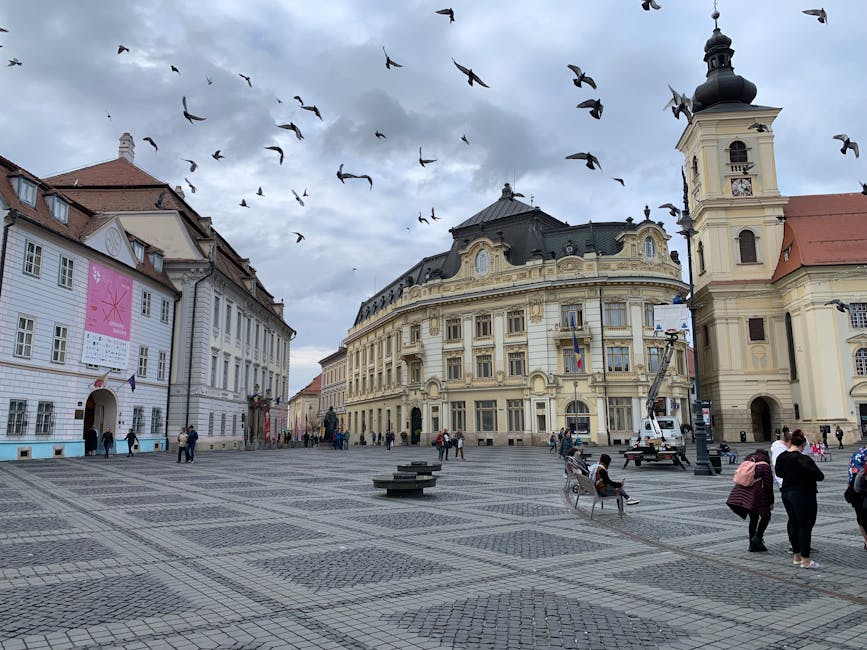
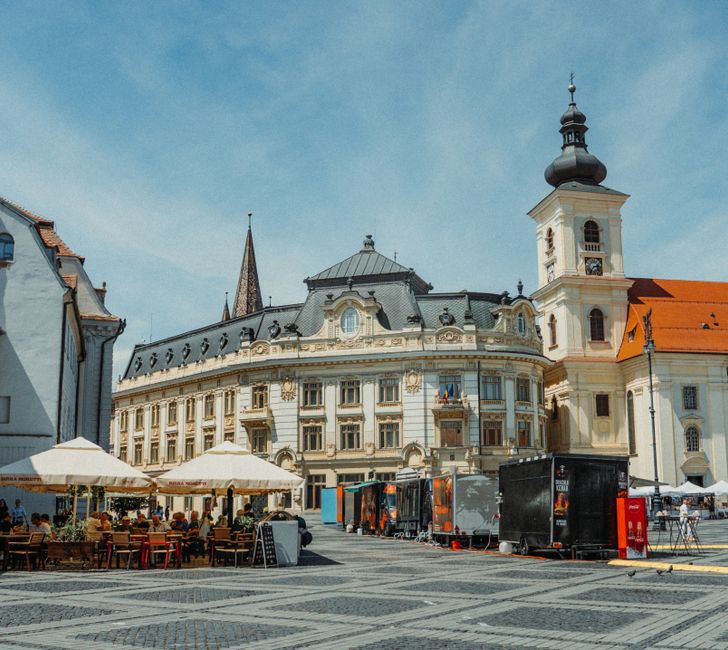
For budget travelers, street food and take-away options are plentiful. You can find plăcinte and other baked goods for under 5 EUR per meal. Sit-down local restaurants offer meals for 8-15 EUR per person, while mid-range options range from 15-25 EUR. The town of Sibiu has a vibrant food scene, with many restaurants serving traditional dishes in a modern setting. The Sibiu city center, particularly around the Great Square, is a great place to find a variety of dining options.
Nightlife
While the fortified churches are the main attraction, the nightlife in Transylvania is surprisingly vibrant, particularly in the larger towns. Sibiu is the cultural capital of the region and offers a diverse range of bars, clubs, and live music venues. The city is home to many students, which keeps the nightlife lively year-round.
The main bar district is around the Great Square and the Small Square. Here you will find a mix of traditional taverns serving țuică and modern bars with craft beers and cocktails. Barca is a popular spot for live music, particularly folk and rock. Stadion is a more upscale bar with a great atmosphere for drinks and conversation. For those who like to dance, Club 16 is a well-known venue with electronic and pop music. Cover charges are typically 5-10 EUR, and drinks range from 3-8 EUR depending on the venue.
In the smaller villages, nightlife is limited to local taverns and cafes. These are great places to meet locals and experience the slower pace of rural Transylvania. The atmosphere is friendly and relaxed, with a focus on food and drink rather than dancing. It is a chance to step back in time and enjoy the simple pleasures of life.
Getting There & What to Expect
The nearest major airport is Sibiu International Airport, which has connections to several European cities. From Sibiu, you can reach the fortified churches by car or bus. Biertan is just 15 km from Sibiu, making it an easy day trip. Cinque is about 30 km away, and Valea Viilor is 20 km away. Darjiu is further, about 50 km from Sibiu, but still accessible by car.
Bus connections are available from Sibiu to most of the villages, but the frequency is limited. It is best to check the schedule in advance. Renting a car is the most convenient option, as it gives you the flexibility to visit multiple churches in one day. Car rentals in Sibiu start from 30-50 EUR per day.
Accommodation options range from budget hostels in Sibiu (20-40 EUR per night) to mid-range hotels (50-100 EUR per night). In the villages, you can find guesthouses and farm stays, which offer a more authentic experience. Prices for guesthouses range from 30-60 EUR per night.
The best time to visit is from May to October, when the weather is mild and the landscapes are green. Summer can be hot, so spring and early autumn are ideal. The villages are quiet in the winter, but the snow-covered churches offer a different, more mystical atmosphere.
Search accommodation in Sibiu on Booking.com →
The Silence of the Stones
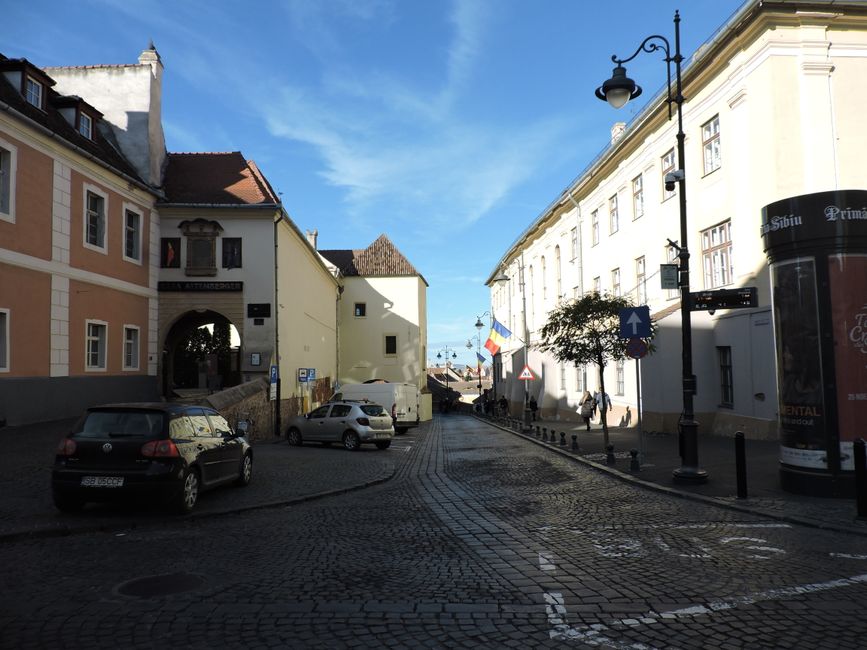
I leave Biertan as the sun sets, casting long shadows across the cobblestone streets. The gates are locked, the guards gone, the Saxons vanished. All that remains is the stone, cold and unyielding. I walk back to my car, the weight of history pressing down on me. These churches are not just buildings; they are testaments to a people who refused to be erased. They are the last whispers of a culture that once thrived in these hills, a culture that built its faith into its fortifications.
As I drive away, the landscape blurs into a mix of green hills and dark forests. The fortified churches fade into the distance, but their presence lingers. They are a reminder that history is not just a story in a book; it is something you can touch, feel, and walk through. It is a story of survival, of loss, and of the enduring power of stone. In a world that is constantly changing, these churches stand as a testament to the past, a silent witness to the passage of time. They are the ghosts of Transylvania, and they are here to stay.
Comments