


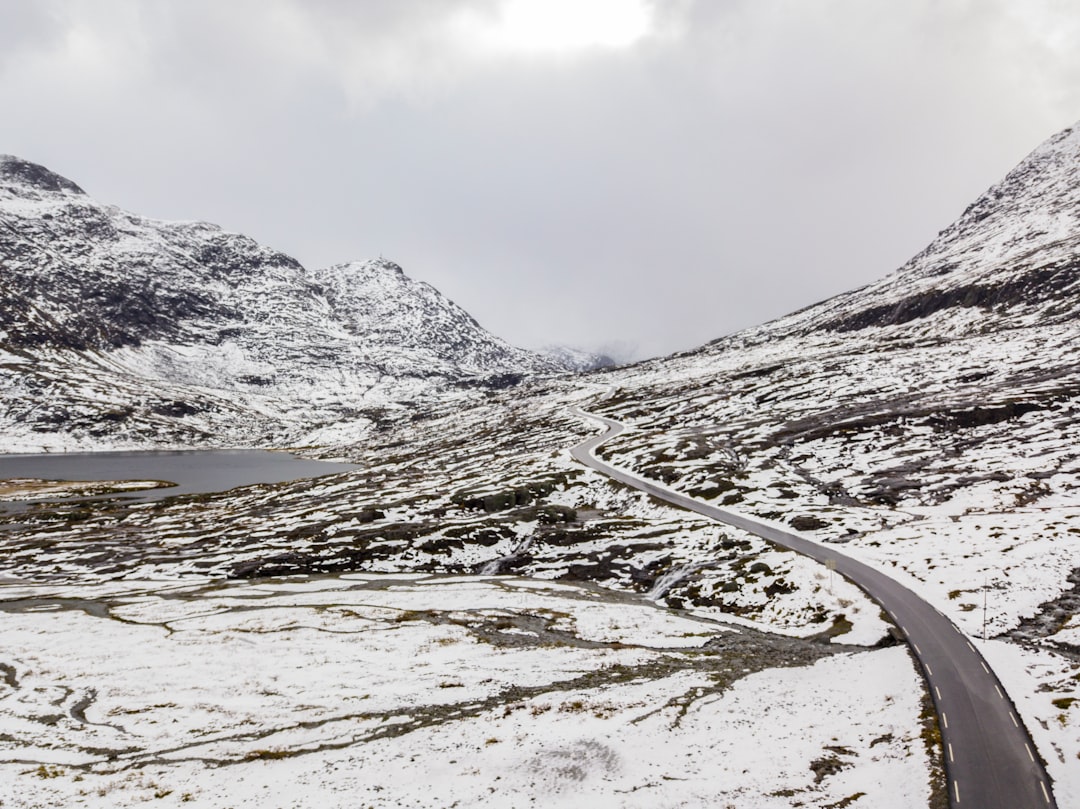
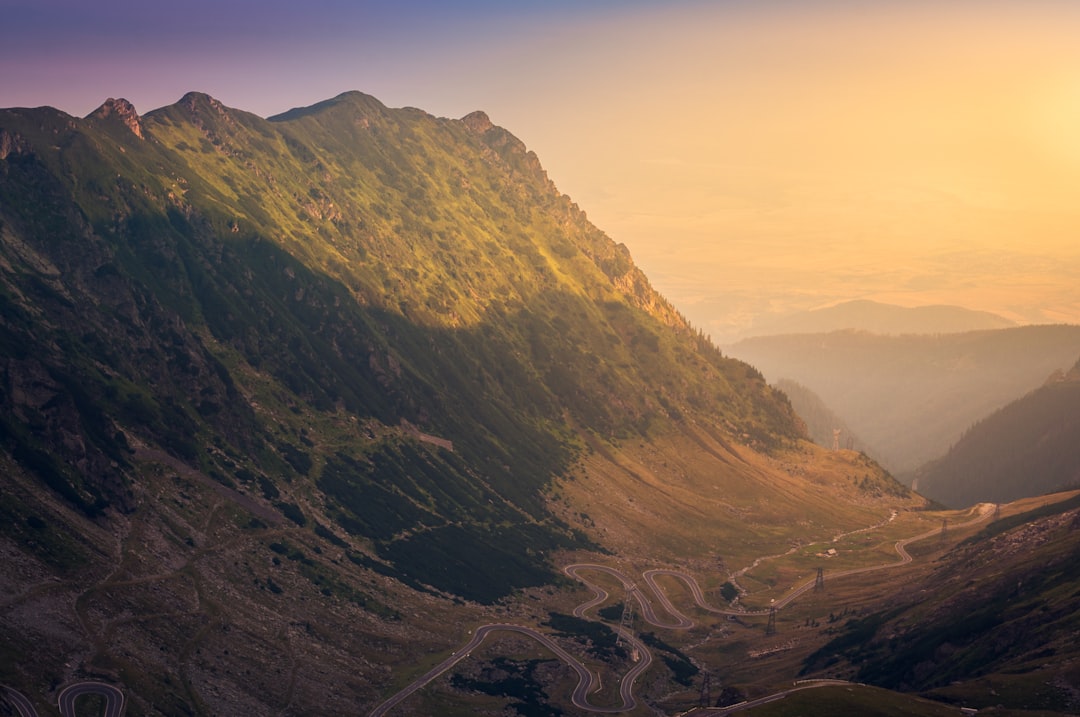
The asphalt feels like a rollercoaster track that someone forgot to bolt down. I'm gripping the steering wheel of a rented Dacia, knuckles white, watching the guardrails dissolve into thin air as the road climbs toward the sky. The engine screams, not in protest, but in pure, unadulterated joy. We are at 2,042 meters, suspended between the Earth and the clouds, on the Transfagarasan Transfăgărășan. This isn't just a road; it is a concrete ribbon draped over the spine of the Fagaras Mountains Făgăraș Mountains, a place where gravity seems like a suggestion rather than a law. A local shepherd, herding sheep near a hairpin turn, doesn't even look up. He knows these curves better than he knows his own children. "Slow down," he shouts in Romanian, pointing at a patch of snow that shouldn't exist in July. I nod, heart hammering against my ribs, realizing that in these mountains, arrogance gets you killed and respect gets you alive.
This route was built in the 1970s by the regime of Nicolae Ceaușescu as a military highway, a brutalist monument to ego and engineering ambition. Thousands of workers toiled in freezing conditions, and many died, their names etched into the cold stone of the landscape. Today, it is a pilgrimage site for driving enthusiasts, photographers, and anyone who believes that the journey matters more than the destination. But it is not a playground. It is a wild, untamed beast that demands your full attention. The road winds through dense forests, crosses alpine meadows, and pierces through rock tunnels that feel like the entrance to another world. It is dangerous, it is beautiful, and it is utterly unforgettable.
The Road That Conquers the Sky
The Transfagarasan Transfăgărășan is not merely a road; it is an architectural marvel carved into the Fagaras Mountains Făgăraș Mountains, the highest range in the Carpathians. The engineering here is audacious. The road features 153 hairpin turns, 194 bridges, and 6 tunnels. Each curve is designed to hug the cliffside, offering views that drop away into abyssal valleys. The tunnels are particularly striking—short, dark, and echoing with the sound of your own engine, they provide a brief respite from the blinding sunlight before dumping you back into the open air, where the landscape shifts from dense beech forests to rugged alpine terrain.
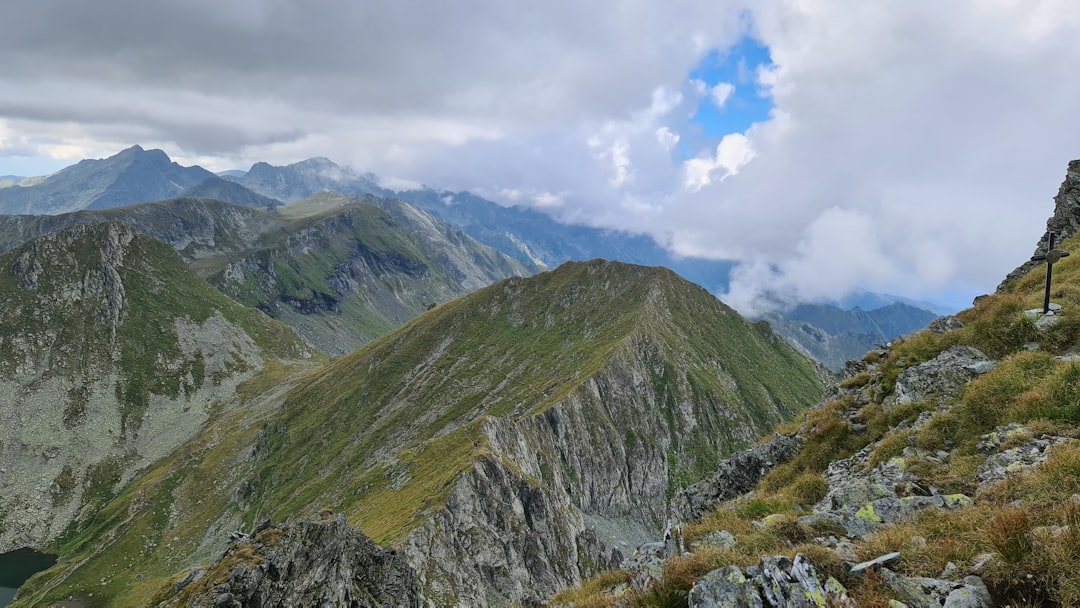
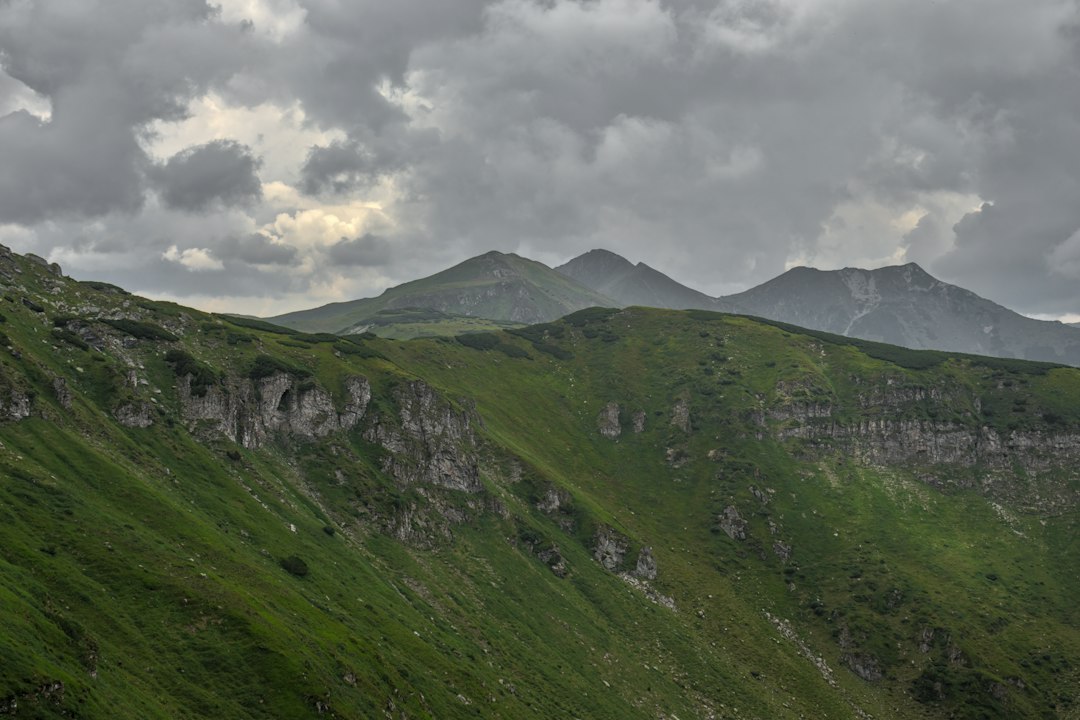
Driving this road is an exercise in patience and precision. You cannot rush. The curves are tight, the visibility is often limited by fog or sudden weather changes, and the shoulders are non-existent. A wrong move means flying off the edge. But the reward is the view. At the highest point, near the Balea Lake Balea Lake, the world falls away. You are surrounded by peaks that pierce the sky, their summits often shrouded in clouds. The air is thin, crisp, and smells of pine and damp earth. It is a place that feels ancient, untouched by the modern world, except for the concrete road that cuts through it.
The road is open only from late May to early November, depending on snowfall. Outside of this window, the pass is closed, and the mountains reclaim their solitude. During the open season, traffic can be heavy, especially on weekends and holidays. Locals and tourists alike flock to the road, creating bottlenecks at the hairpin turns. But even in the midst of the crowd, there is a sense of shared awe. Drivers slow down to let each other pass, nodding in mutual respect. It is a moment of human connection in a landscape that otherwise feels indifferent to our presence.
Villages and Valleys: Life at the Edge
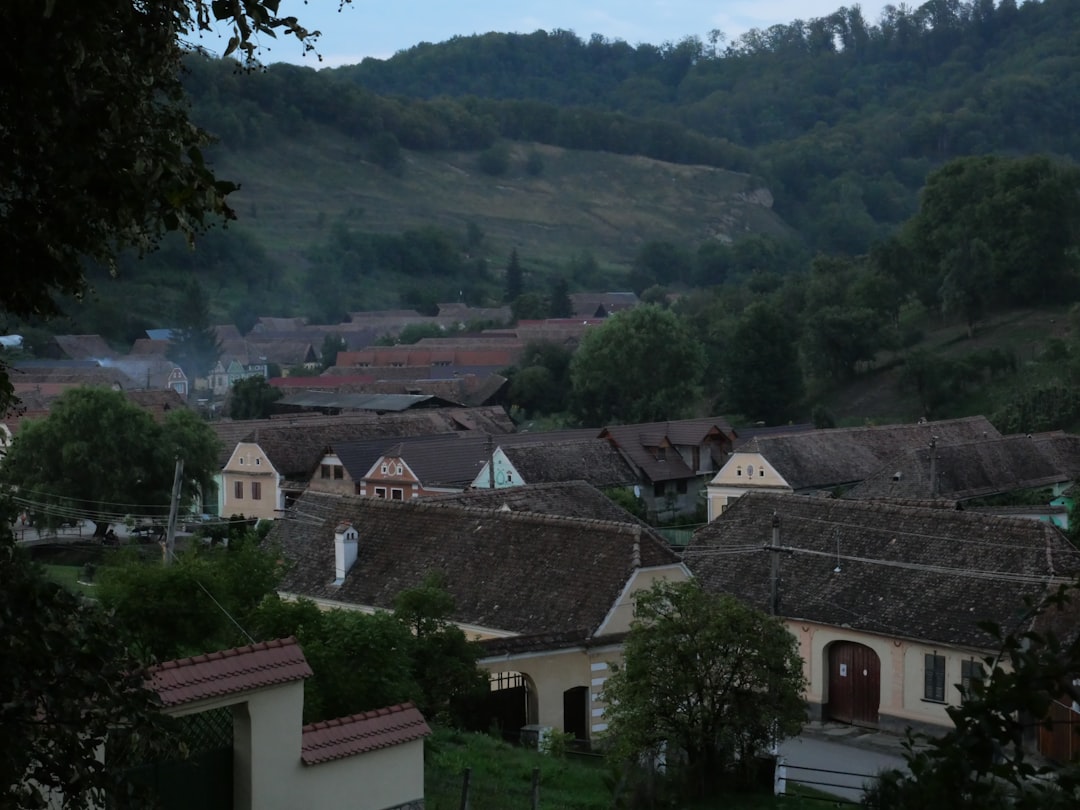
At the southern end of the Transfagarasan lies the village of Viscri Viscri, a Saxon settlement that has been preserved almost unchanged for centuries. The houses are painted in bright colors, their steep roofs designed to shed snow. The church, a fortress of stone, stands as a testament to the resilience of its inhabitants. Viscri is a place where time moves slowly. You can hear the church bells ringing in the distance, the sound carrying over the rooftops and into the hills. It is a place of quiet beauty, where the past and present coexist in harmony.
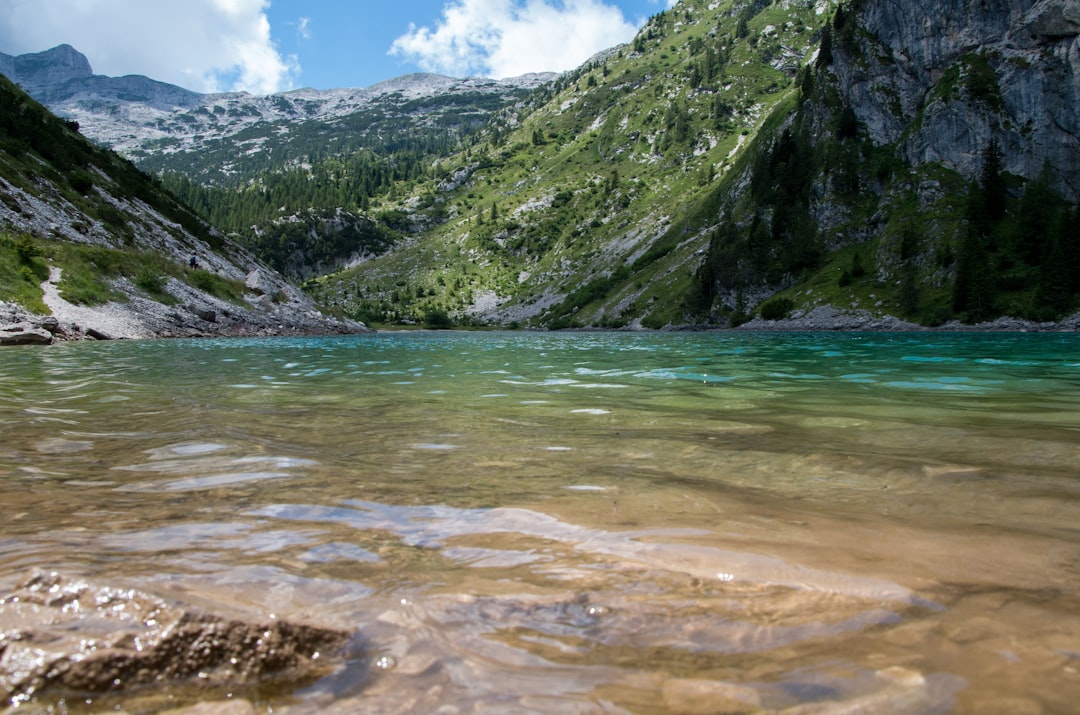
Further north, near the Balea Lake, is the Balea Lake Cabin Cabana Lacul Bâlea, a mountain refuge that offers basic accommodation and food. It is a popular stop for hikers and drivers alike, a place to rest and refuel after the long climb. The cabin is simple, with wooden floors and stone walls, but it offers a warm refuge from the cold. The food is hearty and local, designed to keep you warm and energized. You can eat here, or you can hike out to the lake itself, a glacial lake that sits at 2,042 meters above sea level. The water is cold and clear, reflecting the surrounding peaks like a mirror.
These villages and refuges are not just stops on the road; they are part of the landscape. They are a reminder that people have lived in these mountains for centuries, adapting to the harsh conditions and finding ways to thrive. They are a testament to human resilience and ingenuity. In a place where the weather can turn in an instant, and the ground can shake beneath your feet, these communities have found a way to endure. They are a vital part of the Transfagarasan experience, offering a glimpse into the lives of those who call these mountains home.
Getting There & What to Expect
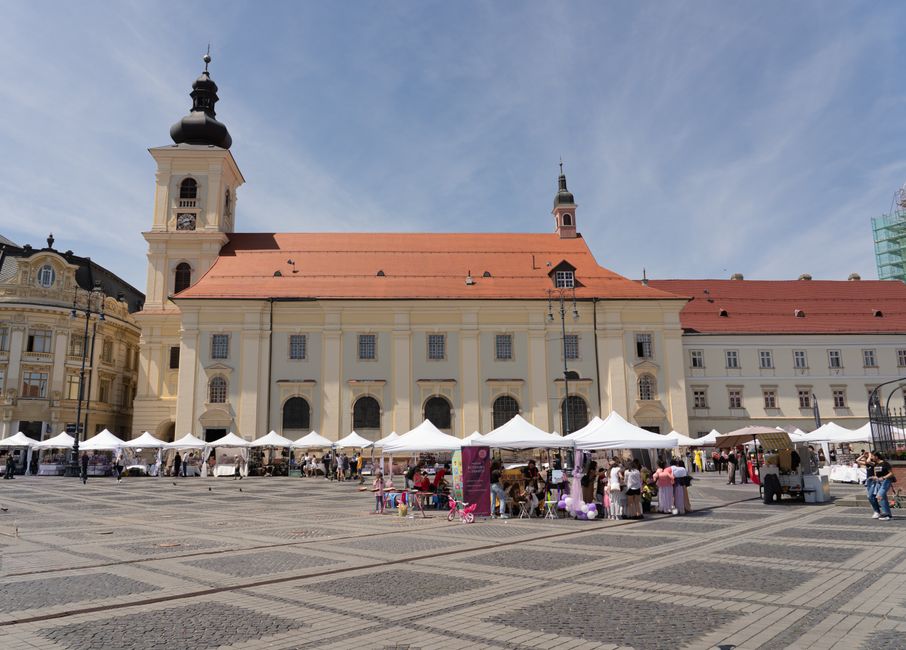
The nearest major city to the southern start of the Transfagarasan is Sibiu Sibiu, a charming Transylvanian city with a rich history and vibrant culture. From Sibiu, you can drive to the start of the road in about 1 hour. The northern end is accessible from Bucharest Bucharest, the capital of Romania, via the A1 highway and the DN7 national road. The drive from Bucharest takes about 3-4 hours, depending on traffic.
Transport options are limited. The best way to experience the Transfagarasan is by car. You can rent a car in Sibiu or Bucharest, with prices ranging from 30-60 EUR per day. Public transport is available, but it is slow and infrequent. Buses run from Sibiu to the Balea Lake, but they are crowded and uncomfortable. Taxis are expensive and not always reliable. If you want to explore the road at your own pace, a car is essential.
Accommodation options are limited. The Balea Lake Cabin offers basic rooms for 40-60 EUR per night. There are also campsites near the lake, where you can pitch a tent for 5-10 EUR per night. In Sibiu, there are a variety of hotels and hostels, ranging from 20-100 EUR per night. It is best to book in advance, especially during the peak season.
The best time to visit the Transfagarasan is from June to September, when the weather is warm and the road is open. However, the crowds are also heaviest during this time. If you want to avoid the crowds, consider visiting in May or October, when the weather is cooler and the road is less crowded. Just be prepared for the possibility of snow or rain.
Search accommodation in Sibiu on Booking.com →
Final Thoughts: The Road Less Traveled
The Transfagarasan is not a road for the faint of heart. It is a place that demands your respect and your attention. But for those who are willing to take the risk, the rewards are immense. It is a place of beauty and danger, of history and modernity, of life and death. It is a place that stays with you long after you have left. As I drive back down the mountain, the sun setting behind the peaks, I feel a sense of peace and gratitude. I have survived the road to heaven, and I am alive to tell the tale. The Transfagarasan is more than just a road; it is an experience. It is a journey into the heart of Romania, a place where the mountains touch the sky and the soul touches the earth.
Comments