


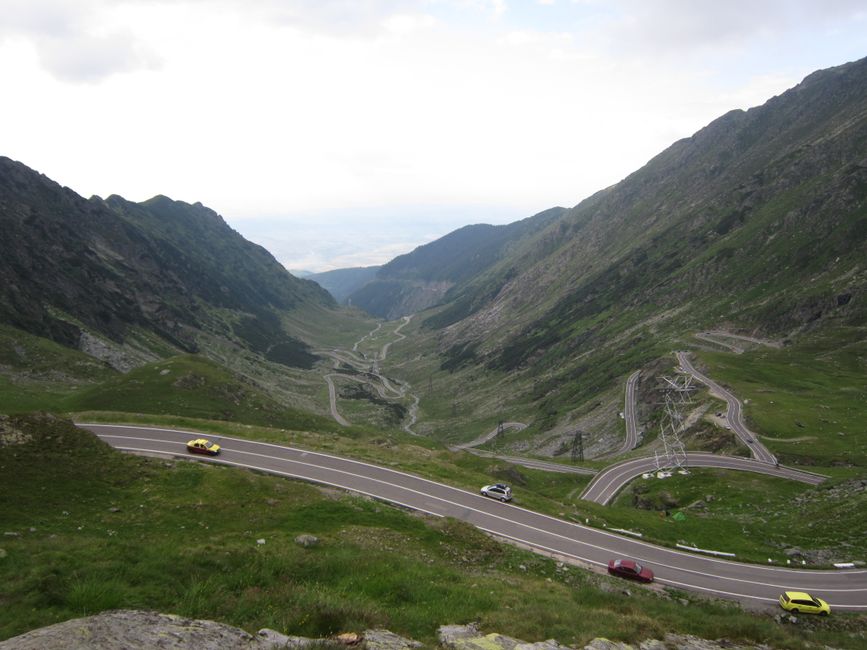
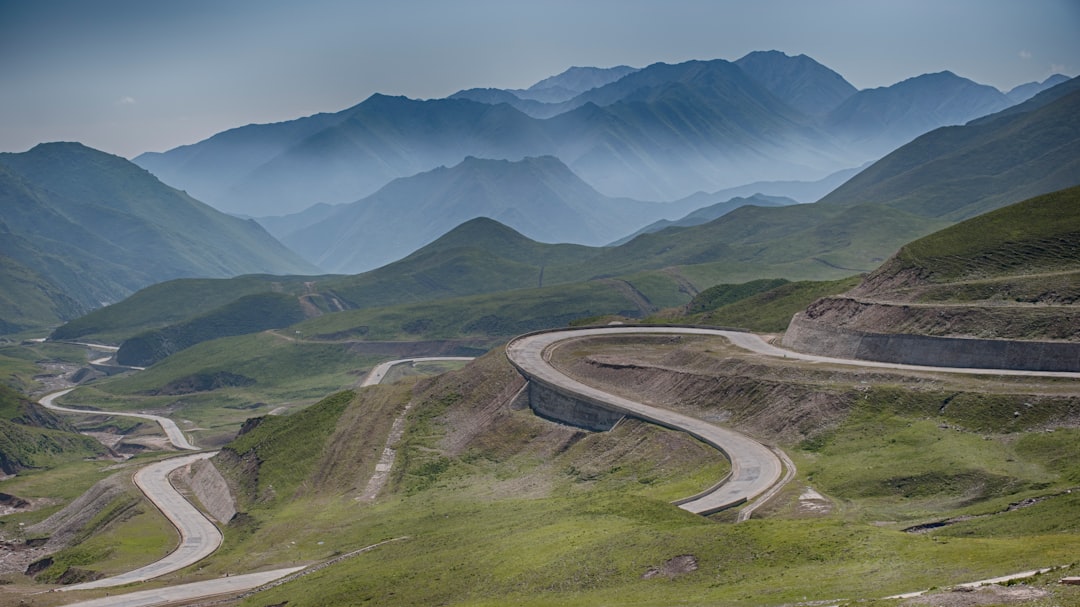
I am sitting in the passenger seat of a rusted Dacia that smells like stale tobacco and wet wool, watching the driver's knuckles turn white as he wrestles the steering wheel down a hairpin that feels less like a road and more like a suggestion. We are somewhere above the clouds, somewhere where the air is thin enough to make my lungs burn and the silence is so absolute it rings in my ears. The Transfagarasan is not a drive. It is an assault on your nervous system, a concrete ribbon thrown over the spine of the Carpathians by a dictator who wanted to feel like a god, and it has haunted my dreams for three days straight. The mist rolls in like a living thing, swallowing the drop-off on the left, and I realize I am holding my breath. The driver doesn't even look at me. He just downshifts, the engine screaming, and we dive into the next curve. This is Romania's highest mountain pass, and it does not care if you live or die.
Most people come here for the photos. They want the Instagram shot of the yellow road curving through the green valleys, the perfect symmetry of the Fagaras Mountains. But they don't understand the violence of this place. They don't feel the weight of the concrete, the sheer industrial arrogance of cutting through solid rock at 2,000 meters. I am here because I need to know if the road is still alive, if it still bites back. And as the Dacia shudders over a pothole the size of a dinner plate, I realize it does. The Transfagarasan is not a scenic route. It is a monument to human stubbornness, and it demands respect.
History & Identity
The Transfagarasan was built by Nicolae Ceaușescu in the 1970s, a vanity project meant to connect the north and south of Romania through the high mountains. It was supposed to be a symbol of national unity, a feat of engineering that would put Romania on the map. Instead, it became a symbol of excess, built with forced labor and countless lives lost in the mountains. The road was never finished properly, and it has been deteriorating ever since. But that decay is part of its charm. The crumbling concrete, the overgrown vegetation, the sense of abandonment — it gives the road a raw, brutalist beauty that you won't find anywhere else. It is a ghost road, haunted by the ghosts of its construction and the memories of those who have driven it since.
Today, the Transfagarasan is a pilgrimage site for car enthusiasts, adventurers, and anyone who wants to feel alive. It is open only from June to October, when the snow clears and the weather is mild enough to make driving possible. In the winter, the road is closed, buried under meters of snow, a white scar across the mountains. But in the summer, it comes alive with traffic, with tourists and locals alike, all drawn to the same magnetic pull. It is a place where you can feel the pulse of the mountains, where the wind screams through the passes and the clouds hang low, touching the ground.
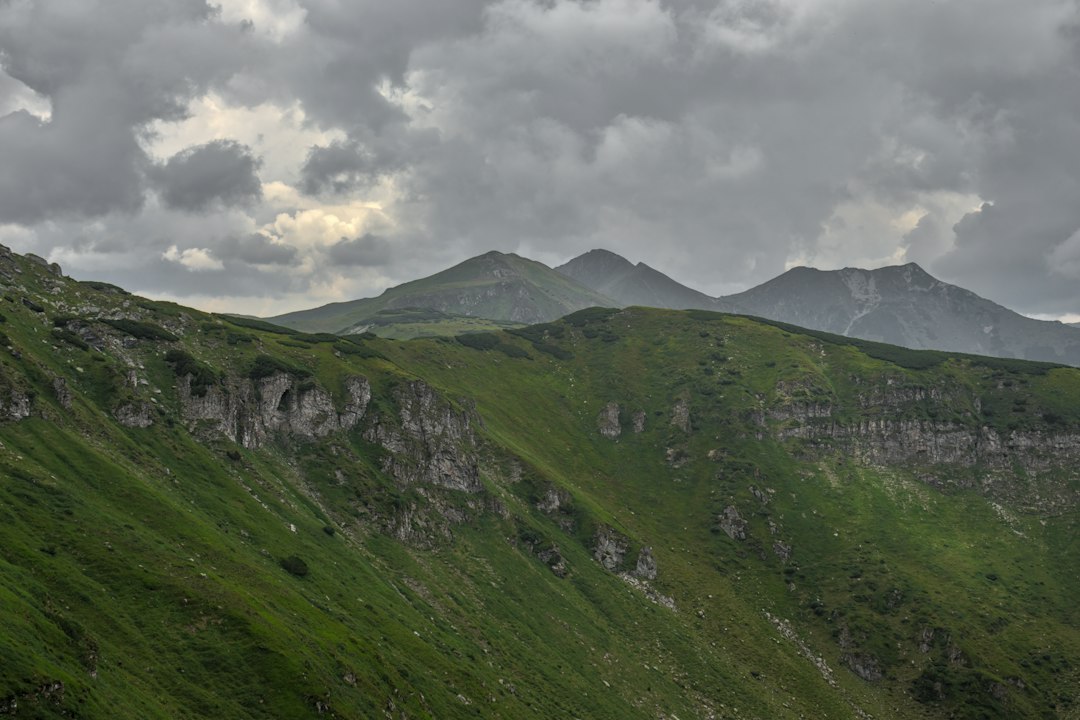
The road passes through Fagaras Mountains, the highest range in Romania, where peaks like Moldoveanu Peak rise above 2,500 meters. The landscape is wild and untamed, with deep valleys, rushing rivers, and dense forests. It is a place where nature still dominates, where the road is just a thin line cutting through a vast, indifferent wilderness. And that is what makes it so compelling. It is not a road that you drive. It is a road that drives you.
Where to Go
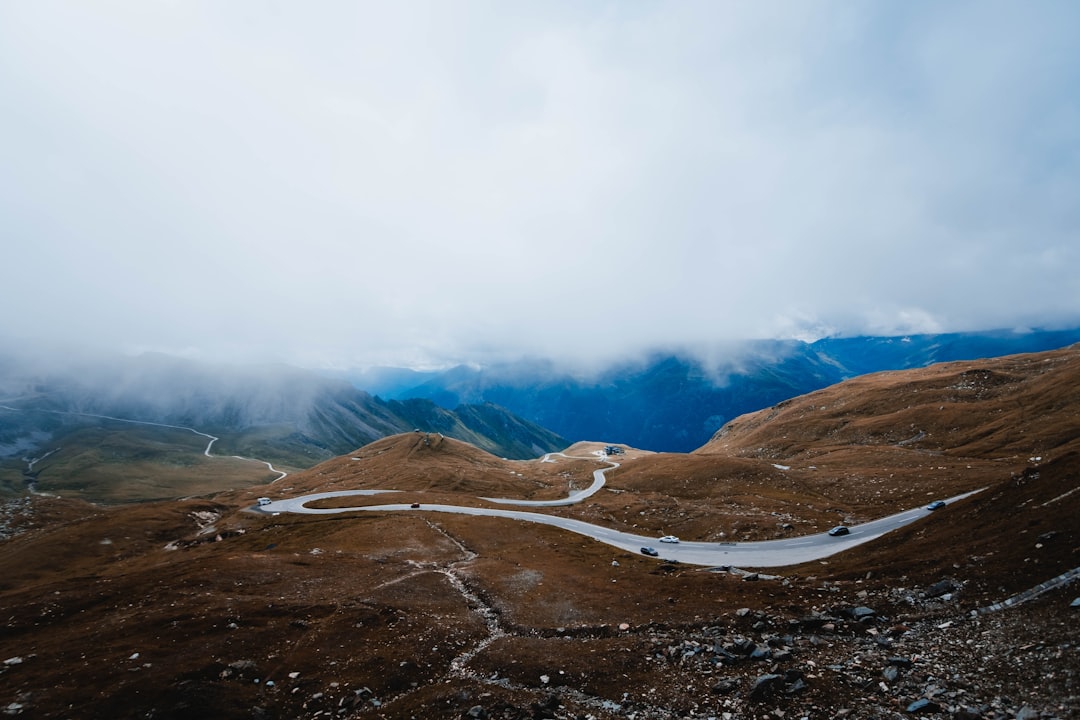
Rucand Pass — The highest point on the Transfagarasan, at 2,042 meters, Rucand Pass is a stark, windswept plateau where the road seems to disappear into the clouds. There are no facilities here, just a few concrete barriers and a view that stretches for miles. It is a place to stop and breathe, to feel the altitude and the isolation. The wind is fierce here, and the cold bites even in summer. Bring a jacket, and bring your camera. The views are worth it.
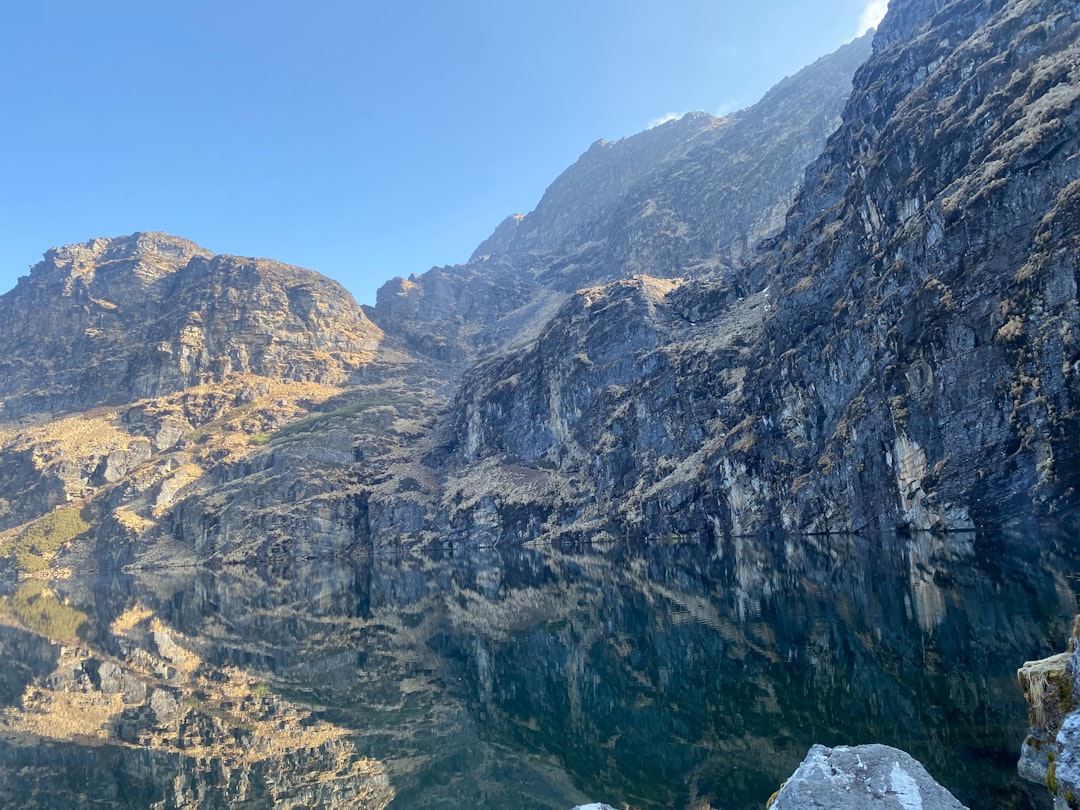
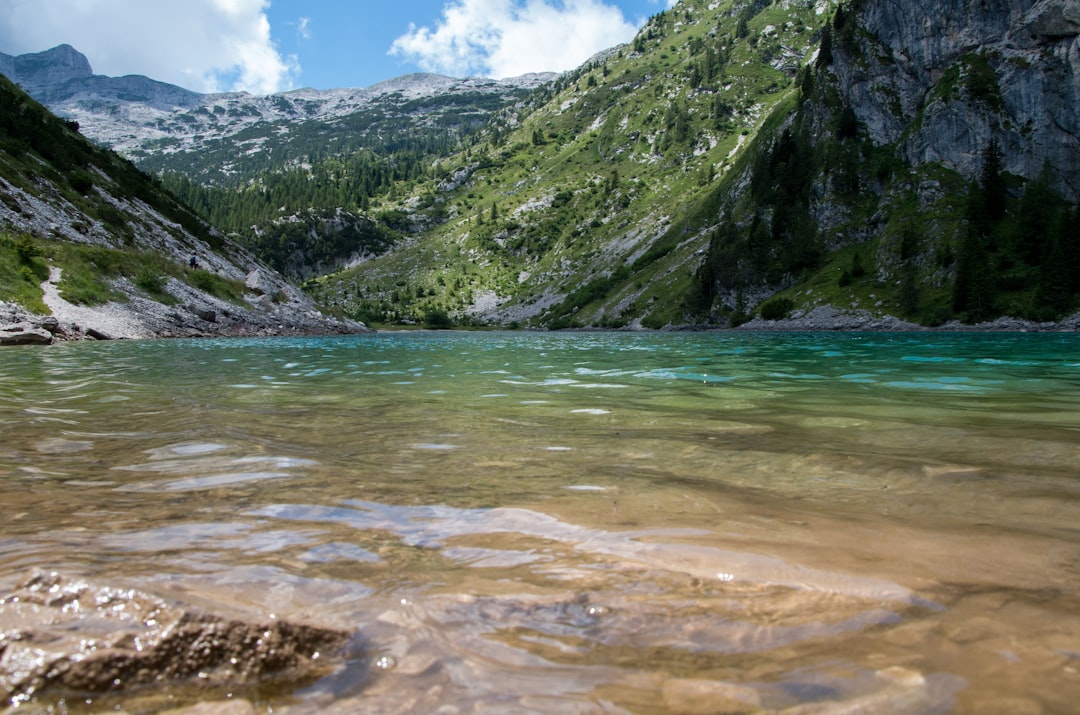
Balea Lake — A glacial lake nestled in the mountains, Balea Lake is a popular stop for tourists. The water is cold and clear, reflecting the surrounding peaks. There are a few restaurants and shops here, offering hot drinks and local snacks. It is a good place to rest, to stretch your legs, and to take in the scenery. The lake is small, but it is beautiful, a jewel in the heart of the mountains.
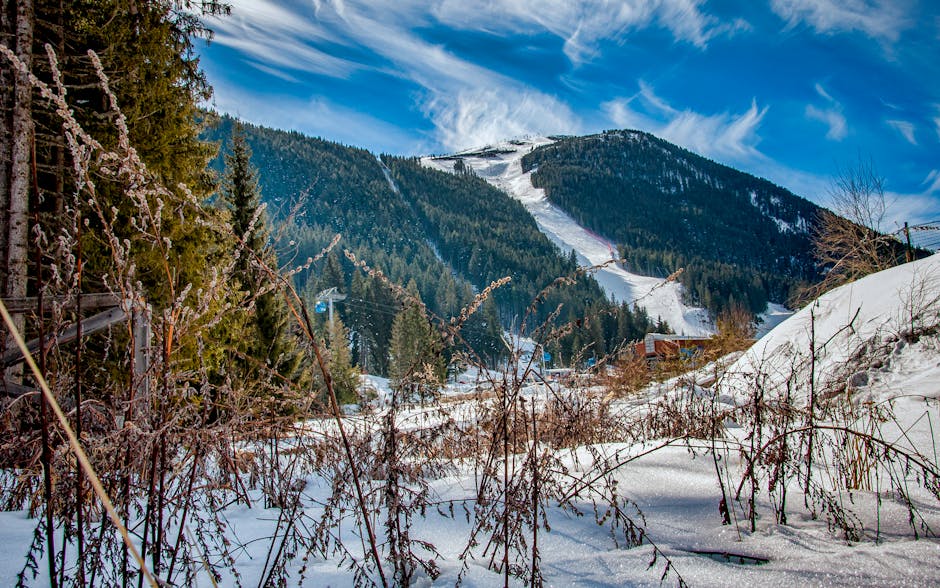
Balea Mountain Resort — A small ski resort at the top of the mountains, Balea offers accommodation and dining options for those who want to stay overnight. The views from the resort are spectacular, with panoramic vistas of the Fagaras Mountains. It is a good base for hiking and exploring the area, and it offers a chance to see the mountains from a different perspective.
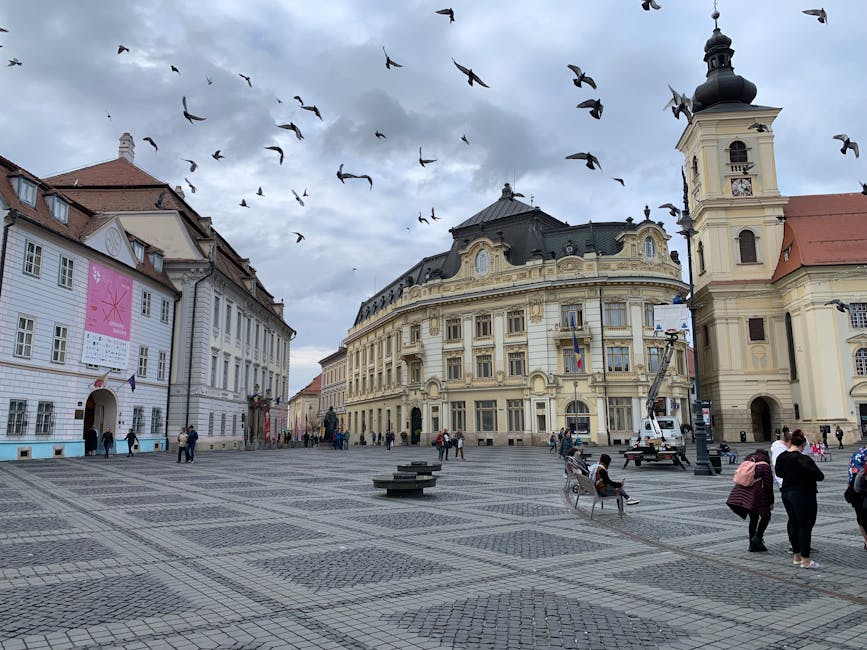
Romanian Military Museum of Transylvania — Located in Sibiu, this museum offers a glimpse into the military history of the region, including the construction of the Transfagarasan. It is a small museum, but it is well-curated, with exhibits on the soldiers who built the road and the equipment they used. It is a sobering reminder of the cost of the road, and it adds a layer of depth to the driving experience.
What to Eat & Drink
Food on the Transfagarasan is sparse, but it is hearty. You will find small restaurants and cafes at Balea Lake and in the nearby villages, serving traditional Romanian dishes. mămăligă (polenta) with cheese and sour cream is a staple, 5-8 EUR per serving. țuică, a strong plum brandy, is the drink of choice, 2-3 EUR per shot. It is potent, and it will warm you up on a cold day. For a more substantial meal, try sarmale (cabbage rolls), 8-12 EUR, or mici (grilled minced meat rolls), 4-6 EUR. These are cheap, filling, and delicious. There are also a few fast food options in Sibiu and Rm. Vâlcea, but they are not worth it. Stick to the local food, and you will be happy.
Budget travelers can expect to spend 15-20 EUR per day on food, if they stick to the basics. A meal at a local restaurant will cost 10-15 EUR per person, while a snack or a drink will cost 2-5 EUR. There are no high-end restaurants on the Transfagarasan, so don't expect fine dining. But the food is simple, honest, and satisfying. And that is what matters.
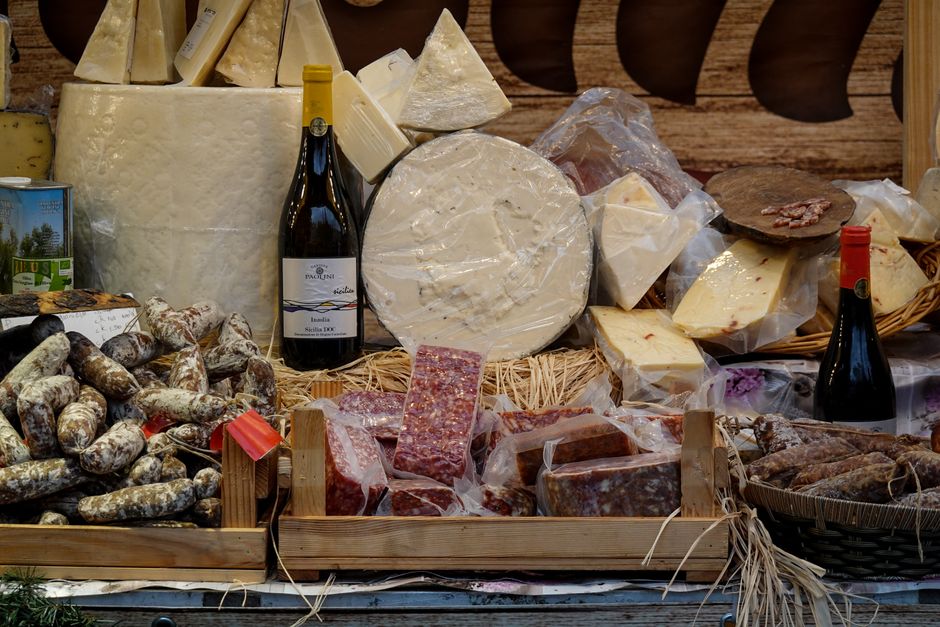
For a taste of the local culture, visit the markets in Sibiu or Rm. Vâlcea, where you can buy fresh produce, cheese, and meats. The prices are reasonable, and the quality is excellent. It is a good way to support the local economy and to experience the region's culinary traditions.
Nightlife
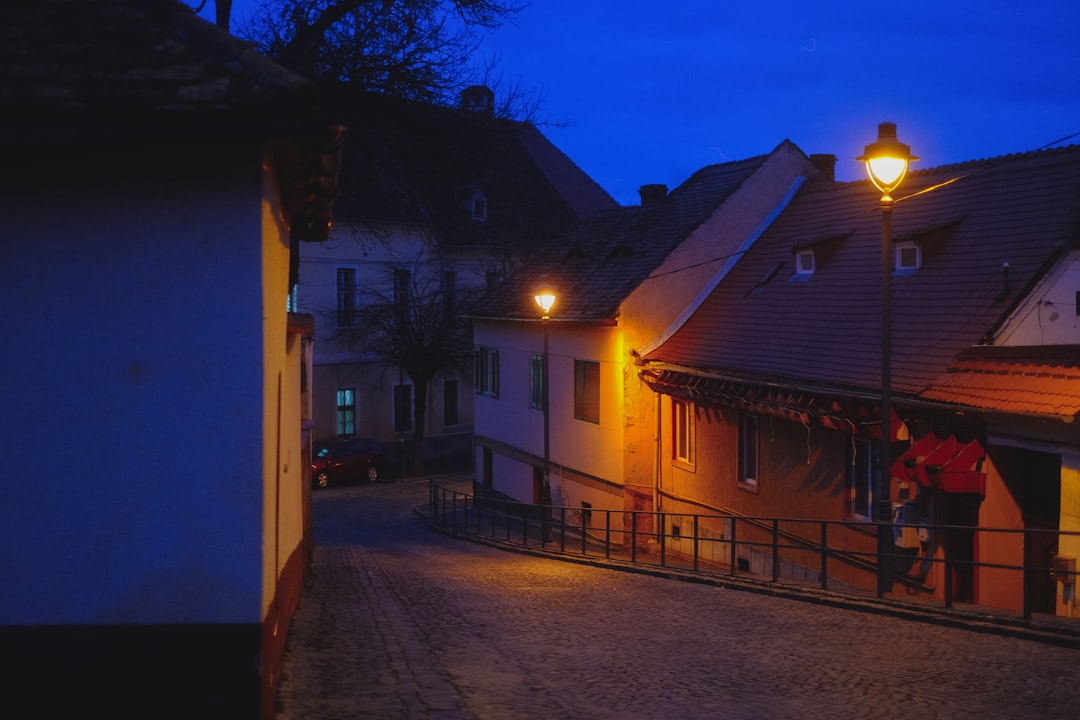
Nightlife on the Transfagarasan is non-existent. The road closes at night, and the mountains are dark and cold. But in the nearby towns of Sibiu and Rm. Vâlcea, you will find a vibrant nightlife scene. Sibiu is a university town, with a lively student population and a variety of bars and clubs. The city center is pedestrianized, with cobblestone streets and historic buildings, creating a charming atmosphere. Bars like Baroc and La Ciuma offer live music and local beer, 2-4 EUR per drink. Clubs like Club 30 and La Vama offer dance music and cocktails, 5-10 EUR per drink. The nightlife is lively, but it is not wild. It is a place to relax and unwind after a day on the road.
Rm. Vâlcea is a smaller town, with a more subdued nightlife. But it has a few good bars and pubs, where you can enjoy a drink and a chat with the locals. The atmosphere is relaxed, and the prices are lower than in Sibiu. It is a good place to end the day, to reflect on the journey and to plan for the next one.
Getting There & What to Expect
The nearest major city to the Transfagarasan is Sibiu, which is well-connected by road and rail. From Bucharest, it is a four-hour drive, or a three-hour train ride. From Cluj-Napoca, it is a three-hour drive, or a two-hour train ride. The road from Sibiu to the Transfagarasan is well-maintained, and the journey is scenic, passing through the valleys of the Olt River. The Transfagarasan itself is open from June to October, and it is best to visit in July or August, when the weather is warm and the road is clear. But be prepared for crowds, as this is the peak season. If you prefer solitude, visit in June or September, when the traffic is lighter and the colors are vibrant.
Accommodation on the Transfagarasan is limited, but there are a few options. At Balea Lake, there is a small hotel and a few guesthouses, 50-80 EUR per night. In Sibiu, there are a variety of hotels and hostels, ranging from 20-30 EUR per night for a hostel bed to 100-150 EUR per night for a luxury hotel. It is best to book in advance, especially in the peak season. For a more adventurous experience, consider camping. There are a few campsites in the area, 10-15 EUR per night, offering a chance to sleep under the stars and to wake up to the sounds of the mountains.
The road itself is challenging, with steep gradients, sharp curves, and narrow sections. It is not suitable for beginners, and it is best to drive a car with good brakes and a powerful engine. The road surface is deteriorating, with potholes and cracks, so drive carefully and avoid speeding. The speed limit is 90 km/h, but it is often lower, especially in the curves. The road is not maintained in the winter, and it is closed from November to May. So plan your trip accordingly, and check the weather forecast before you go.
Search accommodation in Sibiu on Booking.com →
The Road Takes You Apart
I am back in the Dacia, heading down the mountain. The sun is setting, casting long shadows across the road. The driver is silent now, focused on the descent. I look out the window, at the clouds rolling over the peaks, and I feel a strange sense of peace. The road has taken me apart, piece by piece, and now it is putting me back together. I am not the same person who started this journey. I am lighter, sharper, more alive. The Transfagarasan is not a road. It is a mirror, reflecting back at you everything you are and everything you could be. And as the Dacia disappears into the darkness, I know I will be back. Because the road is not done with me. It never is.
Comments