


History & Identity
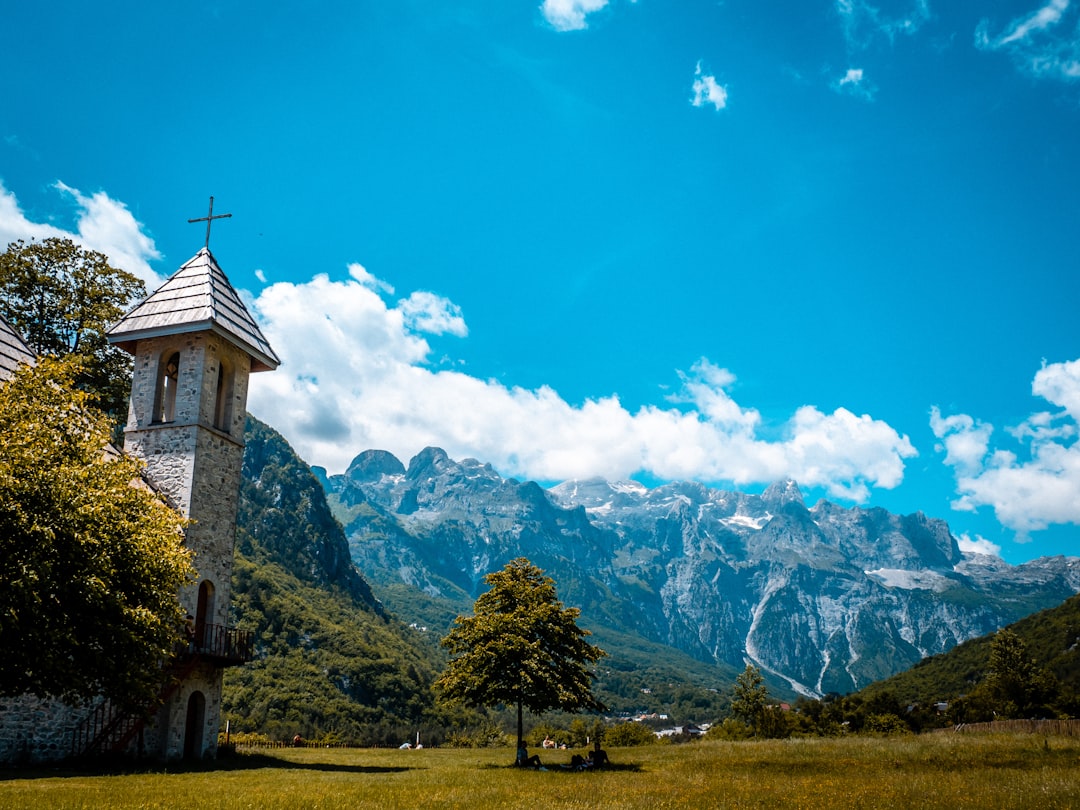
The Prokletije mountains have long served as a refuge for those who wanted to be left alone. For centuries, the clans of this region lived by a strict code of honor and blood feuds, isolated from the central authorities in Shkodër or Prishtina. The terrain is so steep and unforgiving that armies have historically avoided it, leaving the villages to govern themselves. This isolation bred a fierce independence and a deep, spiritual connection to the land. The identity of these communities is woven into the limestone cliffs and the dense forests of black pine and beech.
Today, that history is reshaping itself through tourism. After decades of economic hardship, the locals realized that their greatest asset was not timber or livestock, but the pristine wilderness itself. The shift toward eco-tourism has been organic and somewhat chaotic. There are no massive resort complexes here, only family-run guesthouses that have converted stone barns into rooms with surprisingly hot showers. The preservation of the landscape is no longer just a cultural instinct; it is an economic imperative. If the water gets polluted or the trails erode, the money stops flowing.
The Theth National Park was officially designated to protect this fragile ecosystem, but the real guardians are the villagers who still gather wood for heating and graze sheep on high alpine pastures. The tension between development and conservation is palpable. You see it in the new solar panels on ancient roofs and the plastic waste occasionally snagged in the river. It is a work in progress, a raw experiment in how a remote mountain community can integrate with the global travel economy without losing its soul.
The Trail: A Journey Through Stone
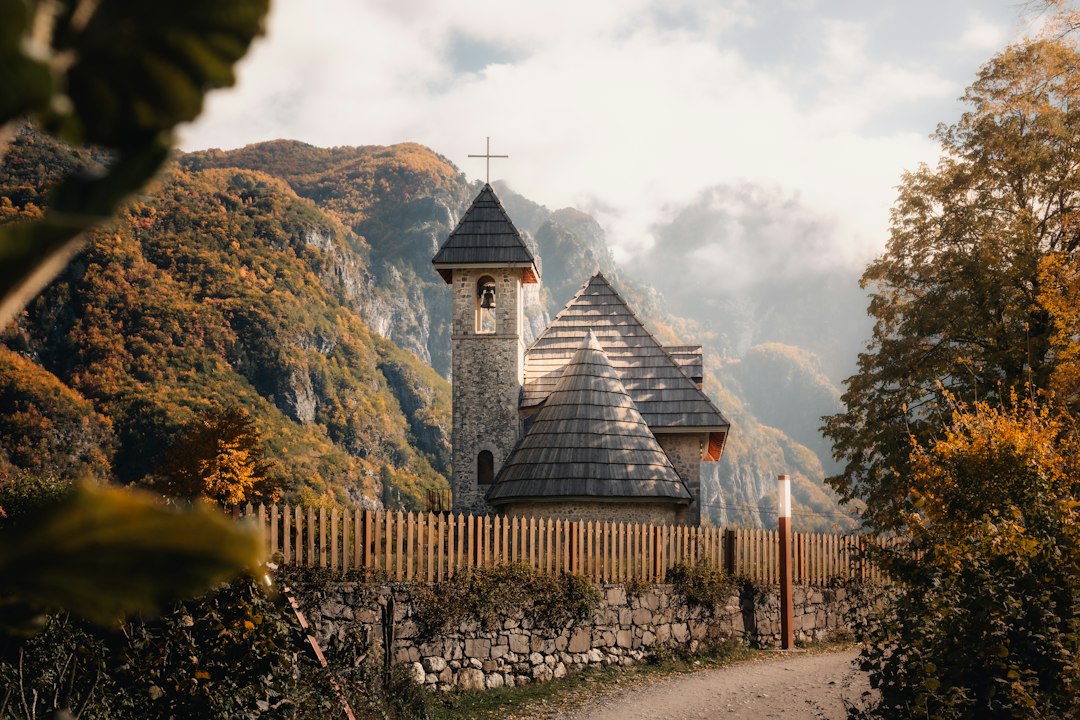
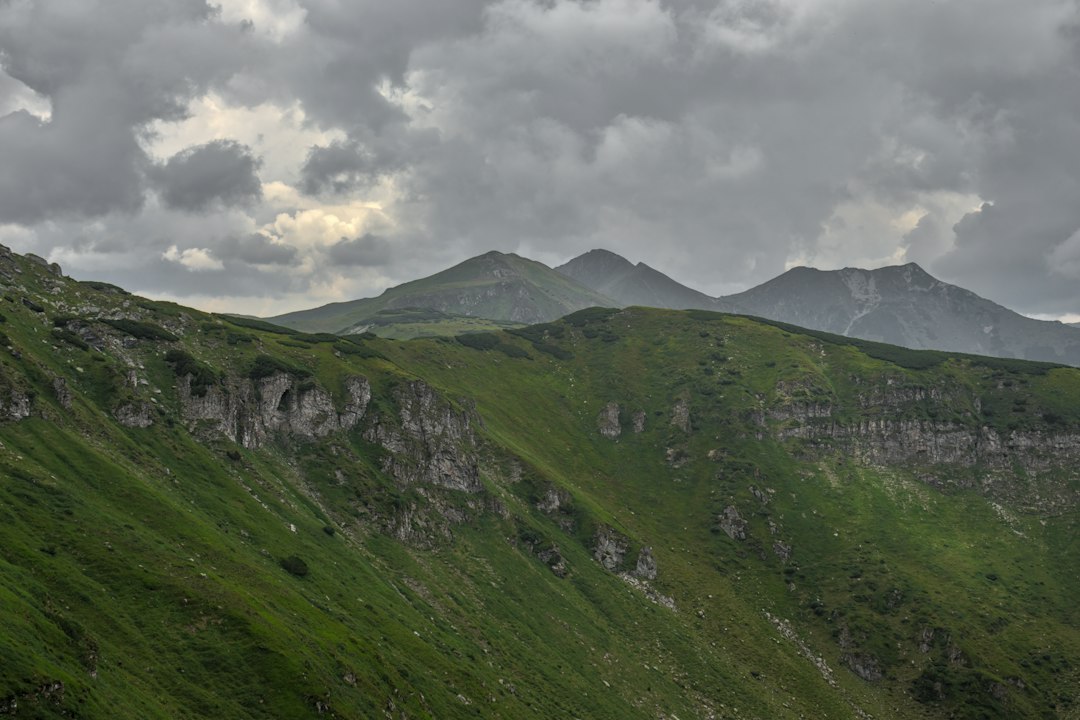
The hike from Theth to Valbona is approximately 15 kilometers (about 9 miles) and takes most hikers 5 to 7 hours, depending on fitness and how many photos they take. The trail begins with a steep ascent out of the Theth valley, climbing up through dense forests where the light filters through the canopy in dappled patterns. The path is well-marked with red and white paint on trees and rocks, a legacy of the old border patrol days. As you gain elevation, the trees thin out, revealing the jagged peaks of Radohima and Jezerce, which loom like ancient gods watching over the pass.
The crossing of the Valbona Pass itself is a moment of surreal exposure. You are high above the tree line, surrounded by a sea of clouds and sharp, grey limestone teeth. The wind here is relentless, whipping across the open ridge. It is a place of stark contrasts: the harshness of the wind against the softness of the wildflowers that somehow manage to grow in the rocky crevices. From the summit, you can see into Kosovo on a clear day, a reminder of the border that once made this area a no-man's-land. Now, it is a gateway.
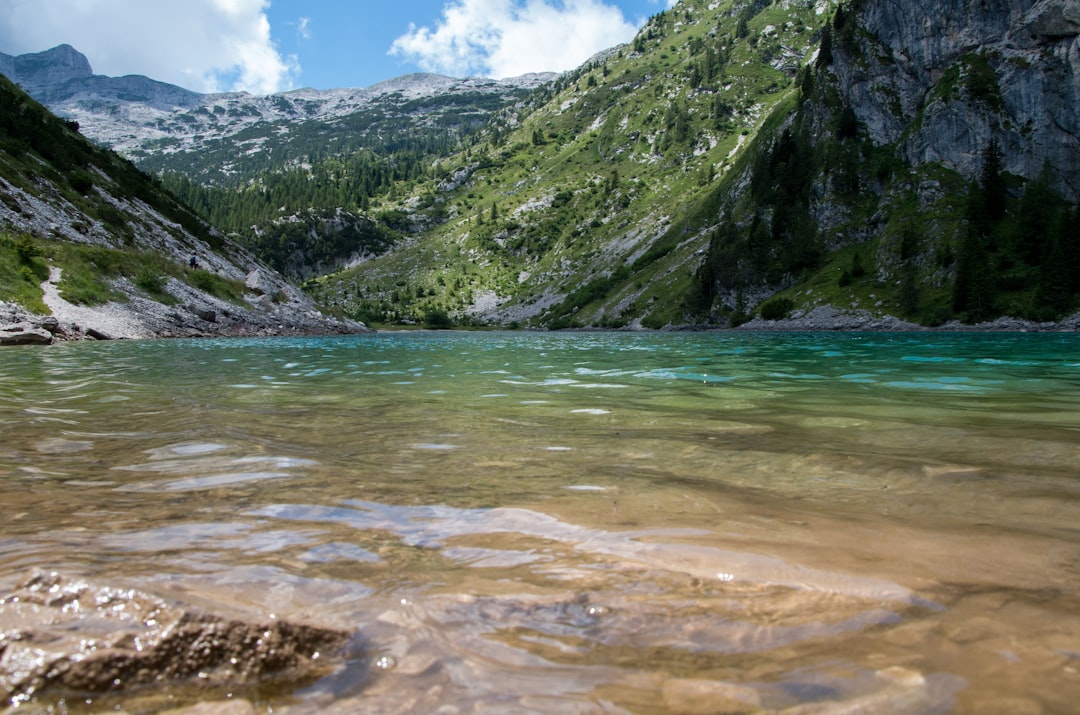
After the pass, the trail descends steeply into the Valbona Valley. The landscape changes dramatically, from the barren, high-altitude scree to a lush, green valley floor bisected by the turquoise waters of the Valbona River. The descent is easier on the eyes but harder on the knees, as the trail winds down through meadows dotted with grazing cattle and traditional stone huts. By the time you reach the village of Valbona, the sun is usually setting, casting long shadows across the valley and painting the sky in hues of orange and purple. It is a finish line that feels earned, not given.
On the Ground: Logistics & Survival
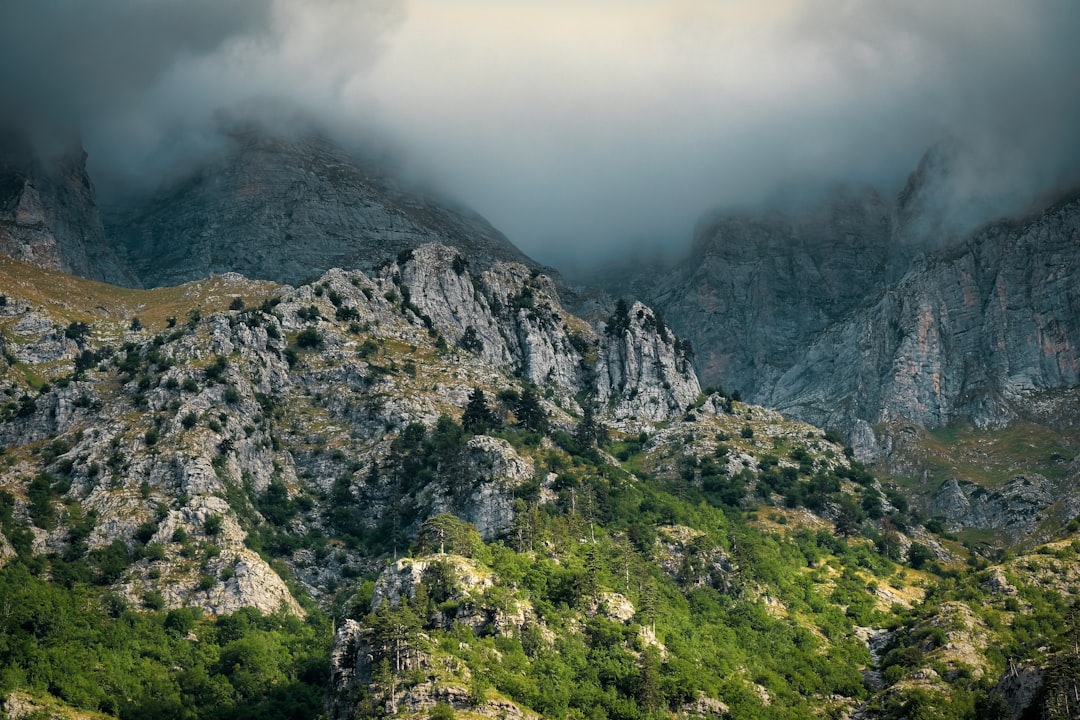
Getting to Theth is an adventure in itself. There is no direct road from the main highway. You must drive or take a bus from Shkodër to a junction, then switch to a small, battered 4x4 taxi that will navigate the winding, unpaved road up to the village. The ride is bumpy and dusty, lasting about 1.5 hours from the junction. From Tirana, the drive to Shkodër takes about 2 hours, making the total journey a full day if you are coming from the capital. Buses run regularly from Shkodër to the Theth junction in the morning, but you must be back by early afternoon to catch the return trip.
Accommodation in Theth and Valbona is basic but functional. Expect family-run guesthouses with private bathrooms, heating, and hearty home-cooked meals. Prices are reasonable for the region: a double room with breakfast runs about 25-40 EUR per night. Meals are another 8-12 EUR per person, featuring local cheeses, grilled meats, and fresh vegetables. There are no supermarkets in the villages, so bring snacks, water, and any specific toiletries you need from Shkodër or Tirana. ATMs are available in Theth, but they can be unreliable, so carry cash in Albanian Lek or Euros.
The hike itself is free, but there is a small entrance fee to the Theth National Park, usually around 3-5 EUR per person, which helps fund trail maintenance. It is essential to hire a local guide if you are unfamiliar with the terrain or plan to hike outside the main trail. Guides are knowledgeable about the history, flora, and fauna, and they provide an added layer of safety. Most guesthouses can arrange a guide for a fee of about 50-80 EUR for the day. Always check the weather forecast before starting, as conditions in the mountains can change rapidly, even in summer.
What to Eat & Drink
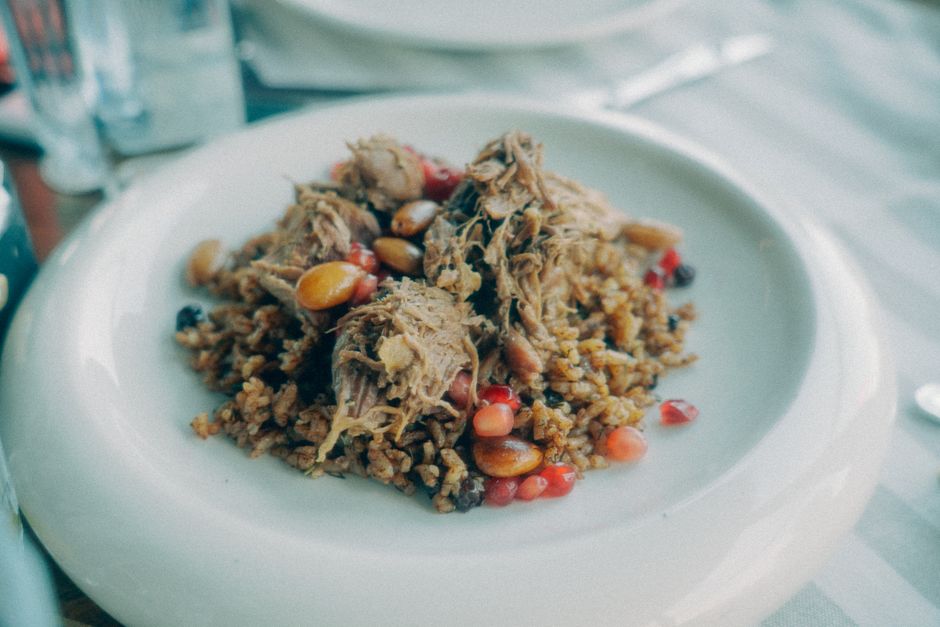
Food in the Accursed Mountains is fuel, but it is also a celebration of local resources. The cuisine is simple, hearty, and deeply rooted in tradition. You will not find elaborate menus here, just generous portions of dishes that have sustained mountain dwellers for generations. Byrek, a flaky pastry filled with cheese, spinach, or meat, is a staple breakfast item, often eaten with yogurt. Tavë kosi, a baked dish of lamb and rice with a yogurt sauce, is a must-try dinner, rich and comforting after a long day on the trail.
For lunch on the trail, pack qifqi, a traditional Albanian pasta made from cornmeal, or simply bring bread, cheese, and cured meats. In the villages, you can find trutta, fresh trout caught from the mountain rivers, grilled simply with olive oil and lemon. Drinks are equally local: Raki, a strong fruit brandy, is served in small glasses to warm you up in the evening. Fresh mountain water is available from taps in the villages, but it is always wise to treat it or buy bottled water for the hike. Coffee is taken seriously here, thick and strong, served in small cups with a side of sheqer (sugar cubes).
Budget travelers can keep costs low by eating breakfast and dinner at their guesthouse and packing a simple lunch. Street food is limited, but you can find fresh produce and homemade goods at small shops in the village centers. The focus is on quality and authenticity, not variety. Eating here is about connecting with the land and the people who cultivate it.
Nightlife: The Quiet Dark
Let's be clear: there is no nightlife in Theth or Valbona in the conventional sense. There are no clubs, no bars with DJs, no neon lights. The "nightlife" here is the sound of the wind in the pines, the distant bleating of sheep, and the crackle of a wood-burning stove. After dinner, guests gather in the common room of their guesthouse to share stories, play cards, or drink Raki while the owner recounts tales of the mountains. It is a social experience that is intimate and authentic.
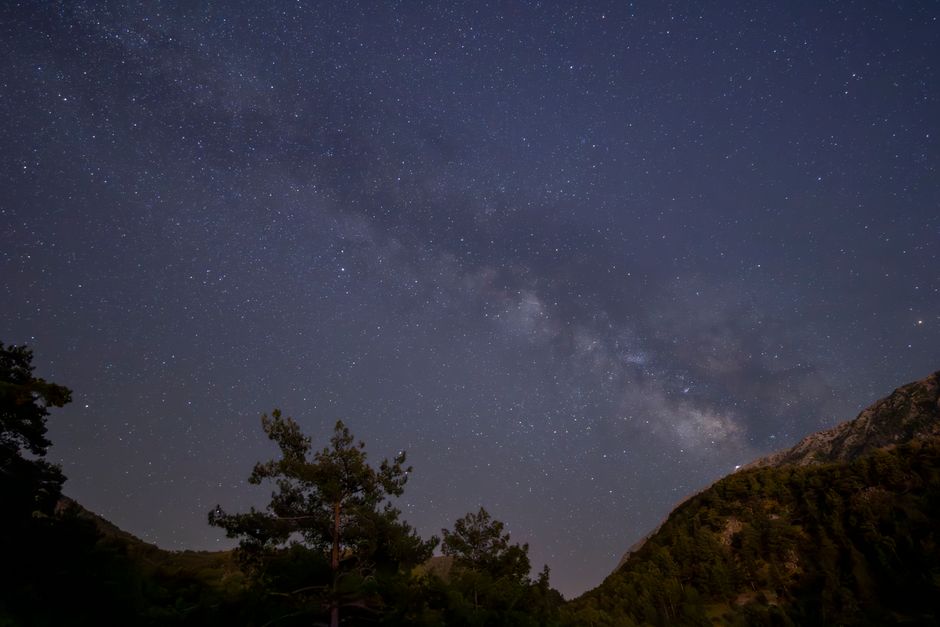
The darkness is profound, with no light pollution to obscure the stars. If the weather is clear, the night sky is a spectacle of Milky Way visibility that is hard to match in Europe. Many hikers spend their evenings sitting outside on the porch, wrapped in blankets, watching the stars wheel overhead. It is a chance to disconnect from the digital world and reconnect with a sense of scale and wonder. This is not a place to party; it is a place to pause, to reflect, and to appreciate the silence.
For those who crave more stimulation, the journey to Shkodër after the hike offers a different experience. Shkodër has a vibrant cafe culture and a lively waterfront, where you can unwind with a drink and a view of the Drin River. But in the mountains, the night is for rest and recovery, preparing you for whatever challenges the trail may bring the next day.
Getting There & What to Expect
To reach Theth, start in Tirana or Shkodër. From Tirana, take a bus or furgon to Shkodër (2 hours, 3-5 EUR). From Shkodër, take a bus to the Theth junction (1 hour, 1-2 EUR), then a 4x4 taxi to Theth (1.5 hours, 10-15 EUR per person). The road is rough and winding, so motion sickness sufferers should prepare accordingly. From Valbona, the process is reversed: 4x4 to the Valbona junction, then bus back to Shkodër.
Accommodation ranges from budget guesthouses to slightly more upscale eco-lodges. Expect to pay 25-40 EUR per night for a double room with breakfast. Camping is possible in designated areas, but facilities are minimal. The best time to hike is from June to September, when the weather is warm and the trails are clear. Spring can be muddy and snowy at higher elevations, while autumn brings crisp air and colorful foliage but unpredictable weather.
Expect physical exertion, basic amenities, and a profound sense of immersion in nature. This is not a luxury holiday; it is a rugged adventure. Bring sturdy hiking boots, layers for changing weather, a waterproof jacket, and a positive attitude. The rewards are the stunning landscapes, the hospitality of the locals, and the feeling of having walked through one of Europe's last wild places.
Search accommodation in Theth on Booking.com →
The Last Wild Heartbeat
I am sitting on the edge of my bed in Valbona, peeling mud off my boots with a dull knife. My legs ache in a way that feels good, like a promise kept. The room is dim, lit only by a single bulb and the glow from the stove. Outside, the river rushes, indifferent to my presence. I think about the shepherd in Theth, the silence of the pass, the taste of the Raki that burned all the way down. This place does not care about your likes or your followers. It cares about your respect for its stone and its sky.
Eco-tourism here is not a trend; it is a survival strategy for both the land and the people. It is fragile, yes, but it is real. As I drift off to sleep, the wind howling outside like a wolf, I realize that this is what travel should be: not a consumption of places, but an encounter with them. The Accursed Mountains have cursed and blessed me in equal measure. And I would do it all again tomorrow.
Comments