


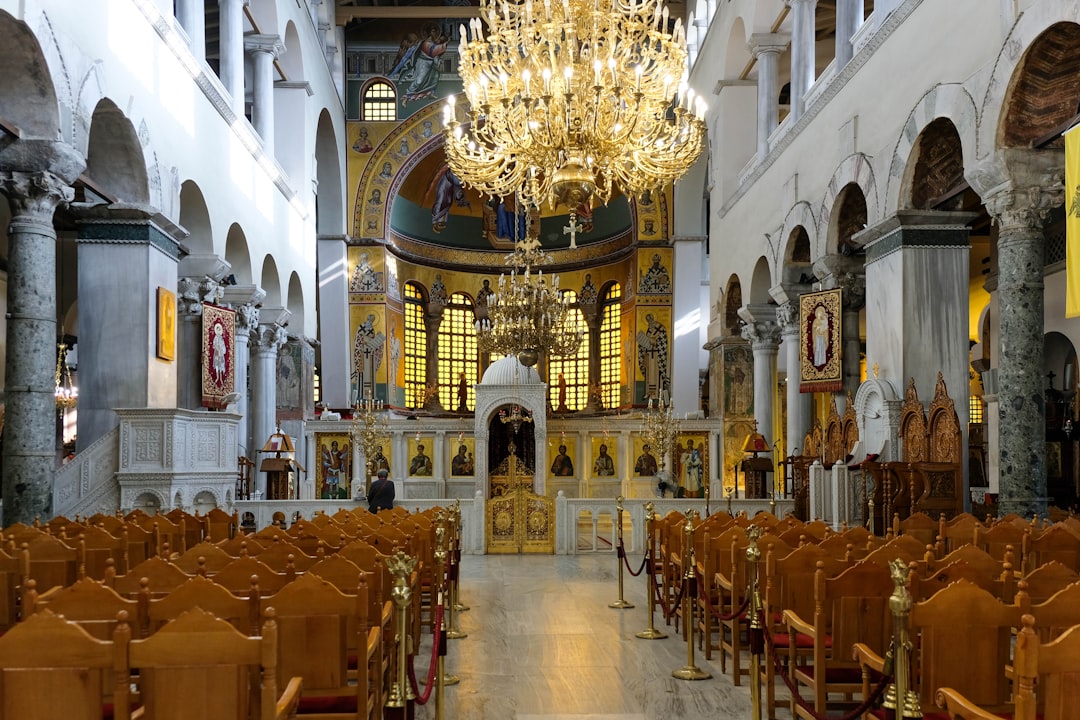
The humidity in Thessaloniki hits you like a wet wool blanket, thick with the smell of frying octopus and diesel fumes. I'm standing on a corner near the port, watching a fisherman argue with a tourist over the price of a mackerel, and I feel a strange dissonance. This city is loud, chaotic, and aggressively alive. But beneath the neon signs of the bars and the clatter of the trams, there is a ghost story that refuses to stay buried. Thessaloniki was once the "Jerusalem of the Balkans," a thriving center of Sephardic Jewish life until the Nazis arrived in 1943. Walking here isn't just tourism; it's an archaeological dig through memory. You can't help but feel the weight of the empty spaces, the silent courtyards where thousands once lived, prayed, and died. I'm not here for the sunsets or the souvlaki. I'm here to follow the trail of the lost.
The city has done a decent job of stitching itself back together, but the scars are visible if you know where to look. The Jewish quarter, once dense and vibrant, is now a mix of restored buildings, new developments, and the occasional crumbling facade that hints at a past life. As I walk through the narrow streets of the Ano Poli, the upper city, I keep thinking about the resilience of this place. It's a city that has been burned, bombed, and rebuilt so many times that destruction is almost part of its DNA. But the Jewish heritage is different. It's not just about survival; it's about identity. And in Thessaloniki, that identity is being reclaimed, one plaque, one synagogue, one museum at a time.
History & Identity
Thessaloniki's Jewish community dates back to at least the 4th century BC, when King Philip II of Macedon granted citizenship to Jews who settled in the city. But the modern identity was forged in 1492, when the Spanish Inquisition expelled the Jews from Spain. Thousands of Sephardic Jews fled to the Ottoman Empire, and many found a new home in Thessaloniki. By the early 20th century, Jews made up more than half of the city's population. They were merchants, doctors, lawyers, and intellectuals. They spoke Ladino, a Romance language derived from Old Spanish, and they built a culture that was distinctly Thessaloniki.
Then came World War II. In 1943, the Nazis rounded up the Jewish community and deported them to Auschwitz. Out of a population of over 50,000, only a few thousand survived. The destruction was almost total. Synagogues were burned, libraries looted, and lives erased. After the war, the city tried to rebuild, but the Jewish community was a shadow of its former self. Today, there are only a few hundred Jews left in Thessaloniki, but their legacy is everywhere. The city has embraced its Jewish past, not as a source of shame, but as a key part of its identity. The Jewish Heritage Trail is a testament to that reconciliation.
The trail is not just a list of sites; it's a narrative. It starts at the port, where the Jews were loaded onto trains, and ends at the Museum of the Jewish Community of Thessaloniki, where the story is told in full. Along the way, you pass synagogues, schools, and homes that have been restored or preserved. You see plaques with names, dates, and stories. You hear the echoes of a community that was once vibrant and vital. It's a powerful experience, one that stays with you long after you've left the city.
Where to Go
Museum of the Jewish Community of Thessaloniki — This is the starting point for any serious exploration of the city's Jewish past. Located in the restored Bet El Synagogue, the museum houses a vast collection of artifacts, documents, and photographs that tell the story of the Jewish community from its arrival in the 15th century to its destruction in the Holocaust. The exhibits are poignant and well-curated, with a particular focus on the daily life of the Jews in Thessaloniki. Entry is 5 EUR, and it's open Tuesday to Sunday, 9:00 AM to 7:00 PM. Allow at least two hours to see everything.
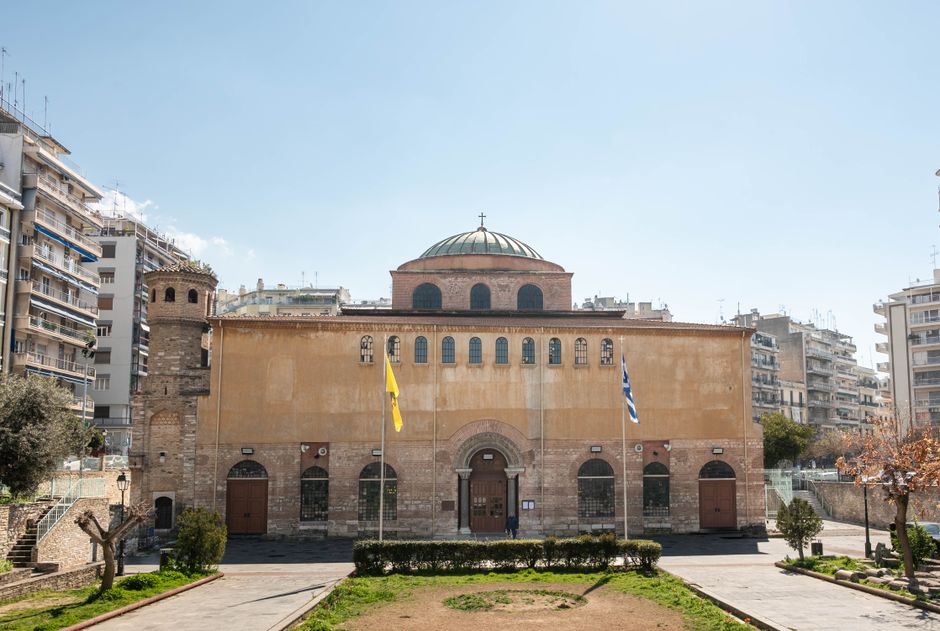
Benazelet Synagogue — Located in the heart of the old Jewish quarter, this synagogue is one of the few that survived the war and the great fire of 1917. It's a modest building, but it's full of history. The interior is simple, with a wooden ark and a bimah in the center. It's still in use for occasional services, so it's a place of living faith as well as historical interest. There is no entry fee, but donations are appreciated. It's best visited in the late afternoon, when the light is soft and the atmosphere is quiet.
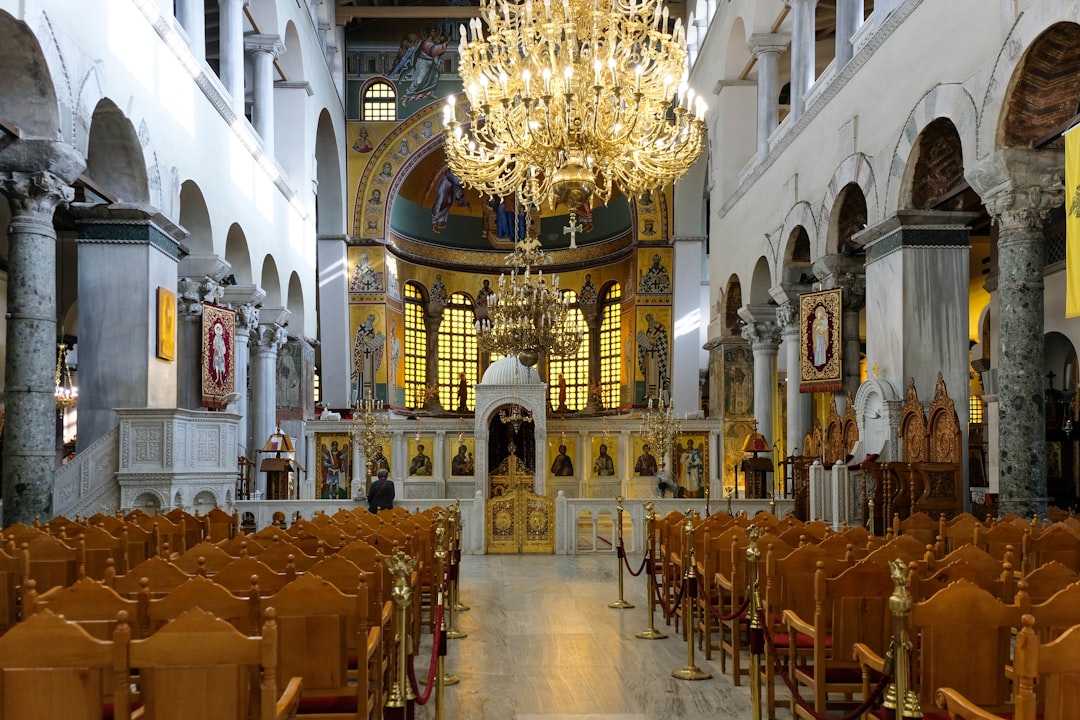
St. Dimitrios Synagogue — This is the largest synagogue in Thessaloniki, and one of the most impressive. Built in 1905, it's a beautiful example of Art Deco architecture. The interior is spacious and elegant, with a high ceiling and stained glass windows. It's still in use for regular services, so it's a vibrant part of the community. Entry is free for tourists, but you should dress modestly and remove your hat. It's best visited on a Saturday morning, when the service is held.
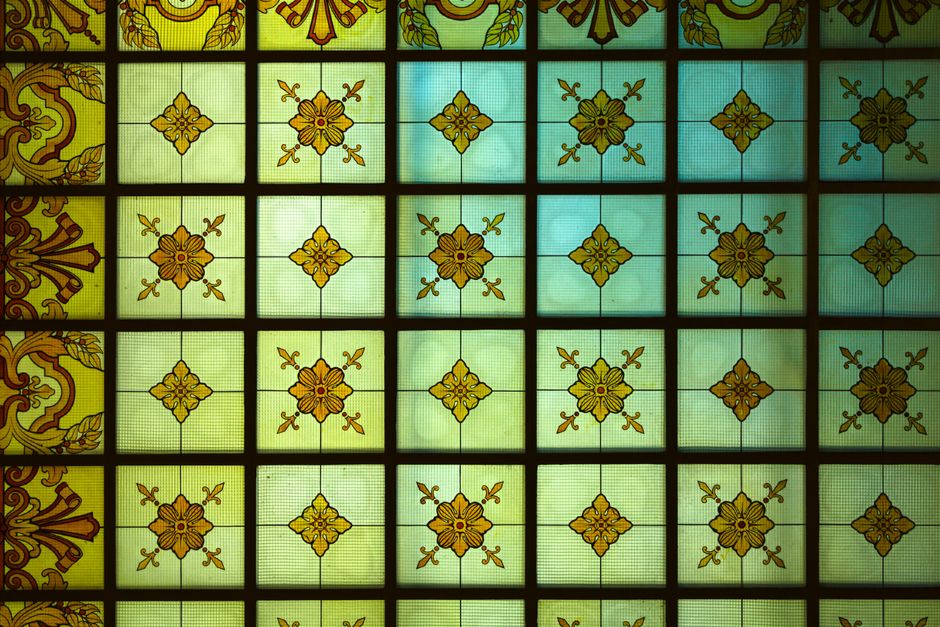
Nea Sinoga Synagogue — This is the most modern synagogue in Thessaloniki, built in 1960. It's a striking building, with a minimalist design and a large dome. It's still in use for regular services, and it's a symbol of the community's resilience. Entry is free for tourists, but you should dress modestly and remove your hat. It's best visited on a Sunday afternoon, when the atmosphere is relaxed and welcoming.
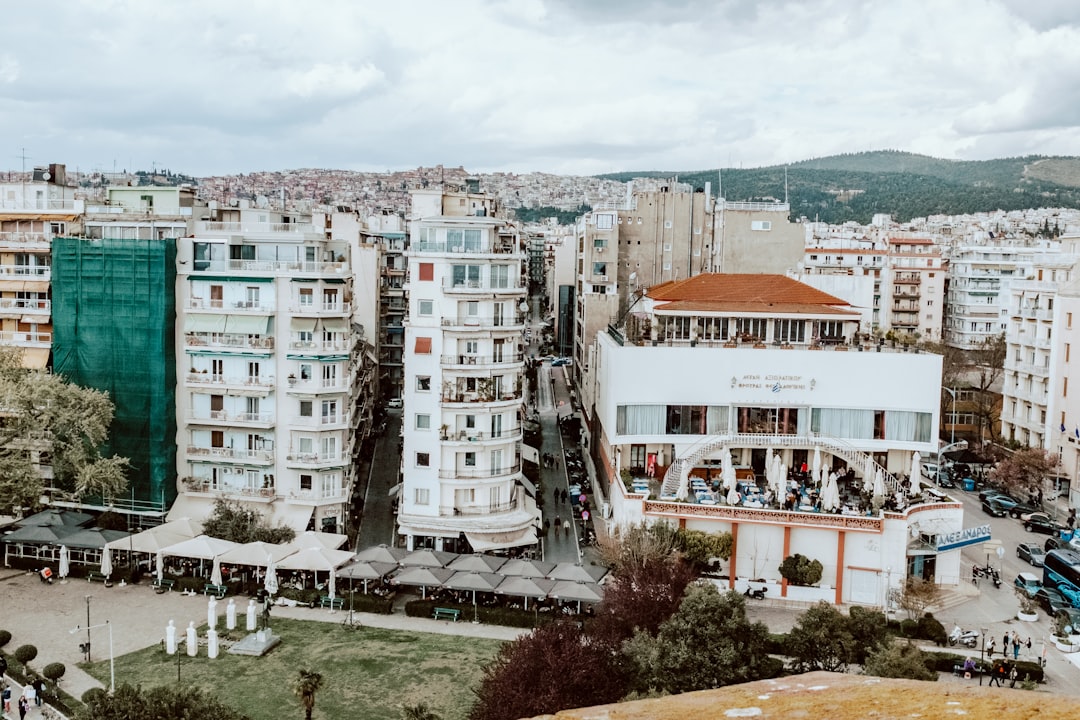
Plaka Square — This is the main square in the old Jewish quarter, and it's a great place to start or end your walk. It's a lively spot, with cafes, restaurants, and street performers. There are several plaques and monuments dedicated to the Jewish community, including a memorial to the victims of the Holocaust. It's a good place to grab a coffee and reflect on what you've seen.
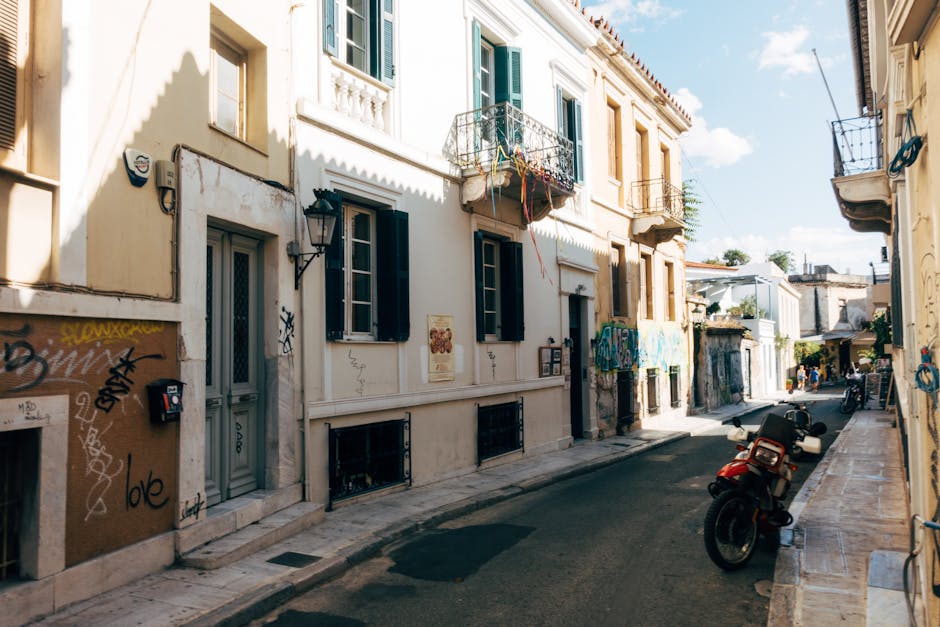
Thessaloniki Holocaust Memorial — Located in the city center, this is a solemn and powerful tribute to the victims of the Holocaust. It's a simple structure, with a wall of names and a garden of remembrance. It's a place of quiet reflection, and it's a must-visit for anyone interested in the city's Jewish heritage. Entry is free, and it's open 24 hours a day.
What to Eat & Drink
You can't talk about Thessaloniki without talking about food, and the Jewish heritage is reflected in the cuisine. The city is famous for its bougatsa, a pastry filled with custard or cheese, which is a staple of the Jewish diet. You can find it in bakeries all over the city, especially in the morning. A slice of bougatsa costs around 2-3 EUR, and it's the perfect way to start your day. Another must-try is the koulouri, a sesame-covered bread ring, which is also a Jewish tradition. You can buy it from street vendors for 0.50-1 EUR.
For a more substantial meal, try the local tavernas in the old Jewish quarter. They serve traditional Greek dishes with a Jewish twist, such as stuffed grape leaves, lamb stew, and fish soup. A main course costs around 10-15 EUR, and a glass of wine is 3-5 EUR. There are also several kosher restaurants in the city, which are a great option for those who want to eat in accordance with Jewish dietary laws. A meal at a kosher restaurant costs around 15-20 EUR.
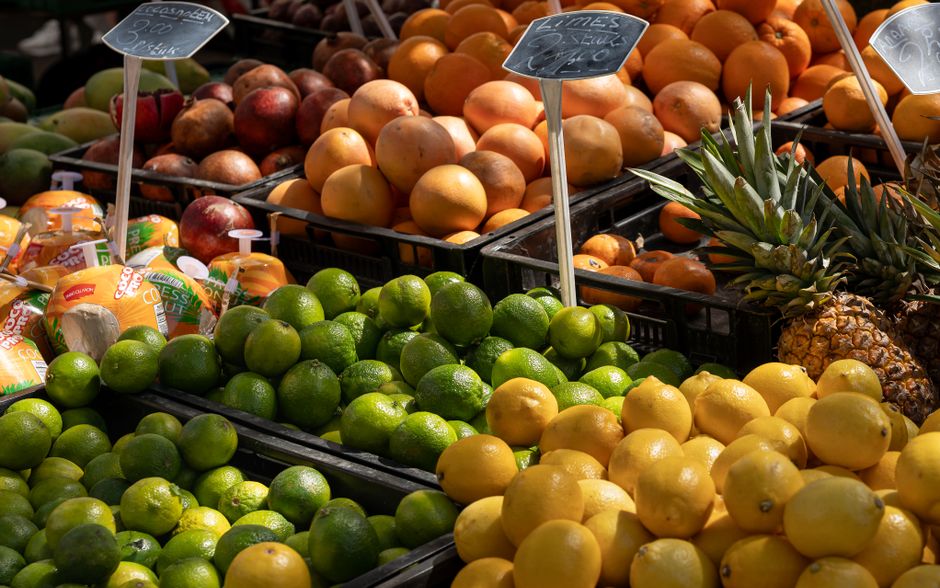
If you're on a budget, there are plenty of street food options. You can find souvlaki, gyros, and koulouri for 2-4 EUR per serving. There are also several food courts and markets where you can sample a variety of local dishes for 5-10 EUR per person. The Modiano Market is a great place to try local produce and street food, and it's a lively spot with a lot of atmosphere.
Nightlife
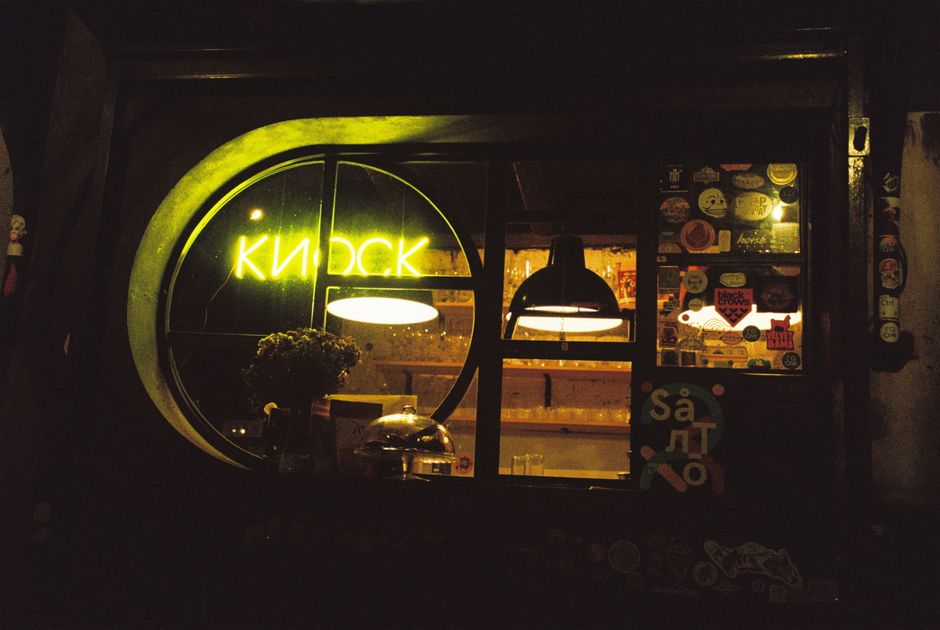
Thessaloniki is not just a city of history; it's a city of nightlife. The bars and clubs are concentrated in the city center, around Aristotelous Square and the port. There are several venues that cater to different tastes, from cocktail bars to techno clubs. A cocktail costs around 6-10 EUR, and a cover charge at a club is 5-10 EUR.
One of the most popular areas for nightlife is the Ladadika district, which is a former warehouse area that has been converted into a row of bars and clubs. It's a lively spot, with a lot of young people and tourists. The bars here are small and intimate, with a focus on cocktails and music. It's a great place to start your night, and it's easy to walk from the old Jewish quarter.
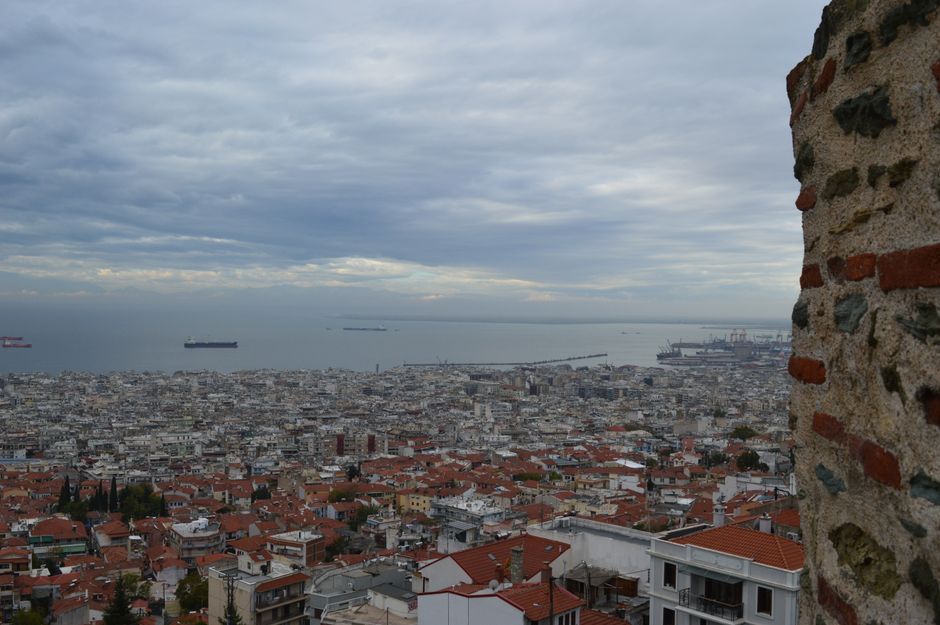
For a more upscale experience, try the rooftop bars in the city center. They offer stunning views of the port and Mount Olympus, and they serve a wide range of drinks and snacks. A cocktail here costs around 10-15 EUR, and the atmosphere is relaxed and sophisticated. It's a great place to end your night, and it's a perfect spot to reflect on the day's experiences.
Getting There & What to Expect
Thessaloniki is well-connected by air, rail, and road. The nearest airport is Thessaloniki Airport, which is about 15 km from the city center. There are direct flights from most major European cities, and the journey takes around 2-3 hours. From the airport, you can take a taxi or a bus to the city center. A taxi costs around 20-25 EUR, and a bus costs 5 EUR. The journey takes around 30 minutes.
If you're coming by train, Thessaloniki is connected to Athens and other major cities in Greece. The journey from Athens takes around 4-5 hours, and a ticket costs around 20-30 EUR. The train station is in the city center, and it's easy to walk from there to the old Jewish quarter.
Accommodation in Thessaloniki ranges from budget hostels to luxury hotels. A bed in a hostel costs around 15-25 EUR per night, and a room in a mid-range hotel costs around 50-80 EUR per night. There are also several apartments and guesthouses available for rent, which are a good option for longer stays.
The best time to visit Thessaloniki is in the spring or autumn, when the weather is mild and the crowds are smaller. Summer can be hot and crowded, and winter can be cold and rainy. But the city is worth visiting year-round, and there's always something to see and do.
Search accommodation in Thessaloniki on Booking.com →
Final Thoughts: The Echoes of Ladino
As I walk back to my hotel, the sun is setting over the Thermaic Gulf, painting the sky in shades of orange and purple. The city is alive with sound and movement, but I can't shake the feeling of the past. The Jewish Heritage Trail has left a mark on me, a reminder of the fragility of life and the importance of memory. Thessaloniki is a city of contradictions, a place where joy and sorrow, life and death, are intertwined. But it's also a city of resilience, a place that has survived against all odds. And as I listen to the echoes of Ladino in the streets, I know that the spirit of the Jewish community lives on, in the hearts of those who remember and in the bones of the city itself.
Comments