



The French Ministry of Europe and Foreign Affairs (MEAE) has issued a formal travel advisory warning of significant disruptions to rail traffic across France due to ongoing strikes. This development comes at a critical juncture for travelers from the Balkans, particularly those from Romania, Bulgaria, and Serbia, who rely on French rail networks for transit to Western Europe or as part of multi-country summer tours. The strikes, involving major railway unions, threaten to halt high-speed TGV services and regional trains, creating a logistical bottleneck that could impact thousands of tourists and business travelers. For Balkan audiences, where France remains a top destination for both leisure and educational travel, these disruptions pose a direct threat to vacation plans and budget forecasts for the season.
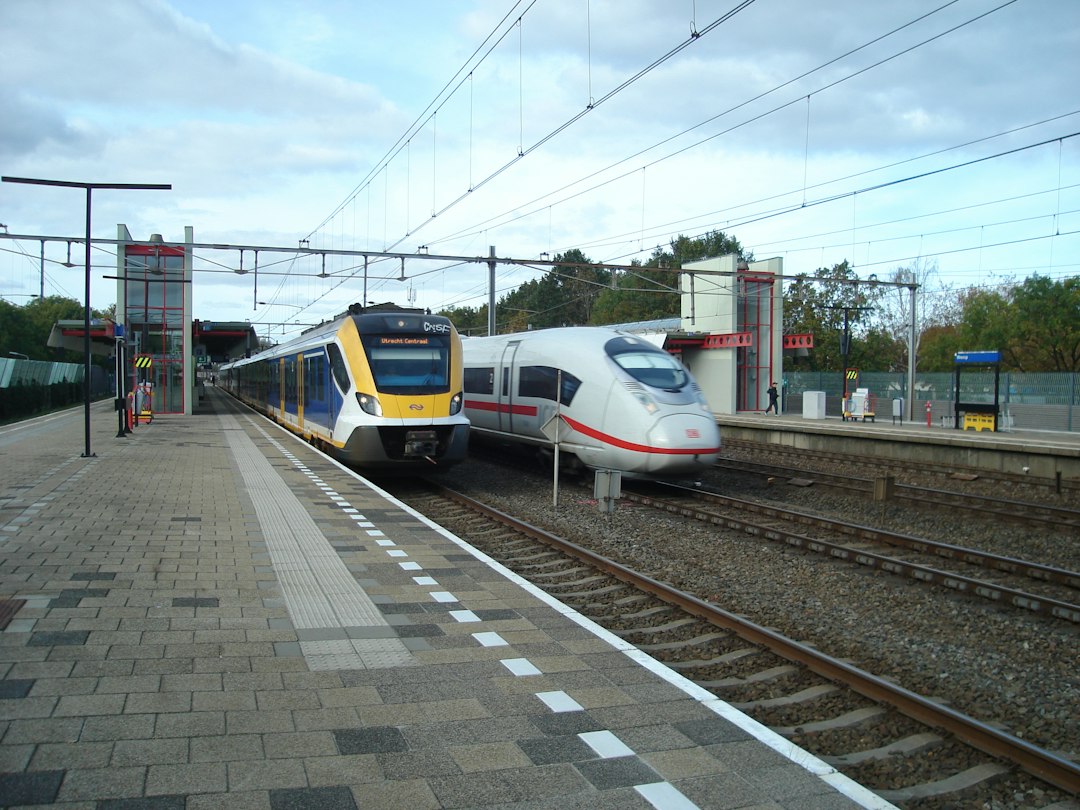
The advisory highlights that the strikes are not isolated incidents but part of a broader wave of industrial action protesting pension reforms and working conditions within the national railway company, SNCF. While the French government has attempted to mediate, union leaders have maintained their stance, leading to unpredictable schedules and widespread cancellations. For travelers departing from Balkan hubs like Bucharest, Sofia, or Belgrade, the ripple effects are immediate. Many itineraries involve connecting flights from Paris Charles de Gaulle or Orly airports, and while air travel remains largely unaffected, the rail links to and from these hubs are under severe pressure. This creates a complex travel environment where even minor delays can cascade into missed connections across the continent.

Impact on Balkan Tourists and Transit Routes
The significance of this disruption extends beyond France’s borders, directly impacting the tourism flow from the Balkans. France is consistently one of the most visited countries by Romanian and Bulgarian citizens, drawn by its cultural heritage, beaches, and urban centers. For Serbian and Macedonian travelers, France is a key destination for both tourism and diaspora visits. The rail strikes complicate travel for those who prefer ground transportation or who are traveling to neighboring countries like Belgium, Germany, or Switzerland via French rail corridors. The TGV network, known for its speed and reliability, is the primary target of the strikes, meaning high-speed connections are the most vulnerable. This forces travelers to seek alternative, often more expensive, modes of transport such as flights or long-distance buses, which are also facing increased demand and potential delays.
Moreover, the strikes affect the broader European rail network, as French lines serve as critical arteries for international travel. Balkan travelers who plan to combine a visit to France with trips to other European destinations may find their schedules upended. The uncertainty surrounding the duration and intensity of the strikes makes it difficult for travel agencies and tour operators to provide reliable advice. This situation underscores the fragility of international travel infrastructure and the need for flexibility in travel planning. For the Balkan tourism industry, which is currently experiencing a surge in outbound travel, these disruptions represent a significant challenge that could dampen the summer season’s economic benefits.
Broader Context: Labor Unrest and European Travel
The current strikes in France are part of a larger pattern of labor unrest in the European railway sector. Similar protests have occurred in neighboring countries, reflecting broader discontent over pension ages, job security, and working conditions. The French unions argue that the government’s reforms threaten the stability of the public transport system and the livelihoods of railway workers. This context is important for understanding the persistence of the strikes and the likelihood of prolonged disruptions. For Balkan travelers, it means that the situation is unlikely to resolve quickly, and contingency planning is essential. The European Union’s efforts to harmonize labor standards and improve rail connectivity are being tested by these national-level disputes, highlighting the tension between regional integration and national sovereignty.
From a diplomatic perspective, the French government’s travel advisory is a standard procedure to inform citizens and foreign visitors of potential risks. However, it also serves as a signal to the international community about the severity of the situation. Balkan governments, particularly those with significant tourist flows to France, are likely to monitor the situation closely and may issue their own travel advice. This coordination is vital for ensuring the safety and well-being of travelers. The strikes also raise questions about the resilience of European transport infrastructure and the need for greater investment in alternative modes of transport. For the Balkans, which are increasingly integrated into the European travel market, these issues have direct implications for future travel patterns and economic development.

What to Watch For Next
As the summer season progresses, the key question is whether the strikes will escalate or subside. Travelers from the Balkans should closely monitor updates from the French Ministry of Europe and Foreign Affairs and local news sources. Flexibility in travel plans is crucial, with travelers advised to have backup options and travel insurance that covers strike-related disruptions. The situation also serves as a reminder of the interconnectedness of European travel and the importance of robust contingency planning. For the Balkan tourism sector, maintaining open communication with travelers and providing clear guidance on alternative routes will be essential to mitigating the impact of these disruptions. The coming weeks will be critical in determining the extent of the impact on summer travel and the broader implications for European rail transport.

Comments