


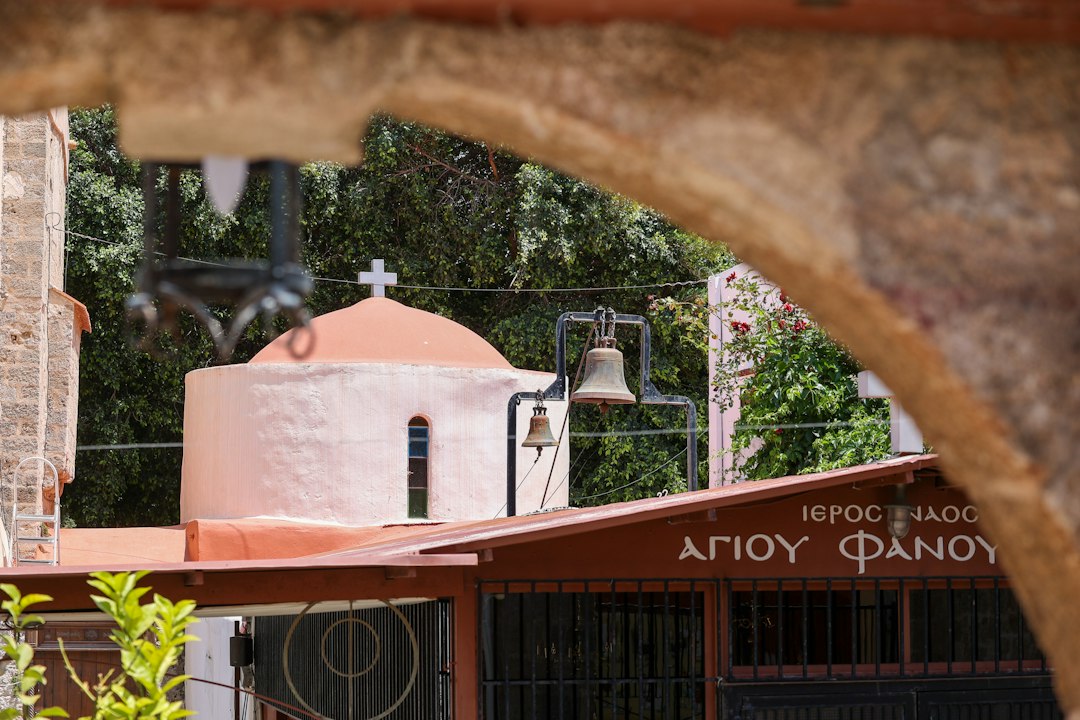
Greece has officially launched its "Tourism for All 2026" strategic roadmap, signaling a decisive shift away from the high-volume, low-margin mass tourism model that defined the post-pandemic recovery years. The initiative, spearheaded by the Ministry of Tourism in collaboration with regional development authorities, aims to decentralize visitor flows, extend the seasonal calendar, and prioritize environmental sustainability and local community integration. This move addresses mounting pressures on iconic destinations like Santorini and Mykonos, where overtourism has strained infrastructure and displaced residents. By targeting a more balanced distribution of tourists across the Greek mainland, the Ionian Islands, and lesser-known Aegean archipelagos, the government seeks to preserve the country’s natural heritage while boosting regional economies. The strategy is particularly relevant for Balkan travelers, who are increasingly seeking authentic, off-the-beaten-path experiences within the Mediterranean basin, moving beyond the traditional coastal hubs.
Decentralization and the Rise of Rural Tourism
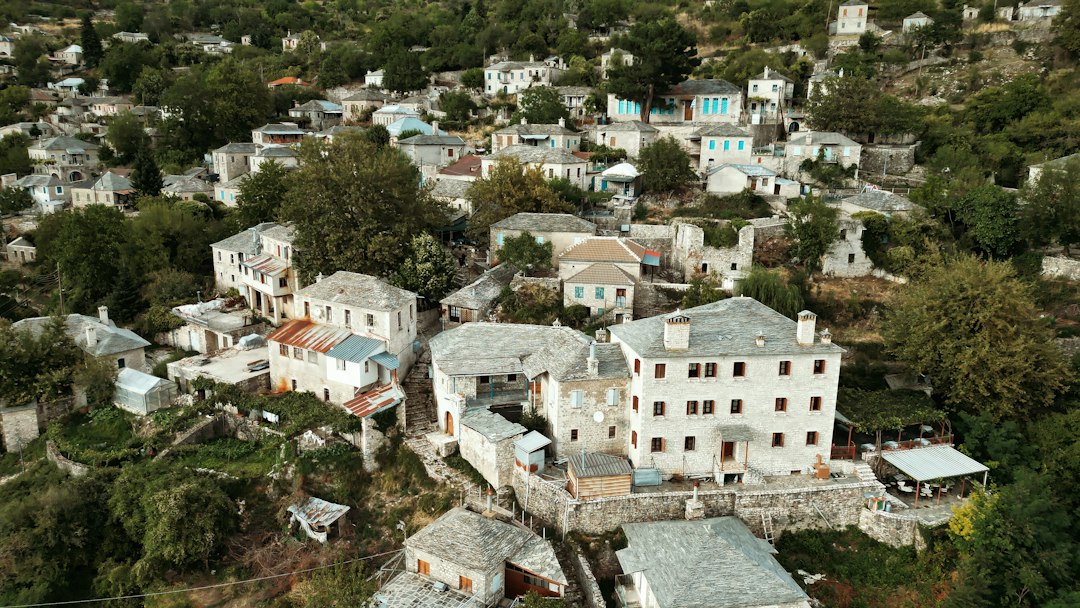
The core of the 2026 strategy is the aggressive promotion of rural and inland tourism. For years, Greece’s tourism revenue has been heavily concentrated in the islands, leaving vast portions of the Peloponnese, Macedonia, and Thrace underutilized. The new policy provides tax incentives and grants for the conversion of traditional stone houses into boutique accommodations, encouraging visitors to explore the country’s interior. This aligns with broader European Union goals for sustainable regional development, as outlined in the European Green Deal. By highlighting lesser-known destinations such as Meteora and the Prespa Lakes region, Greece hopes to create a more resilient tourism sector that is less vulnerable to seasonal fluctuations and climate-related disruptions.
Furthermore, the initiative emphasizes community-based tourism, where local residents are not just service providers but active stakeholders in the tourism value chain. This includes promoting local gastronomy, traditional crafts, and cultural heritage sites. For Balkan countries with similar geographical and cultural landscapes, such as North Macedonia and Greece's northern regions, this model offers a replicable framework for sustainable growth. The focus is on creating high-value, low-impact tourism products that respect local traditions and environmental limits, ensuring that tourism benefits remain within the community rather than leaking out to international hotel chains.
Sustainability and Environmental Protection
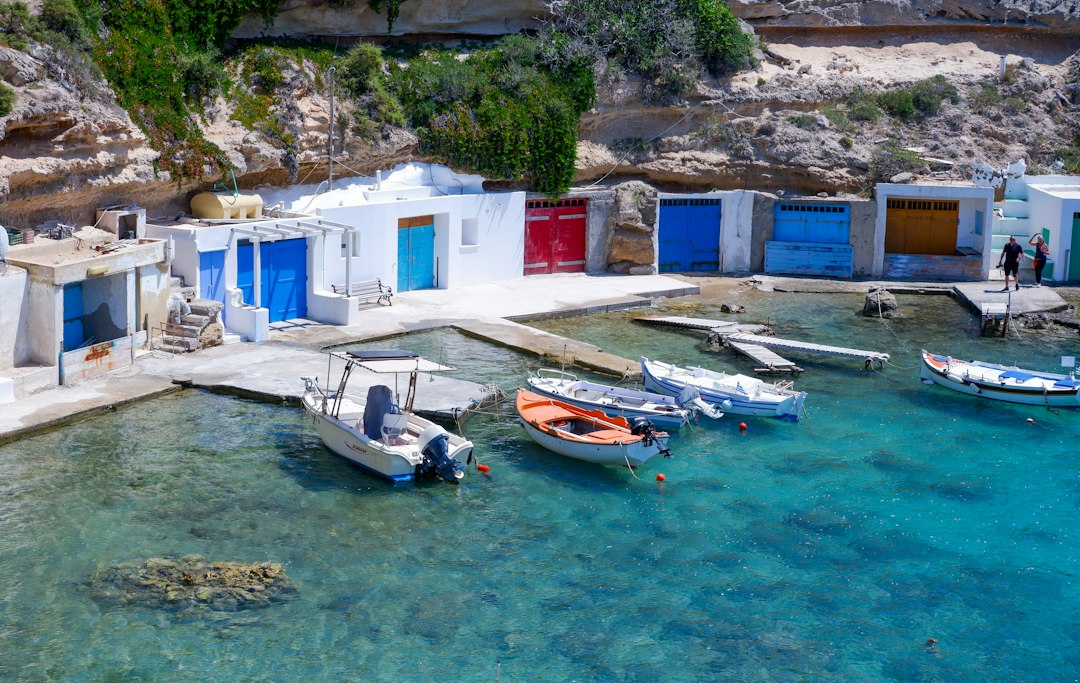
Environmental sustainability is the backbone of the "Tourism for All 2026" plan. Greece faces significant challenges from rising sea levels, increased temperatures, and water scarcity, all of which threaten its coastal tourism assets. The new strategy mandates stricter environmental regulations for new hotel constructions and requires existing facilities to adopt green energy solutions and waste reduction protocols. The government is investing in renewable energy projects, particularly solar power, to ensure that tourism growth does not come at the cost of ecological degradation. This approach is critical for maintaining the natural beauty that attracts millions of visitors annually, including the pristine beaches of Zakynthos and the forests of Mount Olympus.
Additionally, the plan introduces a carrying capacity system for sensitive ecological sites, limiting the number of visitors allowed at any given time to prevent overcrowding and environmental damage. This system, inspired by models used in other Mediterranean countries like Croatia, aims to protect fragile ecosystems while ensuring a high-quality experience for tourists. The initiative also promotes eco-tourism activities, such as bird watching, hiking, and marine conservation tours, which educate visitors about the importance of preserving the natural environment. By integrating sustainability into the core of its tourism strategy, Greece is positioning itself as a leader in responsible travel within the Balkans and the wider European region.
Balkan Connectivity and Regional Cooperation
The "Tourism for All 2026" strategy also highlights the importance of regional cooperation within the Balkans. Greece is working closely with neighboring countries, including Bulgaria, North Macedonia, and Albania, to create cross-border tourism routes that highlight shared cultural and historical heritage. These routes, such as the Euromed Thessaloniki initiative, aim to boost tourism in border regions and foster greater understanding and cooperation between Balkan nations. For travelers from the Balkans, this means easier access to a wider range of destinations, with improved transport links and harmonized visa policies facilitating seamless travel across the region.
Moreover, the strategy recognizes the growing market of Balkan tourists visiting Greece, who are often looking for shorter, more frequent trips to nearby destinations. By tailoring marketing campaigns to highlight the proximity and cultural affinities between Greece and its Balkan neighbors, the government aims to increase visitation from this key demographic. This includes promoting cultural events, historical sites, and culinary experiences that resonate with Balkan audiences, such as the Dionysia festival in Thessaloniki and the ancient ruins of Derbeni. By strengthening regional ties, Greece is not only boosting its tourism sector but also contributing to the broader economic and social integration of the Balkans.
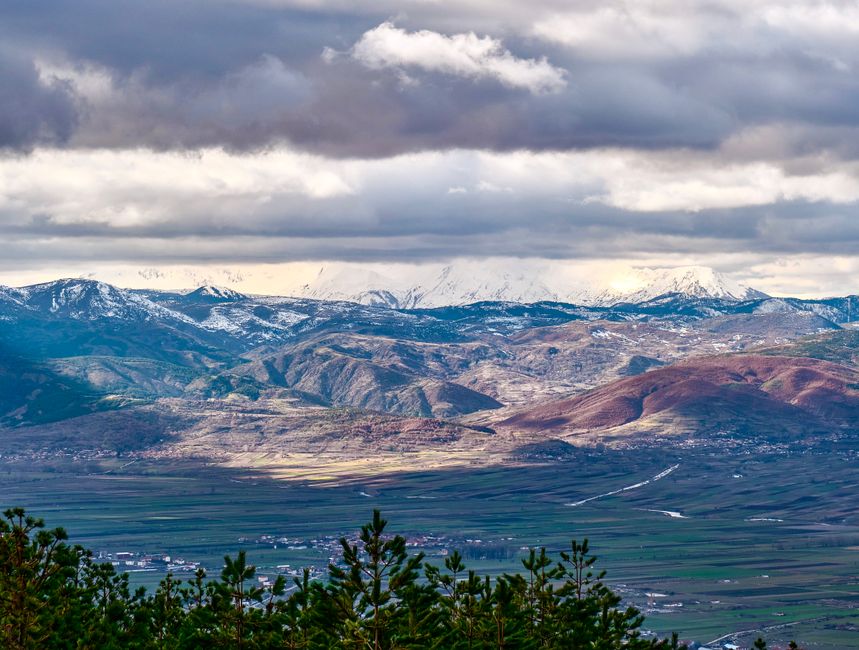
As Greece moves forward with its "Tourism for All 2026" strategy, the focus will be on implementation and monitoring. The government will track key performance indicators, including visitor distribution, environmental impact, and local economic benefits, to ensure that the strategy is achieving its goals. For travelers, this means a more sustainable, authentic, and diversified Greek tourism experience, with greater opportunities to explore the country’s hidden gems and connect with its rich cultural heritage. For the Balkans, it represents a step towards greater regional integration and cooperation, with tourism serving as a bridge between nations and communities. The success of this initiative will depend on the active participation of local communities, businesses, and travelers, all of whom have a role to play in shaping the future of tourism in Greece and the wider Balkan region.
Comments