


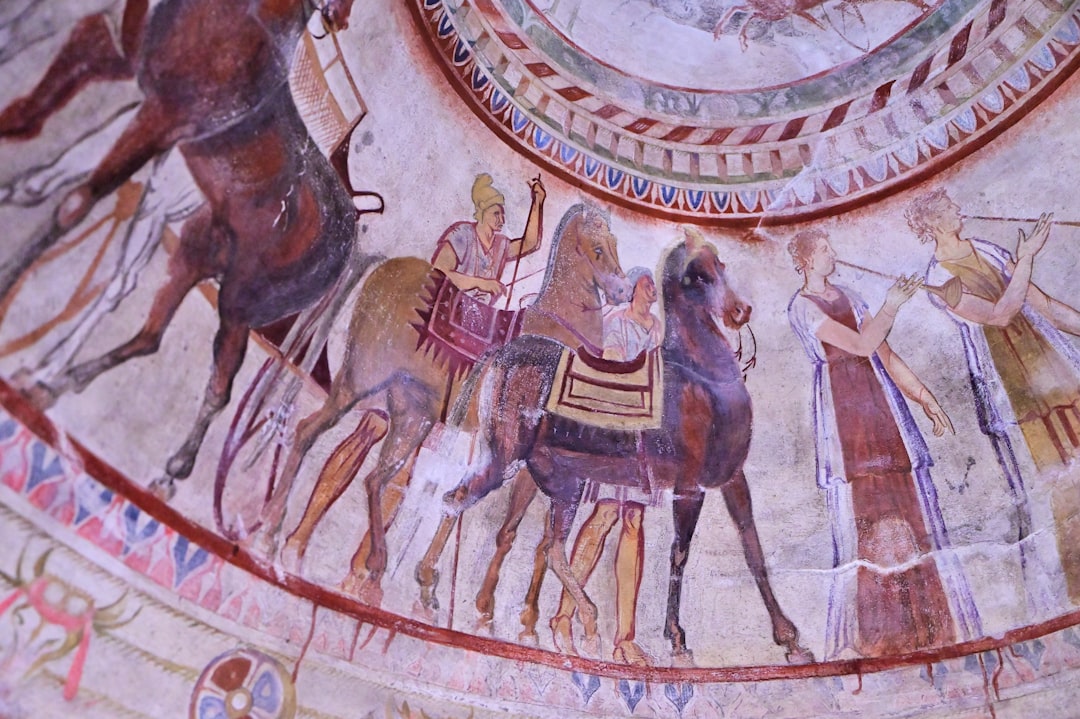
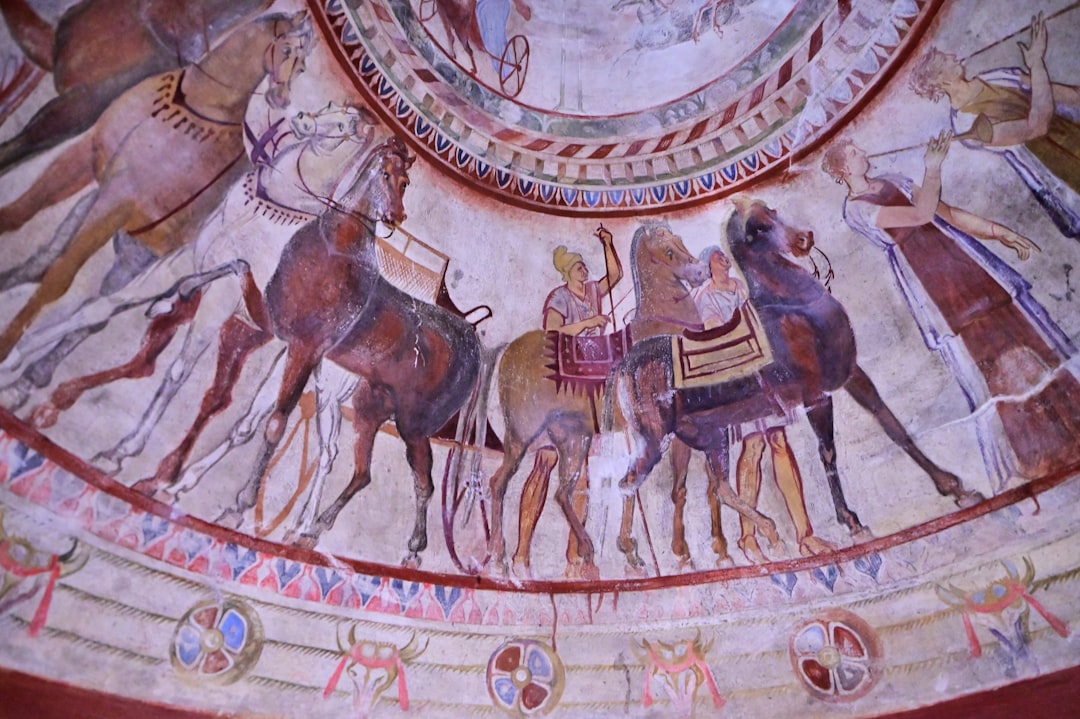
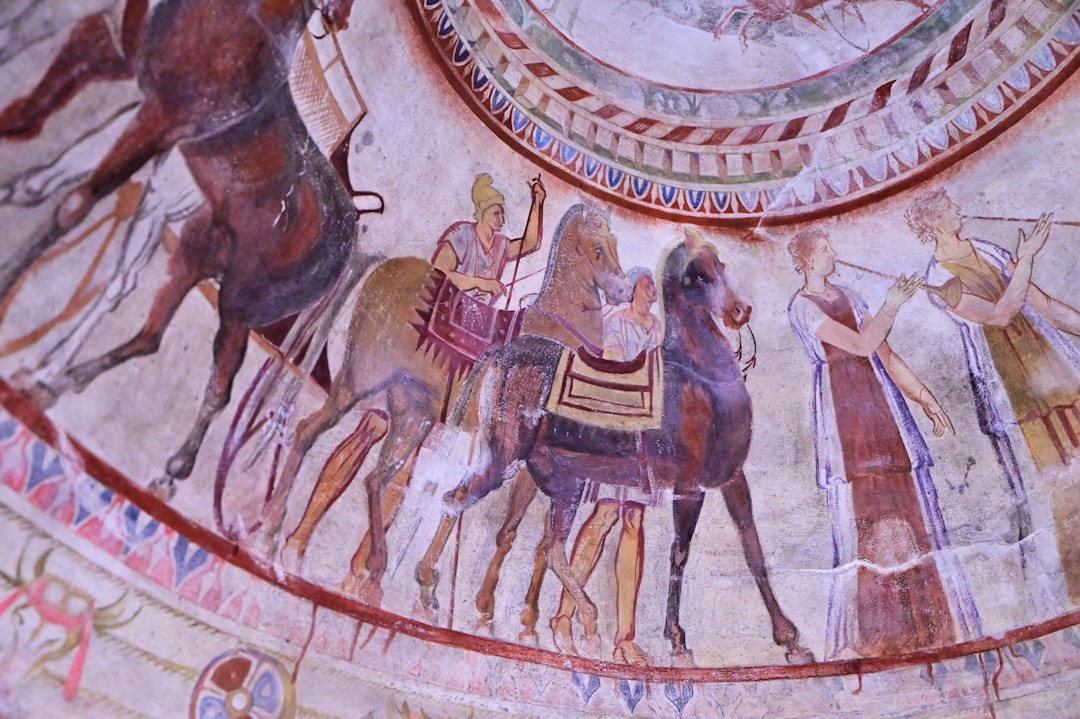
The air inside the mausoleum tastes like old dust and dried thyme. It is a heavy, still silence, the kind that presses against your eardrums until you start hearing your own heartbeat. I stood there, flashlight beam cutting through the gloom, staring at the fresco of a Thracian warrior being lifted to the sky by two women. They aren't just painting; they are a window into a world that died two thousand years ago, preserved in lime and ochre. Outside, the Bulgarian sun beats down on the rolling hills of Stara Planina, but in here, time is a flat circle. I came for history, but I stayed for the ghost in the machine — the sheer audacity of a people who buried their dead with wine, gold, and art that rivals the best of Athens.
You don't come here for a quick selfie and a snack. You come to feel small. The Thracians were never a unified empire; they were a thousand tribes, fierce and fragmented, constantly picked apart by Persians, Macedonians, and Romans. Yet, their art survives. This isn't just a tomb; it's a defiant scream into the void that says, "We were here, and we were magnificent." As I stepped back out into the blinding light, the modern town of Kazanlak felt like a movie set built on top of a graveyard. And honestly? I loved it.
History & Identity
The Kazanlak Tomb is the crown jewel of a culture that refused to be erased. Built in the 4th century BC, it was originally part of a larger necropolis near the ancient city of Seuthopolis. The tomb itself is a small, rectangular structure, unassuming from the outside, but inside, it holds a story of power, ritual, and the afterlife. The frescoes, discovered in 1944 by Bulgarian archaeologists, are not just decorative; they are a narrative of the Thracian cosmology. The famous scene of the couple being carried away by winged figures is often interpreted as the ascent to the afterlife, a moment of transition that feels startlingly intimate.
What makes this site so vital is its UNESCO status, awarded not just for the art but for what it represents: the resilience of a culture that was constantly on the defensive. The Thracians were the underdogs of the ancient Balkans, yet their craftsmanship speaks of a society with resources, hierarchy, and deep spiritual beliefs. The tomb was looted in antiquity — the gold and silver are long gone — but the paintings survived, hidden under layers of mud and time. It's a reminder that in the Balkans, history is never just in the books; it's under your feet, waiting to be uncovered.
The town of Kazanlak itself has pivoted around this discovery. Once a quiet agricultural hub, it's now a gateway to the past. The identity of the region is tied to these ancient whispers. You see it in the local pride, in the way the museum is curated, and in the roses that bloom in the surrounding valleys. The Thracian legacy isn't a relic here; it's a living brand, a source of tourism, and a point of cultural anchor in a region that has seen more invasions than it has seasons.
Where to Go
The Kazanlak Tomb — The main event. A reconstructed underground mausoleum with original frescoes. The lighting is dim to preserve the pigments, so bring a small flashlight if you want to see the details clearly. Entry is 10 EUR. Go early in the morning to avoid the tour buses and have the silence to yourself.
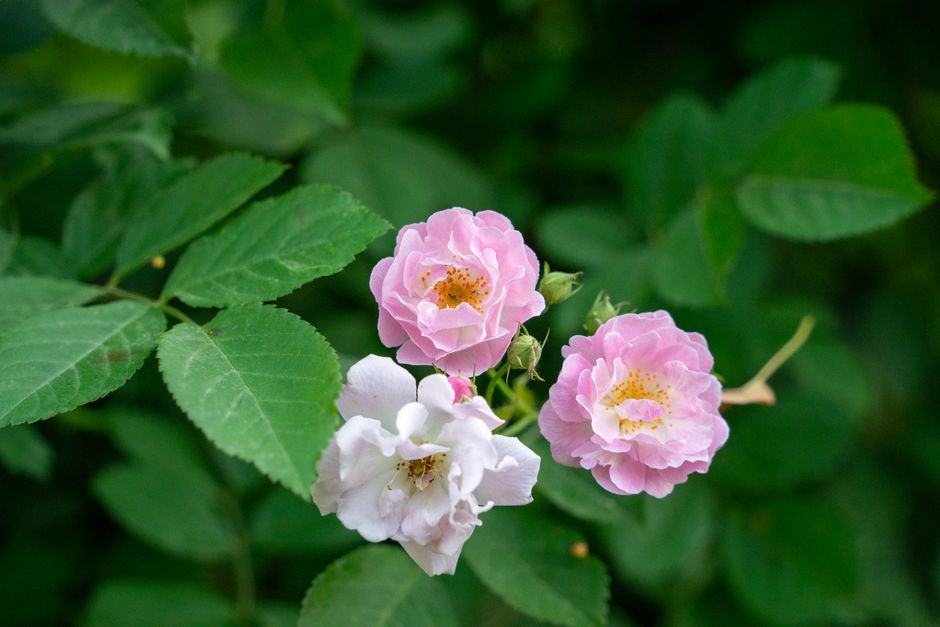
Kazanlak Rose Museum — You can't talk about this region without talking about roses. The valley is famous for rose oil, the most expensive essential oil in the world. This museum details the history of rose cultivation and distillation. It's a sensory experience — the air smells like candy and perfume. Entry is 5 EUR. A perfect companion visit to the tomb.
Archaeological Museum of Kazanlak — Located in the town center, this museum houses artifacts from the region, including pottery, jewelry, and weapons from Thracian settlements. It provides the context for the tomb, showing you the daily life of the people who built it. Entry is 5 EUR. Don't skip it; it grounds the grandeur of the tomb in reality.
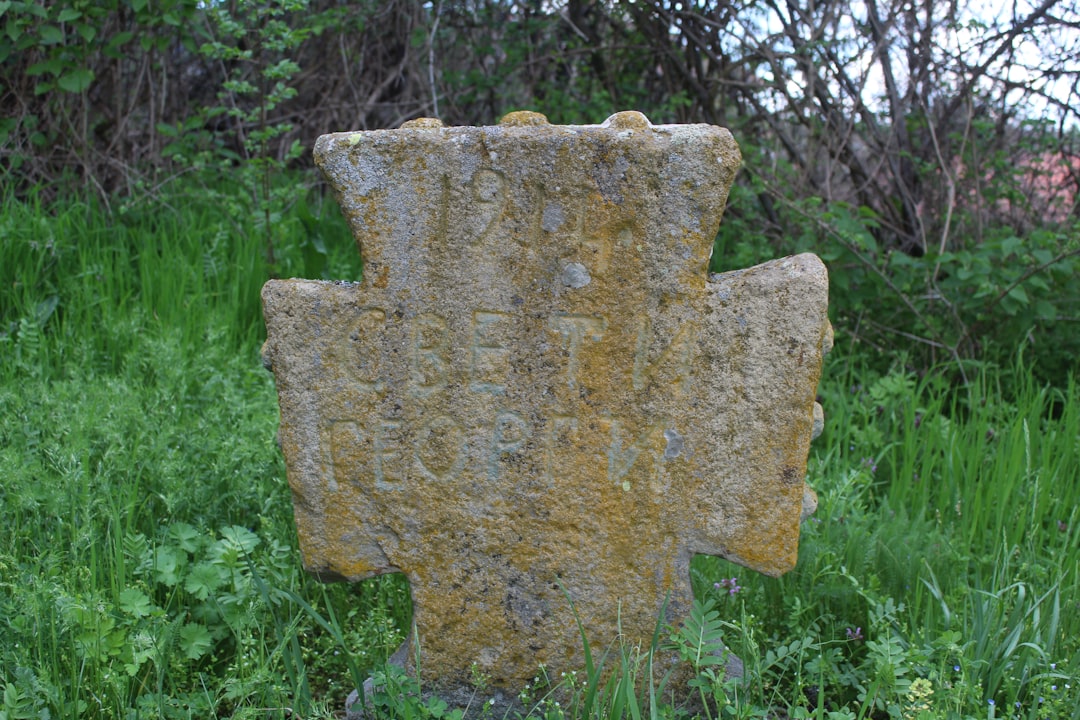
St. Demetrius Church — A 14th-century medieval church with impressive frescoes. It's a quieter, more spiritual counterpoint to the ancient tomb. The architecture is a mix of Byzantine and local styles, and the interior is cool and shaded. Entry is 2 EUR. A great spot to sit and reflect on the layers of history in the region.
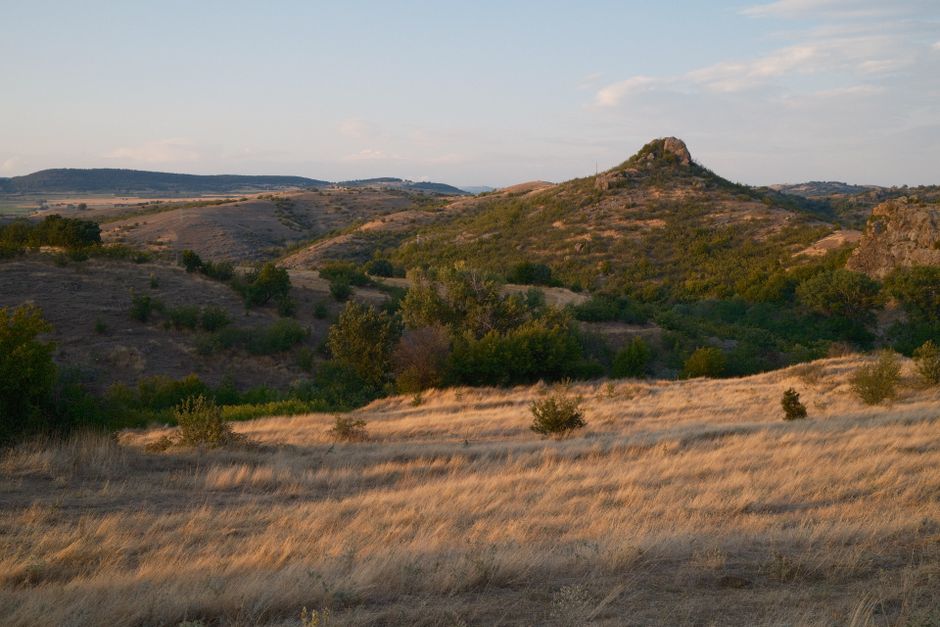
Rose Valley Viewpoint — Just outside the town, there are several viewpoints overlooking the rolling hills that produce the famous roses. In June, during the Rose Festival, the air is thick with scent. Even outside of festival season, the landscape is lush and green, a stark contrast to the dry, rocky hills of other parts of Bulgaria. No entry fee.
What to Eat & Drink
Bulgarian food is hearty, fresh, and affordable. You're in a region known for agriculture, so expect plenty of vegetables, dairy, and meat. Here's what to hit up:
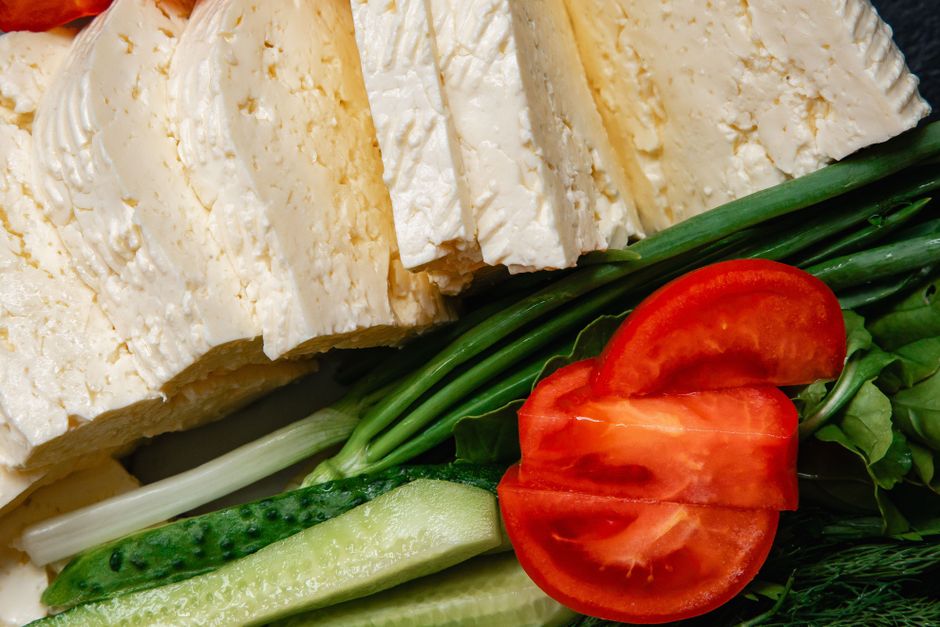
Shopska Salata — The national salad: tomatoes, cucumbers, peppers, onions, and sirene cheese, topped with rakia. It's crisp, salty, and perfect with bread. 3-4 EUR.
Kavarma — A slow-cooked stew of meat (usually pork or chicken), peppers, onions, and tomatoes. It's served with bread and is incredibly comforting. 8-10 EUR.
Banitsa — A flaky pastry filled with sirene cheese. It's a breakfast staple but eaten all day. Crispy, cheesy, and cheap. 2-3 EUR.
Rakia — The local fruit brandy. It's strong, clear, and often homemade. A shot is 1-2 EUR. Drink it neat to respect the culture.
Roasted Lamb — If you're in the region, try the local lamb. It's tender, seasoned with rosemary and garlic, and grilled to perfection. 12-15 EUR.
Budget breakdown: Street food and take-away like banitsa or kebapche will set you back 2-5 EUR per meal. A sit-down meal at a local taverna with a salad and main course is 10-15 EUR per person. Mid-range restaurants with a view or a more extensive menu will run 15-25 EUR.
For food, head to the town center of Kazanlak. There are several small tavernas along the main street, Tsar Samuil Street, that serve traditional dishes. For a more budget-friendly option, check out the local markets where you can buy fresh produce, cheese, and banitsa from vendors. There are also a few fast-food spots that serve kebapche and other grilled meats for under 5 EUR.
Nightlife
Don't expect a wild club scene in Kazanlak. This is a town of history, roses, and early bedtimes. However, there are a few spots where you can unwind with a drink and some live music.
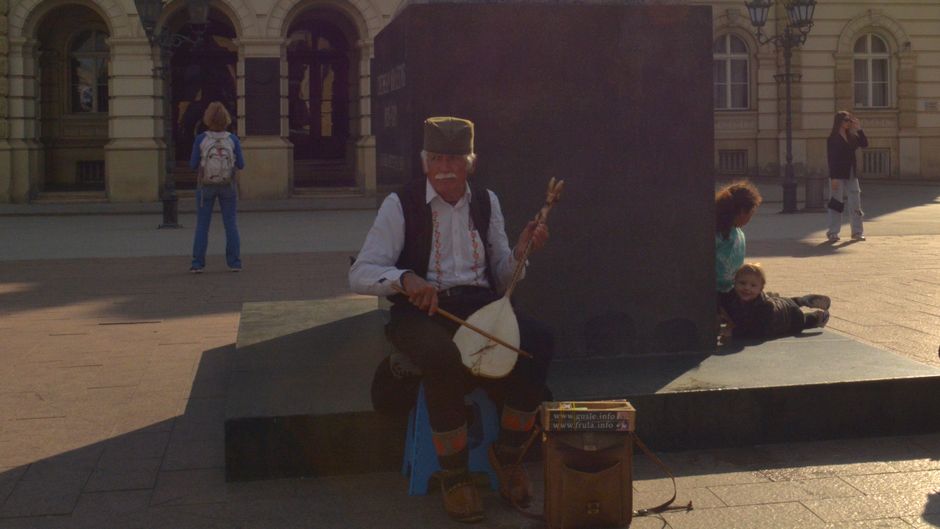
Hotel Rila Bar — Located in the central hotel, this bar is a local favorite. It's a relaxed spot with outdoor seating, live folk music on weekends, and a good selection of rakia and beer. Cover charge is 0 EUR, but drinks are 3-5 EUR.
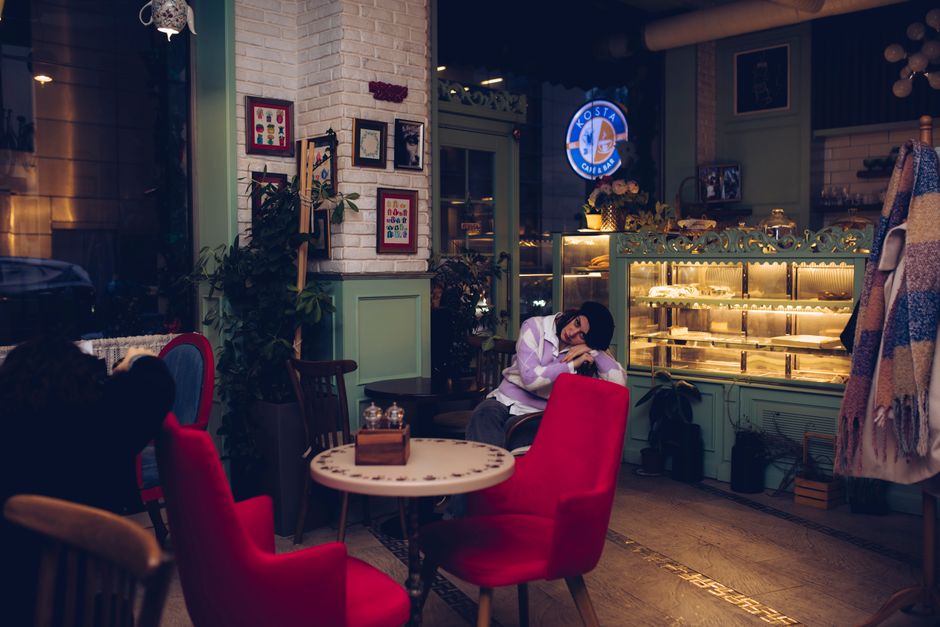
Café Rose — A cozy café with a rose theme, serving coffee, cakes, and cocktails. It's a nice spot for a quiet evening, with soft music and a romantic atmosphere. Drinks are 4-6 EUR.
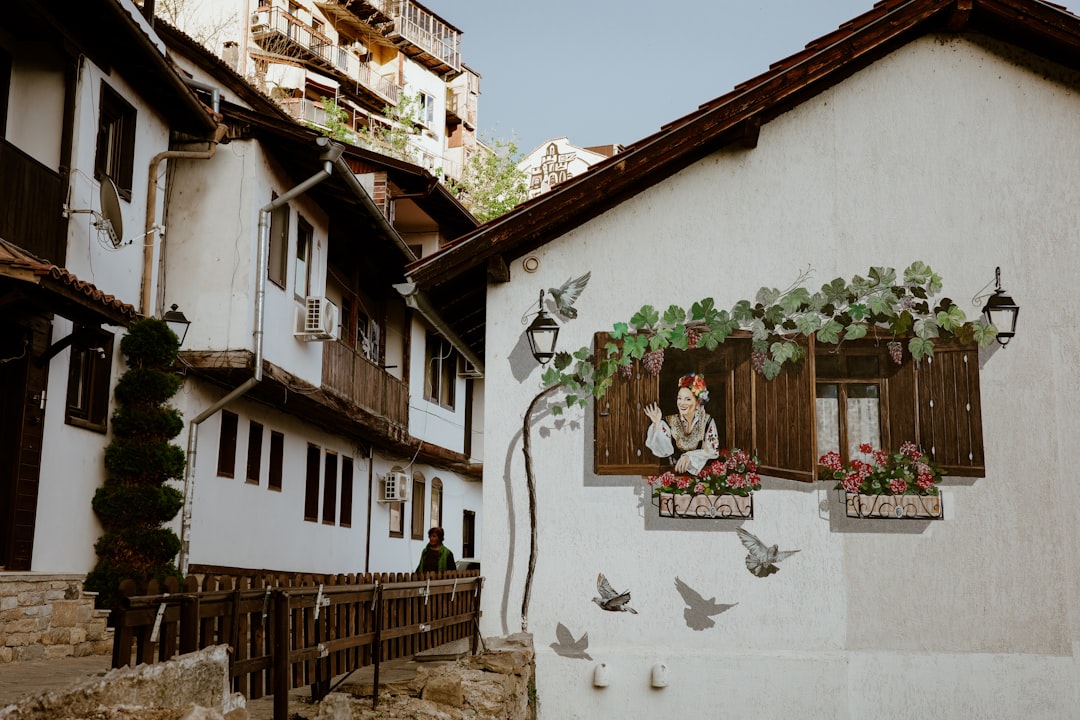
Taverna Stara Planina — Not just for food, this taverna often has live folk music in the evening. It's a great place to experience local culture, with a rustic interior and a friendly crowd. Cover charge is 0 EUR, drinks 3-5 EUR.
Getting There & What to Expect
The nearest major airport is Sofia Airport, about 130 km away. From Sofia, you can take a bus to Kazanlak, which takes about 2.5 hours and costs 5-8 EUR. Buses run several times a day. Alternatively, you can rent a car in Sofia for 30-50 EUR per day and drive, which gives you the flexibility to explore the surrounding area.
From Plovdiv, another major city, Kazanlak is about 70 km away. Buses run frequently, taking about 1.5 hours and costing 3-5 EUR. If you're coming from Stara Zagora, it's just 20 km away, and taxis or local buses are cheap and frequent.
Accommodation in Kazanlak ranges from budget hostels and guesthouses at 20-40 EUR per night to mid-range hotels at 40-70 EUR per night. There are also several rose-themed hotels that offer a more luxurious experience, with prices starting at 80 EUR per night.
The best time to visit is between May and September, when the weather is warm and the roses are in bloom. June is the peak of the Rose Festival, so expect crowds and higher prices. Spring and autumn are also pleasant, with fewer tourists and mild temperatures.
Search accommodation in Kazanlak on Booking.com →
The Ghost in the Machine
I walked out of the tomb as the sun was setting, painting the sky in shades of orange and purple. The air was cool, and the scent of roses was thick in the valley. I thought about the Thracian warrior, buried two thousand years ago, and the women carrying him to the afterlife. They believed in a world beyond this one, a place where they would be reunited with their loved ones. It's a beautiful thought, one that transcends time and culture.
In the Balkans, we're often defined by our borders, our conflicts, our divisions. But places like Kazanlak remind us that we're all just passing through. The Thracians are gone, their empire dissolved, but their art remains. It's a testament to the power of human creativity, the desire to leave a mark, to say, "I was here." As I headed back to the bus station, I felt a strange sense of peace. The ghosts of the past are still with us, whispering in the wind, reminding us that we're all just part of a larger story.
Comments