


The Architecture of Heaven
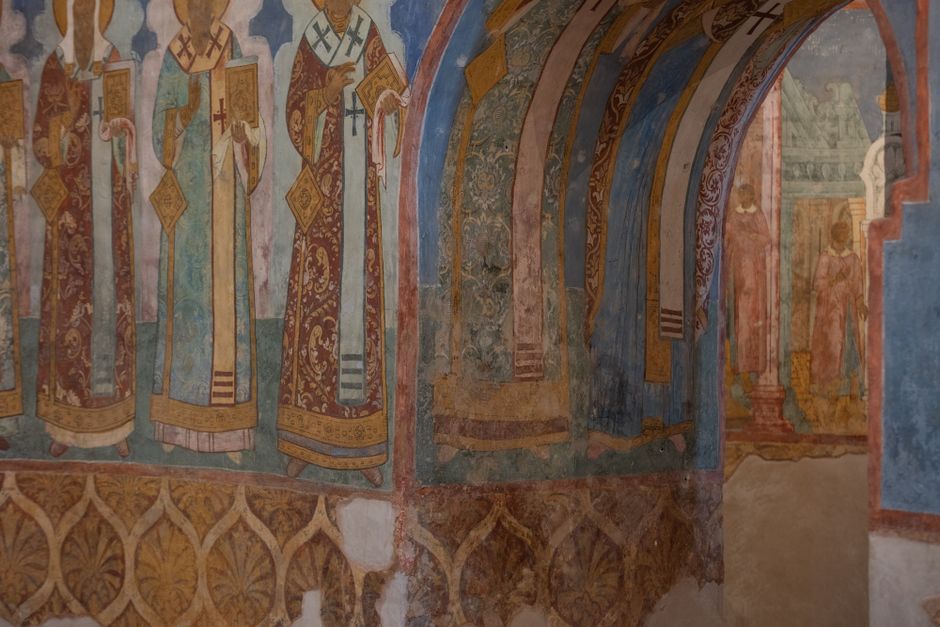
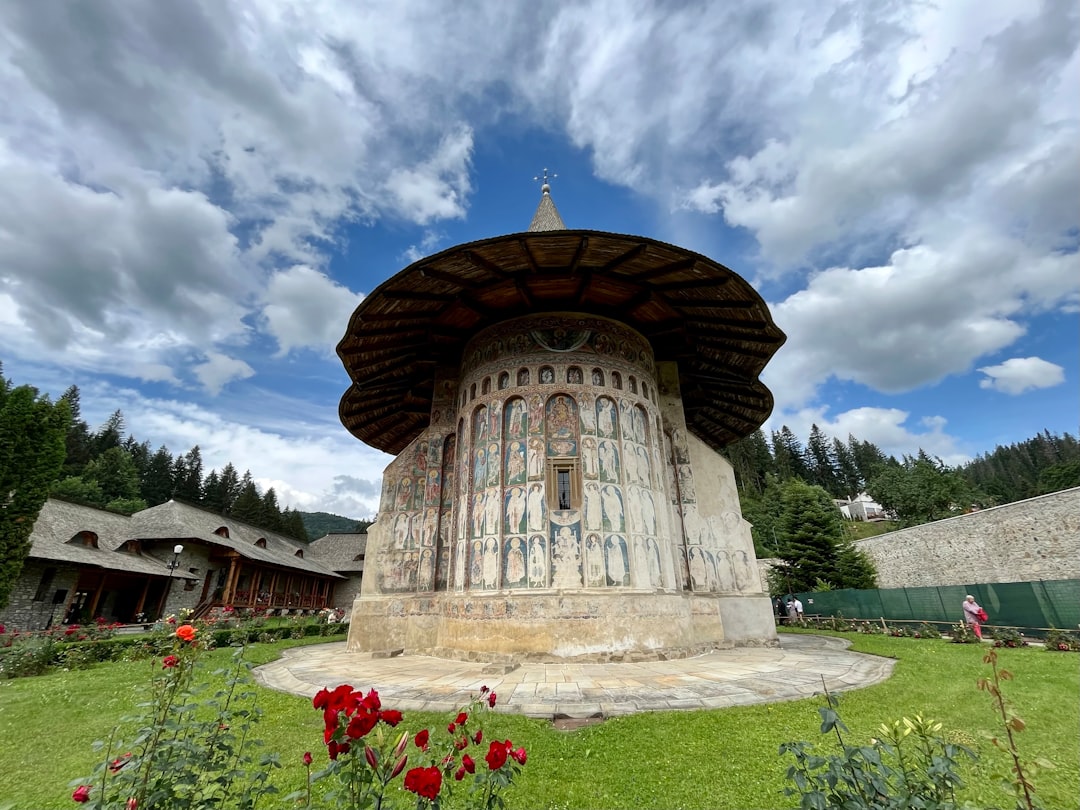
The building itself is a testament to the early Serbian state, founded by Stefan Nemanja in 1190. Nemanja, the Grand Župan, wanted to cement his dynasty's legitimacy, not just through land and law, but through stone and spirit. The church of the Virgin Mary is the oldest part, a single-nave structure that feels claustrophobic until you look up. Then, the space expands. The ceiling is not a roof; it is the vault of heaven. The frescoes are arranged in a strict hierarchical order, a visual theology that mirrors the Byzantine imperial structure but with a distinctly Serbian soul. The lower walls feature the lives of saints and biblical scenes, grounded in the earthly realm. As your eye moves up, the figures become larger, more stylized, more detached from human suffering. The upper zones are reserved for the archangels, the apostles, and finally, Christ and the Virgin Mary. This is not random. It is a deliberate architectural strategy to guide the pilgrim's gaze from the mundane to the eternal. The light from the small windows hits the upper zones first, making the divine figures glow while the earthly scenes remain in shadow. It is a manipulation of perception that is as sophisticated today as it was eight centuries ago.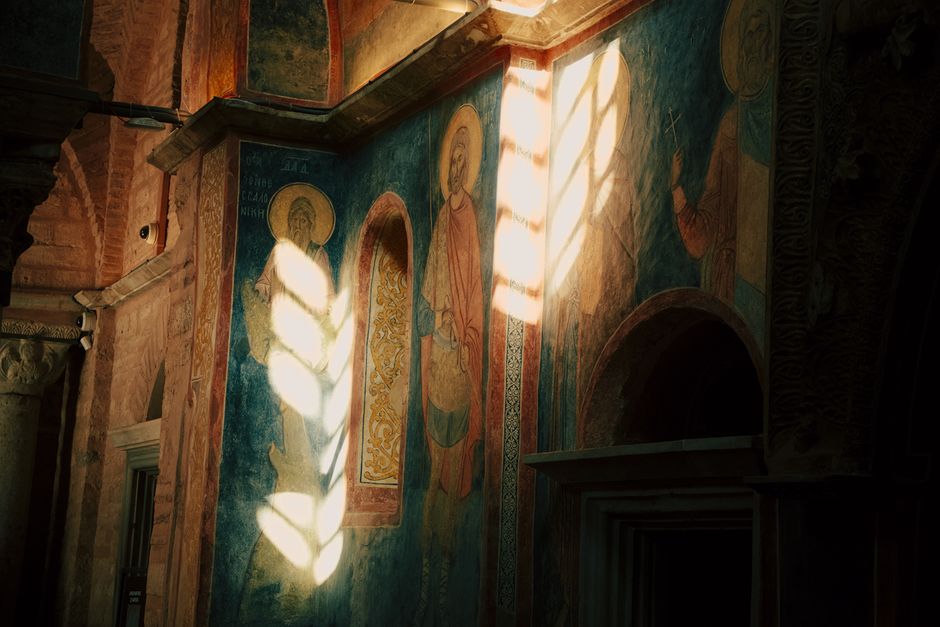
The Face of the Pantocrator
At the apex of the dome, Christ Pantocrator stares down. This is the focal point of the entire theological argument. The face is not gentle. It is stern, authoritative, and utterly unblinking. The eyes are painted with a technique that makes them follow you as you move around the nave. It is a psychological trick, of course, but in the dim light, it feels like surveillance. The halo is gold, not just as a symbol of divinity, but as a reflection of the divine light that Christ is said to embody. The colors used here are deep blues and reds, pigments that were expensive and difficult to produce. The blue of Christ's robe is lapis lazuli, imported from Afghanistan, a testament to the wealth and connections of the Nemanjić dynasty. The red is cinnabar, vibrant and aggressive. These colors do not fade easily. They have survived earthquakes, iconoclasm, and time. The Pantocrator is not just a painting; he is a declaration of power. He holds the Gospels in one hand and blesses with the other, a dual message of judgment and mercy. But the judgment feels heavier here. The hierarchy is clear: God is at the top, and everyone else is below, looking up.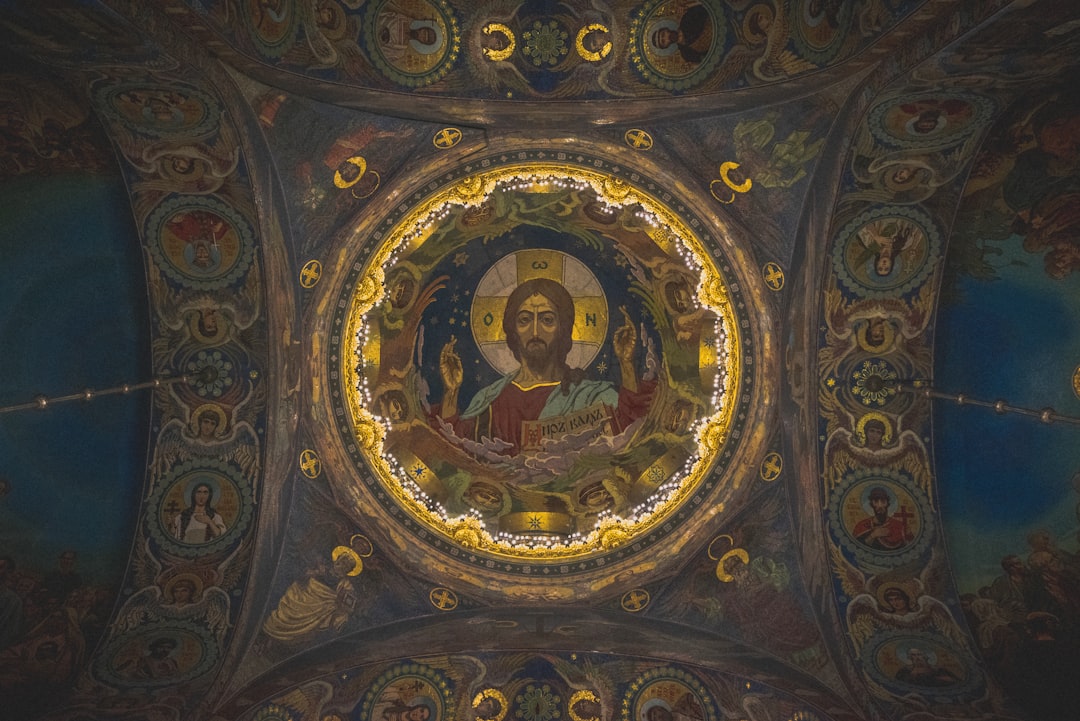
The Virgin Mary and the Royal Family
Below Christ, the Virgin Mary dominates the apse. She is the Theotokos, the God-bearer, and her presence is essential to the Serbian Orthodox identity. The frescoes in the apse show her in various poses, but always with a sense of regal calm. She is the intercessor, the bridge between the divine and the human. The Nemanjić family is depicted near her, not as equals, but as supplicants. Stefan Nemanja and his sons are shown offering models of churches, a visual contract between the royal family and the Church. This is where the theology meets politics. The frescoes legitimize the rule of the Nemanjić dynasty by placing them in the direct line of divine favor. They are not kings by right of conquest alone, but by right of piety. The images show them kneeling, their faces humble, their hands raised in prayer. It is a powerful image of submission to God, which in turn justifies their authority over the people. The light in the apse is softer, warmer, reflecting the maternal nature of the Virgin. It is a place of comfort, but also of expectation. The faithful are expected to emulate the humility of the saints and the piety of the kings.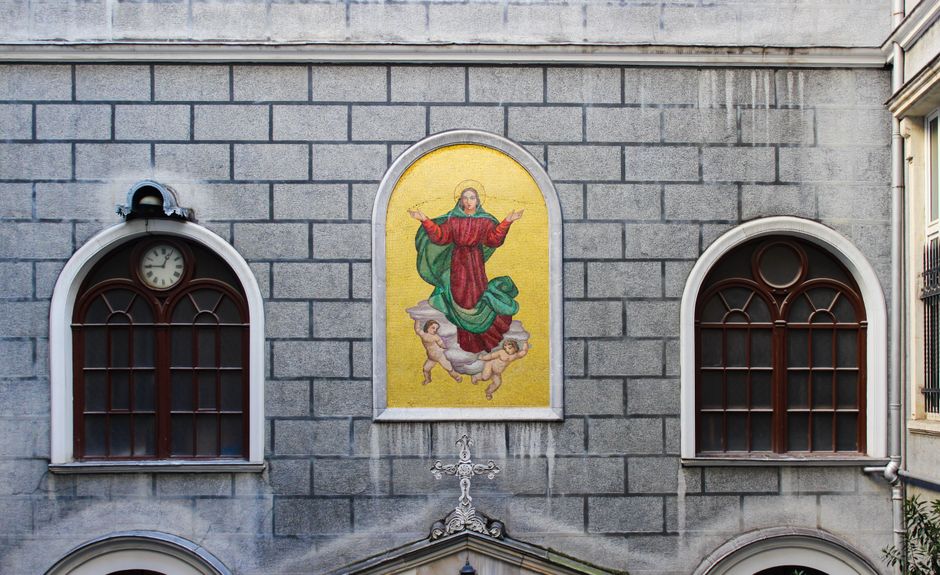
The Life of Saints and the Earthly Realm
The lower walls are a different world. Here, the figures are smaller, more numerous, and more dynamic. The scenes depict the lives of saints, martyrs, and biblical stories. The colors are earthier, the lines more chaotic. This is the realm of human struggle, of sin and redemption. The frescoes here are narrative, telling stories that the illiterate faithful could understand. The light is dimmer, the shadows deeper, reflecting the darkness of the earthly world. One particularly striking scene is the depiction of the Last Judgment. The damned are shown in hell, their faces twisted in agony, while the saved are shown in heaven, their faces serene. The contrast is stark, a visual sermon on the consequences of one's actions. The hierarchy is not just vertical; it is moral. The righteous rise, the wicked fall. The frescoes here are a reminder that the divine order is not just about power, but about justice. The light from the windows does not reach these lower corners easily, leaving them in a perpetual twilight that feels appropriate for the subject matter.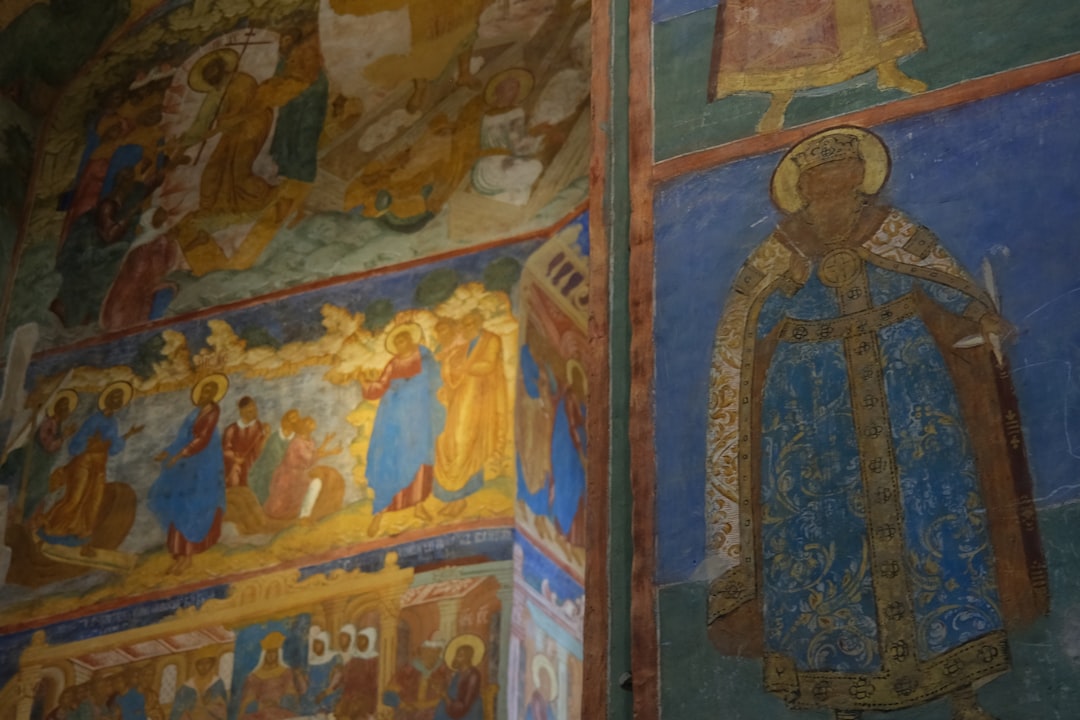
Getting There & What to Expect
To reach Studenica, you need to leave the main highways and dive into the rural heart of Serbia. The nearest major city is Kraljevo, about 20 kilometers away. You can take a bus from Belgrade to Kraljevo, which takes about 2.5 hours and costs around 10-15 EUR. From Kraljevo, local buses or taxis can take you to Studenica. The road is well-paved but winding, offering views of the Raška Valley. If you drive from Belgrade, it takes about 2 hours. The monastery is open daily from 9 AM to 4 PM. Entry to the monastery complex is free, but a small donation is expected. The church of the Virgin Mary is open for visits, but photography inside is strictly prohibited. You need to respect the silence and the sanctity of the space. Dress modestly; shoulders and knees should be covered. The weather in the valley can be cool even in summer, so bring a jacket. Accommodation in Studenica itself is limited. The monastery offers guest rooms for pilgrims, which are basic but clean. A night in a monastery guest room costs around 15-25 EUR. For more comfort, you can stay in Kraljevo, where budget hotels cost around 30-50 EUR per night. Meals in local restaurants in Studenica are affordable, with a typical dish costing 5-10 EUR.Search accommodation in Kraljevo on Booking.com →
Comments