


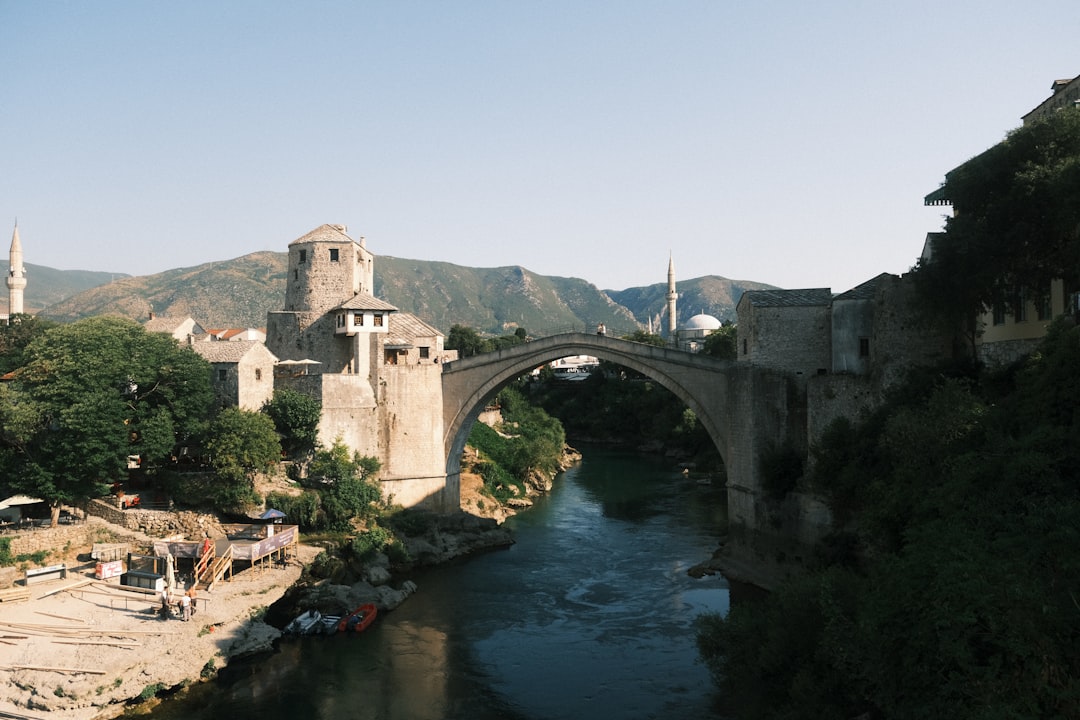
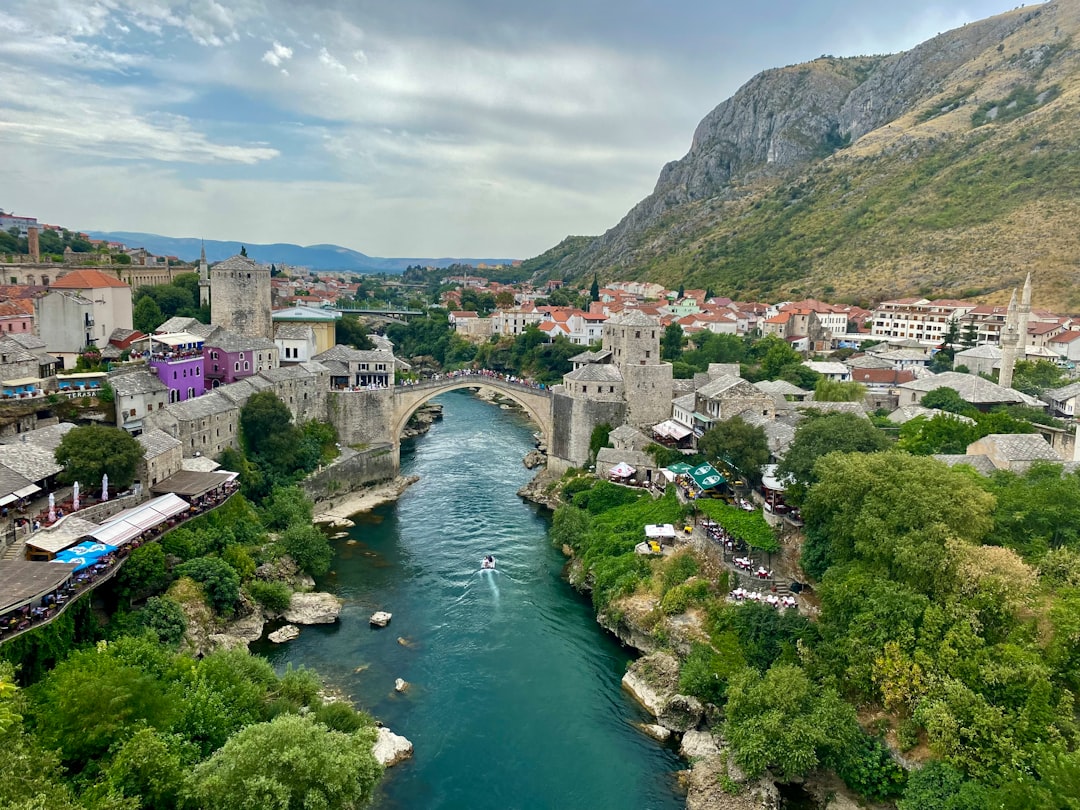
I stood on the stone parapet of the Old Bridge, my toes hanging over the drop, watching a diver in red trunks sprint down the worn steps. The air smelled of roasted chestnuts and river mud. Below, the Neretva River churned, a cold, muscular vein cutting through the heart of Bosnia and Herzegovina. The diver leaped. For a second, he was a bird against the grey sky. Then, the splash. The crowd on both banks erupted. I was here to write about architecture, but I stayed for the madness. This isn't just a bridge. It's a scar that healed into a jewel, a stone arc that watched empires rise and fall, and somehow, still holds weight.
Mostar is a city that refuses to forget. You can't walk a block without seeing the pockmarks of shelling, the bullet holes frozen in concrete like time capsules. And then there's this. The Stari Most, the Old Bridge, spanning the gorge like a defiant question mark. It survived the Ottomans, the Austro-Hungarians, World War II, and the 1990s war that tried to erase it from the map. It was destroyed in 1993 and rebuilt in 2004. The stones are new, the mortar is fresh, but the spirit? That's ancient. I'm here to find out what it means to stand on a bridge that's been killed and resurrected.
History & Identity
The bridge wasn't always here. Before 1566, people crossed the Neretva on a wooden structure that washed away with the spring floods. The Ottoman Empire, seeing strategic value in this mountain pass, commissioned the construction of the stone bridge. It took years, and dozens of master builders, to get the single-span arch right. They say the architect, Mimar Hayruddin, jumped off the first version himself to prove its strength. He died. The bridge was rebuilt, and this time, it held. For over 400 years, it was the center of the world for Mostar. Merchants crossed it, soldiers marched across it, and poets wrote about its reflection in the water.
Then came the 1990s. The Bosnian War turned the city into a frontline. In November 1993, Croatian and Bosnian Croat forces shelled the bridge. It collapsed into the river, a symbol of the region's fracturing identity. The world watched in horror. For a decade, the gap remained. When it was rebuilt, it wasn't just about tourism. It was about reconciliation, a fragile attempt to stitch back together a community torn apart by ethnic divisions. Today, the bridge is a UNESCO World Heritage site, but walking across it, you feel the tension. It's a place of beauty, but also of memory. The stones remember.
Mostar's identity is split by that river. On the east bank, the old Ottoman quarter with its wooden houses and mosques. On the west, the Austro-Hungarian influence with its wider streets and Catholic churches. The bridge connects them, literally and metaphorically. It's a meeting point, a place where different worlds touch. But it's also a stage. The divers, the festivals, the political rallies — it all happens there. The bridge isn't just a structure. It's a character in the city's story, one that has seen everything and still stands.
Where to Go
Stari Most (Old Bridge) — The iconic stone arch is the heart of Mostar. Walk across it to feel the history. Watch the divers jump in the summer months. Entry is free, but the experience is priceless. Best time to visit is early morning or late afternoon to avoid the biggest crowds.
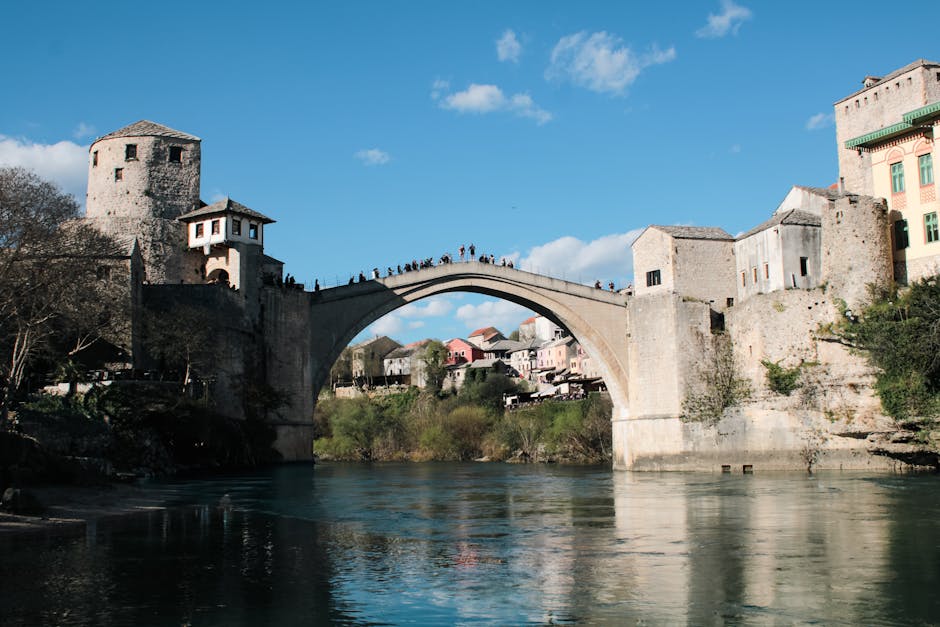
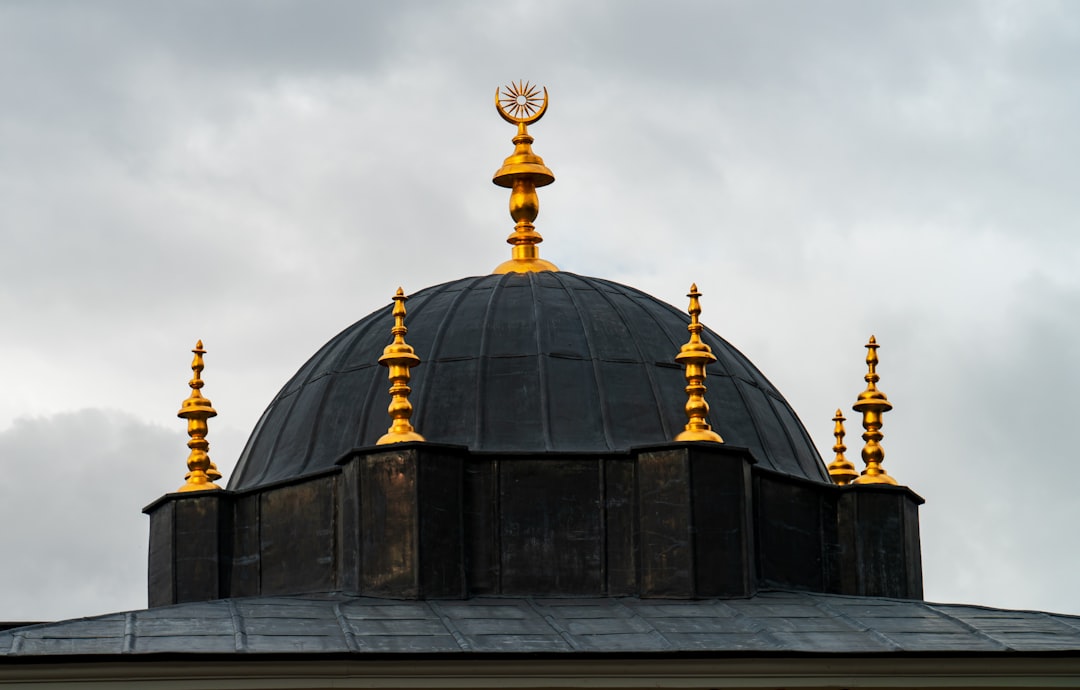
Koski Mehmed Pasha Mosque — Located right next to the bridge, this 16th-century mosque is one of the finest examples of Ottoman architecture in the Balkans. The interior is simple but elegant, with a large dome and wooden galleries. Visitors can enter for free, but respect the dress code and quiet atmosphere.
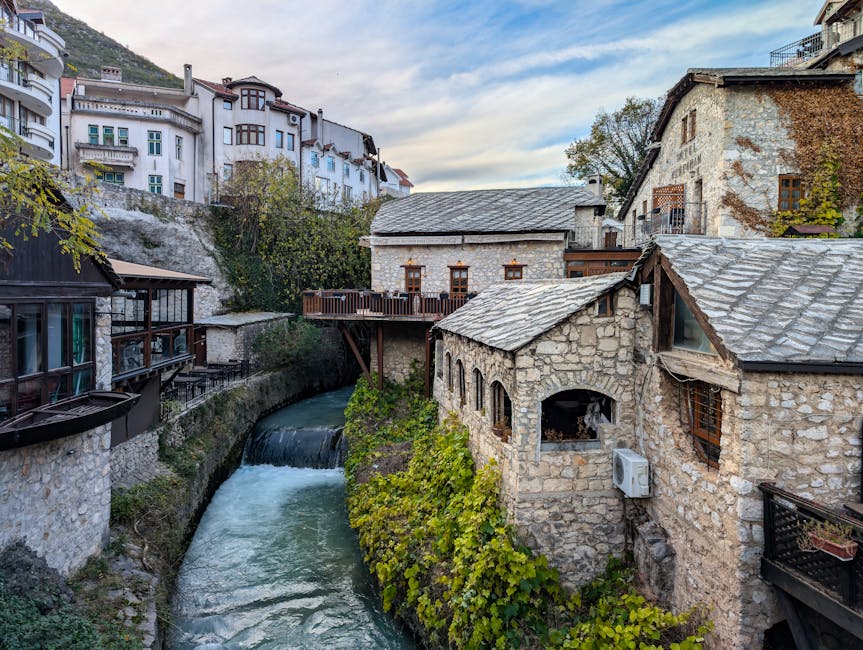
Tabaci House — A restored Ottoman-era merchant's house that now serves as a museum. It gives a glimpse into the daily life of Mostar's wealthy families in the 19th century. The rooms are furnished with period pieces, and the courtyard is a peaceful retreat. Entry fee is around 3-4 EUR.
City Walls — Climb the stone walls that once protected the city. The view from the top is spectacular, looking down on the bridge and the river. The walls are free to access, and the walk is a bit steep but worth it for the photos.
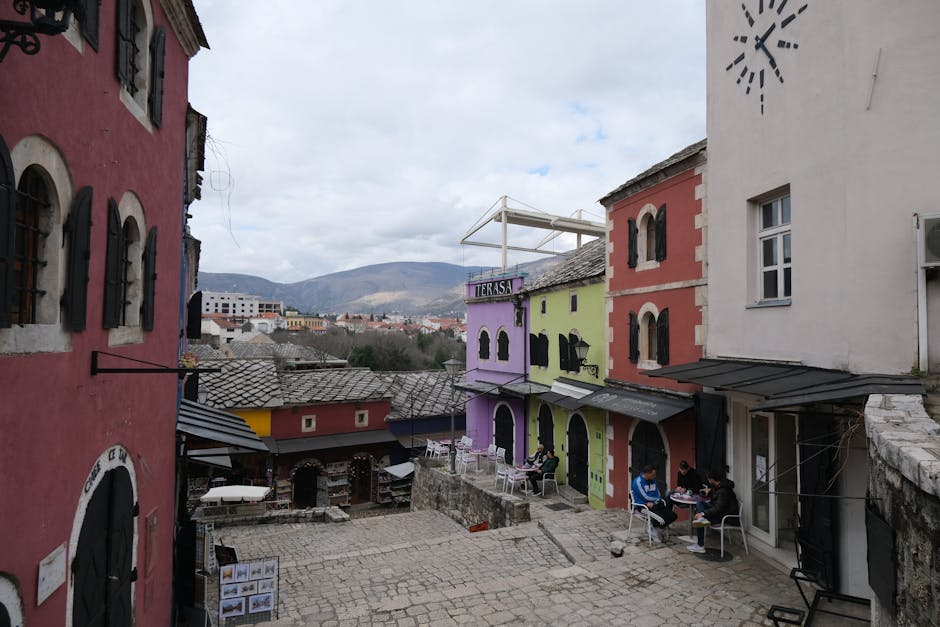
Old Bazaar (Kujundziluk) — A narrow street lined with shops selling silver jewelry, leather goods, and traditional crafts. It's a sensory overload of sights and sounds. Bargain hard, and don't miss the smell of fresh bread from the local bakeries. Prices vary, but expect to pay 10-50 EUR for jewelry.
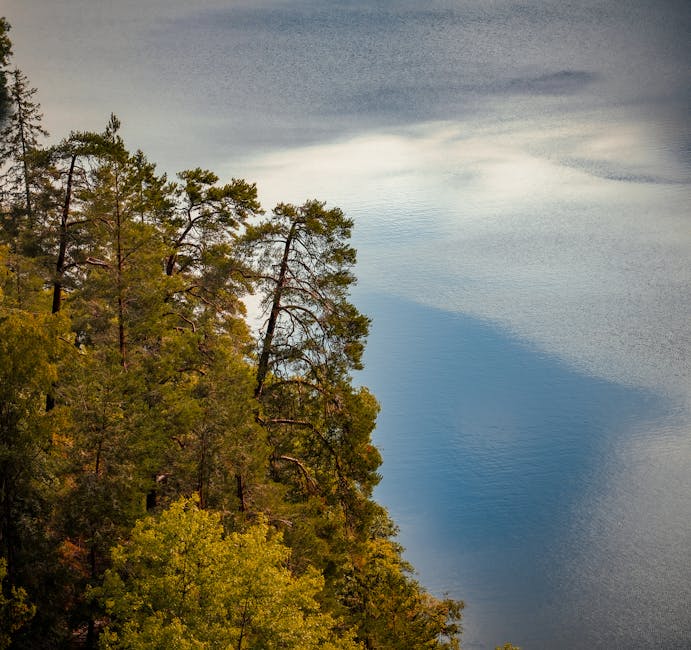
Crno Blato Lake — A short drive from the city, this lake is a natural oasis with clear water and pine forests. It's a popular spot for swimming and picnics. Free entry, and there are small cafes around the shore. Best visited on a warm summer day.
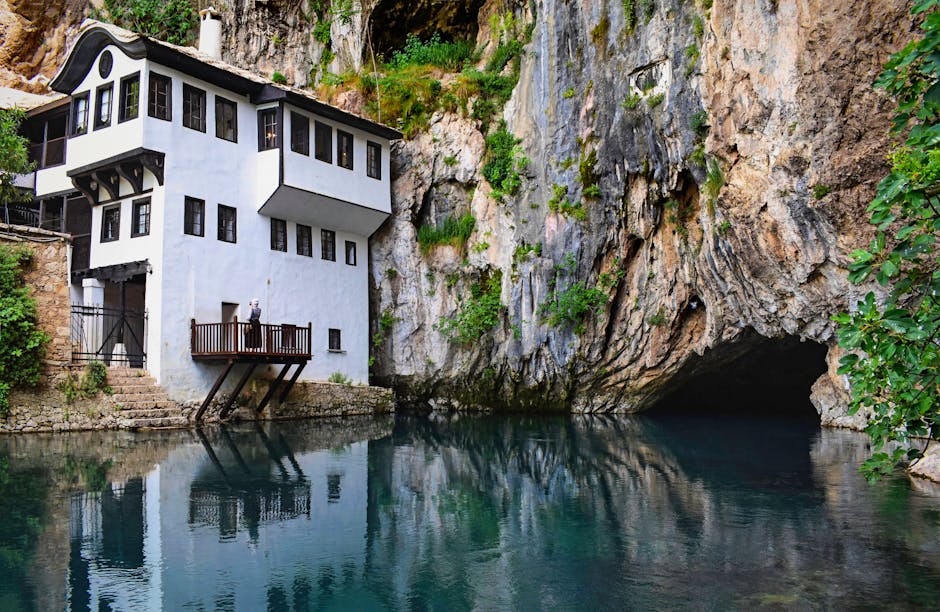
Blagaj Tekke — A Dervish monastery built at the source of the Buna River. The white stone structure juts out over the water, creating a surreal image. Entry fee is 3 EUR. The walk down to the water is steep, so wear good shoes.
What to Eat & Drink
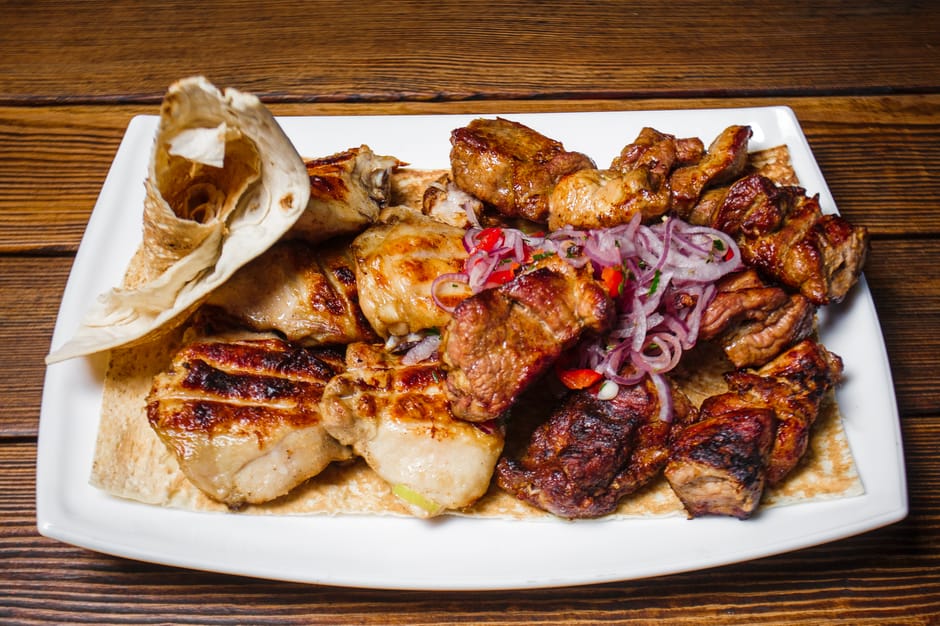
Mostar's food is a mix of Ottoman and Mediterranean influences. You can't visit without trying the local specialties. Here's what to look for:
- Cevapi — Grilled minced meat sausages, served with flatbread and onions. A staple of Balkan street food. Price: 3-5 EUR per portion.
- Ćevapi sa kajmakom — Cevapi served with kajmak, a creamy dairy product. Rich and indulgent. Price: 4-6 EUR.
- Burek — Flaky pastry filled with meat, cheese, or spinach. Cheap and filling. Price: 1-2 EUR per slice.
- Šopska salata — A fresh salad with tomatoes, cucumbers, peppers, and onions, topped with kajmak. A perfect side dish. Price: 2-3 EUR.
- Kapama — A traditional dish of lamb or veal cooked with vegetables in a clay pot. Hearty and flavorful. Price: 8-12 EUR.
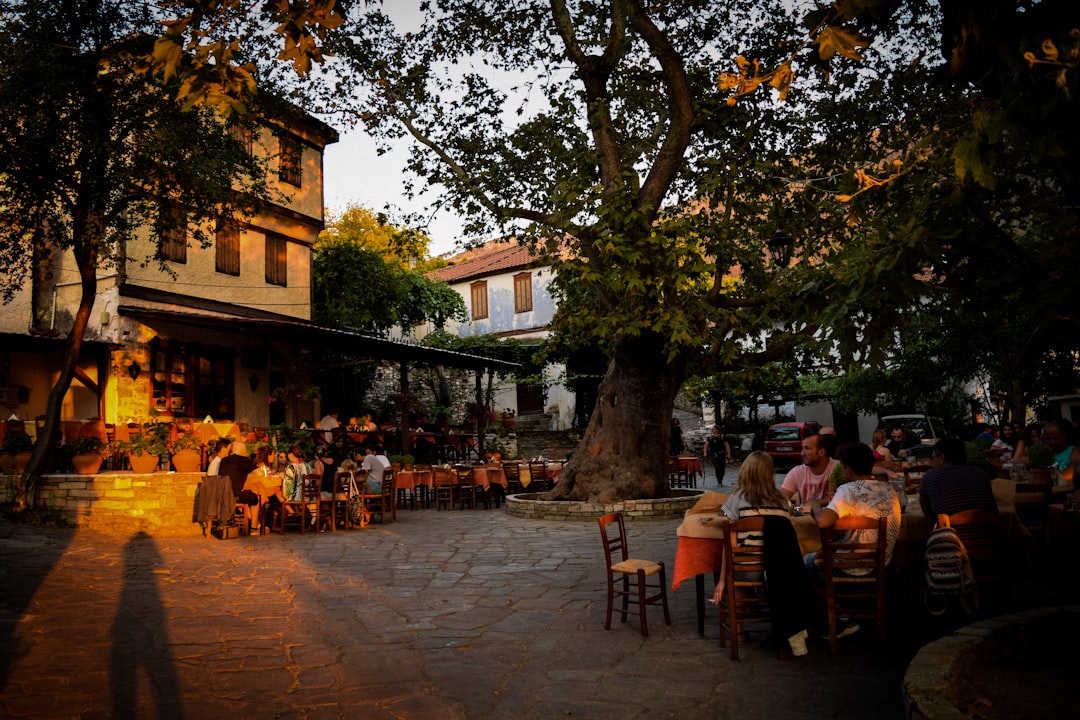
For budget travelers, street food and take-away options are plentiful. You can eat well for 5-10 EUR per day if you stick to burek, cevapi, and local markets. Sit-down restaurants in the old town range from 8-15 EUR for a main course, while mid-range places with a view of the bridge can cost 15-25 EUR per person. The Old Bazaar is the best place for food, with several cafes and bakeries lining the streets. Don't miss the fresh juices and homemade ice cream.
Nightlife
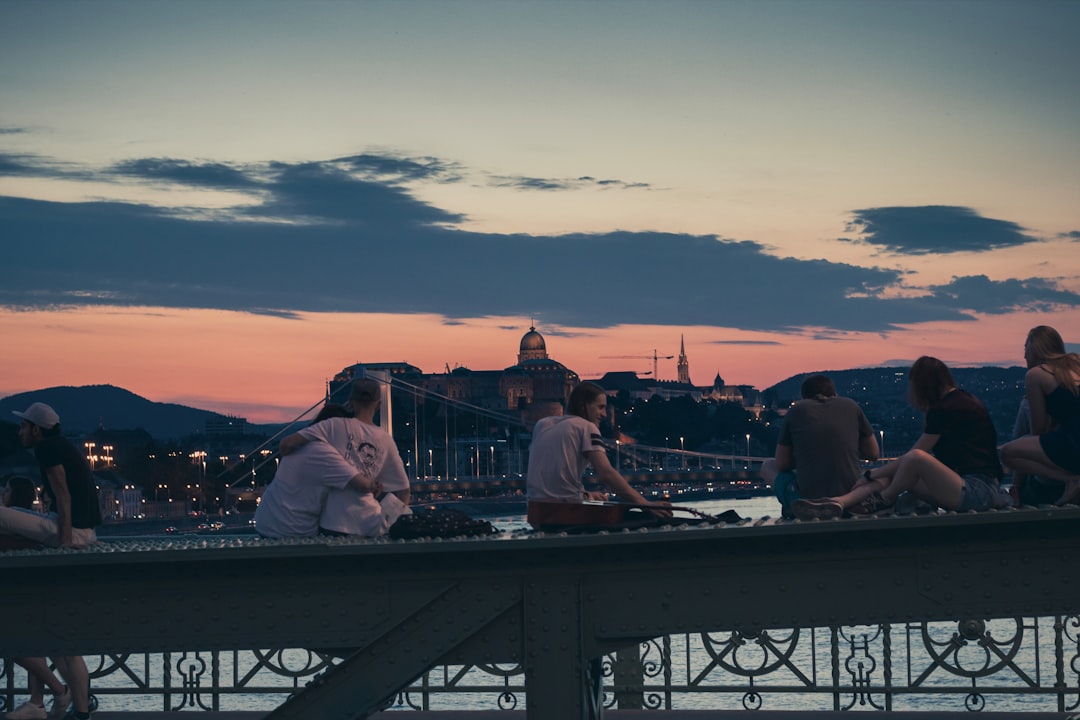
Mostar's nightlife is centered around the old town, with bars and clubs lining the streets near the bridge. The atmosphere is lively, especially on weekends. Here are a few places to check out:
- Barok — A stylish bar with a rooftop terrace overlooking the bridge. Great for cocktails and sunset views. Cover charge: 2-3 EUR.
- Stari Grad — A traditional tavern serving local drinks and live music. A good place to experience the local culture. No cover charge.
- Club 82 — A popular club with electronic music and a young crowd. Open until late. Cover charge: 3-5 EUR.
The nightlife scene is affordable, with drinks ranging from 2-4 EUR for beer and 4-6 EUR for cocktails. Most places are open until 2 AM, but some clubs stay open until sunrise. The streets are safe, and the locals are friendly. Just be respectful of the residential areas and keep the noise down after midnight.

Getting There & What to Expect
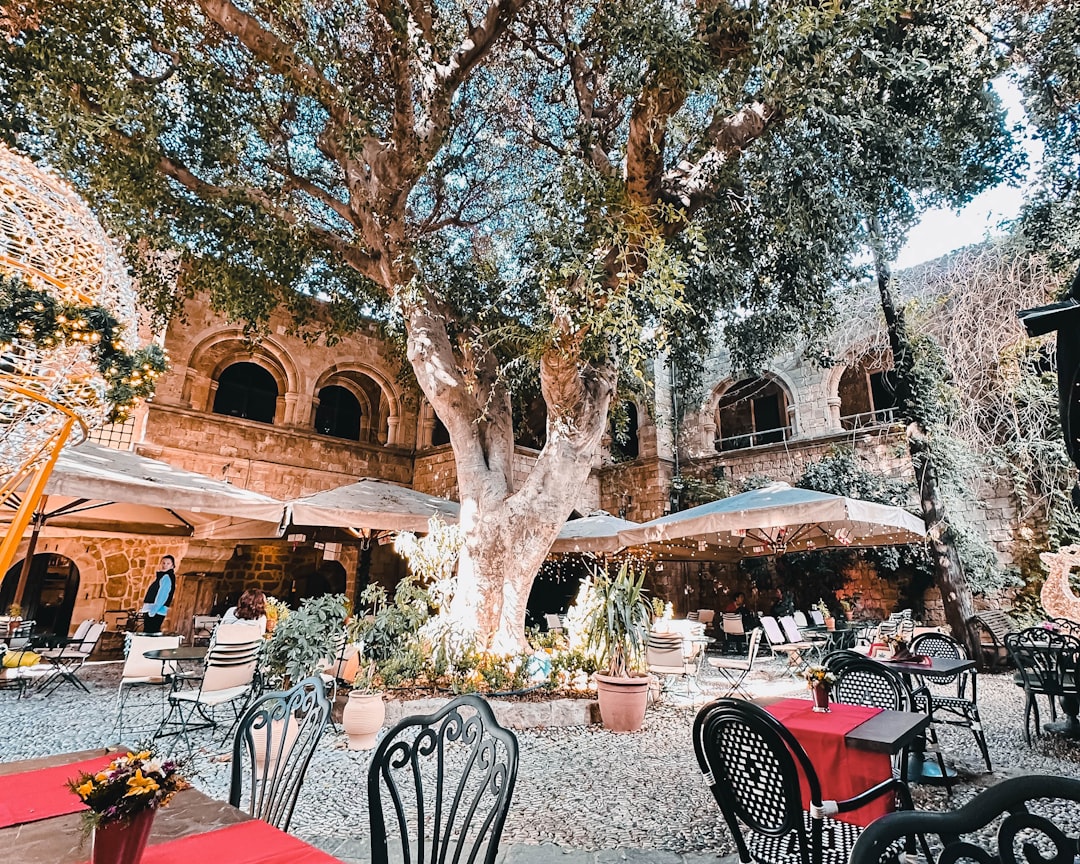
Mostar is well-connected by bus and car. The nearest airport is in Sarajevo, about 120 km away. Buses run regularly between Sarajevo and Mostar, taking around 2 hours and costing 10-15 EUR. You can also rent a car in Sarajevo and drive, which gives you more flexibility. The road is scenic but winding, so allow extra time. From Dubrovnik, it's about 150 km, and buses take around 3 hours. Costs are similar.
Accommodation in Mostar ranges from budget hostels to luxury hotels. Hostels cost around 10-20 EUR per night, while mid-range hotels are 30-50 EUR per night. Luxury options can go up to 100 EUR or more. The old town has many charming guesthouses, but they can be noisy. For a quieter stay, look for hotels on the west bank. The best time to visit is from May to September, when the weather is warm and the divers are active. Winter is cold and rainy, but the city has a different charm.
Search accommodation in Mostar on Booking.com →
The Weight of Stone
I left Mostar with the taste of roasted chestnuts still on my tongue and the sound of the river in my ears. The bridge had done its job. It had connected me to the past, to the pain, and to the resilience of a people who refuse to be broken. Walking across those stones, I felt the weight of history, but also the lightness of hope. The divers still jump. The merchants still sell their wares. The city breathes. The bridge stands. And that, perhaps, is the most powerful story of all.
Comments