


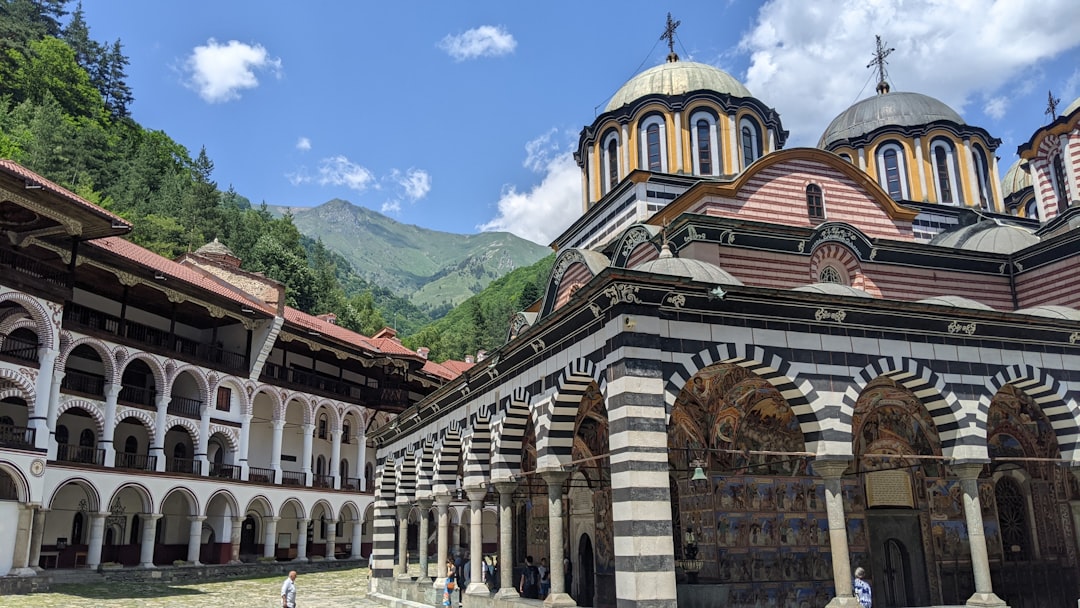
The air inside the main church of Rila Monastery tastes like beeswax and old incense, a thick, cloying mixture that sticks to the back of your throat. I'm standing on a wooden platform, neck craned at an uncomfortable angle, staring up at a ceiling that looks like it's about to collapse under the weight of painted saints. It's not just pretty. It's aggressive. The eyes of every apostle, every martyr, and every angel seem to be judging you, watching you, waiting for you to flinch. A tour guide nearby is droning on about Byzantine influence, but I'm not hearing him. I'm seeing the brushstrokes. I'm seeing the desperation.
This isn't a place for quiet contemplation. It's a fortress of faith, built when the Ottoman Empire was tightening its grip on the Balkans. The frescoes here aren't just religious art; they are a manifesto. When you look at the vibrant blues and the deep, blood-red robes of the figures painted in the 19th century (often mistaken for the 16th by casual observers, though the monastery's origins are far older), you aren't just looking at theology. You're looking at a people refusing to disappear. The damp cold of the Rila Mountains seeps through your jacket, but up here, under the vaulted ceilings, the heat of a national identity forged in fire is palpable.
History & Identity
To understand the walls of Rila Monastery, you have to understand the pressure cooker of Bulgarian history. The monastery was founded in the 10th century by St. John of Rila, but it spent centuries being destroyed, rebuilt, abandoned, and reclaimed. By the time the most famous frescoes were painted, Bulgaria was under Ottoman rule for nearly five hundred years. The church was a target. The monks were targets. The very idea of a Bulgarian language and a Bulgarian Orthodox faith was something the occupiers tried to suffocate.
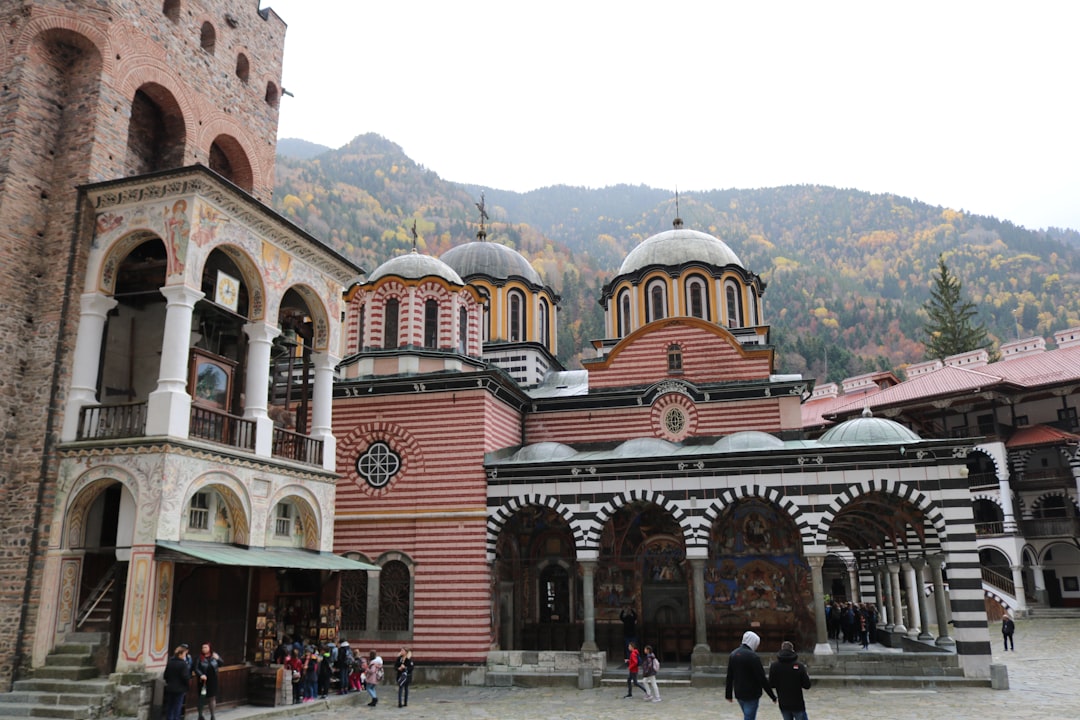
The frescoes we see today, particularly in the main church of St. Mary the Theotokos, were largely created in the 19th century by the artist Zahari Zograf. This was the era of the Bulgarian National Revival. The painting of these walls was an act of defiance. Every stroke of pigment was a statement that Bulgarian culture was not dead. The monastery became a sanctuary for printing presses, schools, and secret meetings. The walls were thick, the location remote, and the spiritual authority immense. It was the heart of a resistance movement that fought not just with swords, but with icons, books, and the preservation of a language that the empire wanted erased.
Where to Go
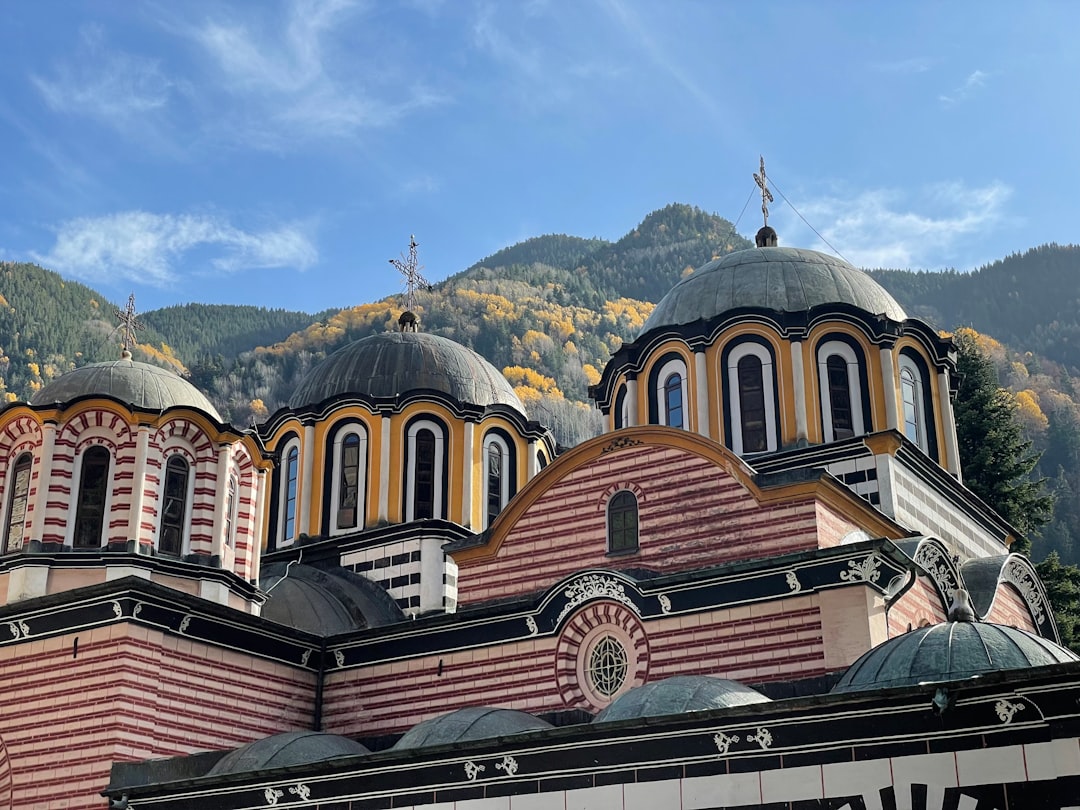
The Main Church of St. Mary the Theotokos — This is the cathedral of the monastery and the home of the famous frescoes. The interior is a riot of color, with scenes from the life of Christ, the Last Judgment, and various saints. The ceiling is particularly striking, featuring a complex iconographic program that was relatively new for the time. Entry is included in the general monastery ticket. Visit early in the morning to avoid the largest crowds and see the light hit the frescoes as it streams through the high windows.
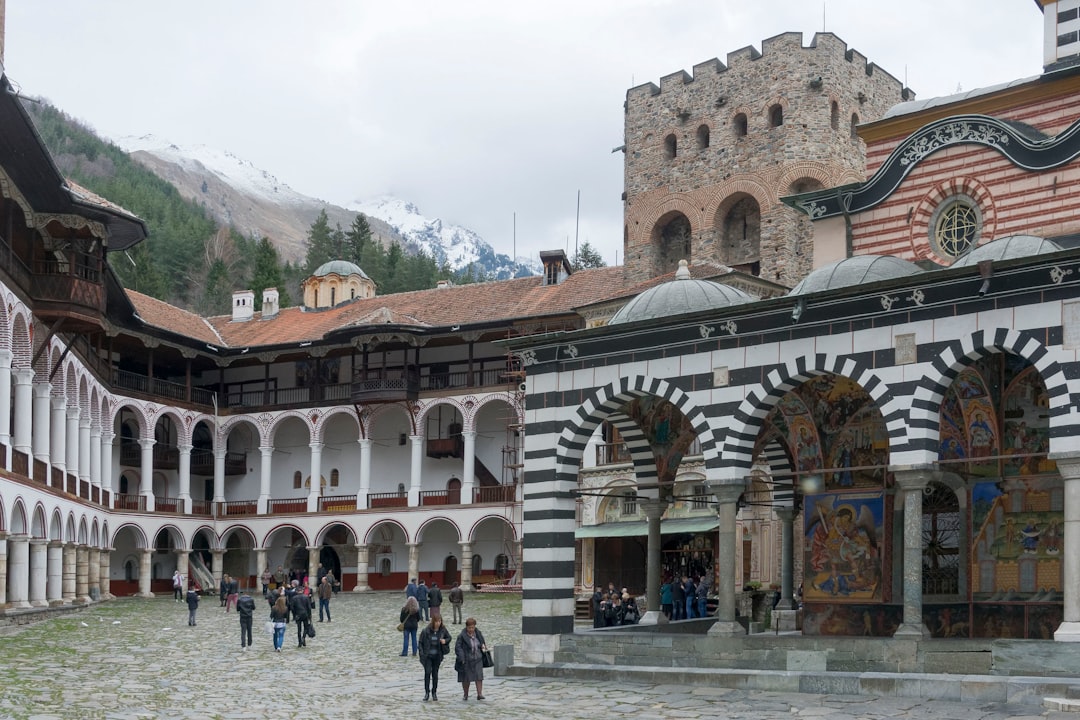
The Bell Tower — Standing at 65 meters, this is the second tallest church bell tower in the Balkans. The climb is steep, but the view from the top is worth it. You can see the entire monastery complex, the surrounding pine forests, and the peaks of the Rila Mountains. It offers a physical perspective on the monastery's isolation and defensive positioning. The bell itself is massive, weighing 11 tons, and its tolling can be heard across the valley.
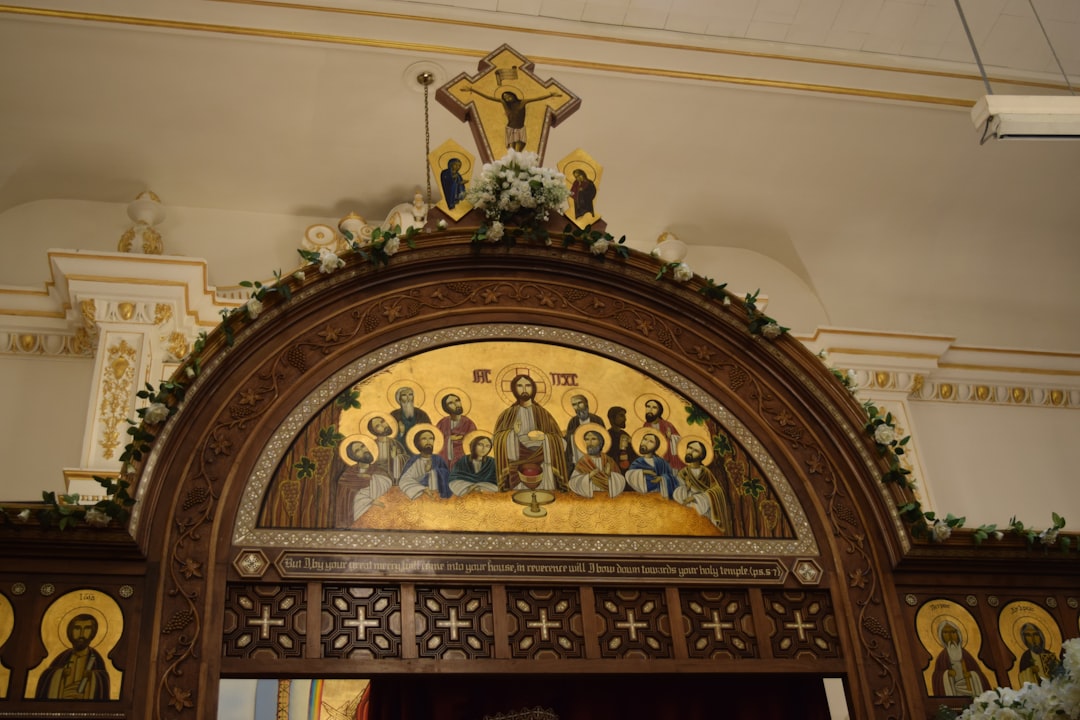
The Iconostasis — Located inside the main church, this wooden screen separating the nave from the sanctuary is a masterpiece of carving and painting. It features intricate scenes and figures, many of which are centuries old. The craftsmanship is delicate and precise, contrasting with the bold brushwork of the frescoes above. It is a focal point for worshippers and a testament to the skill of the artisans who worked in secrecy.
The Monastery Museum — Located in the surrounding buildings, this museum houses a collection of icons, manuscripts, and artifacts that document the history of the monastery and the Bulgarian National Revival. It provides crucial context for the frescoes, showing the tools, the techniques, and the political environment in which they were created. The collection includes rare printed books and personal items of the monks.
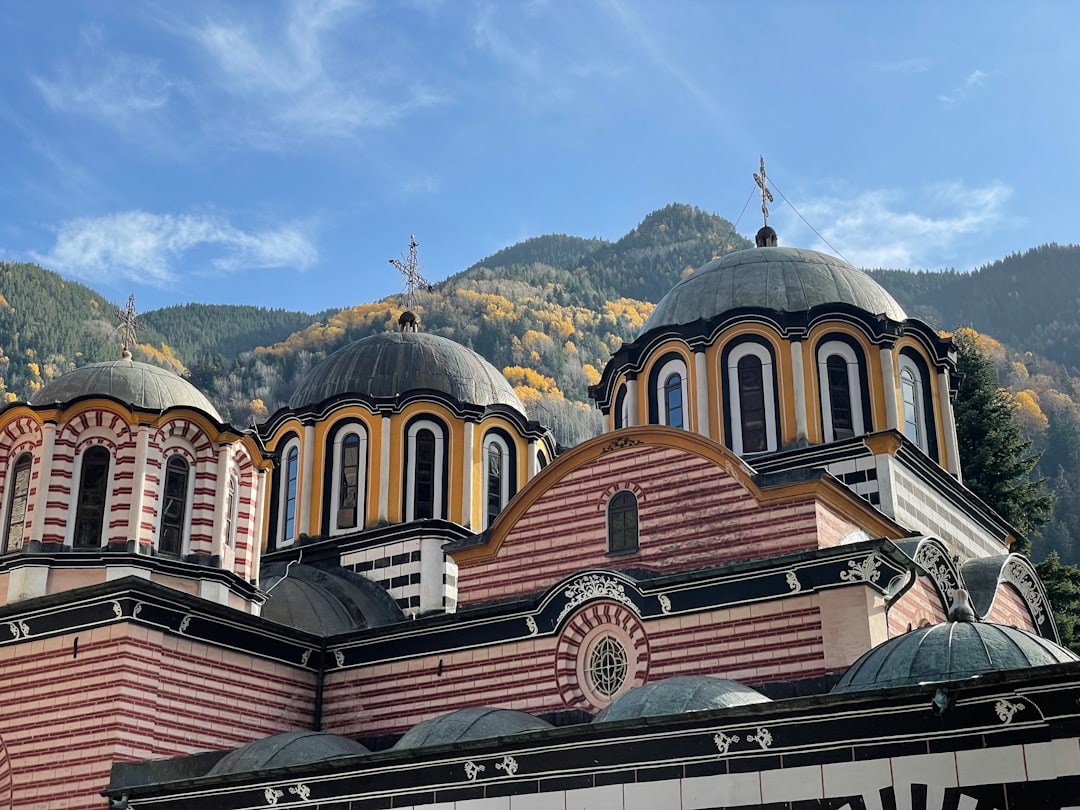
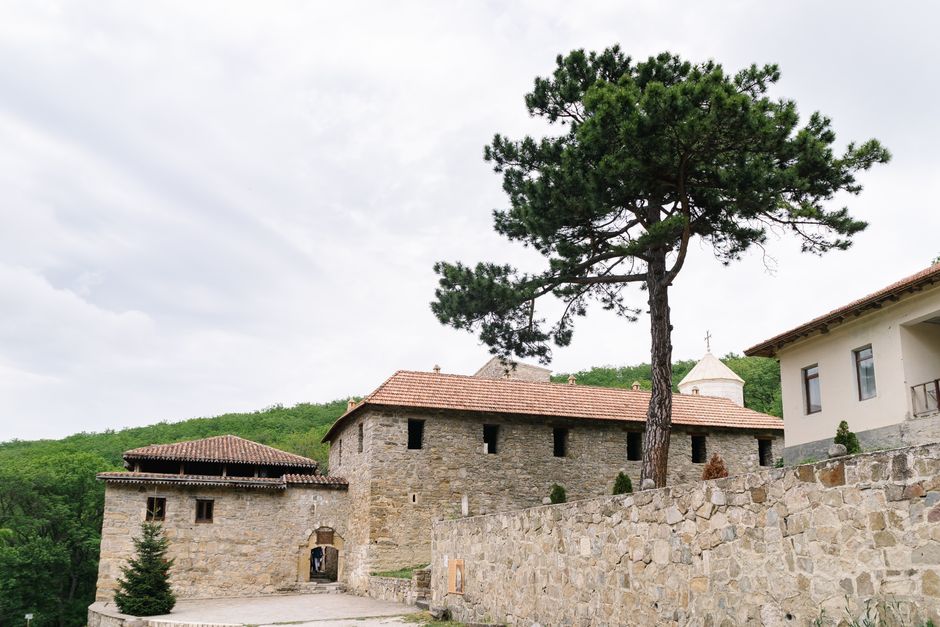
The Guesthouse and Courtyards — The monastery complex is vast, with multiple courtyards and buildings dating from different periods. The guesthouse area is where visitors can get a sense of the daily life of the monks. The courtyards are peaceful, often filled with the sound of chanting or the rustle of wind in the trees. It's a place to step back and absorb the scale of the site before diving back into the intense interior of the church.
What to Eat & Drink
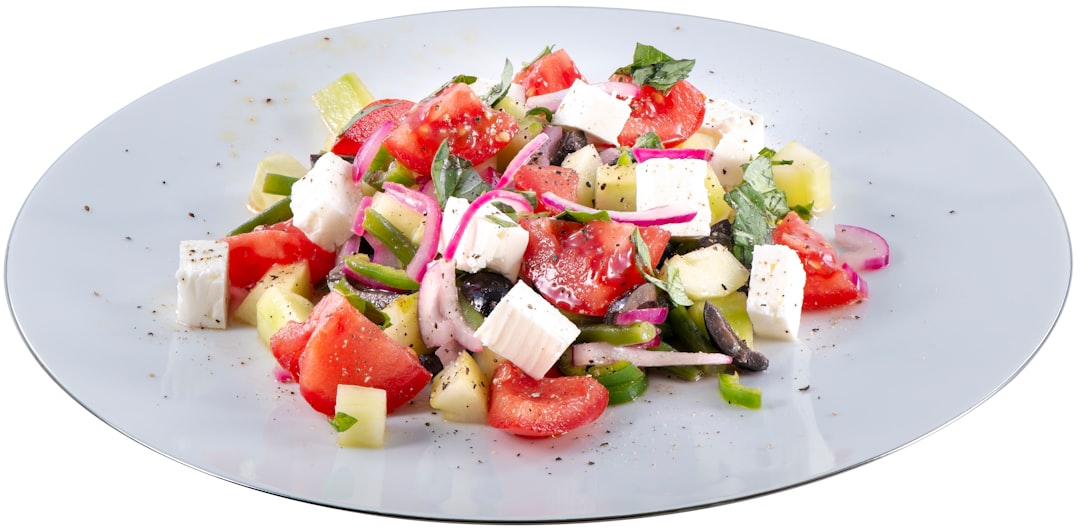
The monastery is in a remote mountain location, so dining options are limited but authentic. Inside the complex, you can find a small restaurant and several stalls selling traditional Bulgarian foods. Kashkaval (a yellow brined cheese) is a must-try, often sold in small wedges for 2-4 EUR. Shop Salad, a refreshing mix of tomatoes, cucumbers, onions, and peppers topped with kashkaval, is a staple side dish available for 3-5 EUR. For a heartier meal, Karnache, a local sausage made from pork and beef, is often grilled and served with bread for 4-6 EUR.
Budget travelers can find simple meals like Banitsa (a savory pastry filled with cheese or spinach) for 2-3 EUR at the monastery shops. A sit-down meal at the monastery restaurant, featuring traditional stews and grilled meats, will cost around 8-12 EUR per person. For those looking to spend more, there are several restaurants in the nearby town of Rila, about 10 kilometers away, where you can enjoy a full course meal for 15-20 EUR. The food here is unpretentious, hearty, and designed to fuel you for the mountain air.
Nightlife
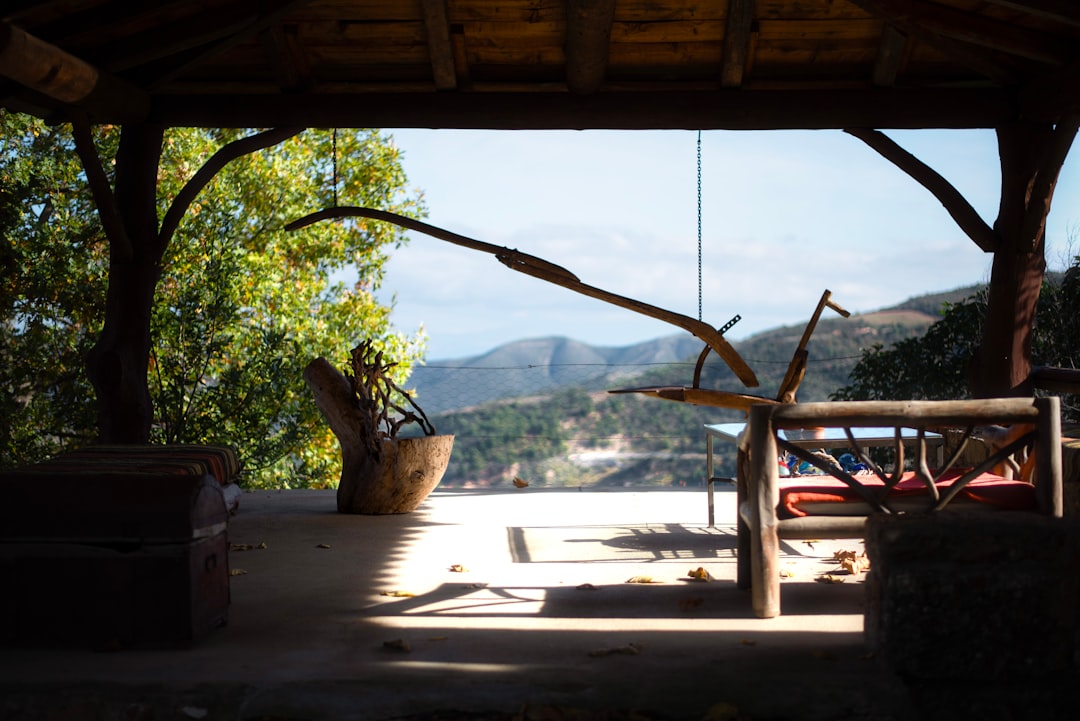
Let's be clear: there is no nightlife at Rila Monastery. It is a place of prayer, silence, and reflection. The monastery gates close in the evening, and the surrounding area is dark and quiet. If you are looking for bars, clubs, or late-night entertainment, you need to head to the town of Rila or further to Sofia. The town of Rila has a few small bars and cafes, but the scene is low-key and geared towards tourists and hikers winding down after a day in the mountains. The real "nightlife" here is the sound of the wind in the pines and the distant tolling of the monastery bell.
Getting There & What to Expect
Getting to Rila Monastery requires a bit of planning. The nearest major city is Sofia, the capital of Bulgaria. The monastery is located about 120 kilometers southeast of Sofia, a drive of roughly 2 hours via the Trakia Highway and then the Rila Highway. Buses run regularly from Sofia's central bus station to Rila Monastery, taking about 2.5 hours and costing around 8-10 EUR one way. Trains also run from Sofia to the town of Rila, from where you can take a taxi or a local bus to the monastery (about 15 minutes).
Accommodation options are limited. There is a guesthouse within the monastery complex, but it is simple and often booked well in advance, with rooms costing around 40-60 EUR per night. For more comfort, there are several hotels and guesthouses in the town of Rila, ranging from budget options at 25-40 EUR to mid-range hotels at 60-100 EUR per night. The best time to visit is between May and October. Winter can be beautiful but access may be difficult due to snow. The summer months are crowded, so plan accordingly.
Search accommodation in Rila on Booking.com →
The Weight of the Brush
I leave the monastery as the sun begins to dip behind the peaks of the Rila Mountains. The shadows are long, stretching across the stone courtyards like fingers reaching for the past. I feel heavier than when I arrived. It's not just the altitude. It's the weight of all those painted eyes, all those silent witnesses to centuries of struggle. You don't just see the frescoes at Rila Monastery; you feel them. They are not passive decorations. They are a challenge. They ask you to remember who you are, where you come from, and what you are willing to fight for. In a world that often feels disposable, that kind of permanence is terrifying. And it is beautiful.
Comments