


Rila Monastery Frescoes: Decoding Bulgarian National Identity Through Art
The mountain air in the Rila valley is thin enough to make your head spin, even before you start thinking about theology. I sat on a stone bench outside the main church, a lukewarm coffee in hand, watching a busload of tourists from Sofia spill out like a colorful flood. They moved with a mix of reverence and frantic urgency, cameras raised, trying to capture a thousand years of history in a few quick snaps. An old woman in a black headscarf watched them with a steady, unblinking gaze, her hands folded over a rosary. She didn't care about their pictures. She cared about the stones beneath her feet, the same stones that had held the weight of empires, invasions, and quiet prayers for centuries. This isn't just a tourist stop; it's the spiritual anchor of a nation that spent five hundred years under Ottoman rule and fought tooth and nail to remember who it was.
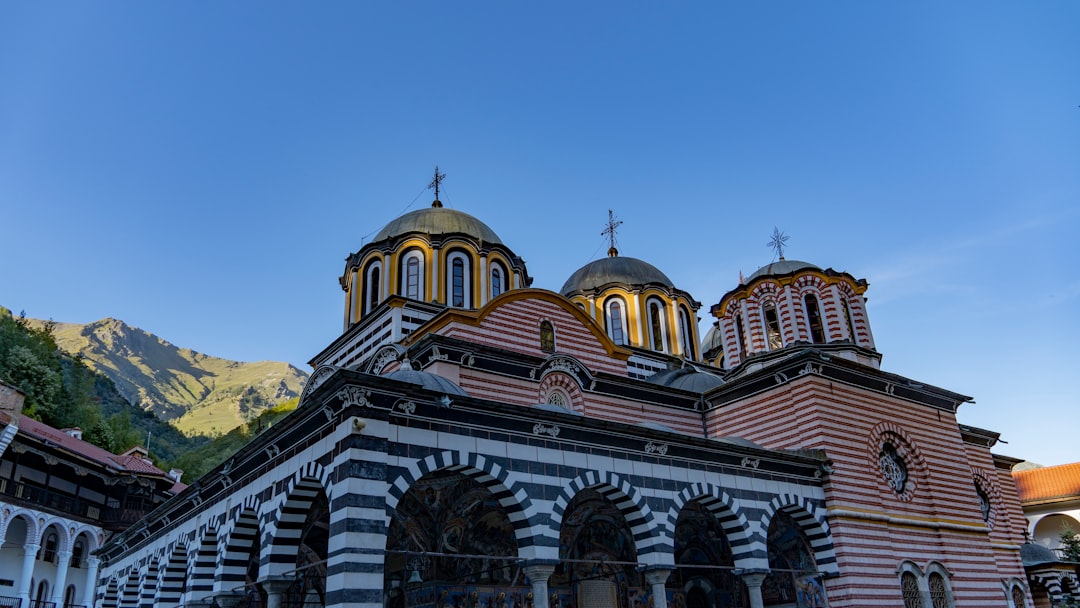
Inside the Rila Monastery, the air changes. It's cooler, heavier, smelling of beeswax, old stone, and the faint, sweet scent of incense that clings to the walls. The frescoes here aren't just decorations. They're a visual language, a coded message passed down through generations of monks who knew that if they forgot their alphabet, their saints, and their stories, they would cease to exist. Every brushstroke is a act of resistance, every face a reminder that Bulgarian identity survived not through armies alone, but through art, faith, and an unbreakable will to remember.
The Living Canvas: More Than Just Paint
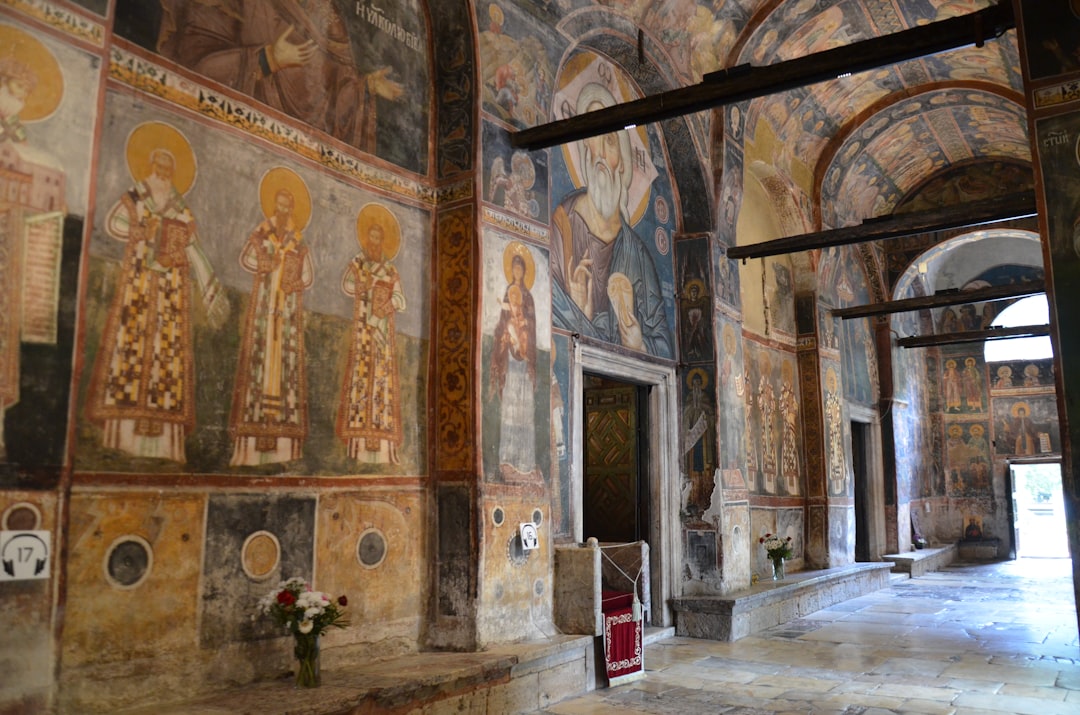
The frescoes of Rila Monastery are not static relics. They are a living testament to the resilience of Bulgarian culture. Painted primarily in the 19th century, during the National Revival period, these murals were created at a time when Bulgarian identity was under severe threat. The Ottoman Empire had banned Bulgarian Orthodox churches and schools, forcing the people to practice their faith and preserve their language in secret. The monastery became a sanctuary, not just for monks, but for the entire nation. The artists who worked here were not just craftsmen; they were patriots, using their brushes to keep the flame of Bulgarian identity alive.
The most striking feature of these frescoes is their emotional intensity. Unlike the more rigid, formalized religious art of earlier periods, the 19th-century murals are dynamic and expressive. The faces of the saints and biblical figures are rendered with a sense of realism and humanity that draws the viewer in. You can see pain, joy, sorrow, and hope in their eyes. This emotional depth was intentional. It was meant to connect with the ordinary people who came to the monastery, many of whom were illiterate but could read the stories depicted on the walls. The frescoes served as a visual Bible, teaching the faithful about their history, their faith, and their place in the world.
One of the most powerful examples of this is the depiction of St. Ivan of Rila, the founder of the monastery. He is shown not as a distant, idealized figure, but as a man of flesh and blood, struggling with temptation and doubt. This humanization of the saint made him relatable to the people, reinforcing the idea that holiness was achievable for everyone, not just for the elite. It was a message of empowerment, suggesting that even in the face of oppression, individuals could achieve greatness through faith and perseverance.
Decoding the Symbols: A Language of Resistance
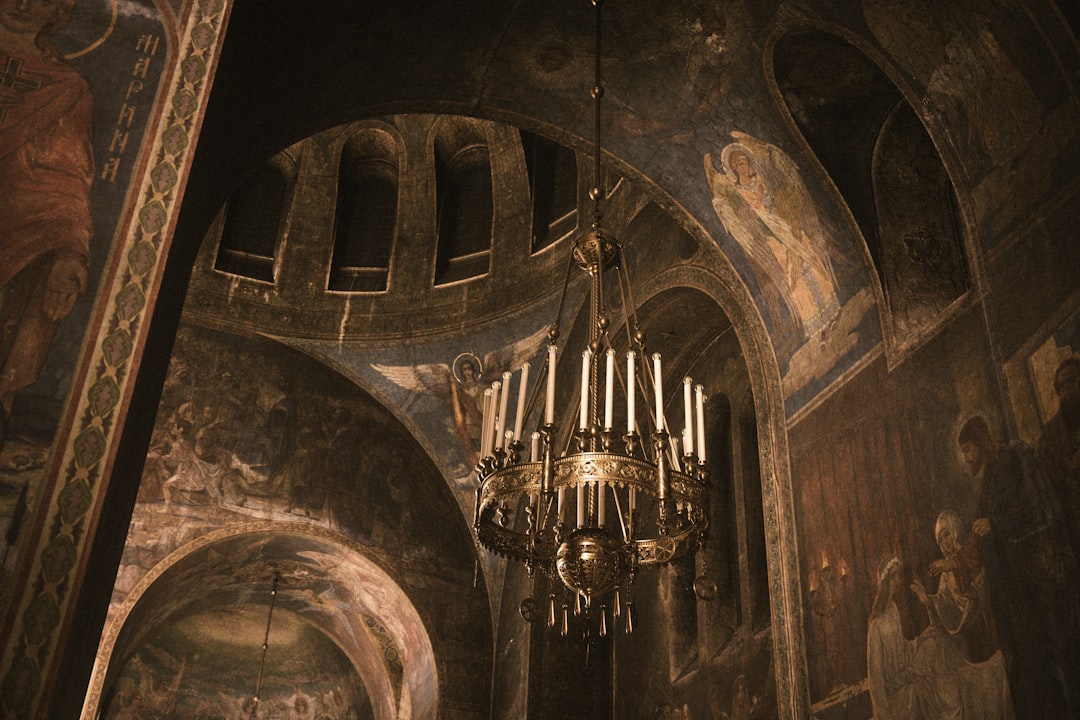
To understand the frescoes of Rila Monastery, you need to look beyond the surface. Every symbol, every color, every gesture has a meaning. The artists used a complex visual language to convey messages that would have been dangerous to express openly. For example, the use of red, the color of martyrdom and sacrifice, is prevalent in scenes depicting persecution and suffering. This was a direct reference to the struggles of the Bulgarian people under Ottoman rule, reminding viewers of the price of their faith and identity.
Another common symbol is the tree of life, which appears in several of the frescoes. This symbol represents the continuity of Bulgarian culture and the idea that, like a tree, the nation's roots run deep and cannot be easily uprooted. Even if the branches are cut back, the tree will survive and grow again. This was a powerful message of hope for a people who had been stripped of their political autonomy and cultural institutions.
The frescoes also feature numerous depictions of Bulgarian saints and martyrs, many of whom were persecuted for their faith. These images served as role models for the people, inspiring them to remain steadfast in their beliefs despite the risks. The artists often included contemporary figures in these scenes, subtly linking the past struggles of the saints to the present struggles of the Bulgarian people. This created a sense of continuity and shared destiny, reinforcing the idea that the fight for national identity was an ongoing struggle.
The National Revival: Art as a Weapon
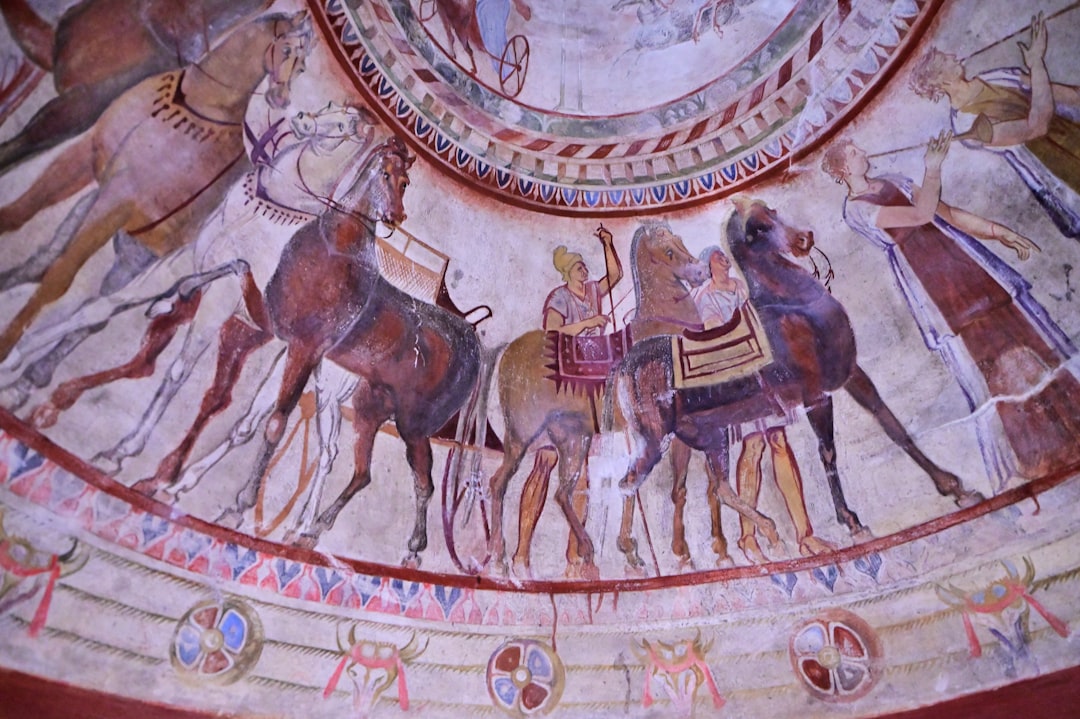
The 19th century was a period of intense cultural and political awakening in Bulgaria, known as the National Revival. This movement sought to restore Bulgarian identity and independence after centuries of Ottoman rule. Art played a crucial role in this process, serving as a tool for education, inspiration, and resistance. The frescoes of Rila Monastery are among the most important examples of this artistic movement, embodying the spirit of the revival and the determination of the Bulgarian people to reclaim their heritage.
During this period, the monastery became a center of learning and cultural production. Monks and artists gathered here to study theology, literature, and the arts, preserving and transmitting Bulgarian knowledge and traditions. The frescoes were part of this broader effort to rebuild Bulgarian culture from the ground up. They were not just religious images; they were statements of national pride and identity, asserting the existence and dignity of the Bulgarian people in the face of oppression.
The artists who worked on the frescoes were often trained in the traditional Byzantine style, but they also incorporated elements of Western European art, reflecting the growing influence of Western ideas in Bulgaria. This blend of styles created a unique visual language that was both familiar and innovative, appealing to a wide audience and helping to bridge the gap between the old and the new. The frescoes thus became a symbol of the dynamic and evolving nature of Bulgarian identity, showing that it was not a static relic of the past, but a living, breathing force that could adapt and grow.
Visiting the Monastery: A Pilgrimage of the Senses
Visiting Rila Monastery is not just a historical tour; it's a sensory experience that engages all the senses. The moment you step inside the main church, you are enveloped by the rich colors and intricate details of the frescoes. The play of light and shadow on the walls creates a dynamic and ever-changing visual experience, drawing you into the stories depicted. The silence of the church, broken only by the occasional whisper of a prayer or the soft footsteps of a visitor, adds to the atmosphere of reverence and contemplation.
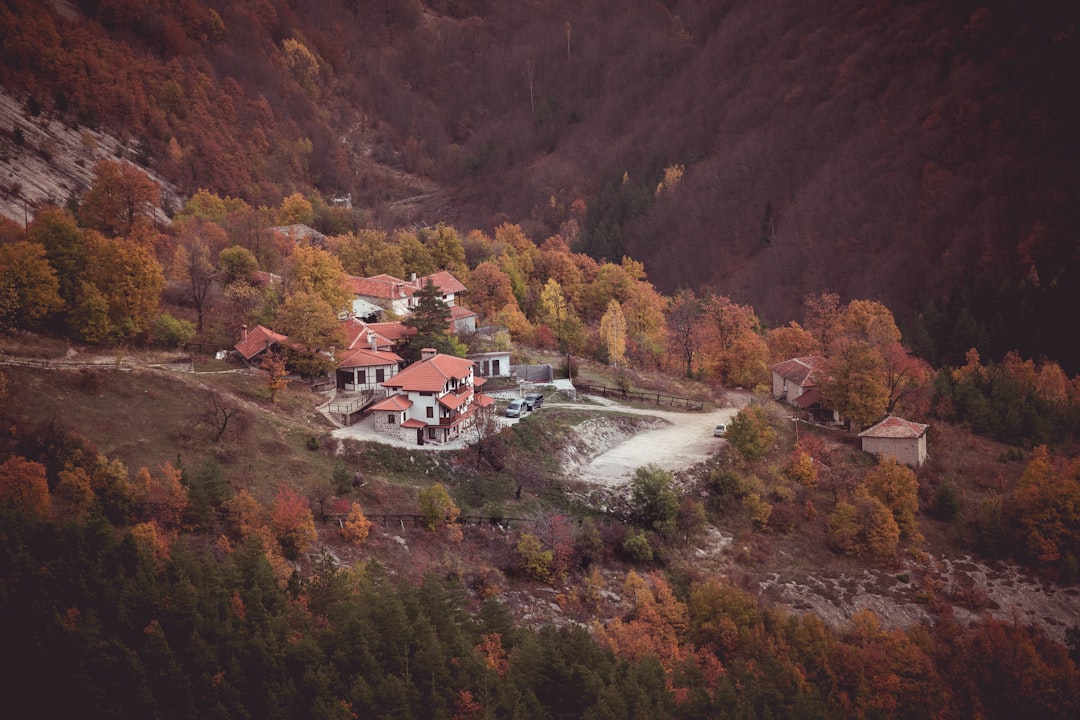
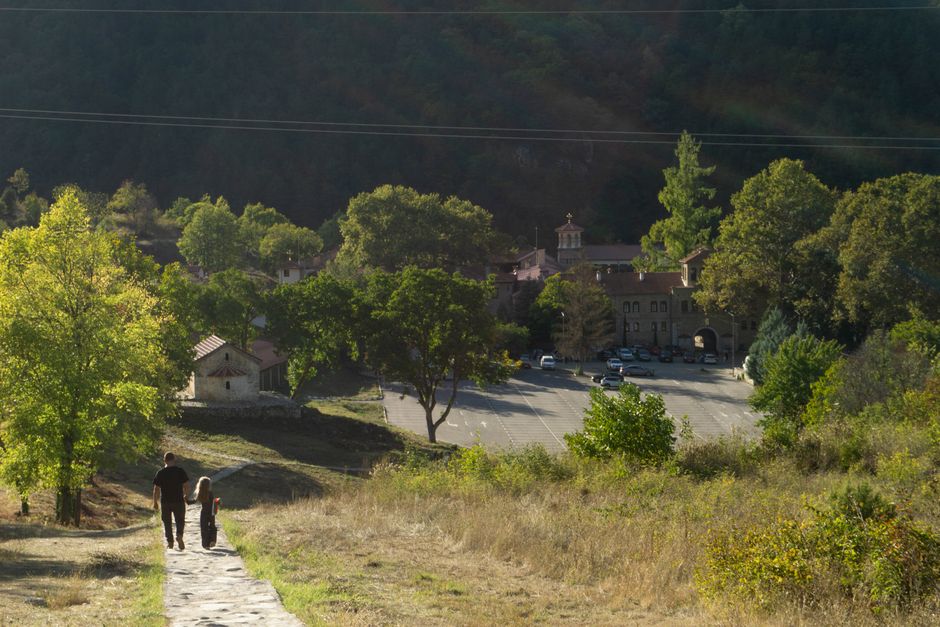
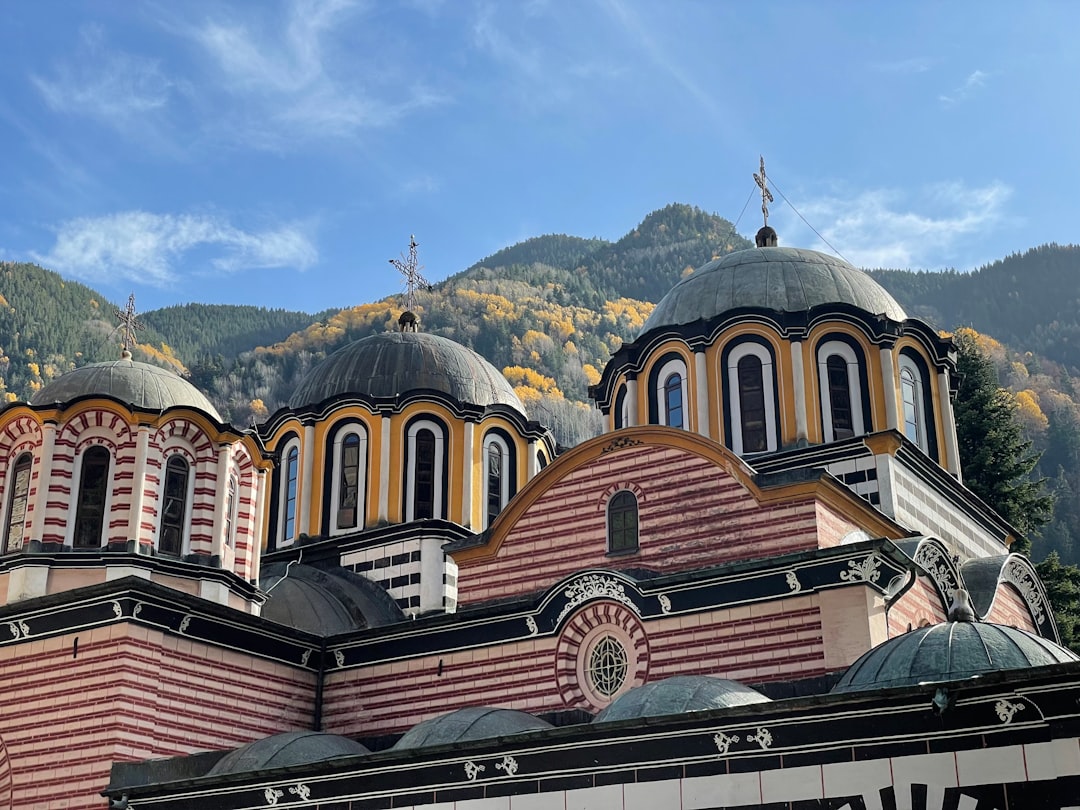
The monastery is located in the Rila Mountains, one of the most scenic regions in Bulgaria. The surrounding landscape, with its rugged peaks, dense forests, and clear streams, provides a stunning backdrop to the architectural masterpiece. Taking a walk through the monastery grounds, you can feel the tranquility and peace of the mountain environment, a stark contrast to the bustling world outside. This harmony between the natural and the man-made is a key aspect of the monastery's appeal, offering visitors a chance to escape the pressures of modern life and connect with something deeper and more enduring.
For those interested in a deeper understanding of the frescoes, guided tours are available that provide detailed insights into the symbolism and history of the artwork. These tours are led by knowledgeable guides who can explain the complex visual language of the frescoes and share stories about the artists and the historical context in which they worked. This added layer of interpretation enhances the visitor experience, transforming a simple sightseeing trip into a meaningful and educational journey.
Getting There & What to Expect
Reaching the monastery is part of the journey. The nearest major city is Sofia, the capital of Bulgaria. From Sofia, you can take a bus or a train to the town of Rila, which is about 120 kilometers away. The journey takes approximately two hours by bus and offers beautiful views of the Rila Mountains. From Rila, it's a short taxi ride or a scenic walk to the monastery. For those driving, the road is well-maintained and offers stunning vistas of the surrounding landscape.
Accommodation options are limited near the monastery itself, but there are several guesthouses and hotels in the town of Rila. Budget travelers can find hostels or small pensions for around 20-40 EUR per night. Mid-range hotels offer more comfort and amenities for 60-100 EUR per night. Meals at local restaurants are affordable, with a typical dish costing 5-10 EUR. The monastery also has a small shop where you can buy religious items, books, and local crafts.
The best time to visit is during the spring and summer months, when the weather is mild and the landscape is lush and green. However, the monastery is open year-round, and the winter months offer a unique and serene atmosphere, with the snow-covered mountains providing a breathtaking backdrop. Regardless of when you visit, be prepared for a deep and moving experience that will leave you with a greater appreciation for the resilience and beauty of Bulgarian culture.
Search accommodation in Sofia on Booking.com →
The Weight of Stone and Memory
As I left the monastery, the old woman was still there, watching the buses depart. She caught my eye and gave a small, almost imperceptible nod. It wasn't a greeting, exactly. It was an acknowledgment. I had seen the walls. I had read the stones. I understood, if only for a moment, the weight of what they carried. The frescoes weren't just paint on plaster. They were a shield. A weapon. A prayer. In a region that has seen empires rise and fall, that has been carved up and redrawn by foreign hands, this place remains. Not because of armies, but because of memory. And as I drove back down the winding mountain road, the air growing thicker and the noise of the world creeping back in, I realized that some identities aren't just inherited. They're earned. One brushstroke, one prayer, one stubborn refusal to forget at a time. The mountains don't care about borders. But the people who live in their shadow? They remember everything.
Comments