


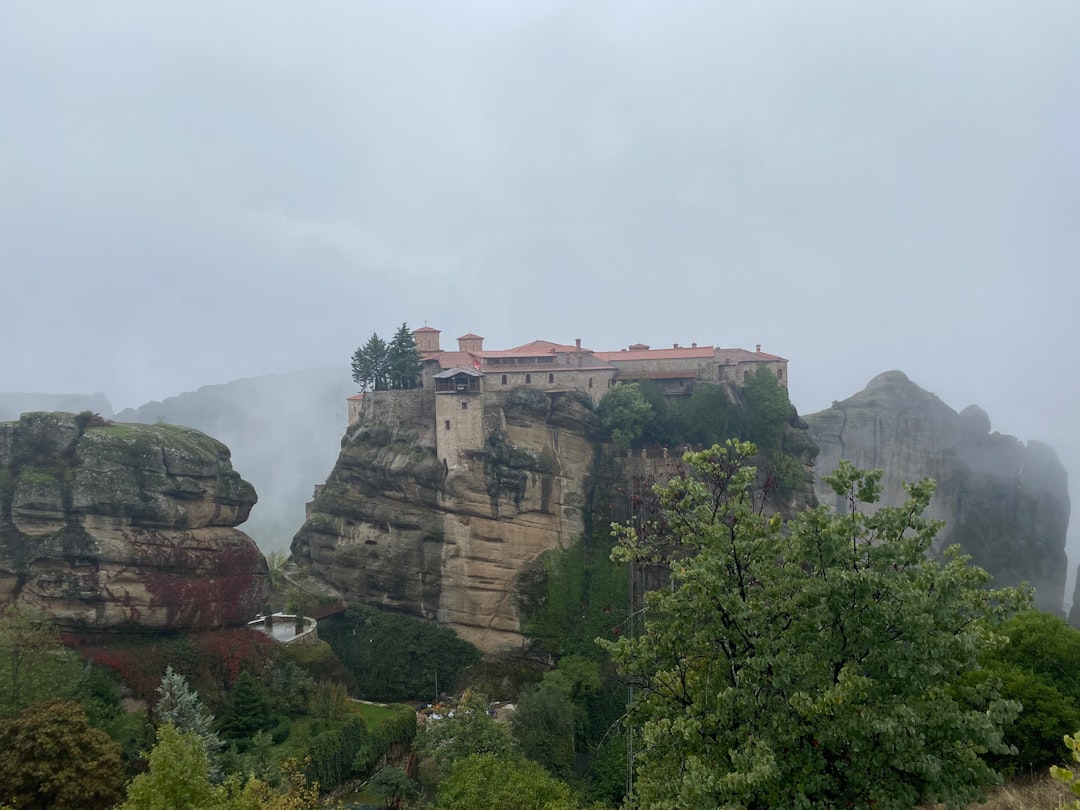
The bus from Kalabaka doesn't so much stop as surrender to the gravity of the place. I spill out onto the gravel, lungs burning from the dry Thessalian air, and look up. Up is the only direction that matters here. Sixteen billion years of geological violence have stacked these sandstone pillars like drunken Jenga towers, topped with Byzantine churches that defy physics and common sense. A local in a faded tracksuit sells me a lukewarm coffee for ~2 EUR. He points a calloused finger at the sky. "The monks," he says, grinning. "They don't come down. They just wait for the clouds." I take a sip. The coffee tastes like ash and history. This isn't a vacation. It's an ascension. And I'm here to find out if the view from the top is worth the spiritual vertigo.
Meteora isn't pretty in the postcard sense. It's brutal. The rocks are jagged, scarred by wind and time, rising abruptly from the flat, wheat-colored plains of Thessaly. There are no gentle slopes, no meandering paths. Just vertical stone and empty sky. It's the kind of place that makes you feel small, insignificant, and strangely alive. I'm here to climb, to sweat, to stare into the abyss, and to understand why men lived in caves on top of impossible peaks for centuries. This is gonzo geography: a landscape that refuses to be tamed, and a history that refuses to be forgotten.
History & Identity
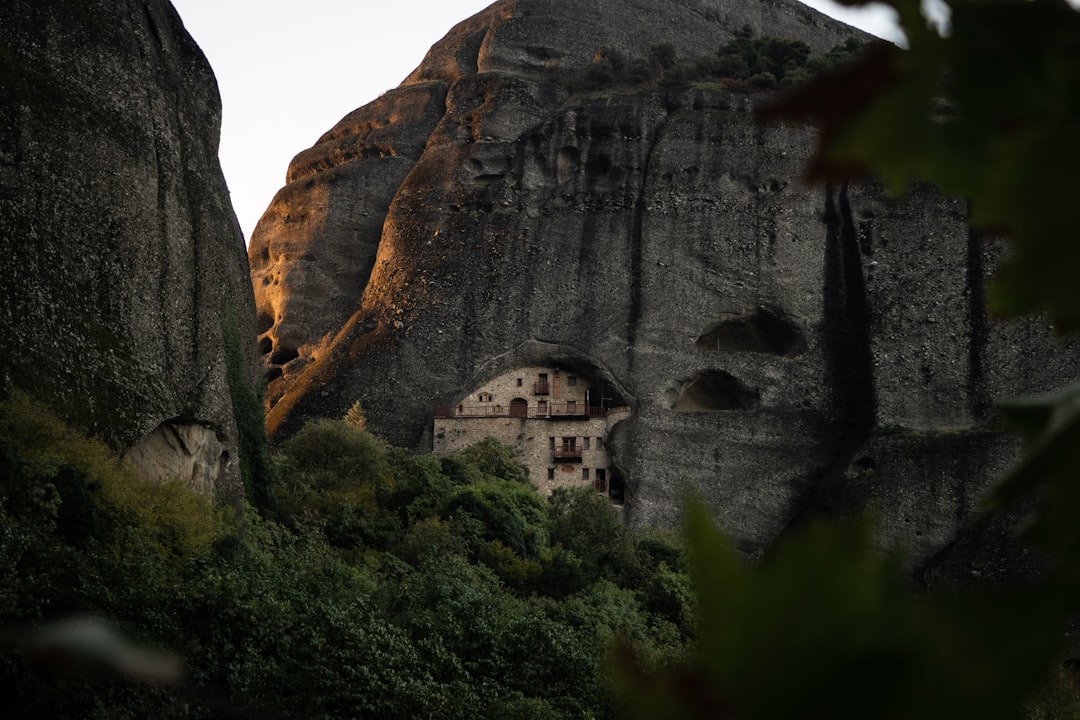
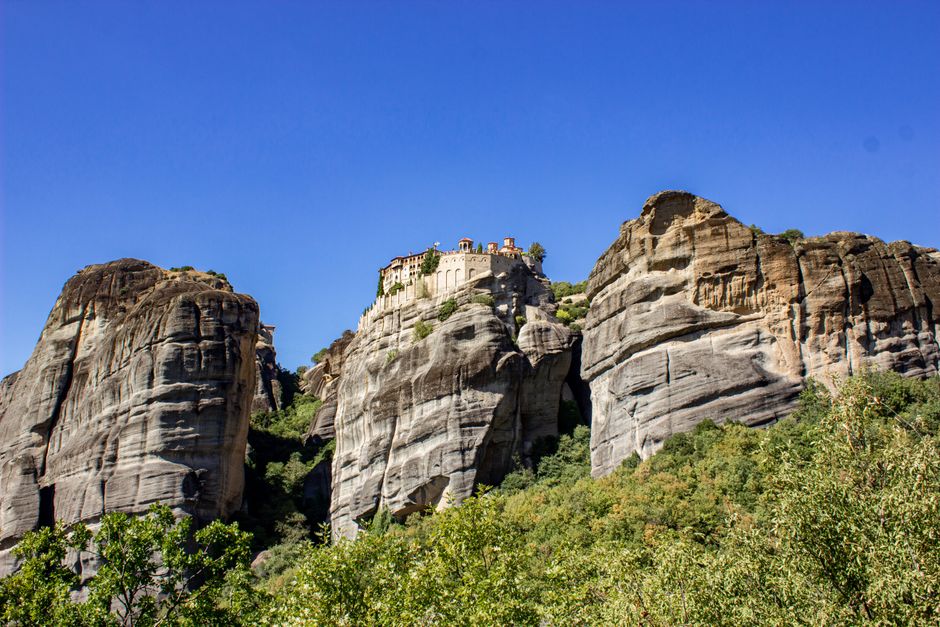
The name Meteora comes from the Greek word for "suspended in the air," and it's an understatement. These rock formations are the result of tectonic shifts and erosion over millions of years, but their human story is far more dramatic. In the 14th century, hermits began ascending these pillars using ropes and baskets, seeking isolation from the Ottoman Empire's encroachment. They built monasteries on the summits, accessible only by retractable ladders. For centuries, these fortresses of faith were impregnable, both to invaders and to the temptations of the world below.
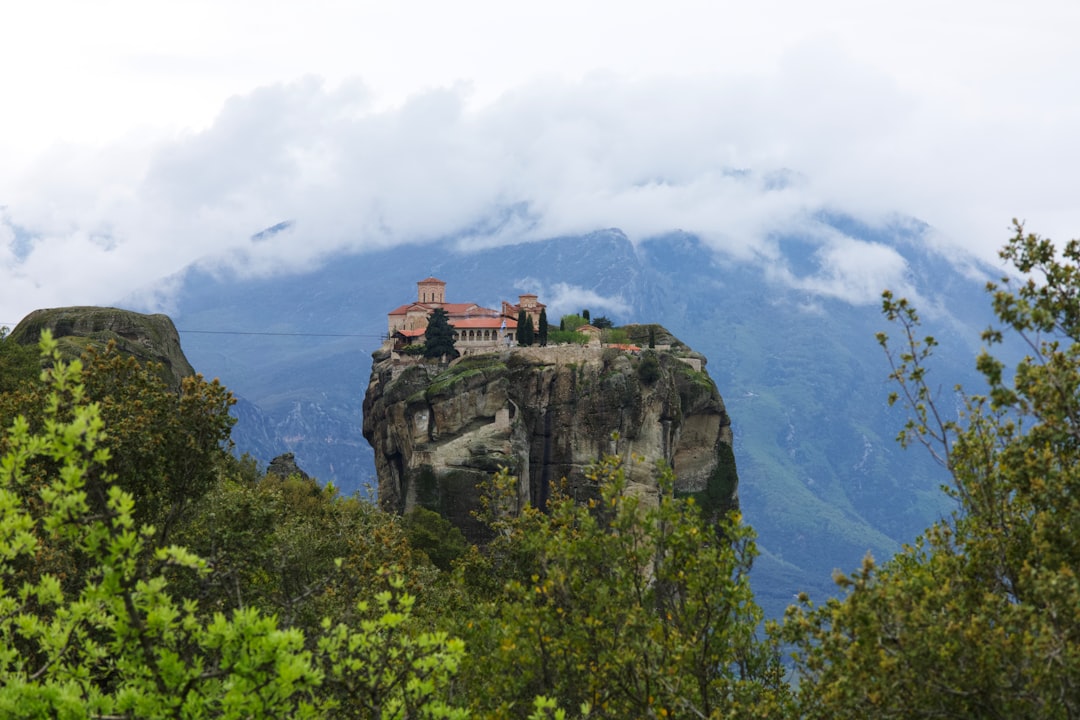
At its peak, there were twenty-four monasteries, but only six remain active today. They survived the Ottoman wars, the Greek War of Independence, and the harsh realities of modern tourism. The monks, mostly from the Monastery of the Great Meteoron, still follow a strict Byzantine ritual, chanting in a language that sounds like it was carved from the same stone as the cliffs. The identity of Meteora is built on this tension: between the earthly and the divine, the accessible and the unreachable. It's a place where faith is tested by gravity.
Where to Go
Monastery of the Great Meteoron — The largest and most accessible of the six monasteries. Perched 613 meters above sea level, it was first reached by a pulley system in the 14th century. Today, you climb 141 stone steps, but the effort is worth it. The interior is a labyrinth of frescoes, icons, and relics, including a preserved arm of a saint. The view from the terrace is a panoramic sweep of the plains, making the climb feel like a reward. Entry fee is 5 EUR for men; women are not permitted inside unless they have a special permit. Best visited early morning to avoid crowds.
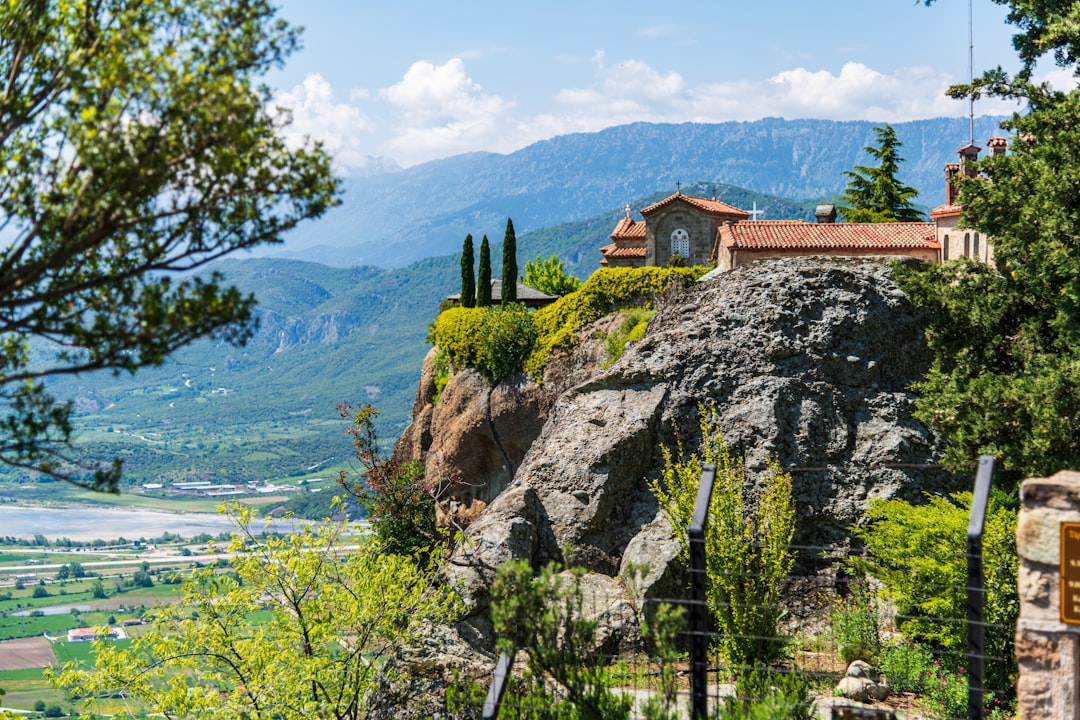
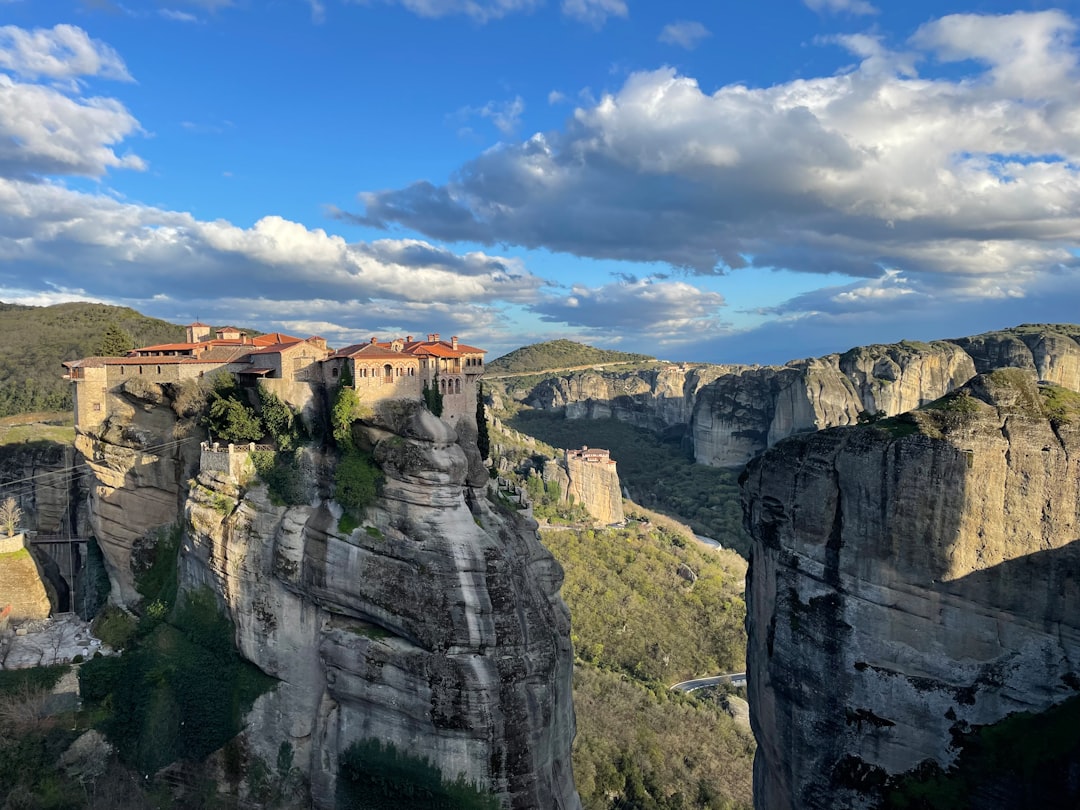
Monastery of Varlaam — The second largest monastery, named after the monk Varlaam who lived here in the 16th century. It's known for its robust, fortress-like architecture, reflecting its role as a defensive stronghold. The frescoes inside are less ornate than those at Great Meteoron, but equally powerful, depicting scenes of hell and judgment with stark realism. The view from its balcony is particularly dramatic, overlooking the deep gorge below. Entry fee is 5 EUR. Open daily, but closes early in winter.
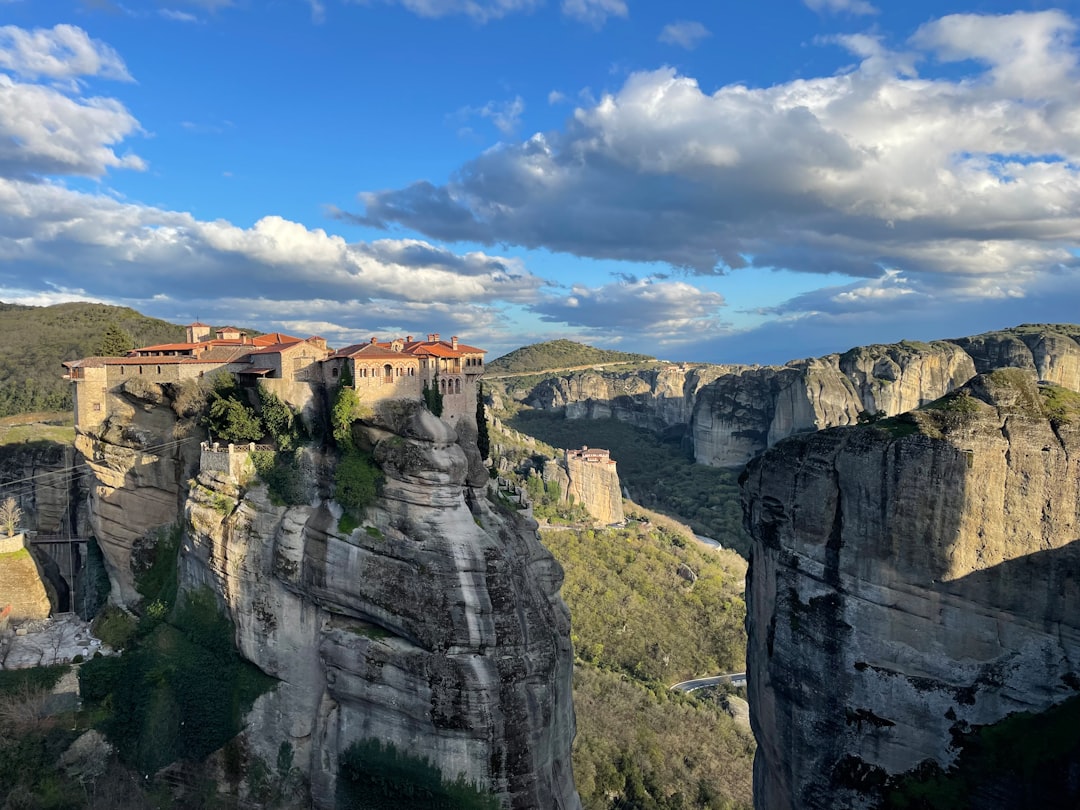
Monastery of Agia Triada — The smallest of the six monasteries, Agia Triada is a hidden gem for those who prefer solitude. Its location is more secluded, requiring a longer walk from the parking area. The interior is intimate, with a single chapel and a few cells. The frescoes here are delicate and refined, showcasing the artistic skill of the monks who painted them. The view is less crowded, offering a peaceful perspective on the surrounding peaks. Entry fee is 5 EUR. Best for photographers seeking unobstructed shots.
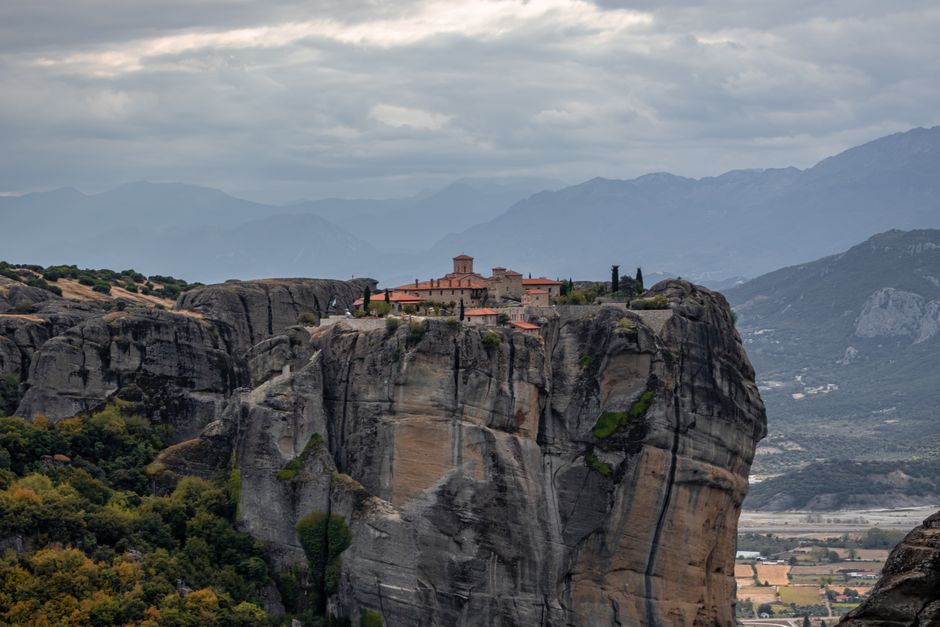
Monastery of Roussanou — The most feminine of the monasteries, Roussanou is said to have been founded by a woman, a rarity in Byzantine times. Its frescoes are softer, more lyrical, with a focus on the Virgin Mary. The monastery is also known for its library, which contains rare manuscripts. The approach is steeper, but the reward is a sense of tranquility that's hard to find elsewhere. Entry fee is 5 EUR. Open only on weekdays, so plan accordingly.
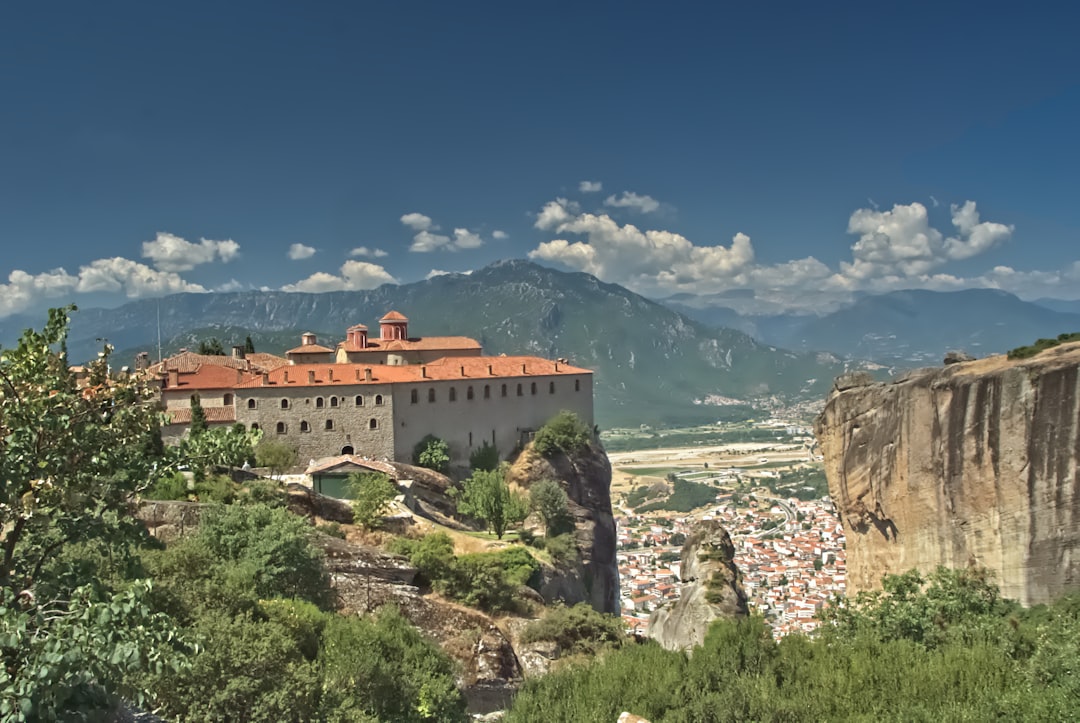
Monastery of Holy Trinity — One of the oldest monasteries, Holy Trinity was the first to be built on the pillars. It's smaller and less grand, but its historical significance is immense. The frescoes here are some of the earliest examples of post-Byzantine art. The monastery is also a UNESCO World Heritage site, adding to its prestige. Entry fee is 5 EUR. Best visited with a guide to appreciate the historical context.
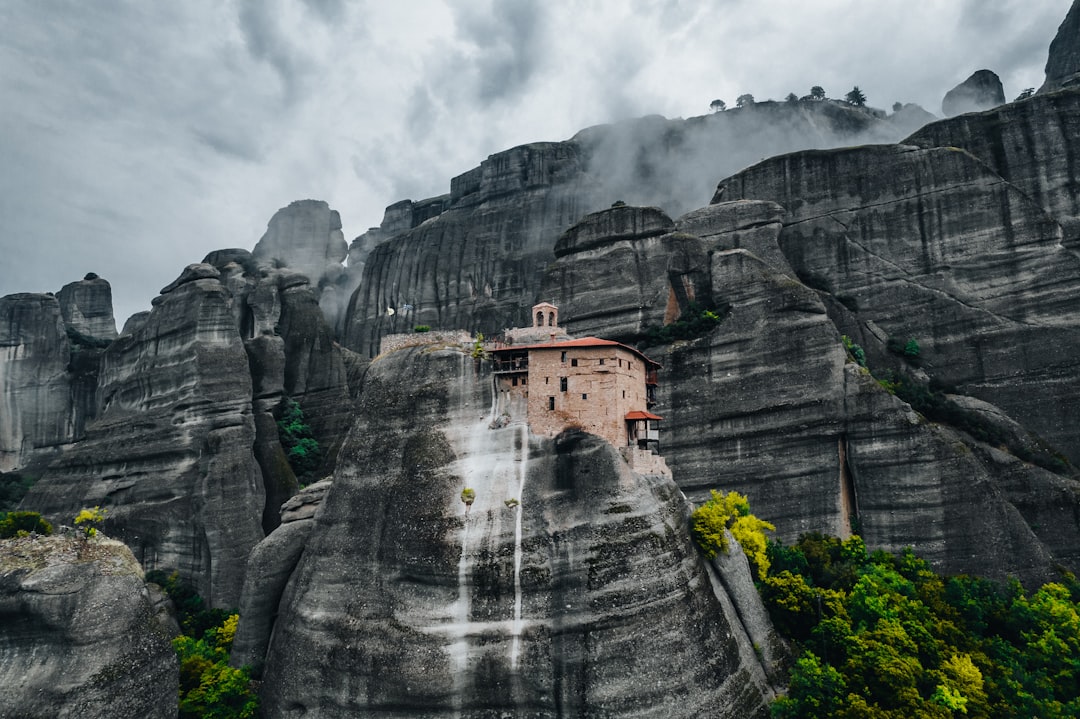
Monastery of St. Stephen — The only monastery located at the base of the rocks, St. Stephen is accessible without any climbing. It's a convenient option for those with mobility issues, but it lacks the dramatic setting of the others. The interior is simple, with a focus on the liturgical space. Entry fee is 5 EUR. Open daily, making it a reliable backup plan.
What to Eat & Drink
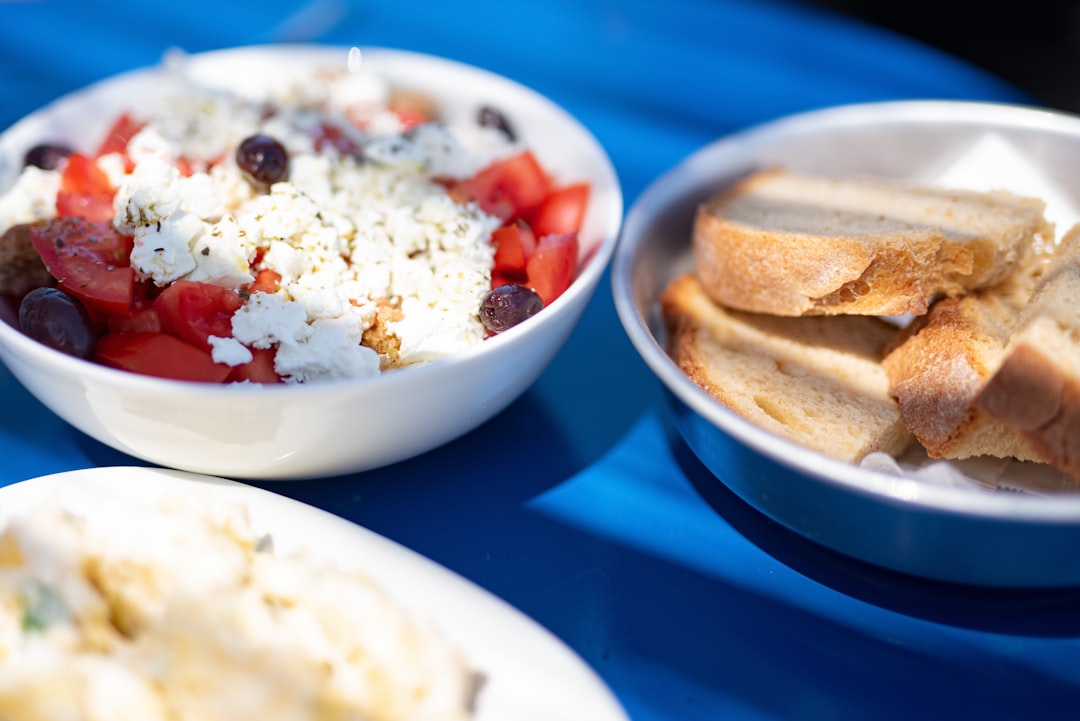
Eating in Meteora is an exercise in moderation. The locals favor simple, hearty dishes that reflect the monastic tradition: lentil soup, grilled vegetables, and fresh bread. In Kalabaka, the town at the foot of the rocks, you'll find a mix of traditional tavernas and modern cafes. Try frango (chicken) with orzo pasta, a regional specialty, for around 12-15 EUR. For a lighter option, salata horiatiki (Greek salad) is a must, costing about 6-8 EUR.
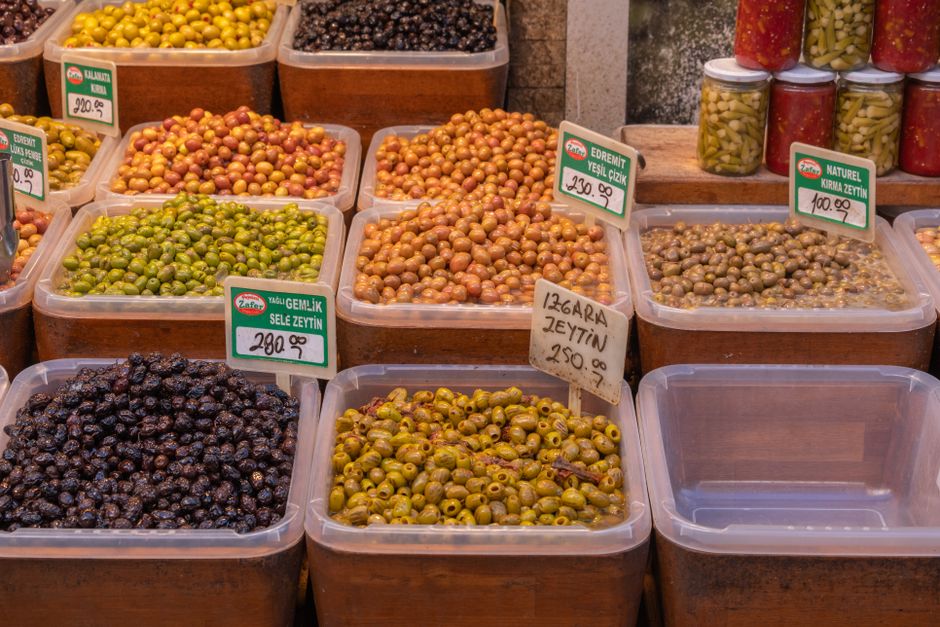
Budget travelers can find pita with keftedes (meatballs) for 3-4 EUR at street stalls. Sit-down meals at local tavernas range from 15-25 EUR per person, including a drink. The Kalabaka Market Square is a hub for food lovers, with vendors selling fresh produce, cheeses, and olives. Don't miss the loukoumades (Greek donuts) from the corner shop, a sweet treat for 2-3 EUR.
Nightlife
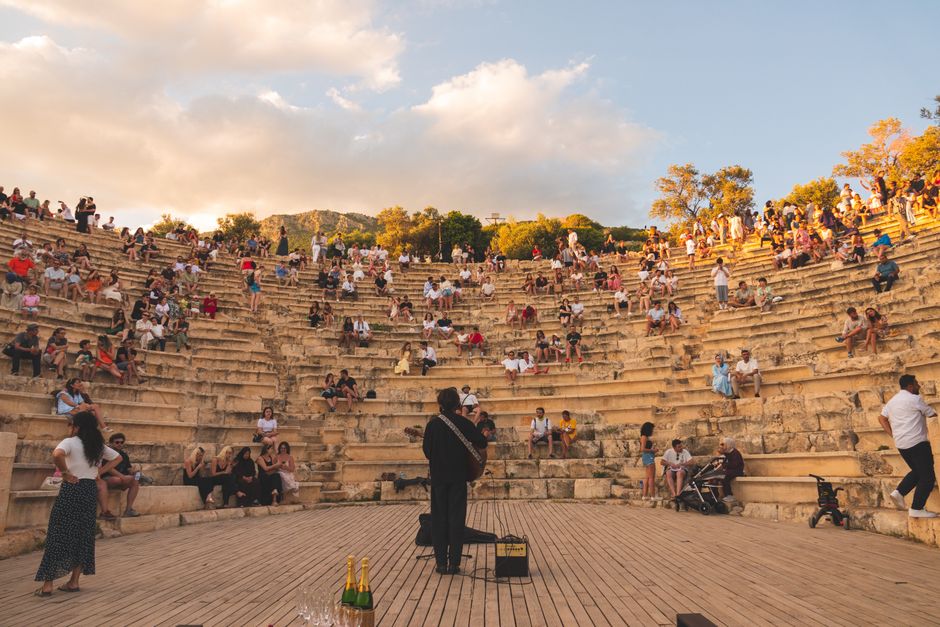
Nightlife in Meteora is not what you'd call vibrant. The focus here is on reflection, not revelry. However, Kalabaka has a few bars and cafes that cater to travelers seeking a quiet evening. Bar Zorba is a popular spot for live music, featuring traditional Greek instruments and folk songs. Cover charge is free, but drinks run 5-7 EUR. Cafe Atrio offers a more relaxed atmosphere, with a terrace overlooking the town square. It's a good place to watch the sunset and sip a tsipouro (anise-flavored spirit) for 4-5 EUR.
For those seeking something more energetic, Club Pegasus is the main dance venue in town, playing a mix of Greek pop and international hits. Cover charge is 5-10 EUR, and drinks are priced accordingly. But let's be honest: you're here for the rocks, not the raves. The real party is the silence that falls over the monasteries at dusk, when the only sound is the wind whistling through the stone corridors.
Getting There & What to Expect
The nearest airport is Thessaloniki Airport, about 150 km away. From there, you can take a bus or train to Kalabaka, which takes around 2.5 hours. Bus tickets cost approximately 15-20 EUR, while train tickets are 10-15 EUR. Alternatively, you can drive from Athens, a 4-hour journey via the A3 motorway. Parking in Kalabaka is free, but spaces fill up quickly during peak season.
Once in Kalabaka, you can take a local bus to the monasteries, which runs every 30 minutes during peak hours. The bus ticket costs 3 EUR and covers all six monasteries. Walking between the monasteries is also an option, but it's a long and steep hike, not recommended for beginners. Accommodation in Kalabaka ranges from budget hostels at 20-30 EUR per night to mid-range hotels at 50-80 EUR per night. Best months to visit are May to October, when the weather is warm and the skies are clear.
Search accommodation in Kalabaka on Booking.com →
The Ascent
I stand at the base of the Great Meteoron, looking up at the 141 steps that lead to the monastery. My legs are already trembling, but there's no turning back. The climb is brutal, a mix of stone steps and iron railings, with the ground falling away on either side. Halfway up, I stop to catch my breath, sweat stinging my eyes. A monk passes me, carrying a basket of bread. He nods, a silent acknowledgment of our shared struggle. At the top, the air is thinner, cooler. The view is a shock: a vast expanse of green fields, dotted with villages and rivers, stretching to the horizon. It's a view that makes you forget the climb, the heat, the fear. It's a view that makes you believe in something bigger than yourself. I light a candle in the chapel, whisper a prayer I don't understand, and sit in silence. For a moment, I am suspended in the air, just like the monks. And it's enough.
Comments