


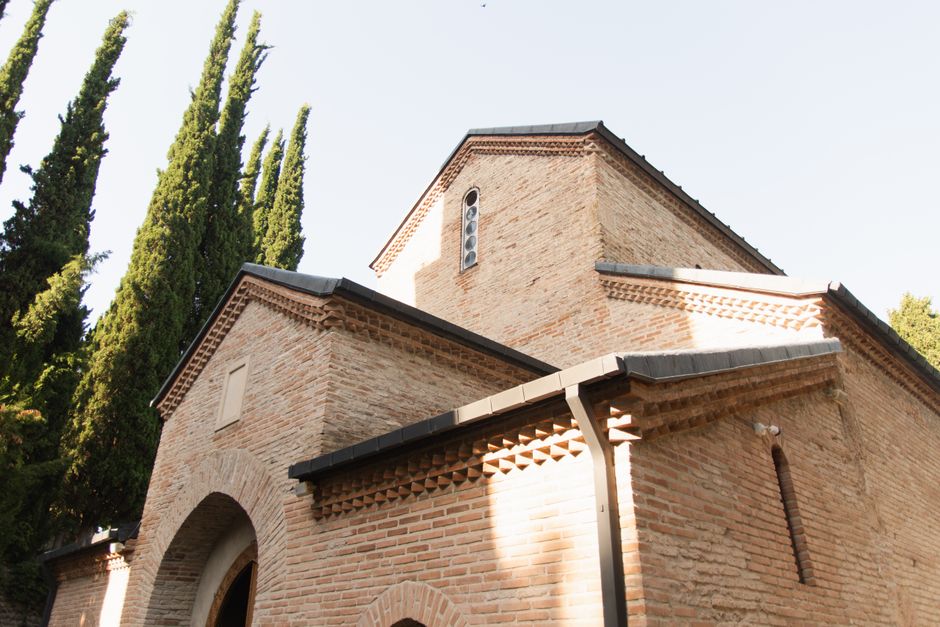
The concrete dust of the Bunk'Art 2 bunker tour still clung to my boots when I turned the corner onto the quiet street leading to the Church of the Holy Sepulchre in Tirana. It is a surreal dislocation, standing in the shadow of a Soviet-era concrete monstrosity built to house the communist elite, only to step into the incense-heavy air of a Byzantine-style sanctuary. My guide, a lanky local named Arben who smoked cloves like they were oxygen, spat on the pavement and said, "In this country, you pray to God and you hide from the state. Sometimes in the same hour." The contrast wasn't just architectural; it was a physical weight in the chest, a reminder that Albania has spent the last three decades violently, joyously, and confusingly shaking off the grip of Enver Hoxha's atheism.
Albania was the only state in the world to ban all religious practice entirely for decades. To walk its streets now is to witness a resurrection that is less about theology and more about identity. The air in Tirana tastes of cheap tobacco, exhaust fumes, and rosewater. The Church of the Holy Sepulchre, known locally as the Shën Varri, is not a pilgrimage site in the traditional sense of crowds and rosaries. It is a quiet, defiant anchor in a city that is still figuring out who it is. There are no guided tours here, no gift shops selling plastic crosses. Just the low murmur of prayers, the scuff of shoes on stone, and the lingering echo of a history that refused to die.
History & Identity
The story of religion in Tirana is a story of survival. For centuries, the city was a crossroads of empires—Ottoman, Italian, and then the brutal, self-imposed isolation of the communist regime. When Enver Hoxha declared Albania a "godless state" in 1967, churches were demolished, mosques were turned into warehouses, and priests were executed or sent to labor camps. The Et'hem Bey Mosque, standing right across the square from the cathedral, survived largely because it housed the Albanian Museum, a clever repurposing that saved it from the wrecking ball. But most places of worship did not fare so well. The current Church of the Holy Sepulchre was built in the 1990s, a physical manifestation of the sudden, explosive return of faith after the collapse of communism.
Yet, this is not a place of deep, ancient liturgy in the way you might find in Mount Athos or the monasteries of Meteora. It is a modern reconstruction of a spiritual memory. The architecture is neo-Byzantine, with golden domes that seem to glow against the grey, brutalist backdrop of the surrounding apartment blocks. It serves as a symbol of the Albanian Orthodox Church's resurgence, but also of a broader national reckoning. For many Albanians, religion is cultural heritage before it is dogma. The bells ring not just to call the faithful, but to assert a presence that was systematically erased. The identity of Tirana today is a patchwork of these contradictions: a city that celebrates its communist past as a tourist attraction while simultaneously building new churches and mosques on the same soil.
Where to Go
Church of the Holy Sepulchre (Shën Varri) — This is the focal point of the Orthodox community in Tirana. The interior is relatively simple, adorned with frescoes that depict traditional biblical scenes. It is a quiet place for reflection, often overlooked by the throngs of tourists flocking to the nearby Skanderbeg Square. The best time to visit is during the morning hours when the light filters through the high windows, casting long shadows on the stone floor. Entry is free.
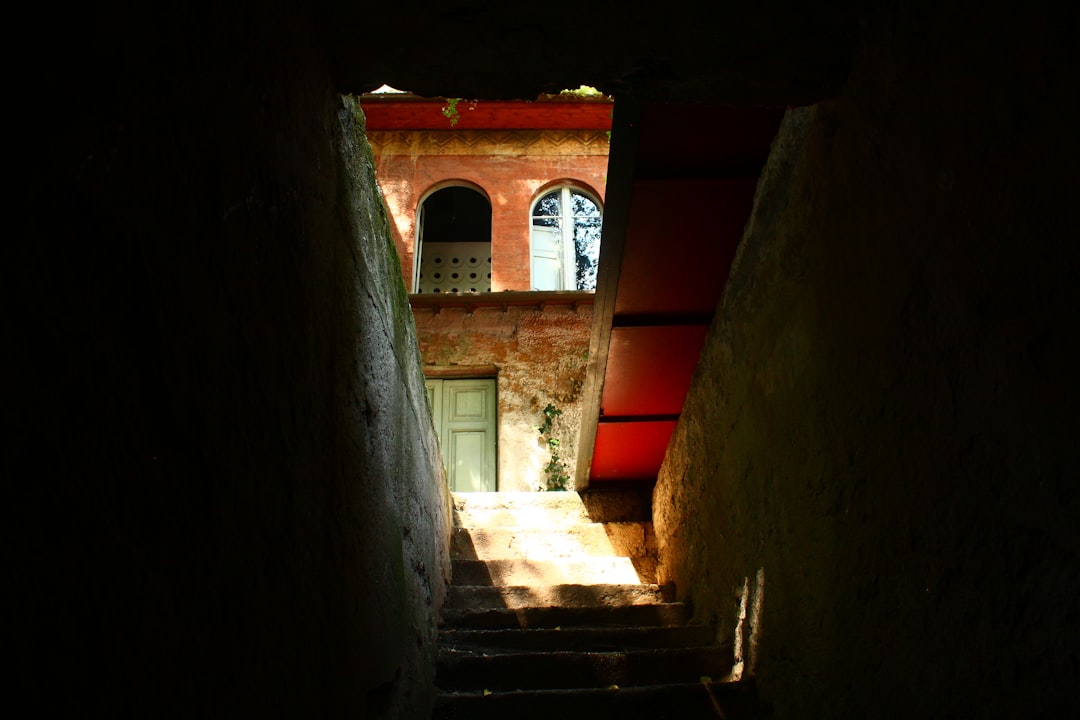
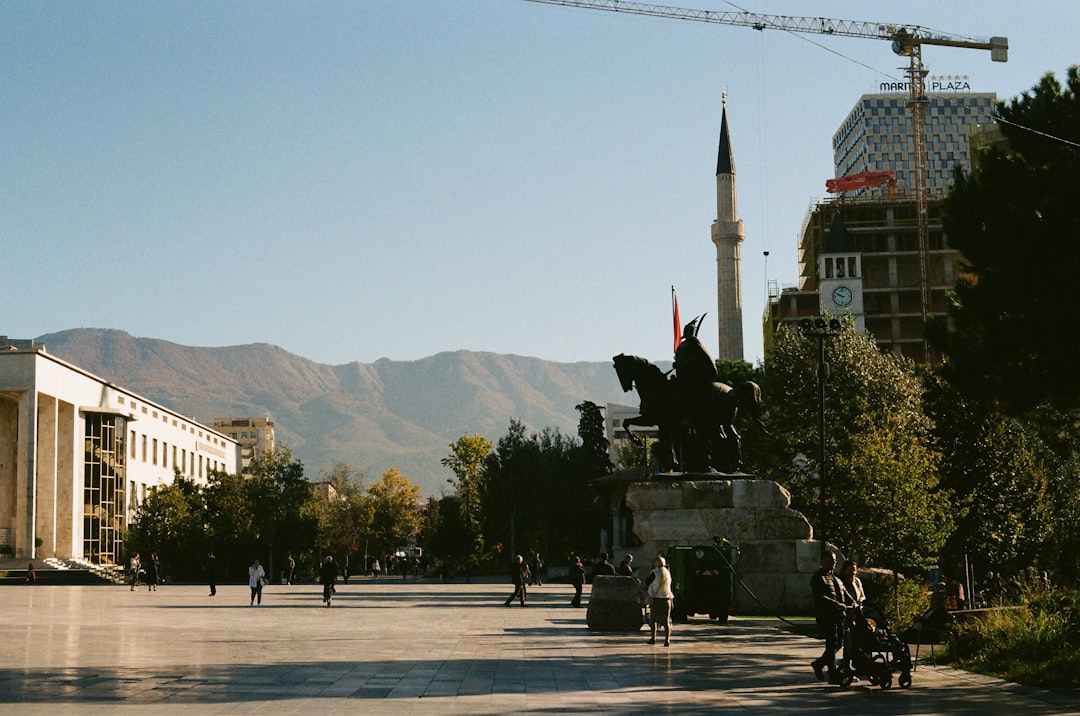
Skanderbeg Square (Sheshi Skënderbej) — You cannot understand the religious landscape of Tirana without standing in the center of the city. This vast, open square is dominated by the statue of Gjergj Kastrioti Skanderbeg, the national hero who resisted the Ottoman Empire. Surrounding it are the key religious and political landmarks: the Et'hem Bey Mosque, the National History Museum, and the Cathedral of Our Lady of Good Counsel. It is the stage where Albania's complex identity is performed daily, with street performers, protesters, and tourists mingling under the gaze of the statue.
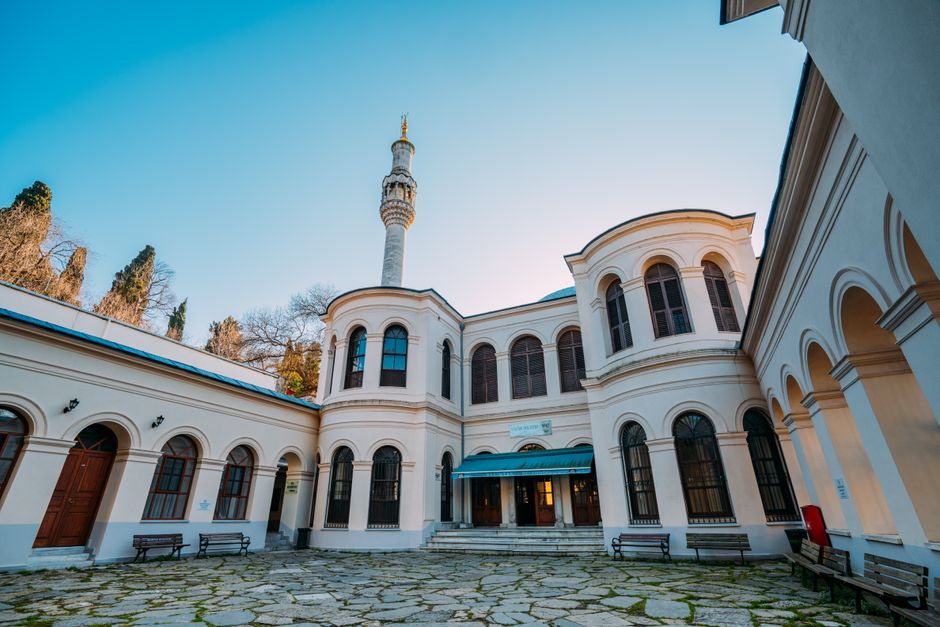
Et'hem Bey Mosque — Located directly across from the Orthodox Cathedral, this mosque is a masterpiece of Ottoman architecture. Built in the early 18th century, it survived the communist era because it was used as a museum. Today, it is an active place of worship and a symbol of the coexistence of Islam and Christianity in Albania. The courtyard is serene, and the minaret offers a glimpse of the city's skyline. It is a powerful reminder that Albania's religious history is not monolithic but a tapestry of different faiths.
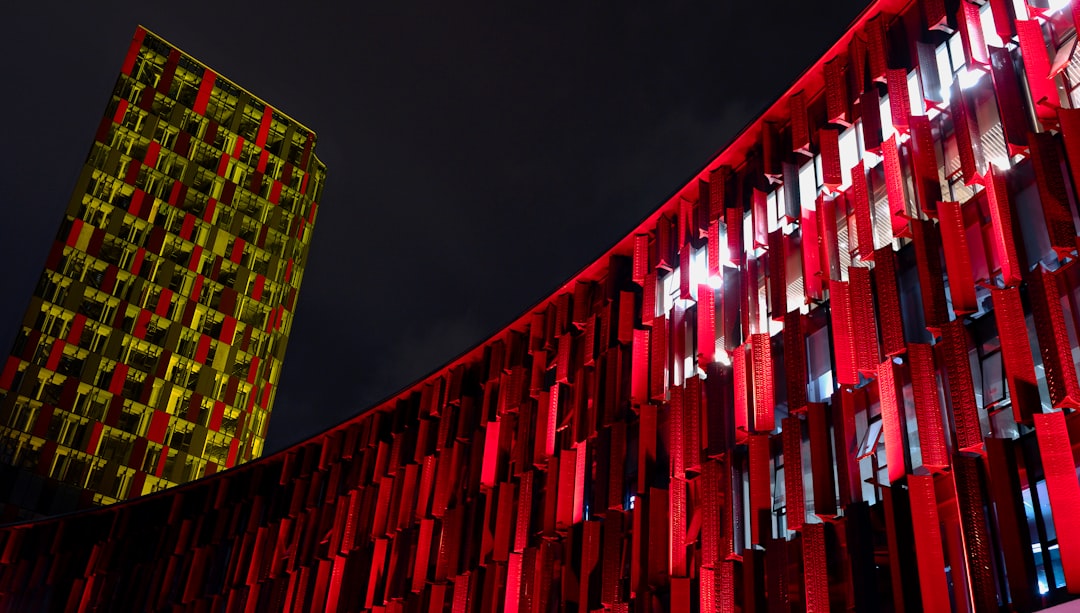
Pyramid of Tirana — Once a mausoleum dedicated to Enver Hoxha, this concrete pyramid has been repurposed multiple times, from a shopping mall to a cultural center. It stands as a stark, brutalist monument to the communist era, a constant reminder of the regime that sought to erase religion. Today, it is often used for art installations and events, symbolizing the city's ability to repurpose its traumatic past. It is a must-see for anyone interested in the architectural and political history of Tirana.
What to Eat & Drink
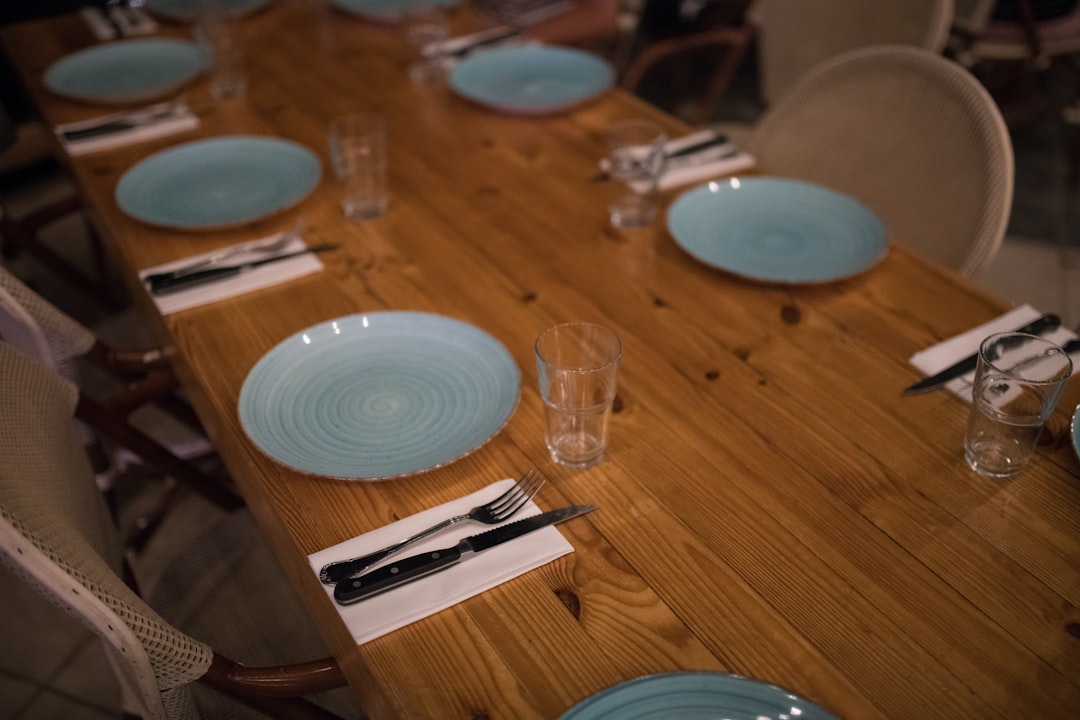
Tirana's food scene is as eclectic as its architecture. You can find everything from traditional Albanian fare to modern fusion cuisine. The key is to seek out the small, family-run restaurants that line the streets around the old bazaar and the university area. Tavë kosi — a baked dish of lamb and yogurt rice — is a national staple, typically costing 5-8 EUR per serving. Fergesë, a layered dish of peppers, tomatoes, cheese, and meat, is another favorite, often priced around 6-9 EUR. For a lighter option, byrek — a flaky pastry filled with cheese, spinach, or meat — is available from street vendors for 1-2 EUR.
Budget travelers can easily eat well for 10-15 EUR per day by sticking to street food and small local eateries. A sit-down meal at a mid-range restaurant will set you back 15-25 EUR per person, including a drink. The Blloku district, once a restricted area for the communist elite, is now the hub of nightlife and dining, with a concentration of cafes and restaurants. For a more authentic experience, head to the Old Bazaar (Pazari i Vjetër), where you can find traditional snacks and local ingredients. Raki, the strong grape or plum brandy, is the drink of choice, often served in small glasses and costing 2-4 EUR per shot.
Nightlife
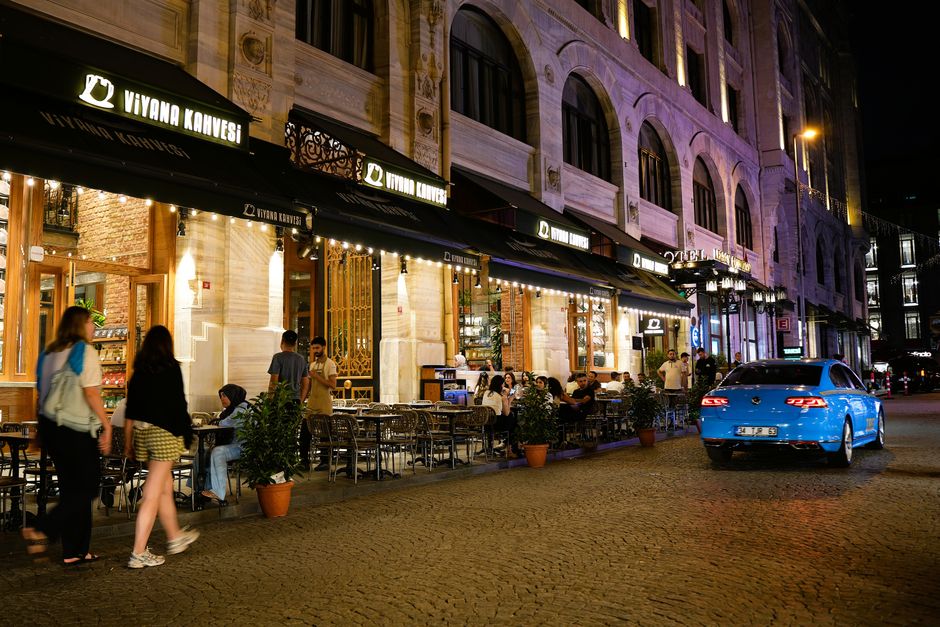
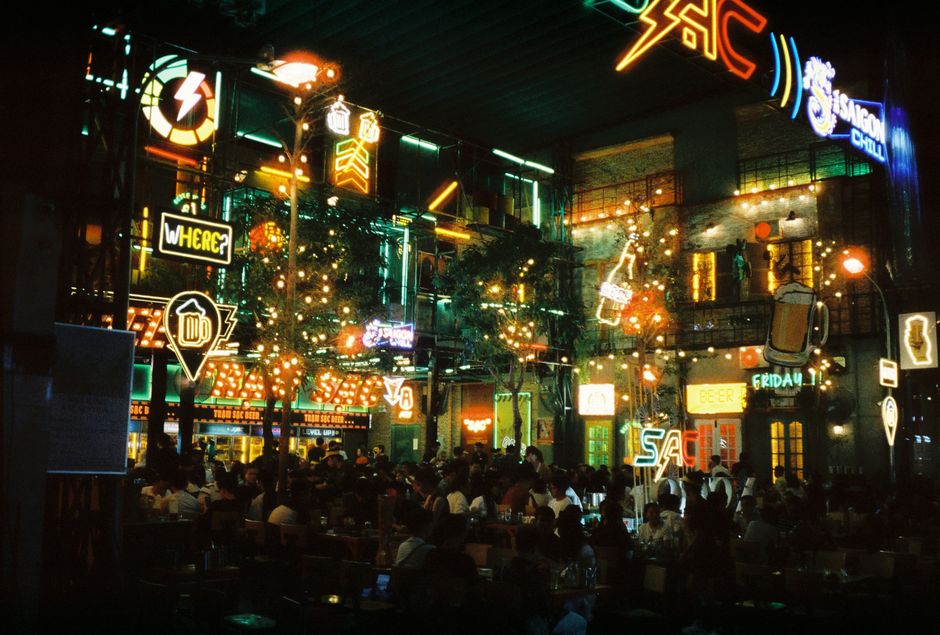
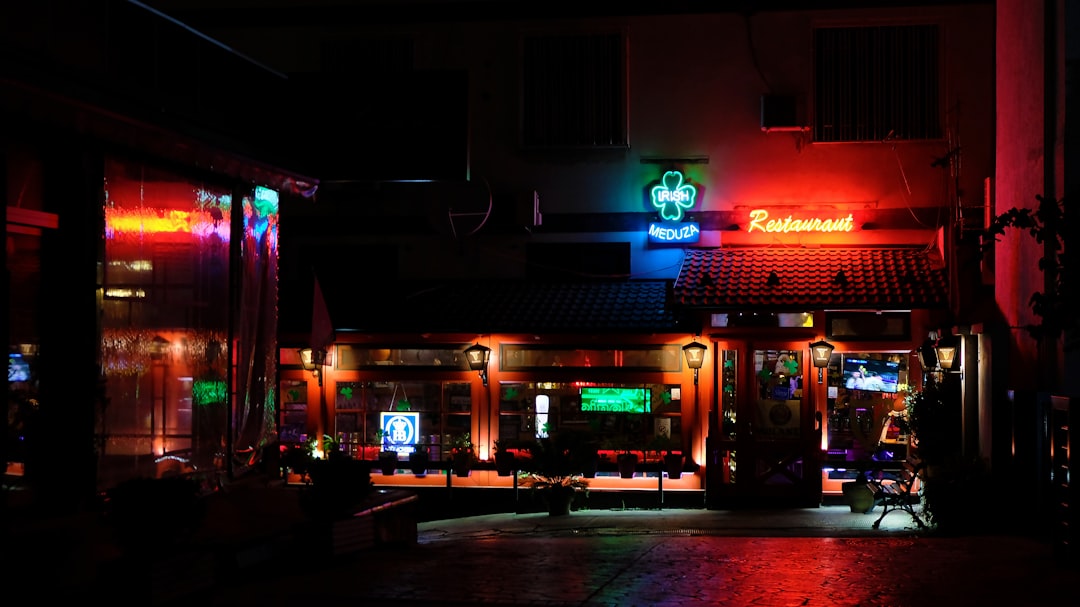
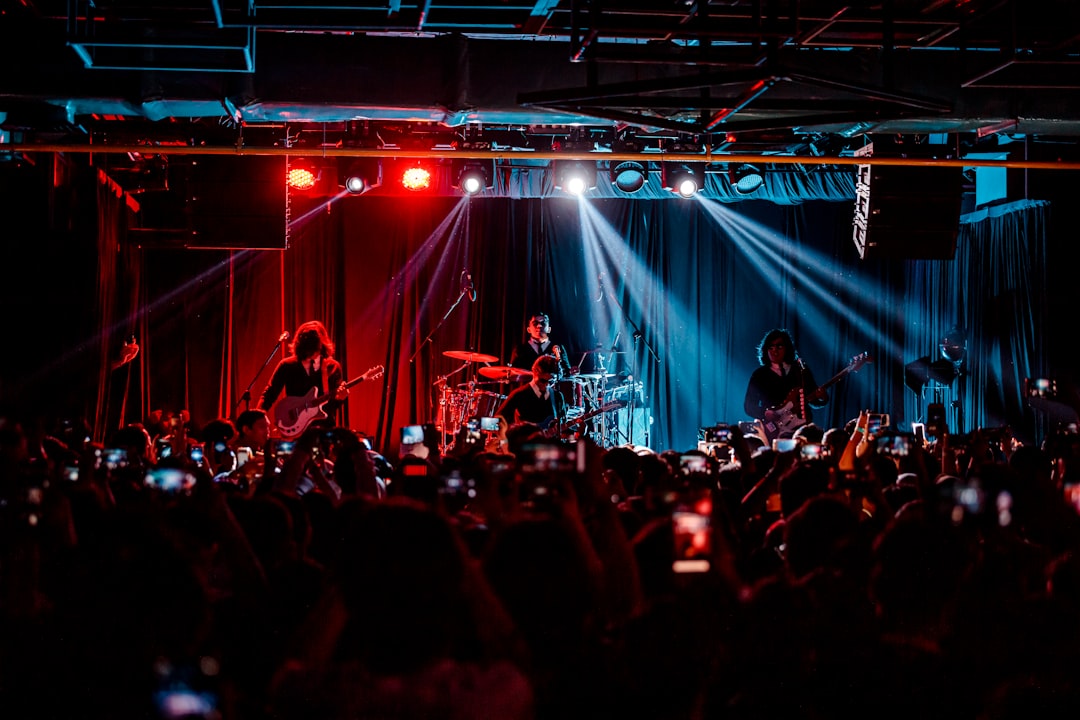
Tirana's nightlife is vibrant and surprisingly diverse, centered largely around the Blloku district and the area near the University of Tirana. The bars are open-air, with tables spilling onto the sidewalks, and the atmosphere is relaxed and social. Albi Bar is a longstanding favorite, known for its live music and eclectic crowd. Sheshi, located in the heart of Skanderbeg Square, is a popular spot for people-watching and casual drinks. For a more upscale experience, Manji offers a modern cocktail menu and a stylish interior. The cover charges are generally low, ranging from 3-5 EUR per drink, and the music ranges from Albanian pop to international hits. The nightlife here is less about clubs and more about lingering over drinks and conversation, a reflection of the city's laid-back pace.
Getting There & What to Expect
Tirana is easily accessible from major Balkan hubs. The Tirana International Airport Nënë Tereza is located about 15 km from the city center, with frequent buses and taxis available. A taxi ride to the center costs approximately 10-15 EUR. From Sofia, Bulgaria, the journey by bus takes about 6-7 hours and costs around 20-30 EUR. From Belgrade, Serbia, it is a similar distance and price. Accommodation in Tirana ranges from budget hostels at 15-25 EUR per night to mid-range hotels at 40-70 EUR per night. The best time to visit is between April and October, when the weather is mild and the city is alive with outdoor events. Expect a mix of chaos and charm: traffic is unpredictable, but the people are incredibly welcoming. The city is small enough to explore on foot, and the religious sites are easily accessible from the center.
Search accommodation in Tirana on Booking.com →
The Last Bell
As the sun dipped below the grey rooftops, the bells of the Holy Sepulchre began to ring, a deep, resonant sound that seemed to vibrate in the chest. I stood outside, watching a group of teenagers laugh and smoke near the entrance, oblivious to the history that surrounded them. It struck me then that this is not a city of pilgrims, but of survivors. The faith here is not a quiet, private devotion but a loud, public declaration of existence. In a country that was told for decades that God did not exist, the simple act of ringing a bell is an act of defiance. I left the square with the taste of raki still on my tongue and the sound of the bells ringing in my ears, knowing that in Tirana, the past is never truly dead, and the future is always being rewritten.
Comments