


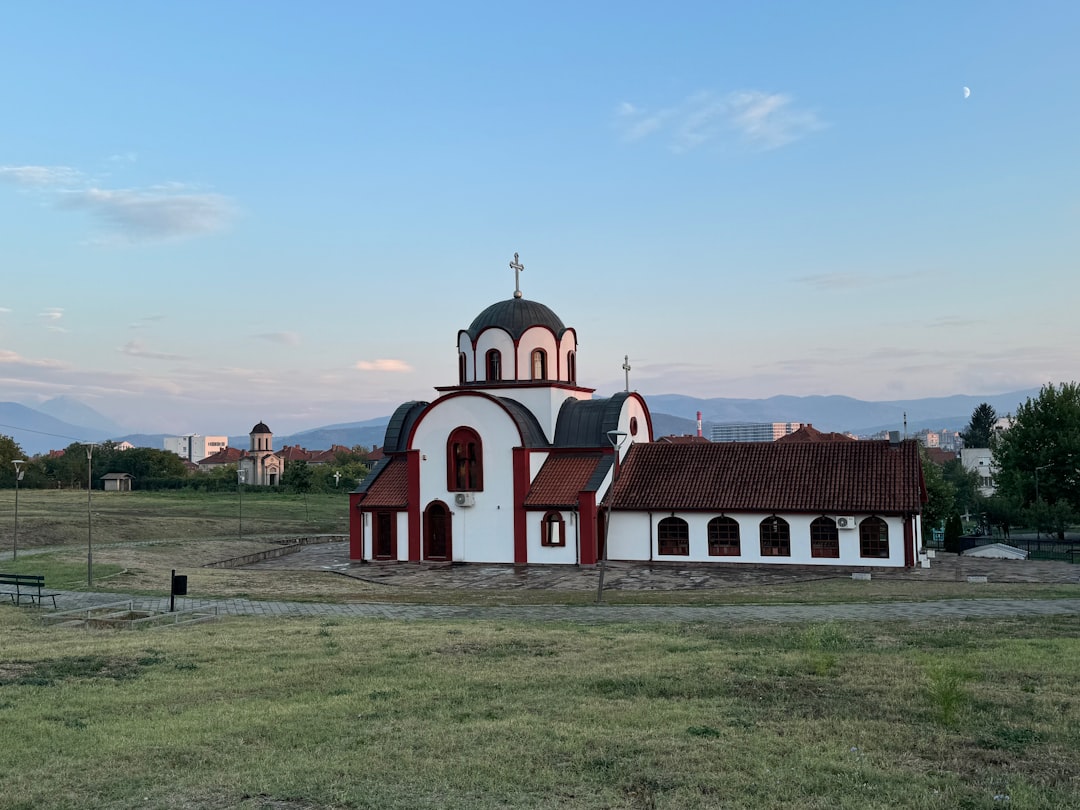
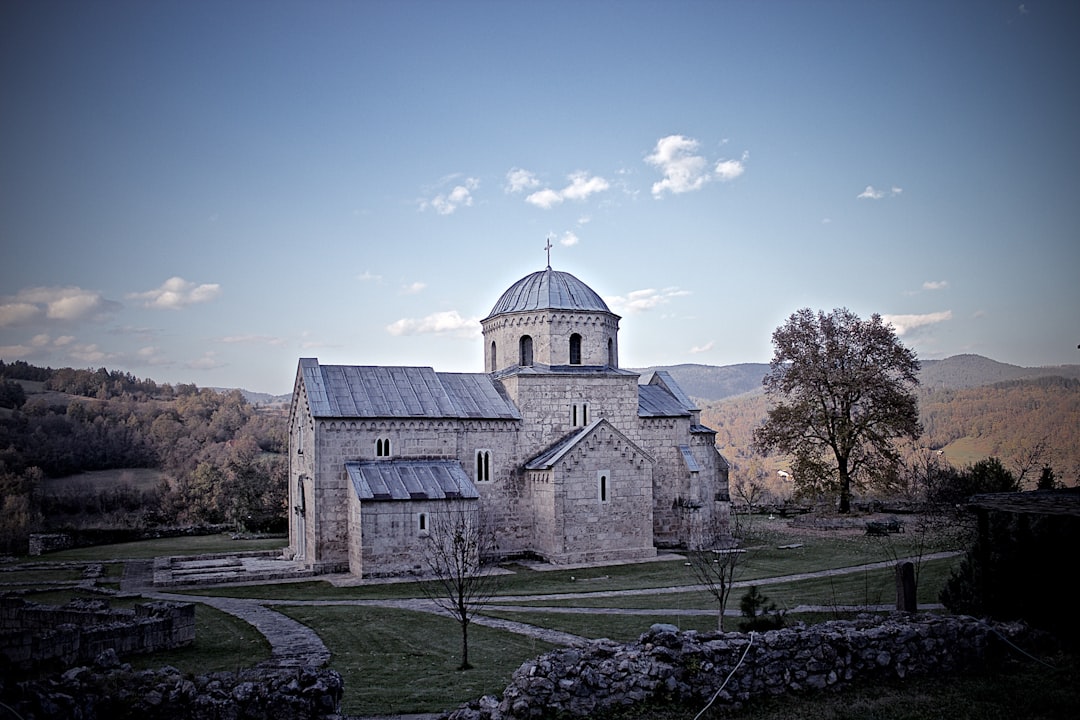
The rain in Western Serbia doesn't just fall; it attacks. It hammered against my jacket as I stepped off the bus in Ćićevac, a town that feels less like a destination and more like a waiting room for the real journey. I was heading to Studenica Monastery, and the drive up the narrow road through the valley felt like an ascent into a different century. The air smelled of wet pine and old stone. When the monastery finally crested the hill, it didn't look like a tourist trap. It looked like a fortress built by monks who expected the devil to show up. And honestly, given the history of this place, who could blame them? This isn't just a church. It's a timeline written in limestone, covered in frescoes that have survived fire, iconoclasm, and war.
I've walked through cathedrals in Paris and basilicas in Rome, but there's a raw, unpolished energy here that you don't get in Western Europe. The walls are thick, the shadows deep, and the silence heavy. The Nemanjić dynasty didn't build this for show. They built it for eternity. Standing in the courtyard, watching a young monk sweep the steps with a broom made of twigs, I realized that the medieval architecture of Studenica Monastery isn't just about aesthetics. It's about survival. Every arch, every fresco, every stone is a testament to a people who refused to disappear.
History & Identity
Founded in 1190 by Stefan Nemanja, the founder of the Serbian medieval state, this complex is the spiritual and artistic heart of the Nemanjić dynasty. Nemanja abdicated his throne to become a monk here, taking the name Symeon. His son, Stefan the First-Crowned, completed the construction and added the magnificent frescoes. The monastery served as the coronation site for Serbian kings and the burial place for many Nemanjić rulers. It was a center of learning, art, and religious authority, shaping Serbian identity for centuries.
The architecture reflects the transition from Byzantine influence to a distinct Serbian style. The initial construction was in the Raška school, characterized by a three-aisled basilica with a single dome. Later additions, particularly the refectory church, show the influence of the Morava school, with its intricate stone carvings and complex floor plans. The monastery has been destroyed and rebuilt multiple times, most notably by the Ottomans in the 16th century. Despite the damage, the core structure and many of the original frescoes have survived, making it one of the most important medieval monuments in the Balkans.
Today, Studenica Monastery is a living monastic community. The monks continue the traditions of their predecessors, maintaining the buildings, copying manuscripts, and welcoming visitors. The site is a UNESCO World Heritage Site, part of the "Studenica Monastery" entry, which recognizes its outstanding universal value. It's a place where the medieval past is not just preserved but actively lived. The stones remember, and the people who walk these halls ensure that the memory never fades.
Where to Go
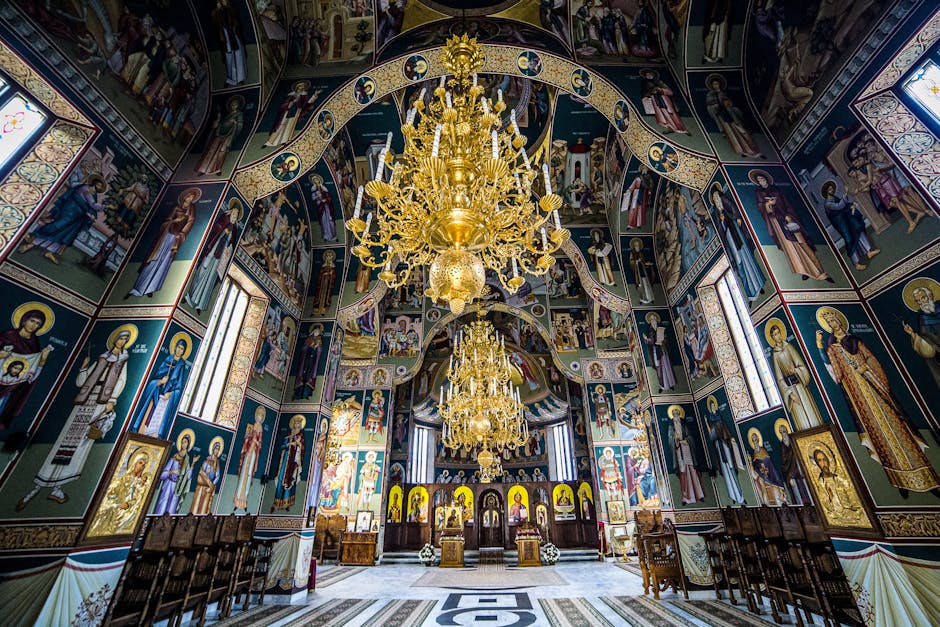
The Cathedral of the Virgin Mary — This is the main church of the complex, a masterpiece of medieval Serbian architecture. The exterior is simple, built of limestone blocks, but the interior is a riot of color. The frescoes, painted in the late 12th and early 13th centuries, are among the best-preserved in the Balkans. The central dome features a stunning depiction of Christ Pantocrator, surrounded by angels and prophets. The nave is lined with scenes from the life of Christ and the Virgin Mary, painted with a boldness and vitality that is rare in religious art. Entry is free, but donations are appreciated. The best time to visit is early morning, before the tour groups arrive, when the light filters through the small windows and illuminates the frescoes in a golden glow.
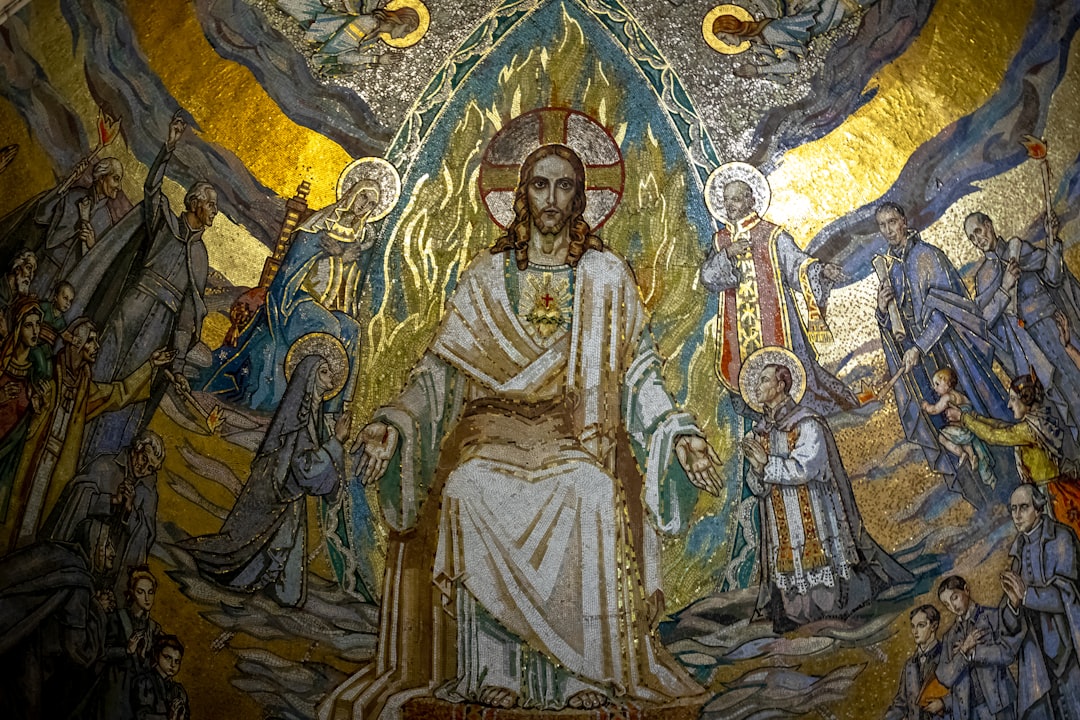
The Refectory Church of St. Nicholas — Built in the 14th century, this smaller church is attached to the main cathedral. It's a prime example of the Morava architectural style, with its intricate stone carvings and complex floor plan. The frescoes here are later than those in the cathedral, dating from the 14th and 15th centuries, but they are no less impressive. The church served as the dining hall for the monks, and the frescoes depict scenes of monastic life, as well as biblical narratives. The atmosphere here is more intimate, more personal. You can almost hear the monks chanting as they ate. Entry is free, and it's open during the same hours as the cathedral.
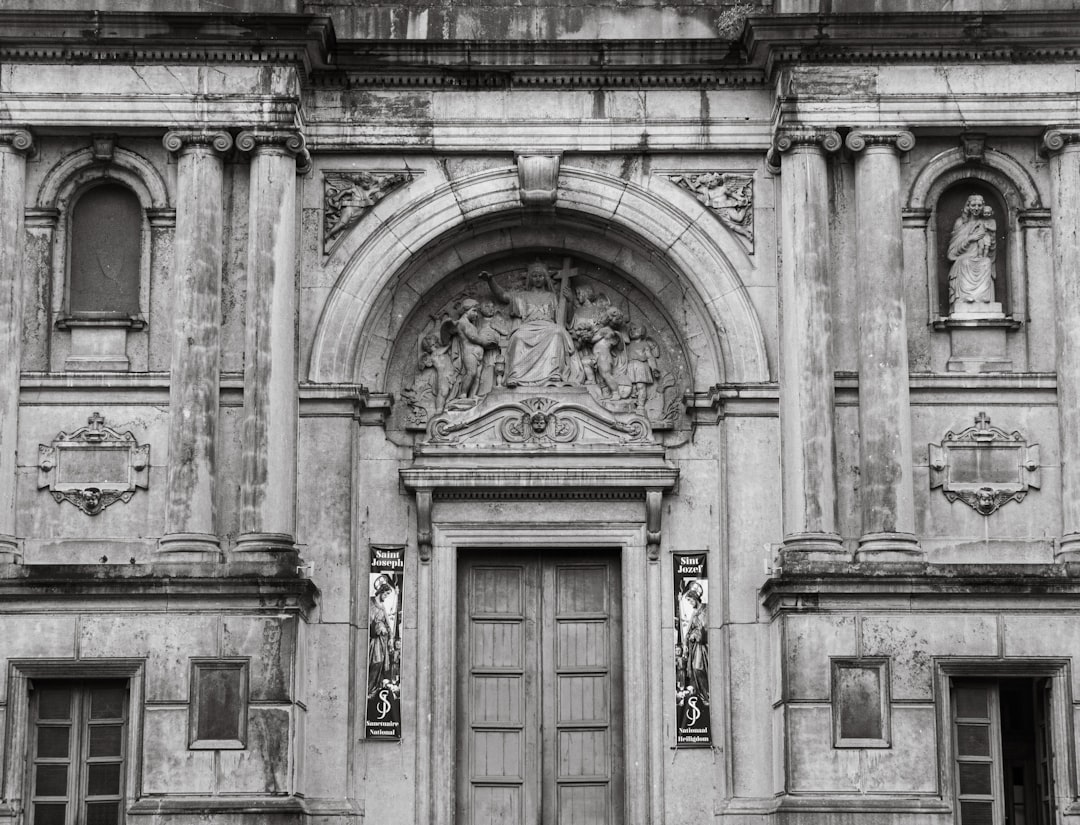
The Bell Tower — Rising above the main cathedral, the bell tower is a striking feature of the monastery complex. Built in the 19th century, it's a later addition, but it fits seamlessly with the medieval architecture. The tower houses a large bell, cast in the 19th century, which still rings today. The view from the top of the tower is panoramic, offering a sweeping vista of the Studenica Valley and the surrounding mountains. It's a short climb, but worth it for the perspective. Entry is free, but you need to ask a monk for permission to go up.
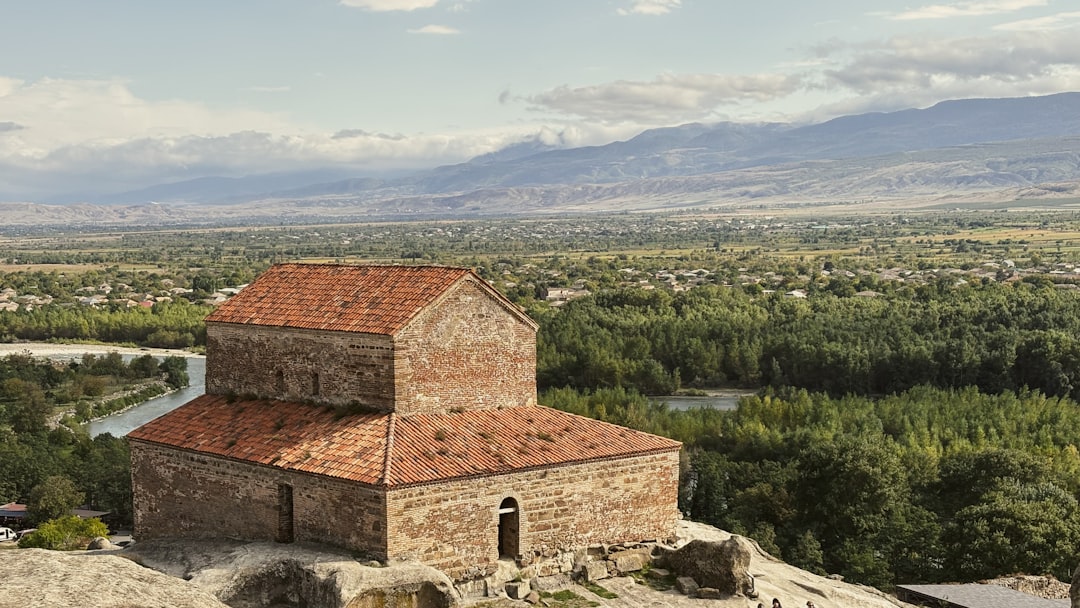
The Museum of the Nemanjić Dynasty — Located in the monastery complex, this small museum houses a collection of artifacts related to the Nemanjić dynasty. There are icons, manuscripts, liturgical objects, and personal items belonging to Stefan Nemanja and his successors. The museum is small, but the collection is significant. It provides context for the art and architecture of the monastery, helping visitors understand the historical and cultural significance of the site. Entry is ~5 EUR. The museum is open during the same hours as the cathedral.
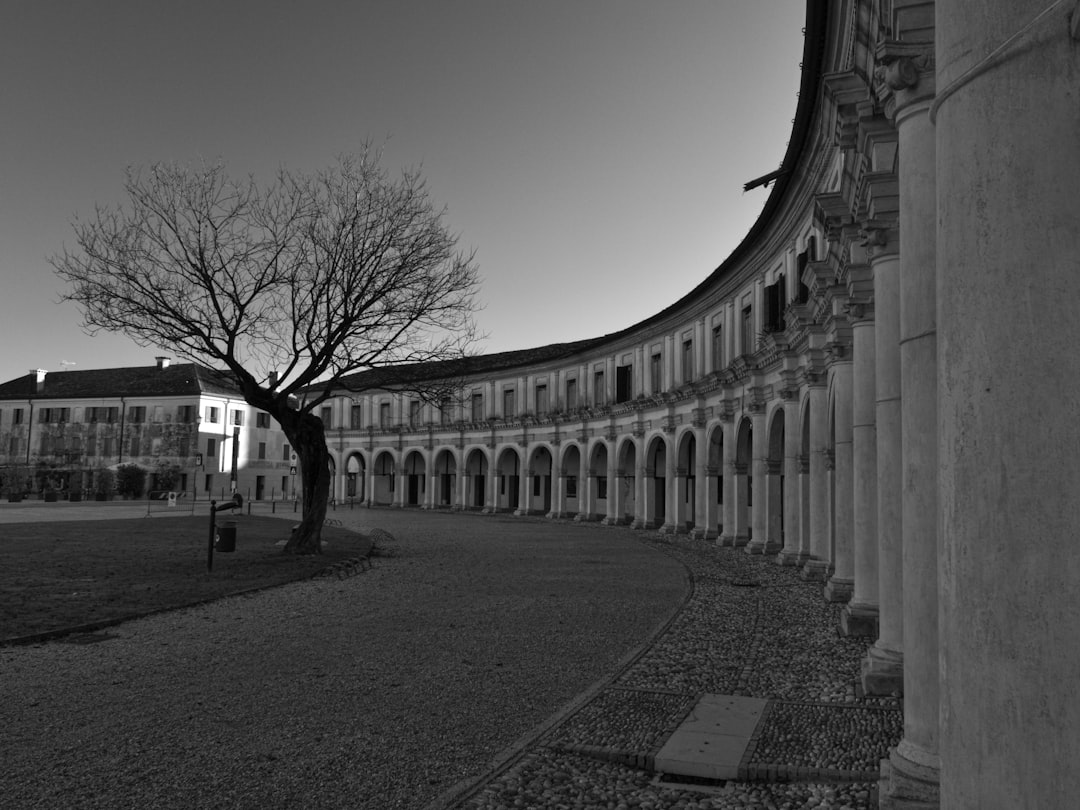
The Monastery Courtyard — The courtyard is the heart of the monastery complex. It's a large, open space surrounded by the cathedral, the refectory church, and the monks' quarters. There are several old trees, including a centuries-old plane tree, that provide shade in the summer. The courtyard is a place of quiet reflection, a stark contrast to the busy world outside. There are benches scattered around, where you can sit and watch the monks go about their daily routines. It's a perfect spot to take a break from the heat and enjoy the peace and tranquility of the place. Entry is free.
What to Eat & Drink
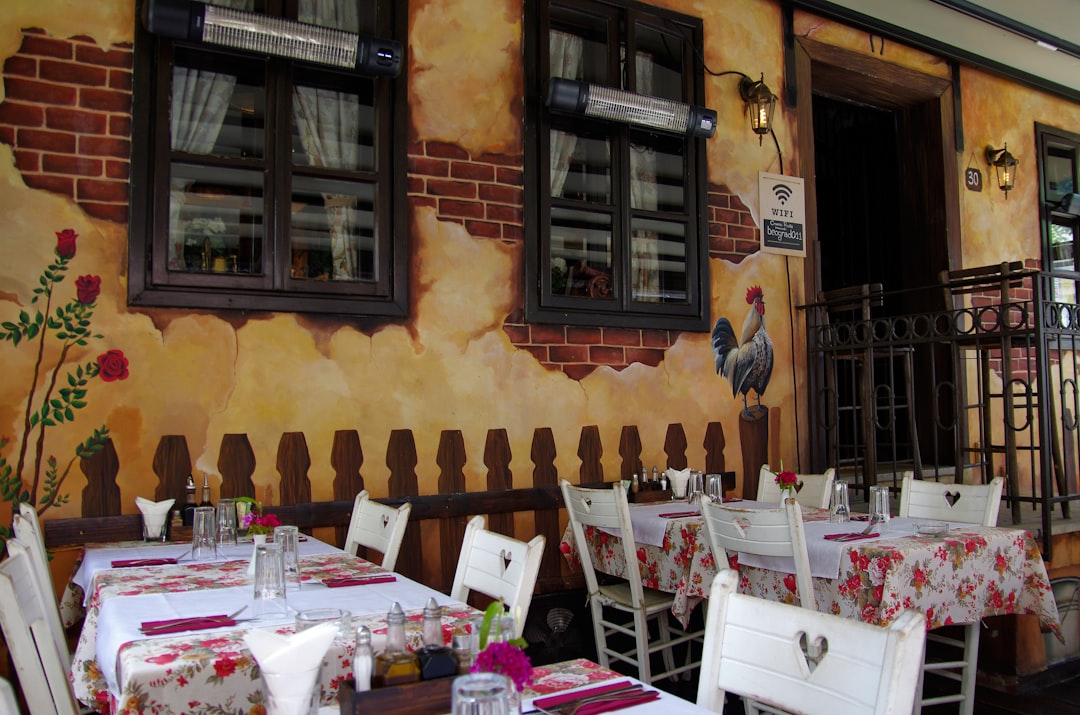
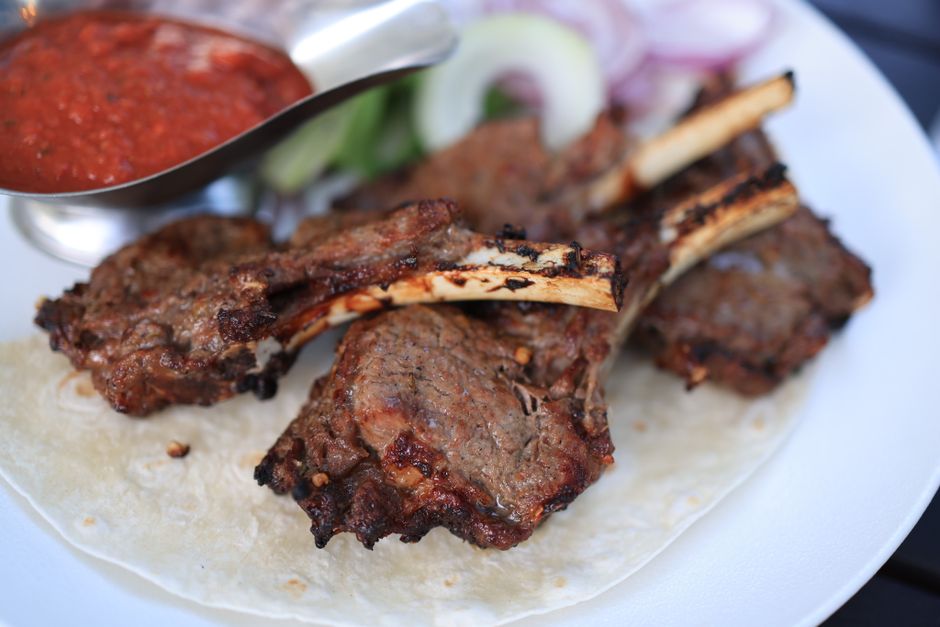
There are no restaurants inside the monastery complex. The monks live a simple life, and food is not a focus. However, there are several cafes and restaurants in the nearby town of Ćićevac, which is only a few kilometers away. The local cuisine is typical of Western Serbia, with a focus on hearty, home-cooked meals. Ćevapi — small grilled meat sausages served with flatbread and onions — are a staple, costing around 3-5 EUR. Šopska salata — a fresh salad of tomatoes, cucumbers, onions, and peppers topped with kajmak — is a refreshing accompaniment, costing around 2-3 EUR. Pljeskavica — a large grilled meat patty — is another popular dish, costing around 5-7 EUR. For a more traditional meal, try variva — stews made with meat and vegetables — which cost around 4-6 EUR.
Budget travelers can find cheap meals at the local kafanas, where a full meal with a drink can cost around 8-12 EUR. Mid-range restaurants in Ćićevac offer a wider selection of dishes and a more comfortable atmosphere, with prices ranging from 12-20 EUR per person. There are also several take-away options, including bakeries that sell fresh bread, pastries, and pies, which cost around 1-3 EUR. The Ćićevac Market is a good place to pick up local produce, cheeses, and meats for a picnic. It's open on weekends, and the prices are reasonable.
For drinks, Rakija — a strong fruit brandy — is the local specialty. It's served in small glasses and costs around 1-2 EUR per shot. Turkish coffee is also popular, and costs around 1-2 EUR. Beer is widely available, and a local lager costs around 1-2 EUR. There are several bars in Ćićevac where you can enjoy a drink and watch the world go by. The atmosphere is relaxed and friendly, and the locals are welcoming to tourists.
Nightlife
Nightlife in Ćićevac is not a major draw. The town is small, and most people go to bed early. However, there are a few bars and cafes where you can enjoy a drink and a conversation. The Hotel Studenica has a bar where you can enjoy a drink and watch the sunset. The atmosphere is relaxed, and the music is soft. There are also several kafanas in the town center, where you can enjoy a drink and some live music. The music is typically folk or traditional, and the atmosphere is lively and friendly.
If you're looking for more vibrant nightlife, you'll need to head to Čačak, which is about 30 kilometers away. Čačak has a larger selection of bars, clubs, and restaurants, and the nightlife is more active. There are several clubs that play electronic music, and several bars that serve craft beer. The atmosphere is more urban, and the crowds are younger. It's a short drive from Ćićevac, and it's a good option if you're looking for a night out.
Getting There & What to Expect
The nearest major city is Čačak, which is about 30 kilometers away. You can reach Čačak by bus or train from Belgrade, which takes about 2 hours and costs around 10-15 EUR. From Čačak, you can take a local bus to Ćićevac, which takes about 30 minutes and costs around 2-3 EUR. There are also several buses that run directly from Belgrade to Ćićevac, which take about 3 hours and cost around 15-20 EUR. If you're driving, the road from Čačak to Ćićevac is well-maintained, and the drive takes about 30 minutes.
Accommodation in Ćićevac is limited, but there are several hotels and guesthouses. The Hotel Studenica is a mid-range option, with rooms costing around 40-60 EUR per night. There are also several budget guesthouses, with rooms costing around 20-30 EUR per night. If you're looking for a more authentic experience, you can stay in a local family home, which costs around 15-25 EUR per night. Camping is not allowed near the monastery, but there are several campsites in the surrounding area.
The best time to visit Studenica Monastery is during the spring and summer, when the weather is warm and the days are long. The monastery is open year-round, but the hours are shorter in the winter. The entrance fee is ~5 EUR, and the museum costs an additional ~5 EUR. The monastery is a place of worship, so visitors are expected to dress modestly. Shoulders and knees should be covered, and hats should be removed when entering the churches. Photography is allowed, but flash is not permitted. The monastery is a place of peace and tranquility, so visitors are expected to behave respectfully.
Search accommodation in Cicevac on Booking.com →
The Weight of Stone
As I walked back to the bus stop, the rain had stopped, and the sky was clearing. The sun broke through the clouds, casting a golden light on the limestone walls of the monastery. It looked like it was glowing from within. I thought about the centuries of history that were embedded in those stones. The wars, the plagues, the iconoclasts, the Ottomans, the World Wars. And yet, here it stood. Unbroken. Unbowed. It's a testament to the resilience of the human spirit, and to the power of faith. Studenica Monastery is more than just a medieval monument. It's a living, breathing entity. It's a place where the past and the present collide, and where the soul can find a moment of peace. If you ever find yourself in Western Serbia, make the detour. It's worth the journey.
Comments