


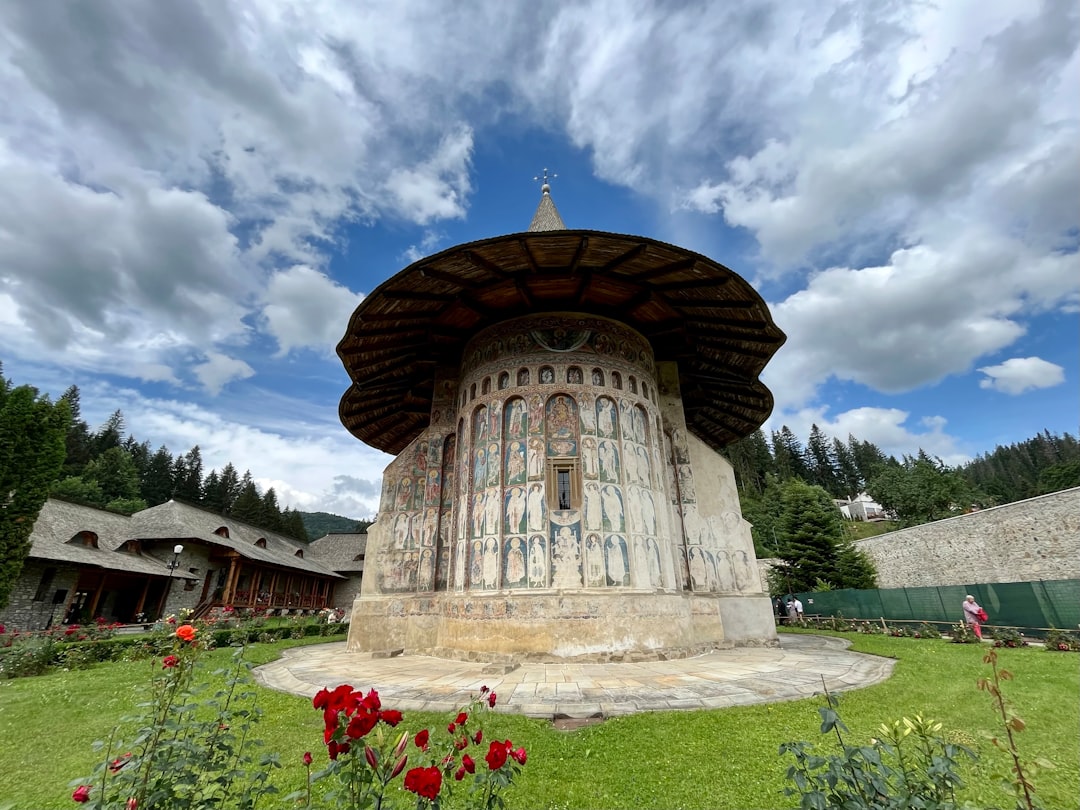
I stood in the freezing rain outside the stone walls of Sucevița Monastery, watching a drop of water trace a slow, muddy line through a fresco of a saint's eye. It felt like watching a library burn in slow motion. The air smelled of wet wool and old incense, a heavy, spiritual funk that stuck to my back. A local priest, shielding a candle with a calloused hand, looked at me with a mixture of pity and defiance. He didn't care that the paint was peeling; he cared that the story remained. This isn't a museum. It's a battlefield against time, decay, and the indifferent march of centuries. The painted monasteries of Bukovina are not just tourist stops; they are desperate, screaming declarations of faith rendered in ochre, blue, and blood-red, clinging to crumbling stone in the Carpathian foothills.
Most travelers treat these sites like a checklist. They hop from the coach, snap a photo of the Last Judgment, and rush back to the bus for a lukewarm coffee. But if you slow down, if you squint through the glare of a midday sun or the gloom of an overcast sky, you see something else. You see a region that has been torn between empires, invaded by armies, and forgotten by history, yet somehow preserved its soul in pigment and plaster. This is gonzo travel in the most literal sense: raw, unpolished, and slightly dangerous to the ego. You aren't just looking at art; you're looking at the last gasp of a medieval world refusing to die.
History & Identity
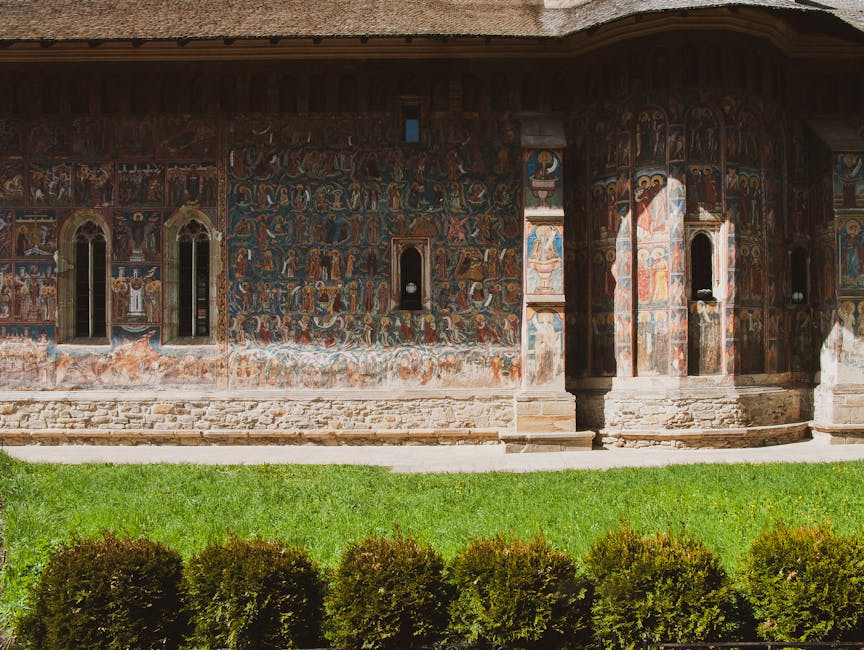
The story of these monasteries begins in the 15th and 16th centuries, during the reigns of the Moldavian princes Stephen the Great and Peter the Great. These weren't just religious leaders; they were warriors who understood the power of imagery. In a time when literacy was low and wars were constant, the frescoes served as a visual catechism. The exterior walls of these churches were painted to teach the faithful, to warn them of hell, and to promise them salvation. It was propaganda, theology, and art fused into a single, massive statement.
Bukovina, a region split today between Romania and Ukraine, has always been a crossroads. It has been ruled by Poland, Austria-Hungary, Russia, and Romania. Each regime tried to stamp its identity on the land, but the monasteries remained. They became symbols of Romanian resilience. During the communist era, the state tried to co-opt them, turning some into museums and others into hostels. But the faithful kept the candles burning. Today, they stand as a testament to a culture that refused to be erased. The painting style is distinct: bold colors, exaggerated expressions, and a sense of movement that feels almost alive. It's not the refined elegance of Italian Renaissance art; it's raw, emotional, and deeply human.
Where to Go
Sucevița Monastery — Founded in 1582 by the voivode Ieremia Movilă, this is perhaps the most dramatic of the painted monasteries. The exterior frescoes are in remarkably good condition, thanks to the sheltered location and careful maintenance. The most striking feature is the "Zodiac" on the western facade, a rare depiction of the months and zodiac signs, linking the divine with the earthly calendar. The entrance fee is modest, and the atmosphere is solemn. Visit early in the morning to avoid the tour groups.
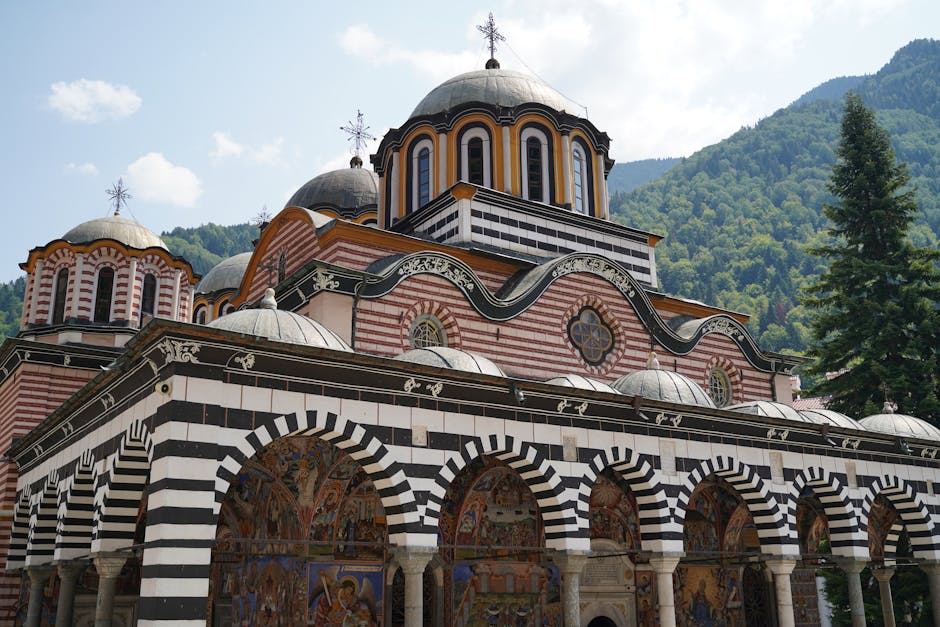
Arbore Monastery — Located in the village of Arbore, this monastery is known for its "Hell" fresco on the western facade. The depiction of demons and damned souls is grotesque and vivid, a stark warning to the viewer. The monastery was founded in the 16th century and has been restored several times. The surrounding landscape is lush and green, providing a peaceful backdrop to the intense imagery. It's a smaller, less crowded site, perfect for a quiet moment of reflection.
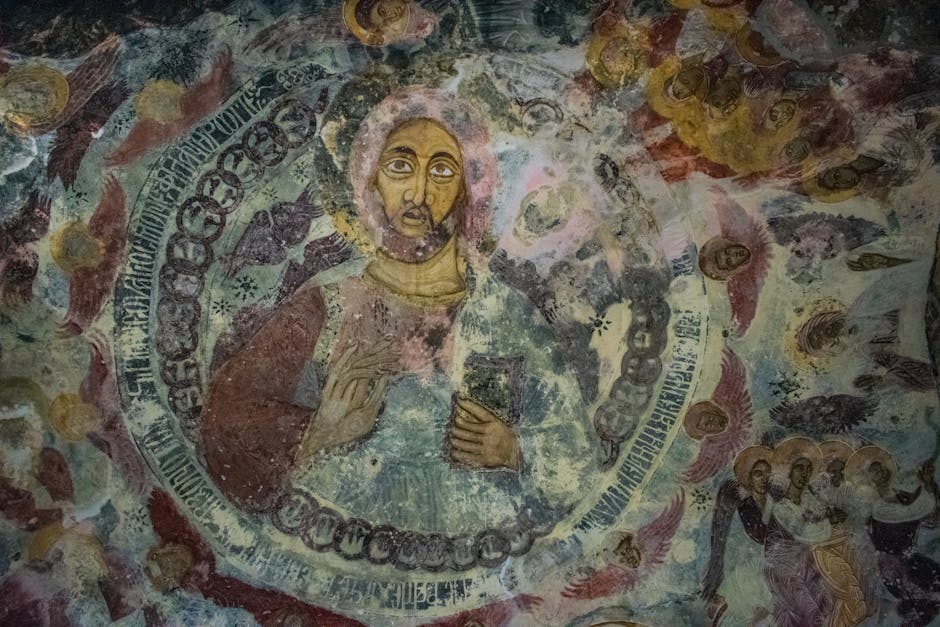
Moldovița Monastery — Often considered the most beautiful of the painted monasteries, Moldovița is famous for its "Ladder of Virtue" on the southern facade. The blue background of the frescoes is unique and has earned it the nickname "The Blue Monastery." Founded in 1532 by Petru Rareș, the monastery has been a UNESCO World Heritage site since 1993. The interior is also worth seeing, with intricate iconography. The site can get crowded, so plan accordingly.
Patriarchal Monastery of Putna — This is the spiritual heart of the region. Founded by Stephen the Great in 1466, it houses his tomb. The monastery is larger and more imposing than the others, with a sense of grandeur that commands respect. The interior is richly decorated, and the atmosphere is deeply reverent. It's a place to feel the weight of history. The surrounding forest is dense and mysterious, adding to the sense of isolation.
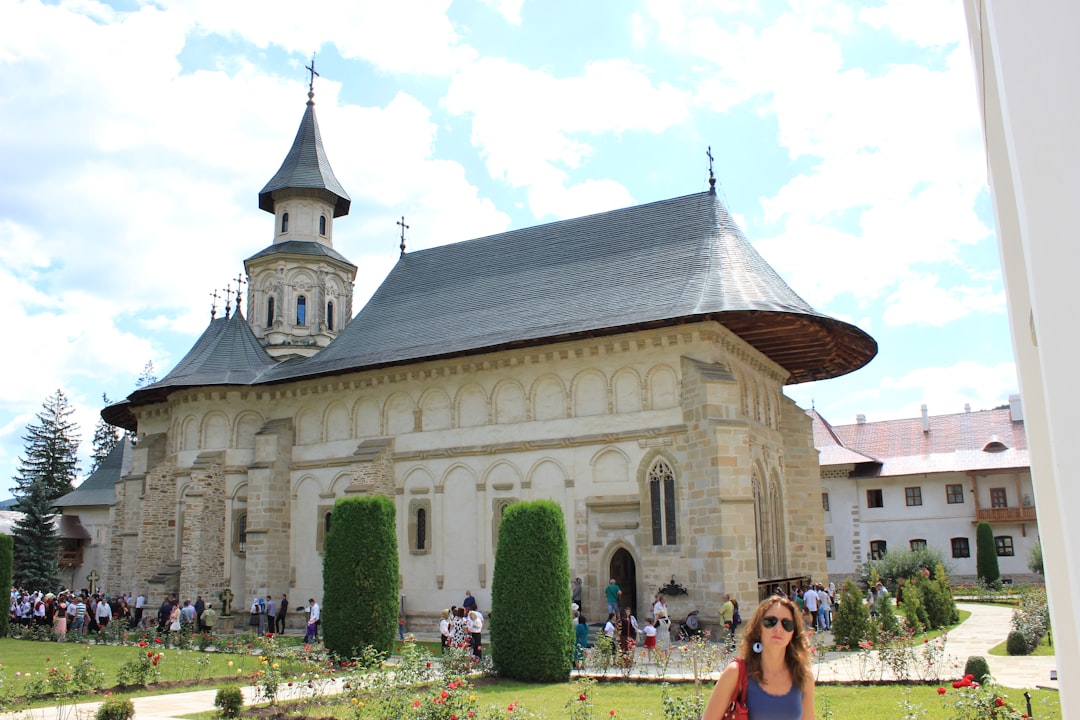
Sfânta Treime Monastery — A smaller, often overlooked gem near Suceava. The frescoes here are less famous but equally powerful. The monastery is situated in a quiet, rural setting, offering a chance to escape the tourist trail. The local community is welcoming, and the sense of authenticity is high. It's a reminder that these places are still living communities, not just historical relics.
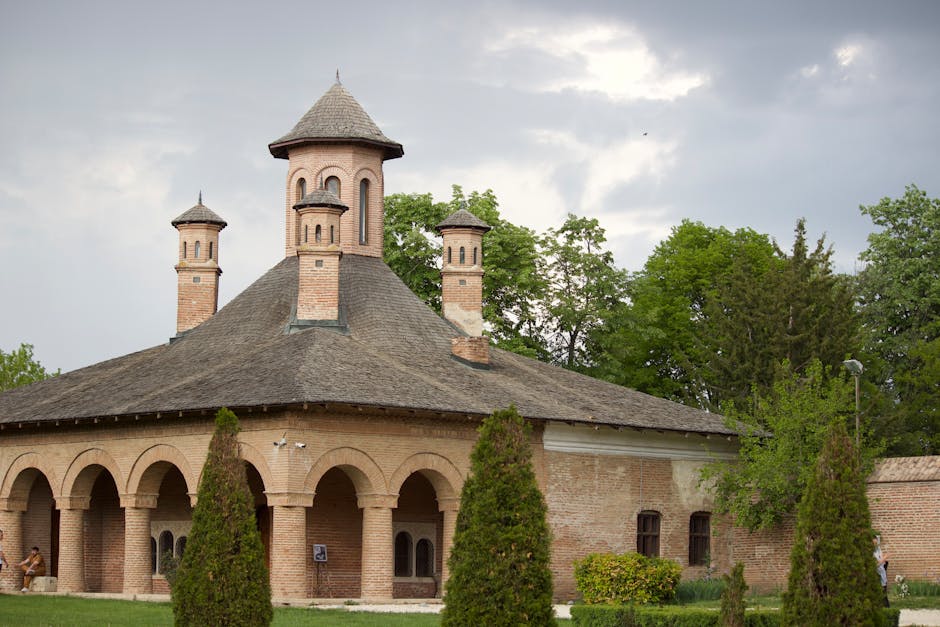
What to Eat & Drink
Food in Bukovina is hearty and rustic, designed to fuel you through the cold winters and long days of labor. You won't find fancy fusion cuisine here; you'll find real food. Mămăligă — a cornmeal porridge — is the staple, served with cheese and sour cream. A typical serving costs 4-6 EUR. Sarmale — cabbage rolls stuffed with meat and rice — are a must-try, especially in the winter. A plate of three to five rolls will set you back 8-12 EUR. Plăcinte — fried pastries filled with cheese, potatoes, or sauerkraut — are perfect for a quick snack. You can find them at local markets or roadside stands for 1-2 EUR each.
For drinks, you can't leave without trying pălincă, a strong fruit brandy made from plums, apples, or pears. It's often homemade and served in small glasses. A shot costs 2-4 EUR. Țuică is another local favorite, similar to pálincă but often stronger. It's a social drink, shared with friends and neighbors. Budget travelers can eat well for 10-15 EUR per day by sticking to local restaurants and street food. Mid-range restaurants charge 20-30 EUR per person for a full meal with wine. The town of Suceava has a few good restaurant districts, particularly around the Citadel, where you can find a mix of traditional and modern options.
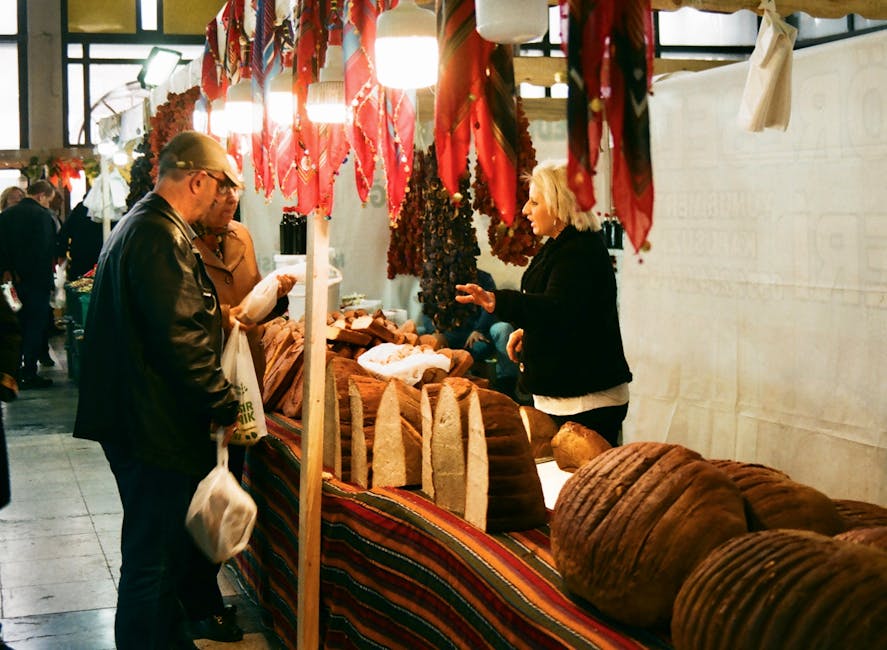
For a more authentic experience, visit the local markets in Suceava or Câmpulung Moldovenesc. Here, you can buy fresh produce, handmade cheeses, and homemade preserves. The farmers' market in Suceava is open on weekends and is a great place to sample local products. Street food options are limited, but you can find mititei — small grilled sausages — at some stalls for 3-5 EUR. Take-away options are also available, with sandwiches and salads costing 4-6 EUR.
Nightlife
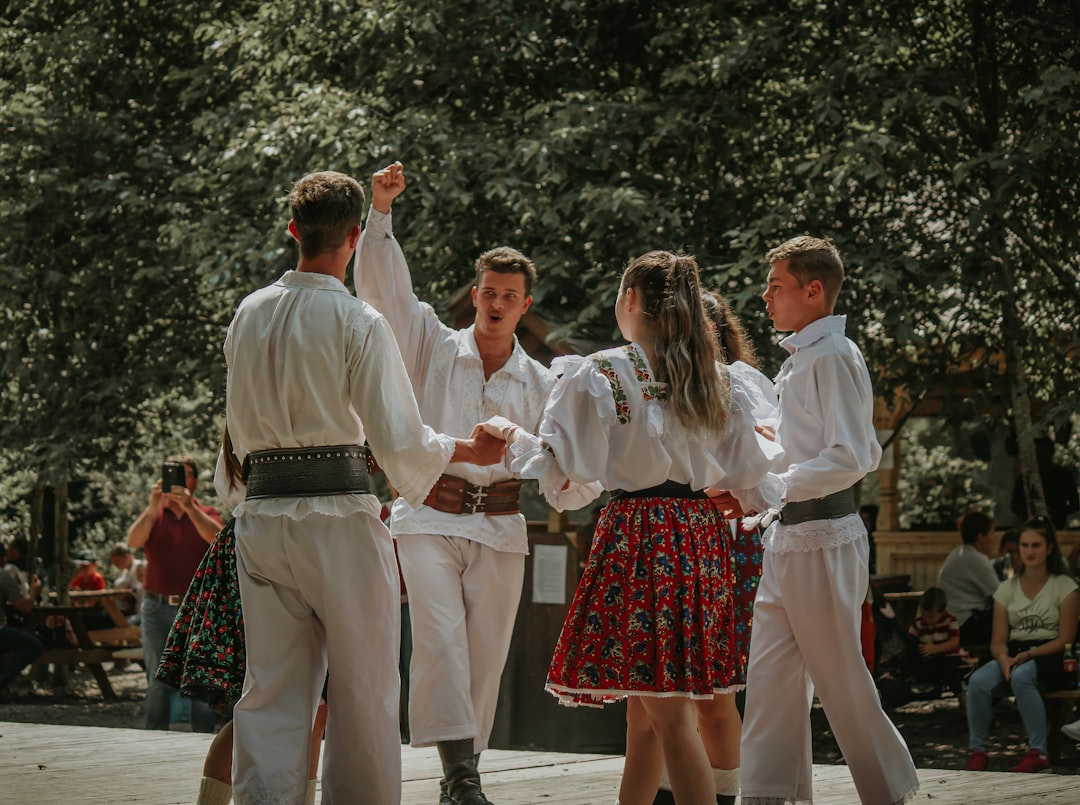
Nightlife in Bukovina is not what you might expect. This isn't a party destination; it's a place for quiet evenings and local gatherings. The town of Suceava has a small but vibrant bar scene, particularly around the Citadel and the main square. Venues like Barul de la Citadela offer live traditional music on weekends, with cover charges of 5-10 EUR. The atmosphere is relaxed, with locals and tourists mixing over drinks and conversation.
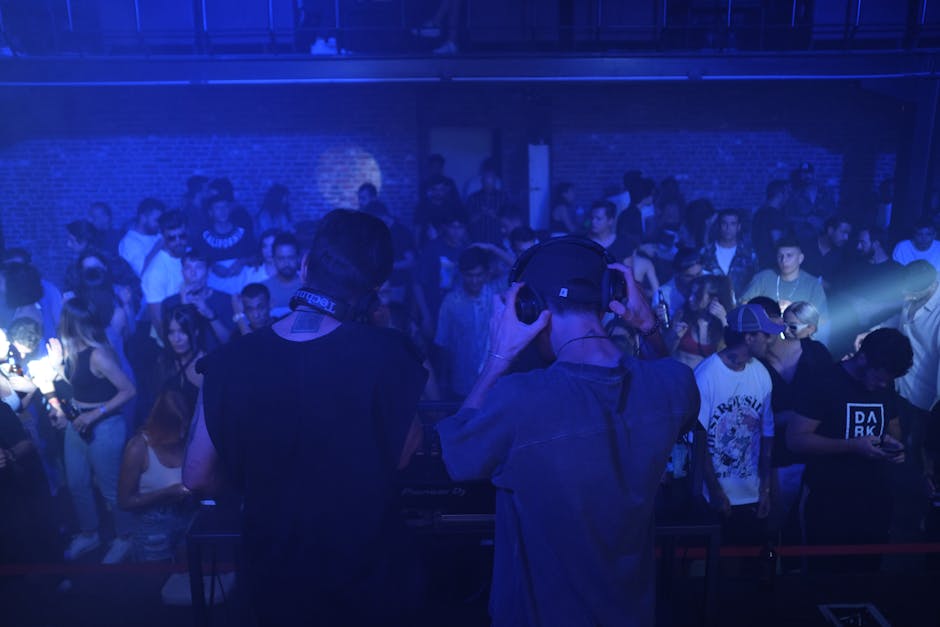
For something more modern, Club 4 in Suceava is a popular spot for younger crowds, playing a mix of pop and electronic music. Cover charges are around 10-15 EUR, and drinks are reasonably priced. La Vama is another option, a cozy bar with a focus on local beers and wines. It's a great place to unwind after a day of sightseeing. The nightlife is not about excess; it's about connection. You'll find people singing folk songs, sharing stories, and enjoying the simple pleasures of good company.
Getting There & What to Expect
The nearest major airport is in Suceava, which has limited connections to Bucharest and some international flights. From Bucharest, you can take a bus or train to Suceava, which takes about 6-7 hours and costs 15-20 EUR. Alternatively, you can drive, which is a more flexible option. The roads are generally good, but be prepared for some winding mountain roads. Once in Suceava, you can rent a car or take a taxi to the monasteries. Taxis cost around 5-10 EUR per trip, depending on the distance. Buses also run to the monasteries, but the schedule can be irregular.
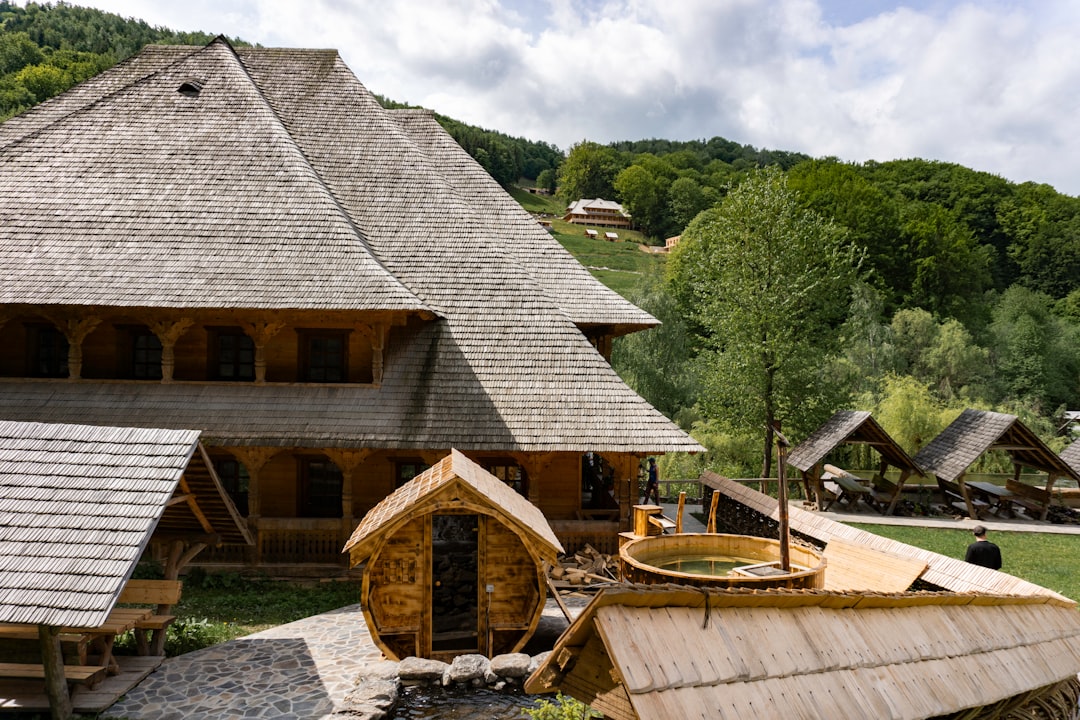
Accommodation in Suceava ranges from budget hostels at 15-25 EUR per night to mid-range hotels at 40-60 EUR per night. There are also guesthouses and pensions in the villages near the monasteries, which offer a more authentic experience. These typically cost 20-35 EUR per night. Meals in these guesthouses are often included, and the hosts are usually very welcoming. The best time to visit is from April to October, when the weather is mild and the landscapes are green. Winter can be cold and snowy, but it offers a different, more serene experience.
Search accommodation in Suceava on Booking.com →
The Last Gasp of the Medieval World
I left the region with a sense of urgency. These monasteries are not eternal. Every year, a little more paint falls away, a little more stone crumbles. The elements are relentless, and the resources for preservation are limited. But there's also a sense of hope. The people of Bukovina are fiercely protective of their heritage. They see these monasteries not as relics of the past, but as living symbols of their identity. As I drove away, the rain started again, washing over the windshield, blurring the line between the past and the present. These places are not just about the past; they are about the future. They are a reminder that art can outlast empires, that faith can survive persecution, and that beauty can emerge from the most unlikely places. If you go, don't just look. Listen. The stones are still speaking.
Comments