


The coffee here doesn't taste like coffee. It tastes like dust and history, served in a glass so thin it feels like holding a shard of a mirror. I sat on a cracked plastic stool outside a tea garden in Edirne, watching a group of local men argue over backgammon while a stray cat navigated the labyrinth of cigarette butts between their feet. The air was thick, humid, and heavy with the scent of roasting chestnuts and the distant, metallic tang of the river. This isn't a polished tourist trap in Istanbul. This is the edge of Europe, where the Ottoman Empire stretched its fingers furthest west, and where the ghosts of sultans still seem to linger in the humid, heavy air.
They call this the forgotten capital, and for good reason. Most travelers fly into Istanbul, hit the Grand Bazaar, and leave, never realizing that just a few hours away lies a city that was once the beating heart of an empire that spanned three continents. Edirne doesn't beg for your attention. It stands with its arms crossed, waiting for you to do the work. It's raw, unfiltered, and utterly captivating if you know where to look.
History & Identity
Edirne was the Ottoman capital for 140 years, from 1363 to 1453, before the conquest of Constantinople shifted the center of gravity eastward. For over a century, this city was the seat of power, the place where sultans were crowned, treaties were signed, and the fate of the region was decided. The architecture here tells that story. The grand mosques, the bathhouses, and the bridges are not just buildings; they are monuments to an era when this city was the center of the world.
The city's identity is deeply rooted in its multicultural past. It was a place where Muslims, Christians, and Jews lived side by side, creating a unique cultural tapestry. The influence of this diversity is still visible in the food, the language, and the architecture. The city's proximity to Greece and Bulgaria has also shaped its identity, making it a crossroads of cultures and a place where different worlds meet.
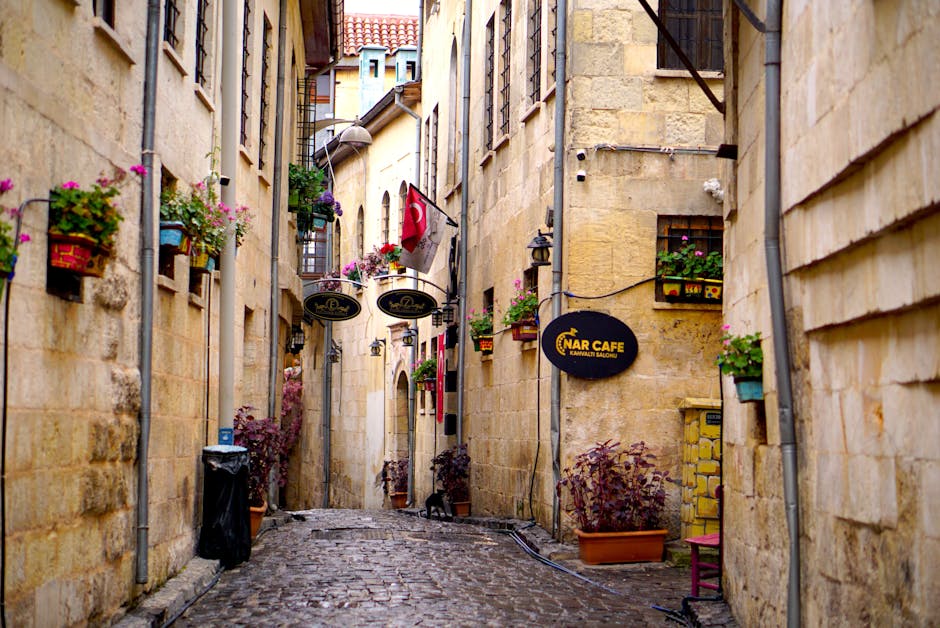
Today, Edirne is a city of contrasts. The grandeur of the Ottoman past is juxtaposed with the everyday life of the present. You can see the scars of history in the old buildings, but you can also see the vibrancy of the present in the bustling markets and the lively streets. It's a city that refuses to be forgotten, even if the world has largely overlooked it.
Where to Go
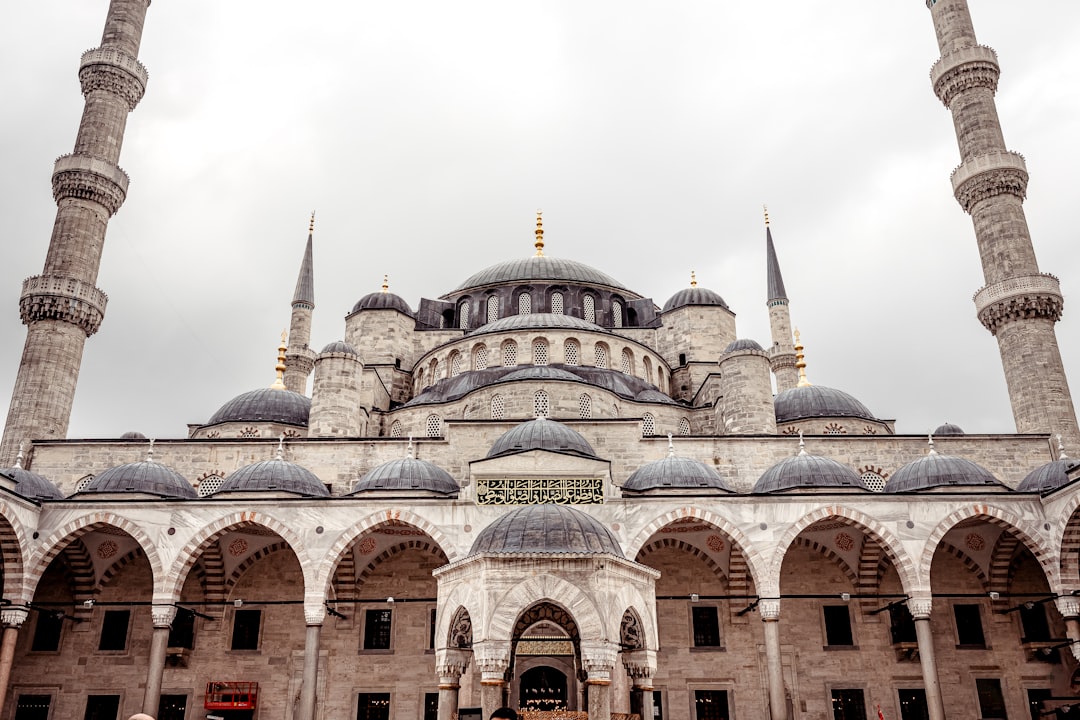
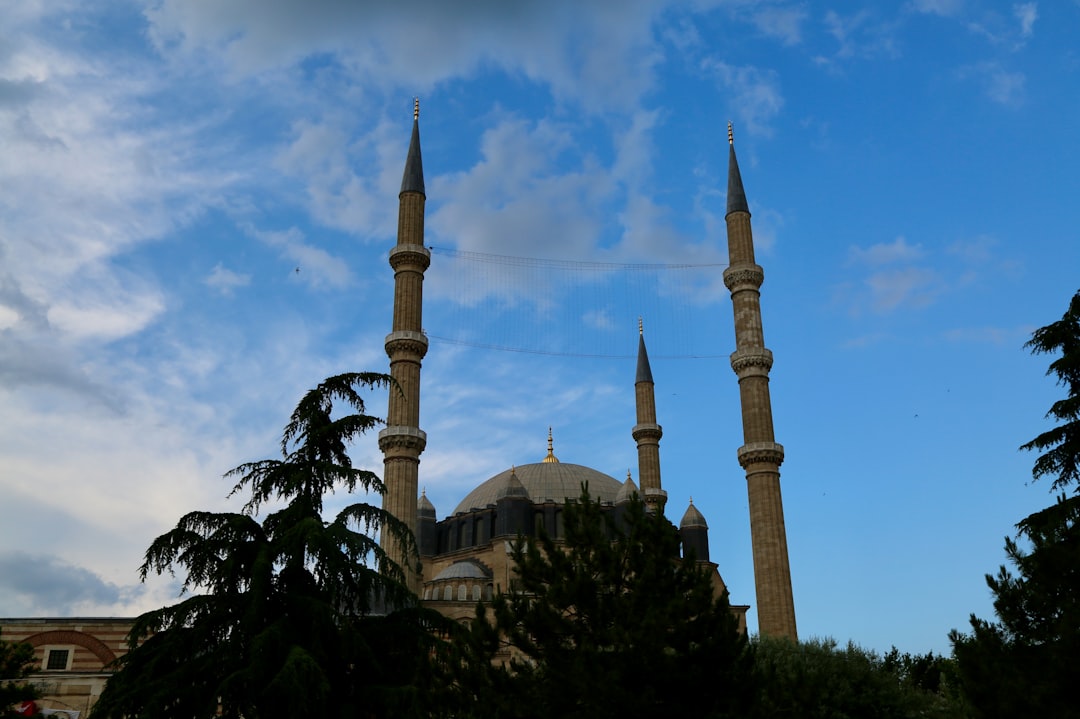
Edirne Selimiye Mosque — This is the crown jewel of the city, a masterpiece of Ottoman architecture designed by the great architect Mimar Sinan. The mosque is a marvel of engineering and aesthetics, with its massive dome, intricate tile work, and stunning calligraphy. The interior is a breathtaking space, filled with light and a sense of spiritual grandeur. Entry is free, but donations are appreciated. Best visited early in the morning to avoid the crowds.
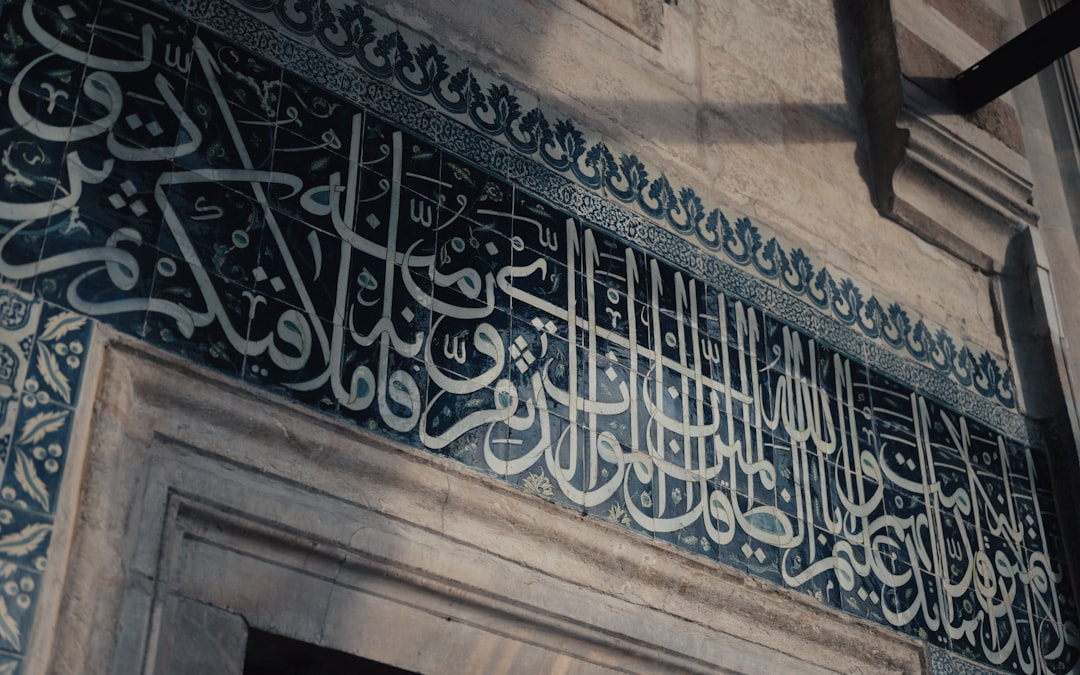
Eski Cami (Old Mosque) — Before the Selimiye, there was the Eski Cami, the first mosque built in Edirne by Sultan Orhan. It's a simpler, more austere structure, but no less impressive. The mosque is a testament to the early Ottoman architectural style, with its wooden dome and intricate woodwork. Entry is free, and it's a great place to see the evolution of Ottoman architecture.
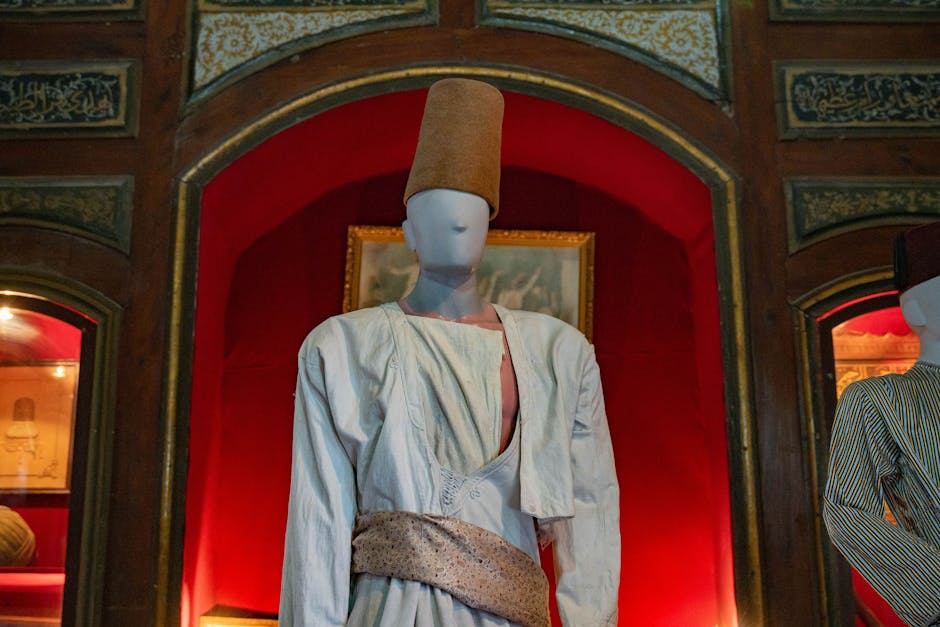
Edirne Museum — The city's museum is a treasure trove of artifacts from the Ottoman era, including ceramics, textiles, and weapons. It's a small museum, but it's well-curated and offers a fascinating glimpse into the city's past. Entry is 5-10 EUR, and it's worth a visit for anyone interested in history.
Muradiye Complex — This complex includes a mosque, a madrasa, a hospital, and a tomb, all built by Sultan Bayezid II. It's a quieter, less crowded site than the Selimiye, but it's no less impressive. The architecture is a beautiful example of Ottoman design, and the complex is a great place to see the social and religious life of the Ottoman era. Entry is free.
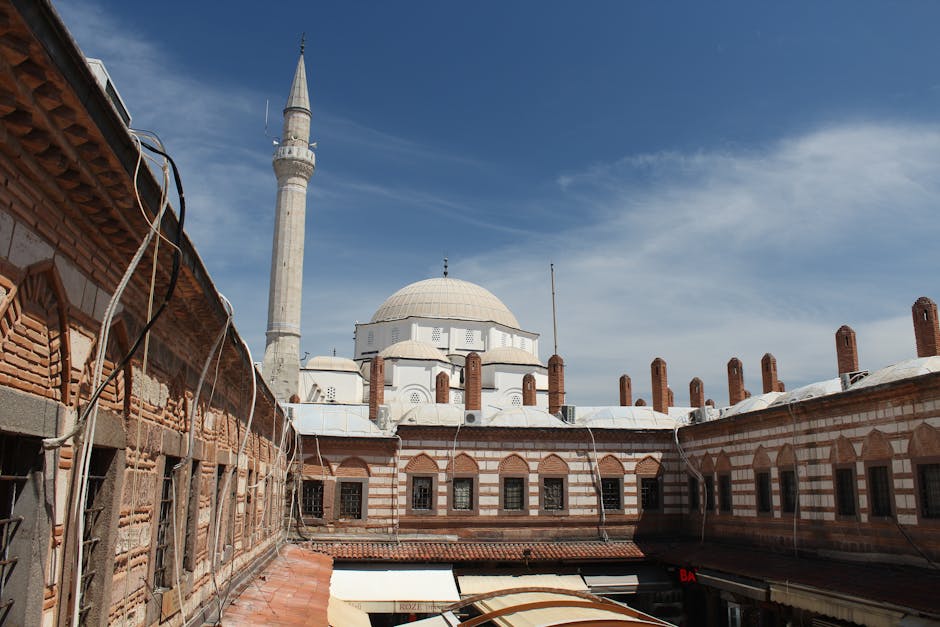
Kapalı Çarşı (Covered Market) — The covered market is a bustling hub of activity, with shops selling everything from spices to textiles. It's a great place to get a feel for the city's commercial life, and it's a good spot to buy souvenirs. The prices are reasonable, and the atmosphere is lively.

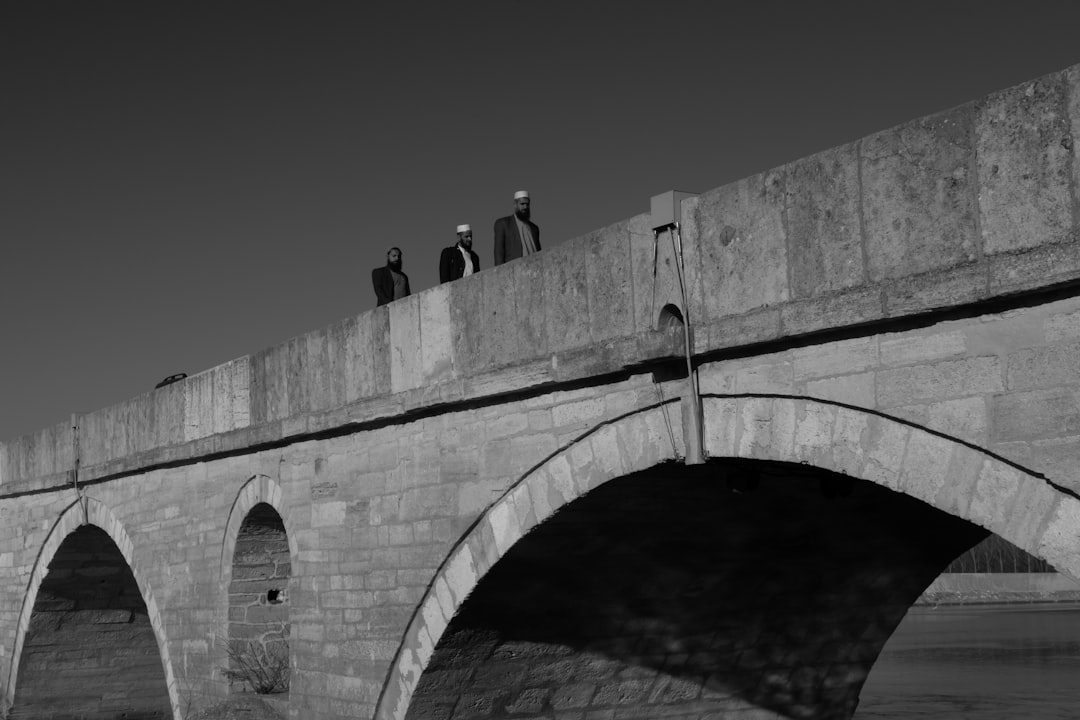
Ergene River Bridge — The bridge over the Ergene River is a beautiful example of Ottoman engineering, and it offers great views of the city. It's a great place to take a walk in the evening, when the city is lit up and the air is cool.
What to Eat & Drink
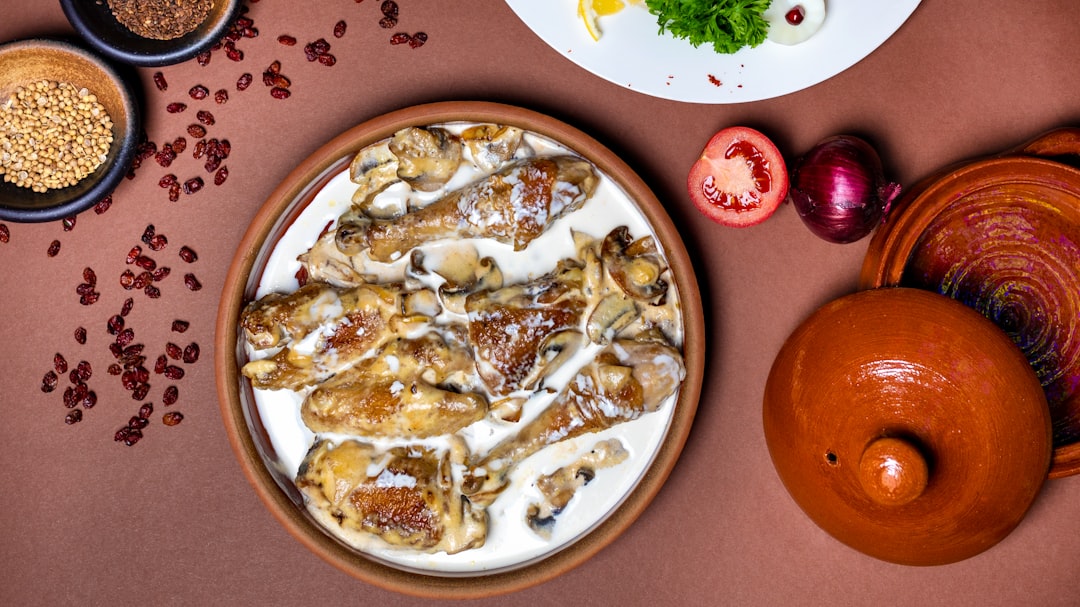
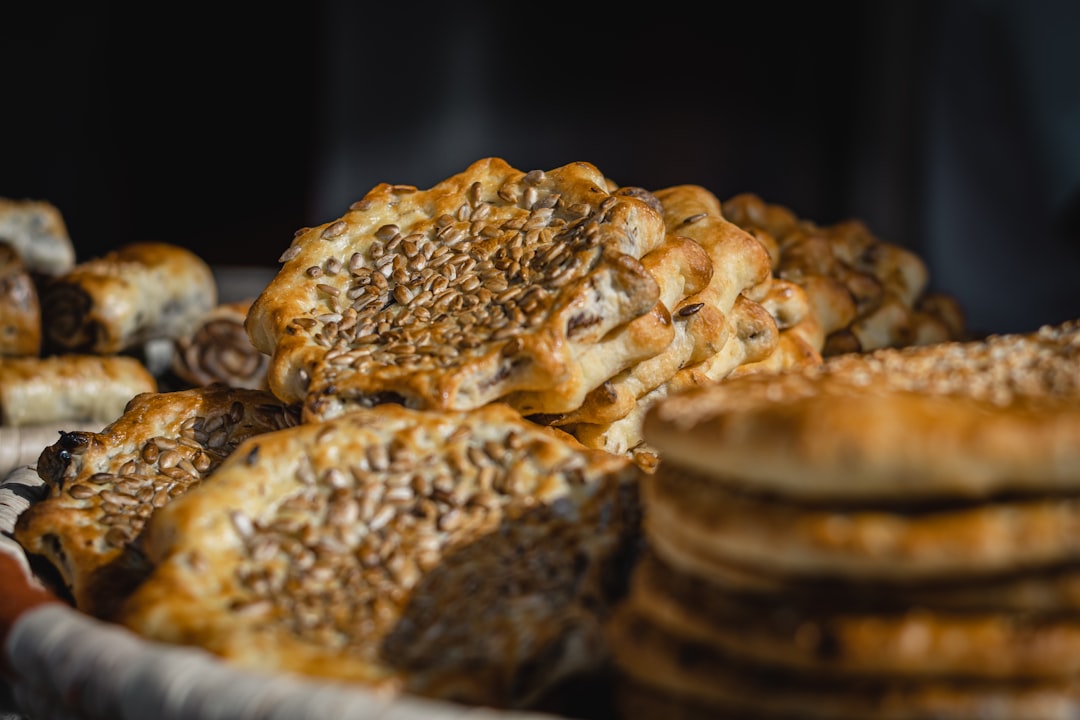
Edirne is a food lover's paradise. The city is famous for its Edirne Kavurma, a dish of slow-cooked beef that is tender and flavorful. It's typically served with bulgur pilaf and yogurt, and it's a must-try. A serving costs 10-15 EUR. The city is also known for its Edirne Simit, a type of sesame seed bread that is crispy and delicious. A simit costs 1-2 EUR.
Another must-try dish is Kebapçılar, a type of kebab that is specific to the region. It's made with lamb and is marinated in a special spice mix. A serving costs 8-12 EUR. The city is also known for its Lahmacun, a type of Turkish pizza that is thin and crispy. A lahmacun costs 3-5 EUR.
For a budget meal, you can grab a Simit and a Coffee for under 3 EUR. For a sit-down meal at a local restaurant, expect to pay 10-20 EUR per person. For a mid-range meal, expect to pay 20-30 EUR per person.
The best place to eat in Edirne is the Kapalı Çarşı, where you can find a variety of local restaurants and food stalls. The Edirne Çarşı is another great spot for food, with a variety of restaurants and cafes.
For take-away options, there are plenty of street food vendors and food courts in the city. You can find Simit, Kebap, and Lahmacun at most street food stalls, and the prices are very reasonable.
Nightlife
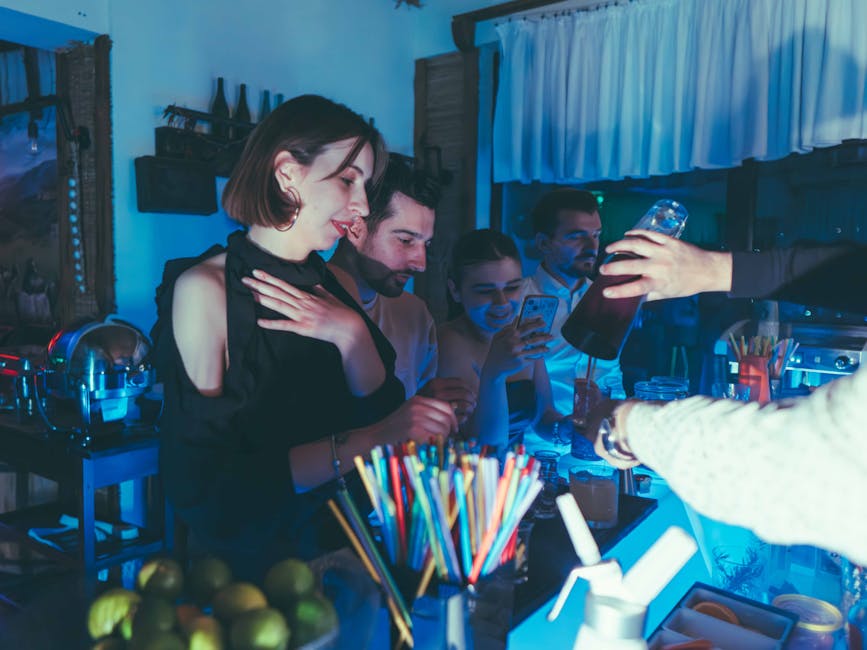
Edirne's nightlife is not as vibrant as Istanbul's, but it has its own charm. The main bar and club district is around the Edirne Çarşı, where you can find a variety of bars and clubs. The atmosphere is relaxed and laid-back, and the music is a mix of Turkish pop and traditional music.
One of the best bars in the city is Cafe Edirne, a cozy spot with a great selection of local beers and wines. The cover charge is 5-10 EUR, and the atmosphere is lively. Another great spot is Bar Kafe, a popular spot for locals and tourists alike. The cover charge is 3-5 EUR, and the music is a mix of Turkish pop and traditional music.
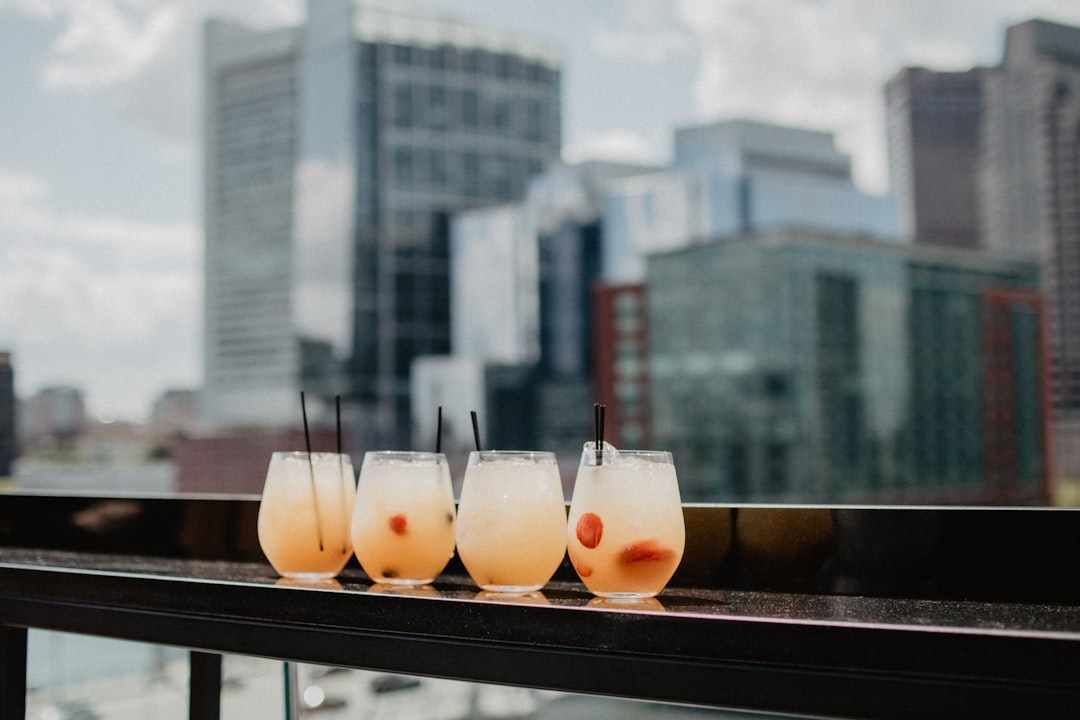
For a more upscale experience, check out Hotel Edirne's Bar, which offers a great selection of cocktails and a view of the city. The cover charge is 10-15 EUR, and the atmosphere is sophisticated.
Getting There & What to Expect
The nearest airport to Edirne is Istanbul Airport (IST), which is about 200 km away. You can take a bus from Istanbul to Edirne, which takes about 3-4 hours and costs 15-20 EUR. You can also take a train from Istanbul to Edirne, which takes about 4-5 hours and costs 10-15 EUR. If you have a car, you can drive from Istanbul to Edirne, which takes about 2-3 hours.
Accommodation in Edirne is reasonably priced. A budget hostel costs 20-40 EUR per night, a mid-range hotel costs 40-80 EUR per night, and a luxury hotel costs 80-150 EUR per night. The best time to visit Edirne is in the spring or fall, when the weather is mild and the crowds are smaller.
Search accommodation in Edirne on Booking.com →
The Edge of Empire
As the sun set over the Ergene River, I sat on the bridge, watching the lights of the city flicker on one by one. The air was cool, and the sound of the river was a gentle reminder of the passage of time. Edirne is not a city that you visit; it's a city that you experience. It's a place where history is not just a subject in a textbook, but a living, breathing part of the present. It's a place where the past and the present collide, and where the ghosts of the Ottoman Empire still linger in the humid, heavy air. And as I walked back to my hotel, the taste of dust and history still on my tongue, I knew that I would never forget this forgotten capital at Europe's edge.
Comments