


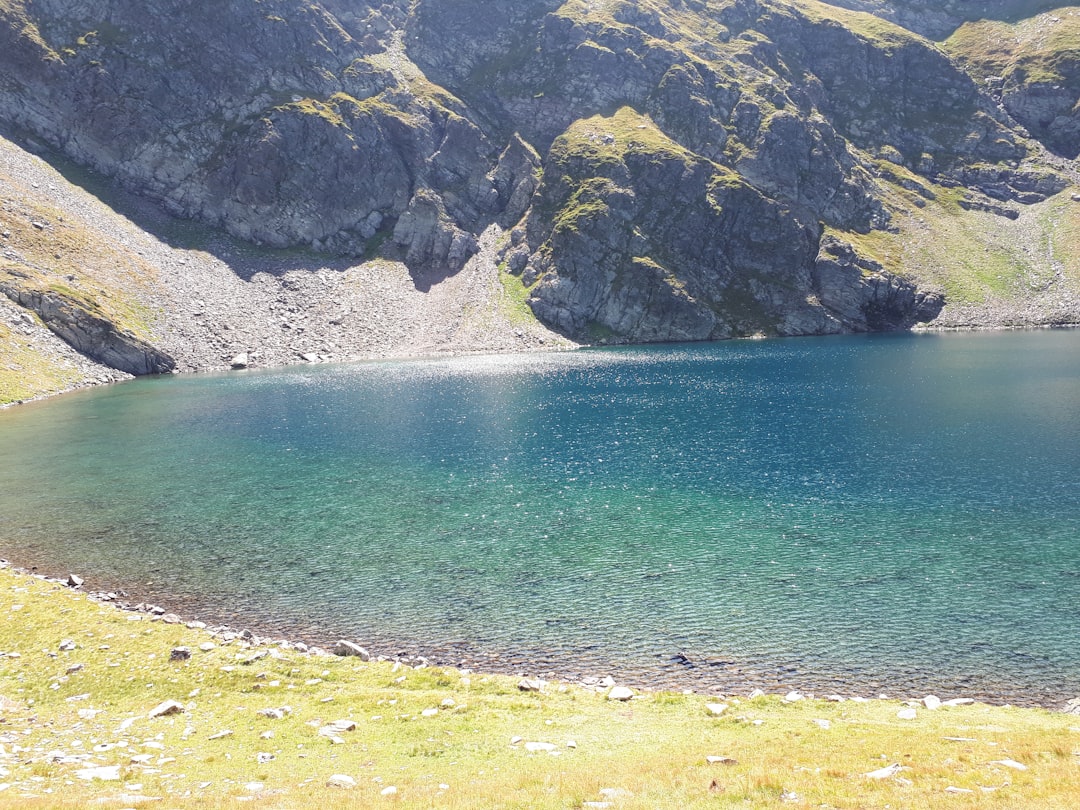
The air up here doesn't just thin; it strips you bare. I was sitting on a jagged outcrop near the uppermost lake, my lungs burning with the kind of cold that tastes like iron, watching a local shepherd drive his sheep down a goat path that looked more like a suggestion than a trail. He didn't speak English, I didn't speak Bulgarian, but we shared a look that said: you are small here. This isn't the sanitized hiking of the European Alps, where every step is marked with a neon arrow and a snack bar is never more than ten minutes away. This is Rila National Park, and the Seven Rila Lakes are not just a destination; they are a test.
I've trekked the Dolomites, scrambled the Pyrenees, and hiked the peaks of Greece, but there is a raw, unpolished brutality to this Bulgarian highland that hits different. The water is a violent, impossible blue, the stone is sharp enough to cut your boots, and the silence is so profound it rings in your ears. If you want a postcard, go to Switzerland. If you want to feel like you've actually earned the view, you come to the Rila.
Glacial Scars and Alpine Glory
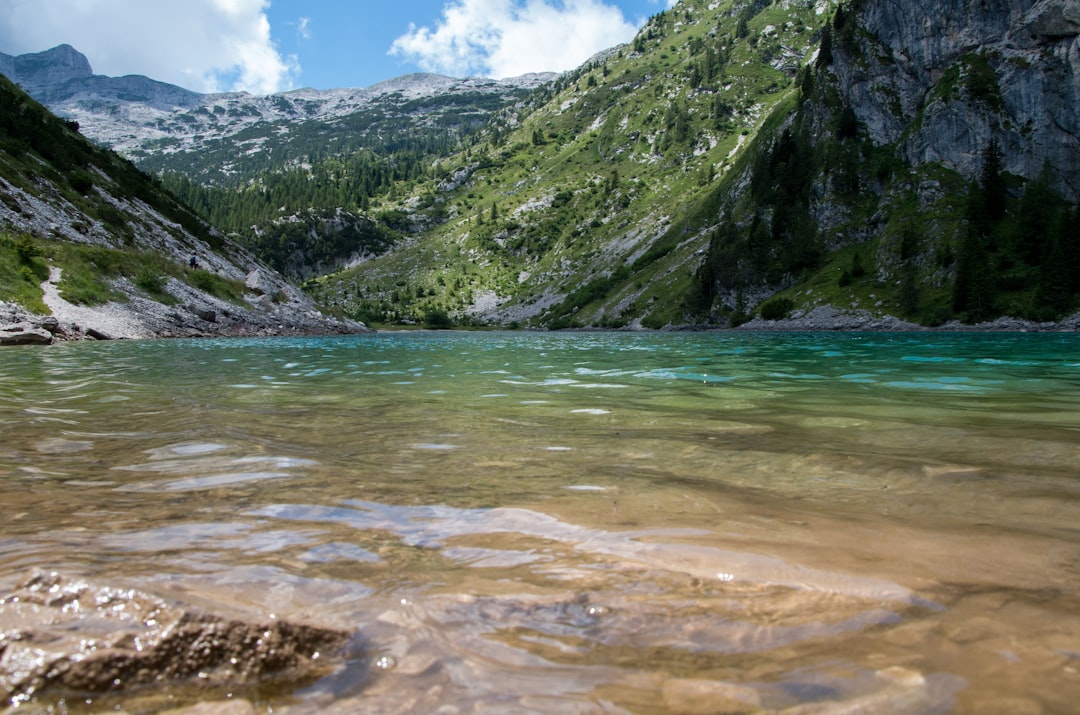
The Seven Rila Lakes are not natural formations in the sense of gentle geological evolution. They are scars left by ancient glaciers, carved into the granite bones of the Rila Mountains during the Quaternary period. The highest peak of Bulgaria, Musala, looms over them like a silent guardian, standing at 2,925 meters. The lakes themselves are arranged in a cascade, each one reflecting the sky with a different intensity, ranging from the deep indigo of the highest lake to the emerald green of the lower ones.
What makes this trek superior to many of its Western European counterparts is the isolation. There are no cable cars dropping you at the summit for a quick selfie. You have to earn every meter. The trail winds through dense spruce forests that slowly give way to alpine meadows, then to rocky scree fields that test your balance and your patience. The sense of progression is palpable. You are moving from the world of men into the world of stone and sky.
The cultural layer is thick here. For centuries, herders have used these high pastures, and the stone huts scattered along the trail are not ruins; they are active, lived-in spaces. You might share a ridge with a shepherd who has been there for three days without seeing another soul. This human element, rugged and enduring, adds a texture to the landscape that pure wilderness lacks.
The Trek: Grind, Gain, Glory
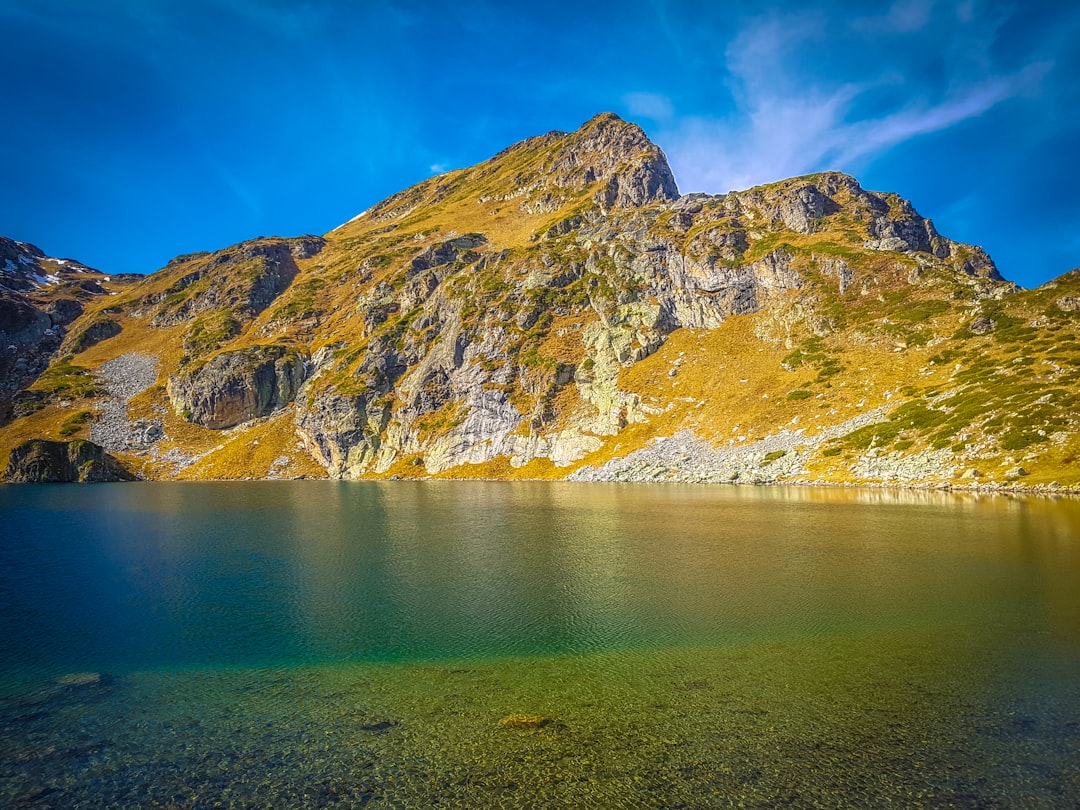
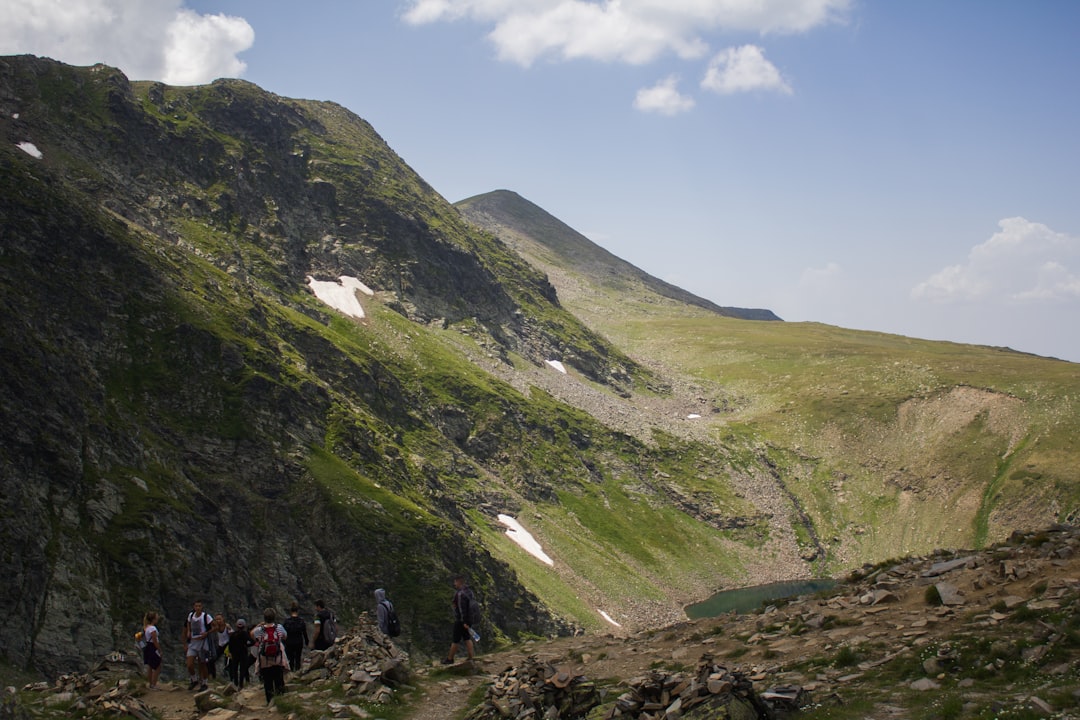
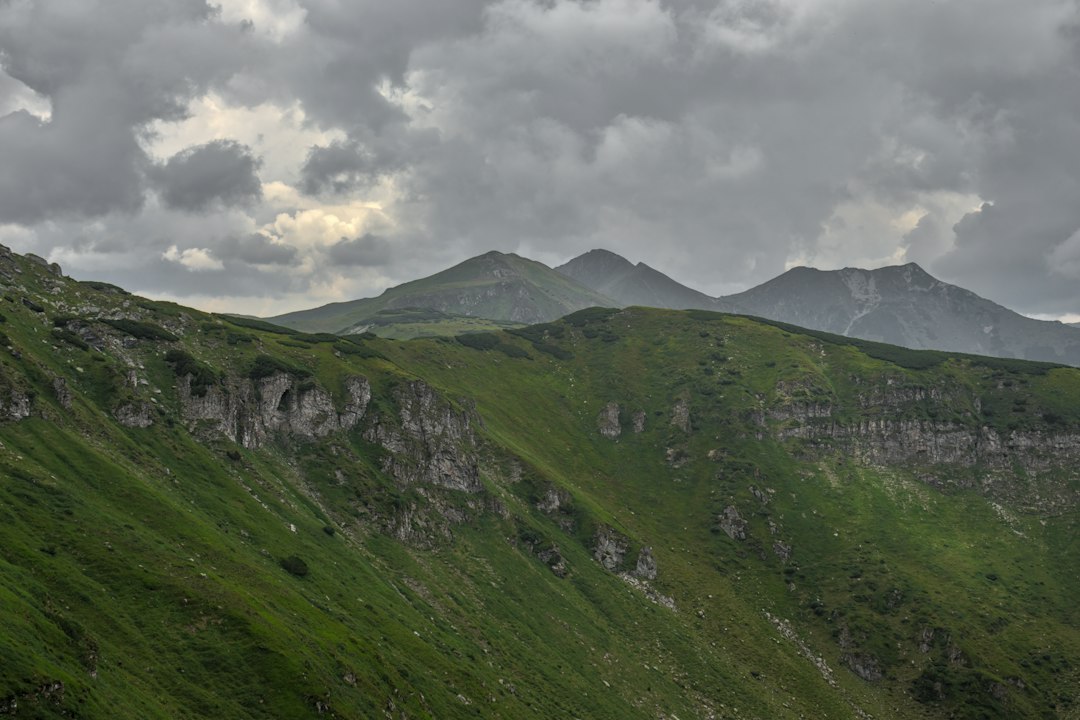
The standard route to the Seven Lakes is a loop, but most hikers do it as a one-way trek, starting from the Dobrati ski resort and ending at the Seven Rila Lakes area, or vice versa. The trail is well-marked with red stripes on rocks and trees, but "well-marked" does not mean "easy." The elevation gain is significant, and the terrain changes constantly. You will be walking on packed dirt, then scrambling over loose scree, then balancing on narrow ledges with a steep drop to your left.
The most challenging section is the climb from the fourth lake to the fifth, known as the "Eye." The path steepens dramatically, and the air gets thinner. It's here that the crowd thins out. The tourists who want a quick hike have turned back or are resting at the lower lakes. The serious hikers push on. The reward is the "Finger," a distinctive rock formation that juts out over the fifth lake, offering a panoramic view that stretches across the entire valley. It's a view that makes every blister worth it.
Weather is the wild card. In the mountains, the sky can clear in seconds or close in with a fog that reduces visibility to zero. I've seen hikers caught in sudden downpours, scrambling for cover under rock overhangs. The cold is biting, even in July. A light jacket is not enough; you need layers, wind protection, and a head for altitude. This is not a walk in the park; it's an ascent into the high country.
Routes & Trail Info
Route 1: Dobrati to Seven Lakes (One-Way) Start: Dobrati Ski Resort parking area Distance: 18 km (one-way) Elevation Gain: 1,300 meters Duration: 6-7 hours Difficulty: Experienced Notes: This is the classic approach. It starts steep and relentless. You pass the first three lakes relatively quickly, but the climb to the upper three is grueling. Best for those who want to see all seven lakes in one day.
Route 2: Seven Lakes Loop (Dobrati - Lakes - Dobrati) Start: Dobrati Ski Resort parking area Distance: 36 km (round-trip) Elevation Gain: 2,600 meters Duration: 10-12 hours Difficulty: Very Experienced Notes: Do not attempt this unless you are a seasoned hiker. The return journey is tough on the knees and the spirit. Most people split this into two days, staying overnight at the mountain huts.
Route 3: Musala Peak via Seven Lakes Start: Seven Lakes parking area Distance: 14 km (round-trip from parking) Elevation Gain: 1,000 meters Duration: 5-6 hours Difficulty: Experienced Notes: If you've made it to the lakes, why stop there? The hike to Musala, Bulgaria's highest peak, starts near the upper lakes. The final approach involves scrambling over rocky terrain. The view from the top is 360 degrees of pure Bulgarian wilderness.
Getting There & What to Expect
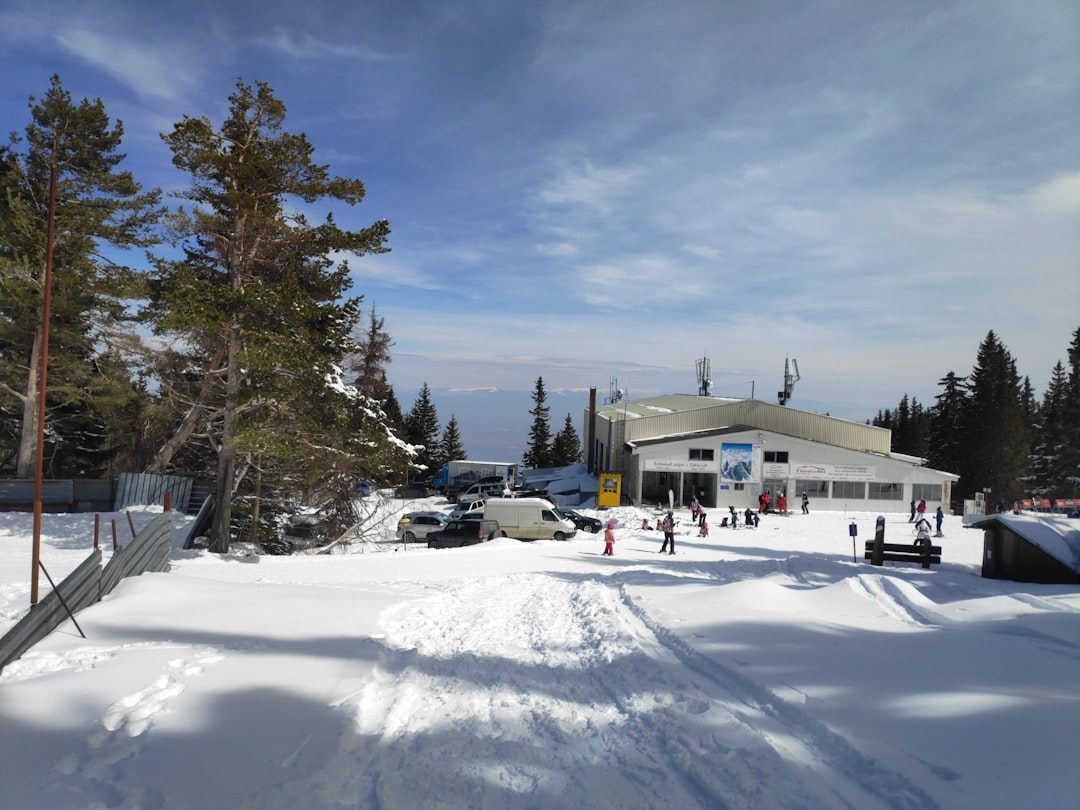
The nearest major hub is Sofia, the capital of Bulgaria. From Sofia, you take a bus or a car to the town of Hisarya, which is the gateway to the Rila mountains. The drive from Sofia to Hisarya is about 100 km and takes roughly 1.5 to 2 hours. From Hisarya, you can take a local bus or a taxi to the Dobrati ski resort, which is about 20 km further up the mountain. The road to Dobrati is winding and steep, so motion sickness is a real possibility.
Transport options are limited. Buses run regularly from Sofia to Hisarya, costing around 5-8 EUR one way. From Hisarya to Dobrati, taxis are the most reliable option, costing around 15-25 EUR for the trip. If you have a car, parking at the Dobrati ski resort is free, but spaces fill up quickly in peak season (July-August). Trailhead parking at the Seven Lakes area is also free but limited.
Children can do the trek, but only if they are used to hiking. The lower lakes are accessible for kids aged 8 and up, but the full trek to the upper lakes is not recommended for young children due to the altitude and rocky terrain. The mountain huts along the trail offer basic accommodation. A bed in a dormitory costs around 15-25 EUR per person, and a simple meal (soup, bread, cheese) is around 5-8 EUR. Bring cash; cards are not accepted in the huts.
Best months to visit are July and September. July offers the best weather, but it's crowded. September is quieter, with fewer clouds and stunning autumn colors, but the weather can be unpredictable. Avoid June, as the higher trails may still be snow-covered.
Search accommodation in Sofia on Booking.com →
The View From the Edge
I sat on the rock near the upper lake for an hour, just watching the light change. The sun dipped behind Musala, and the blue water turned to black, then to purple, then to a deep, velvety grey. The silence was absolute. No traffic, no planes, no hum of civilization. Just the wind in the grass and the occasional bleat of a sheep in the distance. It was in that moment that I understood why people come back to this place. It's not just about the view. It's about the feeling of being small, of being insignificant, and of being alive. The Seven Rila Lakes don't care if you're tired, if you're sore, or if you're lost. They just are. And for a few hours, you can be there with them. That's not tourism. That's a pilgrimage.
Comments