


Introduction
I arrived in Rila Monastery with a pair of boots that had seen better decades and a map that was more suggestion than instruction. The monks were sweeping the courtyard, their brooms making that rhythmic shush against stone, while a flock of sheep ambled past like they owned the place. One old man in a woolen vest looked at me, squinted, and said something in Bulgarian that sounded suspiciously like "you're going the wrong way." I smiled, nodded, and kept walking toward the mountains. He was right, of course. I was. But that's how it starts, isn't it? With a mistake, a moment of humility, and the quiet realization that the landscape doesn't care about your itinerary.
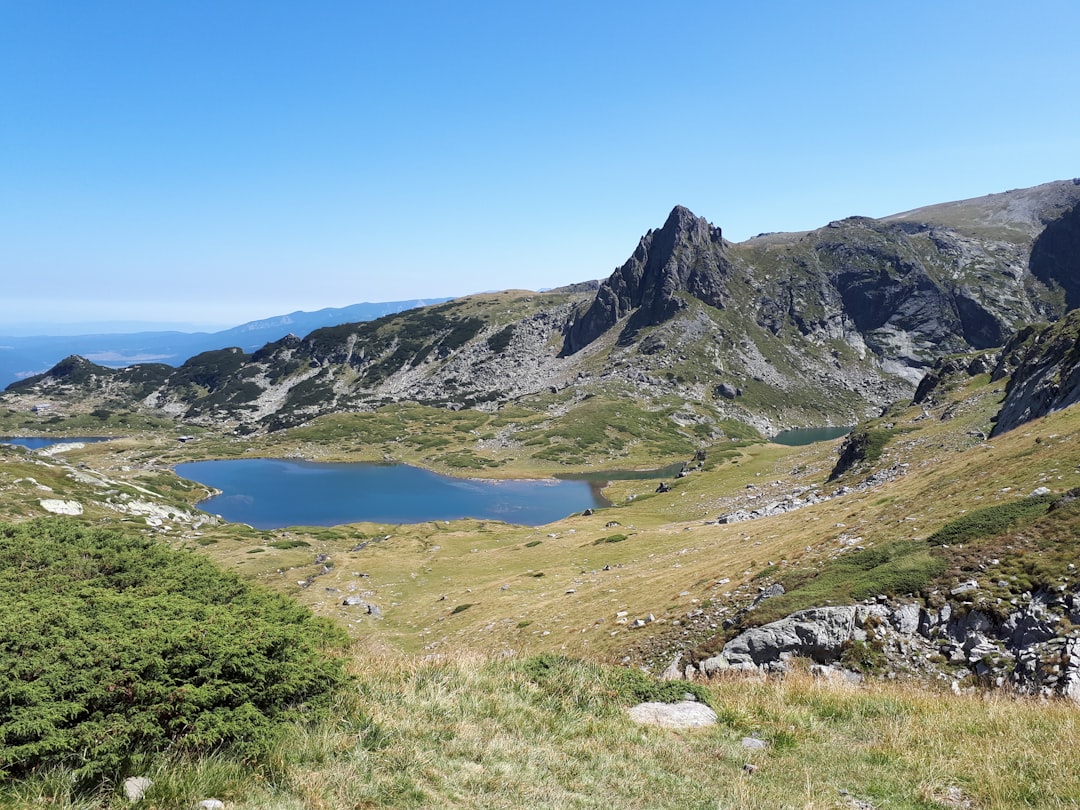
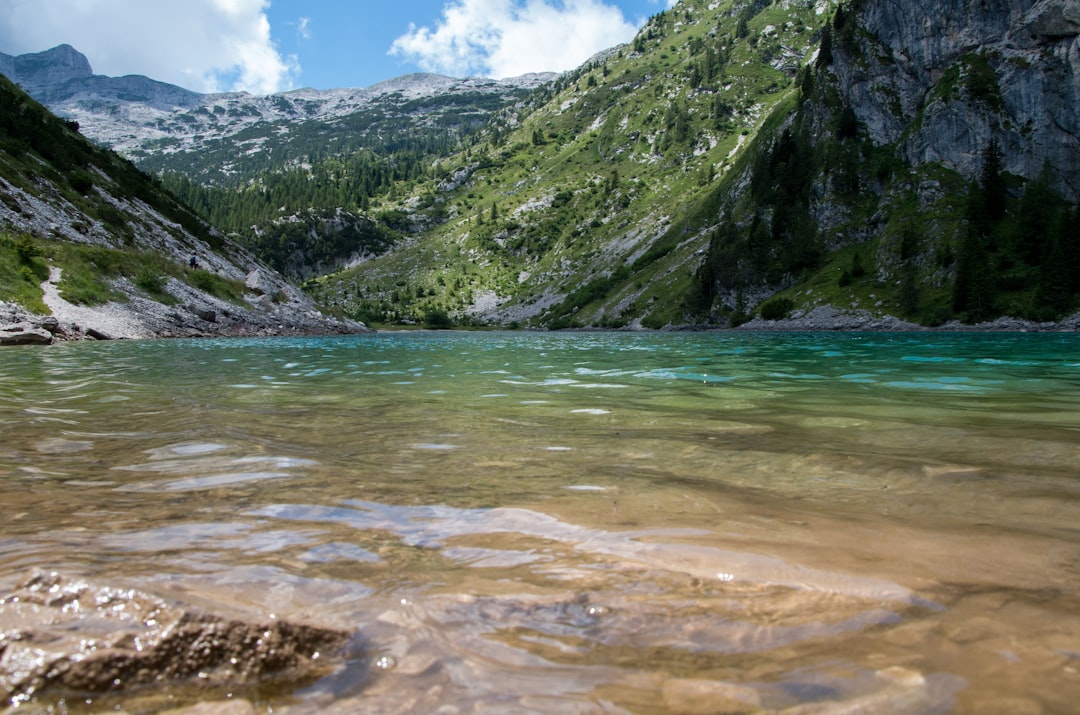
By noon, I was sweating through three shirts, climbing switchbacks that seemed to loop back on themselves, wondering if the Seven Rila Lakes were just a myth invented by tired hikers to sell postcards. But then, around a bend, the first lake appeared — a shard of glass set into the rock, surrounded by pine and silence. And just like that, the confusion dissolved. The trail didn't lead to a destination; it led to a state of mind. And Bulgaria, for all its overlooked charm, had handed me one of the Balkans' most beautiful pilgrimages.
The Monastery That Anchors the Journey
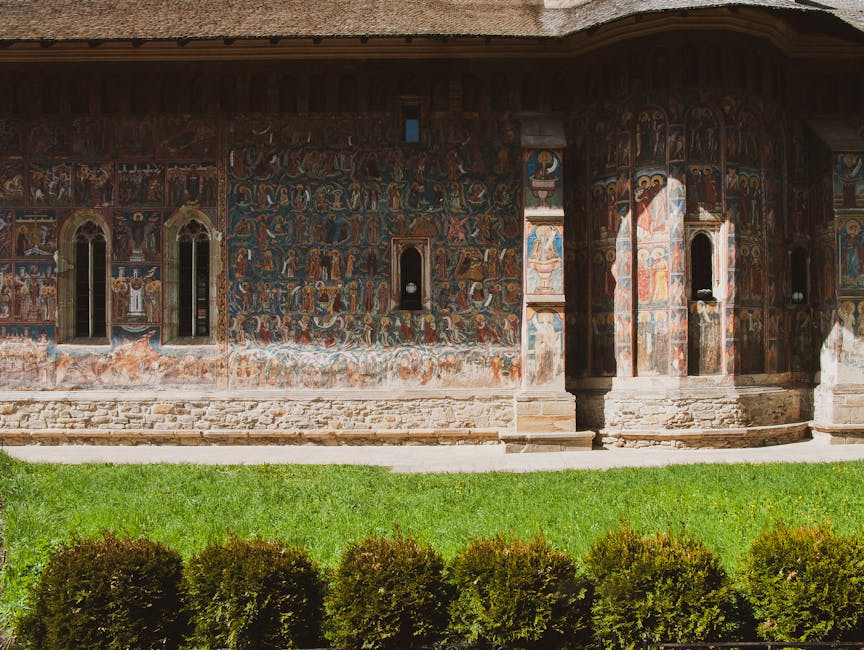
Rila Monastery isn't just a stop on the route; it's the anchor. Founded in the 10th century, rebuilt, destroyed, and rebuilt again, it stands as a testament to Bulgarian resilience. The frescoes inside are vivid, almost garish, telling stories of saints and sinners in colors that refuse to fade. The courtyard is a maze of shops selling icons, honey, and those tiny wooden crosses that somehow feel heavier than they should. Entry is 8 EUR, but the real cost is the patience it takes to move through the crowds without losing your nerve.
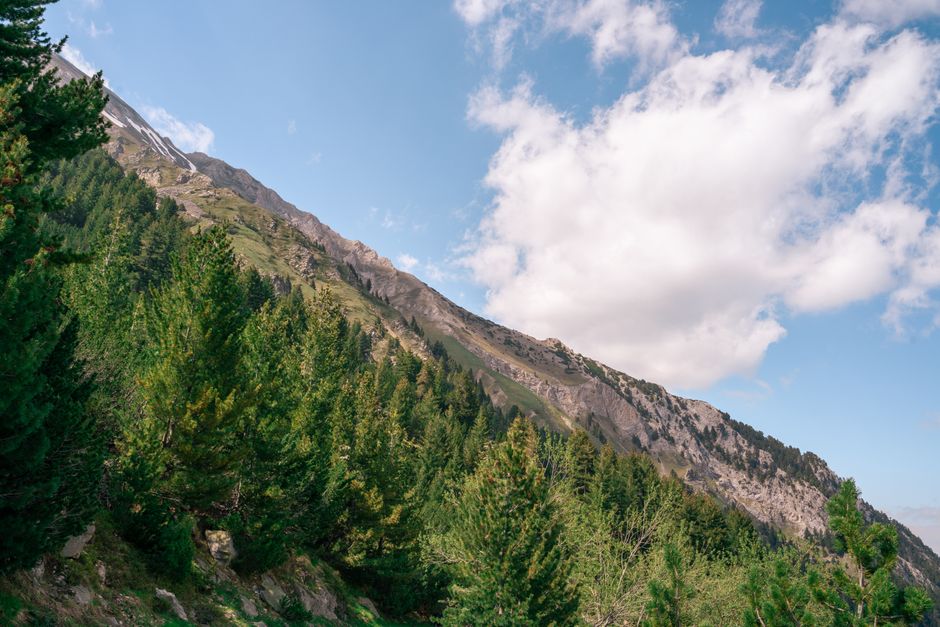
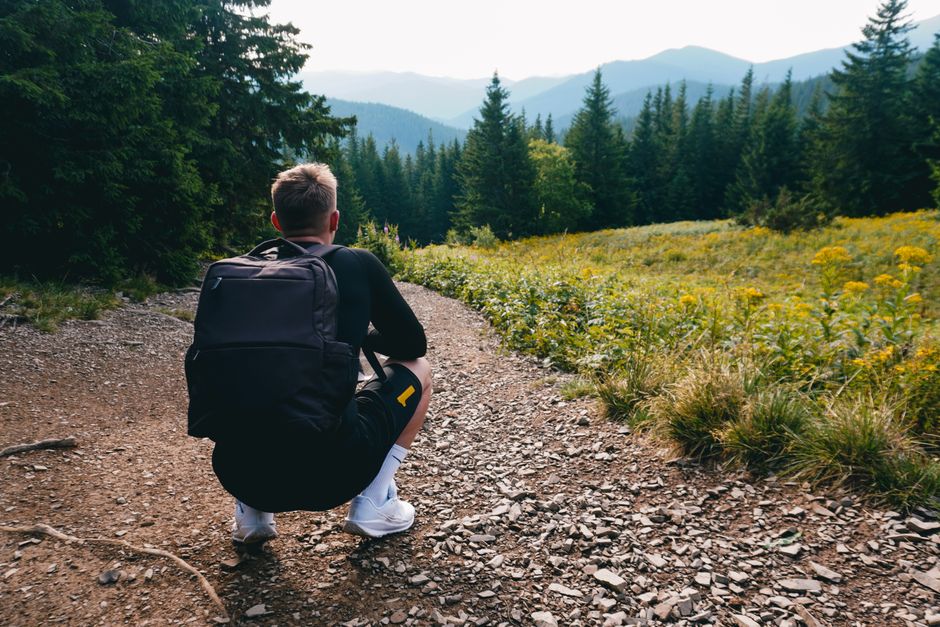
From the monastery, the trail begins in earnest. You can hire a jeep for 30-50 EUR to get you closer to the trailhead, or you can walk the old dirt road that winds up through pine forests and past shepherds who haven't checked a smartphone in years. Either way, you're leaving the world behind. The air gets thinner, the path steeper, and the silence louder. This isn't a hike for the faint of heart, but it's not a death march either. It's a conversation between your legs and the mountain, and if you listen, it tells you everything.
The Lakes: A Chain of Mirrors
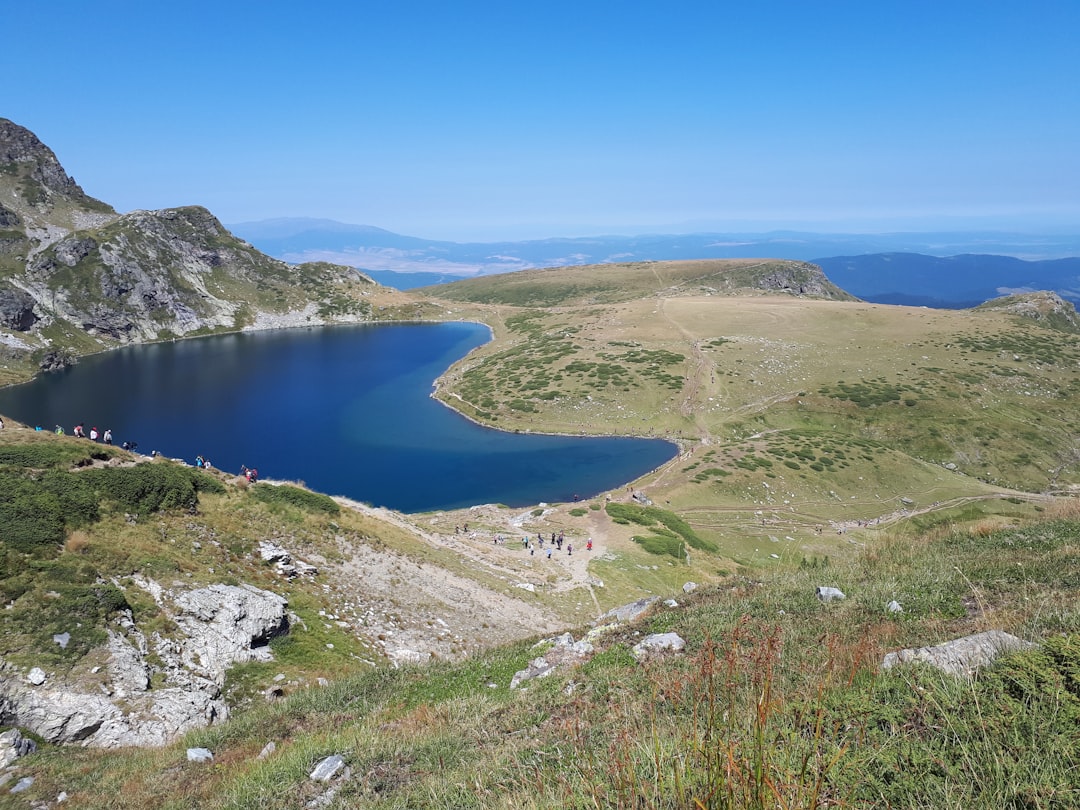
The Seven Rila Lakes — Seven Rila Lakes — are not seven separate destinations. They are one continuous revelation, each lake a variation on a theme of altitude, isolation, and light. The upper lake, Upper Lake, is the most dramatic, perched at over 2,500 meters, its surface often frozen even in summer. The lower lakes are gentler, framed by meadows and the occasional goat that stares at you like you're the odd one out. The trail between them is well-marked, though "well-marked" in the Balkans means "you won't die if you pay attention." The total loop is about 14 kilometers, with an elevation gain of nearly 1,000 meters. It takes a full day, maybe more if you stop to eat, to stare, or to question your life choices.
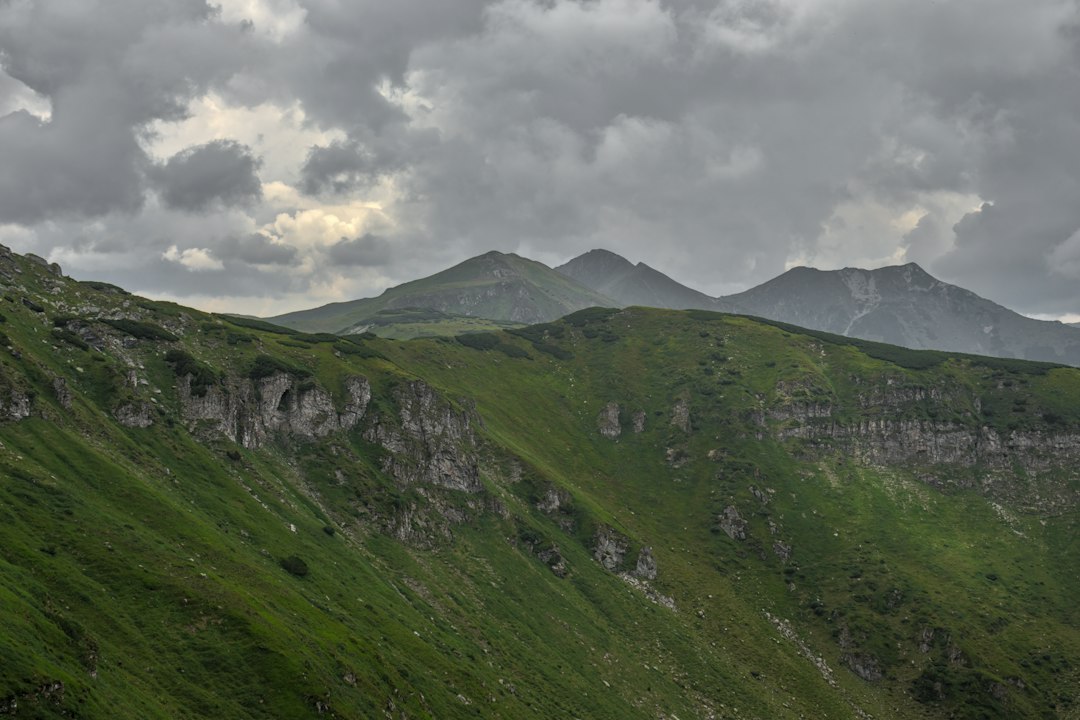
The best time to go is late June to early September. Before that, the snow is still clinging to the higher trails. After that, the refuges close and the weather turns cruel. But if you time it right, you'll find the lakes at their most reflective, the sky at its deepest blue, and yourself at your most unburdened. There are no cell signals, no Wi-Fi, no distractions. Just rock, water, and the occasional eagle circling above like a silent judge.
Routes & Trail Info
The main route to the Seven Rila Lakes starts from Boyana Village, a small settlement at the foot of the mountain. From there, the trail climbs steadily through forest, then opens onto alpine meadows before reaching the first lake. The total distance is about 14 kilometers round-trip, with an elevation gain of 980 meters. It takes 8-10 hours for most hikers, depending on fitness and how many stops you make. The difficulty is Intermediate — not technical, but long and steep enough to test your resolve.
There are two alternative approaches. One starts from Rila Monastery directly, adding a few kilometers but offering a more gradual ascent. The other begins from the Rila Mountain ski resort area in the winter months, though this route is only viable in summer when the snow has melted. Both options converge at the upper lake, from which you can loop back through the other six lakes or descend via a different trail to the village of Kosharitsa, a lesser-known but equally charming endpoint.
If you're short on time, you can hike to the third lake and turn back, but that's like reading half a novel and calling it done. The full loop is the point. The fatigue, the beauty, the silence — it all adds up to something that can't be rushed or shortened. And if you need a place to rest, there's a mountain refuge near the upper lake, where you can sleep in a bunk for 15-25 EUR and eat a meal that tastes like salvation.
Getting There & What to Expect
The nearest major city is Sofia, Bulgaria's capital, which lies about 120 kilometers from the trailhead. You can take a bus from Sofia's central station for 5-10 EUR, a journey that takes roughly two hours. From there, you'll need a taxi or a pre-arranged shuttle to reach the monastery or the village of Boyana, costing another 20-40 EUR depending on how many people are sharing. Driving yourself is an option, but the roads are winding and the parking limited. If you're coming from another Balkan hub like Belgrade or Bucharest, you'll likely fly into Sofia and then continue by road.
Accommodation near the trailhead is sparse but sufficient. Budget hostels in the village of Rila charge 15-25 EUR per night, while mid-range hotels in Sofia run 40-70 EUR. If you're camping, there are designated areas near the lakes, but you'll need to bring everything with you. Meals at the mountain refuge cost 8-12 EUR for a basic plate of potatoes, meat, and salad. It's not gourmet, but it's hot, it's real, and it's exactly what you need after a day on the trail.
Children under 10 are probably too young for the full hike, but older kids can manage the lower lakes with supervision. The trail is not technical, but it is long, and the altitude can be tricky. Bring layers, water, and a sense of humor. The weather changes fast, and the mountain doesn't negotiate.
Search accommodation in Sofia on Booking.com →
The Silence After the Summit
By the time I reached the upper lake, my legs were jelly and my mind was clear. I sat on a rock, ate a sandwich that tasted like ash and heaven, and watched the clouds roll over the peaks like slow tides. A shepherd passed, leading his flock down a narrow path that looked more like a suggestion than a trail. He nodded, I nodded back, and we kept moving in opposite directions, both of us aware that this moment wouldn't last.
That's the thing about the Seven Rila Lakes. They don't just change your body; they change your pace. You can't rush them, and you can't ignore them. They demand your presence, your patience, and your willingness to be small. And when you finally descend, back into the noise and the traffic and the endless scroll of screens, you carry a piece of that silence with you. It doesn't fix anything, but it reminds you that there's a world beyond the feed, beyond the rush, beyond the need to be somewhere else. For a few hours, you were exactly where you needed to be. And that, somehow, is enough.
Comments