


The Gonzo Hook
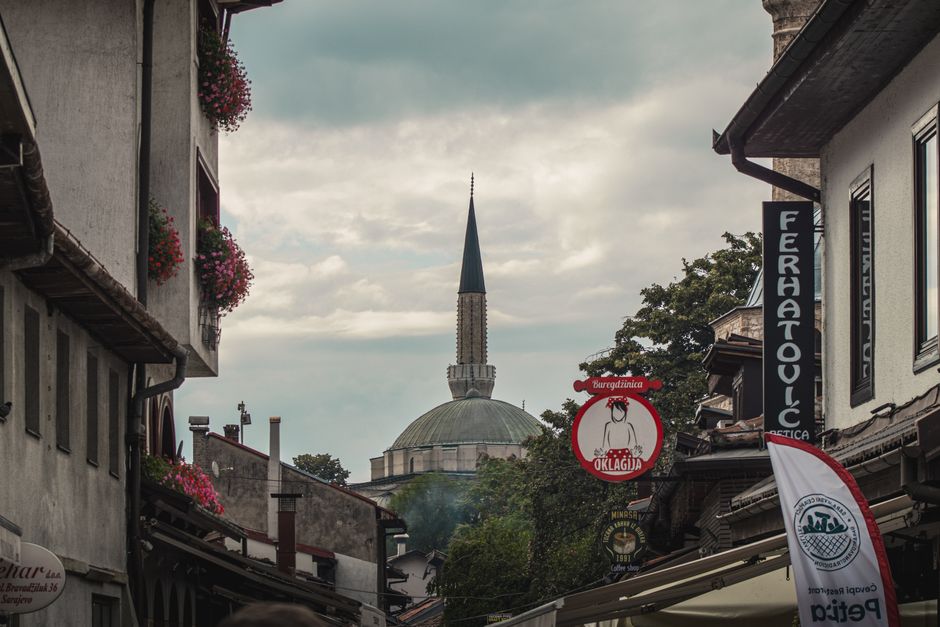
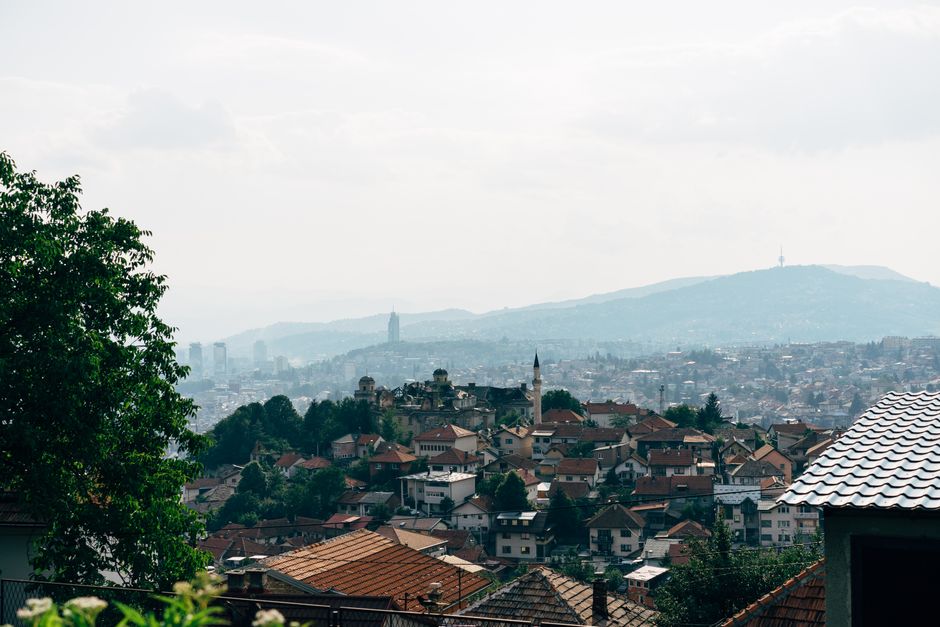
The air in Baščaršija doesn't just smell like history; it smells like burning coal and fried dough. I am standing at the edge of Sarajevo, clutching a lukewarm cup of boza, watching a tram screech past a sixteenth-century mosque. The noise is a physical thing here. It's the clatter of copper pots being hammered, the hiss of grills, and the low, constant murmur of a city that has survived everything by simply refusing to stop cooking. This isn't a museum. It's a living, breathing, slightly chaotic marketplace where the Ottoman Empire didn't just leave; it moved in, unpacked, and decided to stay for coffee. My feet are cold, my coffee is hot, and I am completely, utterly disoriented in the best possible way.
History & Identity
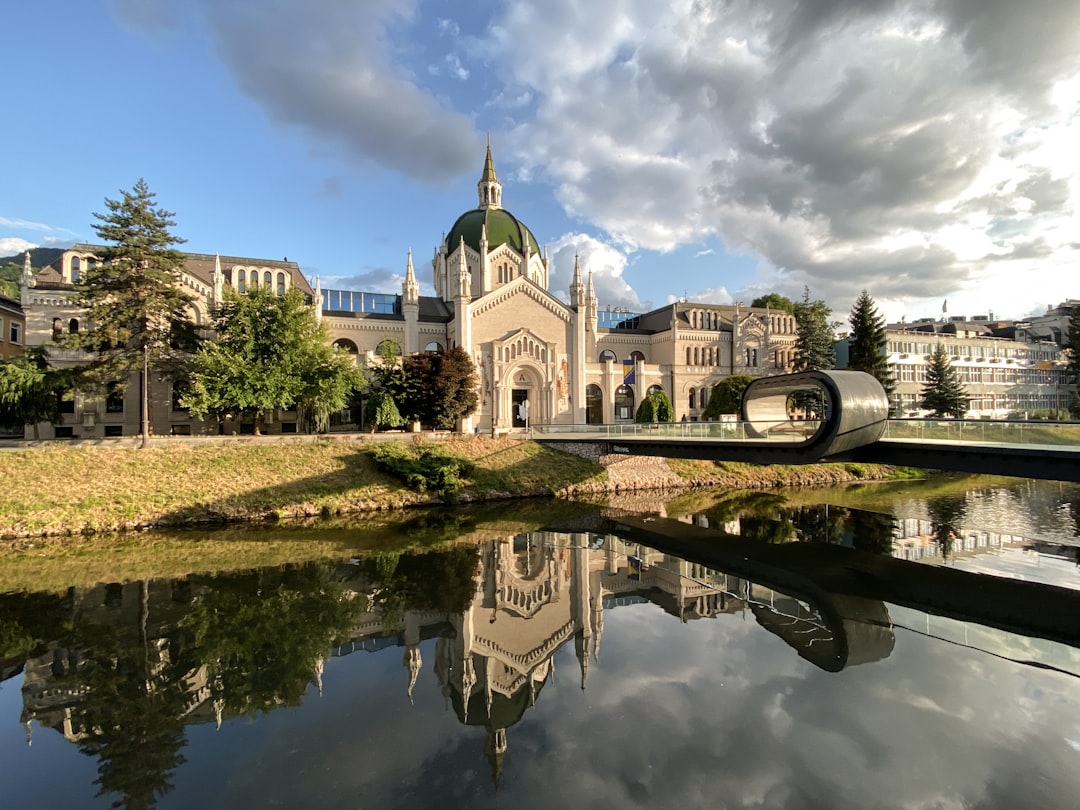
To walk through Baščaršija is to walk through a timeline that refuses to be linear. Sarajevo was founded in 1461 by the Ottomans, who saw this valley as a strategic bridge between Europe and Asia. For centuries, this quarter was the beating heart of the empire's northwestern frontier. The architecture isn't just decorative; it's a statement of power and faith. The wooden houses with their overhanging upper floors, the stone bridges, and the minarets piercing the smog are all deliberate assertions of an Islamic identity in a Christian-dominated continent. But then came the Austro-Hungarian occupation in 1878, and the city split. The Austrians built their grand boulevards and Art Nouveau buildings just a kilometer away, creating a physical and cultural divide that still exists today. Baščaršija remained the soul of the old city, while Ferhadija became the face of the new.
The 1992-1995 siege of Sarajevo tested this identity to its breaking point. Snipers used the rooftops of Baščaršija, and the famous Sarajevo Haggadah, one of the most important Sephardic manuscripts, was hidden in a vault beneath the Sarajevo National Museum to protect it from looters. The city was shelled, burned, and blockaded, yet the bakeries kept working, the copper smiths kept hammering, and the tea houses kept serving. This resilience is the modern identity of Baščaršija. It is not a frozen relic of the Ottoman past; it is a survivor's quarter, where the legacy of the empire is maintained not out of nostalgia, but out of sheer stubbornness.
Where to Go
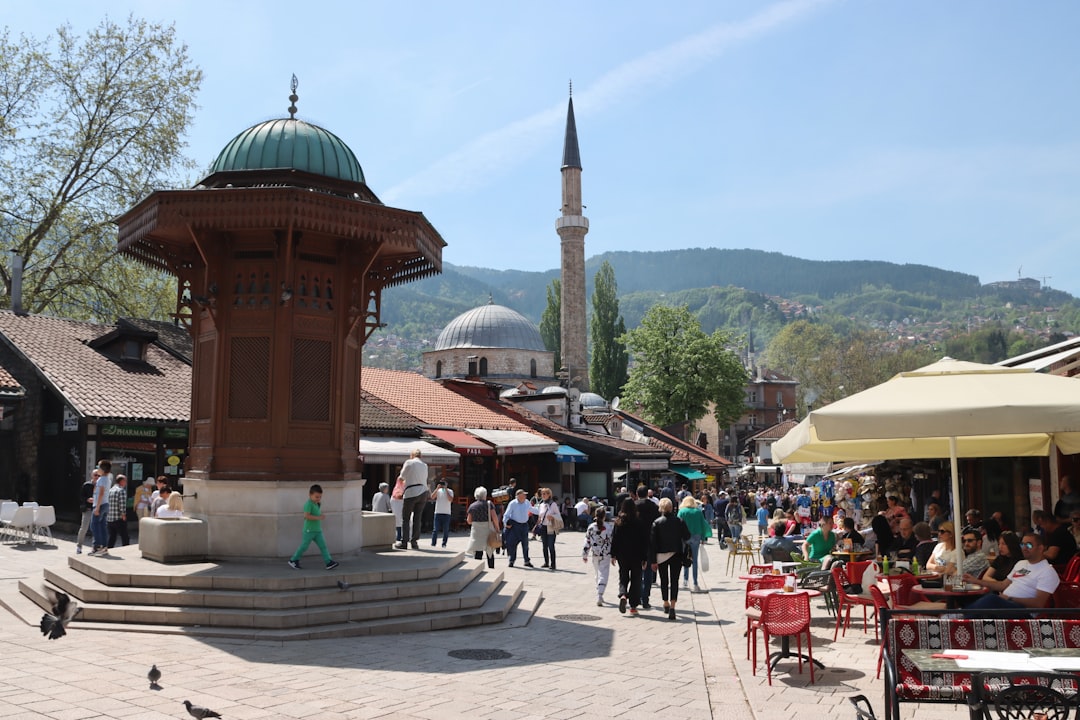
Sebilj Fountain — The central square of Baščaršija is dominated by this octagonal stone fountain, built in 1891 to replace an Ottoman one from 1452. It's the postcard image of the city, complete with the iconic swans that locals believe bring good luck if you toss a coin in. It's a chaotic meeting point, always surrounded by street performers, pigeons, and tourists trying to get the perfect angle. The water flows from the spring of Vrelo Bosne via an underground channel, a testament to Ottoman engineering. Entry is free, and it's best visited in the late afternoon when the light hits the stone just right.
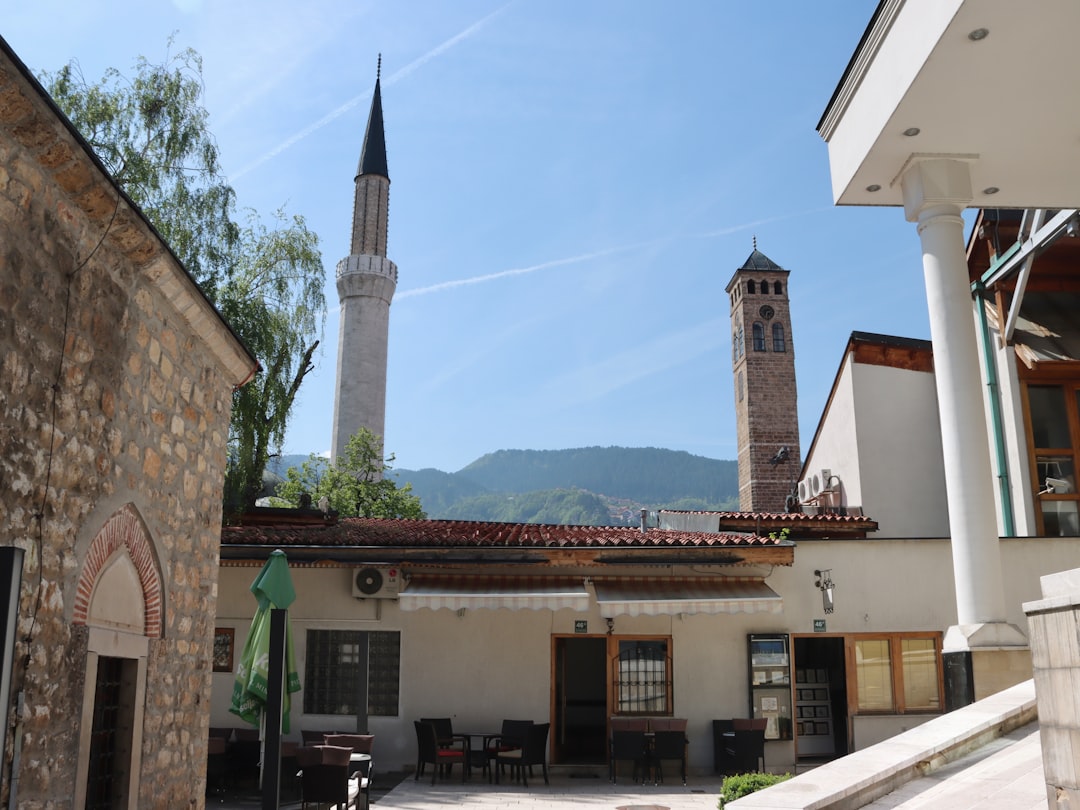
Gazi Husrev-beg Mosque — Built between 1530 and 1531, this is the oldest and most important mosque in Bosnia and Herzegovina. It's not just a place of worship; it's a complex that once included a madrasa, a library, and a soup kitchen. The architecture is a classic example of Ottoman style, with a single dome and a tall, elegant minaret. The courtyard is a sanctuary of quiet in the middle of the market's noise. Visitors must remove their shoes and cover their heads, and photography is generally discouraged inside. It's a place to stand in silence and feel the weight of five centuries.
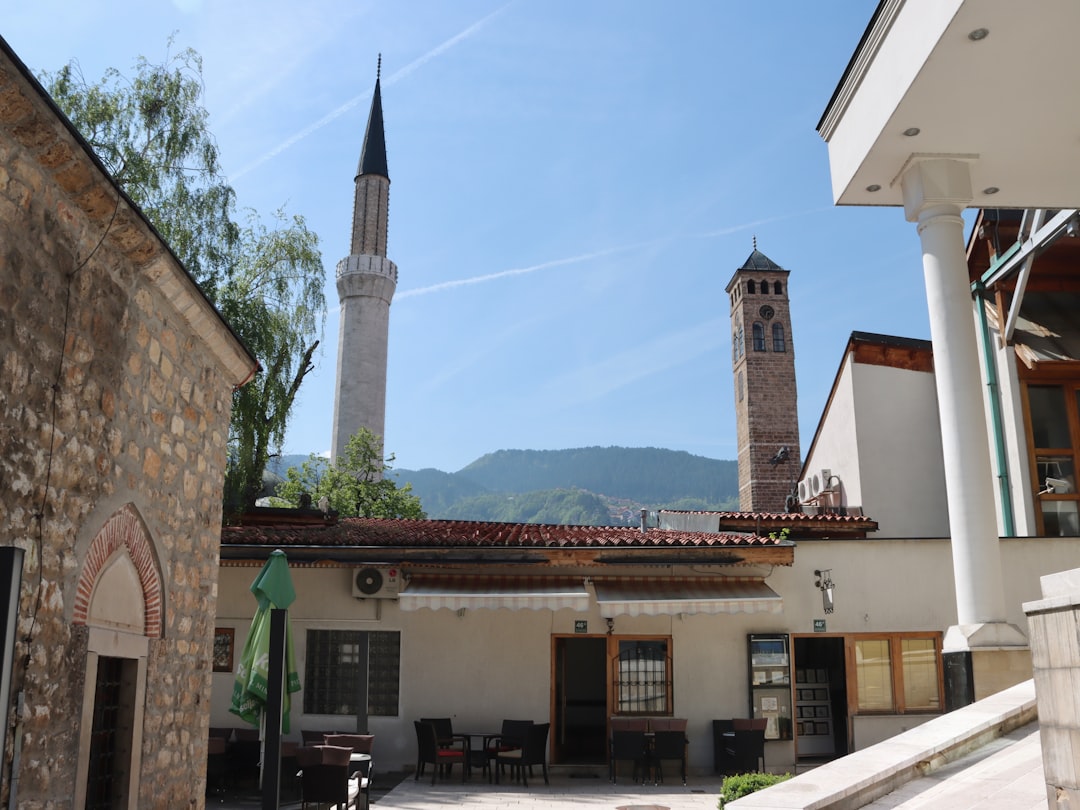
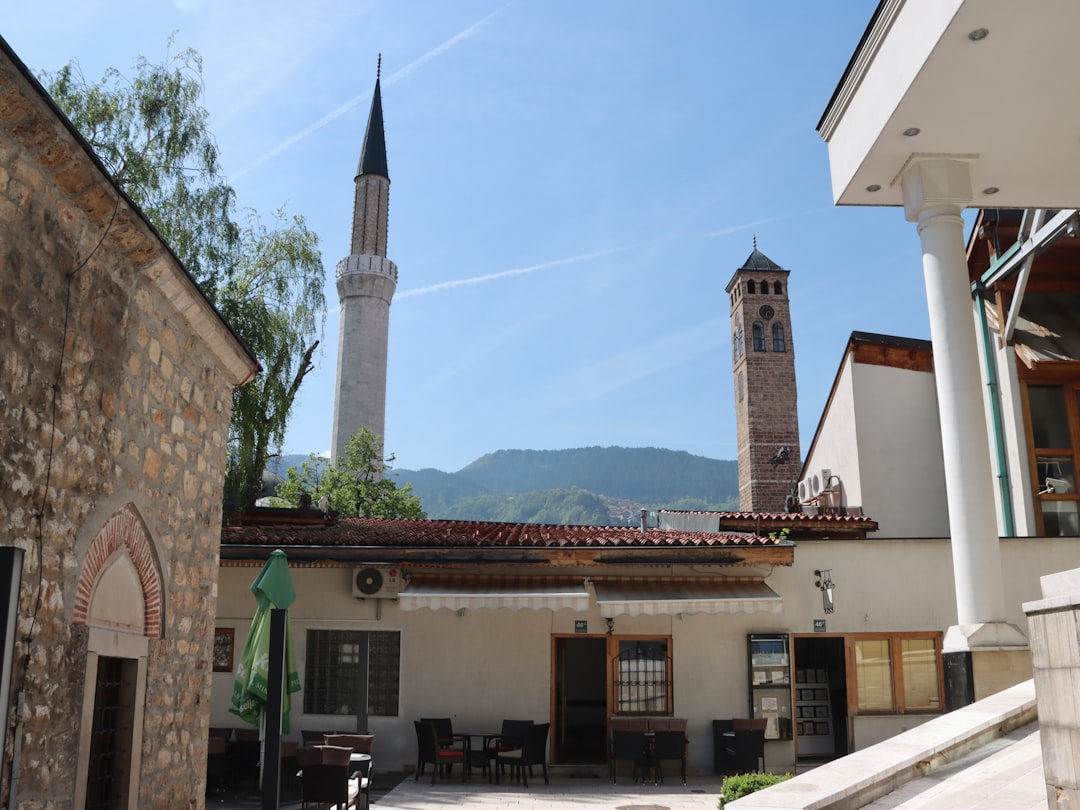
Sarajevo Clock Tower (Sahat Kula) — Rising from the north end of the square, this clock tower was built in 1531, shortly after the mosque. It has been rebuilt several times after fires and earthquakes, but its silhouette remains a defining feature of the skyline. The clock itself is a replica, but the stone structure is original. It's a symbol of the city's endurance, standing tall even when everything around it was in ruins. There's no entry fee, and it's best viewed from the square below, especially at night when it's illuminated.
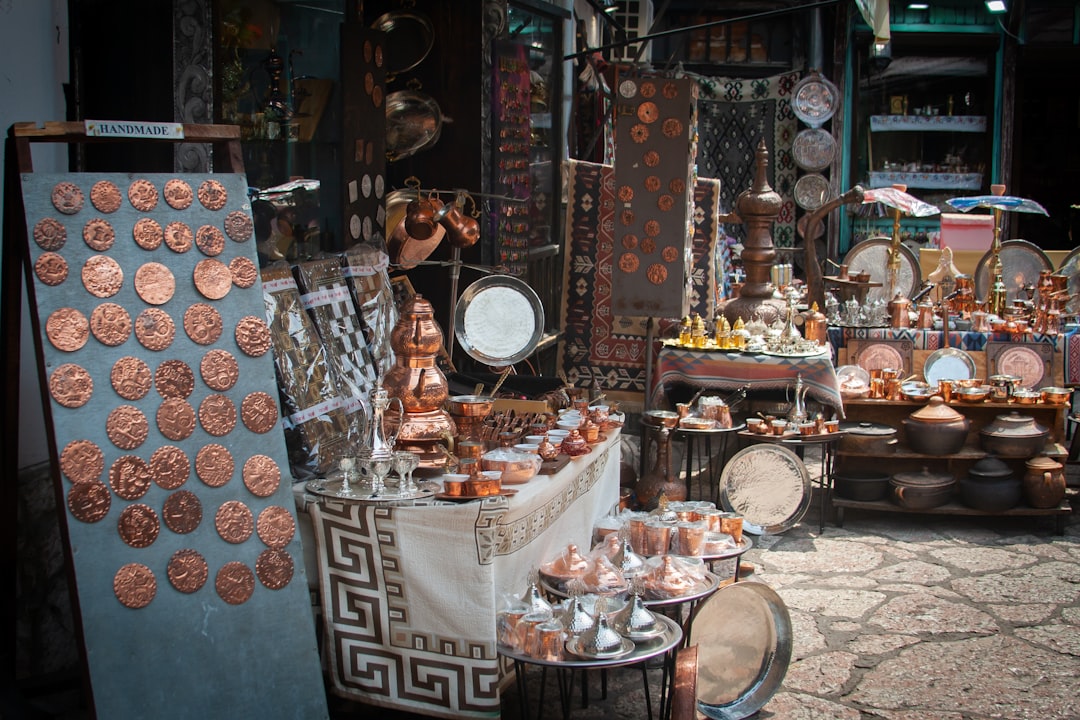
Curta Copper Workshop — Copper smithing is one of the oldest trades in Baščaršija, and Curta is the most famous place to see it. Here, you can watch artisans hammering copper into trays, cups, and decorative items using traditional techniques passed down through generations. The rhythmic clanging is part of the quarter's soundtrack. You can buy souvenirs here, ranging from small keychains to large, hand-hammered platters. It's a tourist spot, but the skill on display is genuine. Expect to pay 10-50 EUR for smaller items and more for large pieces.
Šeherija — This isn't a single building, but a tradition. Šeherija is the ritual slaughter of an animal, usually a sheep or cow, to celebrate the end of Ramadan. The meat is then distributed to the poor and friends. In Baščaršija, you can still see the traces of this tradition in the numerous butcher shops and kebab grills. It's a reminder of the deep religious roots of the quarter. The best time to experience this is during the day, when the smell of grilling meat fills the air. It's raw, visceral, and deeply connected to the community.
What to Eat & Drink
Burek — This is the staple of Sarajevo. A flaky pastry filled with minced meat, cheese, spinach, or pumpkin. It's cheap, filling, and everywhere. The best burek is found in small, no-frills bakeries like Buregdžinica. A slice costs 2-4 EUR, and it's best eaten fresh, still warm from the oven. It's not fancy, but it's delicious.
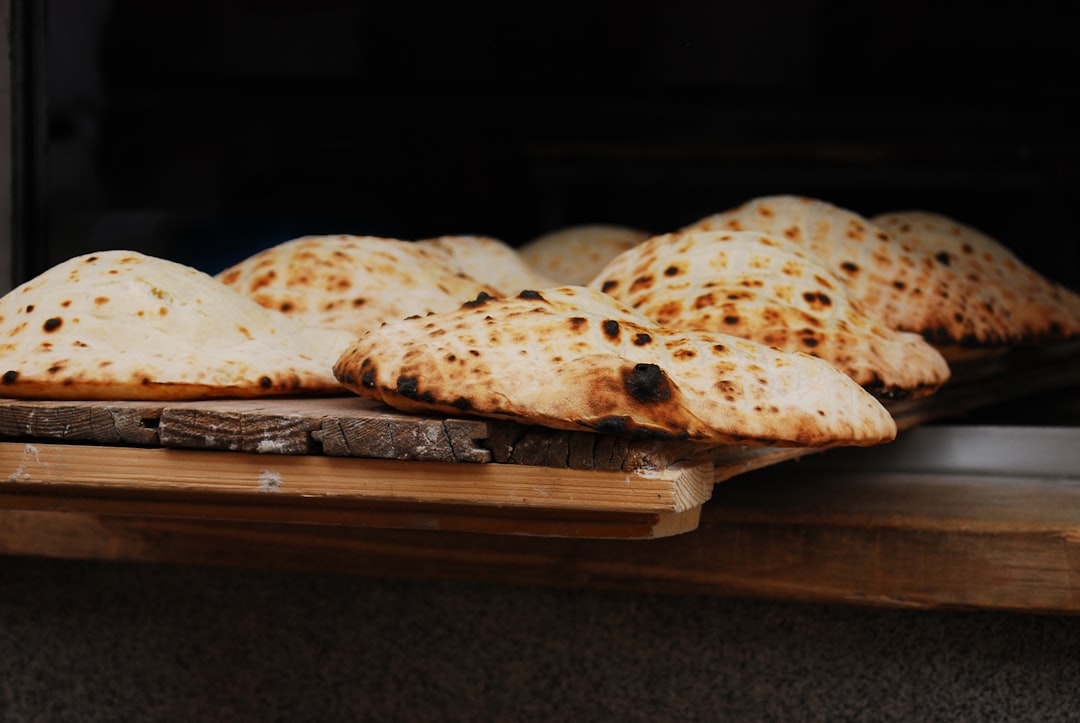
Ćevapi — Small, grilled minced meat sausages, served with flatbread (lepinja) and raw onions. They are the national dish of Bosnia and Herzegovina and are essential to any visit. The best ćevapi are found in grills along Šehova Street. A plate of 10-15 ćevapi costs 5-8 EUR. They are smoky, juicy, and incredibly satisfying.
Baklava — Layers of phyllo dough, filled with walnuts and soaked in syrup. It's sweet, sticky, and best served with coffee. Šerifova Kolačnica is the most famous place for baklava, and the line can be long. A piece costs 2-3 EUR. It's a perfect treat after a heavy meal.
Boza — A traditional fermented drink made from wheat and corn. It's thick, sweet, and slightly alcoholic. It's sold from street carts and small shops, especially in the winter. A cup costs 1-2 EUR. It's a unique taste that you won't find anywhere else.
Rakija — A strong fruit brandy, often made from plums or grapes. It's a traditional digestif and is served in small glasses. It's strong, so drink it slowly. A glass costs 2-4 EUR. It's a perfect way to end a meal.
Nightlife
Baščaršija isn't known for its clubs, but it has a vibrant evening atmosphere. The bars along Šehova Street and around the Sebilj Fountain fill up with locals and tourists alike. Šarena Kafana is a popular spot for traditional music and drinks. It's a colorful, lively place where you can hear sevdah, the traditional folk music of Bosnia. The cover charge is usually 5-10 EUR, depending on the day and the music. It's not a place for dancing, but for listening and drinking.
For something more modern, head to Bar Bar, a stylish bar with a rooftop terrace offering views of the old town. It's a bit more expensive, with drinks costing 5-8 EUR, but the atmosphere is relaxed and the views are great. It's a good place to watch the sun set over the minarets and domes of Baščaršija.
Getting There & What to Expect
Sarajevo International Airport is about 10 kilometers from the city center. You can take a taxi to Baščaršija for 10-15 EUR, or a bus for 2-3 EUR. The bus ride takes about 30-40 minutes. From other Balkan hubs, you can fly into Belgrade or Zagreb and take a bus or train, which takes 6-8 hours and costs 20-40 EUR.
Accommodation in Baščaršija ranges from budget hostels to luxury hotels. A bed in a hostel costs 15-25 EUR per night, while a mid-range hotel room costs 50-100 EUR per night. The best time to visit is in the spring (April-May) or autumn (September-October), when the weather is mild and the crowds are smaller.
Search accommodation in Sarajevo on Booking.com →
The Final Take
As the night deepens, the coal smoke thins, but the noise doesn't stop. I am sitting on a bench near the Sebilj Fountain, watching a group of young men play backgammon, their moves sharp and competitive. The Ottoman legacy here isn't just in the stone and the domes; it's in the rhythm of the game, the smell of the coffee, the stubborn refusal to be erased. Baščaršija is a place where history isn't a subject to be studied; it's a texture to be felt. It's gritty, it's loud, and it's absolutely unforgettable. If you come looking for a postcard, you'll be disappointed. But if you come looking for the soul of the Balkans, you'll find it right here, in the clatter of copper and the steam of a fresh burek.
Comments