


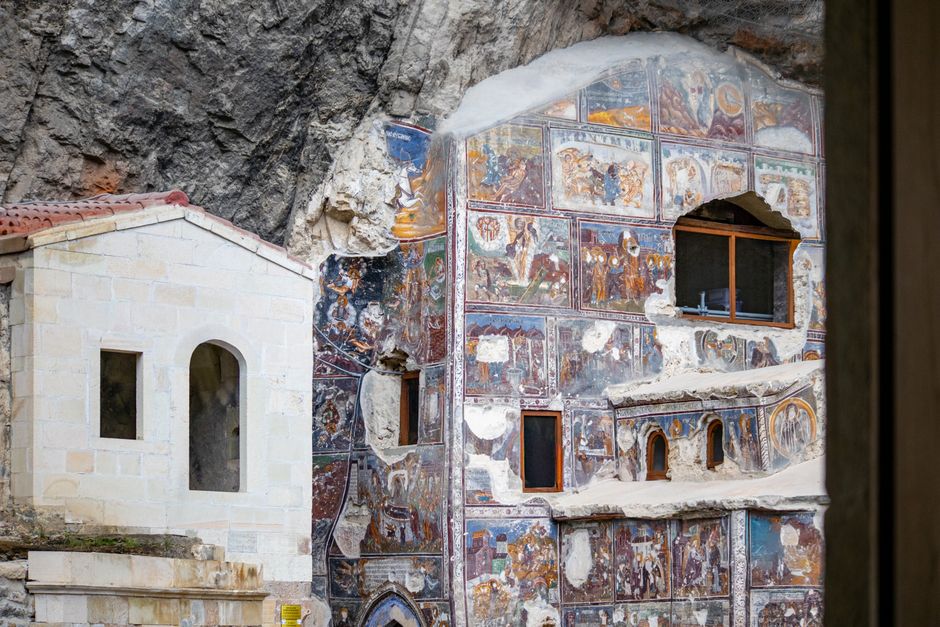
The rain in western Serbia doesn't ask permission. It just falls, heavy and relentless, turning the dirt paths around Studenica Monastery into a slurry of mud that sucks at your boots like a hungry mouth. I'm standing under the awning of the refectory, watching a conservator in a white coat argue with a scaffolding crew. He's pointing at a patch of flaking plaster on the exterior wall, his voice sharp against the drumming rain. "It's not just paint," he shouts over the storm. "It's the soul of the Middle Ages, and it's sliding off the wall." The air smells of wet stone, old incense, and the metallic tang of urgency. This isn't a postcard stop for tired bus tourists; it's a crime scene where the culprit is time, moisture, and neglect, and the victim is one of the most important artistic treasures in the entire Balkans.
I've spent the last three days wandering the grounds of this 12th-century complex, trying to understand why a site of such monumental importance feels like it's being left to the elements. The frescoes inside are breathtaking — truly, historically significant works by the master Theophanes the Greek's school — but outside, the battle is losing ground. The restoration crisis here isn't a headline in Belgrade; it's a quiet, grinding emergency. I'm here to document the struggle, the budget shortfalls, and the desperate hope that hangs in the damp air of this medieval sanctuary.
The Weight of History
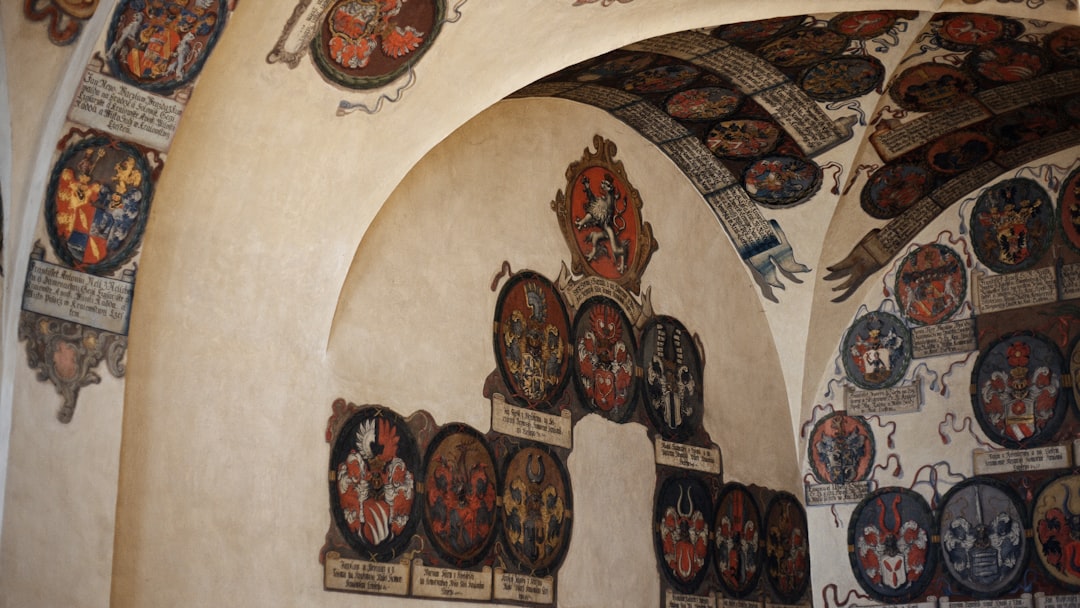
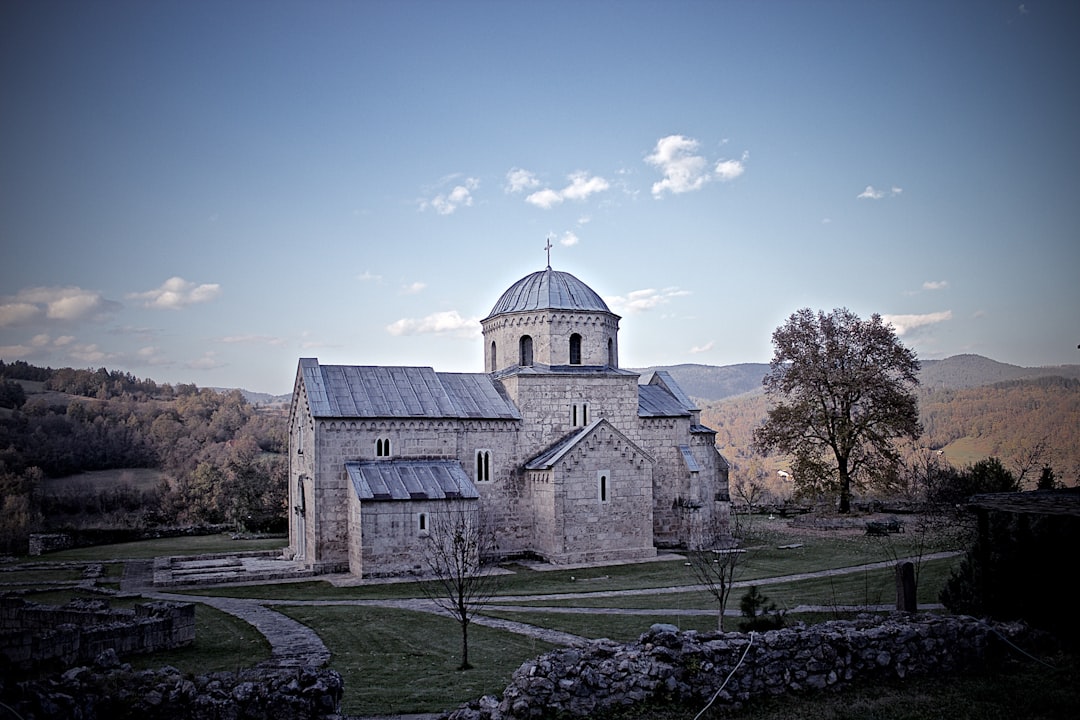
To understand the panic, you have to understand what's at stake. Studenica Monastery isn't just an old church; it's the founding monastery of the Nemanjić dynasty, the royal family that shaped medieval Serbia. Built by Stefan Nemanja around 1190, it served as a spiritual and political center for centuries. The architecture is a brutalist masterpiece of the Raška school, characterized by massive stone blocks and intricate marble carvings that speak of immense power and piety. But the real treasure is inside. The frescoes, painted between 1208 and 1235, are considered among the finest examples of Byzantine art in the region. They depict biblical scenes with a psychological depth and realism that was revolutionary for the time.
The problem is that these walls have been breathing for eight hundred years. The porous stone absorbs water, the freeze-thaw cycles of Serbian winters expand the cracks, and the salt crystallization from within the walls pushes the plaster outward. It's a slow-motion disaster. The monastery has undergone several restoration attempts over the decades, but the pace of deterioration has outstripped the pace of repair. The current crisis is exacerbated by a lack of consistent funding, bureaucratic delays, and the sheer technical difficulty of working on such fragile, ancient surfaces. Every year, more flakes fall. Every year, the image becomes less distinct. It's a race against entropy, and the clock is ticking loudly.
Where to Look: The Art and the Damage
The Cathedral of the Virgin Mary — This is the main church, the heart of the complex. The interior is covered in frescoes that are remarkably well-preserved compared to the exterior. The central dome features a stunning depiction of Christ Pantocrator, while the nave is filled with scenes from the life of Christ and the Virgin Mary. The colors are still vibrant, though you can see the hairline fractures in the plaster if you look closely. Entry is free for visitors, but donations are encouraged to support the maintenance. Visit early in the morning to avoid the crowds and get a sense of the solemnity of the space.
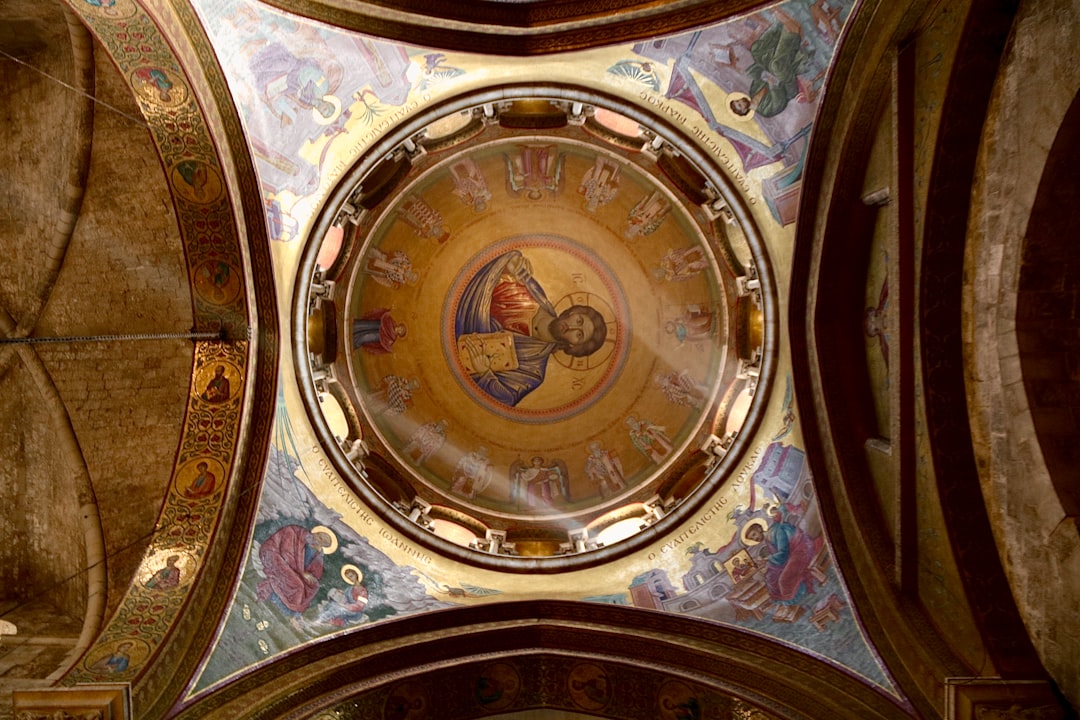
The Refectory Church — Built later, in the 13th century, this smaller church is attached to the main dining hall. Its frescoes are slightly less famous but equally important, depicting scenes from the lives of the saints. The damage here is more visible, with large patches of missing plaster exposing the rough stone underneath. It's a stark reminder of what's at stake. The atmosphere here is quieter, more intimate, and the sense of decay is palpable. It's a haunting place to stand and reflect on the fragility of art.
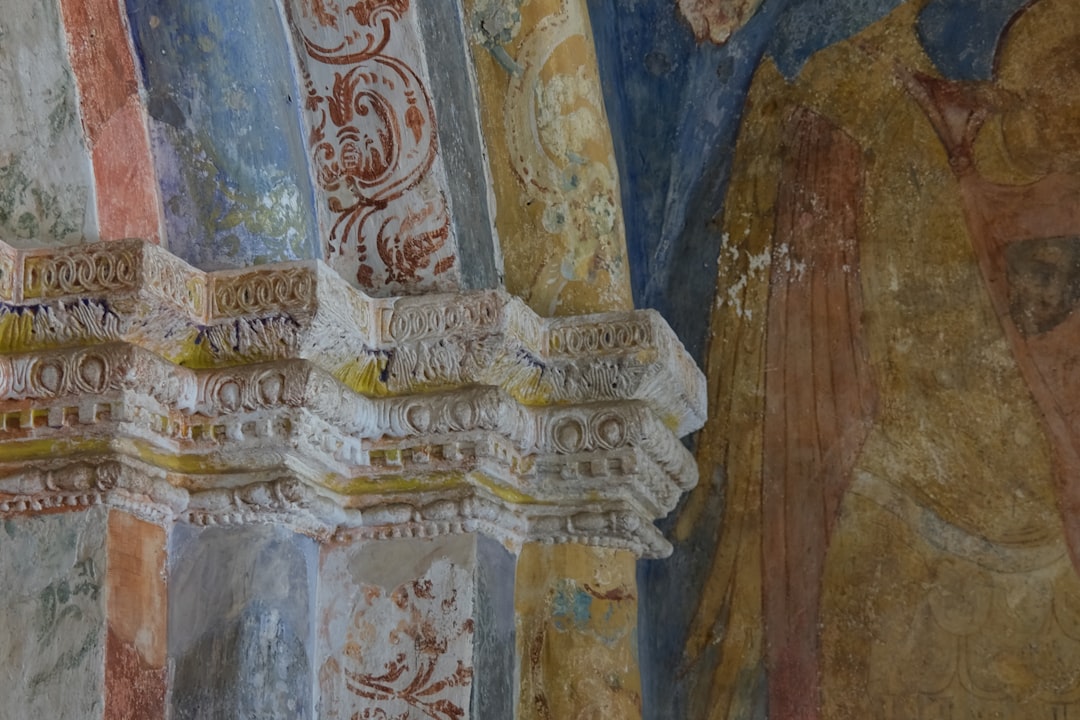
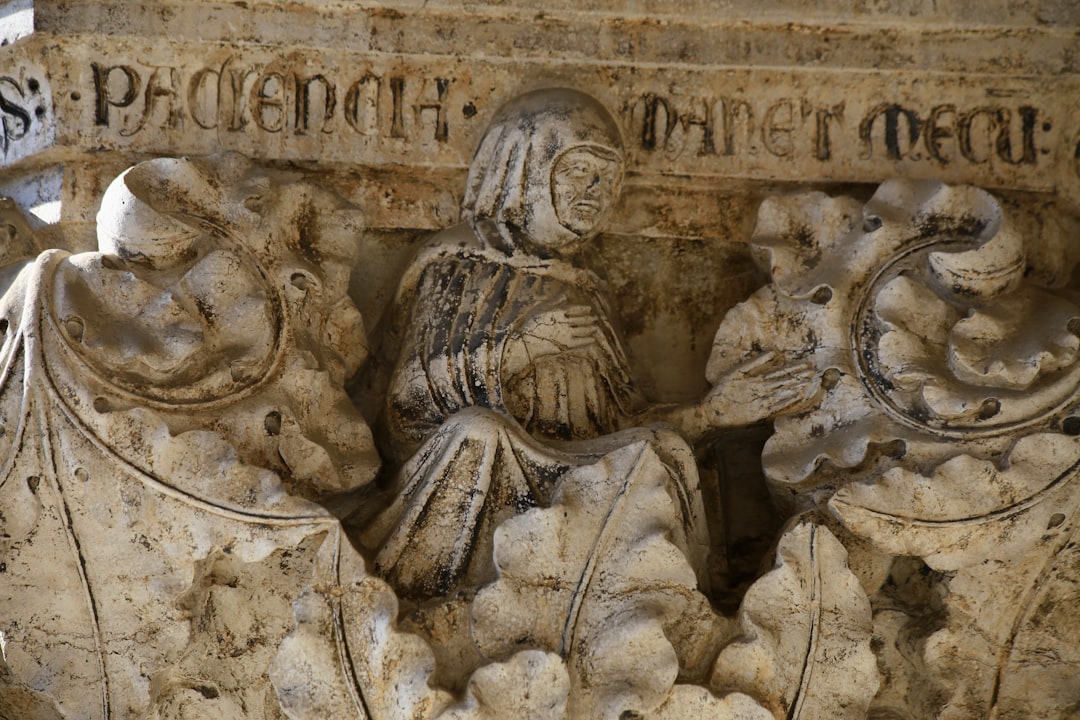
The Cloisters and Marble Gallery — The exterior of the monastery features a series of cloisters with intricate marble carvings. These carvings, depicting floral motifs and geometric patterns, are masterpieces of medieval stonework. However, they are also suffering from weathering and pollution. The rain I arrived with is washing away centuries of grime, but it's also accelerating the erosion of the delicate details. Walk around the perimeter and look up; you'll see the scaffolding where conservators are attempting to stabilize the walls. It's a visual testament to the ongoing struggle.
The Museum of Medieval Art — Located within the monastery complex, this small museum houses icons, manuscripts, and other artifacts recovered from the site. It provides essential context for the frescoes, showing the evolution of style and technique. The entry fee is minimal, but the value is immense. The staff are knowledgeable and passionate, often able to share insights into the restoration process. It's a must-visit for anyone interested in the deeper history of the site.
What to Eat & Drink in Studenica
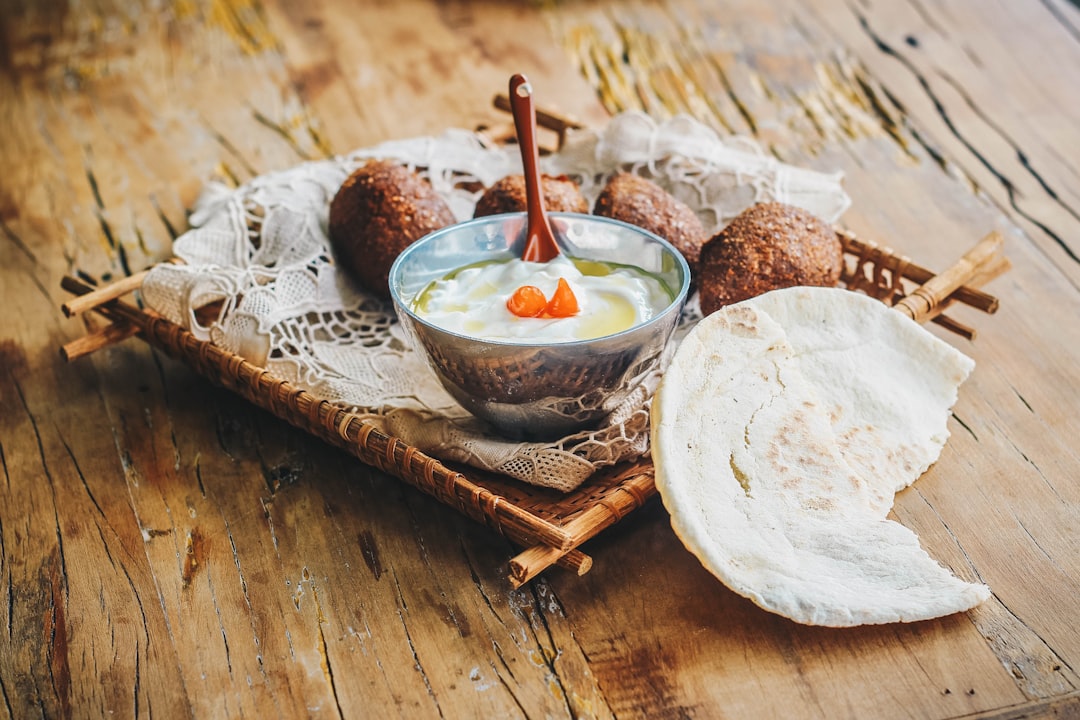
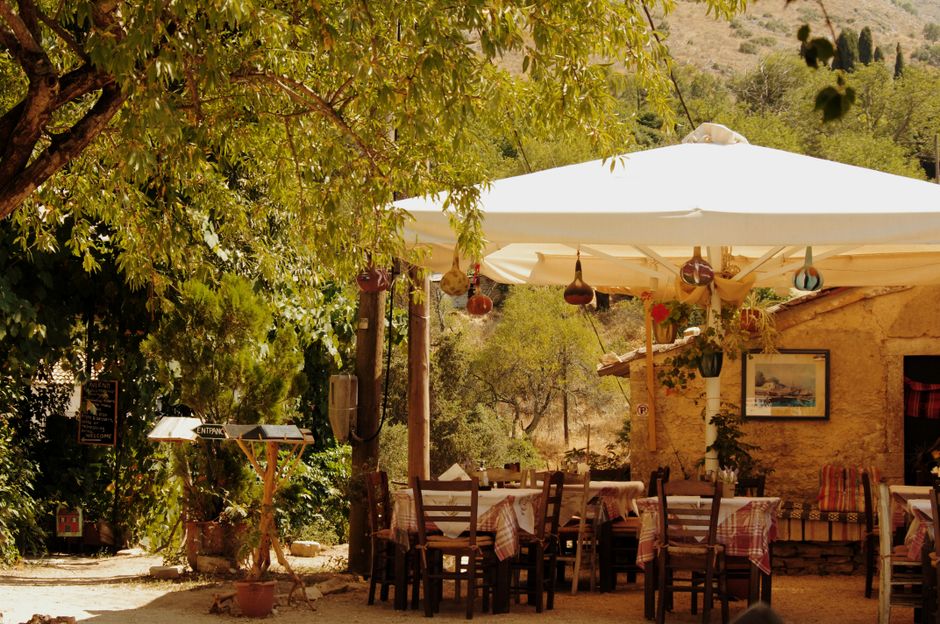
Studenica is a small town, so don't expect a vibrant food scene with dozens of options. The focus here is on traditional Serbian cuisine, served in simple, no-frills establishments. You'll find plenty of hearty dishes designed to fuel you for a day of exploring the countryside. The Studenica Monastery itself offers a small shop selling homemade jams, honey, and religious items, which make for excellent souvenirs. For a proper meal, head to the few local restaurants in town.
- Ćevapi — Small grilled meat sausages, usually served with onions and somun bread. A staple of Serbian cuisine. Price: 3-5 EUR per portion.
- Sarma — Cabbage rolls stuffed with minced meat and rice, slow-cooked in a rich sauce. A comforting, traditional dish. Price: 4-6 EUR per serving.
- Šopska Salata — A fresh salad of tomatoes, cucumbers, onions, and peppers, topped with grated white cheese. A perfect accompaniment to heavier dishes. Price: 2-3 EUR per plate.
- Local Beer — Serbian beers like Jelen or Lav are widely available and reasonably priced. A pint in a local bar will set you back about 1.5-2.5 EUR.
For a sit-down meal at a local restaurant, expect to pay between 10-15 EUR per person for a main course and a drink. Street food options are limited, but you can find bakeries selling gibanica (cheese pie) or burek for under 2 EUR, which is a great way to grab a quick bite on the go. There's also a small market in town where you can buy fresh produce and local specialties, ideal for picnics in the monastery grounds.
Nightlife in Studenica
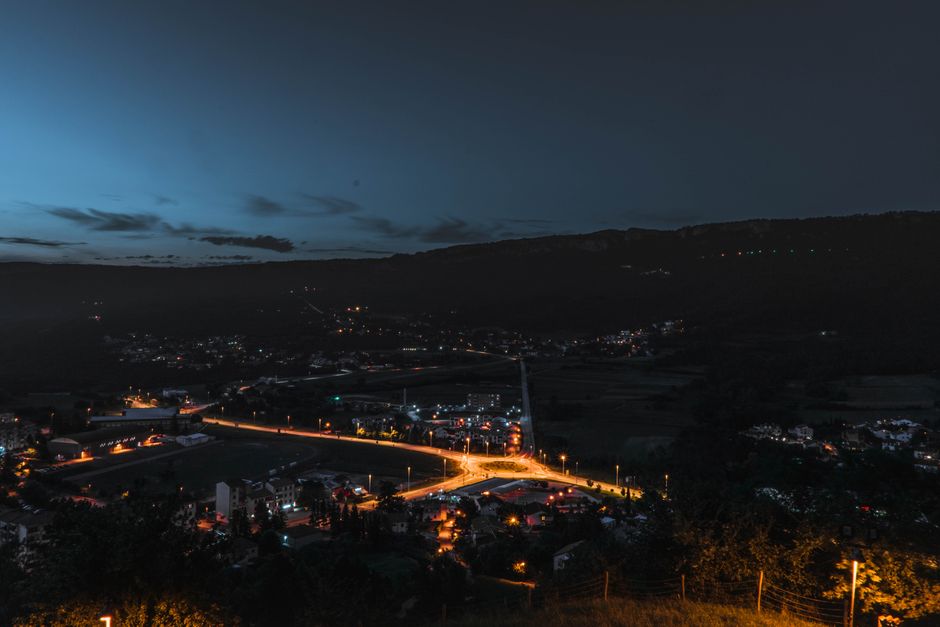
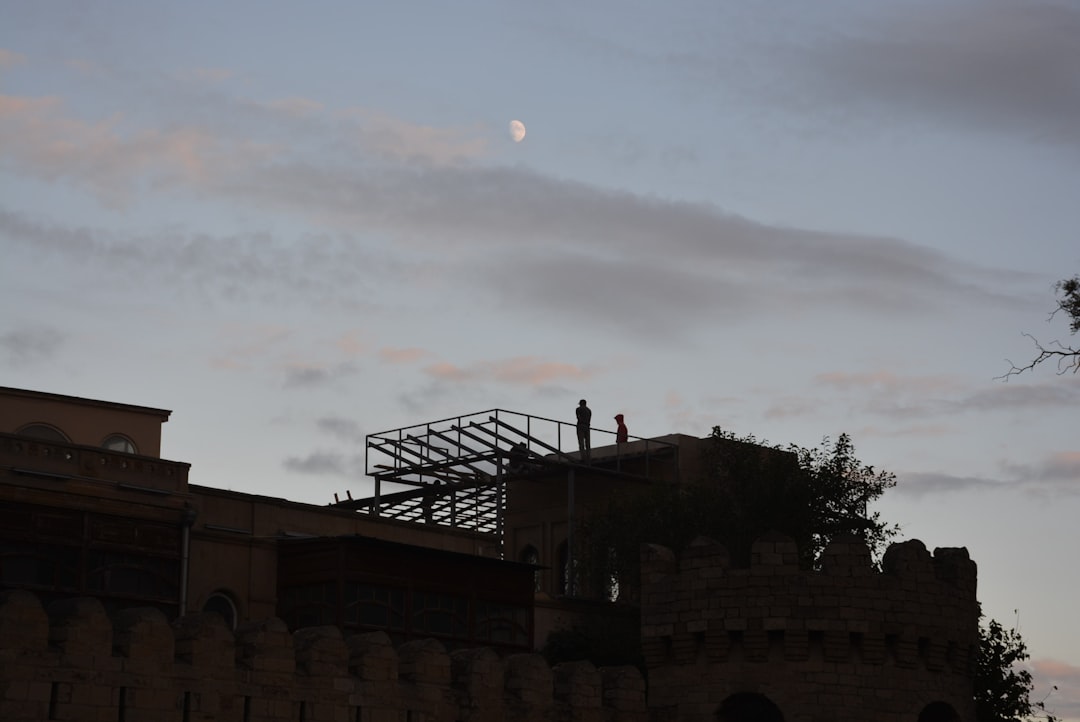
Let's be clear: Studenica is not a nightlife destination. It's a quiet town, and once the sun sets, the streets go dark. The few bars that exist cater mostly to locals and are closed early. If you're looking for a vibrant club scene or late-night entertainment, you'll need to head to a larger city like Ras or Novi Pazar, which are about an hour's drive away. In Studenica, the evening is for quiet reflection, perhaps a glass of wine in your hotel room, or a stroll through the monastery grounds under the moonlight. The atmosphere is serene, almost meditative, which is fitting for a place of such spiritual significance.
Getting There & What to Expect
Reaching Studenica Monastery is relatively easy, but it does require some planning. The nearest major city is Novi Pazar, which is about 25 km away. From Novi Pazar, you can take a bus or a taxi to Studenica. The bus ride takes about 30 minutes and costs around 1-2 EUR. A taxi will be more expensive, around 10-15 EUR, but it offers more flexibility. If you're coming from Belgrade, the drive is about 200 km and takes roughly 2.5 hours via the E75 highway. There are also direct buses from Belgrade to Studenica, but they are less frequent and take longer, around 4 hours.
Accommodation in Studenica is limited, with a few guesthouses and a small hotel available. Budget options like hostels or private rooms cost between 15-25 EUR per night, while mid-range hotels range from 30-50 EUR per night. It's advisable to book in advance, especially during the peak tourist season from May to September. The best time to visit is in the spring or autumn, when the weather is mild and the crowds are thinner. Summer can be hot and crowded, while winter brings snow and cold, which can make access difficult and exacerbate the damage to the frescoes.
Search accommodation in Novi Pazar on Booking.com →
When you visit, expect a sense of reverence and quiet. The monastery is an active religious site, so dress modestly — shoulders and knees should be covered. Photography is allowed in most areas, but flash is prohibited to protect the frescoes. Be respectful of the conservators and their work; they are often on-site, and their presence is a reminder of the ongoing crisis. Don't touch the walls or lean against them. Every flake of plaster is a piece of history lost. Take your time, look closely, and appreciate the beauty that remains. It's a fragile beauty, but it's worth protecting.
The Unfinished Canvas
As I leave Studenica, the rain has stopped, but the sky is still heavy with gray clouds. The scaffolding stands like a metallic skeleton against the dark stone, a stark contrast to the organic decay it's trying to halt. I think about the conservator's words, about the "soul of the Middle Ages" sliding off the wall. It's a powerful image, one that stays with me long after I've driven away. This isn't just about preserving art; it's about preserving memory, identity, and a connection to the past. The frescoes at Studenica are a testament to the creativity and faith of people who lived centuries ago, and their loss would be a loss for all of us. The crisis here is a warning, a reminder that heritage is fragile and requires constant care. We can't let it slip away. Not here, not now. The walls are waiting, and they need us to listen.
Comments