


My boots are caked in red dust that hasn't moved since the Bronze Age. I'm standing on a ridge outside Gjirokastër, the wind whipping through my jacket, staring at a stone wall that refuses to crumble. A local shepherd, chewing on a cigarette that smells like burning sage, watches me trace the rough-hewn blocks with my fingers. He doesn't care about the Illyrian Kingdom. He cares about his goats. But that indifference is the point. This isn't a museum diorama behind glass. This is living history, layered under Ottoman stone, communist concrete, and modern tourism, still pulsing in the blood of the people who call this place home. The Illyrians didn't just vanish; they dissolved into the landscape, leaving behind a stubborn, fierce identity that defines Albania today.
Most tourists come for the beaches of Albania or the mountains of Kukes. They miss the deeper current. The Illyrian legacy isn't just about coins in a glass case. It's in the architecture, the language, the unyielding spirit of a people who have resisted empires for millennia. I'm here to dig past the postcards and find the bones of the Illyrian Kingdom. What follows is a journey through the ruins, the myths, and the very real, very present echoes of an ancient civilization that shaped the Balkans.
History & Identity
The Illyrian Kingdom wasn't a monolithic empire like Rome. It was a loose confederation of tribes, fiercely independent, constantly clashing with Macedonians and Greeks, and eventually falling to the Romans in the 2nd century BC. But their influence was profound. They controlled the Adriatic coast, dominating trade and piracy, and their language, though lost, likely influenced the modern Albanian tongue. The kingdom's peak came under King Scerdilaidas and later Genius, who expanded their territory and minted their own coins, symbols of sovereignty in a fragmented region.
Today, that legacy is contested and celebrated in equal measure. Albanian nationalism has long looked back to the Illyrians as ancestors, a source of pride and continuity in a region marked by shifting borders and foreign rule. This isn't just academic; it's visceral. The Albanians see themselves as the last bastion of Illyrian culture, a narrative reinforced by schoolbooks, monuments, and a collective memory of resistance. But the reality is more complex. The Illyrians were diverse, their culture blending with Greek, Roman, and later Slavic influences. Yet, in places like Gjirokastër and Butrint, the Illyrian footprint remains unmistakable, a testament to a civilization that thrived on the edge of the Mediterranean world.
The Illyrian Kingdom's fall to Rome was not an erasure but a transformation. Roman roads, built on Illyrian paths, still crisscross the country. Roman coins circulated alongside Illyrian ones. But the spirit of independence persisted, erupting in revolts and rebellions that defined the region's character. This history is not dead; it's alive in the Albanian emphasis on besa (faith/honor), a code of conduct that echoes the tribal loyalty of ancient times. To understand modern Albania, you must understand the Illyrians, not as distant ghosts, but as the bedrock of national identity.
Where to Go
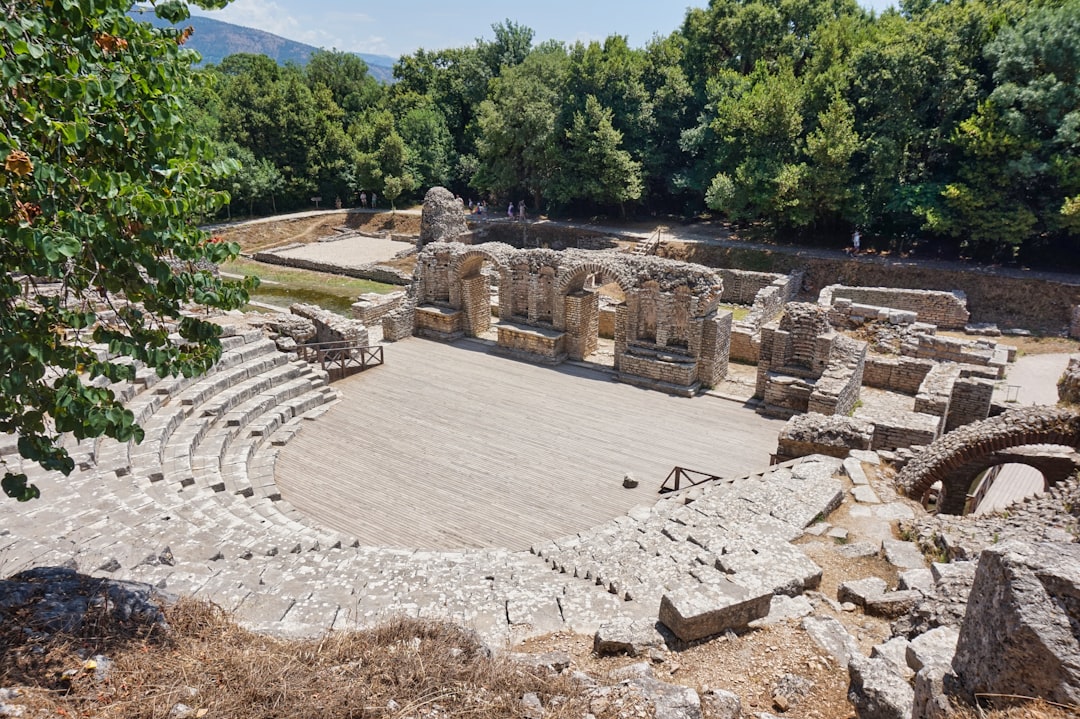
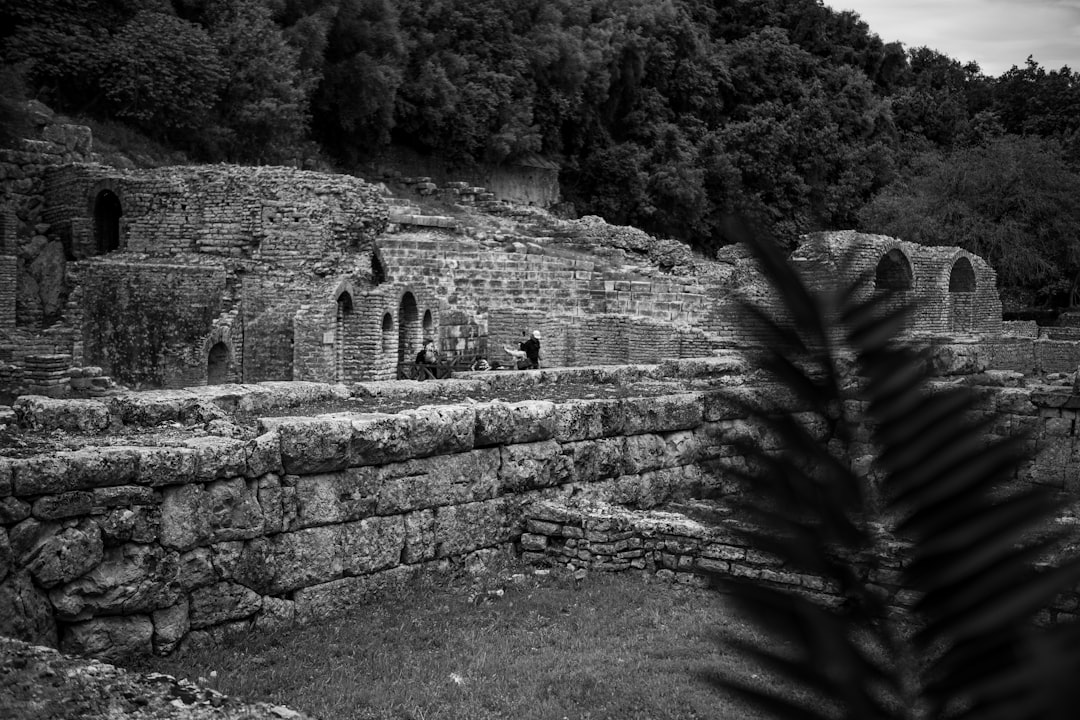
Butrint National Park — A UNESCO World Heritage site, Butrint is a layered archaeological wonder where Illyrian, Greek, Roman, Byzantine, and Venetian ruins sit side by side. The Illyrian settlement dates back to the 4th century BC, with remains of a citadel and necropolis. Walk through the ancient theater, built by the Romans on an Illyrian foundation, and feel the weight of centuries. Entry is 10 EUR. Best visited early morning to avoid crowds and heat. The site is extensive, so allow at least three hours. Butrint
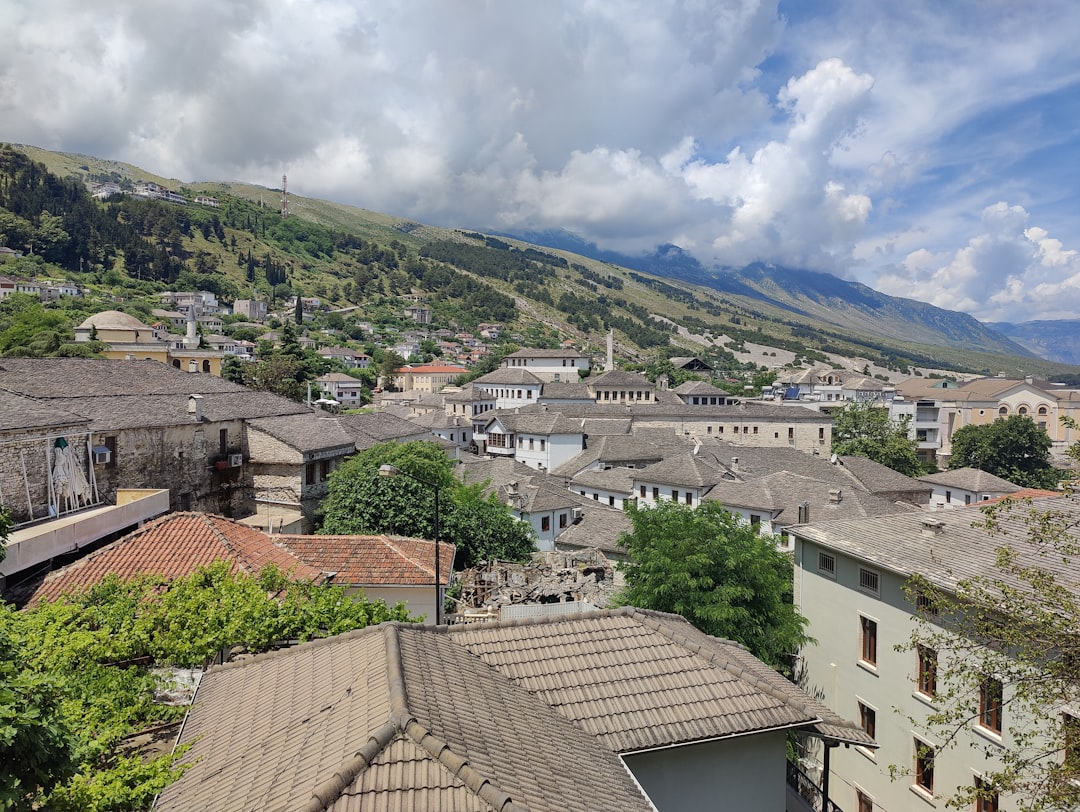
Gjirokastër Castle — Perched atop a hill, this massive fortress dominates the city of Gjirokastër. While much of the current structure is Ottoman, the castle sits on an Illyrian acropolis. Inside, you'll find the Gjirokastër National Museum, which houses Illyrian artifacts, including weapons, jewelry, and inscriptions. The view from the ramparts is panoramic, stretching to the Drino River valley below. Entry to the castle and museum is 10 EUR. Visit in late afternoon for the best light on the stone houses below.
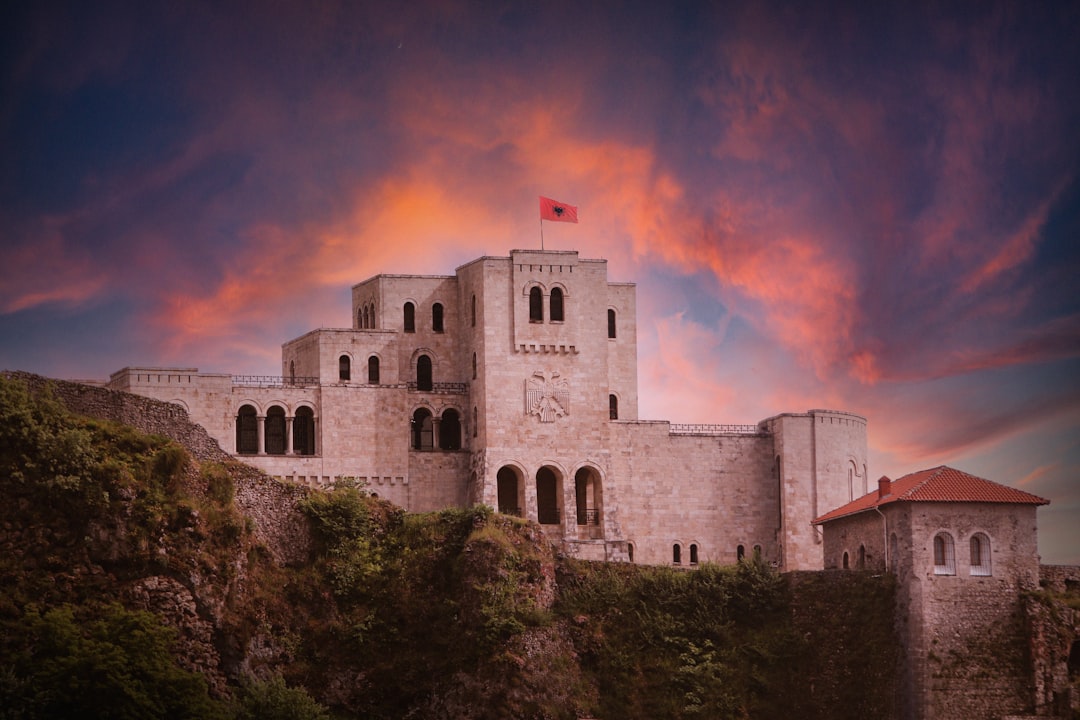
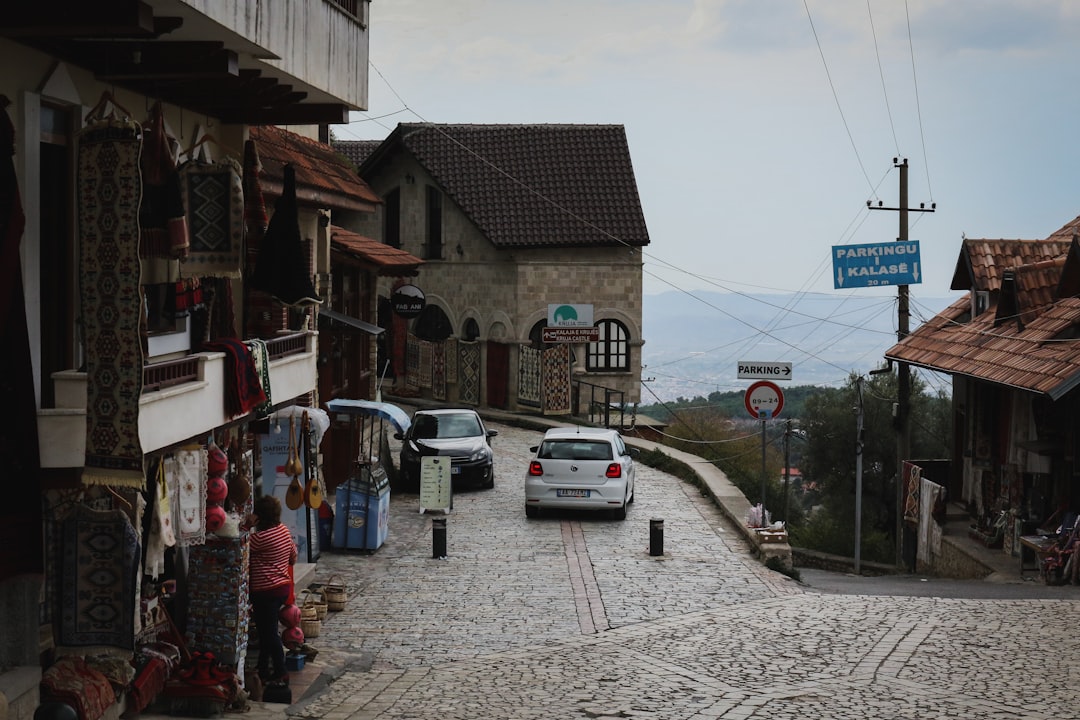
Kruja Castle — The heart of the Illyrian Kingdom under King Genius, Kruja was a major political and economic center. The castle, perched on a hill above the town, offers views of the Skanderbeg statue and the old bazaar. Inside, the Skanderbeg National Museum displays Illyrian relics alongside artifacts from the national hero's era. Entry is 5 EUR. The bazaar below is a lively spot for traditional crafts and food. Kruja Castle
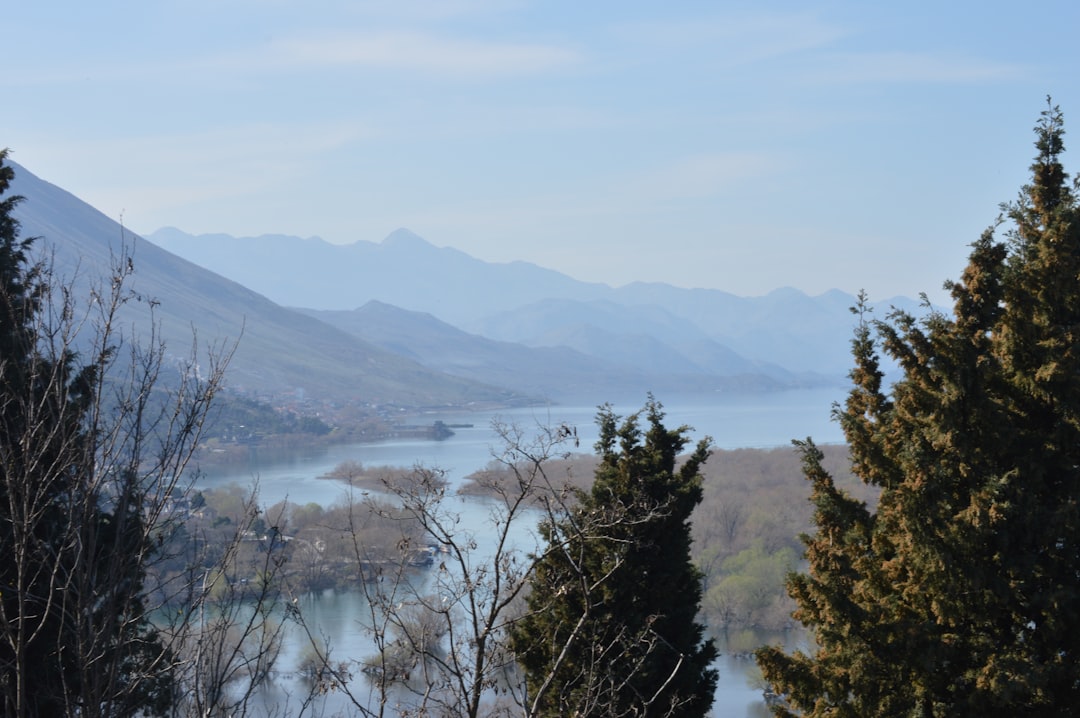
Shkodër Castle — Located in northern Albania, Shkodër was a key Illyrian stronghold, controlling the access to the Drin River. The castle complex includes Rozafa Castle, built on the site of an Illyrian fortress. Legend says a woman was sacrificed in its walls to ensure its strength. The museum inside showcases Illyrian and later periods. Entry is 5 EUR. The view of Lake Shkodër is stunning, especially at sunset. Rozafa Castle
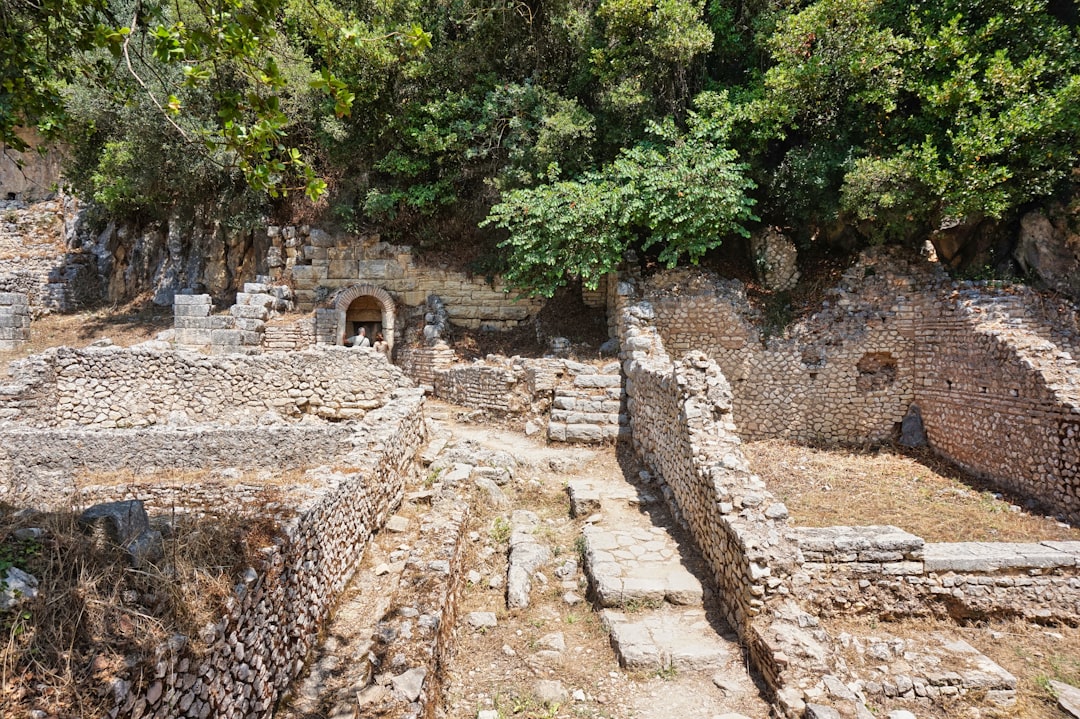
Apollonia Archaeological Site — Founded by Greek colonists, Apollonia was later absorbed into the Illyrian Kingdom and became a Roman city. The ruins include a theater, agora, and necropolis with Illyrian inscriptions. It's a quieter site than Butrint, offering a more intimate look at the blend of cultures. Entry is 5 EUR. Best visited with a guide to fully appreciate the history. Apollonia, Albania
What to Eat & Drink
Eating in Albania is an experience rooted in tradition and hospitality. The food is simple, hearty, and reflective of the country's agricultural past. Start with byrek, a flaky pastry filled with cheese, spinach, or meat, a staple since ancient times. Cost: 2-4 EUR. Pair it with rakia, a strong fruit brandy, often homemade. Cost: 3-5 EUR per glass.
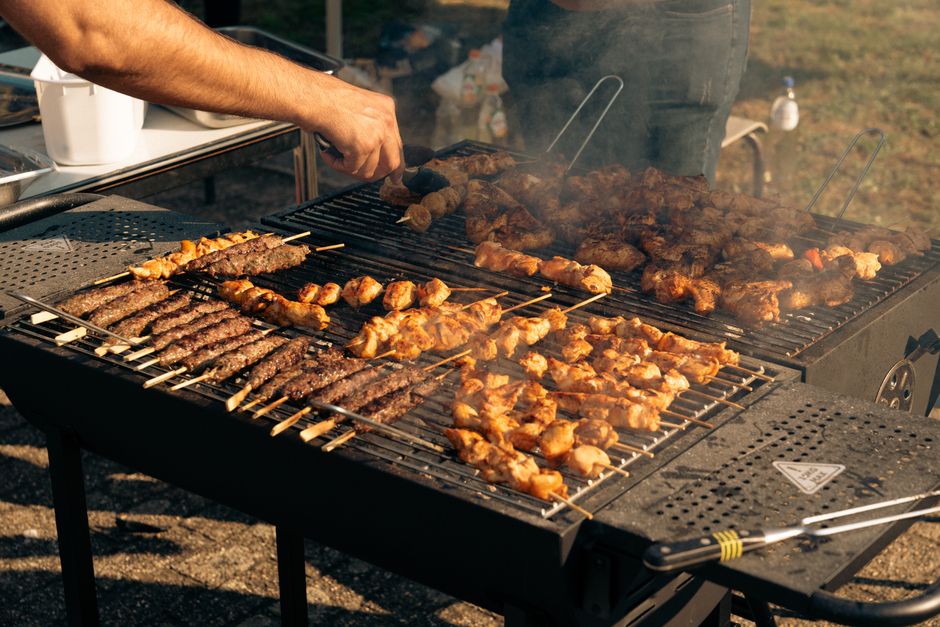
For a main course, try qebapa, grilled minced meat skewers, served with qesillo (sweet cottage cheese) and qepa (onions). Cost: 5-8 EUR. Another must-try is trilece, a three-milk dessert, light and sweet. Cost: 3-4 EUR. In Gjirokastër, the Stone City area has several taverns serving traditional dishes. In Kruja, the bazaar offers street food like gjethe (stuffed grape leaves) and speca (stuffed peppers). Budget travelers can eat well for 10-15 EUR per day, focusing on local taverns and street food. Mid-range restaurants charge 15-25 EUR per person for a meal with wine.
Nightlife
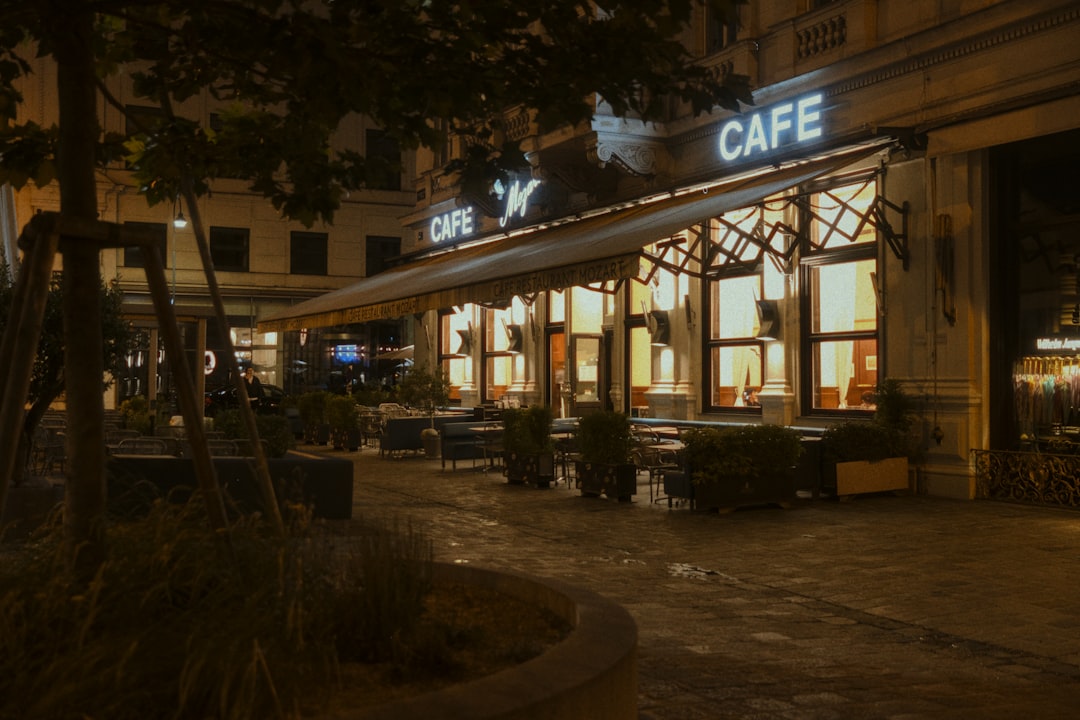
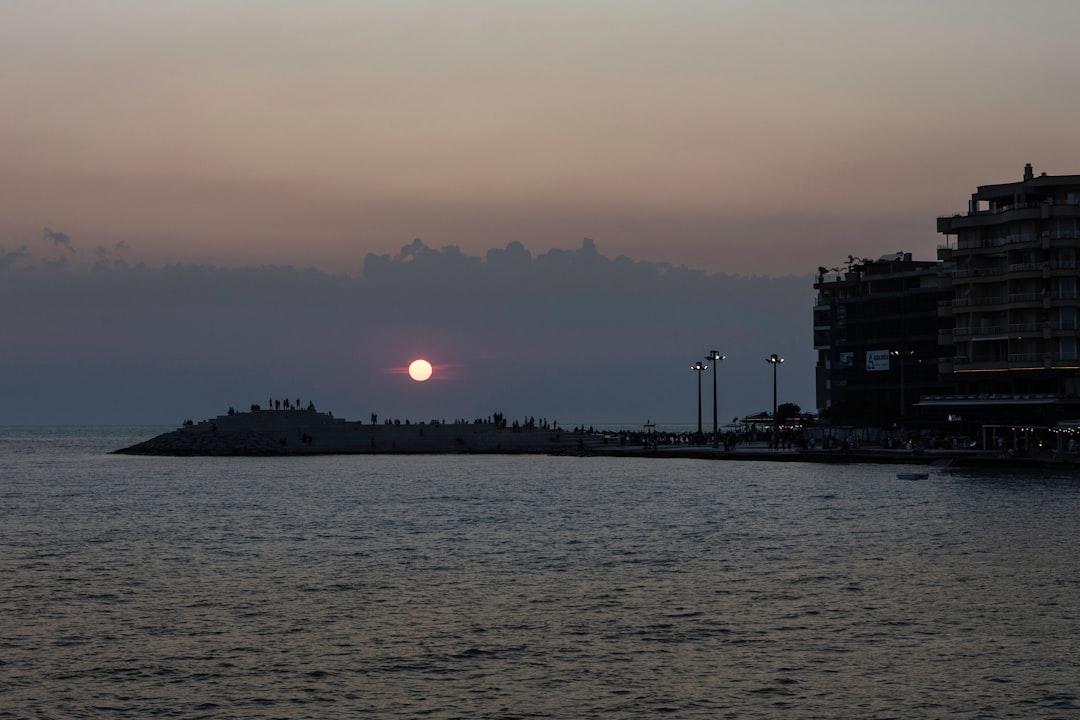
Nightlife in Albania is vibrant, especially in Tirana, Durres, and Saranda. In Gjirokastër, the scene is more low-key, with cafes and taverns in the Stone City area offering live folk music and rakia. The Hotel Gjirokastër bar is a popular spot for locals and tourists alike. In Kruja, the bazaar area comes alive at night with small bars and restaurants. For a more energetic experience, head to Durres, where clubs like Blue Palace and Amphitheatre play electronic and pop music. Cover charges are 5-10 EUR. In Saranda, the Riviera area is packed with beach clubs and bars, especially in summer. Durres
Getting There & What to Expect
The nearest airport to Gjirokastër is Korçë International Airport, about 150 km away, with buses taking 3 hours and costing 10-15 EUR. Alternatively, Tirana International Airport is 200 km away, with buses taking 4 hours and costing 15-20 EUR. From Tirana, you can also rent a car for 30-50 EUR per day. Accommodation in Gjirokastër ranges from budget guesthouses at 20-40 EUR per night to mid-range hotels at 50-80 EUR. The best months to visit are May and September, when the weather is mild and crowds are smaller.
The Unbroken Line
I leave Gjirokastër as the sun dips below the mountains, the sky turning a deep, bruised purple. The shepherd is still there, his goats grazing on the red earth. He waves, a gesture that feels older than the castle, older than the Illyrians. The legacy of the Illyrian Kingdom isn't in the coins or the ruins. It's in the resilience, the stubborn beauty of a land that has survived empires, wars, and time itself. The Illyrians are gone, but their spirit remains, etched in stone, tasted in wine, and felt in the wind that blows off the Adriatic. This is not just history. This is home.
Comments