


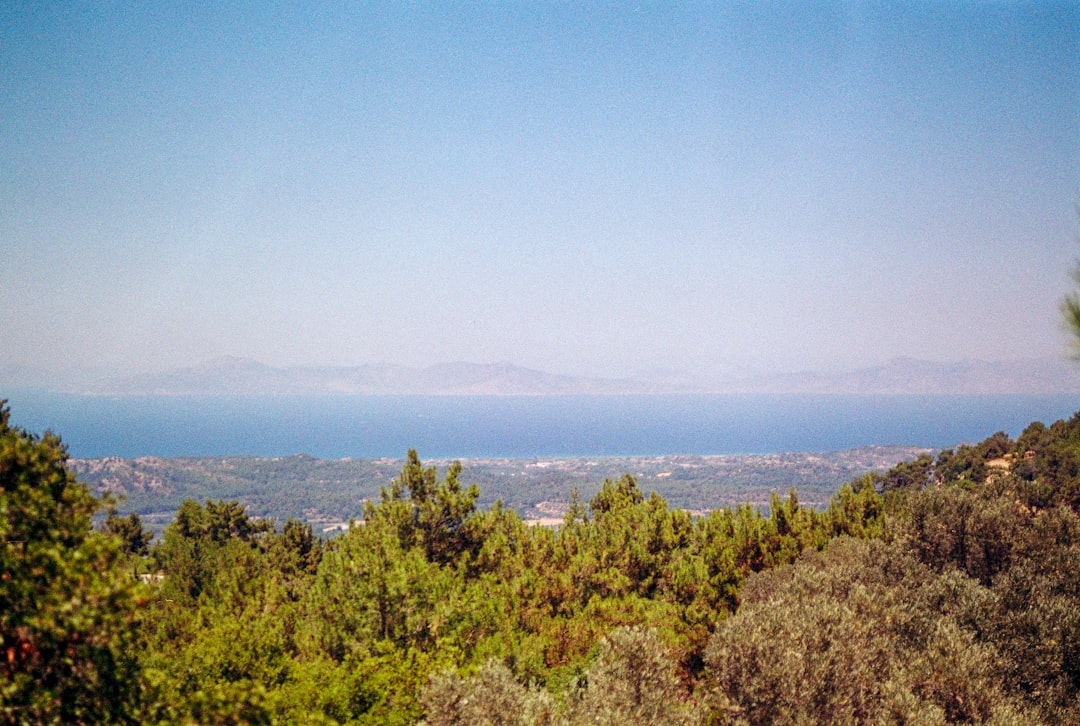
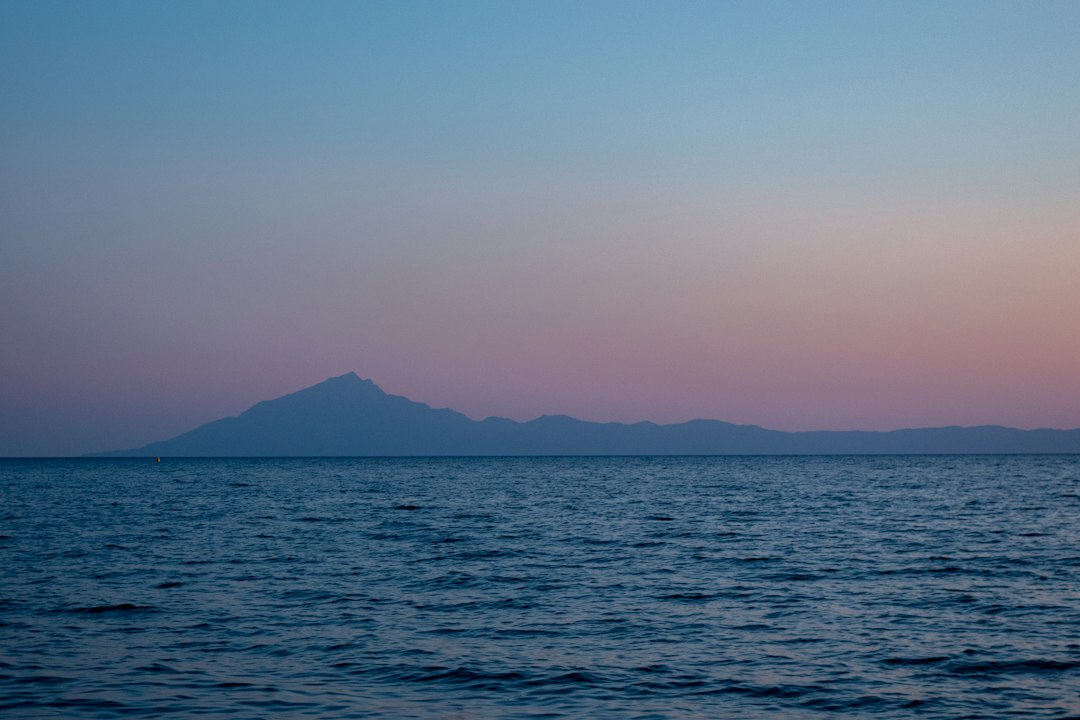
The air up here doesn't just smell like pine; it smells like incense, old stone, and the heavy, metallic tang of impending rain. I am sitting on a crumbling wall in Ouranoupoli, watching a Greek Orthodox monk in a black robe walk past a group of sunburned tourists with the serene indifference of a cat walking past a dog. He doesn't look at me. He doesn't look at the sea. He walks with a purpose that suggests the ground beneath him is sacred, and the rest of us are merely standing on dirt. Mount Athos looms behind him, a jagged finger pointing at the sky, shrouded in mist. This is the edge of the world for women. This is the edge of sanity for men. I came here to hike the trails that hug the coast, to breathe the thickest air in Europe, and to find out why a peninsula the size of Manhattan has refused to change since the 10th century.
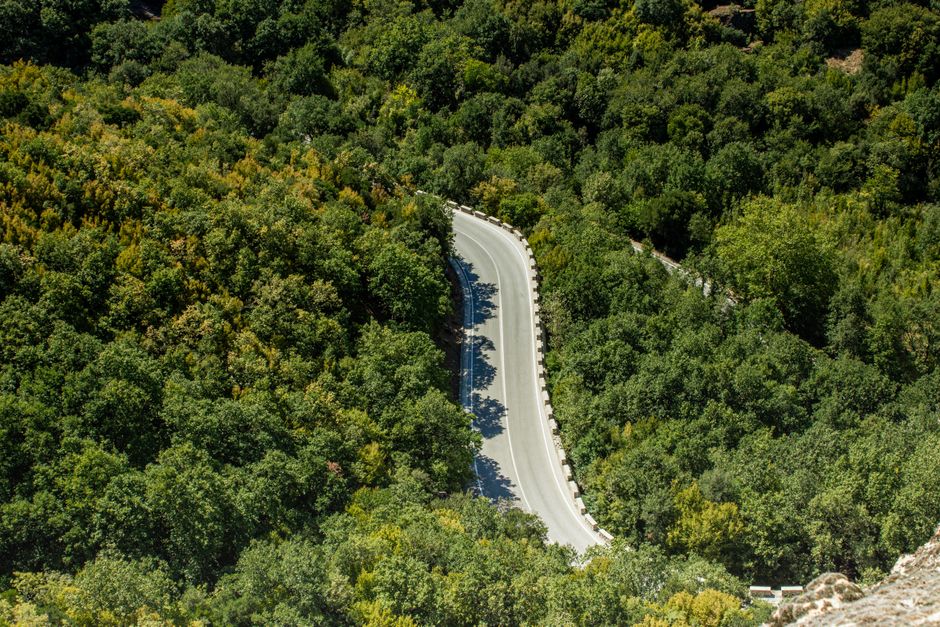
Getting to this place feels like an exorcism of the modern world. You leave your phone, your ego, and your expectations at the border. The roads winding up the side of the Athos peninsula are narrow, treacherous strips of asphalt carved into the cliffside, flanked by forests so dense they blot out the sun. There are no billboards. No fast-food chains. No neon signs. Just the rhythmic chime of monastery bells echoing through the valleys and the endless, hypnotic sway of pine trees. It is a place that demands silence, and if you don't have it, the mountain will take it from you.
History & Identity
The history of this peninsula is not written in ink; it is carved into the wood of the cell doors and the frescoes of the chapels. Since the 10th century, Mount Athos has served as a monastic republic, a state within a state, governed by Byzantine law and divine will. The identity here is singular and unyielding: it is a fortress of faith. The monks who live here are not just religious figures; they are the last guardians of a tradition that most of the world has forgotten. They copy manuscripts, tend to the forests, and maintain a spiritual discipline that is almost alien to the modern mind.
The approaches to the Holy Mountain are just as steeped in history. The villages of Ouranoupoli and Ierissos were once the gateways for pilgrims and traders, bustling with activity as ships brought supplies from Constantinople. Today, they are quieter, but the weight of the past is still palpable. The Byzantine fortresses that overlook the sea are not just ruins; they are reminders of a time when this peninsula was a strategic military asset, guarding the approaches to the capital of the Eastern Roman Empire.
Where to Go
Ouranoupoli Castle — This crumbling fortress sits on a hill overlooking the town of Ouranoupoli, offering panoramic views of the straits and the monasteries of the peninsula. It is a ruin, but a powerful one, with walls that have withstood centuries of wars and earthquakes. The climb up is short but steep, and the view from the top is worth every step. Entry is free, and it is best visited at sunset when the light turns the stone to gold.
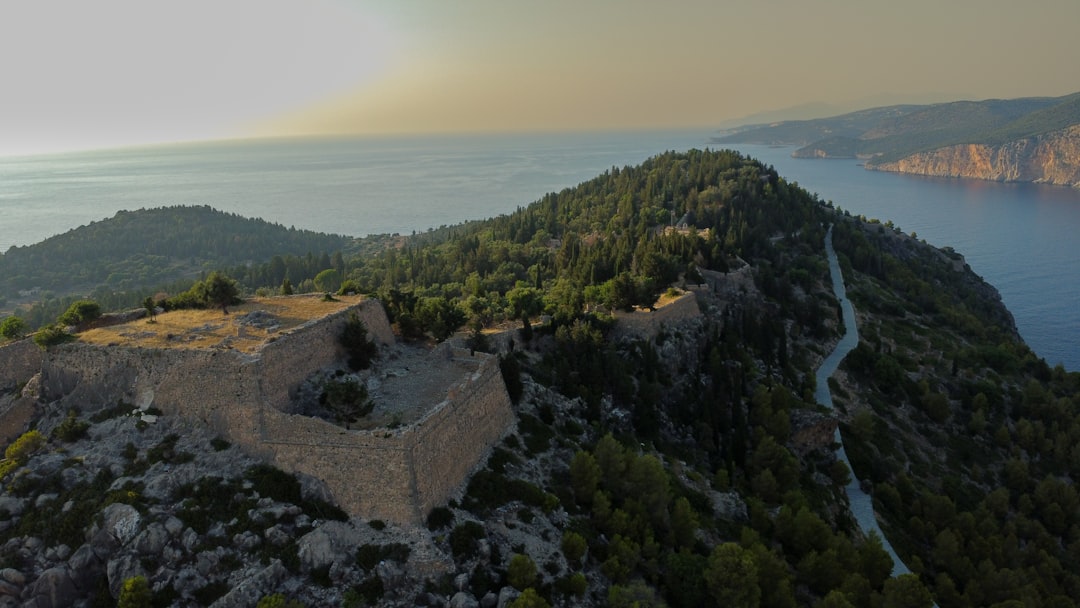
Monastery of Vatopedi — One of the largest and most important monasteries on Mount Athos, Vatopedi is visible from the sea and from the roads of the approaches. Its massive walls and iconic frescoes are a testament to the wealth and power of the monastic community. While entry is restricted to men with special permits, the exterior is breathtaking, and the garden is a place of profound peace. The view from the terrace is one of the best on the peninsula.
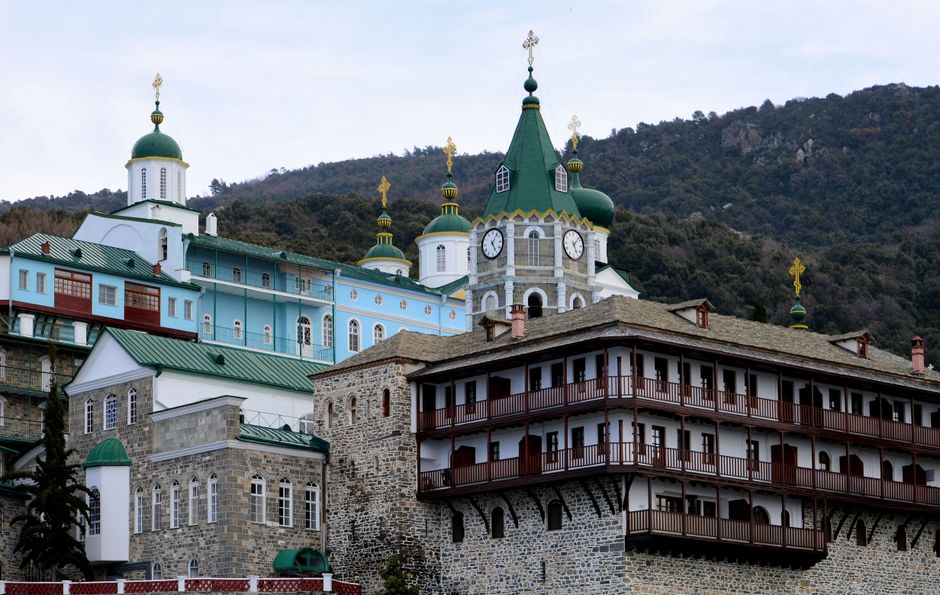
Ierissos Beach — A long, sandy beach that stretches along the coast, offering a stark contrast to the ruggedness of the mountains. It is a place to relax after a day of hiking, with clear waters and a gentle breeze. The beach is lined with tavernas that serve fresh seafood, and the atmosphere is relaxed and friendly. It is a good place to watch the sunset, with the monasteries of Mount Athos visible in the distance.
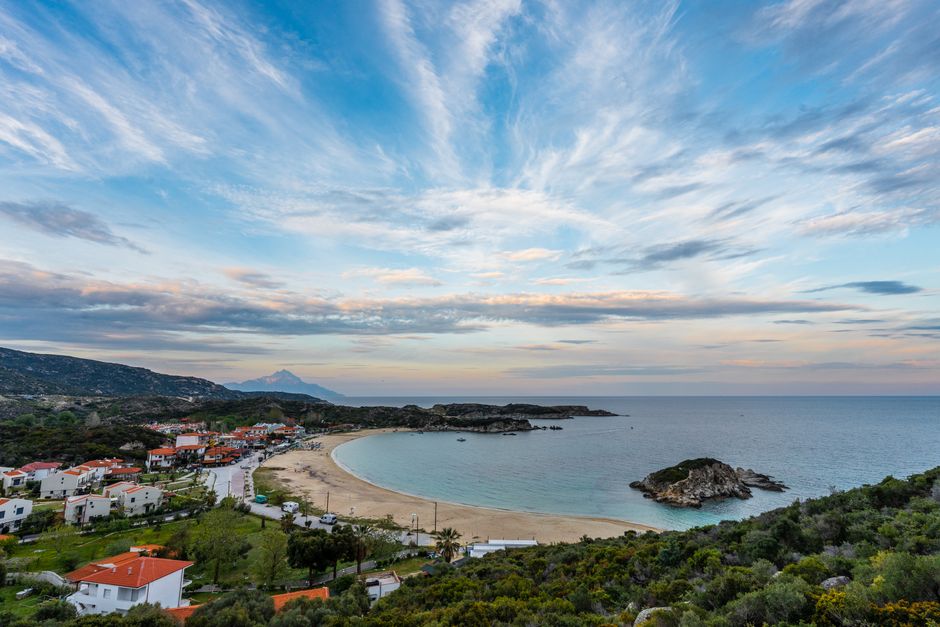
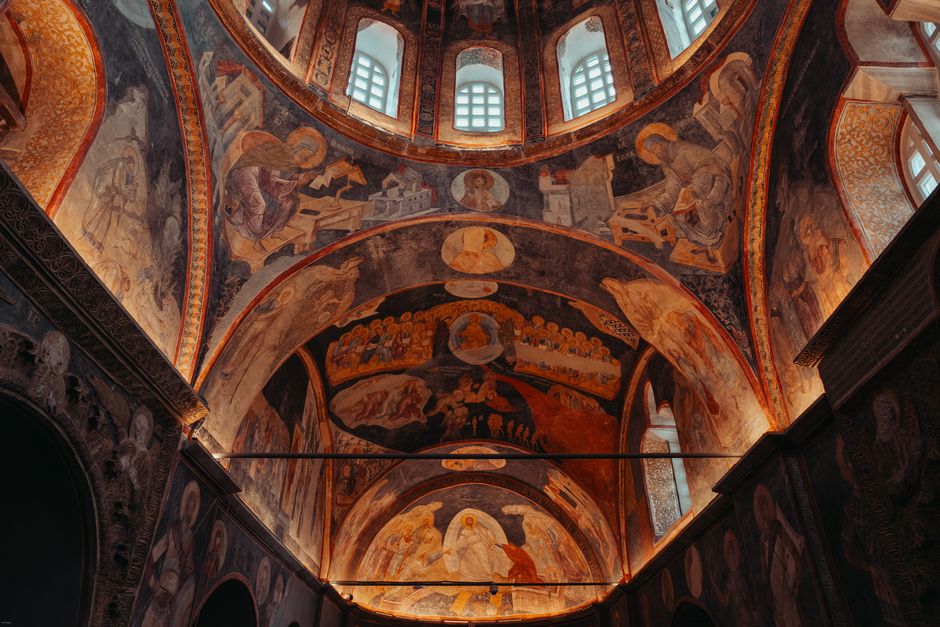
Chora Church — The main church of Ierissos, dedicated to the Annunciation, is a beautiful example of Byzantine architecture. Its frescoes are well-preserved, and the interior is richly decorated. The church is a place of worship, but it is also a place of history, with relics and icons that have been cared for by generations of monks. Entry is free, and it is best visited in the morning when the light is soft and the air is cool.
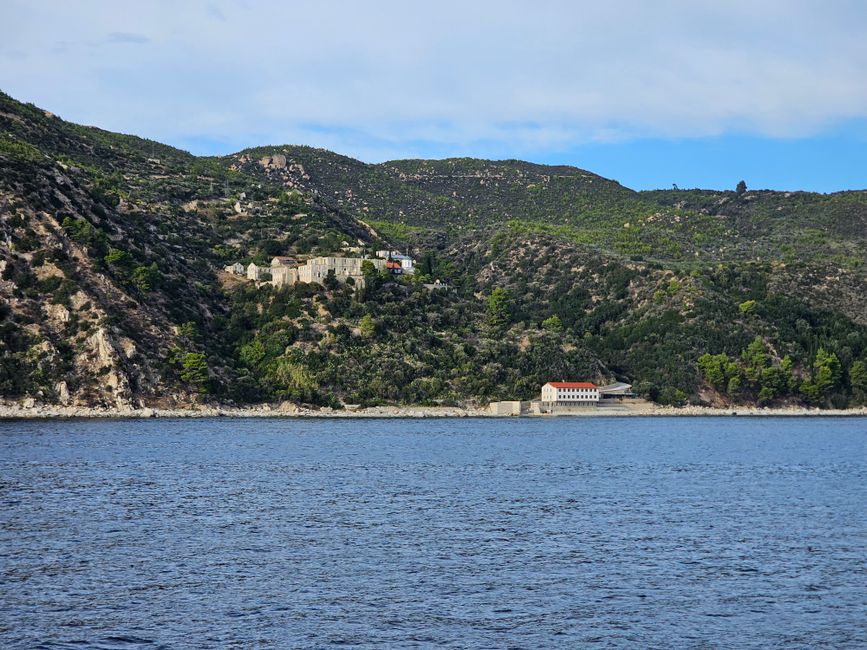
Mount Athos Coastal Trail — This trail follows the coast of the peninsula, offering stunning views of the sea and the monasteries. It is a challenging hike, with steep climbs and rocky paths, but the scenery is unforgettable. The trail passes through pine forests, olive groves, and abandoned villages, and it is a place where you can truly feel the isolation and the beauty of the Holy Mountain. It is best visited in the spring or autumn when the weather is mild.
What to Eat & Drink
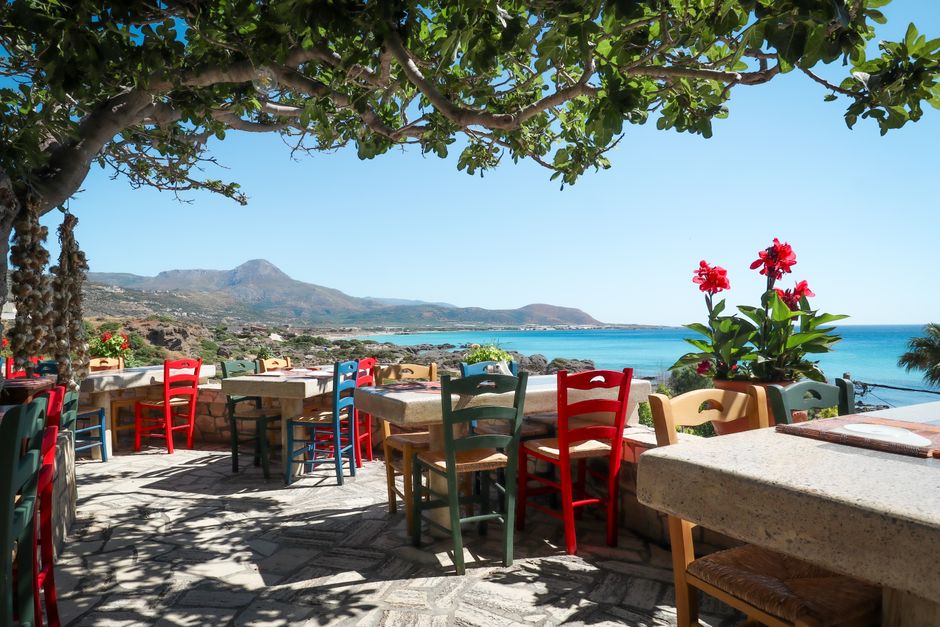
The food on the approaches to Mount Athos is simple, hearty, and deeply connected to the land. Grilled octopus 8-12 EUR is a staple, served with olive oil and lemon on the beaches of Ierissos. Stuffed vine leaves 5-8 EUR are a common appetizer, filled with rice and herbs and cooked in a slow simmer. Local cheese 6-10 EUR is a must-try, made from the milk of the goats and sheep that graze on the mountainsides. Red wine 3-5 EUR is served in every taverna, and it is often made from grapes grown in the local vineyards. Honey 10-15 EUR is a local specialty, thick and golden, and it is often served with bread and cheese.
Budget travelers can find meals for 8-15 EUR per person in the local tavernas, while mid-range restaurants charge 15-25 EUR per person. Street food is limited, but you can find pita 2-4 EUR and yogurt 1-2 EUR in the small shops of Ouranoupoli and Ierissos. The best place to eat is the main square of Ierissos, where the tavernas are lined up along the waterfront, and the atmosphere is lively and friendly. For a more authentic experience, visit the small villages inland, where the food is simpler and the prices are lower.

Nightlife
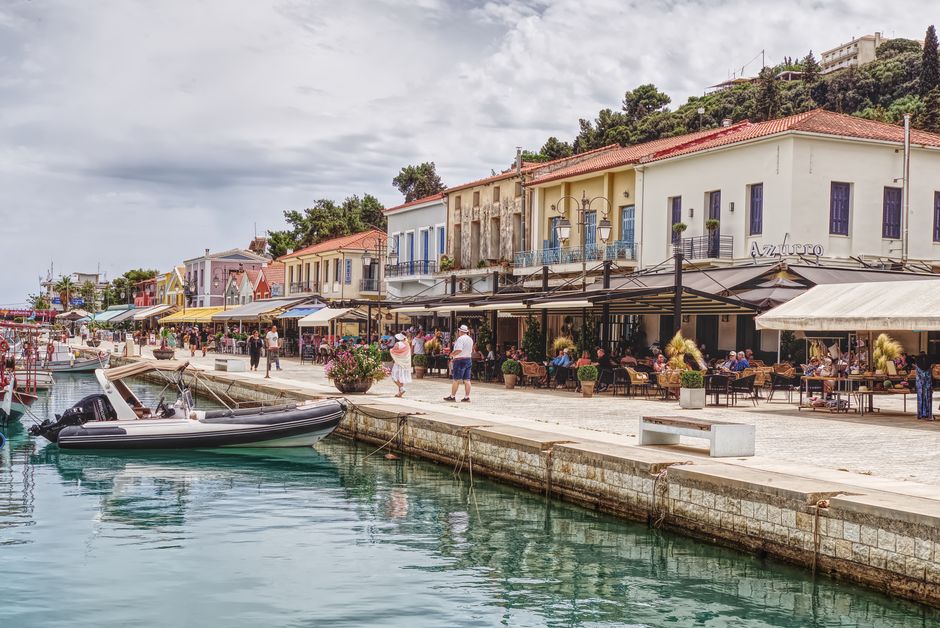
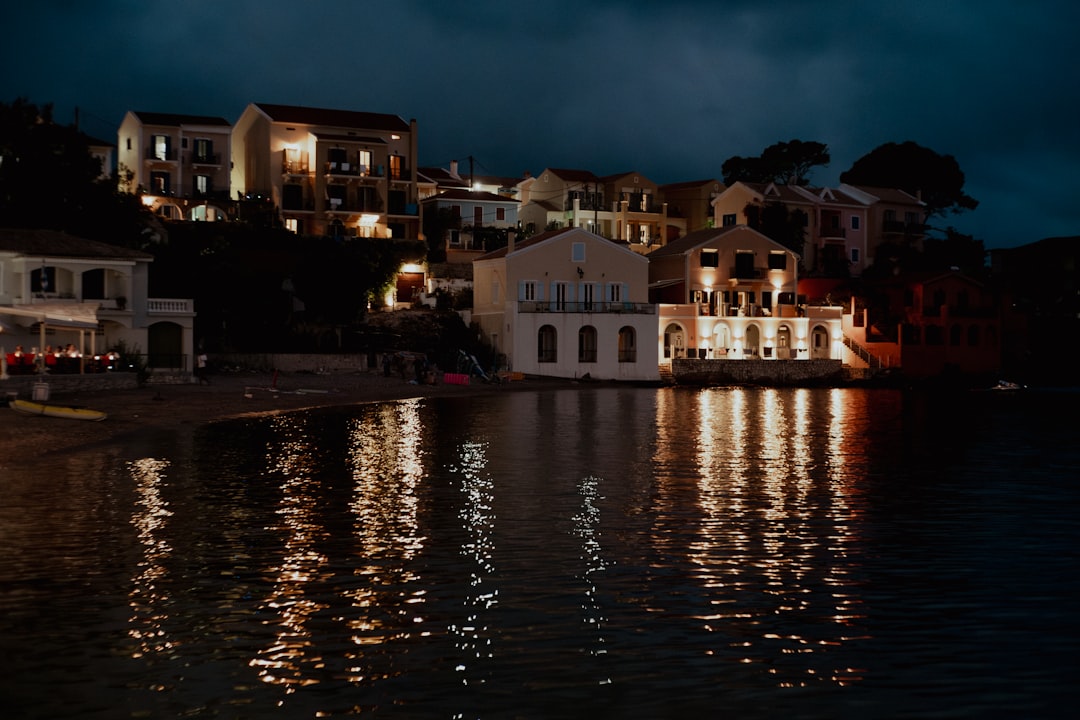
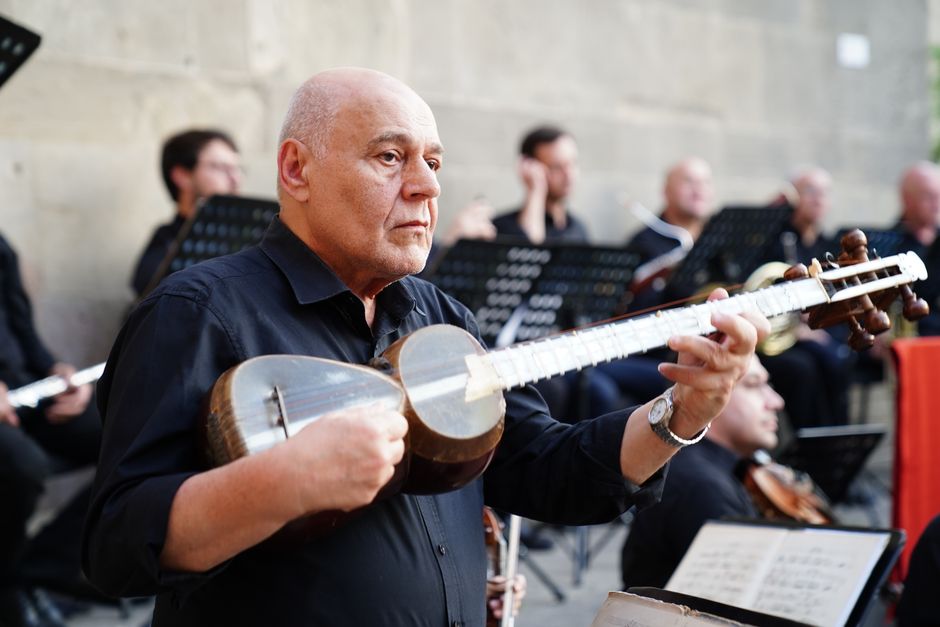
Nightlife on the approaches to Mount Athos is not about clubs and dancing. It is about conversation, music, and the slow passage of time. The main bar district is in Ierissos, where the tavernas stay open late into the evening, and the locals gather to drink wine and play cards. The music is usually traditional Greek, played on the bouzouki and the accordion, and the atmosphere is relaxed and intimate. There are no cover charges, and the drinks are reasonably priced, with a glass of wine costing 2-4 EUR and a beer 2-3 EUR.
For a more unique experience, visit the small cafes in Ouranoupoli, where you can sit and watch the boats pass by in the straits. The cafes are open until midnight, and they serve coffee, tea, and local spirits. The atmosphere is quiet and contemplative, and it is a good place to reflect on the day. There are no big parties or loud music here; the nightlife is about connection and community, and it is a reminder that life can be simple and beautiful.
Getting There & What to Expect
The nearest airport is in Thessaloniki, which is about 100 km from Ouranoupoli. You can take a bus from Thessaloniki to Ouranoupoli for 5-10 EUR, and the journey takes about 1.5 hours. You can also rent a car in Thessaloniki for 30-50 EUR per day, which gives you more flexibility and allows you to explore the peninsula at your own pace. The roads are narrow and winding, so drive carefully, and be prepared for the occasional goat crossing the road.
Accommodation ranges from budget hostels in Ouranoupoli for 20-40 EUR per night to mid-range hotels in Ierissos for 50-80 EUR per night. Camping is also an option, with several campsites along the coast charging 5-10 EUR per night. The best time to visit is in the spring or autumn, when the weather is mild and the crowds are smaller. In the summer, the heat can be intense, and the beaches are crowded. In the winter, the roads can be slippery, and some of the tavernas are closed.
Search accommodation in Ouranoupoli on Booking.com →
The Weight of Silence
As I left the peninsula, driving back down the winding roads, I felt a strange sense of loss. The silence of the mountain had settled into my bones, and the noise of the modern world felt jarring and artificial. I realized that I had not just visited a place; I had experienced a way of life that is almost extinct. The monks of Mount Athos are not just living in the past; they are preserving a future that the rest of us have forgotten. They are a reminder that there is more to life than consumption and competition, and that there is value in silence, in prayer, and in the simple act of being.
I will return. Not to hike the trails or to see the monasteries, but to sit in the silence and to listen to the bells. Because in a world that is constantly shouting, there is something profoundly radical about choosing to be quiet. And in the shadow of the Holy Mountain, I found a piece of that radicalism, wrapped in the scent of pine and incense.
Comments