


The Landscape of Giants
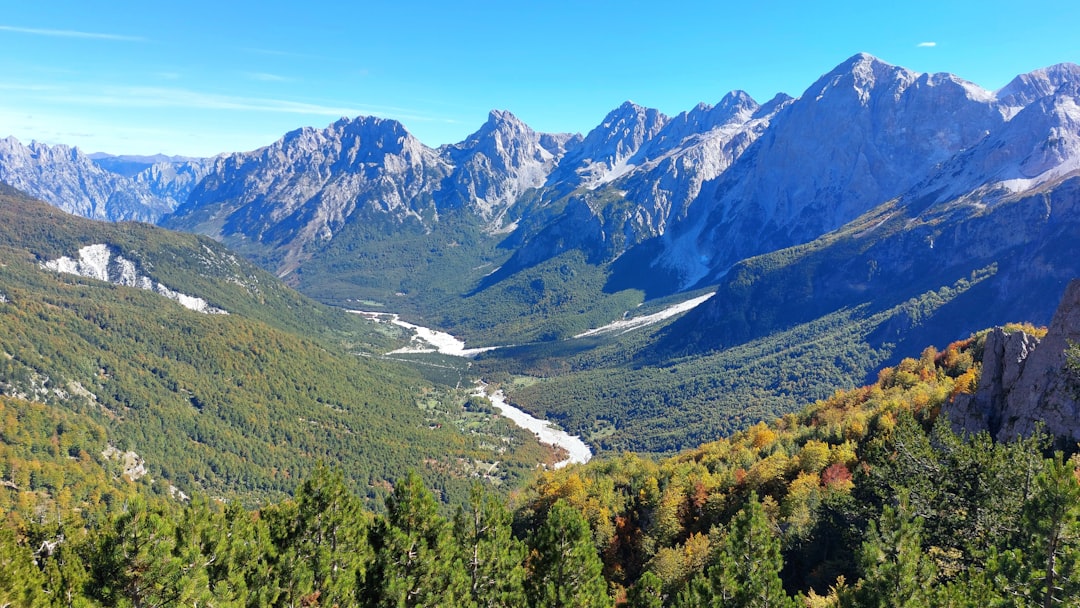
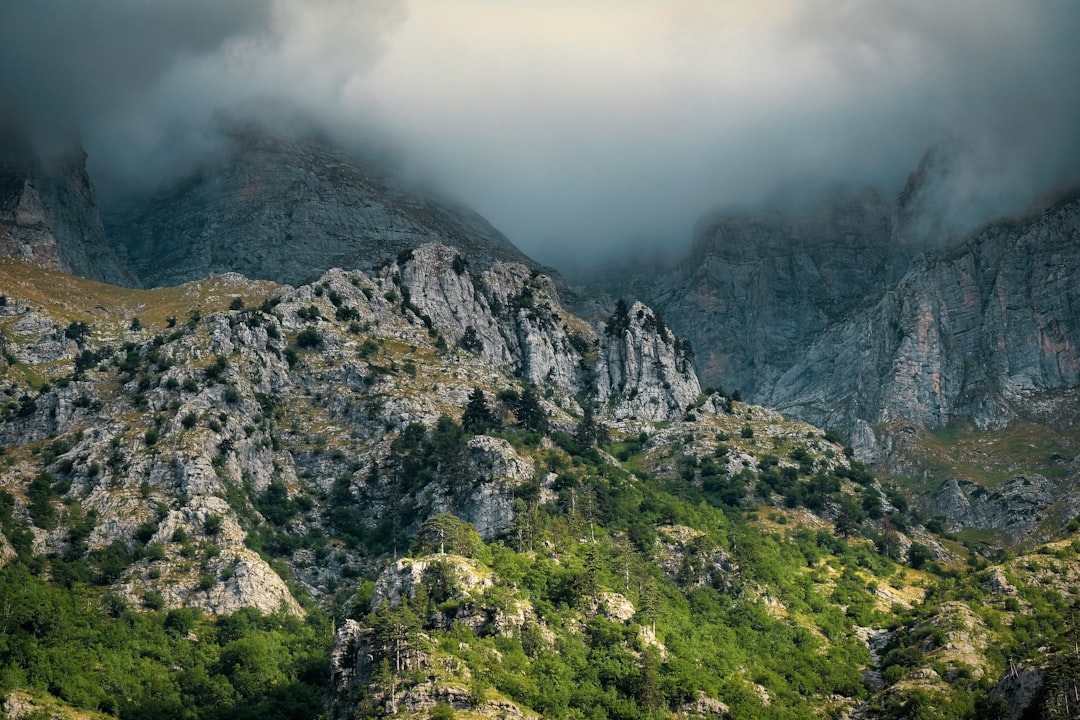
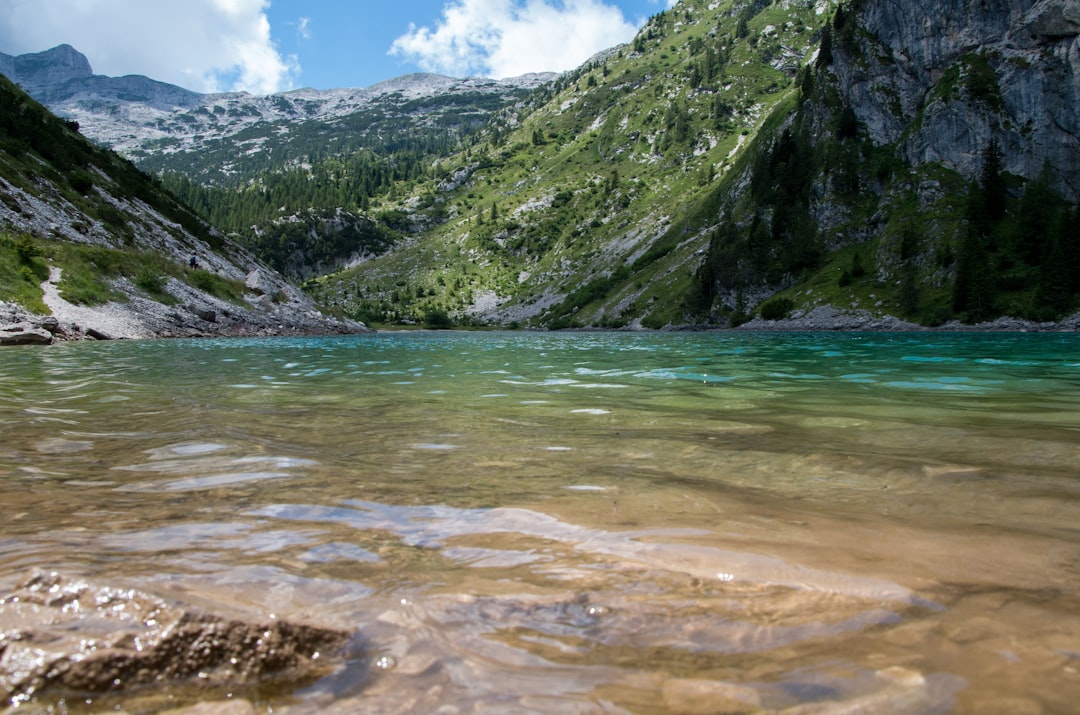
The Prokletije range doesn't just sit on the map; it dominates it. Stretching across the borders of Albania, Montenegro, and Kosovo, this mountain chain is a geological fist raised against the sky. The peaks are jagged, ancient, and stubborn, carved by glaciers that retreated millennia ago but left their mark in deep, U-shaped valleys and sharp, knife-edge ridges. The vegetation changes violently with altitude. At the base, you have dense forests of fir and spruce, dark and almost impenetrable. As you climb, the trees give way to alpine meadows that explode with wildflowers in July and August, before surrendering completely to bare rock and snowfields that linger well into September.
The trail itself is a testament to human stubbornness. It was originally a shepherd's path, used for centuries to move livestock between the summer pastures of the north and the winter valleys of the south. There are no guardrails, no signposts, and no rescue teams waiting with hot cocoa. You walk on dirt, rock, and sometimes just hope. The visibility can shift in minutes. One moment you're basking in the golden light of a Balkan afternoon, the next you're swallowed by a dense, white fog that turns the world into a blinding void. In that fog, the only thing that keeps you moving is the memory of the trail and the knowledge that stopping means freezing.
The Route: From Theth to the High Pass
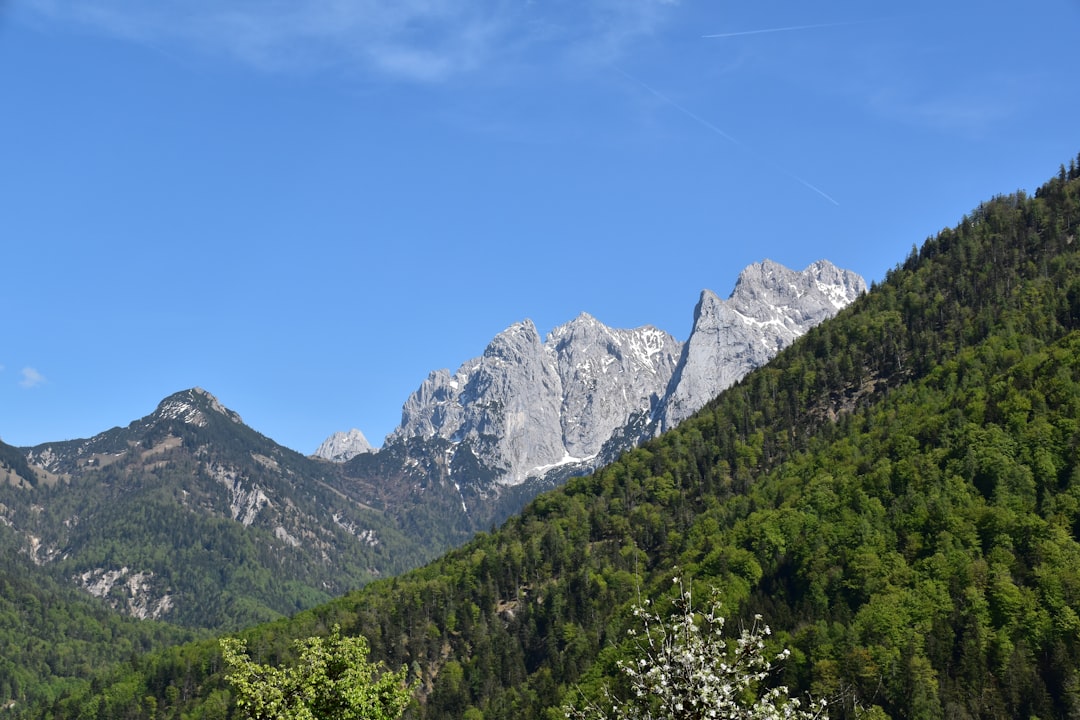
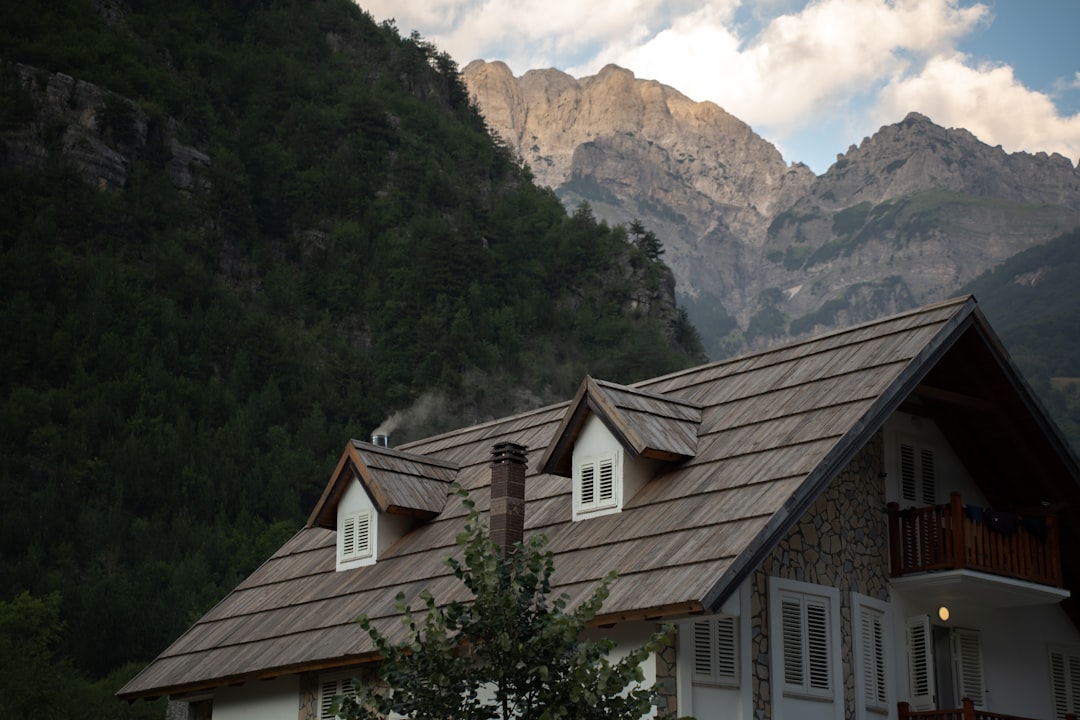
The journey begins in Theth, a tiny village perched in a valley that feels like it was carved out of the mountain itself. The trailhead is just outside the village, marked by a simple wooden sign that looks like it's been there since the Ottoman era. The first few kilometers are deceptively easy, winding through lush green meadows and past traditional stone houses with their distinctive slate roofs. You pass small streams that cut crystal-clear channels through the rock, and the air is filled with the sound of water and the occasional bleat of a sheep.
Then the ascent begins. The trail climbs steadily, gaining elevation with a consistency that is both exhausting and hypnotic. You'll pass through a narrow gorge where the walls close in around you, creating a canyon that feels like a natural fortress. The path here is steep and rocky, requiring careful footing and a good pair of boots. As you emerge from the gorge, the landscape opens up again, revealing panoramic views of the surrounding peaks. The High Pass comes into view, a narrow saddle between two massive summits that looks like the gateway to another world. The final push to the pass is grueling, with a steep climb that tests your lungs and your will. But when you finally reach the top, the view is worth every step. You're standing at an elevation of over 2,000 meters, with a 360-degree panorama of the Albanian Alps stretching out in every direction.
Descent into Valbona
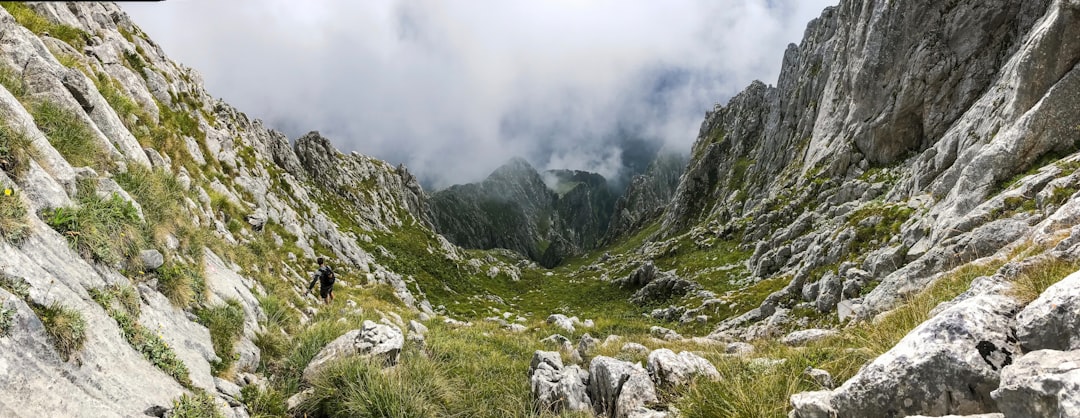
Reaching the High Pass is only half the battle. The descent into Valbona is where the real challenge begins. The trail drops sharply, winding down through steep scree slopes and rocky terrain that can be slippery and unstable. The footing is tricky, and the constant downward pressure on your knees is unforgiving. You have to move carefully, placing each step with precision to avoid twisting an ankle or sliding into a ditch. The landscape changes as you descend, shifting from alpine rock to dense forest. The trees here are taller and thicker, creating a canopy that blocks out the sun and casts the trail in shadow.
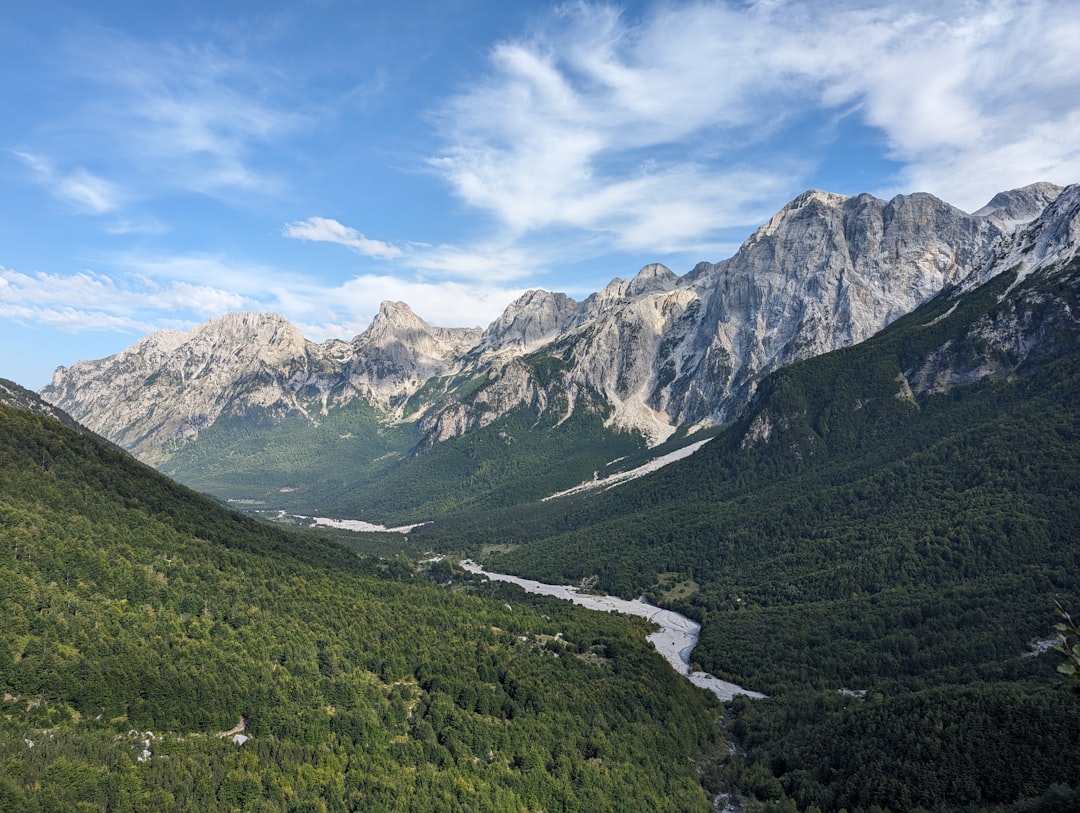
The final stretch of the hike is a long, winding descent into the Valbona Valley. The trail follows the river, passing through small meadows and past traditional stone houses. As you approach Valbona, the village comes into view, nestled in the valley like a secret. The feeling of accomplishment is overwhelming. You've crossed the spine of the Prokletije, survived the elements, and arrived in a place that feels worlds away from the modern world. The locals in Valbona are welcoming, but they know you've earned your place here. They don't offer you pity; they offer you respect.
Routes & Trail Info
Route: Theth to Valbona via the High Pass
Starting Point: Trailhead outside Theth village (parking area near the bridge)
Total Distance: 13 km (one-way)
Elevation Gain: ~700 meters (cumulative)
Estimated Duration: 5-7 hours for experienced hikers; 7-9 hours for beginners
Difficulty: Intermediate to Challenging
The trail is well-trodden but not marked. You'll see footprints in the dirt and occasional cairns (stacked stones) to guide you, but there are no painted signs. Navigation skills are essential, especially in poor weather. The route involves crossing several streams, which can be swollen after rain. Waterproof shoes and gaiters are recommended. There are no facilities on the trail. No shops, no toilets, no water sources that are guaranteed to be safe. Carry all your own water and food.
Getting There & What to Expect
Reaching Theth requires some planning. There is no direct bus service. Most travelers fly into Tirana and then take a bus to Shkodër, the largest city in the region. From Shkodër, you can hire a private taxi or join a shared shuttle to Theth. The road is winding and mountainous, taking about 2-3 hours. The cost for a taxi is around 50-80 EUR one-way, while a shared shuttle is closer to 10-15 EUR. Once in Valbona, you can arrange a taxi back to Shkodër or continue your journey to other parts of the Albanian Alps.
Accommodation in Theth and Valbona is basic but charming. Most options are family-run guesthouses or small hotels. Expect simple rooms with private bathrooms, hot water, and hearty local food. Prices range from 30-60 EUR per night for a double room. Meals are affordable, with a typical dinner costing 10-15 EUR. The best time to hike the High Pass is between late June and early September. Outside of this window, snow and ice can make the trail dangerous or impassable. Children under 12 are generally not recommended for this hike due to the length, elevation, and terrain.
Search accommodation in Shkodër on Booking.com →
The Last Mile: No Apologies
I sat on a bench in Valbona, my legs trembling, my feet wrapped in dirty socks, and watched the sun dip below the peaks. My body was a map of pain: bruises on my shins, blisters on my heels, and a deep, aching fatigue in my knees. But I also felt something else. A clarity. A sense of having been stripped down to the essentials. The mountains don't care about your job, your bank account, or your social media followers. They only care if you can keep moving. And for those six hours on the trail, I was alive in a way I hadn't been in years. The Albanian Alps don't give you souvenirs. They give you scars. And if you're lucky, they give you a story that you'll tell for the rest of your life.
Albanian Alps Theth Valbona Valley National Park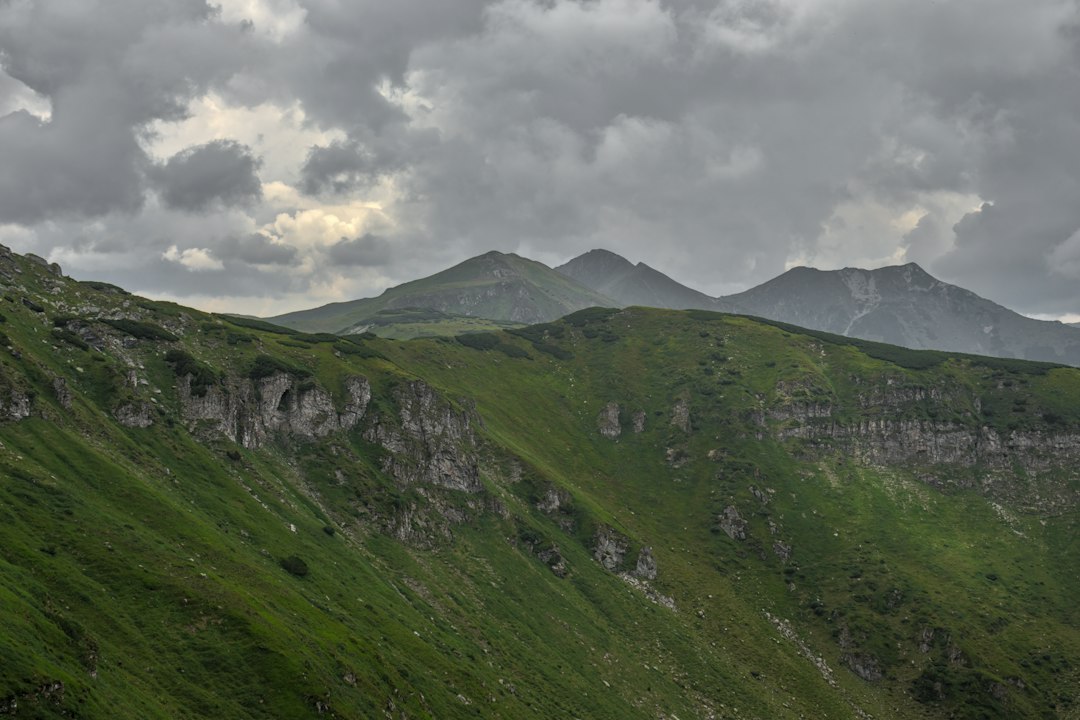
Comments