


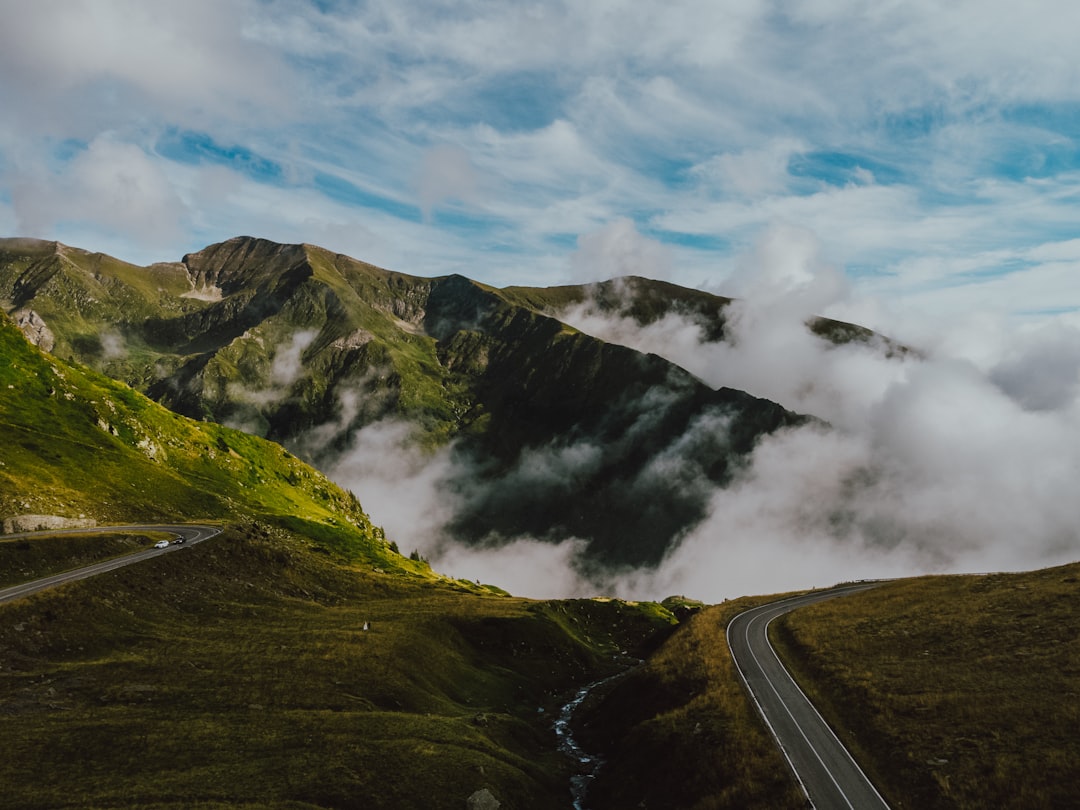
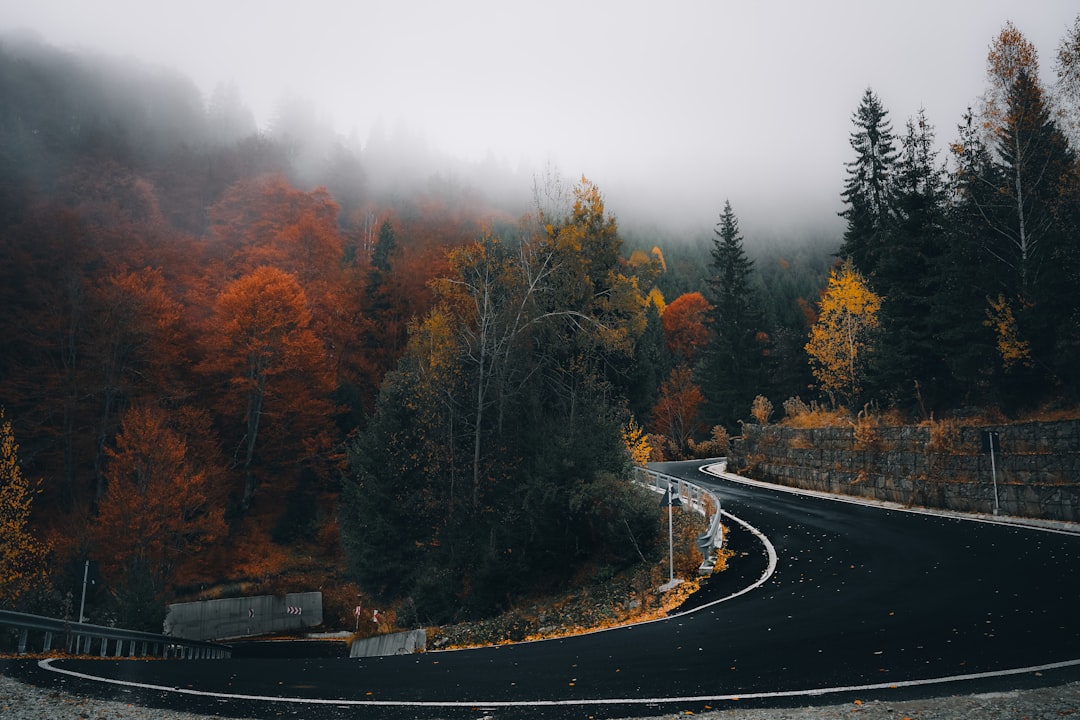
The wind here doesn't just blow; it screams. It tears through the jagged teeth of the Făgăraș Mountains with a violence that makes you question every life choice that led you to sit in a rusted Dacia on a road that looks like it was carved by a madman with a chainsaw. I was clinging to the door handle, my knuckles white, watching the asphalt ribbon twist around a cliff face that drops away into a void of mist and pine. The driver, a local guy named Andrei who looked like he hadn't slept since the Ceaușescu era, didn't even glance at the abyss. He was too busy pointing out a vein of quartz in the rock face, shouting over the engine's roar about how the mountain itself is trying to shake us off. This isn't just a road trip. It's a geological assault. You are driving through the spine of Europe, where tectonic plates collided with enough force to crush empires, and the result is a highway that feels less like infrastructure and more like a dare issued by the earth itself.
Most people come to the Transfăgărășan for the hairpin turns and the Instagram shots of misty peaks. They treat it like a theme park ride. But if you look closer, if you stop the car and put your hand on the cold, grey stone, you realize you are touching millions of years of compressed history. The road is a scar, yes, but it's also a window. It cuts directly through the crystalline core of the Southern Carpathians, exposing gneiss, granite, and schist in a way that no other highway in the Balkans dares to do. This is geology on steroids, and the price of admission is your sense of vertigo.
The Tectonic Collision That Built the Wall
To understand why this road is so brutally steep and why the tunnels seem to choke the sky, you have to understand the violence that created the landscape. The Southern Carpathians, where the Transfăgărășan cuts its path, are the result of a massive collision between the African and Eurasian tectonic plates. This wasn't a gentle hug; it was a head-on crash that happened over millions of years during the Alpine orogeny. The crust buckled, folded, and melted, creating a mountain range that acts as a physical barrier between the Pannonian Basin to the north and the Romanian Plain to the south.
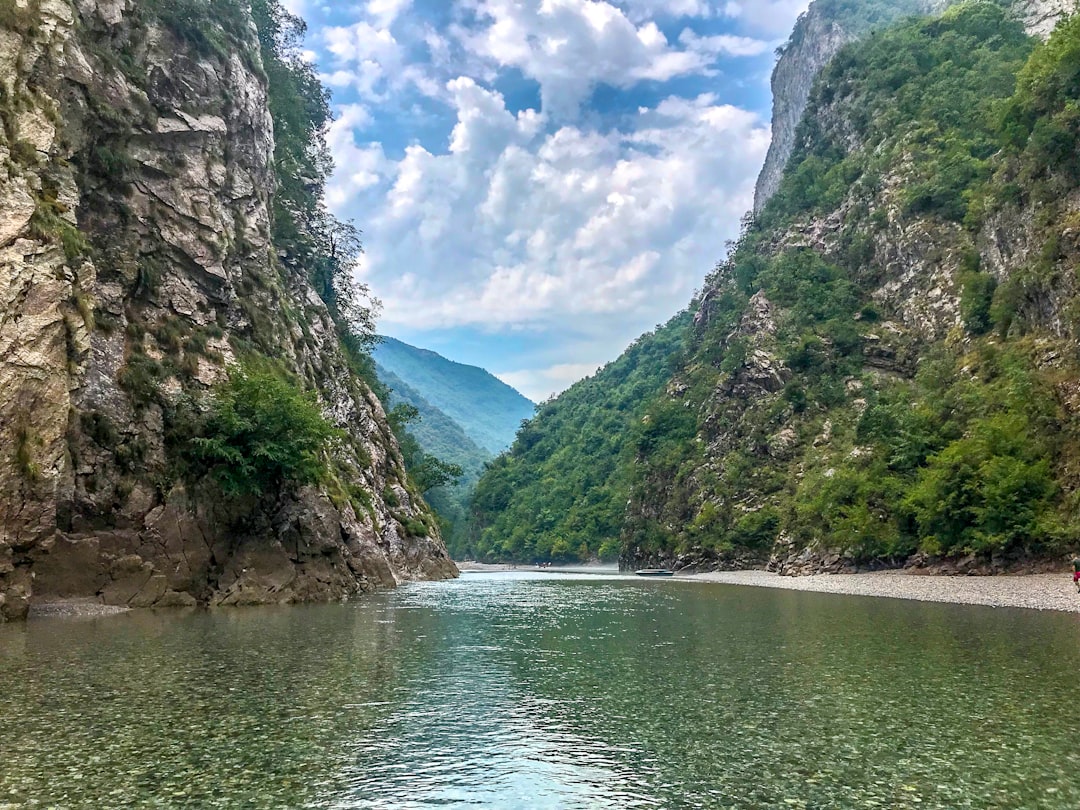
The Făgăraș Mountains are the highest part of this range, dominated by Moldoveanu Peak, which stands at 2,544 meters. The rock here is ancient, mostly metamorphic gneiss and granite, formed under intense heat and pressure deep within the earth before being thrust upward. This hard, crystalline rock is what makes the engineering of the Transfăgărășan so difficult. You can't just dig through it. You have to blast, carve, and tunnel. The road follows the natural contours of the land, but it also fights them, climbing through valleys that were carved by glaciers during the last Ice Age. The U-shaped valleys you see on either side of the road are the fingerprints of those ancient ice sheets, and the highway winds through them like a serpent navigating a labyrinth.
The geological instability of the region is real. Rockfalls are common, especially in the spring when freeze-thaw cycles shatter the brittle stone. The road is a testament to human stubbornness, but it's also a reminder of nature's power. Every year, maintenance crews have to clear debris and repair damage caused by the mountain's relentless movement. Driving here feels like riding on the skin of a living beast, one that is constantly shifting and grinding beneath your tires.
The Engineering of the Abyss
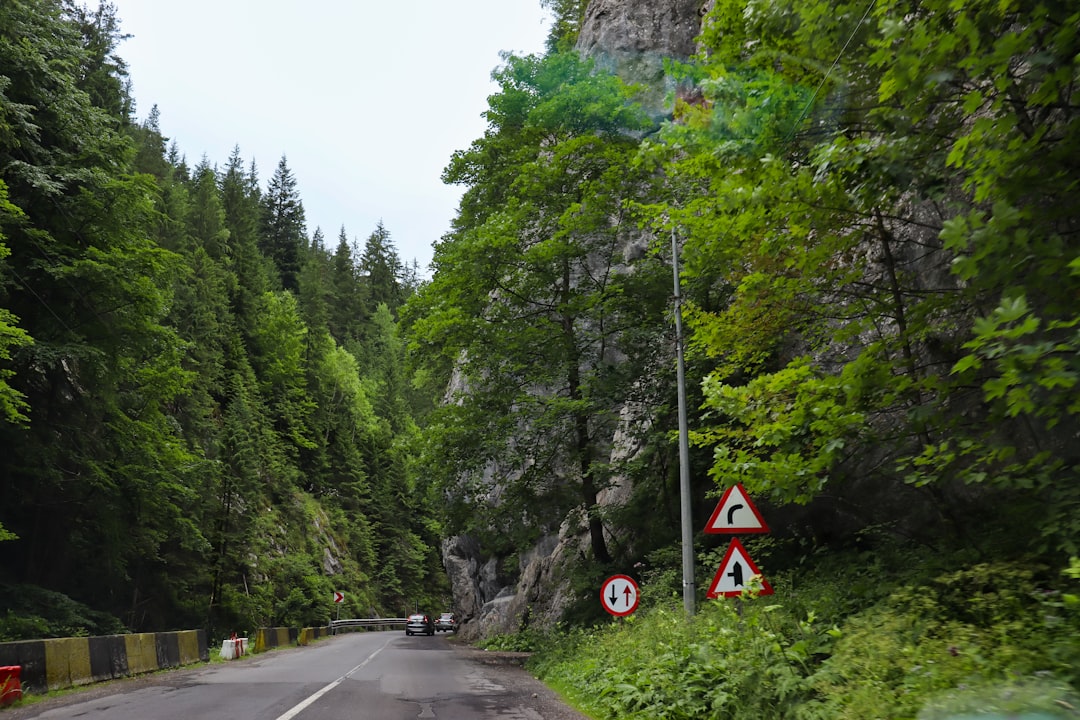
The construction of the Transfăgărășan in the 1970s was a national obsession for Nicolae Ceaușescu, who wanted a strategic military route through the mountains to bypass the traditional passes that could be easily blocked. But beyond the politics, it was a geological nightmare. The engineers had to contend with steep gradients, narrow ridges, and rock that was as hard as steel. The road climbs from Sibiu in the north to Pitești in the south, reaching a maximum elevation of 2,042 meters at the Turnu Rosu pass.
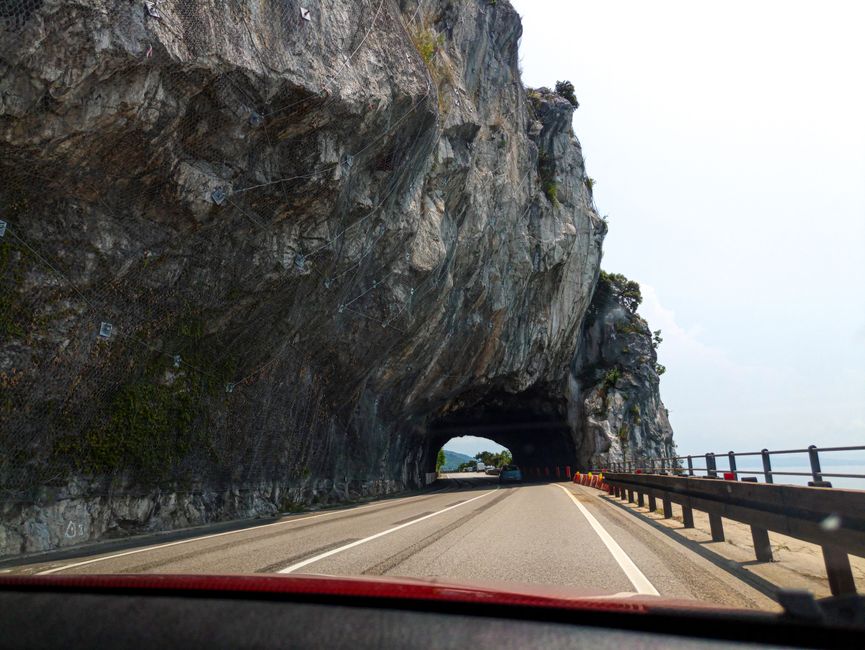
To achieve this, they built 144 hairpin turns, 19 bridges, and six tunnels. The tunnels are particularly striking, carved directly into the granite faces of the mountains. Some are short, just enough to bypass a steep cliff, while others stretch for hundreds of meters, plunging you into darkness before spitting you out into blinding sunlight. The longest tunnel, the one near Turnu Rosu, feels like a throat swallowing you whole. The walls are rough-hewn, the rock visible in places, reminding you that you are inside the mountain itself.
The bridges are equally impressive, spanning deep gorges where the rivers rush below like white water. The road clings to the sides of these gorges, supported by concrete pillars that seem to defy gravity. From the top, you can see the entire network of roads snaking around the mountainsides, a complex web of asphalt and steel that looks fragile from a distance. It's a marvel of engineering, but it's also a hazardous one. The narrow lanes, lack of guardrails in some sections, and frequent fog make it one of the most dangerous roads in Europe. But that's part of the allure. You are on the edge, always.
Glacial Lakes and Alpine Desolation
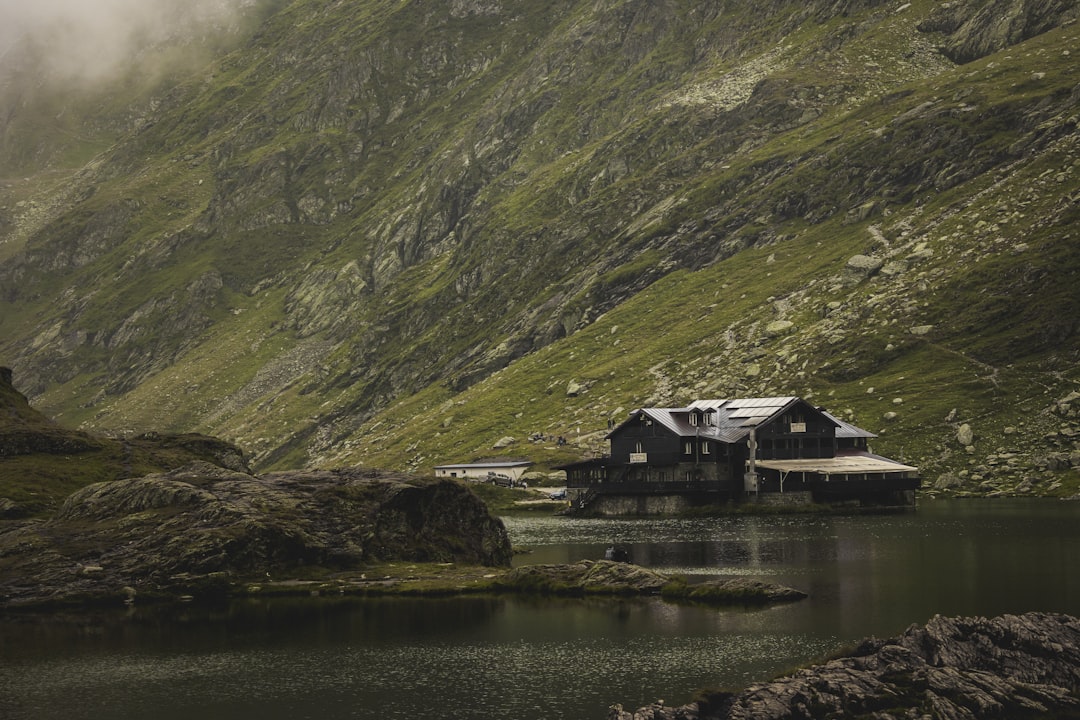
As you climb higher, the landscape changes. The dense forests of pine and beech give way to alpine meadows and then to bare rock. This is the realm of the glacial lakes, the Bâlea Lake being the most famous. Nestled at 2,034 meters, it is the highest natural lake in Romania, a deep blue eye staring up at the peaks of the Făgăraș range. In the summer, it's a hub of activity, with tourists renting bicycles and hiking to nearby peaks. But in the winter, when the lake freezes over, it becomes a surreal, silent world of ice and snow.
The lake is surrounded by the Bâlea Cascade, a waterfall that drops from a height of 100 meters, fed by meltwater from the surrounding glaciers. In the summer, it's a thundering torrent, but in the winter, it freezes into a giant sculpture of ice. The area around Bâlea Lake is a geological wonderland, with moraines, cirques, and U-shaped valleys that tell the story of the last Ice Age. It's a place of stark beauty, where the air is thin and the silence is profound.
Further south, the road descends into the Vâlsan Valley, where the landscape opens up again. But the memory of the high peaks stays with you. The Transfăgărășan is not just a road; it's a journey through different geological eras. You start in the foothills, where the rock is younger and softer, and end in the crystalline core, where the earth is old and hard. It's a vertical timeline, written in stone.
Getting There & What to Expect
Reaching the Transfăgărășan requires planning. The road is only open from July to October, depending on weather conditions. Outside of this window, it's closed due to heavy snow and ice. The nearest major city to the northern entrance is Sibiu, a charming medieval town that serves as the gateway to the highway. From Sibiu, the road climbs steadily, gaining elevation as it winds through the mountains.
Getting to Sibiu is easy. It's well-connected by bus and train from Bucharest, with a journey time of about 4-5 hours. The bus costs around 15-20 EUR one way. From Sibiu, you can rent a car, which is the best way to explore the Transfăgărășan at your own pace. Car rentals in Sibiu start at 30-50 EUR per day, but prices can spike during the peak season. Make sure you get a car with good tires and brakes; the road is demanding.
Accommodation options along the road are limited. The main hub is at Bâlea Lake, where there are several hotels and pensions. Prices range from 40-80 EUR for a basic room to 100-200 EUR for a more comfortable stay. If you prefer camping, there are designated areas near the lake, but facilities are basic. For those who want to avoid the crowds, there are smaller villages in the valleys below, such as Călimănești, which offer cheaper accommodation and a more authentic experience.
What to expect? Expect awe. Expect fear. Expect your car to be tested to its limits. The road is not for the faint of heart, but for those who seek adventure, it's unmatched. The views are otherworldly, the geology is fascinating, and the sense of accomplishment when you reach the top is indescribable. Just don't look down too much.
Search accommodation in Sibiu on Booking.com →
The Road as a Religious Experience
There is a moment, usually around the third hour of driving, when the noise in your head stops. The engine's hum fades into the background, replaced by the wind and the crunch of gravel under your tires. You look out the window and see a ridge of grey rock jutting out into the sky, jagged and ancient, untouched by human hands for thousands of years. In that moment, you feel small. Insignificant. The road, with all its concrete and steel, seems like a temporary thing, a fleeting gesture against the permanence of the stone.
I stopped at a pull-off near the second tunnel, my heart still racing from the last hairpin. I got out and walked to the edge. The drop was sheer, hundreds of meters down to a forest that looked like a green carpet from this height. I put my hand on the rock. It was cold, rough, and real. I thought about the tectonic forces that had pushed this stone up from the depths of the earth, the glaciers that had carved the valleys, the engineers who had blasted this path through the granite. It all felt like a single, continuous act of creation. The road wasn't just a way to get from A to B. It was a conversation between man and mountain, a dialogue written in asphalt and stone. And as I stood there, listening to the wind scream through the peaks, I realized that the mountain was winning.
Comments