


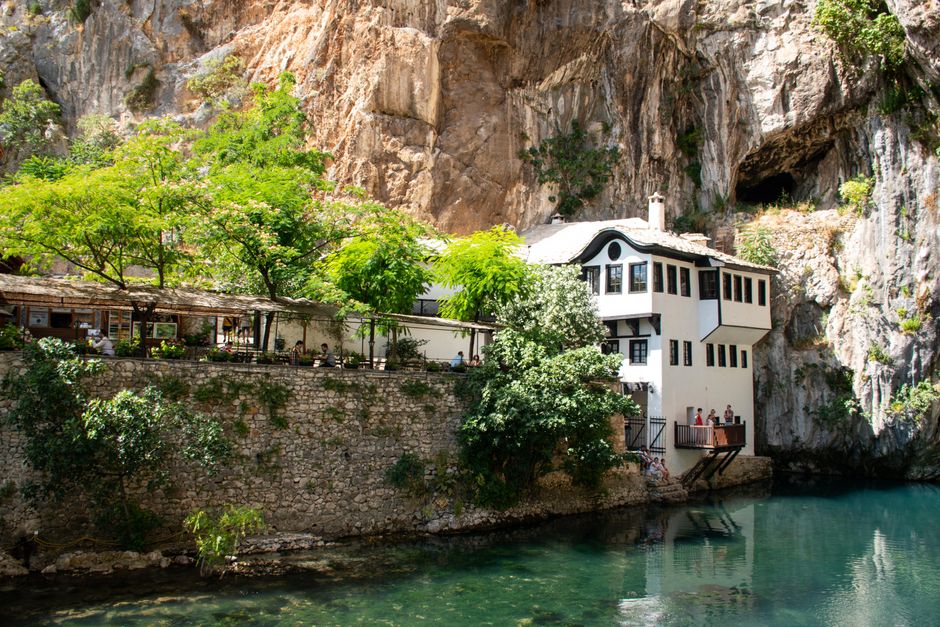
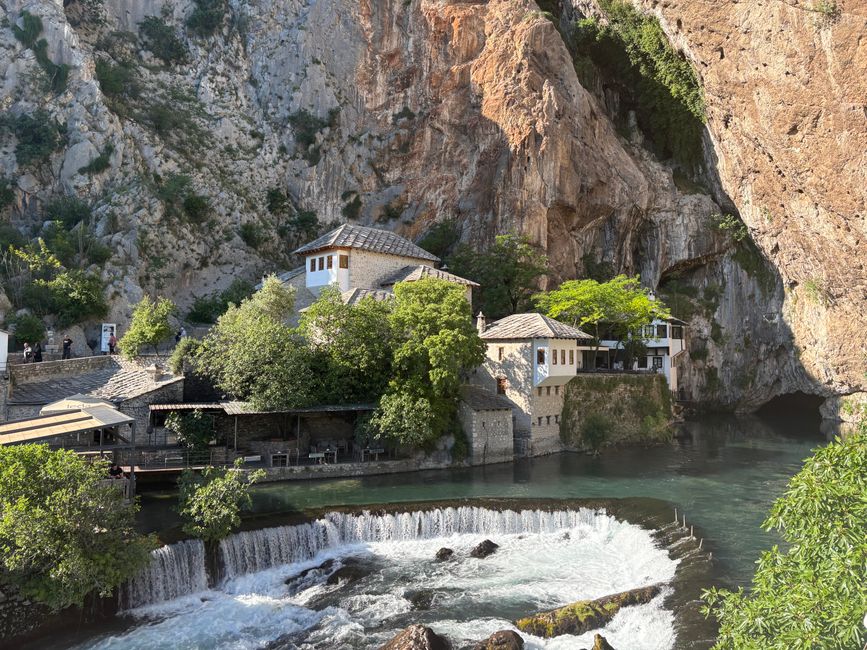
I sat on a jagged rock overlooking the Buna Spring, watching a line of tourists in neon windbreakers step off a bus and immediately start fighting for the best angle to photograph the white-walled dervish lodge. The air smelled of wet limestone and diesel exhaust. A local man in a faded vest shouted at a guide to move his group, his voice cracking against the canyon walls. I wasn't here for the photo op. I was here because, three hours earlier in the traffic-choked streets of Mostar, I had felt a sudden, desperate need to stand where the earth erupts into water and see if the silence they promised actually existed. It doesn't. Not exactly. But the noise here is different. It is ancient, heavy, and soaked in centuries of Sufi prayer.
The Blagaj Tekke isn't just a monastery; it is a geological impossibility. A white Ottoman structure, perched precariously on the edge of a cliff, hanging over the moment the Buna Spring explodes from the rock face. The water is so powerful it creates a mist that coats everything in a permanent, cold dew. I walked down the steep, wooden stairs into the cave system, the temperature dropping ten degrees in ten steps. Inside, the roar of the spring turns into a deafening hum. This is where the Bektashi order has meditated for five hundred years. I lit a cigarette, not because I wanted to smoke, but because the smoke looked better in the damp air, rising toward the dark ceiling like a question mark.
History & Identity
The story of Blagaj begins with the Ottomans, but it belongs to the mountains. In the 15th century, the Ottoman Empire pushed into the Balkans, bringing with them not just soldiers, but architects and mystics. The Blagaj Tekke was founded in 1520 by Dervish Mehmed Bektashi, a disciple of the great Sufi saint Pir Sulejman. It was built as a center for the Bektashi order, a mystical branch of Islam known for its tolerance and syncretic beliefs. While the empire crumbled and borders shifted, the Tekke remained. It survived wars, neglect, and the Bosnian War of the 1990s, when the surrounding area saw heavy fighting. The building was damaged, but never destroyed. Today, it stands as a symbol of Bosnia's complex identity: a place where Islamic mysticism meets the rugged, indifferent nature of the Dinaric Alps.
The identity of Blagaj is also tied to the Buna Spring itself. The spring is one of the largest in Europe, discharging up to 180 cubic meters of water per second. It is the source of the Neretva River, which flows south to the Adriatic Sea. For centuries, the spring was considered sacred by locals, regardless of religion. The Bektashi order built their lodge here because they believed the water had healing properties and that the cave system was a natural portal to the divine. The juxtaposition of the white, geometric lodge against the chaotic, raw power of the water creates a visual tension that defines the place. It is order imposed on chaos, or perhaps, chaos tamed by faith.
The Tekke is not a mosque in the traditional sense. It is a lodge for dervishes, a place for meditation and spiritual practice. There is no call to prayer here, no minaret. Instead, there is the constant sound of water and the occasional chanting of Sufi hymns. The architecture is simple, functional, and elegant. The main building is a two-story structure with a wooden balcony that overlooks the spring. Inside, the rooms are sparsely furnished, with rugs and cushions for meditation. The atmosphere is one of quiet reverence, a stark contrast to the tourist hustle outside. Walking through the Tekke, you feel the weight of history, but also the lightness of the Sufi philosophy that emphasizes direct experience of the divine over ritual.
Where to Go
The Blagaj Tekke — The centerpiece of the site. Entry is free, but donations are expected. The lodge is open from early morning until late afternoon. The best time to visit is early in the morning, before the tour buses arrive, when the light is soft and the crowds are thin. Inside, you can see the meditation rooms, the library, and the shrine of Dervish Mehmed Bektashi. The wooden balcony offers the best view of the spring, though it is often crowded with photographers.
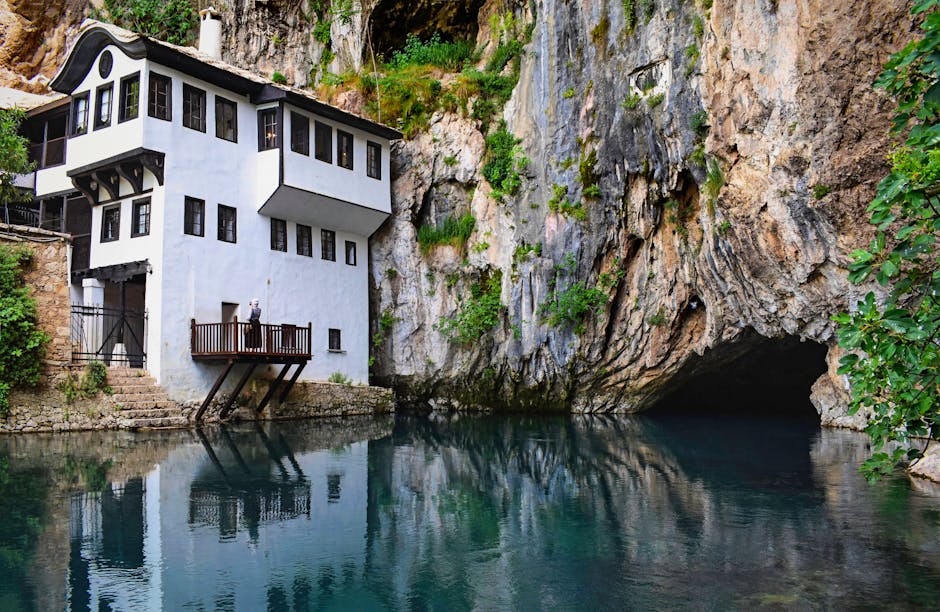
The Buna Spring — The geological marvel that powers the Neretva River. The spring emerges from a cave system beneath the Tekke, creating a powerful torrent of water. You can walk down wooden stairs into the cave system, where the sound of the water is deafening. The water is cold, around 10 degrees Celsius year-round, and clear enough to see the bottom. There are small boats available for rides on the spring, which offer a unique perspective of the cave walls and the water flow.
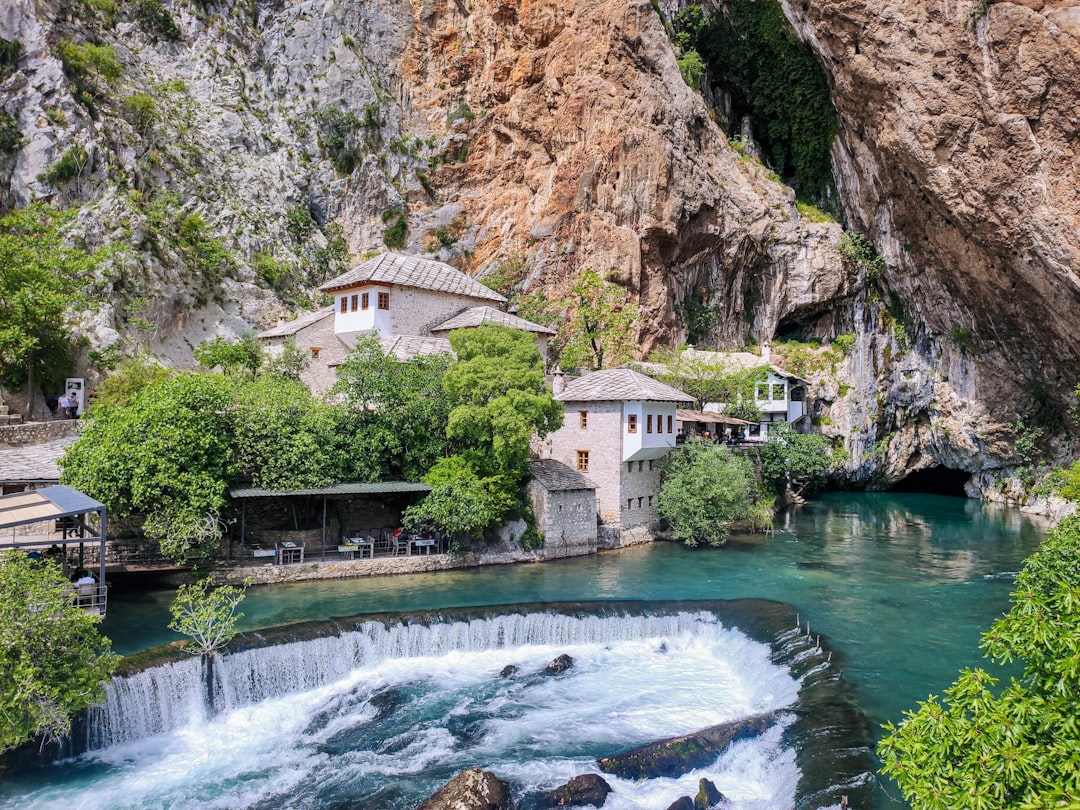
The Ethnographic Museum — Located in a traditional Ottoman house near the Tekke, this small museum displays artifacts from the region, including traditional clothing, tools, and religious items. It provides context for the history of Blagaj and the Bektashi order. The museum is quiet and well-curated, a nice break from the crowds.
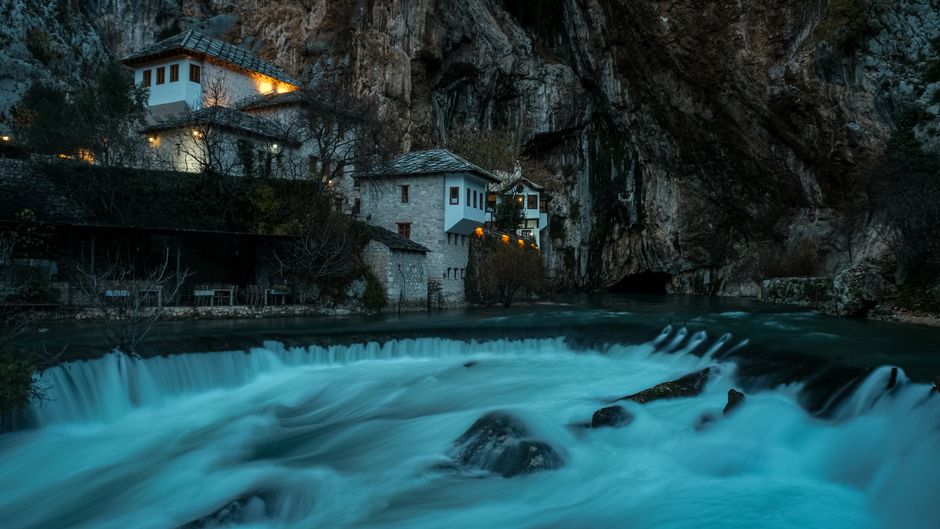
The Neretva River Walk — A path along the river below the Tekke offers a different view of the site. You can walk along the riverbank, seeing the Tekke from below and the surrounding mountains. The walk is short and easy, suitable for all ages. It is a good place to sit and watch the river flow, or to take photos of the Tekke from a lower angle.
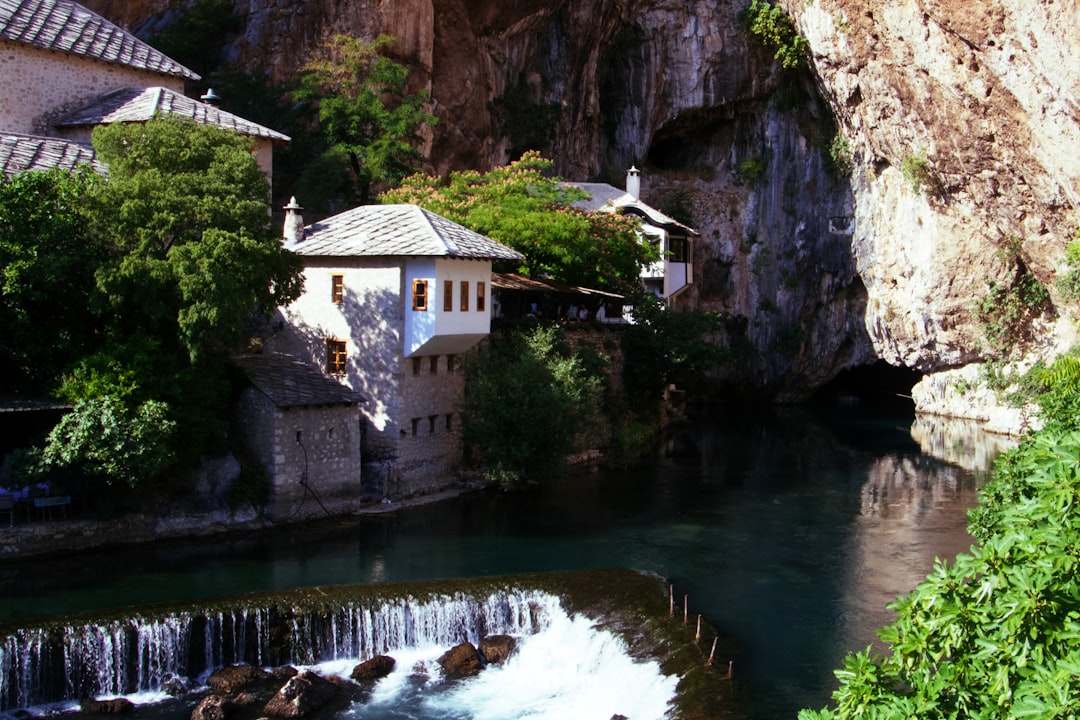
The Mountain Viewpoint — A short hike up the mountain behind the Tekke offers panoramic views of the spring, the river, and the surrounding peaks. The hike is steep and takes about 20 minutes. The view is worth the effort, especially at sunset, when the light hits the white walls of the Tekke.
What to Eat & Drink
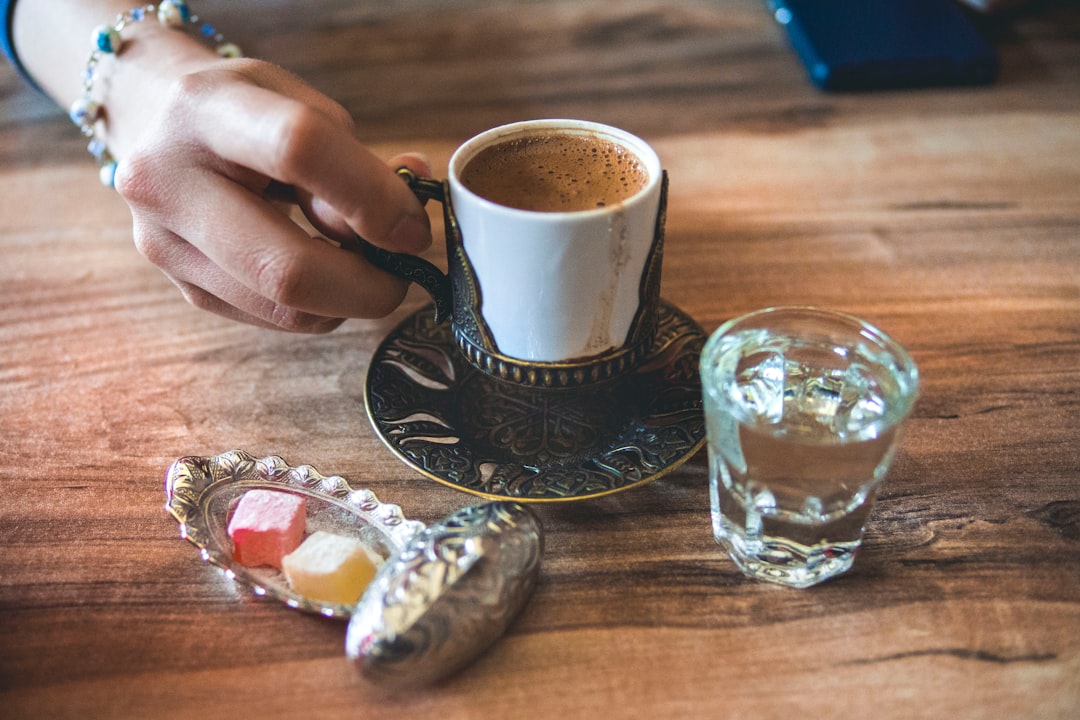
The food scene in Blagaj is limited, but there are a few options. Most visitors eat in Mostar and then head to Blagaj for the site. However, if you want to stay and eat, there are several cafes and restaurants near the Tekke. The prices are higher than in Mostar, but the view makes up for it. Bosnian coffee is a must, served in a traditional džezva and accompanied by Turkish delight. 2-3 EUR Burek (meat-filled pastry) is also popular, available at local bakeries. 1-2 EUR For a full meal, try ćevapi (grilled minced meat sausages) with somun bread and onions. 5-7 EUR There is also a small market where you can buy local cheeses, honey, and rakija (fruit brandy).

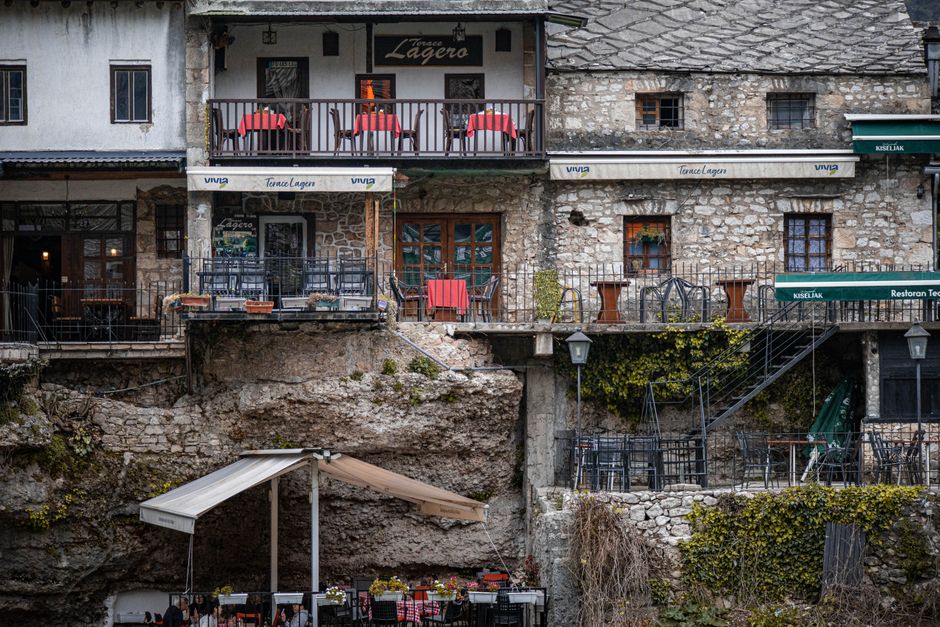
Budget travelers can find take-away options near the parking area, with sandwiches and snacks for under 5 EUR. For a sit-down meal, expect to pay 8-15 EUR per person. There are no high-end restaurants in Blagaj, so if you want a fancy meal, head back to Mostar. The cafes near the Tekke are mostly focused on coffee and light snacks, with outdoor seating that overlooks the spring. The atmosphere is relaxed, with locals and tourists mingling.
Nightlife
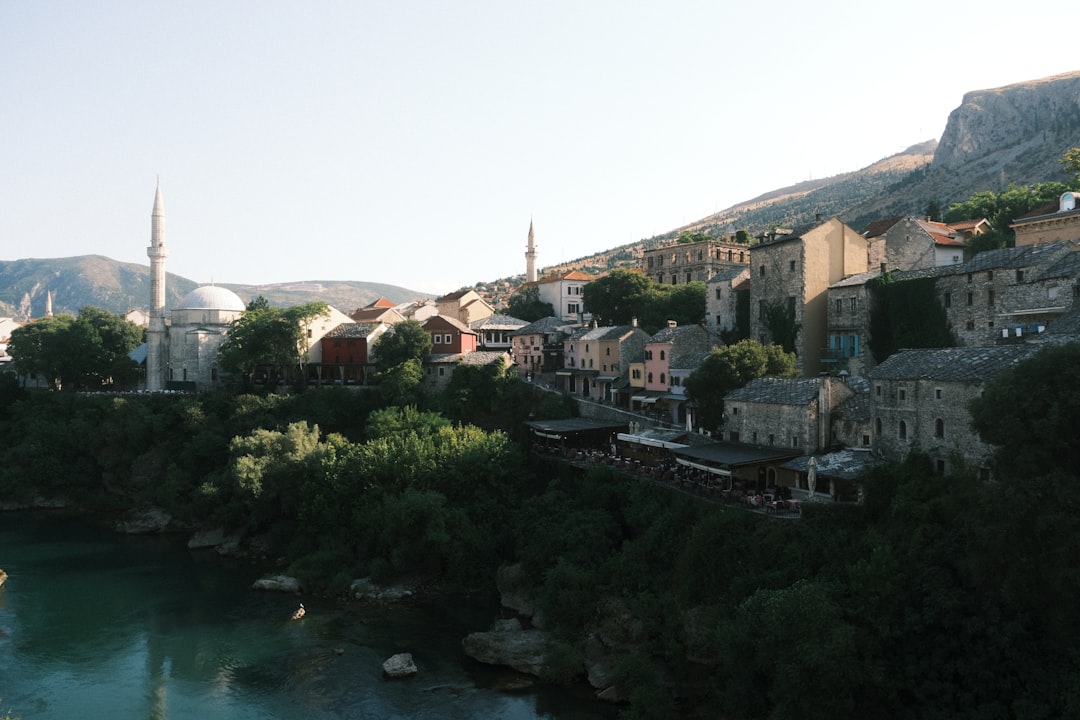
Blagaj is not a nightlife destination. The site closes in the late afternoon, and the area becomes quiet. There are no bars or clubs in Blagaj. If you want nightlife, you need to go to Mostar, which is about 20 minutes away by car or bus. Mostar has a vibrant nightlife scene, with bars and clubs along the Neretva River and in the old town. The atmosphere is lively, with live music and dancing until the early hours. However, if you are staying in Blagaj, the only nightlife is the sound of the spring and the stars above.
Getting There & What to Expect
The nearest major city is Mostar, which is about 20 kilometers away. From Mostar, you can take a bus or a taxi to Blagaj. The bus takes about 30 minutes and costs around 2-3 EUR. Taxis are more expensive, around 15-20 EUR, but offer more flexibility. You can also drive from Mostar, taking the M7 highway and then turning off at the Blagaj exit. The road is well-maintained, but can be busy during peak season. There is a large parking area near the Tekke, but it fills up quickly.
Accommodation in Blagaj is limited. There are a few guesthouses and hotels in the village, with prices ranging from 30-50 EUR per night for a basic room to 60-80 EUR for a more comfortable option with a view. If you want more choices, stay in Mostar, where you can find hostels from 10-20 EUR per night to luxury hotels for . The best time to visit Blagaj is from April to October, when the weather is warm and the crowds are manageable. In winter, the site is less crowded, but the cold and rain can make the visit less enjoyable. Children can visit, but the stairs and slippery rocks near the spring can be dangerous for young kids. Supervision is essential.
Search accommodation in Mostar on Booking.com →
The Dervish's Whisper
I left Blagaj as the sun was setting, the light turning the white walls of the Tekke a deep orange. The tourists were gone, replaced by a few locals walking along the river. I stood on the balcony of the Tekke, watching the water rush into the river, and I thought about the dervish who had built this place five hundred years ago. He had chosen this spot not for the view, but for the sound. The roar of the water was his meditation aid, his way of blocking out the world. I couldn't hear his prayers, but I could hear the water. And in that moment, standing on the edge of the cliff, I felt a strange sense of peace. Not the peace of silence, but the peace of noise that has lasted for centuries. The dervish was gone, but the water remained. And so did the echo of his faith, carried on the mist.
Comments