


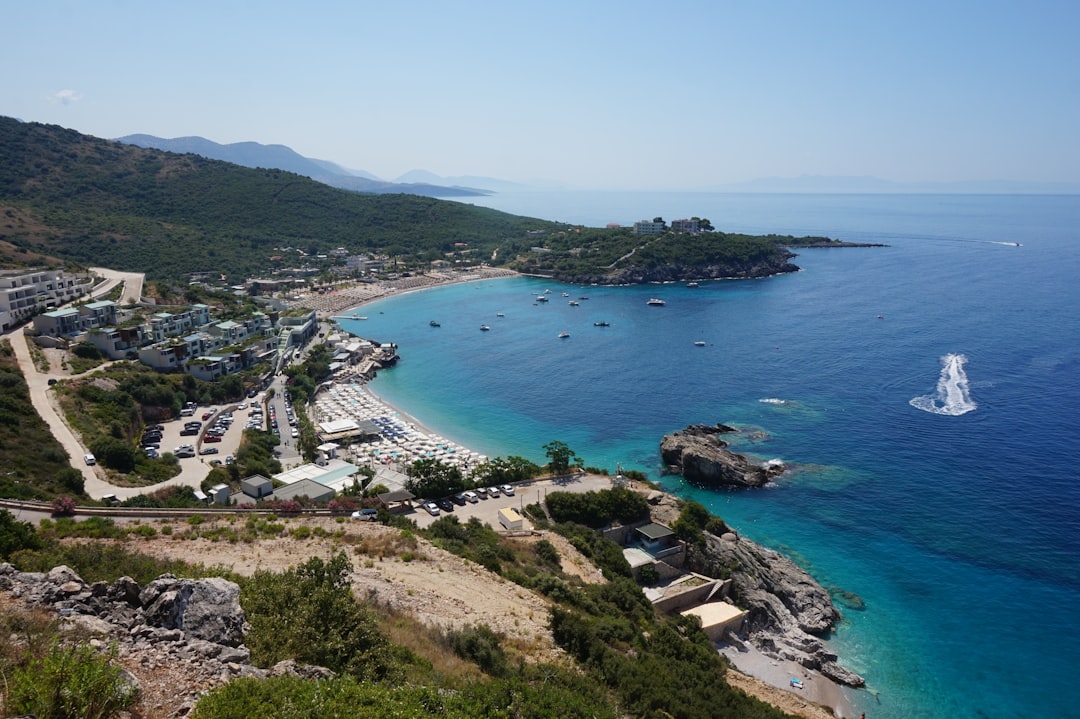
My rental Fiat Panda smells like stale cigarettes and burnt rubber, a fitting olfactory introduction to the southern Albanian coast. I'm stuck in a traffic jam that stretches back toward Saranda, the engine idling while a swarm of scooter riders weave through the gridlock with the reckless confidence of people who know the law is a suggestion, not a rule. The sun is already hammering down at 10 AM, reflecting off the turquoise water so brightly it hurts to look directly at it. I'm not here for the luxury resorts; I'm here to see what happens when a country opens its borders to the world too fast, too furious. The air tastes of salt, diesel, and cheap sunscreen. This is the new frontier of European tourism, and it's beautiful, chaotic, and absolutely exhausting.
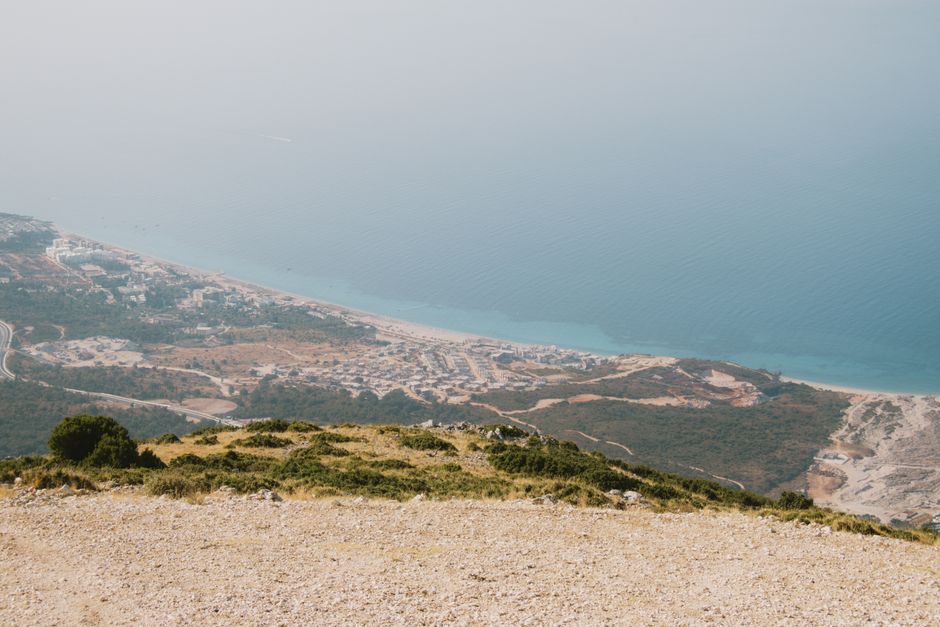
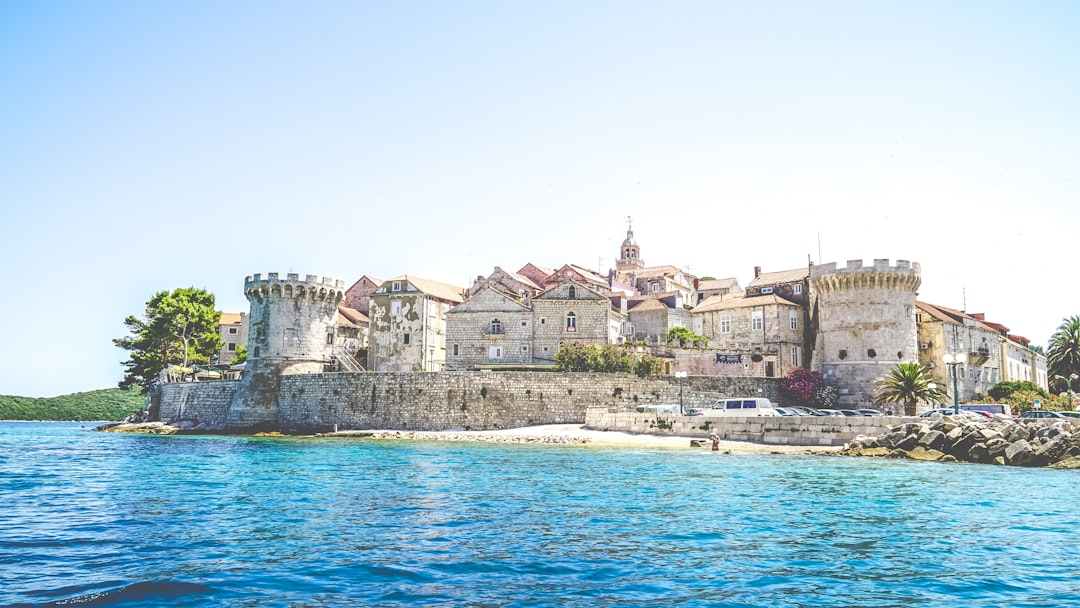
Twenty years ago, this stretch of coastline was a restricted military zone, patrolled by soldiers guarding a border that didn't really exist. Today, it's packed with Germans, Italians, and Brits chasing the same blue water you'd find in the Caribbean, but for a fraction of the price. The transformation is violent and visible. Cranes dot the skyline like mechanical crabs, lifting concrete skeletons into the sky while fishermen still mend their nets on the pebbled shores. It's a collision of worlds, and I'm right in the middle of it, sweating through my shirt and wondering if this paradise is built on sand or steel.
History & Identity
The history of the Albanian Riviera is written in blood and isolation. For decades under the communist regime of Enver Hoxha, this coastline was a forbidden zone. The beaches were empty, the villages depopulated, and the sea guarded by soldiers watching for defecting citizens. The landscape bears the scars of that era: abandoned bunkers made of concrete pepper the hillsides, strange mushroom-shaped sentinels that now serve as tables for beach bars or shelters for stray cats.
The fall of communism in the early 1990s didn't just open the border; it unleashed a pent-up demand for connection with the outside world. The region, historically isolated due to its rugged terrain and political restrictions, began to transform rapidly. The identity of the Riviera is now a mix of traditional Albanian hospitality and raw, unfiltered development. There's no polished veneer here. The streets are often unpaved, the signage is haphazard, and the infrastructure is struggling to keep pace with the influx of tourists. Yet, there's a genuine warmth to the people, a pride in their land that hasn't been sold out to international hotel chains, at least not yet.
Today, the Riviera is Albania's answer to the Mediterranean dream. It's a place where the past and future collide. You can see a grandmother selling tomatoes from a wooden cart next to a luxury villa under construction. The identity is fluid, changing with every tide, but the core remains: a rugged, resilient coastline that refuses to be tamed.
Where to Go
Saranda Old Town — The gateway to the Riviera, Saranda is a bustling port city that serves as the base for most visitors. The old town area, with its narrow, cobblestone streets and whitewashed houses, offers a glimpse into traditional Albanian architecture. It's a good place to start your journey, with plenty of cafes and shops. The waterfront promenade is lively in the evening, filled with locals and tourists alike.
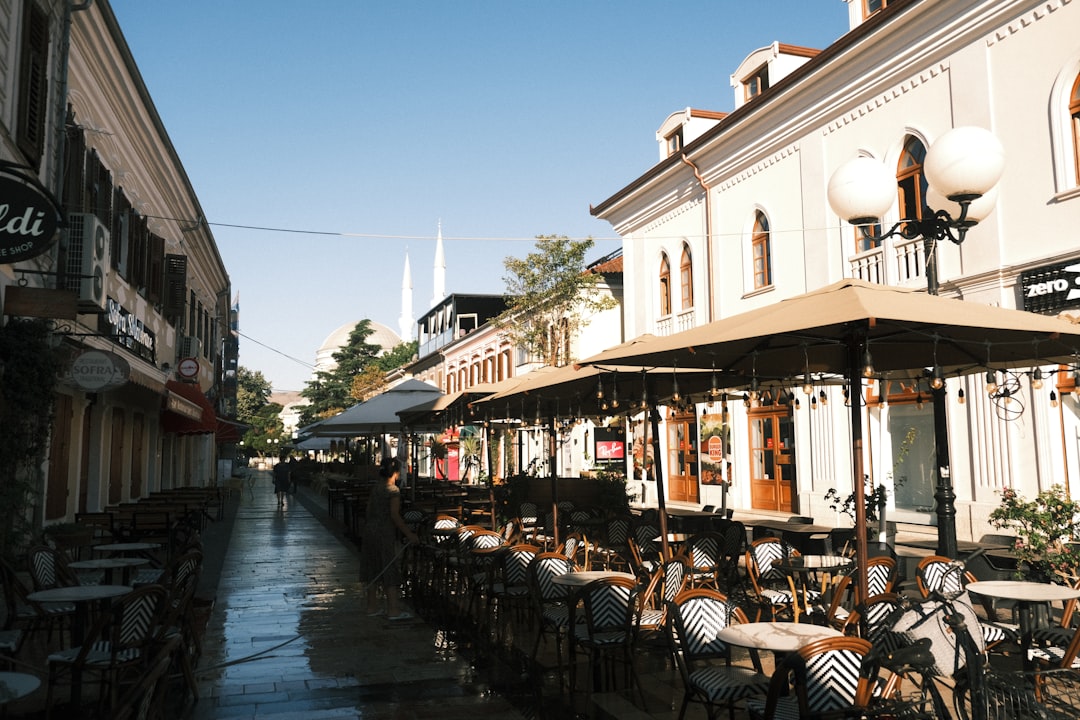
Ksamil Beaches — Just a few kilometers south of Saranda, Ksamil is famous for its crystal-clear waters and white pebble beaches. It's the most popular spot on the Riviera, and for good reason. The water is incredibly clear, revealing underwater rocks and marine life. The beaches are crowded in high season, but the beauty is undeniable. There are several small islands just offshore that you can swim to, offering a chance to escape the crowds.
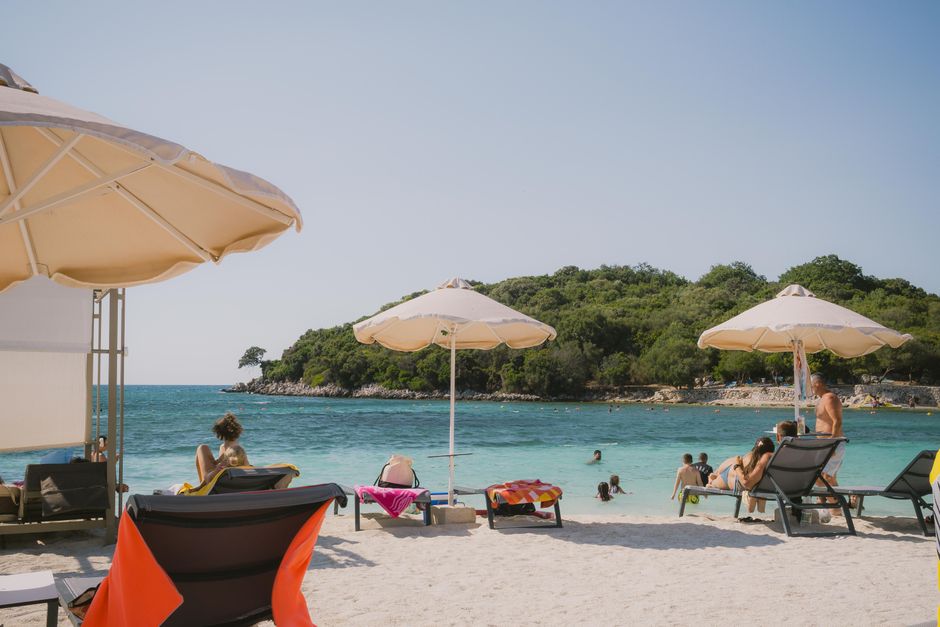
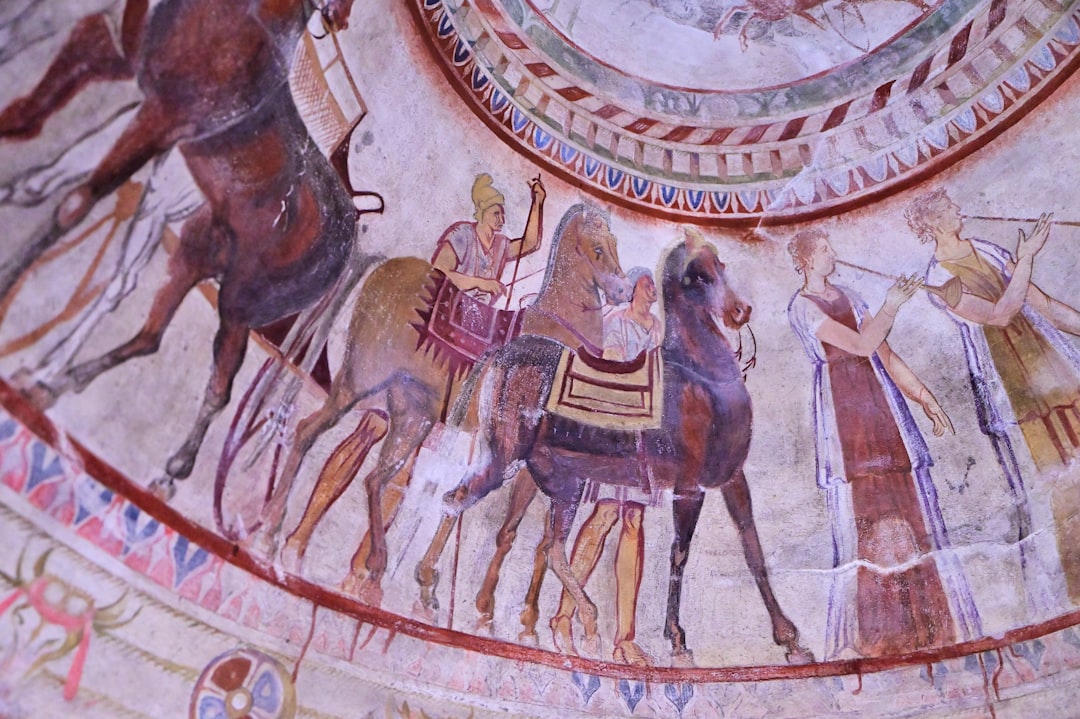
Butrint National Park — A short drive north of Saranda, Butrint is a UNESCO World Heritage site that offers a stark contrast to the beach party atmosphere of Ksamil. This ancient Greek and Roman city is a sprawling archaeological park with ruins of theaters, basilicas, and tombs set in a lush, forested landscape. It's a peaceful, reflective place that provides a deeper understanding of the region's history. Entry fee is approximately 5 EUR.
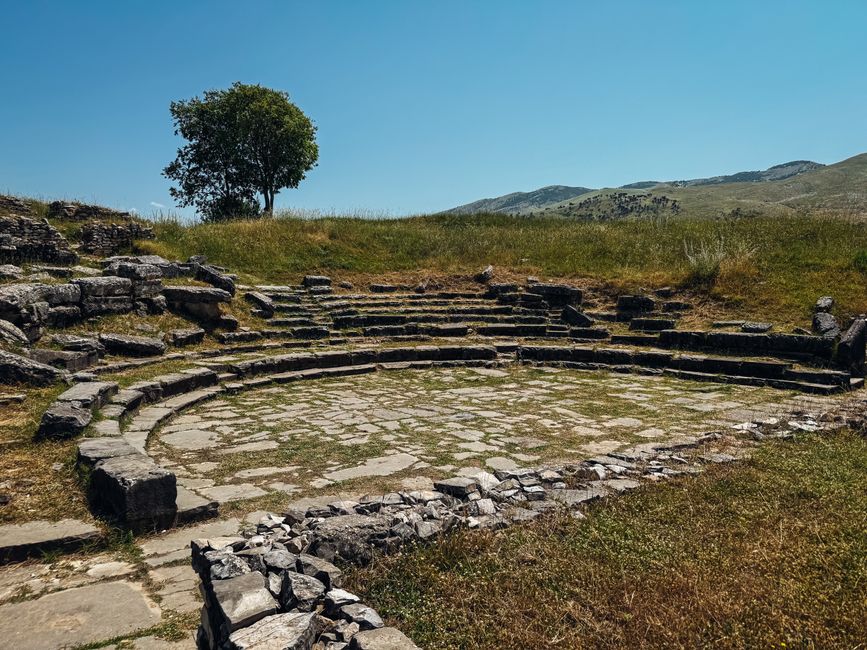
Himara — Further south along the coast, Himara is a smaller, more authentic town with a charming old quarter and a lively beach scene. It's less developed than Ksamil, offering a more relaxed atmosphere. The beaches here are a mix of pebble and sand, with clear waters and a more local vibe. It's a great place to stay if you want to avoid the crowds.
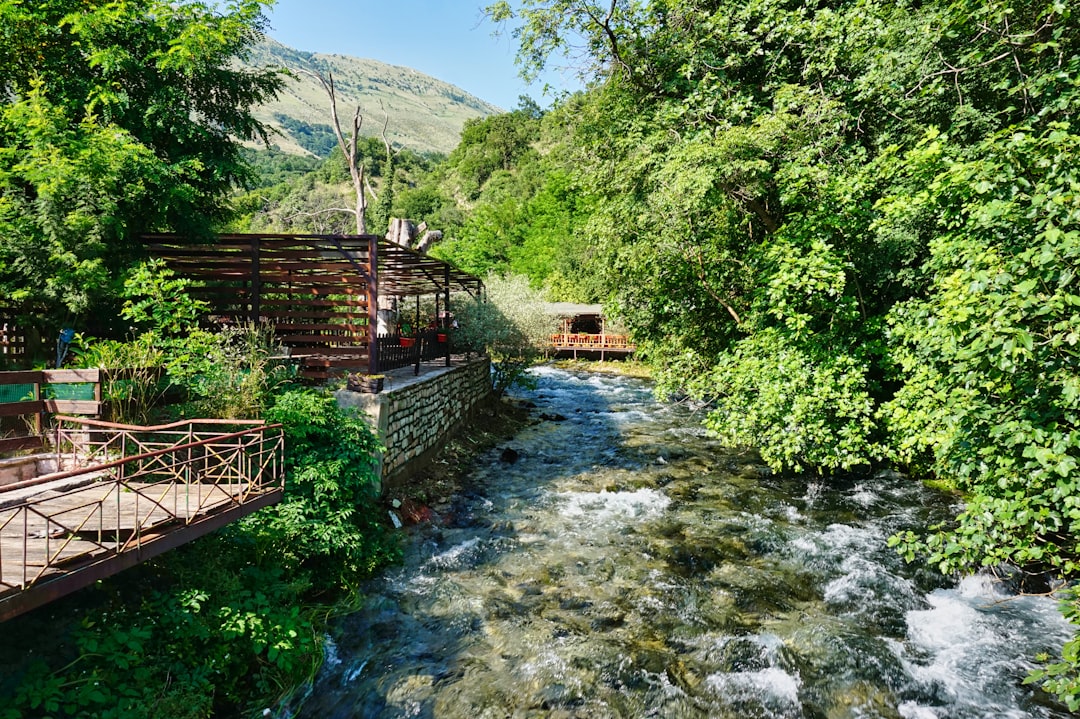
Blue Eye Spring (Syri i Kaltër) — Inland from the coast, the Blue Eye is a natural spring with incredibly clear, blue water. It's a popular day trip from Saranda, offering a refreshing escape from the heat. The surrounding area is forested and peaceful, with small cafes nearby. It's a surreal sight, a perfect circle of blue water appearing from the ground.
What to Eat & Drink
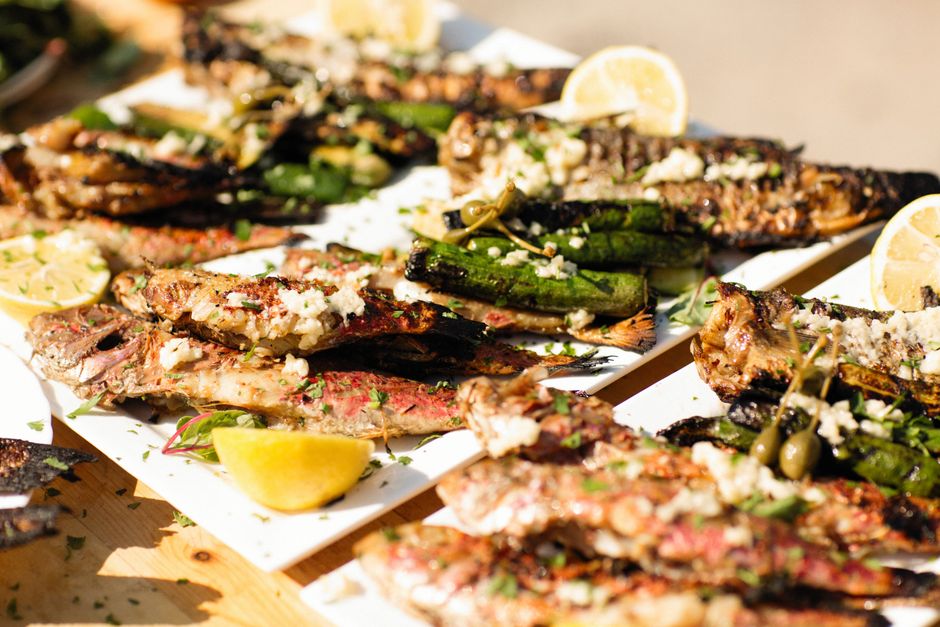
Food on the Albanian Riviera is a mix of traditional Albanian cuisine and Mediterranean influences. Fresh seafood is the star of the show, given the proximity to the sea. You'll find grilled octopus, squid, and various fish dishes served with lemon and olive oil. A typical meal of grilled fish with fries and salad costs around 10-15 EUR. For a lighter option, try byrek, a flaky pastry filled with cheese, spinach, or meat, which costs about 2-4 EUR per piece. It's a common street food snack.
Another local favorite is tave kosi, a baked dish of lamb or chicken with yogurt and rice. It's creamy, comforting, and deeply flavorful, costing around 8-12 EUR for a serving. For a refreshing drink, try raki, a strong grape or fruit brandy that is a staple of Albanian hospitality. A small glass costs about 2-3 EUR. Water and local beer are also cheap, with a bottle of water costing around 0.50-1 EUR and a local beer 2-3 EUR.
Street food is abundant and affordable. You can find qepo, a grilled meat kebab, for about 3-5 EUR, and pizza slices for 2-4 EUR. There are many small eateries and food stalls along the main streets of Saranda and Ksamil, offering quick and cheap meals. For a more sit-down experience, local restaurants offer a full meal for 10-20 EUR per person. The food scene is vibrant, with a focus on fresh ingredients and simple, flavorful dishes.
Nightlife
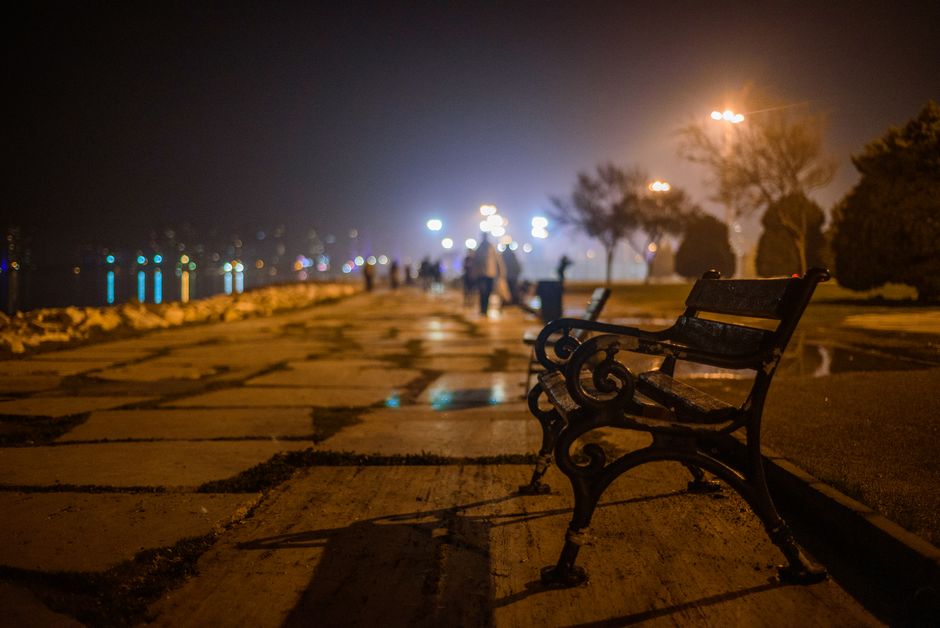
Nightlife on the Albanian Riviera is centered around the beaches and the main streets of Saranda and Ksamil. In Ksamil, the beach bars transform into lively clubs in the evening, with DJs playing pop and house music. The atmosphere is energetic, with young tourists dancing on the sand and drinking cocktails. Cover charges are low, often just 2-5 EUR for a drink, and the music goes late into the night.
In Saranda, the waterfront promenade is lined with bars and clubs, offering a more varied scene. You'll find everything from chill-out lounges to high-energy dance clubs. Popular venues include those near the port, where the view of the sea adds to the ambiance. The music ranges from electronic to Albanian pop, and the crowds are a mix of locals and tourists. Entry is usually free or low-cost, with drinks priced around 3-6 EUR.
Himara also has a growing nightlife scene, with beach bars and clubs offering a more relaxed vibe. The music is generally softer, and the crowds are smaller, making it a good option for those who prefer a quieter evening. Overall, the nightlife on the Riviera is affordable, lively, and centered around the beach, offering a fun and energetic experience for visitors.
Getting There & What to Expect
The nearest airport to the Riviera is in Saranda, which has seasonal flights from various European cities. Alternatively, you can fly into Corfu Airport in Greece, which is just a short ferry ride away from Saranda. The ferry takes about 45 minutes and costs around 15-20 EUR one way. From the airport, taxis to Ksamil cost about 10-15 EUR. Buses are also available from major cities like Tirana, with the journey taking around 4-5 hours and costing 10-15 EUR.
Accommodation options range from budget hostels to luxury villas. A bed in a hostel costs around 10-20 EUR per night, while a mid-range hotel room costs 40-80 EUR per night. Luxury villas can cost 150-500 EUR per night, depending on the season and amenities. Camping is also an option in some areas, with sites costing around 5-10 EUR per night. The best time to visit is from June to September, when the weather is hot and sunny, and the sea is warm. However, this is also the peak season, so expect crowds and higher prices.
Search accommodation in Saranda on Booking.com →
What to expect: The Riviera is beautiful but chaotic. The infrastructure is still developing, so roads can be poorly maintained, and public transport is limited. Taxis are expensive compared to other Balkan countries, so consider renting a car or scooter if you plan to explore the area. The water is incredibly clean, and the beaches are stunning, but the crowds can be overwhelming in high season. Be prepared for a mix of modern development and traditional Albanian life, and embrace the chaos as part of the experience.
The Verdict: Paradise or Purgatory?
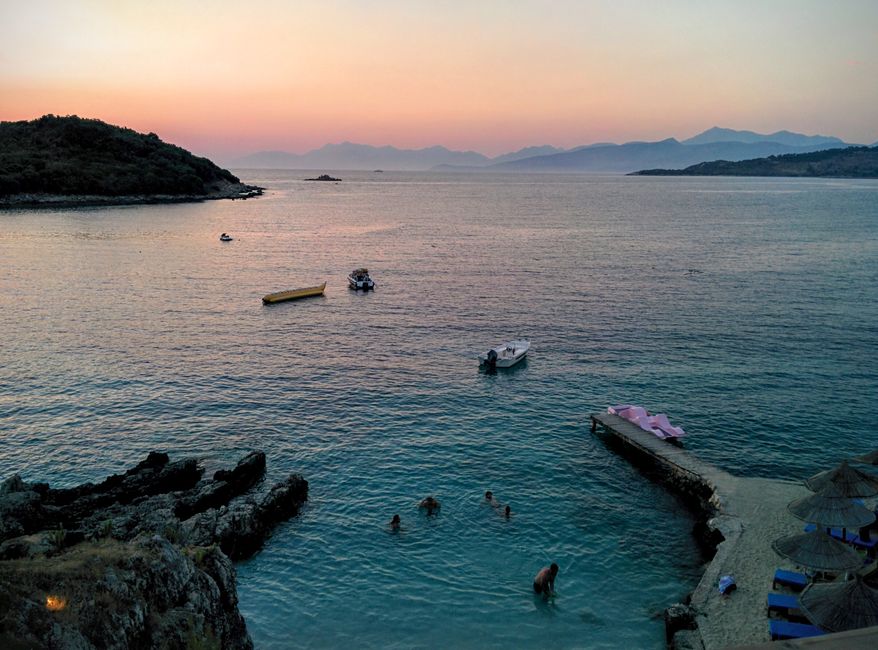
As I sit on the edge of a concrete pier in Ksamil, watching the sun dip below the horizon, I'm struck by the duality of this place. The water is undeniably beautiful, a shade of blue that seems almost artificial in its perfection. But the surrounding development is jarring, a haphazard collection of half-finished buildings and crowded streets. It's a place of extremes, where paradise and purgatory exist side by side.
Is it worth it? For the price, yes. You can get a meal, a drink, and a bed for a fraction of what you'd pay in Greece or Italy. But you pay for that affordability in convenience and comfort. The roads are bad, the traffic is chaotic, and the infrastructure is struggling. Yet, there's a raw energy to the Riviera that's hard to find elsewhere. It's a place on the move, changing every day, and there's a certain excitement in being part of that transformation.
I'll leave the Riviera with a mix of admiration and exhaustion. It's not a polished destination, and it never will be. But it's alive, vibrant, and utterly unique. If you can handle the chaos, the Albanian Riviera offers a taste of paradise that's both affordable and authentic. Just don't expect it to be easy.
Comments