


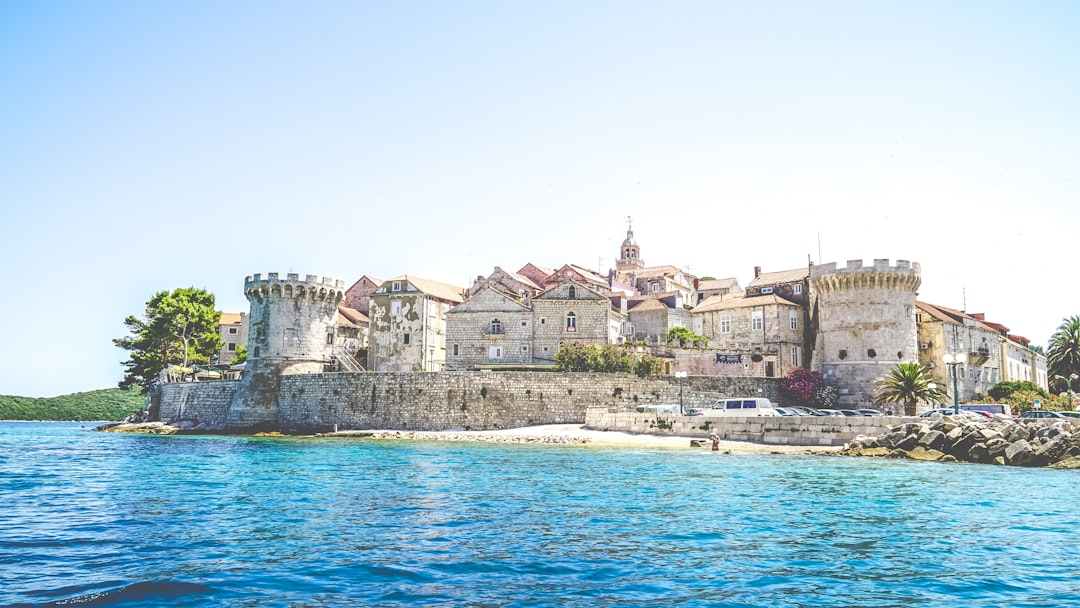
I'm sitting on a crumbling limestone wall in Ston, nursing a lukewarm beer while the sun sets over the Adriatic. The air smells of salt, garlic, and old stone. A local fisherman walks by, squinting at me like I'm a tourist who's wandered into a secret club. He doesn't speak English, but he points toward the sea, where the water turns from turquoise to deep blue. It's a gesture that says, "You see this? This is real. Not the postcard version." I nod, because he's right. This isn't the polished, overpriced facade of Dubrovnik. This is the raw, unfiltered edge of Croatia's Dalmatian coast, where history is etched into every rock and the past feels closer than the present.
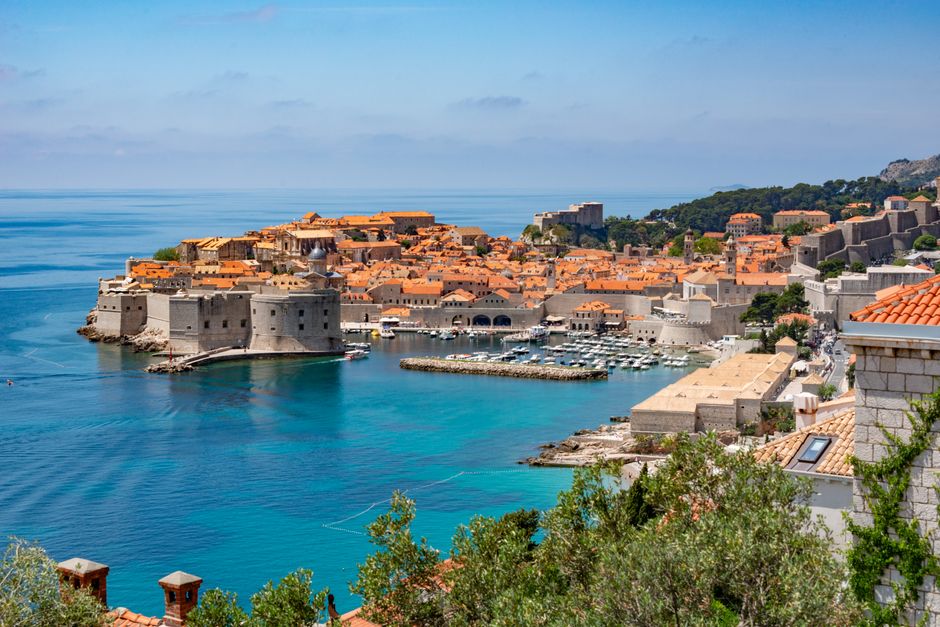
Most travelers hit Dubrovnik and call it a day. They snap photos of the Game of Thrones locations, pay exorbitant prices for mediocre food, and leave. But just a few miles south, there's a world waiting to be discovered. Ston and Mljet are not just destinations; they're experiences. They're places where time seems to stand still, where the rhythm of life is dictated by the tides and the seasons. If you're willing to trade the crowds for quiet, the luxury for authenticity, these stone towns will reward you with memories that last a lifetime.
History & Identity
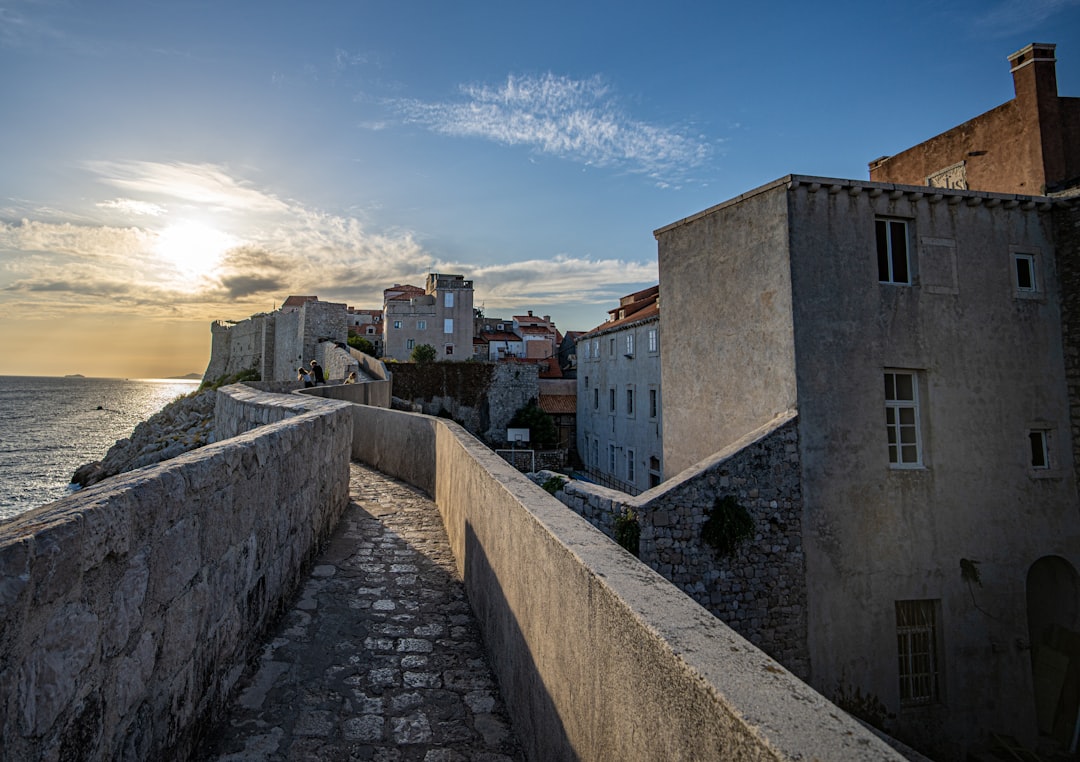
Ston is a fortress town built on a peninsula, surrounded by massive stone walls that date back to the 14th century. These walls, stretching over five kilometers, are the longest medieval fortifications in the Adriatic. They were built to protect the town from invaders, particularly the Ottoman Empire. Inside, the streets are narrow and winding, lined with stone houses that have stood the test of time. The town's identity is deeply rooted in its history as a strategic stronghold, but today, it's more known for its oysters and garlic. The local economy thrives on these two products, which are cultivated in the surrounding waters and fields.
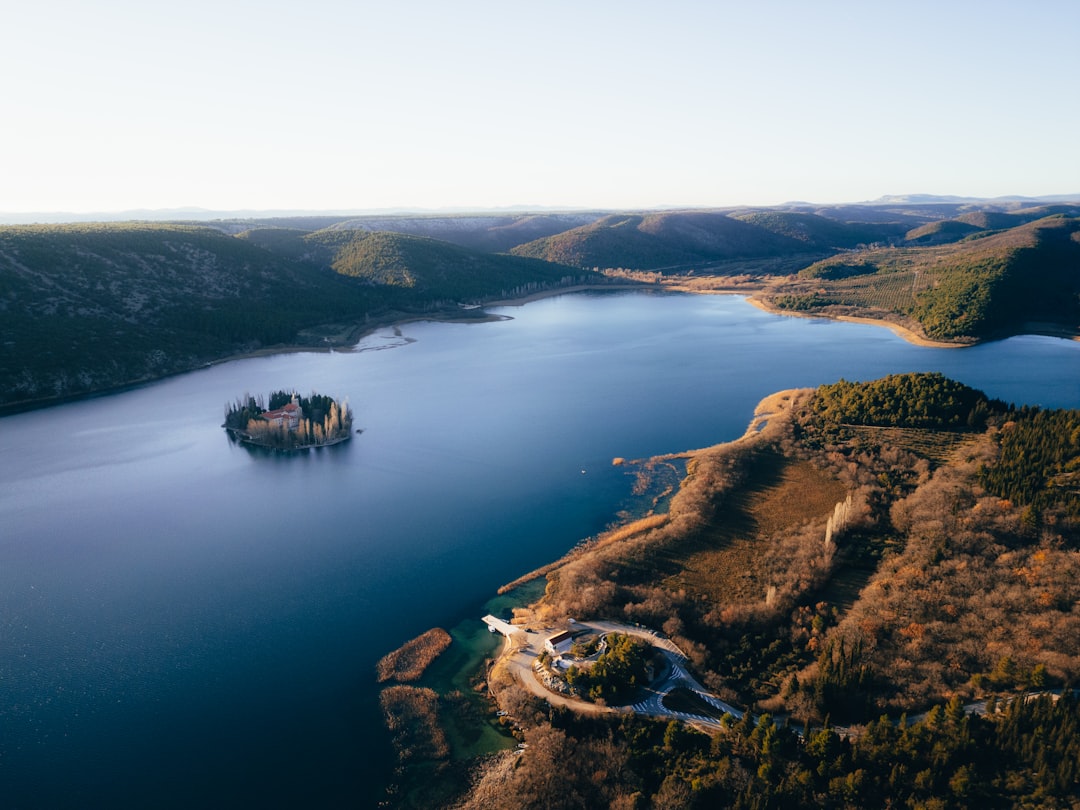
Mljet, on the other hand, is a national park that feels like a hidden paradise. The island is dominated by two large lakes, Veli Jezero and Malu Jezero, which are connected by a narrow channel. In the middle of Veli Jezero sits a small islet with a 12th-century Benedictine monastery, Epidauria. The island's history is a mix of Roman, Byzantine, and Venetian influences, and you can see remnants of each in the ruins scattered across the landscape. Mljet is a place of natural beauty, with dense forests, crystal-clear waters, and a sense of tranquility that's hard to find elsewhere.
Where to Go
Ston's Walls — The crown jewel of Ston is its massive stone walls. Walking along the top of the walls offers panoramic views of the Adriatic and the surrounding countryside. The walk is about five kilometers long and can take anywhere from two to three hours, depending on your pace. Entry is free, but the best time to visit is early morning or late afternoon to avoid the heat and crowds.
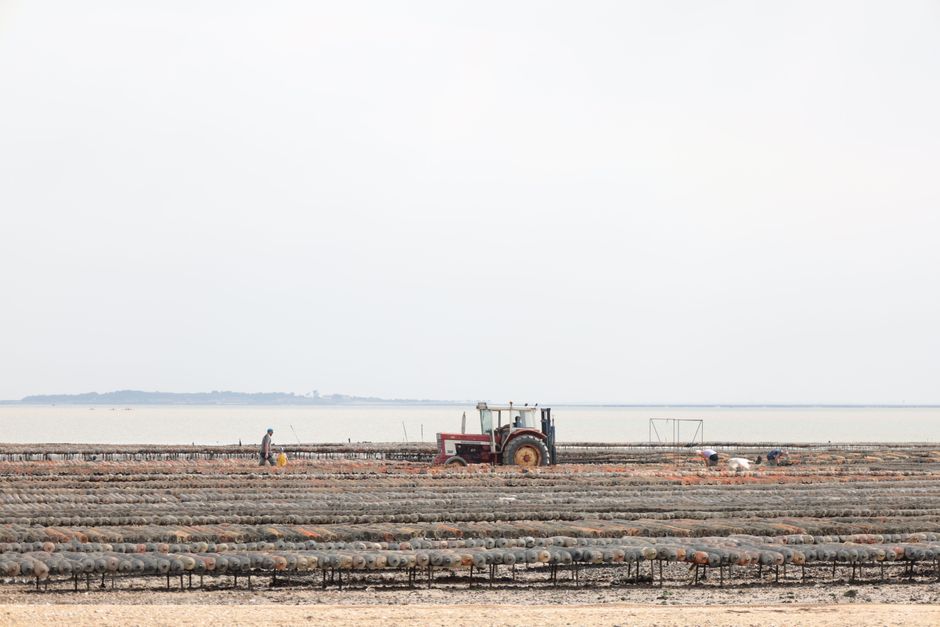
Ston's Oyster Farms — Just a short boat ride from Ston, you can visit the famous oyster farms. The oysters here are renowned for their quality and taste, and many farms offer tours and tastings. It's a unique experience to see how these delicacies are cultivated and to taste them straight from the source. Expect to pay around 15-20 EUR for a tour and tasting.
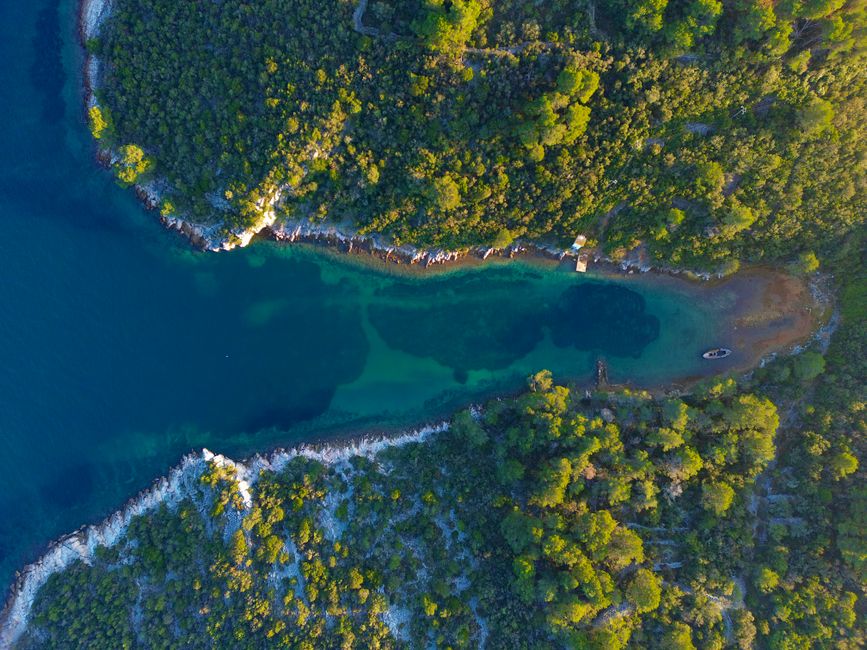
Mljet National Park — The heart of Mljet is its two lakes, Veli Jezero and Malu Jezero. You can explore the lakes by boat or kayak, and there are several trails that wind through the surrounding forests. The park is home to a variety of wildlife, including deer, wild boar, and numerous bird species. Entry to the national park is 10 EUR for adults, and it's open year-round, though the best time to visit is from May to October.
Epidauria Monastery — Located on a small islet in Veli Jezero, this 12th-century Benedictine monastery is a must-see. The monastery is well-preserved and offers a glimpse into the island's religious history. You can visit the church and the surrounding ruins, and there's a small museum on-site. Entry is included in the national park fee.
Poloče Beach — On the eastern side of Mljet, Poloče Beach is a secluded stretch of sand and pebbles. It's a great spot for swimming and sunbathing, and the water is incredibly clear. There are no facilities on the beach, so bring your own food and drinks. It's a perfect place to escape the crowds and relax.

What to Eat & Drink
In Ston, you can't leave without trying the local oysters. They're served fresh, often with a squeeze of lemon and a side of garlic bread. A plate of oysters will cost you around 10-15 EUR. Another local specialty is crni rižot, a black risotto made with squid ink. It's a rich, flavorful dish that's perfect for a hearty meal. Expect to pay 8-12 EUR for a serving.
Mljet offers a different culinary experience. The island is known for its olive oil, which is produced in small quantities and is of exceptional quality. You can find local olive oil at the few restaurants on the island, or bring some back as a souvenir. A bottle of high-quality olive oil will cost around 10-15 EUR. Another must-try is pasulj, a bean stew that's slow-cooked and served with polenta. It's a simple, comforting dish that's perfect for a cold evening. Expect to pay 6-10 EUR for a serving.
For budget travelers, there are several take-away options in Ston, where you can grab a sandwich or a pastry for 2-4 EUR. In Mljet, the food options are more limited, but there are a few cafes where you can get a coffee and a cake for 3-5 EUR.
Nightlife
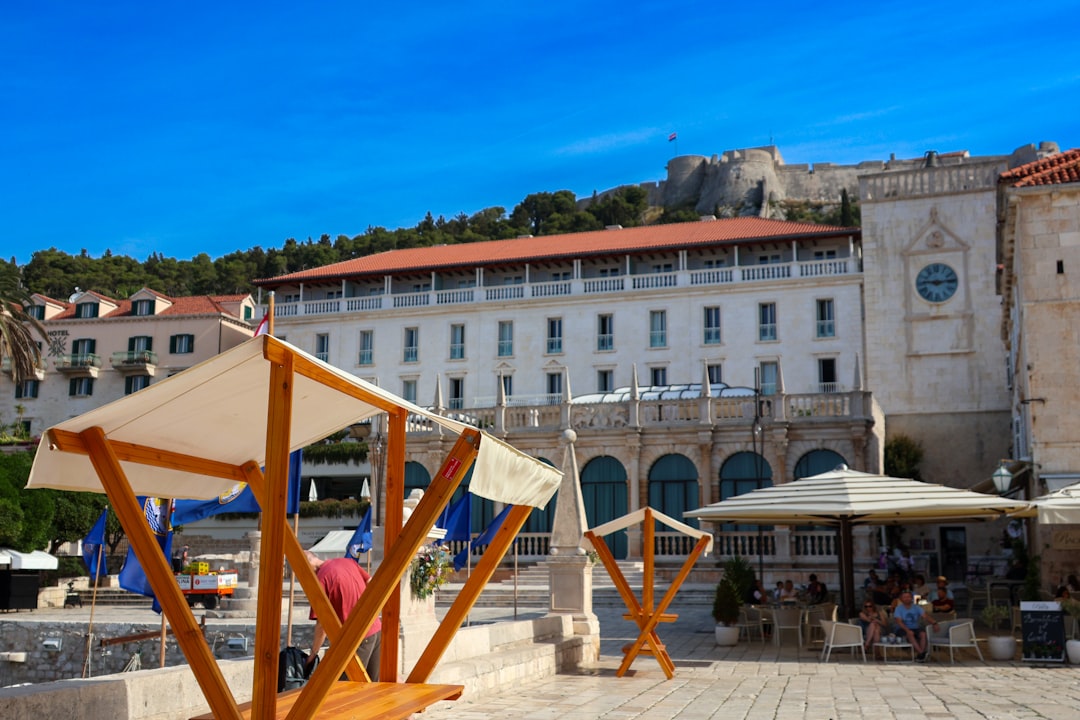
Ston's nightlife is low-key, with a few bars and cafes where you can enjoy a drink and people-watch. The main area is around the town square, where you'll find a mix of locals and tourists. The bars are casual, with outdoor seating and a relaxed atmosphere. You can expect to pay 3-5 EUR for a beer and 5-8 EUR for a cocktail.
Mljet, on the other hand, is not known for its nightlife. The island is more about relaxation and nature, so most places close early. However, there are a few bars where you can grab a drink and enjoy the view. The best spot is near the port, where you can watch the boats come in and out. Expect to pay similar prices as in Ston.
Getting There & What to Expect
The nearest airport is in Dubrovnik, which is about 40 kilometers from Ston. From the airport, you can take a bus or a taxi to Ston. The bus takes about an hour and costs around 5-10 EUR, while a taxi will cost 50-70 EUR. If you're driving, the journey is about 45 minutes.
For Mljet, you'll need to take a ferry from Dubrovnik or Korčula. The ferry from Dubrovnik takes about two hours and costs around 20-30 EUR one way. The ferry from Korčula is shorter, taking about an hour and costing 15-20 EUR one way. Once on the island, you can explore on foot or by bicycle. There are no cars allowed on Mljet, so it's a car-free paradise.
Accommodation in Ston ranges from budget hostels to luxury hotels. A bed in a hostel will cost you around 20-30 EUR per night, while a mid-range hotel will cost 50-80 EUR per night. In Mljet, the accommodation options are more limited, with a few hotels and guesthouses. A mid-range hotel on Mljet will cost around 60-100 EUR per night.
The best time to visit Ston and Mljet is from May to October, when the weather is warm and the sea is calm. However, July and August can be crowded, so if you prefer a quieter experience, consider visiting in the shoulder seasons of May or September.
Search accommodation in Dubrovnik on Booking.com →
The Final Word: Stone, Sea, and Silence
I'm packing my bag, ready to leave Ston. The sun is rising, casting a golden glow over the stone walls. The fisherman from last night is back, mending his nets. He waves at me, a silent goodbye. I wave back, feeling a sense of loss. This place has given me something rare: a moment of peace in a chaotic world. Ston and Mljet are not just destinations; they're reminders of what's possible when you step away from the beaten path. They're invitations to slow down, to listen, to feel. And in a world that's always rushing, that's a gift worth savoring.
So, if you're planning a trip to Croatia, don't just stick to Dubrovnik. Venture south, to Ston and Mljet. Walk the walls, taste the oysters, swim in the lakes. Let the stone towns wash over you, and you might just find something you didn't know you were looking for. Something real. Something true. Something worth remembering.
Comments