


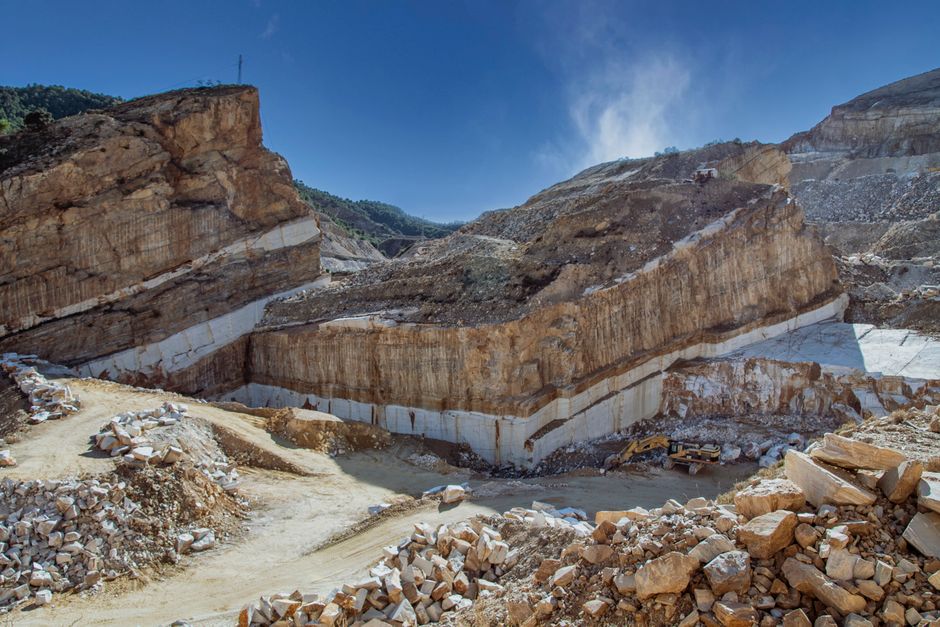
I am sitting on a slab of limestone in the scorching midday sun, my fingers tracing the deep, parallel grooves left by medieval chisels. The air smells of dry thyme and ancient dust. Around me, the silence is absolute, broken only by the distant, rhythmic crash of waves against the cliffs of Mount Srđ. This is not a beach. It is a graveyard of labor. I came here to understand how a city of merchants became a fortress of stone, but what I found was a landscape that refuses to let you forget the weight of history. Every block pulled from this earth paid for a galley, a spice trade route, or a diplomatic bribe. The stone didn't just build walls; it built an empire.
The quarries of Dubrovnik are not tourist traps. They are industrial scars on the face of Mount Srđ, open-air museums of raw endurance. Walking these paths, you realize that the golden hue of the Old Town isn't just aesthetic; it is the literal skeleton of the city, ripped from the mountain and floated across the Adriatic. This is a story of extraction, engineering, and survival, written in limestone.
History & Identity
The Republic of Ragusa, as it was known for centuries, was a maritime power that punched far above its weight. Its wealth came from trade—salt, alum, wine, and grain—moving between the Ottoman East and the Catholic West. But wealth needs defense. The city's identity was forged in the tension between commerce and survival. The stone quarries were the engine of this survival. From the 13th to the 16th centuries, the Republic controlled the best limestone deposits in the region, located primarily on the slopes of Mount Srđ and the nearby Mount Sveti Ilija.
The quarries were state-controlled enterprises. The Republic's government regulated every aspect of extraction, from the number of blocks cut to the wages paid to the stonemasons. This wasn't just local construction; it was a strategic resource. The limestone was used to build the city's iconic fortifications, which withstood sieges and earthquakes. It was also exported. Blocks were shipped to Kotor, Herceg Novi, and even as far as Rome, paying for the very ships that transported them. The stone was currency.
After the fall of the Republic in 1808 to French forces, the quarries declined. The modern city of Dubrovnik lost its political independence, and the massive state-driven construction projects ceased. The quarries fell silent, leaving behind a landscape of stepped terraces and abandoned pits that now blend into the natural ruggedness of the mountain. Today, they stand as a testament to a time when the city's fate was literally carved from the earth beneath its feet.
Where to Go
Stari Grad Quarries — Located on the northern slopes of Mount Srđ, just above the Old Town, these are the most accessible and well-preserved quarries. You can walk among the deep, rectangular pits where workers cut blocks up to 2 meters long. The views over the Old Town roofs and the Adriatic Sea are dramatic. There is no entry fee, but it is a steep walk from the city. Best visited in the early morning or late afternoon to avoid the heat.
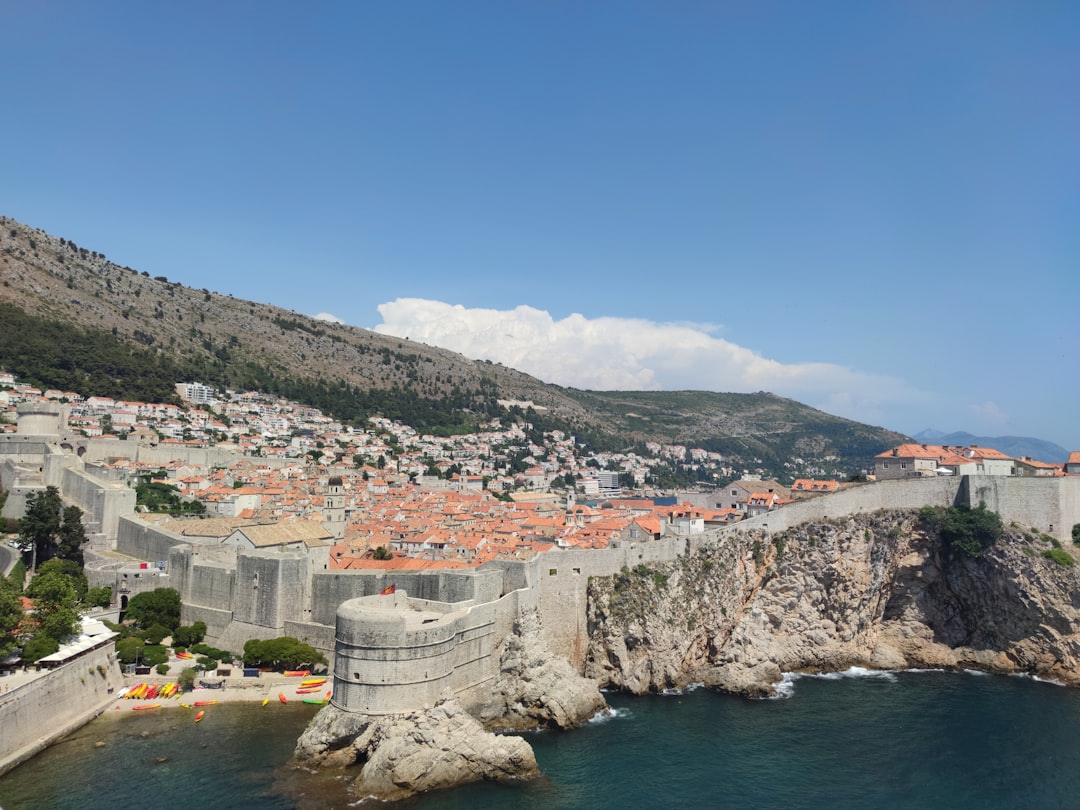
Španjola Quarter — While not a quarry itself, this historic neighborhood in the Old Town was the center of the stone industry. It housed the workshops of the master stonemasons and the offices of the quarry inspectors. Walking through its narrow, winding streets, you can see the craftsmanship of the stone in the arches, doorways, and facades. It is a living museum of the stone that came from the mountain. Entry is free, but it is always crowded. Visit early.
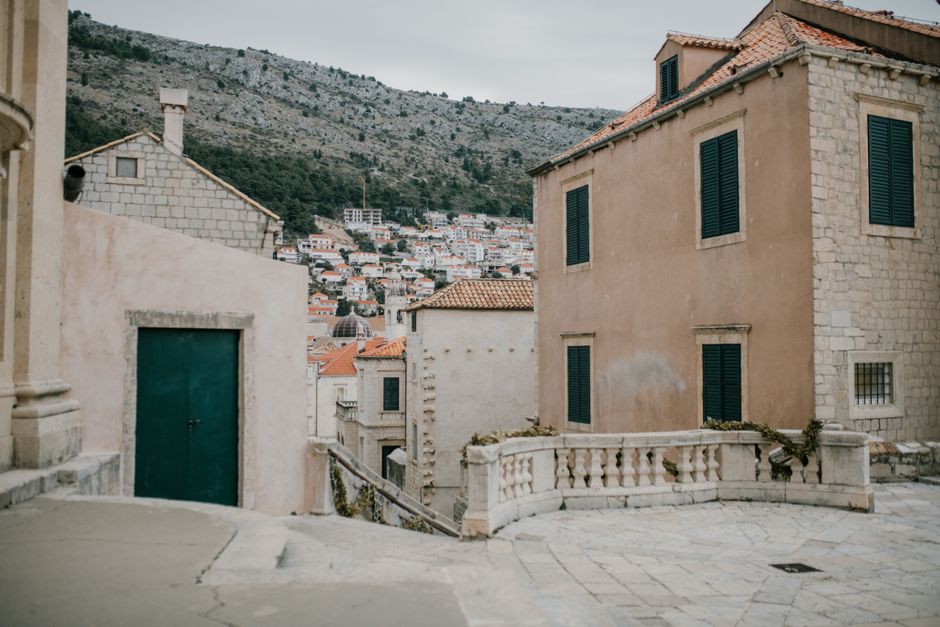
Fort Revelin — This 16th-century fortification at the western entrance to the Old Town was built using stone from the local quarries. It offers a stark, military perspective on the stone's purpose. The fort's thick walls and strategic position show how the quarries directly contributed to the city's defense. Entry is 5 EUR. It is less crowded than the city walls and offers a quieter, more reflective experience.
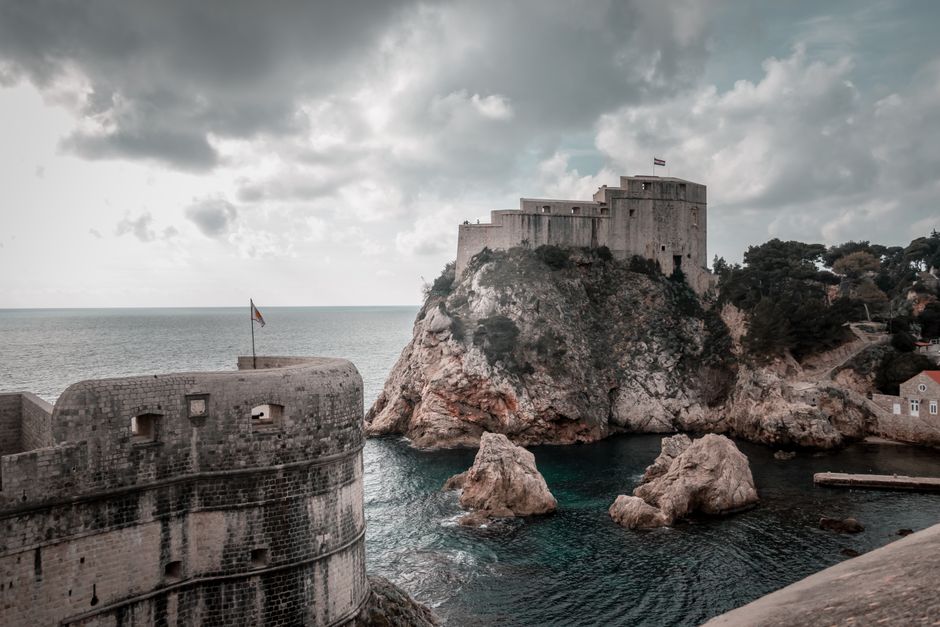
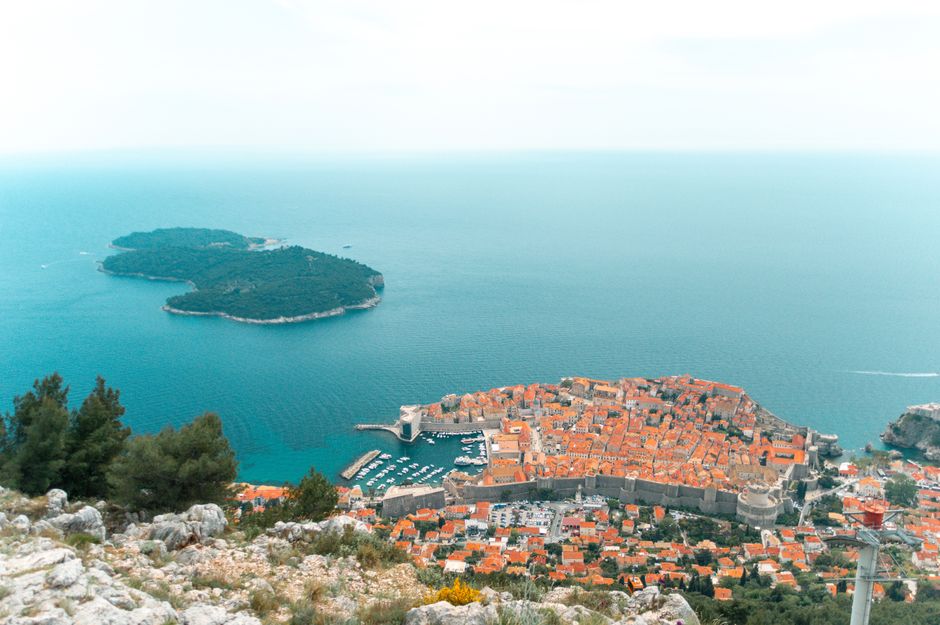
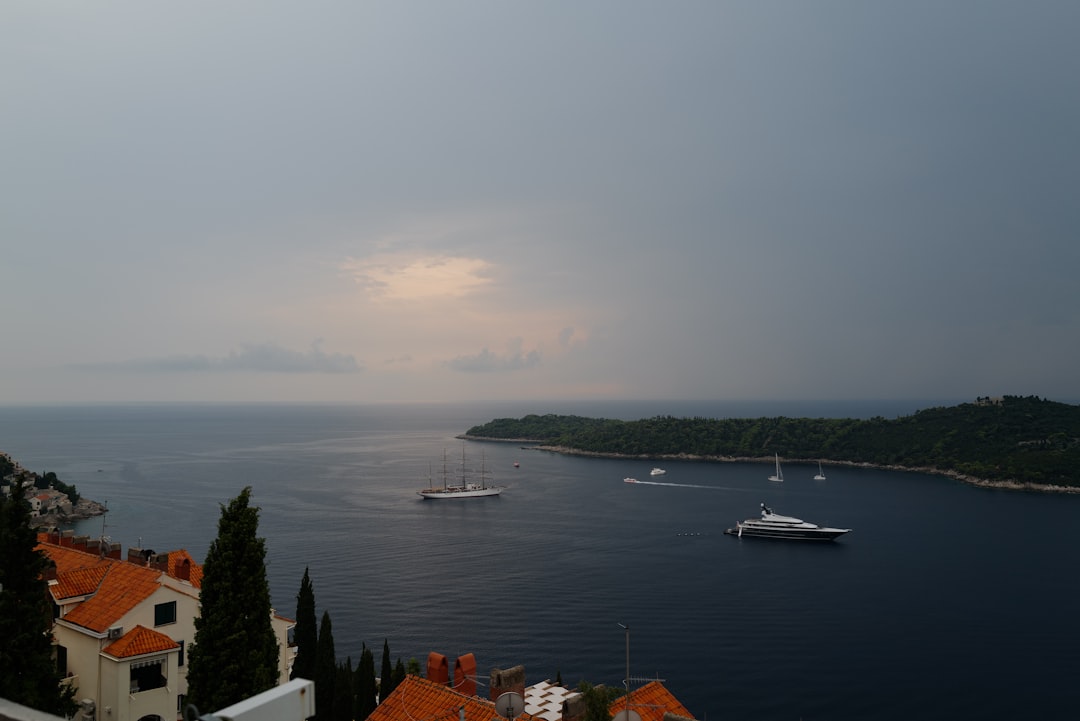
Mount Srđ Cable Car — For a broader perspective, take the cable car to the top of Mount Srđ. From there, you can see the entire extent of the quarries on the northern slopes, as well as the city's relationship with the sea. The cable car ride is 20 EUR round trip. The view from the top is expansive, showing how the city clings to the coastline, protected by the mountain that provided its building blocks.
What to Eat & Drink
Dubrovnik is expensive, but you can eat well if you know where to look. The local cuisine is a mix of Mediterranean and Balkan influences, with a focus on fresh seafood, olive oil, and herbs.
- Black Prawn Pasta — A local specialty made with black prawns, squid ink, and pasta. Expect to pay 15-20 EUR for a generous portion.
- Octopus Salad — Grilled octopus served with potatoes, olives, and a lemon-olive oil dressing. A solid 10-12 EUR.
- Peka — Meat or vegetables slow-cooked under a bell-shaped metal lid. A hearty 12-15 EUR.
- Rachels — Traditional fried dough pastries, often served with honey or jam. A cheap 2-3 EUR snack.
For budget travelers, head to the Stradun area for quick bites, but prices are high. For better value, try the Pile Gate area, where there are several smaller cafes and bakeries. Street food is limited, but you can find roasted corn and grilled fish from stalls near the port for 3-5 EUR. A sit-down meal at a local restaurant will run 20-30 EUR per person, while mid-range places can reach 40-60 EUR.

Nightlife
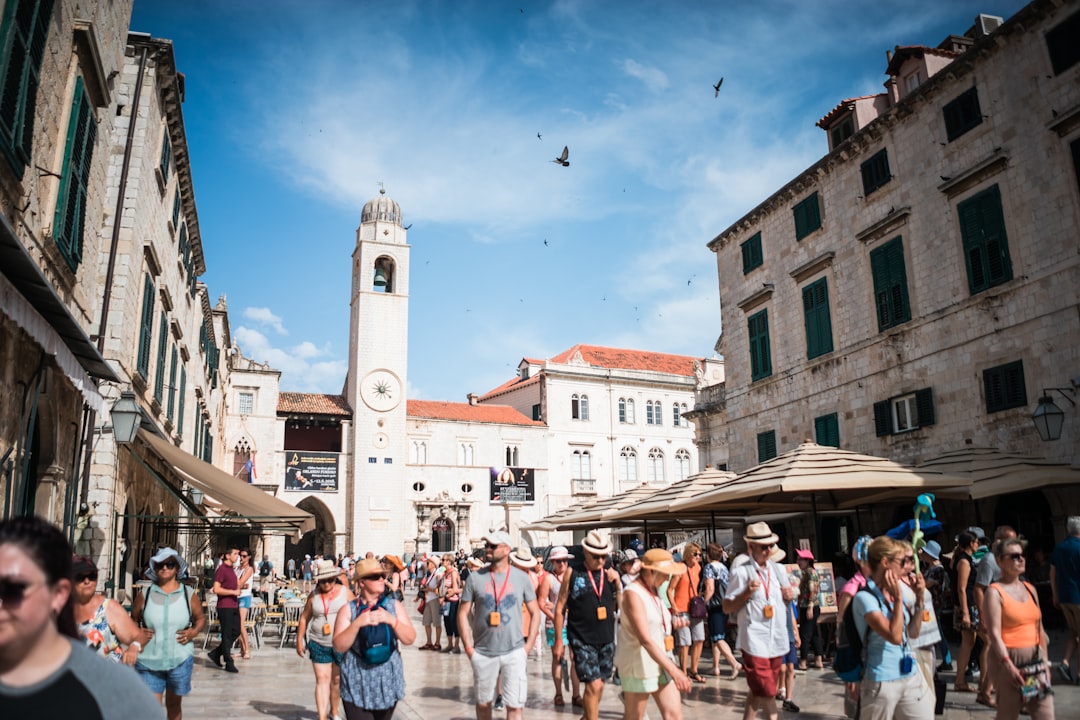
Dubrovnik's nightlife is concentrated around the Stradun and the Onofrio's Fountain area. The bars are open-air, set in historic courtyards and along the stone streets. The music is a mix of live acoustic sets, DJ beats, and the constant hum of conversation.
Bar 42 — A popular spot on the Stradun, known for its cocktails and lively atmosphere. Cover is free, but drinks are pricey at 8-12 EUR each.
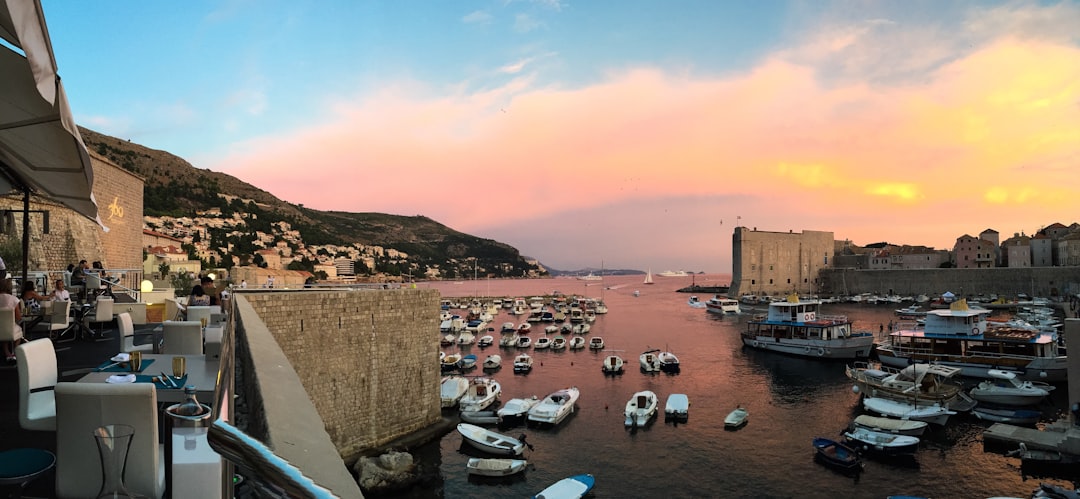
Mulberry Cocktail Bar — Located in the Old Town, this bar is known for its creative cocktails and historic setting. Drinks run 10-14 EUR.
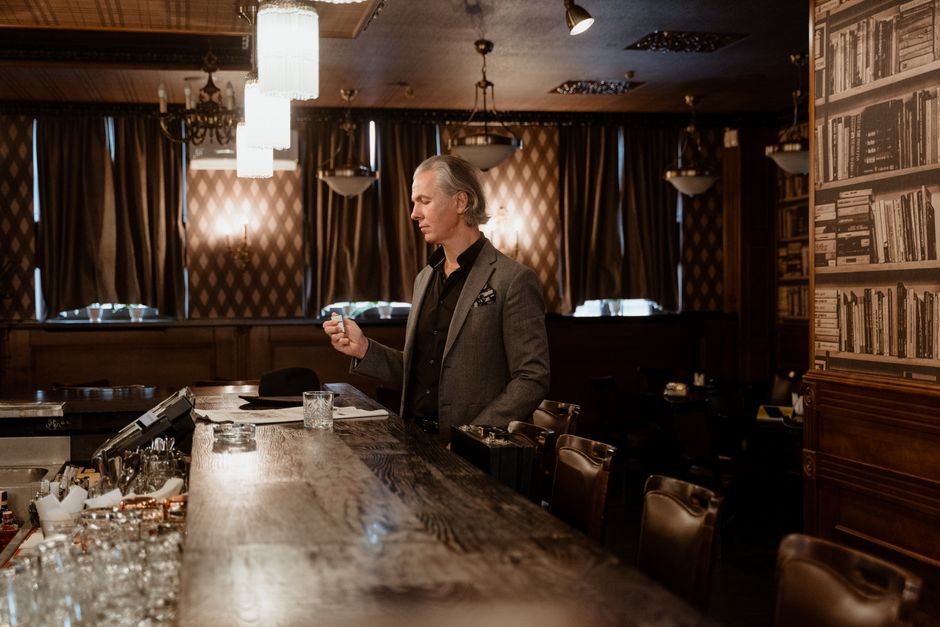
Fort Imperial — A bit outside the Old Town, this venue offers a more relaxed vibe with a focus on local wine and beer. Cover is 5 EUR.
Getting There & What to Expect
The nearest airport is Dubrovnik Airport, located in Čilipi, about 20 km south of the city. Buses run regularly from the airport to the Old Town, taking about 45 minutes and costing 10 EUR. The city is also well-connected by bus and train to other parts of Croatia and neighboring Bosnia and Herzegovina. A bus from Sarajevo takes about 3 hours and costs 15-20 EUR.
Accommodation in Dubrovnik is expensive. Budget hostels start at 30-50 EUR per night, while mid-range hotels range from 100-200 EUR. Luxury hotels can exceed 500 EUR per night. The best time to visit is April to June or September to October, when the weather is pleasant and the crowds are smaller. In July and August, the city is packed, and prices are at their peak.
To visit the quarries, you can walk from the Old Town via the Pile Gate and up the steep path to Mount Srđ. It takes about 30-40 minutes. Alternatively, you can take a taxi for 10-15 EUR. Wear sturdy shoes and bring water.
Search accommodation in Dubrovnik on Booking.com →
The Weight of the Stone
Standing at the edge of the quarry, looking down at the city that rose from these very rocks, I feel a strange sense of vertigo. It is not just the height. It is the realization that this entire civilization, with its laws, its art, its wars, and its peace, was built by hands that broke stone. The quarries are not just a historical site; they are a physical reminder of the labor that underpins all history. The stone is silent, but it speaks volumes. It tells us that empires are not built on ideas alone, but on the backs of those who are willing to break their own to lay the foundation. As the sun sets, casting long shadows over the pits, I leave with the taste of dust in my mouth and the weight of the mountain in my mind.
Comments